
Tenjin Boumarushin gives Kagoshima’s soba scene a serious, locally grounded address in Tenmonkan, with recognition in Tabelog’s Soba WEST 100 for 2024 and 2025. The appeal is not luxury theatre but a disciplined buckwheat-noodle format, supported by sake and shochu, in a city better known to many travellers for kurobuta pork, seafood counters, and volcanic geography.
Pearl is the En Primeur Club membership app — saves, bookings, and concierge access live there. Same editors, same standards.
- Address
- 鹿児島県鹿児島市東千石町8-22
- Phone
- +81992224565
- Website
- tabelog.com
 Saves & bookings on Pearl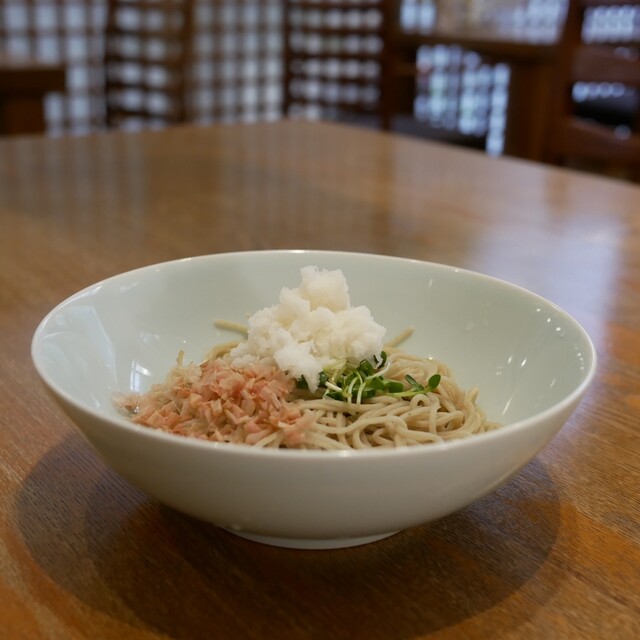
Tenmonkan puts dinner close to the street: covered arcades, short crossings, shopfront light, and the churn of Kagoshima’s central eating district. Here, soba moves differently from the city’s pork-heavy and seafood-led meals: quicker, quieter in its codes, and more dependent on repetition than spectacle. Tenjin Boumarushin, in Higashisengokucho, belongs to that tradition, with buckwheat noodles as the central argument, not a supporting course.
Kagoshima is often read through kurobuta, satsuma-age, shochu, and market fish, but soba has its own local role. It works as lunch, early dinner, or a restrained second meal after heavier regional cooking. That flexibility matters where travellers often overcorrect toward pork cutlets and hot-pot formats. For a broader read on the city’s range, Our full Kagoshima restaurants guide maps the wider field, from tonkatsu to set meals and late drinks.
Soba as a Kagoshima counterpoint to pork, eel, and set meals
The value of a serious Kagoshima soba address is partly comparative. Kurobuta meals such as Aji no Tonkatsu Maruichi and chicken formats like Akadori Sumiyaki Daiyasu pull the city’s dining reputation toward richness and smoke. Fish-and-rice formats, including Charcoal-grilled Fish & Clay Pot-cooked Rice Ochawan, Japanese Set Meal Diner, point elsewhere: tray structure, grilled protein, and rice as ballast. Soba sits between these poles: grain-focused but not rice-led, traditional but not ceremonial, and often more revealing of restraint than abundance.
Recognition gives that restraint a useful signal. Tenjin Boumarushin was selected for Tabelog’s Soba WEST 100 in both 2024 and 2025, a category for soba specialists across western Japan rather than general Japanese restaurants. Its Tabelog score is 3.66, placing it in the serious local-address tier rather than the tourist-roundup tier. The award context matters because soba is a craft category where small differences in noodle handling, dipping broth, pacing, and side drinking decide whether a shop becomes a neighbourhood standby or a destination for noodle-focused diners.
The drinks angle is specific to Kagoshima. A soba meal with nihonshu makes sense anywhere in Japan, but the city’s shochu culture changes the register. The venue lists sake and shochu, with emphasis on both, aligning soba with southern Kyushu drinking habits rather than a Tokyo-style template. That is the cultural hinge: buckwheat noodles, often associated with Edo taste and northern craft narratives, read through a Kagoshima drinking city.
Tenmonkan dining rewards compact, purposeful meals
Tenmonkan does not require one long dinner to justify the evening. Its strength is density. A soba stop can sit before a bar, after shopping, or between sightseeing and a later drink. BAR STINGER covers the cocktail end of that pattern, while Ichiba Shokudo Jounan ten points toward the market-meal side. Tenjin Boumarushin fits the middle: focused enough for a destination meal, casual enough to avoid turning the evening into a formal production.
The practical signals reinforce that reading. Reservations are available, smoking is not permitted, private rooms are not part of the format, and parking is not provided. Payment is cash-oriented; credit cards, electronic money, and QR code payments are not accepted. Those details are less inconvenience than category marker: a traditional, urban soba meal in a walkable dining district, not a hotel-restaurant experience built around concierge frictionless service.
For travellers building a Kagoshima itinerary, surrounding choices should shape timing. A heavy kurobuta lunch followed by soba at dinner makes more sense than stacking pork on pork. A seafood morning near the market can lead into soba later without repetition. City-centre visitors can pair the meal with hotel planning through Our full Kagoshima hotels guide, then use Our full Kagoshima bars guide if the night continues. Regional context beyond eating sits in Our full Kagoshima experiences guide, while Our full Kagoshima wineries guide helps travellers tracking Japan’s broader drink culture.
How to place it in a wider Japan itinerary
Japan rewards diners who resist making every meal a prestige chase. Soba is a cuisine where repetition teaches more than novelty: cold versus hot preparations, broth weight, noodle texture, and the relationship between alcohol and grain. A Kagoshima soba meal belongs beside, not below, larger-format dinners in Tokyo, Osaka, or Kyoto. It gives the itinerary a quieter register and a regional drinking context that a capital-city noodle stop may not provide.
The point is not that Kagoshima soba replaces the city’s better-known pleasures. It sharpens them. After eel at a venue such as Unagi no Sueyoshi or pork at Ichinii San Tenmonkan ten, soba recalibrates the palate and pace. Compared with Charcoal-grilled Fish & Clay Pot-cooked Rice Ochawan, Japanese Set Meal Diner, in a rice-and-set-meal lane, the soba format is narrower and more craft-dependent. Compared with Tonkatsu to, Shabushabu. Kurobuta Fukuya, it is lighter and less built around animal richness. That contrast earns the stop its place in a serious Kagoshima plan.
Travellers extending across Japan can use the same logic: match local speciality with meal structure, not just reputation. In Kamakura, -Grilled beef Sukiyaki- KAMAKURA TANUKIAN 鎌倉 たぬき庵 in Kamakura reads through beef and hot-pot ritual. In Tokyo,. 鮪と炭火焼き うお炭 秋葉原店 in Tokyo points toward tuna and charcoal. Osaka has casual café culture at.cafe in Osaka, Kumamoto brings its own urban dining tone at.know in Kumamoto, and Kawasaki’s range includes (Shoku) Vietnam in Kawasaki. For a northern contrast, [Curry Senmon Ten] Maruyama Kyoju. in Sapporo sits in a different comfort-food lane. Across the Pacific, Japanese drinking and casual formats appear differently at Jōdo Saké Bar in Los Angeles and Onigiri Time in Pasadena. Tenjin Boumarushin’s role is more concise: anchoring buckwheat noodles inside Kagoshima’s central dining district, with enough recognition to make the stop feel chosen rather than incidental.
A Pricing-First Comparison
Nearby venues at a similar price tier for orientation.
| Venue | Cuisine | Price | Awards | Notes |
|---|---|---|---|---|
| Tenjin BoumarushinThis venue — the venue you are viewing | $$ | , | ||
| Kawakyu (とんかつ川久) | 鹿児島中央, 鹿児島黒豚とんかつ | $$ | , | |
| Charcoal-grilled Fish & Clay Pot-cooked Rice Ochawan, Japanese Set Meal Diner | $$ | , | Tenmonkan, Charcoal-grilled fish & clay pot-cooked rice Japanese breakfast teishoku | |
| Tonkatsu Kawakyu | Chuocho, Kagoshima Black Pork Tonkatsu | $$ | , | |
| Aji no Tonkatsu Maruichi | $$ | , | downtown Kagoshima (Takamibaba), Kagoshima Kurobuta Tonkatsu | |
| Unagi no Sueyoshi | $$ | , | Tenmonkan, Traditional Kagoshima charcoal-grilled eel (unagi) |
Continue exploring
More in Kagoshima
Restaurants in Kagoshima
Browse all →
Hotels in Kagoshima
Browse all →
Wineries in Kagoshima
Browse all →
At a Glance
- Classic
- Cozy
- Hidden Gem
- Casual Hangout
- Solo
- After Work
- Standalone
- Sake Program
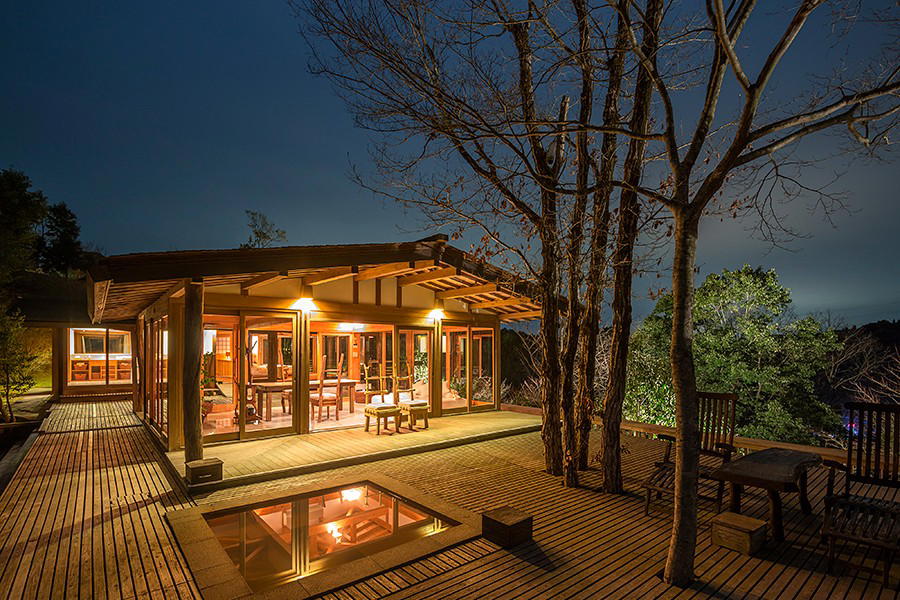
A relaxed, non-smoking soba house with spacious, comfortable seating in a simple second-floor setting, focused on traditional handmade noodles rather than design showmanship.