
Kirishima’s chicken cooking has a rural logic: small rooms, local drinking culture, and meals that make sense around the volcanic foothills rather than the city-center tasting-menu circuit. Korean Kirishima ten fits that pattern with a 15-seat, reservation-available format, a Tabelog 100 Chicken cuisine 2025 selection, and a lunch budget in the JPY 3,000–3,999 range.
Pearl is the En Primeur Club membership app — saves, bookings, and concierge access live there. Same editors, same standards.
- Address
- 2594-63 Kirishimataguchi, Kirishima, Kagoshima 899-4201, Japan
- Phone
- +81 995-57-1290
- Website
- korian.info
 Saves & bookings on Pearl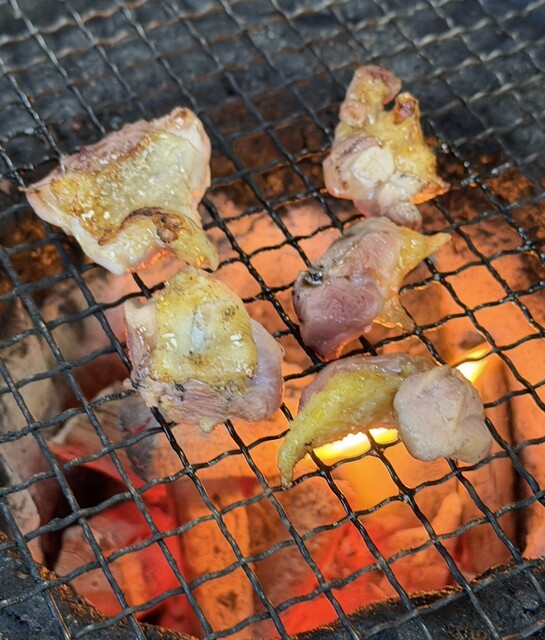
Approaching dining in Kirishima means adjusting expectations away from metropolitan polish and toward a slower rural register: forested roads, volcanic air, shrine traffic, and restaurants that treat chicken not as a fallback protein but as a regional anchor. In Kagoshima, poultry sits beside kurobuta pork, shochu, and hot-spring travel as part of the prefecture’s edible identity. The stronger rooms in this category tend to be compact, reservation-led, and closely tied to local drinking habits; the question is not how theatrical the format becomes, but how clearly the kitchen connects chicken, charcoal, rice, broth, and shochu into a meal that belongs here.
Korean Kirishima ten belongs in that conversation because the evidence points to a focused chicken-dish restaurant rather than a general countryside dining room. Its Tabelog 100 Chicken cuisine 2025 selection places it within a national category that rewards specialization, not breadth. In a city where many visitors arrive for Kirishima Jingu, ryokan stays, and open-air baths, that kind of category recognition matters: it separates a serious lunch plan from a convenient stop between sightseeing points.
Chicken as a Kirishima argument, not a side order
Southern Kyushu has a long habit of making poultry carry the meal. The regional frame matters because chicken cooking here is judged less by luxury signals than by control: heat, texture, seasoning, and how the bird works with sake or shochu. That is why a dedicated chicken restaurant in Kirishima reads differently from a yakitori counter in Tokyo or a resort dining room built for broad appeal. The narrower the category, the less room there is to hide behind variety.
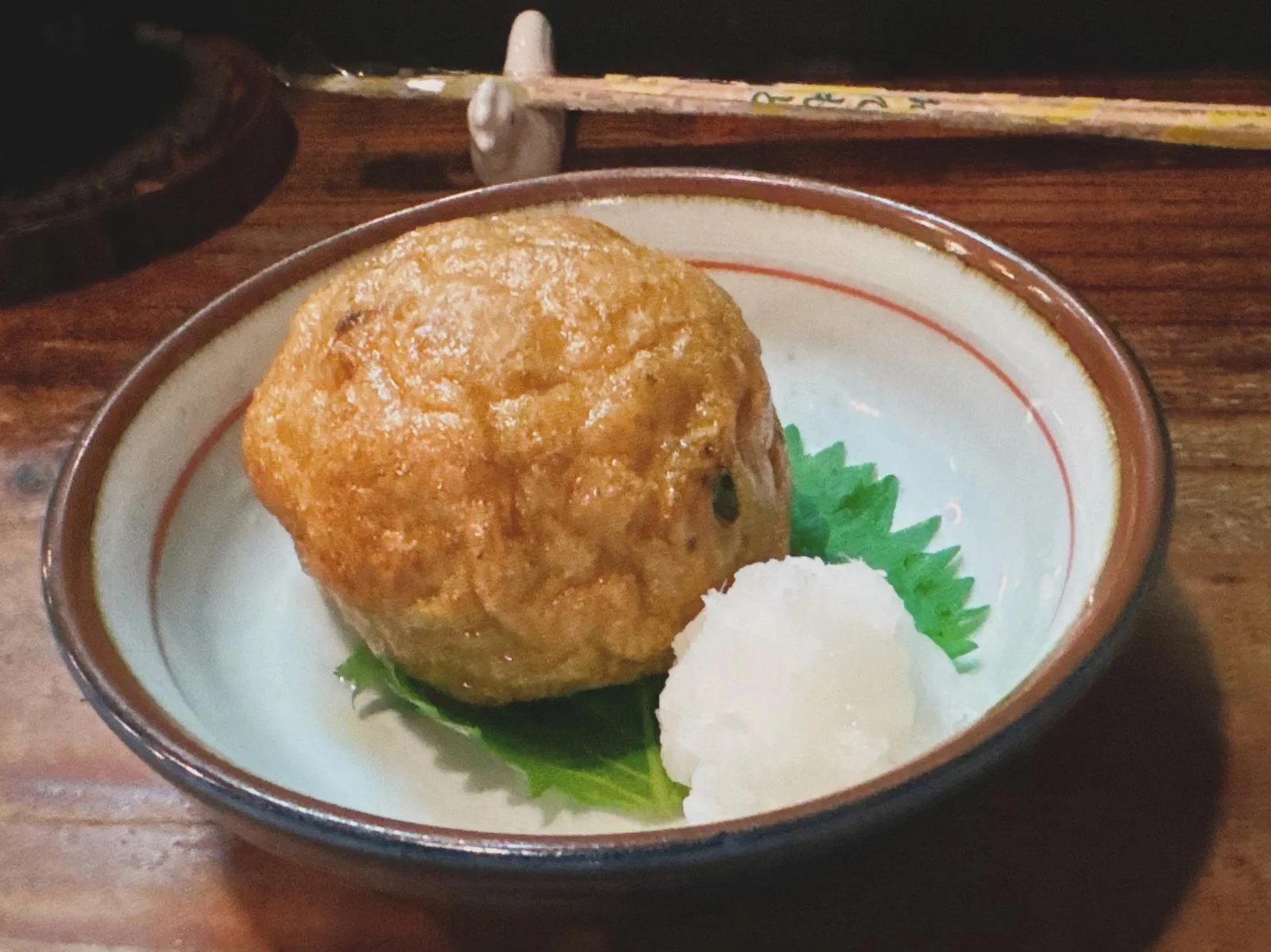
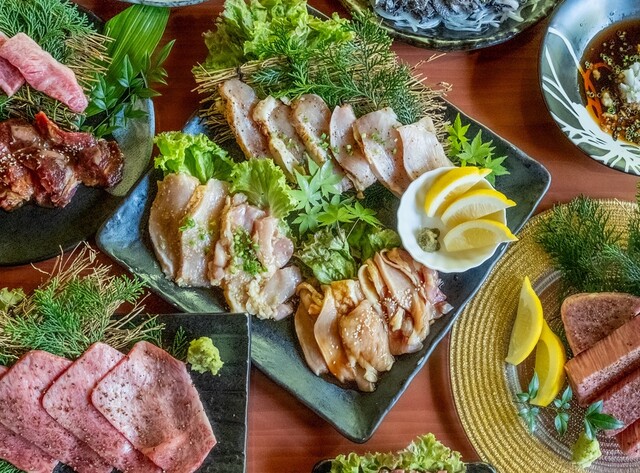
The restaurant’s listed category is chicken dishes, with sake and shochu named as drinks. That pairing is not incidental. Kagoshima is shochu country, and chicken has the fat, smoke, and salt structure to support it without demanding the ceremony of a formal kappo meal. The result is a style of eating that suits Kirishima’s geography: visitors can build a day around the shrine, foothill drives, and a concentrated lunch rather than committing to a long evening format. For a broader read on the city’s dining range, Our full Kirishima restaurants guide gives the wider map.
The useful comparison is not with urban fine dining, but with other Kirishima rooms that express place through different registers. Tenku no Mori (Japanese Cuisine) sits closer to the luxury-stay end of the spectrum, where privacy and setting shape the meal. Restaurant Ishikura and 食菜石蔵 point toward the broader local restaurant field. Jidori no Sato Eirakuso is the more direct poultry reference point for readers tracking chicken-focused dining across the area. Within that set, Korean Kirishima ten is the compact specialist: fewer seats, category recognition, and a format that rewards diners who came for chicken specifically.
A small-room format suits ingredient-led cooking
Ingredient-led restaurants in rural Japan often rely on restraint rather than explanation. A 15-seat room changes the pace: service can stay close to the food, courses or plates do not need to be engineered for volume, and the kitchen’s identity can remain narrow. That scale is also a signal to plan deliberately. Kirishima is not a district where travelers can assume dense restaurant coverage around every station or hotel, and the better meals often require choosing a direction before the day begins.
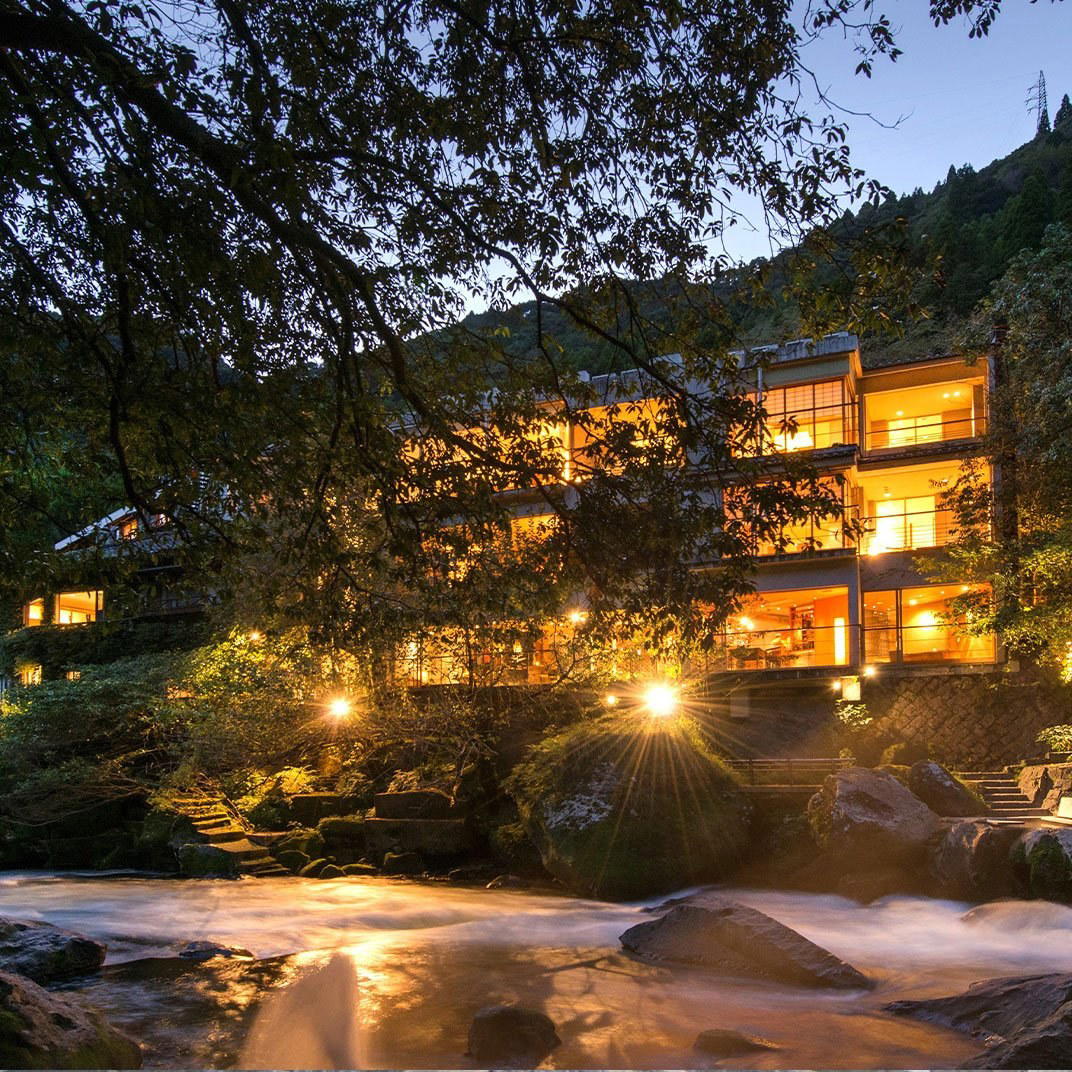
The listed room details suggest a countryside restaurant rather than a city counter: tatami seating, a relaxed room, parking, and a setting described around views and a house-restaurant feel. Those are practical clues as much as atmospheric ones. This is the kind of place that fits a driving itinerary, especially for travelers pairing lunch with Kirishima Jingu or a hot-spring stay. For lodging context, Our full Kirishima hotels guide is the natural companion; for after-dinner planning, Our full Kirishima bars guide helps set expectations in a city where drinking culture is more shochu-led than cocktail-bar dense.
Recognition from Tabelog’s chicken category should be read carefully. It does not turn the restaurant into a luxury destination by itself, and it does not imply the choreography of a Michelin-style tasting menu. It says something more useful for Kirishima: among Japanese chicken specialists, this address has enough category weight to merit attention. For travelers deciding between a resort dining room, a general local restaurant, and a poultry specialist, that distinction is the point.
How to place it in a Kirishima itinerary
Kirishima rewards travelers who separate meal types rather than chasing a single grand dinner. A chicken-focused lunch can sit between shrine visits and onsen time, while resort restaurants and ryokan meals occupy another lane. That is why the city’s stronger dining days often look modular: one specialist meal, one hot-spring stay, one shochu-driven evening, and enough time left for the mountain roads.
Readers comparing across categories should treat Korean Kirishima ten as a food-led stop, not a catch-all venue. For a more accommodation-led version of Kirishima, use Our full Kirishima hotels guide; for beverage-led research, Our full Kirishima wineries guide and Our full Kirishima bars guide cover the broader drinking map. Cultural planning sits separately in Our full Kirishima experiences guide. Nearby restaurant comparisons worth checking include Ichinii San Kokubu ten, especially for travelers weighing Kagoshima’s pork identity against its chicken cooking.
For readers building wider Japan food itineraries, the same editorial logic applies elsewhere: category specialists often say more about a place than broad menus do. EP Club’s Japan and international restaurant pages include -Grilled beef Sukiyaki- KAMAKURA TANUKIAN 鎌倉 たぬき庵 in Kamakura,. 鮪と炭火焼き うお炭 秋葉原店 in Tokyo,.cafe in Osaka,.know in Kumamoto, (Shoku) Vietnam in Kawasaki, [Curry Senmon Ten] Maruyama Kyoju. in Sapporo, Jōdo Saké Bar in Los Angeles, and Onigiri Time in Pasadena. The through-line is specificity: choose the place that knows what it is trying to cook.
Comparable Spots, Quickly
Comparable venues by cuisine and price in the same metro.
| Venue | Cuisine | Price | Awards | Notes |
|---|---|---|---|---|
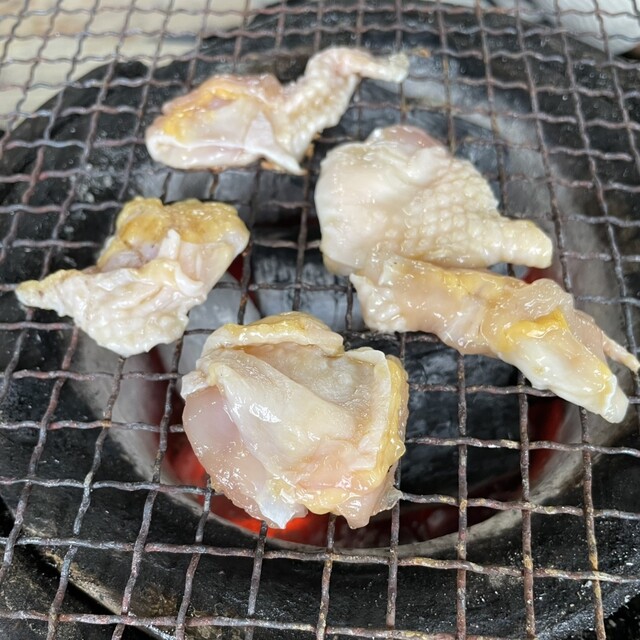
| Korean Kirishima tenThis venue — the venue you are viewing | Traditional jidori charcoal grill in a rustic countryside house | $$ | , | |
| Jidori no Sato Eirakuso | Traditional Japanese Yakiniku & Jidori Chicken | $$ | , | Hayatocho Matsunaga |
| 食菜石蔵 | , | , | ||
| Ichinii San Kokubu ten | Kagoshima black pork shabu-shabu & Japanese hotpot | $$ | , | Kokubu, Kirishima |
| Tenku no Mori | Seasonal Organic Japanese Fine Dining | $$$$ | Makizono-cho | |
| Maruyoshi Shokudo | Traditional Miyako Soba | $$ | , | Gusukube |
Continue exploring
More in Kirishima
Restaurants in Kirishima
Browse all →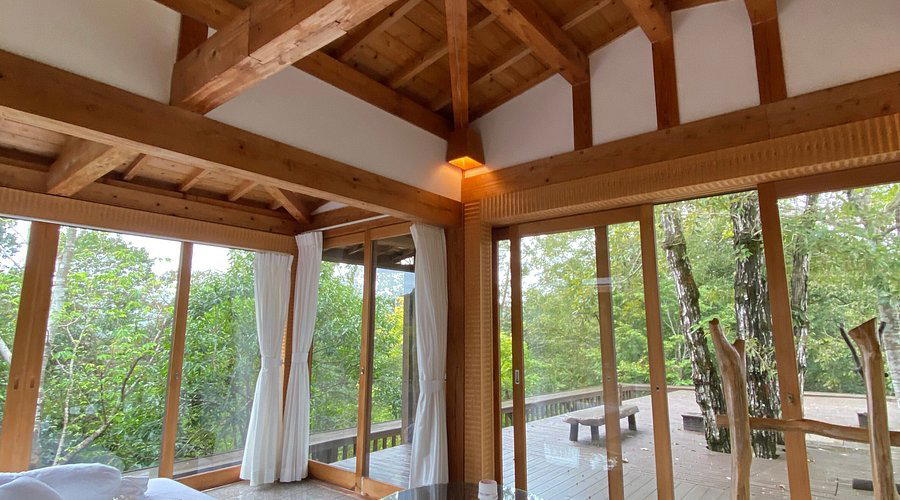
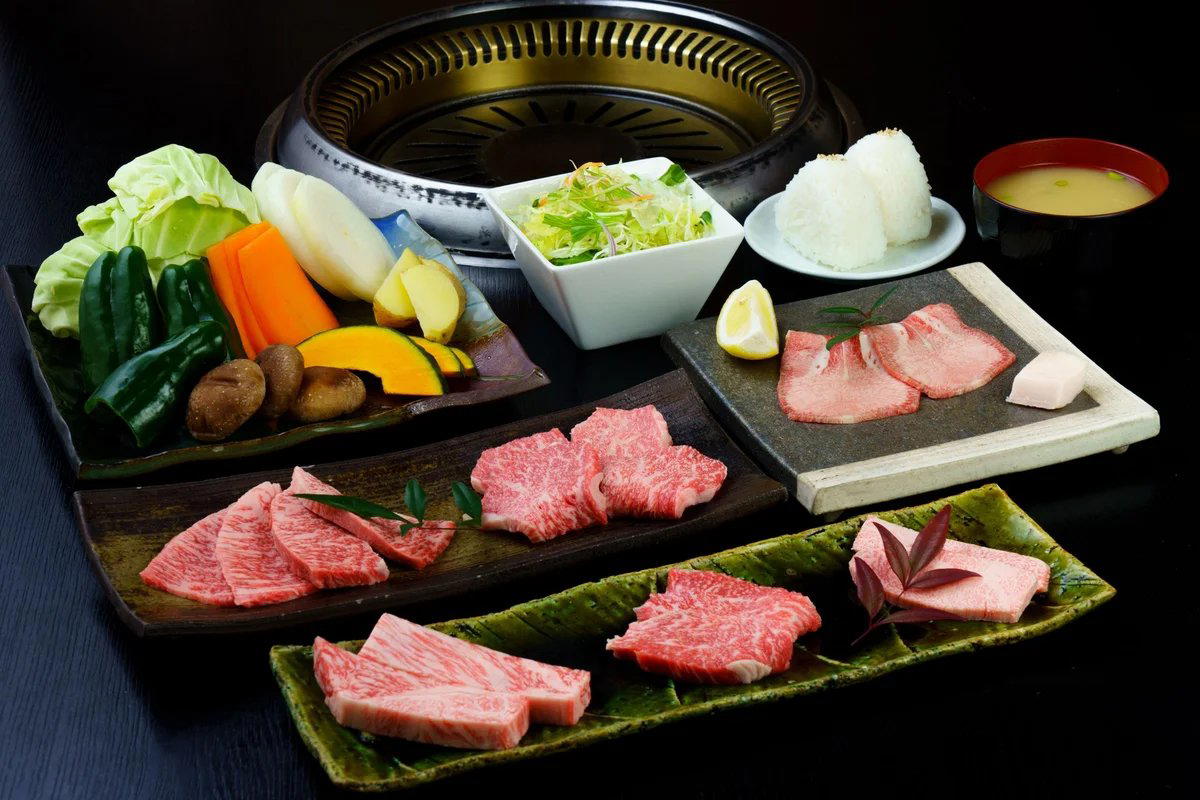
Hotels in Kirishima
Browse all →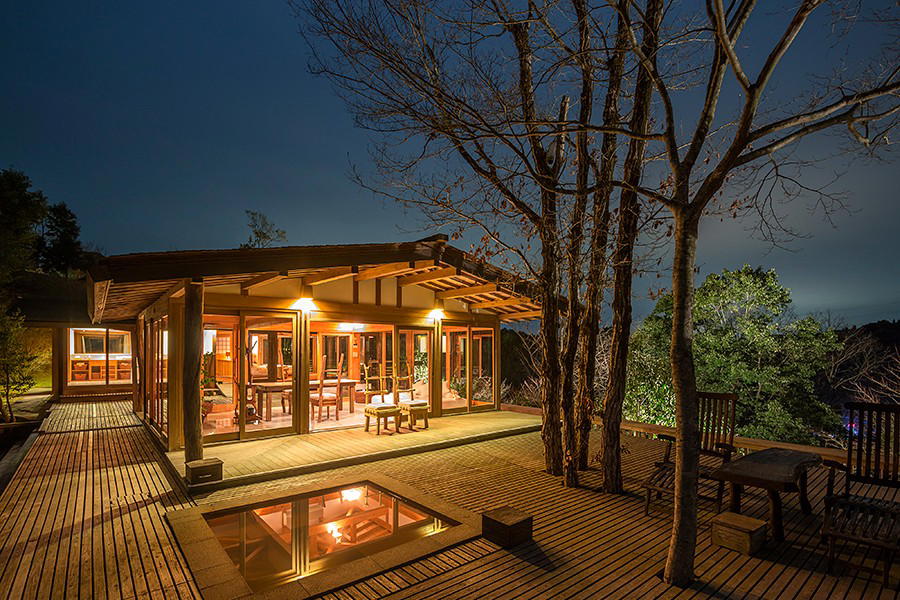
At a Glance
- Quiet
- Scenic
- Rustic
- Cozy
- Hidden Gem
- Date Night
- Family
- Group Dining
- Casual Hangout
- Terrace
- Garden
- Standalone
- Local Sourcing
- Mountain
- Garden
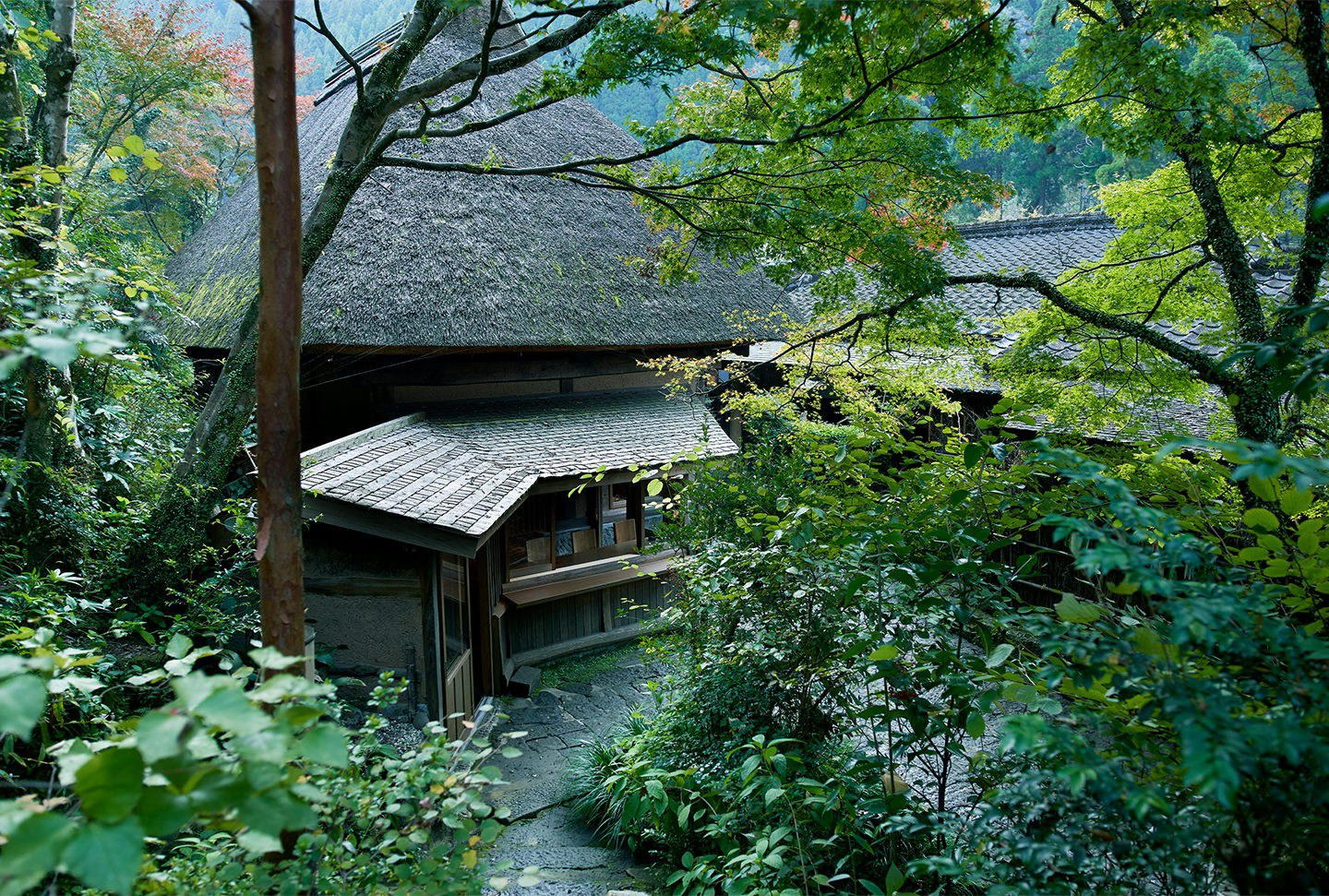
Set in a traditional Japanese kominka surrounded by trees at the foot of the Kirishima mountains, the restaurant feels like a quiet retreat from the city, with calm, rustic interiors and the warm glow of charcoal grills plus terrace seating that opens onto nature.