
Sushi Dokoro Kimiya puts Kagoshima sushi into a compact, ingredient-led frame: eight seats, counter service, fish-forward cooking, and a drinks list that includes sake, shochu, and wine. Its 2025 selection for Tabelog 100 Sushi WEST gives it a clear trust signal in a city better known to many travelers for pork, shochu, and market cooking than destination sushi.
Pearl is the En Primeur Club membership app — saves, bookings, and concierge access live there. Same editors, same standards.
- Address
- 3 Chome-32-5 Usuki, Kagoshima, 890-0073, Japan
- Phone
- +81 90-3348-0501
- Website
- instagram.com
 Saves & bookings on Pearl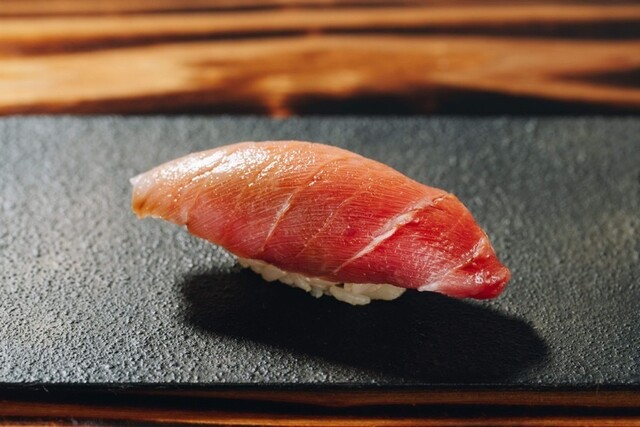
Usuki is not the postcard version of Kagoshima dining. The setting is more local rail stop than hotel-district theatre, which is part of the point: serious sushi in regional Japan often reveals itself away from the obvious nightlife grid. At Sushi Dokoro Kimiya, the frame is small and direct, with eight seats and counter service making the sourcing conversation hard to avoid. The meal lives or dies by fish selection, rice discipline, and the quiet confidence to keep the format narrow.
Kagoshima’s food identity is usually read through kurobuta pork, Satsuma-age, shochu, and market-adjacent cooking. Sushi asks a different question of the city. It puts the surrounding waters, local distribution, and Kyushu’s appetite for seasonal seafood into focus, then measures the kitchen against a national form whose reference points are often Tokyo or Kanazawa. Kimiya’s 2025 inclusion in Tabelog 100 Sushi WEST matters because it places a Kagoshima counter inside a western Japan sushi conversation rather than leaving it as a local address for regulars.
Fish-driven sushi in a city better known for pork and shochu
The useful way to read this counter is through ingredient priority, not luxury signalling. The restaurant is listed as sushi, with a stated emphasis on fish, and the drinks program runs across sake, shochu, and wine. That combination says more than a long tasting-menu description would. Kagoshima has a deep shochu culture, but sushi rewards drinks that can move between fat, vinegar, salt, and ocean sweetness; offering sake and wine alongside shochu places the meal in a broader pairing register without turning it into a formal sommelier performance.
Compared with Kagoshima’s more familiar casual brackets, Kimiya sits in a different decision category. Washoku Tei and Tonkatsu Taketei Tagami ten occupy lower everyday price bands, while Yushoku Tonsai Ichiniisan Kagoshima honten sits closer to the city’s polished local-dining lane. Toriya Yamaguchi reaches a higher dinner bracket around grilled chicken. Kimiya’s appeal is not that it replaces those meals; it gives the city’s seafood side a compact counter format with national-list recognition.
That distinction is useful for travelers building a Kagoshima itinerary. A meal at Aji no Tonkatsu Maruichi reads the city through pork; Akadori Sumiyaki Daiyasu through charcoal and chicken; Ichiba Shokudo Jounan ten through market eating. Kimiya belongs beside them as the sushi counter that shifts the lens toward fish sourcing and Kyushu’s coastal pantry.
An eight-seat counter with recognition beyond the neighborhood
Small counters create a sharper test than larger dining rooms. With eight seats, there is little room for distraction: the rhythm of ordering, plating, and service becomes part of the assessment. Counter seating also changes the guest’s relationship to sushi. The format favors timing and restraint over abundance, and it makes a concise restaurant feel more serious than its footprint suggests.
The 2025 Tabelog 100 Sushi WEST selection is the hard credential here. Tabelog’s Hyakumeiten lists are especially useful in Japan because they capture depth outside the Michelin map and outside English-language travel patterns. For Kagoshima, that matters. The city’s stronger international associations sit around Sakurajima, hot springs, pork, and shochu; a sushi counter recognized in a western Japan category gives visiting diners a reason to look beyond the standard regional checklist.
The room also broadens the usual counter-sushi audience. The restaurant is listed as solo-dining friendly and family friendly, with children and strollers allowed, while private rooms are not part of the format. That combination is unusual in spirit if not in policy: it keeps the counter compact but does not frame sushi as a hushed, adult-only performance. For travelers, this makes the restaurant more flexible than many small counters, particularly in a city where dining plans often need to fit rail times, weather, and day trips.
For broader planning, Our full Kagoshima restaurants guide maps the city’s food range, while Our full Kagoshima bars guide is the better next stop for shochu and late drinks. Hotel logistics sit separately in Our full Kagoshima hotels guide, and longer itineraries can fold in Our full Kagoshima experiences guide or Our full Kagoshima wineries guide for regional context beyond the table.
How to place it in a Kagoshima eating day
Kimiya works well as the focused meal in a day otherwise built around Kagoshima’s heavier signatures. Tonkatsu, charcoal chicken, and clay-pot rice can dominate the city’s dining rhythm; sushi offers a cleaner midpoint or evening counterpoint. Charcoal-grilled Fish & Clay Pot-cooked Rice Ochawan, Japanese Set Meal Diner covers the set-meal side of fish cooking, while Kimiya narrows the same regional instinct into sushi technique.
The practical edge is the restaurant’s location near Wakida and Usuki rather than the thick of Tenmonkan. That makes it a deliberate choice, not a casual add-on between bars. The reward is a meal that reflects Kagoshima without relying on the city’s predictable calling cards. For travelers already comparing regional Japan’s sushi counters, the case is simple: a small Kagoshima counter, fish-led cooking, and a 2025 Tabelog 100 Sushi WEST selection form a stronger argument than atmosphere alone.
Readers extending the comparison beyond Kagoshima can use national and international contrasts carefully. -Grilled beef Sukiyaki- KAMAKURA TANUKIAN 鎌倉 たぬき庵 in Kamakura frames beef and sukiyaki tradition;. 鮪と炭火焼き うお炭 秋葉原店 in Tokyo points toward tuna and charcoal in the capital;.cafe in Osaka,.know in Kumamoto, (Shoku) Vietnam in Kawasaki, and [Curry Senmon Ten] Maruyama Kyoju. in Sapporo show how far category and city context can shift the dining brief. Abroad, Jōdo Saké Bar in Los Angeles and Onigiri Time in Pasadena are useful reminders that Japanese food outside Japan often separates sake, rice, and counter culture into different venues. In Kagoshima, Kimiya keeps those threads close together.
How It Stacks Up
Comparable options at the same price tier.
| Venue | Cuisine | Price | Awards | Notes |
|---|---|---|---|---|
| Sushi Dokoro KimiyaThis venue — the venue you are viewing | Edomae Sushi Omakase Counter | $$$ | , | |
| Toriya Yamaguchi | Japanese Yakitori & Chicken Cuisine | $$$ | , | Kagoshima Chuo |
| Yakitori Senmyou | Traditional Yakitori | $$$ | , | Tenmonkan / Koto Chugakko Mae area |
| Tenjin Boumarushin | Traditional handmade soba | $$ | , | Tenmonkan / Tenmonkandori |
| Karen Kagoshima ten | Kagoshima wagyu & Kurobuta shabu-shabu and sukiyaki | $$$ | , | Tenmonkan |
| Tonkatsu Kawakyu | Kagoshima Black Pork Tonkatsu | $$ | , | Chuocho |
Continue exploring
More in Kagoshima
Restaurants in Kagoshima
Browse all →
Hotels in Kagoshima
Browse all →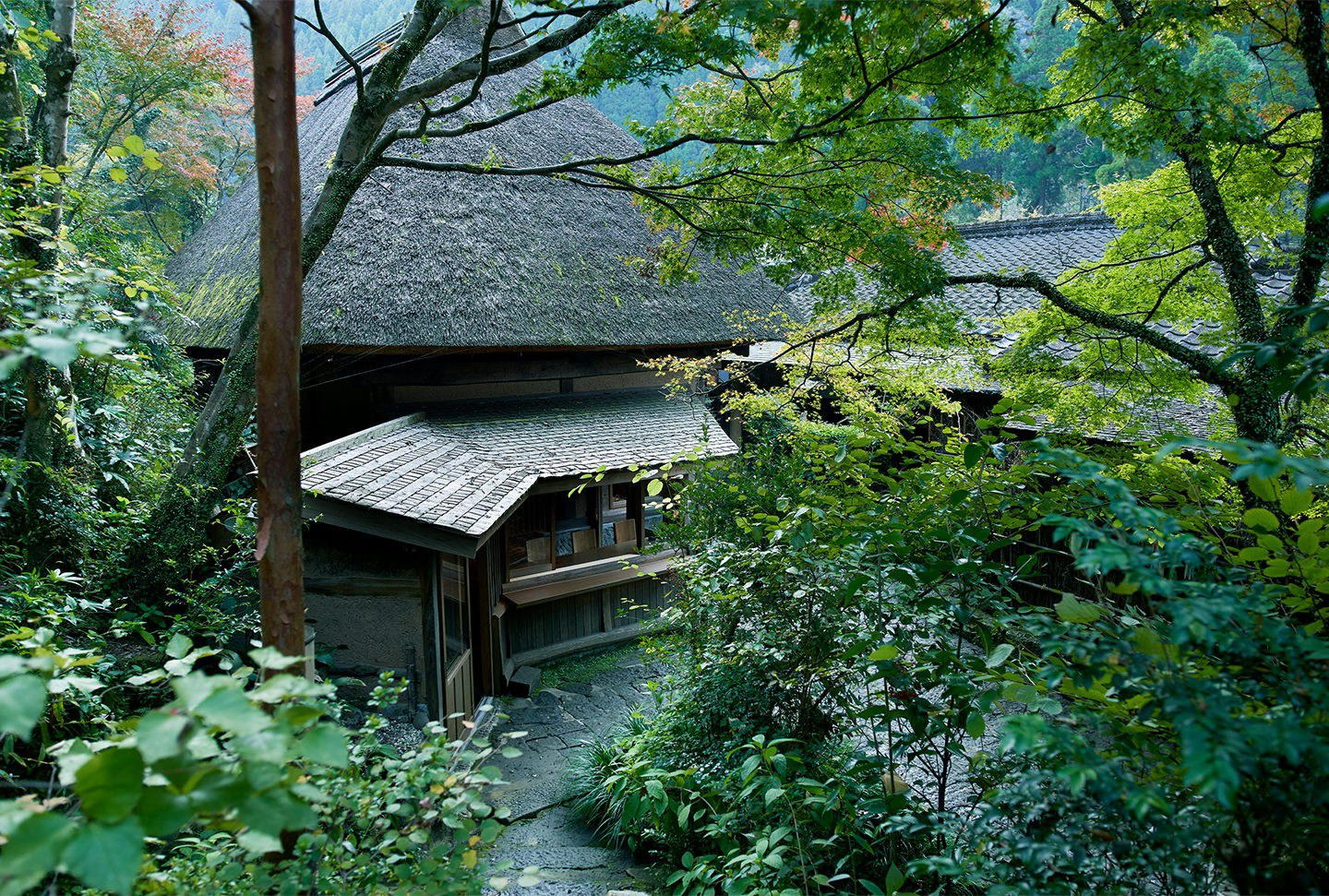
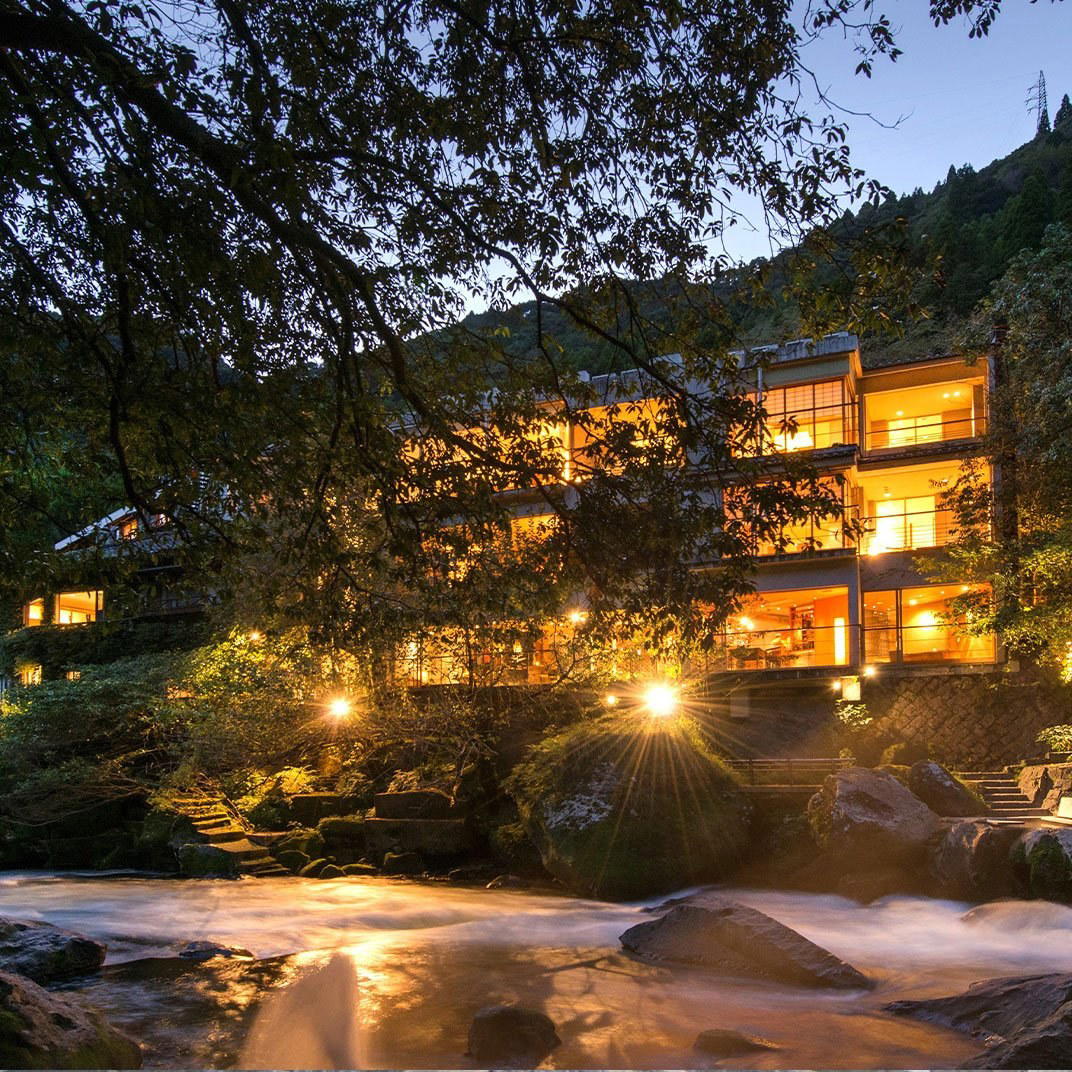
Wineries in Kagoshima
Browse all →
At a Glance
- Intimate
- Cozy
- Hidden Gem
- Date Night
- Solo
- Special Occasion
- Casual Hangout
- Chefs Counter
- Standalone
- Sake Program
- Extensive Wine List
- Sustainable Seafood
Counter-only seating with a calm, café-like feel, where guests sit close to the chef and enjoy leisurely omakase nigiri made with seasonal fish.[1][3][9]