
Mujara puts Kyoto’s curry culture into a compact, low-spend frame: a 15-seat room near Shijo Omiya with Tabelog Curry WEST 100 selections in 2023 and 2024. The appeal is not ceremony or chef mythology, but the ratio of recognition, small scale, cash-only simplicity, and everyday pricing in a city better known abroad for kaiseki and temple-side sweets.
Pearl is the En Primeur Club membership app — saves, bookings, and concierge access live there. Same editors, same standards.
- Address
- Japan, 〒600-8388 Kyoto, Shimogyo Ward, Bomoncho, 832 イツワマンション 1F
- Phone
- +81 80-9161-1191
- Website
- twitter.com
 Saves & bookings on Pearl
Approaching the Shijo Omiya side of Shimogyo, Kyoto loses some of the postcard polish that defines the eastern temple corridors. Apartment blocks, small food shops, and local traffic set the tone. That setting matters for curry. In Japan, serious curry often lives outside the grand dining script: compact rooms, quick turnover, a regulars-first rhythm, and cooking that draws a line between weekday comfort and specialist obsession.
Mujara belongs to that smaller Kyoto category, where the value is not measured by ceremony. A 15-seat curry counter with Tabelog Curry WEST 100 recognition in both 2023 and 2024 operates in a different economy from Kyoto’s tasting-menu restaurants. The spend sits in the city’s everyday dining bracket, yet the award signal places it among curry addresses that Japanese diners actively compare across western Japan. That is the useful frame: not luxury, but precision inside a casual format.
Kyoto curry, judged by regulars rather than room drama
Kyoto’s international dining reputation usually begins with kaiseki, tofu cuisine, wagashi, and the refined choreography of seasonal service. Curry sits elsewhere in the city’s appetite. It is less exported as an image, but deeply legible to local diners: spice balance, rice texture, portion logic, speed, and the discipline of a kitchen that can repeat the same promise through lunch and dinner. In that context, a Tabelog Curry WEST 100 selection is a meaningful trust signal because it reflects a category-specific field, not a general dining popularity contest.
The low-spend bracket sharpens the point. At this level, the reader is not paying for linen, tasting-menu pacing, or a sommelier conversation. The question is whether a small room can justify a detour over a more convenient bowl near the station. Mujara’s case rests on its category recognition, limited seating, and the practical seriousness of a shop that takes no reservations. That combination usually rewards diners who treat curry as a planned meal rather than a fallback.
The comparison set around Kyoto also shows how broad value dining can be. 3TOKU6MI Shijo karasuma ten, 551蓬莱, [ki:], Abbesses, and Aburi Mochi Honke Nemoto Kazariya all answer different versions of the same Kyoto problem: where does a meal feel specific to place without requiring a formal dining commitment? Curry answers that question with less theatre and more repetition. It is a form built for regular use, which makes recognition in the category more interesting than the room itself.
The value is in the format, not the flourish
Small-seat curry restaurants create value through compression. The menu does not need to sprawl, the room does not need to flatter, and the service format does not need to slow the meal into an occasion. What matters is control: a kitchen scaled tightly enough that the cooking remains the point. With 15 seats, no private rooms, and no private-use format, the experience reads as a focused city meal rather than a social event.
That compactness also changes the decision-making. Kyoto visitors often overinvest in formal dinners and underplan lunches, then end up eating around transit convenience. A recognized curry specialist near Shijo Omiya offers a better answer: modest spend, clear identity, and a neighbourhood that is close enough to central Kyoto without being swallowed by the tourist flow around Gion or Kyoto Station. It pairs well with a day built around moving across town rather than lingering in one sightseeing district.
There are trade-offs. Cash-only payment keeps the operation in the old-school small-shop lane. Take-out is part of the service profile, children are welcome, and the room is non-smoking, but this is not a place to expect long-table comfort or elaborate pacing. The restaurant may close at night once sold out, a detail that matters more than the posted schedule for anyone planning a late meal. The practical reading is simple: go earlier, bring cash, and treat the small scale as part of the value equation rather than an inconvenience.
How it fits into a sharper Kyoto food day
For a premium traveller, Mujara is useful because it breaks the assumption that every worthwhile Kyoto meal must be expensive, ceremonial, or historically framed. The city’s strongest days often work through contrast: temple precincts and department-store basements, old sweet shops and contemporary counters, a formal dinner followed by a plain-spoken lunch the next day. Curry gives that itinerary ballast. It is casual, but not careless.
Readers building a broader Kyoto plan can use Our full Kyoto restaurants guide for dining context, then layer in Our full Kyoto hotels guide, Our full Kyoto bars guide, Our full Kyoto wineries guide, and Our full Kyoto experiences guide to avoid building the trip around meals alone. For regional contrast outside Kyoto, the wider Japan and overseas listings show how casual formats travel across categories, from -Grilled beef Sukiyaki- KAMAKURA TANUKIAN 鎌倉 たぬき庵 in Kamakura and. 鮪と炭火焼き うお炭 秋葉原店 in Tokyo to.cafe in Osaka.know in Kumamoto, (Shoku) Vietnam in Kawasaki, [Curry Senmon Ten] Maruyama Kyoju. in Sapporo, Jōdo Saké Bar in Los Angeles, and Onigiri Time in Pasadena.
The editorial verdict is restrained but clear. Mujara is not the Kyoto meal for travellers seeking grand service cues or a chef-led narrative. It is the smarter choice when the brief is narrow: recognized curry, modest spend, small-room discipline, and a neighbourhood position that makes sense between central errands. In a city where value can be obscured by tradition, that clarity has its own appeal.
Where the Accolades Land
Comparable venues at a glance for context.
| Venue | Cuisine | Price | Notes |
|---|---|---|---|
| MujaraThis venue — the venue you are viewing | Spice curry shop with Indian-style curries | $ | Not listed |
| Biryani Senmon Ten INDIA GATE | Indian biryani & curry house | $$ | Nakagyō |
| Mughal | Authentic Indian Curry House | $$ | Nakagyō |
| Sukesama (ぎょうざ処 亮昌) | Kyoto Gyoza Specialist | $ | Gion |
| Yamamoto Menzou | Traditional Kyoto udon noodle shop | $ | Sakyō |
| Seikou Udoku | Japanese Mazesoba | $ | Uji |
Recognition history
Dated appearances from independent guides and award organizations, with the underlying list record or original source where available.
Tabelog 100 #97 · No. 97
Tabelog · Tabelog 100 - Curry - WEST - 2024
Continue exploring
More in Kyoto
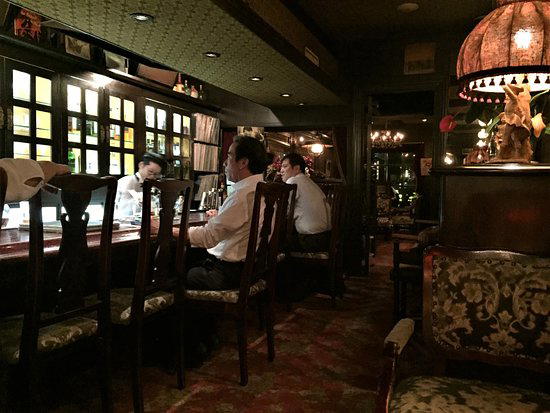
Restaurants in Kyoto
Browse all →
Bars in Kyoto
Browse all →
Hotels in Kyoto
Browse all →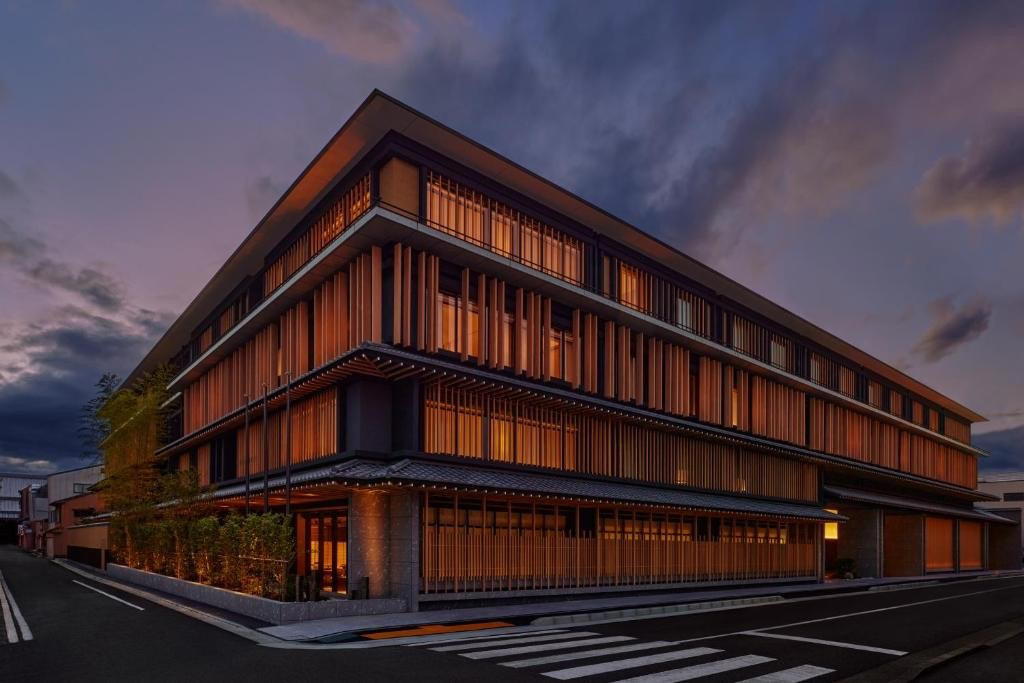
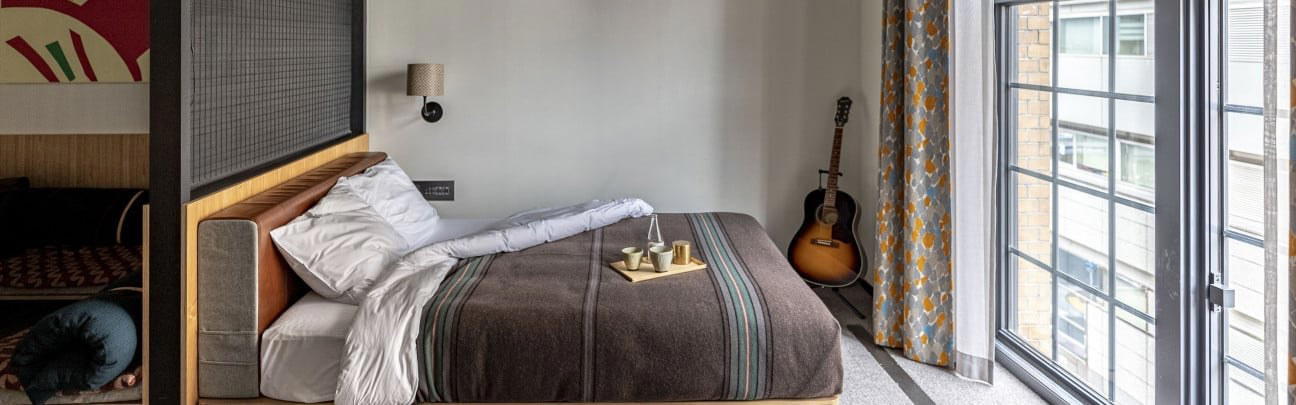

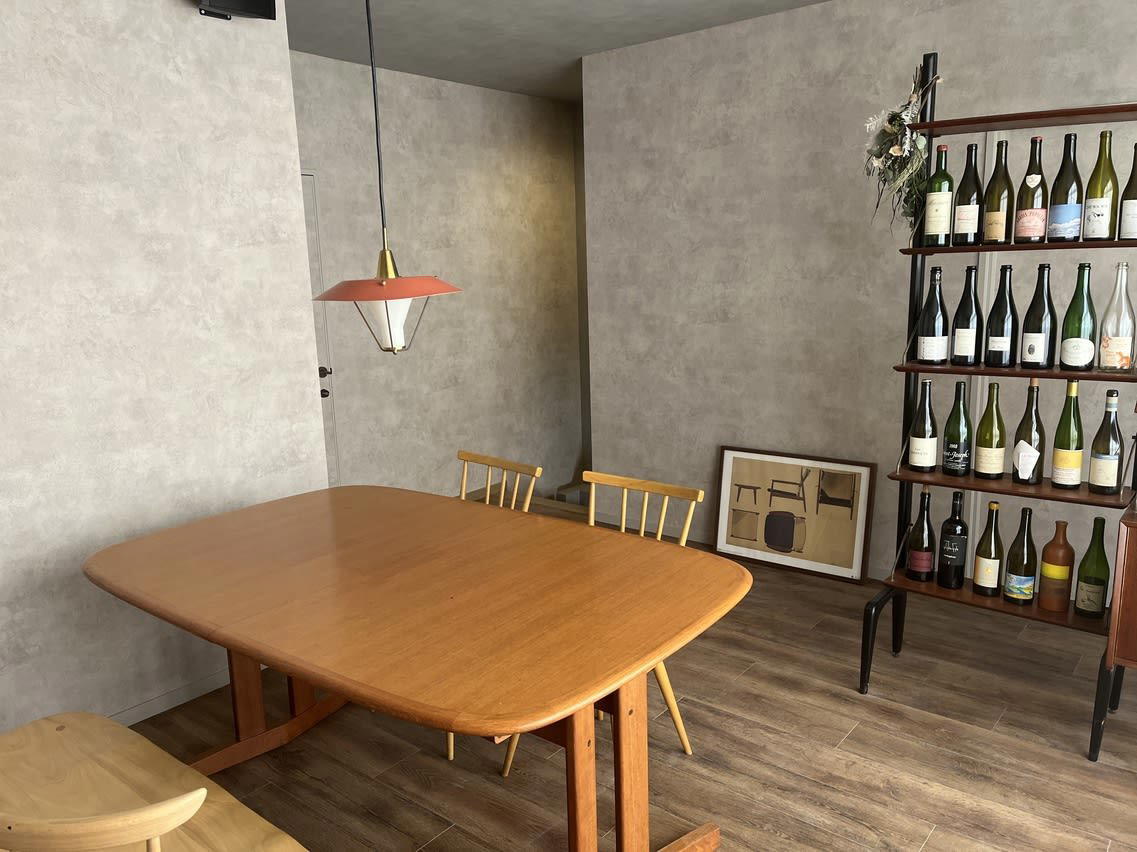
Wineries in Kyoto
Browse all →
At a Glance
- Cozy
- Casual
- Solo
- Casual Hangout
- After Work
- Family
- Standalone
Current opening hours
- Monday
- 11:30 AM–2:30 PM, 6:30–9 PM
- Tuesday
- 11:30 AM–2:30 PM, 6:30–9 PM
- Wednesday
- 11:30 AM–2:30 PM, 6:30–9 PM
- Thursday
- 11:30 AM–2:30 PM, 6:30–9 PM
- Friday
- 11:30 AM–2:30 PM, 6:30–9 PM
- Saturday
- 11:30 AM–2:30 PM
- Sunday
- Closed
Hours can change for holidays and private events. Last verified .