On a quiet stretch of Via Orti in Milan's Porta Romana district, Montesoprano occupies the kind of address that rewards those who look beyond the city's more publicised dining corridors. The restaurant sits in a neighbourhood where residential Milan and considered dining coexist, placing it in a different register from the higher-profile rooms clustered around the Duomo or Brera.
Pearl is the En Primeur Club membership app — saves, bookings, and concierge access live there. Same editors, same standards.
- Address
- Via Orti, 7, 20122 Milano MI, Italy
- Phone
- +393756189019
- Website
- montesoprano.com
- Directions
- Get directions
 Saves & bookings on Pearl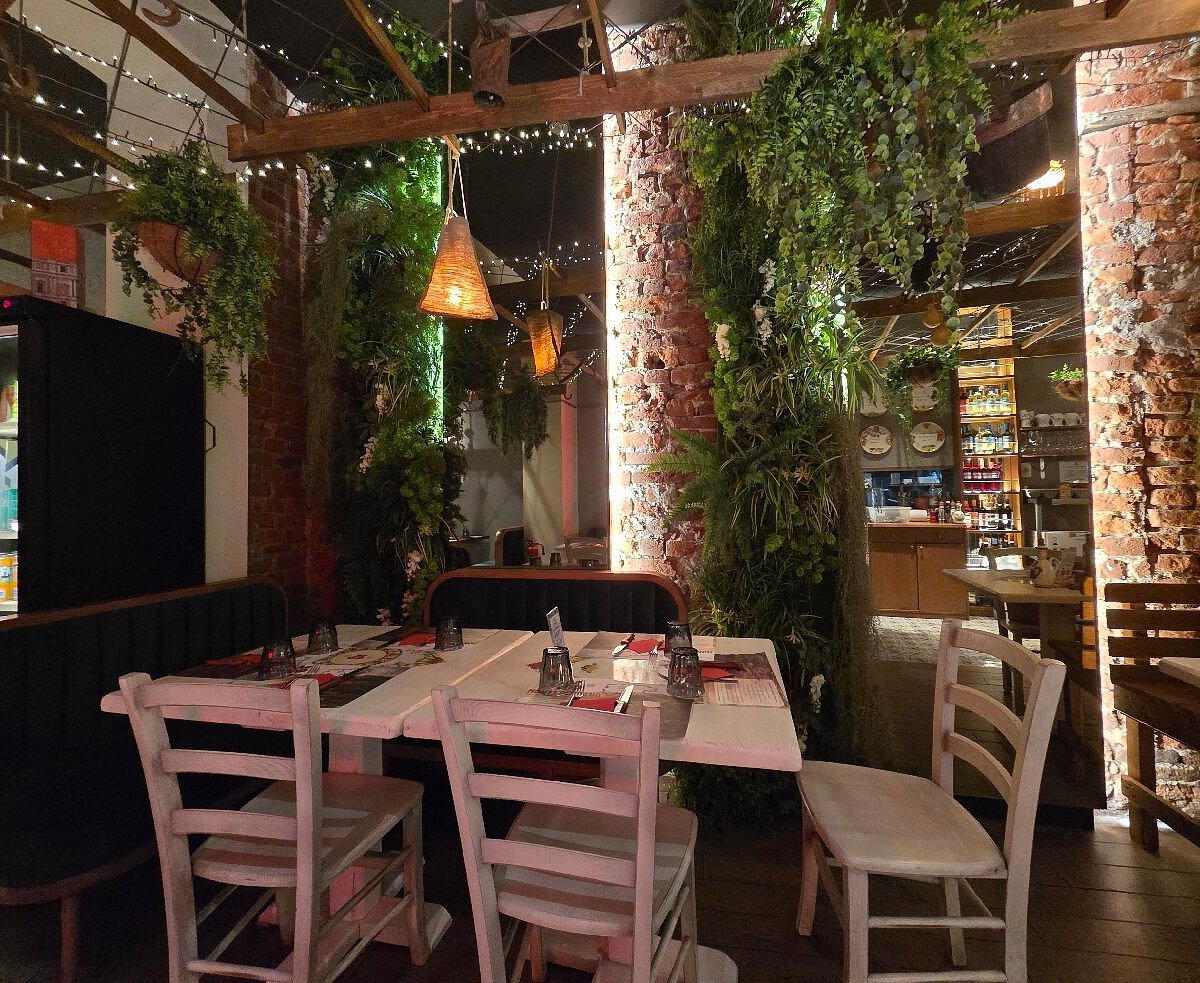
Via Orti and the Quieter Side of Milan Dining
Milan's restaurant culture has a tendency to concentrate attention on a handful of well-documented addresses: the grand rooms of the Galleria, the design-district tables around Brera, the hotel dining rooms that anchor the city's fashion-week calendar. Alongside that visible tier, a parallel circuit of neighbourhood restaurants operates in the residential zones south of the centre, where the foot traffic is local and the atmosphere is determined less by occasion-dining theatre and more by the rhythms of the surrounding streets. Via Orti, in the Porta Romana district, sits squarely in that second register. The address is not one that appears in every roundup of Milanese dining, which is precisely why it merits attention for travellers who want to read the city at street level rather than through its headline rooms.
The Atmosphere: What Porta Romana Sounds and Feels Like
Porta Romana is a district where the scale of the built environment stays human. The streets are wide enough to breathe but not so broad that they lose intimacy; the buildings are largely late-nineteenth and early-twentieth century, with the kind of stone detailing and shuttered windows that make late-afternoon light on the facades worth pausing for. Arriving at a restaurant on Via Orti is a different sensory experience from arriving at, say, the polished address of Cracco in Galleria, where the Galleria's vaulted glass ceiling and marble floors frame the approach. Here, the approach is quieter: cobblestones or smooth paving, the sound of passing trams a few blocks away, the particular ambient temperature of a Milanese side street in the evening. That physical context shapes how a meal lands before a single dish arrives.
Neighbourhood restaurants in this part of Milan tend to occupy ground-floor spaces in residential buildings, and the dining room character typically follows: lower ceilings than hotel restaurants, a more contained acoustic environment, the social texture of a room where some guests clearly know the staff and others are finding their way for the first time. That mix of regulars and newcomers is a reliable indicator of a room that earns repeat visits on its own terms rather than on the back of a landmark address or a media cycle. Compare that dynamic to the more formal architecture of Andrea Aprea or the hotel-anchored context of Seta, and the distinction in register becomes clear.
Where Montesoprano Sits in Milan's Dining Spectrum
Milan's restaurant scene has stratified over the past decade into fairly legible tiers. At the leading, multi-Michelin rooms like Enrico Bartolini operate with tasting-menu formats and price points that position them against European fine-dining peers rather than against the city's broader restaurant population. Below that, a middle tier of modern Italian restaurants, many of them holding one Michelin star or equivalent critical recognition, offers technically accomplished cooking at somewhat more accessible price points. Then there is a neighbourhood tier that prioritises consistency, ingredient quality, and the kind of atmosphere that makes a table worth booking on a midweek evening without a special-occasion justification. Montesoprano's address on Via Orti places it in proximity to that neighbourhood-restaurant register, though the specific positioning requires a visit to confirm in practice.
For travellers calibrating Milan against Italy's wider fine-dining map, the reference points are instructive. The country's most recognised rooms, from Osteria Francescana in Modena to Piazza Duomo in Alba and Le Calandre in Rubano, operate at a scale and intensity of ambition that sets a national benchmark. Milan contributes to that conversation through its Michelin-starred rooms, but the city also sustains a strong secondary layer of restaurants that are worth serious attention without sitting at that apex tier. Internationally, the discipline of a room like Le Bernardin in New York or the precision of Atomix represent what sustained critical investment looks like at the highest level; the Italian parallel might be found in rooms like Uliassi in Senigallia or Dal Pescatore in Runate, where longevity and consistency are themselves the credential.
The Sensory Logic of a Neighbourhood Room
What distinguishes eating in a residential neighbourhood from eating in a destination dining room is largely a question of sensory register. Destination rooms are designed to signal ambition through physical space: high ceilings, deliberate lighting, table spacing calculated for privacy and theatre. Neighbourhood rooms signal something different: the smell of a kitchen in a contained space, the closeness of other diners, the way a room warms up over the course of an evening as more tables fill. Neither register is superior; they answer different questions about what a meal is for. The neighbourhood restaurant in Milan, particularly in areas like Porta Romana, Navigli, and Isola, has historically served as the city's connective tissue, the kind of cooking that shapes how residents actually eat rather than how they perform eating for visitors or occasions.
That tradition has Italian parallels across the country. The trattorias of the Emilian countryside that eventually became Enoteca Pinchiorri in Florence's comparable set, the Campanian coastal rooms that preceded places like Quattro Passi in Marina del Cantone, and the mountain kitchens of the Alto Adige that inform restaurants like Atelier Moessmer Norbert Niederkofler in Brunico all share a common origin in the idea that a restaurant earns its authority by being genuinely useful to the community around it before it earns recognition from outside that community.
Planning a Visit
Via Orti, 7 is in the 20122 postal zone, a short distance from the Porta Romana metro station on Line 3, which connects directly to the central Duomo stop. For travellers staying in the centre, the journey is direct on public transport. The area is also walkable from the Navigli district to the west, making it a natural stop in an evening that moves through that part of the city. Montesoprano is recommended for reservations, and its regular hours are Monday to Saturday from 12 to 3 PM and 7 PM to 12 AM, with Sunday service from 12 to 3 PM and 7 to 11 PM. Milan's neighbourhood restaurants in this tier tend to fill on weekday evenings as well as weekends, so advance contact is a sensible precaution rather than a guarantee of difficulty. For further options in the same part of the city and across the full range of Milan's dining, Verso Capitaneo and the broader EP Club Milan guide provide additional reference points. For those interested in how Verona's neighbourhood dining compares to Milan's, Casa Perbellini 12 Apostoli in Verona offers a useful parallel in the northern Italian context, and Reale in Castel di Sangro illustrates how the same impulse toward rooted, community-anchored cooking plays out in the south.
A Credentials Check
Comparable venues nearby, for context on price, style, and recognition.
| Venue | Cuisine | Price | Notes |
|---|---|---|---|
| MontesopranoThis venue — the venue you are viewing | Sicilian Meat & Barbecue | $$ | Not listed |
| Osteria Pugliese | Traditional Pugliese Italian | $$ | Buenos Aires - Porta Venezia - Porta Monforte |
| Ristorante Pizzeria Convivium | Italian Ristorante & Pizzeria | $$ | Brera |
| Taverna del Borgo Antico | Italian Trattoria & Pizzeria | $$ | Brera |
| CANTINE A MARE | Italian Seafood | $$ | Buenos Aires - Porta Venezia - Porta Monforte |
| Montesoprano Street | Sicilian Street Food | $$ | Duomo |
Continue exploring
More in Milan
Restaurants in Milan
Browse all →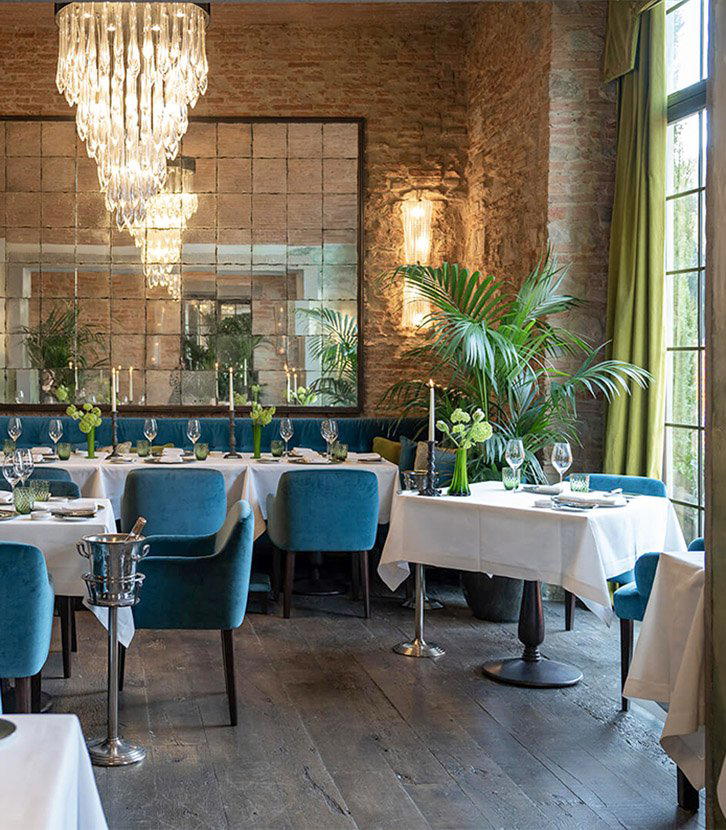
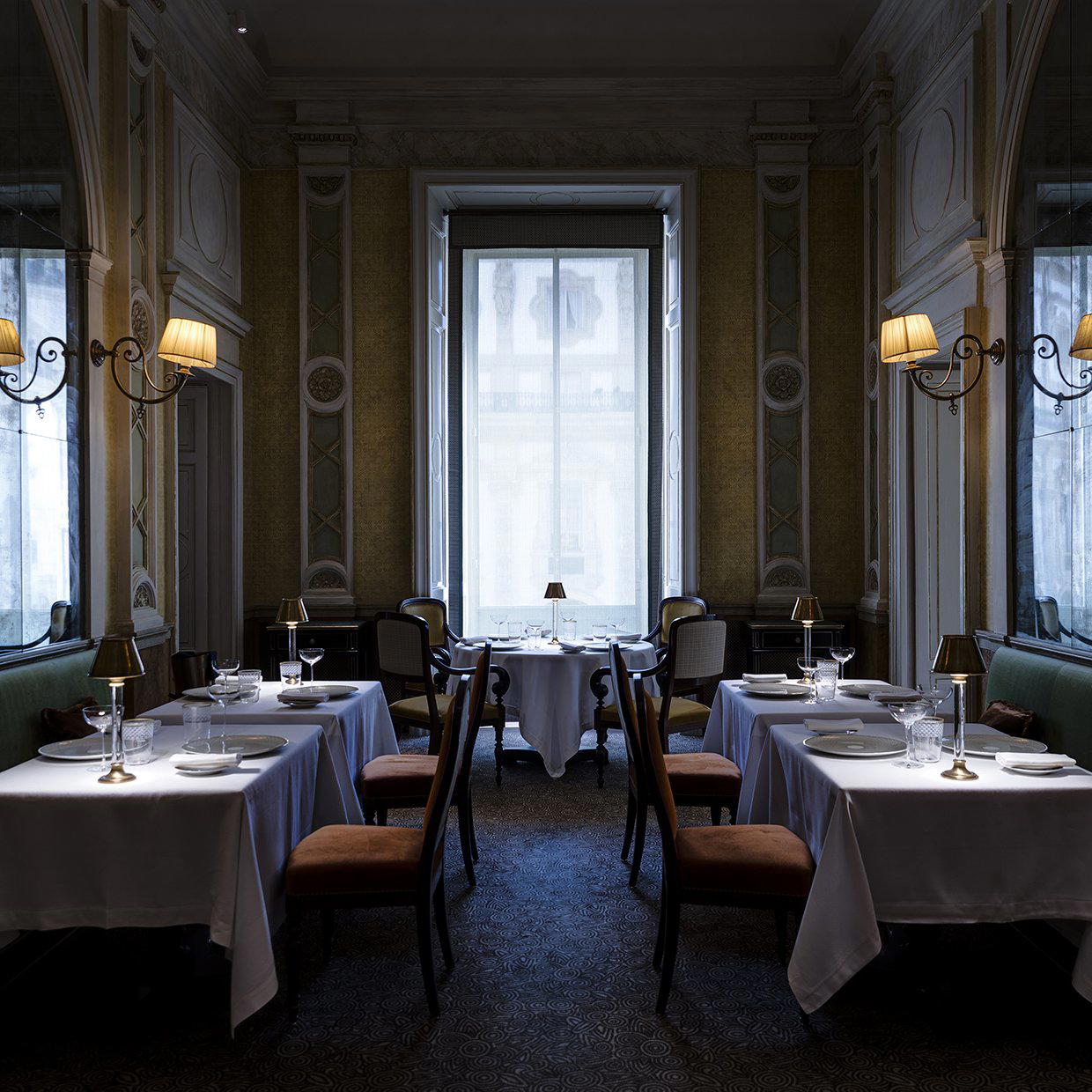
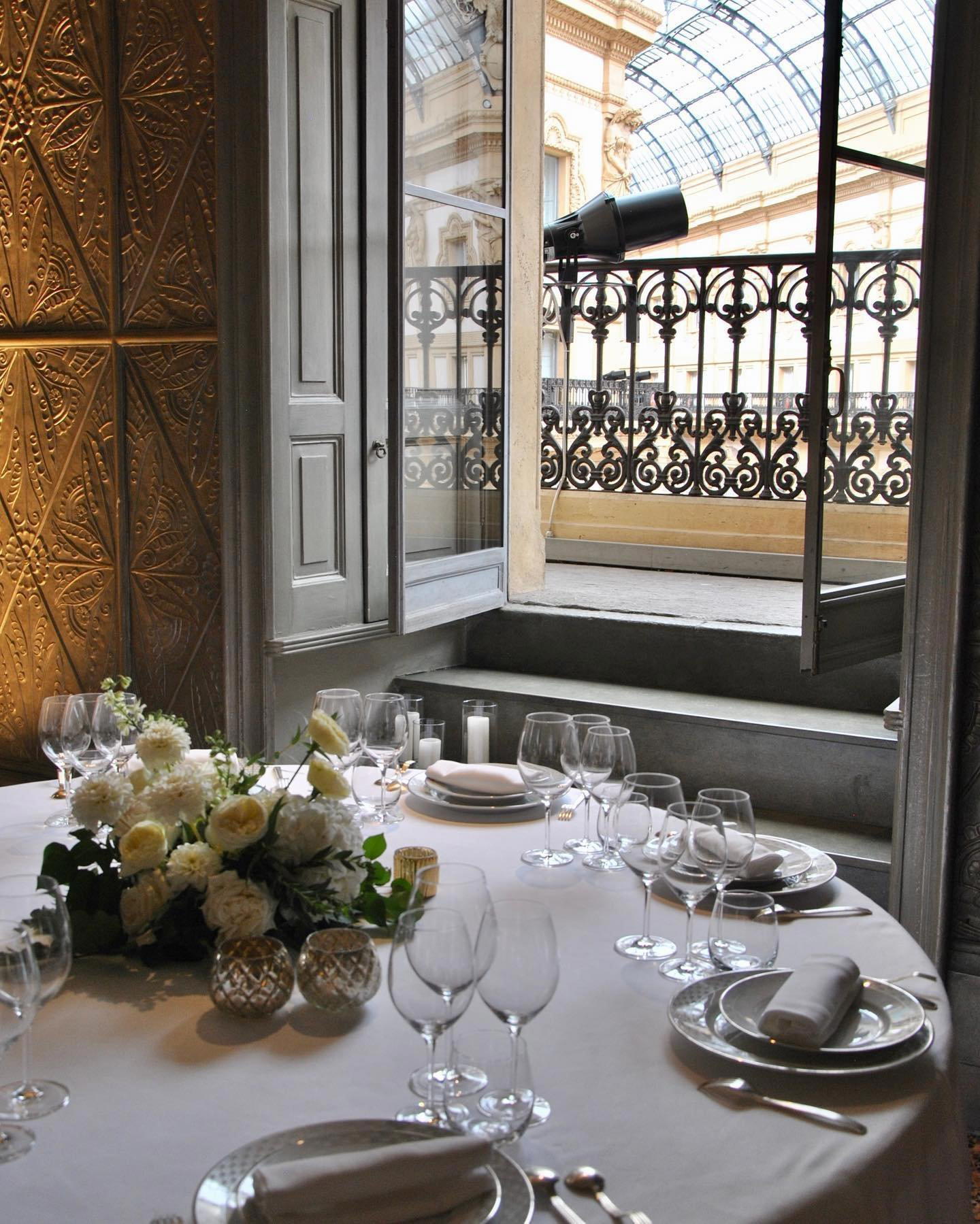
Bars in Milan
Browse all →
Hotels in Milan
Browse all →
At a Glance
- Cozy
- Elegant
- Intimate
- Date Night
- Casual Hangout
- Group Dining
- Open Kitchen
- Extensive Wine List
Current opening hours
- Monday
- 12–3 PM, 7 PM–12 AM
- Tuesday
- 12–3 PM, 7 PM–12 AM
- Wednesday
- 12–3 PM, 7 PM–12 AM
- Thursday
- 12–3 PM, 7 PM–12 AM
- Friday
- 12–3 PM, 7 PM–12 AM
- Saturday
- 12–3 PM, 7 PM–12 AM
- Sunday
- 12–3 PM, 7–11 PM
Hours can change for holidays and private events. Last verified .
Cozy and welcoming neighborhood atmosphere with elegant touches in a historic area.