On Via Alessandro Tadino in Milan's Porta Venezia district, Osteria Pugliese draws a loyal crowd of Milanese regulars who return for the kind of southern Italian cooking that the city's more theatrical dining rooms rarely attempt. The cooking is rooted in Puglia's peasant pantry, where orecchiette, fava bean purées, and slow-braised cuts carry more weight than technique for its own sake.
Pearl is the En Primeur Club membership app — saves, bookings, and concierge access live there. Same editors, same standards.
- Address
- Via Alessandro Tadino, 5, 20124 Milano MI, Italy
- Phone
- +39229522574
- Website
- social.quandoo.com
- Directions
- Get directions
 Saves & bookings on Pearl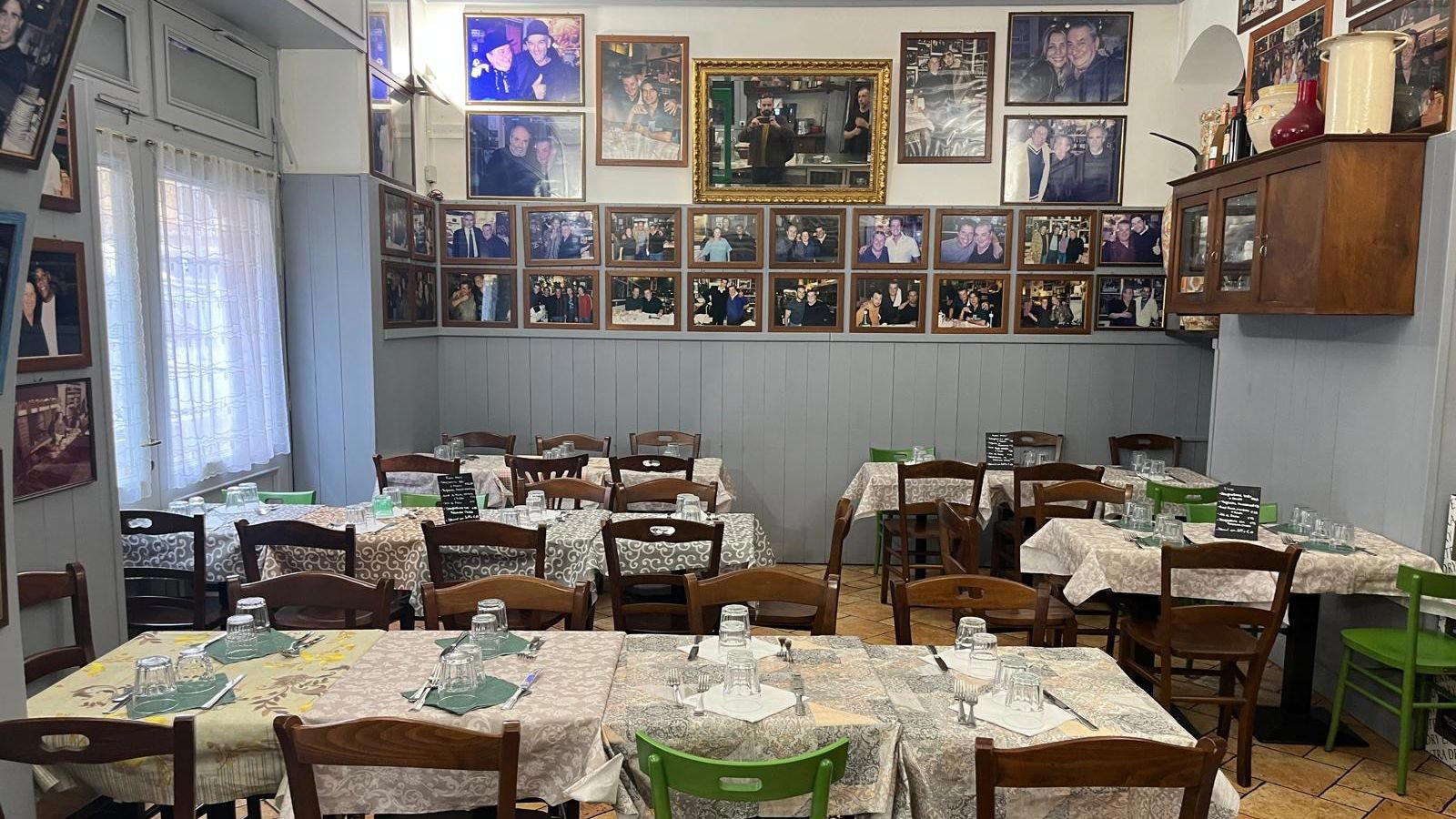
A Southern Pantry in a Northern City
Milan's restaurant scene has spent the better part of two decades tilting toward the progressive end of Italian cooking. The city now holds some of Italy's most decorated addresses, from Enrico Bartolini to Cracco in Galleria, Andrea Aprea, and Seta, all operating at the €€€€ tier with tasting menus and brigade kitchens built around refinement. What that concentration of ambition leaves space for is the opposite: rooms where the cooking is regional, unfussy, and answerable to a regular clientele rather than a Michelin inspector.
Osteria Pugliese, on Via Alessandro Tadino in the Porta Venezia neighbourhood, occupies that counter-position. The cooking here belongs to Puglia, the long heel of Italy's boot, a region whose culinary identity runs on legumes, wild greens, durum wheat pasta, and olive oil rather than butter and cream. In Milan, where the native cuisine leans toward risotto and braised meats cooked in the Lombard tradition, a room devoted to Pugliese cooking is a deliberate act of regional specificity.
What the Regulars Know
Restaurants that develop a loyal local following in Milan's inner neighbourhoods tend to earn it through consistency rather than novelty. The Porta Venezia area, running northeast from the city centre toward the public gardens, has historically attracted a mix of long-established Milanese families and the city's more recently arrived creative and professional class. Both groups tend to value places where the menu doesn't shift with each season's trends and where booking a table feels like returning rather than auditioning.
At Osteria Pugliese, the pull for returning diners is the repertoire of dishes that Puglia's cucina povera tradition built over centuries. Fava bean purée with chicory, orecchiette with cime di rapa (turnip greens), taralli, and the slow-cooked lamb and pork preparations that characterise the region's interior towns form the backbone of what southern Italian cooking looks like when it hasn't been edited for a northern audience. These are not dishes that benefit from reinvention. Their appeal is in their directness, and regulars who know them return for exactly that quality.
This is a pattern visible across osterie in Italy's major northern cities. When a room commits to a specific regional identity, its most faithful diners are often expatriates from that region, alongside locals who discovered the cooking through them. The social character of such rooms tends toward the communal: tables turn more slowly, conversations run longer, and the staff often know orders before they're placed. Whether Osteria Pugliese operates this way in full is something only a regular visit can confirm, but the format and address are consistent with it.
Pugliese Cooking in Context
Understanding what makes Pugliese cooking distinct from the rest of southern Italy helps frame what a room dedicated to it is actually offering. Puglia produces more olive oil than any other Italian region and grows the durum wheat that underpins much of Italy's dried pasta industry. Its cooking reflects that agricultural base: dishes are olive-oil-rich, grain-forward, and heavily reliant on seasonal vegetables and legumes. Meat, when it appears, is often lamb or horse, slow-cooked in ways that were historically practical rather than luxurious.
Orecchiette, the ear-shaped pasta hand-rolled from semolina and water, is the region's most exported product, but in its home context it appears in dozens of variations beyond the cime di rapa preparation that northern restaurants have adopted. The broader Pugliese table includes friselle (twice-baked barley or wheat rings), pittule (fried dough), taralli in their southern form (distinct from the Neapolitan version), and a range of aged cheeses including caciocavallo and burrata, which originated in the Murgia plateau.
For Milan diners accustomed to the tasting-menu format that dominates at places like Verso Capitaneo and its peers, an osteria operating in this regional tradition represents a fundamentally different relationship with a meal. The structure is à la carte, the pacing is guest-led, and the value proposition rests on ingredient honesty rather than culinary theatre.
Where This Sits in Milan's Dining Map
Milan's dining tiers have sharpened considerably. At the upper end, the city's creative and modern Italian rooms compete on a national and international stage alongside destinations like Osteria Francescana in Modena, Le Calandre in Rubano, and Piazza Duomo in Alba. The mid-tier holds the neighbourhood trattorias and osterie that serve the city's daily working life. Osteria Pugliese sits in that middle band, where the competitive measure is not awards but loyalty: whether the same faces return on a Tuesday in February.
Across Italy, regional osterie in major cities serve a function that the fine-dining tier cannot. They maintain a live connection to traditions that might otherwise exist only in cookbooks or in the regions themselves. Rooms like Dal Pescatore in Runate and Uliassi in Senigallia have built multi-decade reputations partly by holding to a regional identity when the broader market pulled toward internationalism. The osteria format, at its most committed, operates on a similar principle of rootedness, even without the same level of recognition.
For visitors arriving from cities where the Italian restaurant conversation centres on technique and innovation, such as Le Bernardin in New York or Atomix, the register at a Pugliese osteria reads as a deliberate deceleration. That deceleration is the point. The cooking asks for attention of a different kind: not to invention, but to the quality of the olive oil, the texture of hand-rolled pasta, the depth of a long-cooked braise.
Planning a Visit
Osteria Pugliese is located at Via Alessandro Tadino 5, in the 20124 postal district of Milan, within walking distance of Porta Venezia and accessible by metro on the M1 line. The Porta Venezia area rewards a visit on its own terms: the neighbourhood's mix of Liberty-era architecture, the adjacent public gardens, and a concentration of aperitivo bars along Corso Buenos Aires make it a natural stop on any serious exploration of Milan's eastern residential quarters. For a broader orientation to the city's dining options across all tiers, the EP Club Milan restaurants guide maps the full range.
How Osteria Pugliese Milan compares with similar nearby venues.
| Venue | Cuisine | Price |
|---|---|---|
| La Risacca Blu | Seafood | €€€ |
| La Società Milano | Modern Cuisine | €€€ |
Continue exploring
More in Milan
Restaurants in Milan
Browse all →
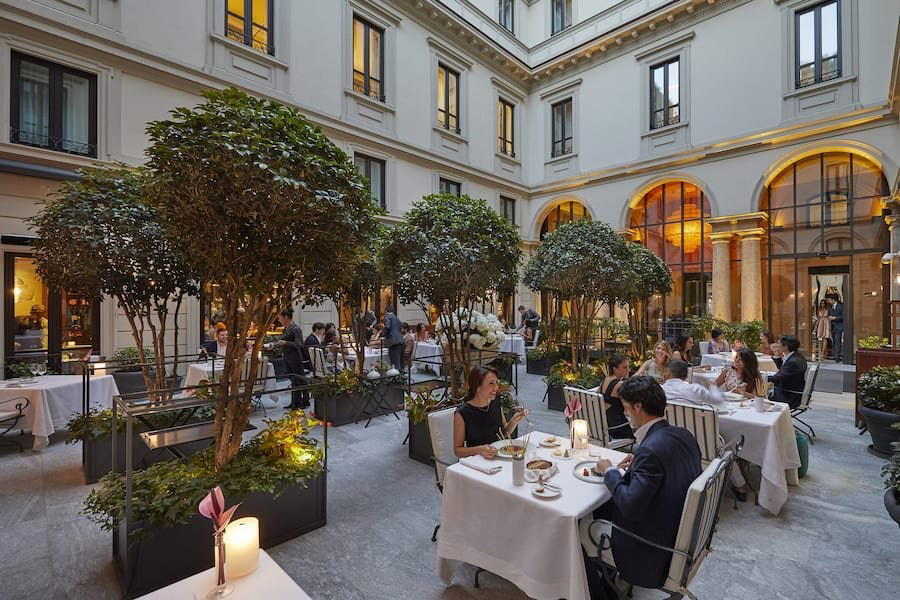
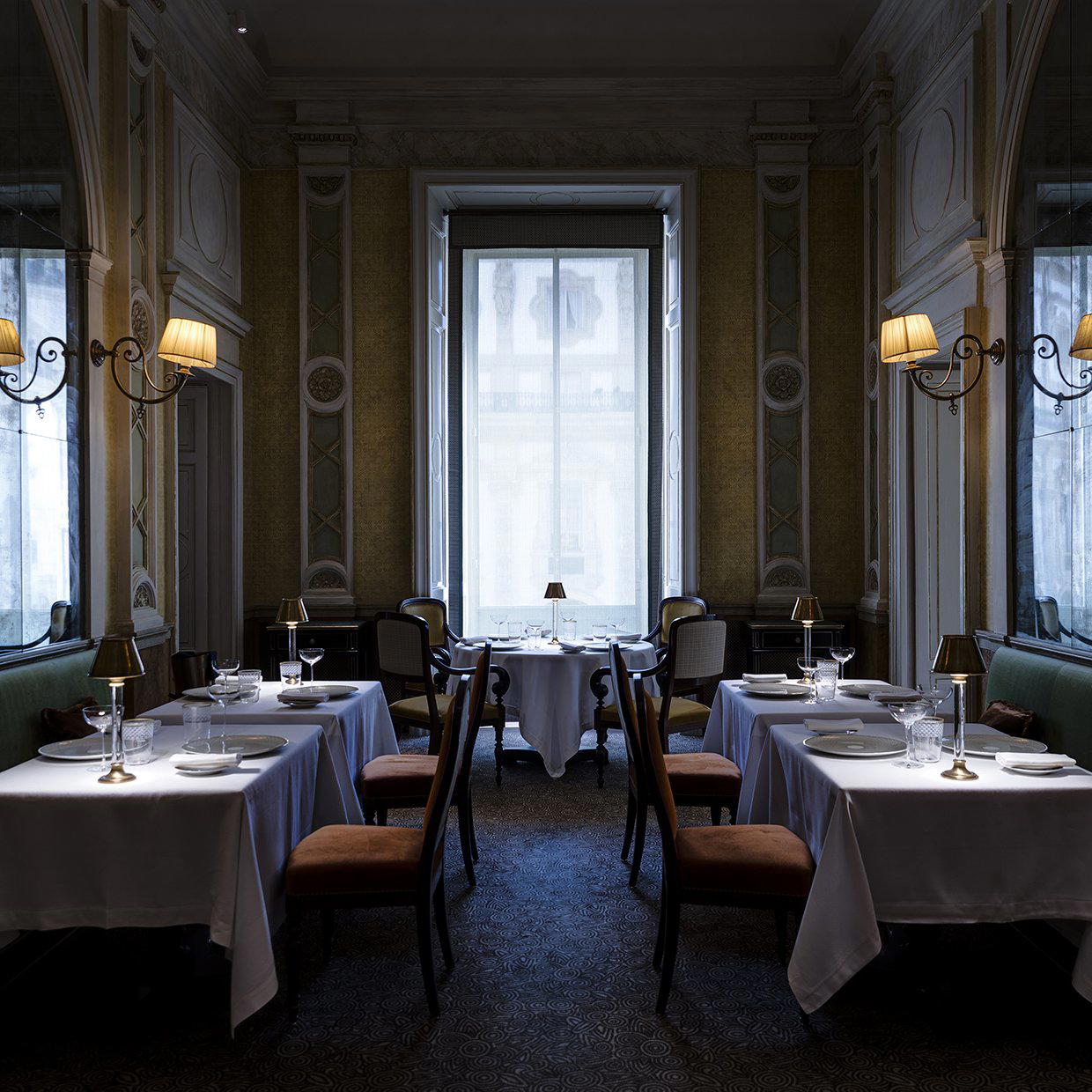
Bars in Milan
Browse all →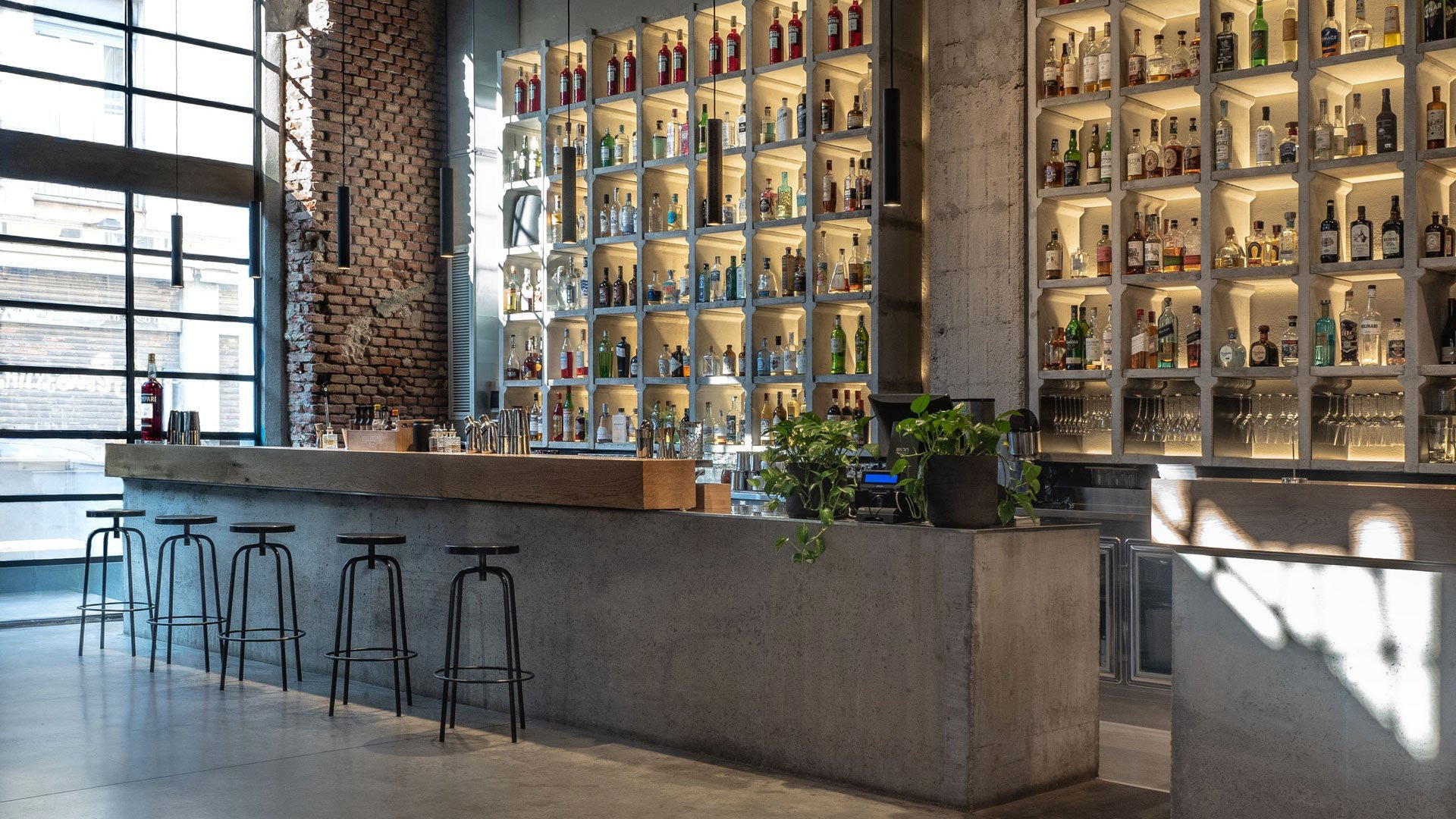
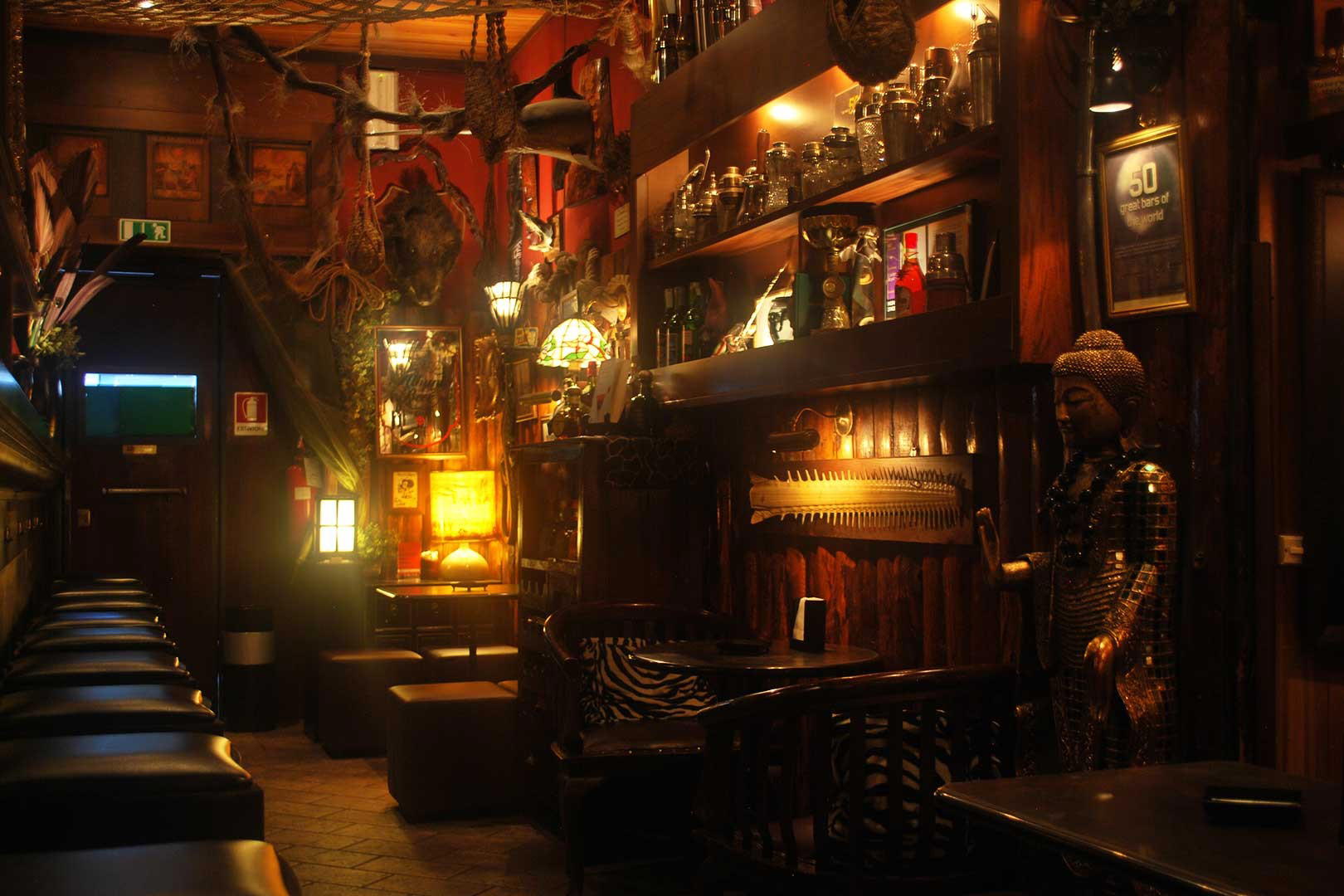
Hotels in Milan
Browse all →


At a Glance
- Rustic
- Cozy
- Classic
- Date Night
- Group Dining
- Special Occasion
- Open Kitchen
- Extensive Wine List
- Local Sourcing
Current opening hours
- Monday
- Closed
- Tuesday
- 7–11 PM
- Wednesday
- 7–11 PM
- Thursday
- 7–11 PM
- Friday
- 7–11 PM
- Saturday
- 12:30–3 PM, 7–11 PM
- Sunday
- 12:30–3 PM, 7–11 PM
Hours can change for holidays and private events. Last verified .
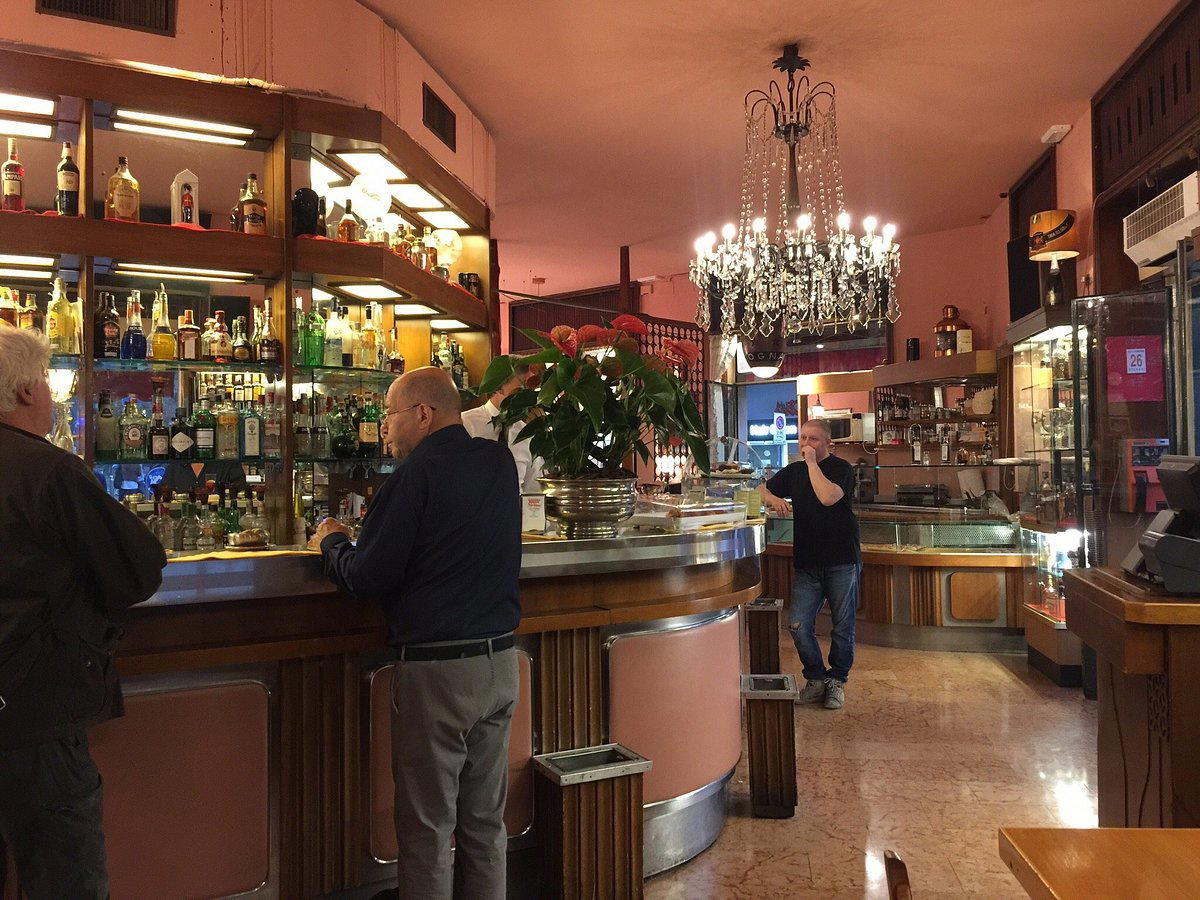
Rustic and welcoming atmosphere reminiscent of Pugliese masserie with warm lighting and traditional decor.