Montesoprano Street occupies a quietly consequential address inside Galleria de Cristoforis, one of Milan's older covered passages, placing it in a city where the tension between heritage settings and contemporary dining has rarely been more charged. Against a peer group that includes Michelin-decorated rooms running €€€€ tasting formats, it operates in a different register, worth locating for readers tracking how Milan's mid-tier dining scene is repositioning itself inside historic architecture.
 Discover on Pearl
Pearl is the En Primeur Club membership app — saves, bookings, and concierge access live there. Same editors, same standards.
- Address
- Galleria de Cristoforis, 3, 20122 Milano MI, Italy
- Phone
- +393209734439
- Website
- montesoprano.com
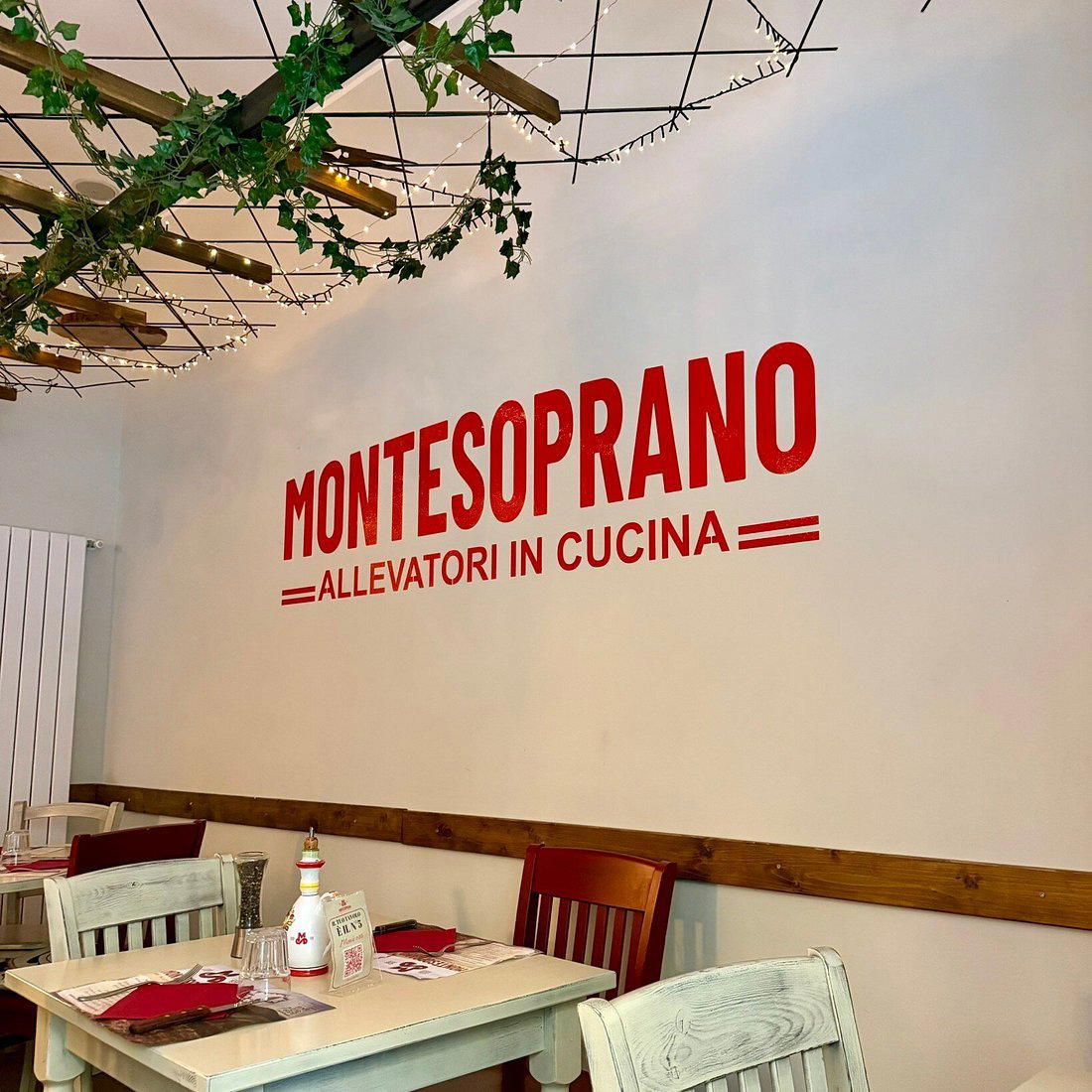
A Covered Passage, a Changing City
Milan's dining identity has long been pulled in two directions: the grand rooms that define its international reputation, and the neighbourhood-level operators that make daily eating in the city worth paying attention to. Galleria de Cristoforis, the 19th-century covered passage in the city's 20122 postal district, sits between those two worlds. Addresses here carry the architectural weight of old Milan without the tourist volume of Galleria Vittorio Emanuele II two blocks west. It is precisely the kind of setting where a dining concept can reinvent itself quietly, without the pressure of a flagship location.
Montesoprano Street has its address at number 3 in this passage. The covered gallery format, glass roof, stone floor, retail and hospitality units sharing a sheltered arcade, sets a particular atmospheric register before you step inside anywhere. Ambient sound is contained, light shifts with the time of day, and the sense of being slightly removed from the street gives the whole corridor a different pace from the city immediately outside. Venues operating in spaces like this occupy a distinct position.
Milan's High-End Tier: What the best of the Market Looks Like
To understand where Montesoprano Street sits, it helps to map the competition nearby. The city's highest-profile dining addresses cluster around a recognisable format: tasting menus, creative or modern Italian positioning, higher price brackets, and Michelin recognition as a trust signal. Enrico Bartolini (Creative) and Cracco in Galleria (Modern Cuisine) both occupy this tier, the latter sharing the Galleria heritage-setting logic but on a far grander scale. Andrea Aprea (Modern Italian, Italian Contemporary) and Seta (Modern Italian) complete a comparable set defined by formal service, architectural ambition, and tasting formats priced accordingly.
Below that tier, Milan has been undergoing a less-documented shift. Mid-market operators in historic settings are quietly repositioning, moving away from the red-and-white tablecloth trattoria template without fully committing to the €€€€ tasting-menu model. The Galleria de Cristoforis address places Montesoprano Street in that transitional zone, which is both a commercial opportunity and a creative challenge. The venues that navigate this space most successfully tend to be the ones that have evolved their offer deliberately rather than drifting by default.
The Evolution Argument: Why Reinvention Matters in This Setting
The editorial angle most useful for understanding Montesoprano Street is not what it is at a single moment, but how dining concepts in settings like this tend to change over time. Covered-passage venues in European cities have a particular history of reinvention: they open as one thing, respond to shifting foot traffic and neighbourhood demographics, and pivot. Milan's Galleria de Cristoforis has seen this cycle more than once across its resident operators.
What tends to survive the evolution process in locations like this is a clarity of positioning. Venues that try to serve the €€€€ tasting-menu crowd and the quick-lunch professional simultaneously usually end up doing neither well. The Italian dining market at large has been moving toward specialisation, a trend visible at the national level in the continued recognition of places like Osteria Francescana in Modena, Piazza Duomo in Alba, and Le Calandre in Rubano, each of which has held a consistent, specific identity across years of evolution rather than chasing format trends. At the other end of the longevity argument, Dal Pescatore in Runate demonstrates that deep regional specificity can sustain a restaurant across generational change.
For a venue in the mid-tier of a major city, the equivalent challenge is finding the equivalent of that specificity. For Montesoprano Street, the Galleria de Cristoforis address is part of that identity, a setting with genuine character that separates it from the generic high street or the hotel dining room. Whether the current food and service format matches that architectural promise is the question any visitor should be testing.
The Broader Italian Fine Dining Map
Milan is the entry point for many international visitors exploring Italian fine dining, but the country's highest-credentialed kitchens are distributed well beyond the city. Atelier Moessmer Norbert Niederkofler in Brunico represents the Alpine direction; Uliassi in Senigallia and Quattro Passi in Marina del Cantone anchor the coastal tradition; Reale in Castel di Sangro and Enoteca Pinchiorri in Florence complete a national picture of recognised excellence that extends far from the Lombard capital. For context on how international peer cities handle the mid-to-upper dining transition, Le Bernardin in New York City and Atomix in New York City both show what sustained format discipline looks like at the highest level.
Within Milan specifically, Verso Capitaneo (Creative) represents another operator working in the creative register below the leading Michelin tier, offering a useful comparison point for anyone trying to map where Montesoprano Street fits in the city's current offer. Our full Milan restaurants guide covers the breadth of the market from fine dining to neighbourhood essential. For comparable heritage-setting dining in Verona, Casa Perbellini 12 Apostoli in Verona provides a useful reference for how a historic address can anchor a contemporary offer.
Planning a Visit
Montesoprano Street is located at Galleria de Cristoforis, 3, in Milan's central 20122 district, within comfortable walking distance of the Duomo and the city's main hotel and retail corridor. The covered passage setting means the approach is sheltered regardless of weather, which matters in a city where winter and early spring can be genuinely cold and wet. Montesoprano Street is recommended for advance booking, and its regular opening hours are Mon: 10 AM-6 PM; Tue: 10 AM-6 PM; Wed: 11 AM-3 PM; Thu: 10 AM-6 PM; Fri: 10 AM-6 PM; Sat: 10 AM-6 PM; Sun: 10 AM-6 PM.
Compact Comparison
Comparable venues nearby, for context on price, style, and recognition.
| Venue | Cuisine | Price | Notes |
|---|---|---|---|
| Montesoprano StreetThis venue — the venue you are viewing | Duomo, Sicilian Street Food | $$ | |
| Osteria del Treno | $$ | Stazione Centrale - Ponte Seveso, Traditional Milanese Osteria | |
| Ristorante Pizzeria Convivium | Brera, Italian Ristorante & Pizzeria | $$ | |
| Panini De Santis - Milan | Duomo, Milanese Gourmet Panini | $$ | |
| Trattoria Nautilus | Duomo, Modern Italian Seafood Trattoria | $$ | |
| Biga Milano – Pizzeria Contemporanea | Brera, Contemporary Neapolitan Pizza | $$ |
Continue exploring
More in Milan
Restaurants in Milan
Browse all →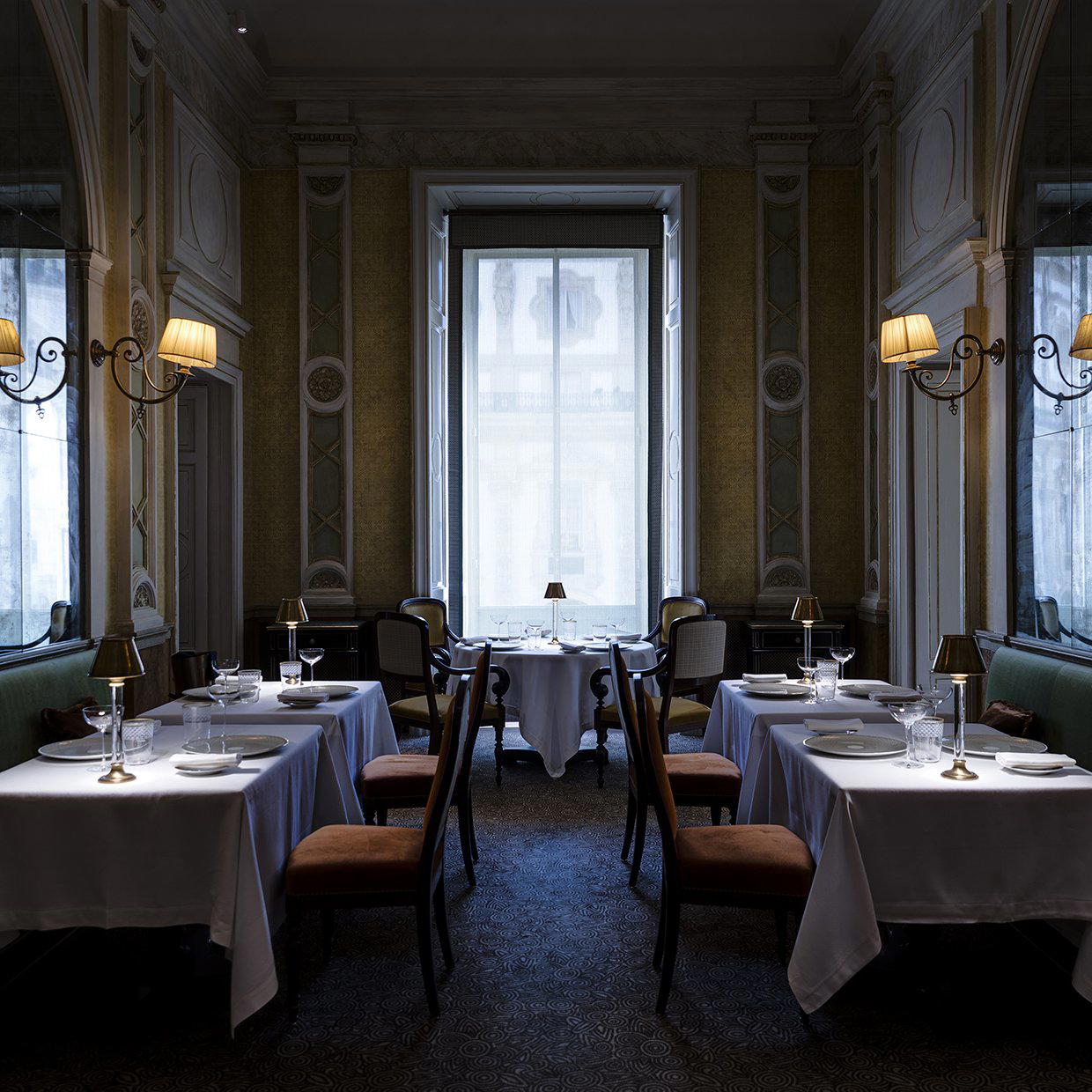
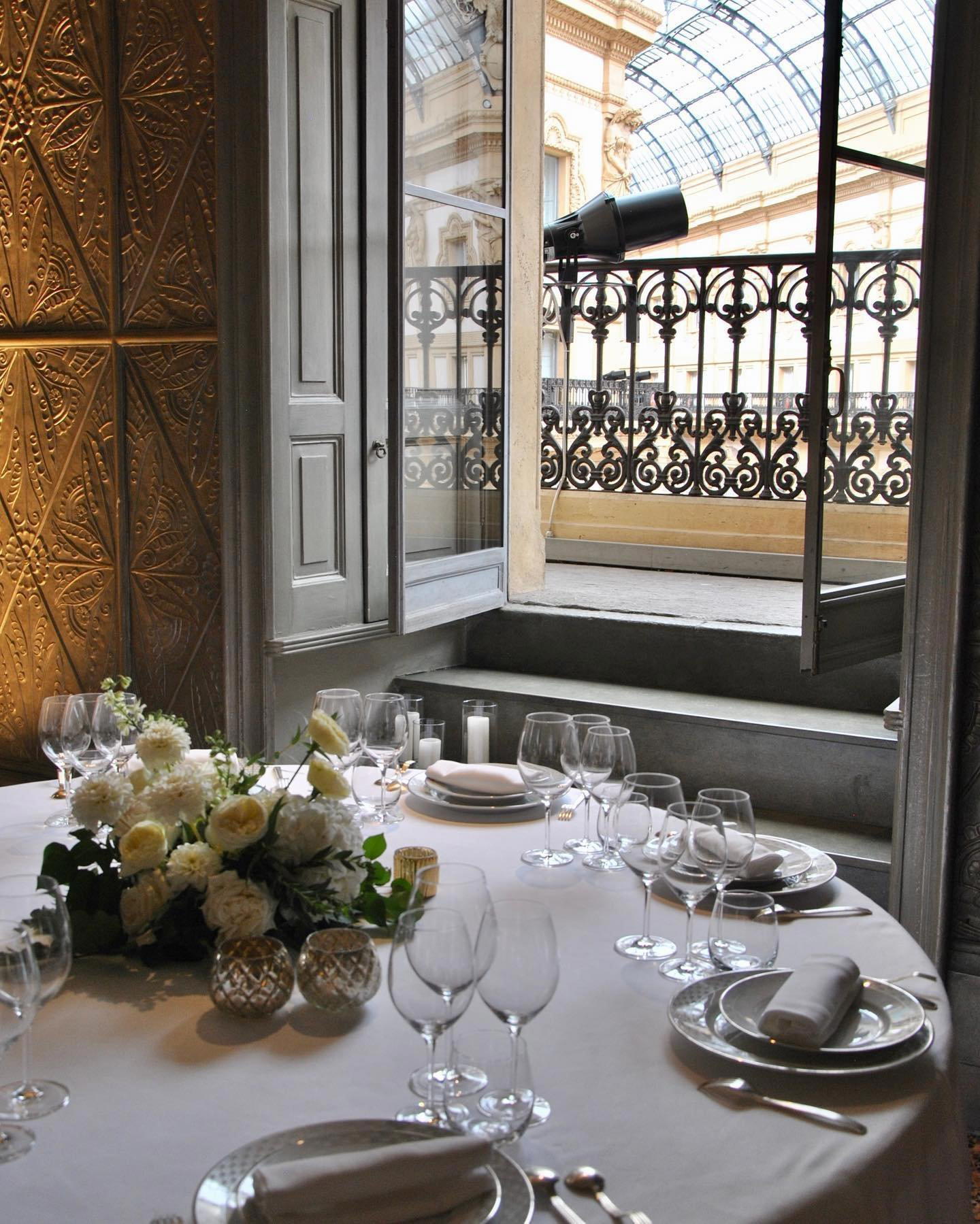
Bars in Milan
Browse all →
Hotels in Milan
Browse all →
At a Glance
- Casual
- Modern
- Casual Hangout
- Standalone
Casual modern atmosphere suitable for quick bites with a street food vibe.