Our verdict
On a narrow Brera street, Taverna del Borgo Antico occupies a register that Milan's high-modernist dining scene rarely addresses: the neighbourhood trattoria that takes its wine list and kitchen seriously without performing either. The gap between its lunch and dinner service tells you most of what you need to know about how the city actually eats when it isn't trying to impress anyone.

Pearl is the En Primeur Club membership app, where members save venues, book tables and use the concierge.

Brera's Quieter Register
Milan's dining conversation tends to get pulled toward its modernist showpieces: the tasting-menu counters, the hotel dining rooms, the Galleria addresses where a meal doubles as a statement of cultural positioning. Taverna del Borgo Antico, on Via Madonnina in the Brera district, operates in a different register entirely. The street itself sets the tone before you step inside: narrow, cobbled, more residential than commercial, it belongs to a Brera that predates the quarter's current reputation as the city's art-and-aperitivo corridor.
That physical context matters because it shapes what the taverna is and what it isn't. This is not a concept restaurant or a chef's platform. It is a neighbourhood room that has absorbed the rhythms of the street around it, which means its character shifts noticeably depending on when you arrive.
The Lunch and Dinner Divide
In Milan, the lunch versus dinner split is more revealing than in most Italian cities. The city's working culture is real: midday meals here are purposeful rather than leisurely for much of the week, and the trattoria format responds to that pressure in ways that fine-dining rooms, insulated by fixed tasting menus and set pacing, do not. At Taverna del Borgo Antico, the daytime service carries the loose energy of a room that functions as a neighbourhood annexe. Tables turn faster, the crowd skews local, and the kitchen operates in a mode closer to abundance than to architecture. This is when the value proposition tends to be sharpest and when the room feels most like what Brera actually is rather than what it has become for visitors.
Evening service shifts the register. The room quiets into something more deliberate. Brera's gallery-going and aperitivo crowds have largely moved on by dinner, and what remains is a more focused clientele. The kitchen has time to press harder on whatever it is doing well that week, and the wine list, which in any serious Milanese trattoria functions as a second menu, comes into sharper focus. This is a pattern that holds across the better taverne and osterie in the city's older residential quarters: lunch feeds the neighbourhood, dinner rewards the attentive visitor who has done the work of finding the address.
The broader Italian dining tradition that Taverna del Borgo Antico sits inside is worth understanding on its own terms. The taverna format is not a simplified version of fine dining; it is a parallel tradition with its own hierarchy of expectations. Across northern Italy, from the Dal Pescatore in Runate to Casa Perbellini 12 Apostoli in Verona, there is a long lineage of rooms that hold technical seriousness inside an apparently informal frame. The comparison is not one of scale or ambition but of tradition: the trattoria is not trying to become something else.
Where Borgo Antico Sits in Milan's Scene
Milan's restaurant map has developed real stratification in recent years. At the top tier, Andrea Aprea and Verso Capitaneo represent the city's progressive Italian current, where tasting menus and serious wine programs compete with destinations elsewhere in the country, including Osteria Francescana in Modena, Piazza Duomo in Alba, and Le Calandre in Rubano. Internationally, the benchmark rooms would be something like Le Bernardin in New York City or Atomix in New York City at their respective levels. Taverna del Borgo Antico is not competing in that tier, nor is it trying to. Its competitive set is closer to the traditional Milanese osteria and the better neighbourhood trattorie that have survived the city's recent wave of concept restaurants and international hotel dining.
That survival itself tells you something. Via Madonnina 27 is not an address that attracts foot traffic in the way a Galleria-adjacent spot does. A room that has held its position in Brera over time has done so because locals return for it, and in Milan, local loyalty is not given easily. The city's residents eat out frequently and with considered expectations; a mediocre trattoria in this neighbourhood does not last. The fact that Borgo Antico maintains a presence in one of the city's most scrutinised dining quarters is a form of credentialing in itself, even if it falls into a different tier than the award-tracked rooms tracked by guides like the Michelin Red Guide or the lists that follow Italy's more experimental kitchens, such as Uliassi in Senigallia, Reale in Castel di Sangro, or Atelier Moessmer Norbert Niederkofler in Brunico.
Planning Your Visit
Via Madonnina sits in the centre of Brera, within walking distance of the Pinacoteca di Brera and the tram lines that connect the quarter to central Milan. For visitors, the simplest approach is to treat lunch here as the primary meal of a Brera afternoon: arrive at the more relaxed pace of 12:30 or 13:00, before the local midday rush consolidates, and you will find the room at its most readable. If dinner is the plan, the smaller, quieter service makes it worth a booking call ahead rather than a walk-in, particularly on Thursday through Saturday evenings when Brera's restaurant density means competition for tables across the neighbourhood increases sharply. Phone and online booking details are best confirmed directly with the venue. Our full Milan restaurants guide covers the broader scene and can help place Borgo Antico within the city's wider options, from neighbourhood trattatorie to the destination rooms that draw visitors from across Europe. A note on Florence comparisons: travellers who know Enoteca Pinchiorri and approach Milan expecting a similar register will need to recalibrate. The Brera taverna tradition is not competing with that kind of formal architecture; it belongs to a different branch of Italian hospitality that values continuity and neighbourhood integration over spectacle. For Quattro Passi aficionados who know Quattro Passi in Marina del Cantone, the coastal exuberance of that kitchen is equally remote from what Borgo Antico offers. The value here is in specificity of place, not range of register.
Frequently asked questions
What dish is Taverna del Borgo Antico famous for?
What can be said with confidence is that the taverna format in Brera, shaped by Milanese culinary tradition and the rhythms of neighbourhood service, tends to anchor itself to regional northern Italian preparations rather than experimental cuisine.
Should I book Taverna del Borgo Antico in advance?
Brera is one of Milan's most visited quarters, and even neighbourhood-facing rooms experience real pressure on weekend evenings. Advance booking is the more reliable approach for dinner, particularly Thursday through Saturday. Lunch on weekdays typically offers more flexibility, which also happens to be when the room operates at its most characteristic. Confirmed booking channels are leading verified by contacting the venue directly, as online booking details were not available at time of publication.
Is Taverna del Borgo Antico suited to a solo dinner in Milan?
The taverna format, historically, is one of the more welcoming structures for solo diners in Italian cities: counter seating and single-table service have long been embedded in how these rooms operate, and Brera's neighbourhood character means the room rarely carries the performative energy of a destination restaurant. Milan's trattoria tradition, like that found in Bologna or Turin, treats the solitary diner as a regular rather than an anomaly. Confirming seating options directly with the venue before arrival is advisable, particularly for weekend evenings when table configuration tends toward groups.
Quick Comparison
Comparable venues nearby, for context on price, style, and recognition.
| Venue | Cuisine | Price | Notes |
|---|---|---|---|
| Taverna del Borgo AnticoThis venue (the venue you are viewing) | Italian Trattoria & Pizzeria | $20–30 | Not listed |
| Montesoprano | Sicilian Meat & Barbecue | $30–50 | Guastalla |
| Ristorante Da Gigi | Traditional Italian Trattoria with Pizza | $20–30 | Stazione Centrale - Ponte Seveso |
| Pepen Milano | Italian Panini Shop | $10–20 | Buenos Aires - Porta Venezia - Porta Monforte |
| El Brellin | Traditional Milanese | $50–100 | Porta Ticinese - Conchetta |
| Ristorante Trattoria Al Buon Pastore | Classic Italian Trattoria | $20–30 | Q. Re Gallaratese - Q. Re San Leonardo - Lampugnano |
Continue exploring
More in Milan
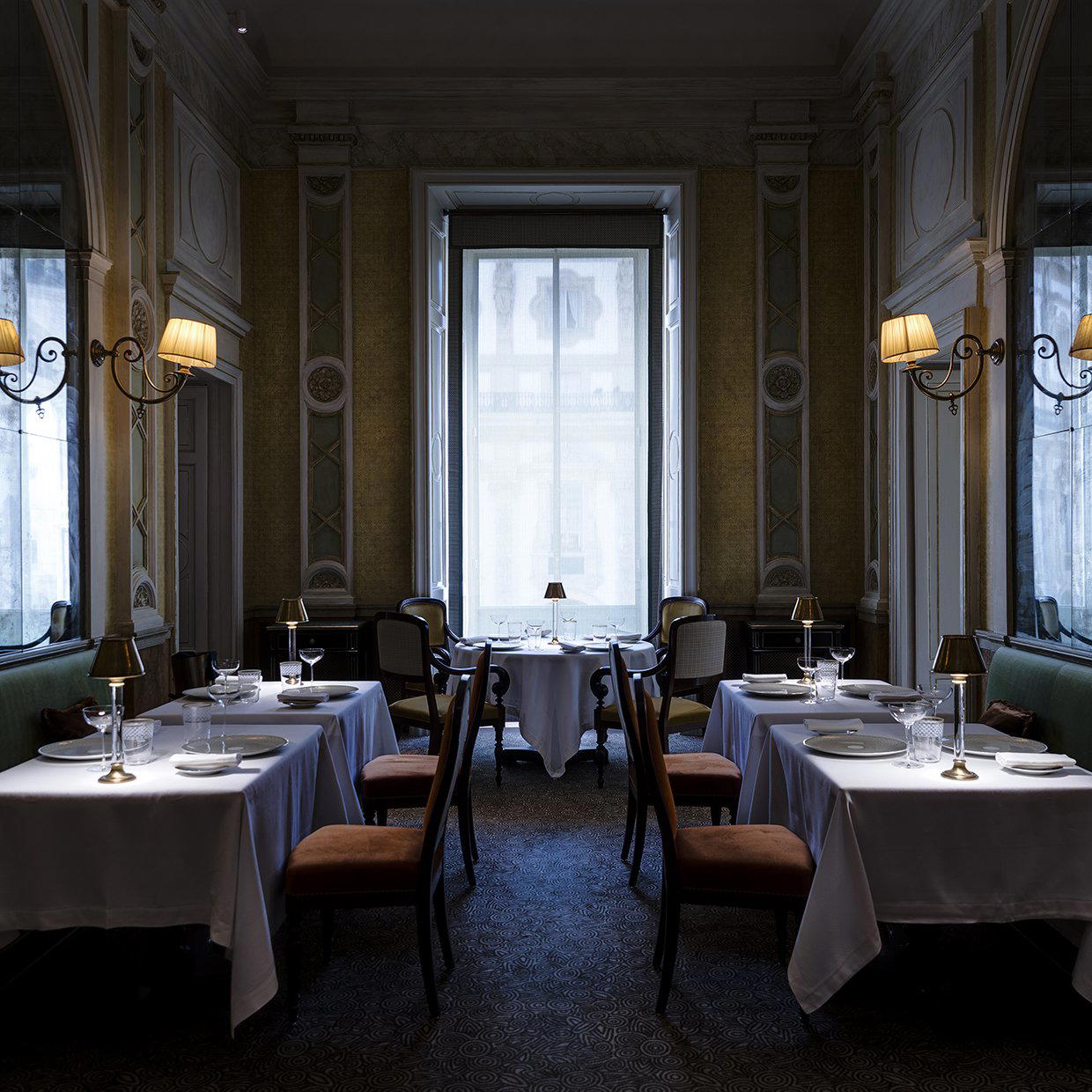
Restaurants in Milan
All restaurants in Milan →
Bars in Milan
All bars in Milan →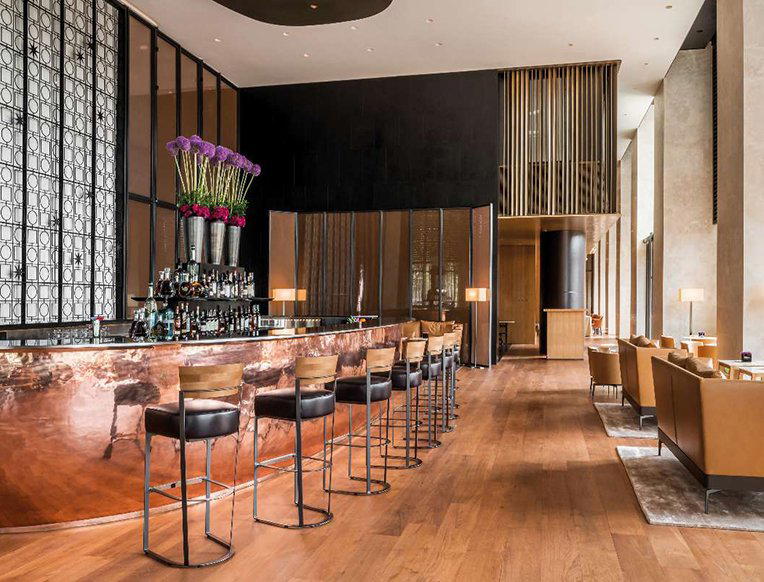

Details
- Rustic
- Cozy
- Classic
- Date Night
- Casual Hangout
- Terrace
- Beer Program
- A La Carte
- Vegetarian Friendly
- Vegan Options
- Gluten Free Options
Current opening hours
- Monday
- 12 PM–12 AM
- Tuesday
- 12 PM–12 AM
- Wednesday
- 12 PM–12 AM
- Thursday
- 12 PM–12 AM
- Friday
- 12 PM–12 AM
- Saturday
- 12 PM–12 AM
- Sunday
- 12 PM–12 AM
Hours can change for holidays and private events. Hours as of .
Warm and welcoming with classic taverna style featuring exposed brick and wooden beams, moderate noise level.