Our verdict
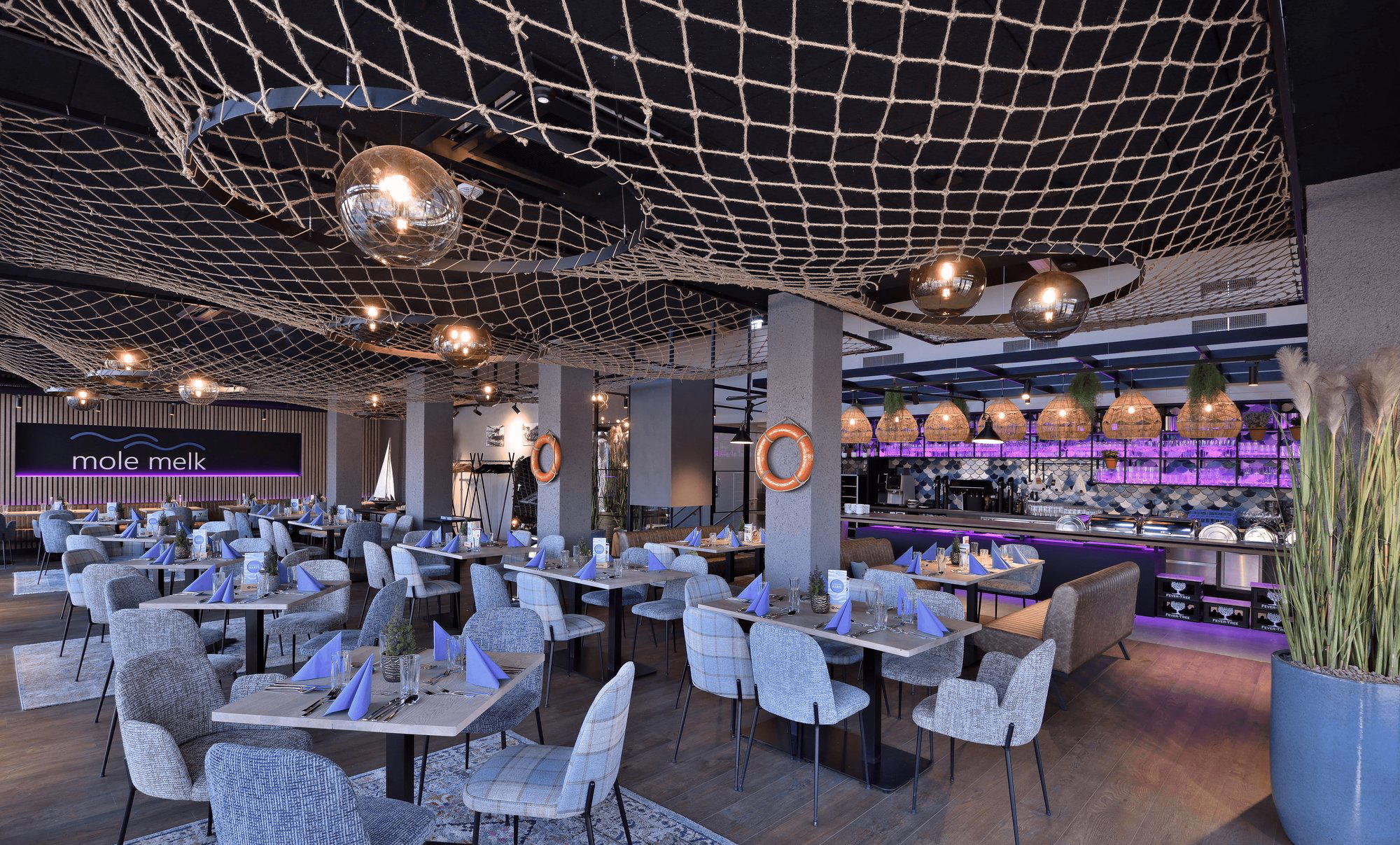
Mole Melk sits at Kolomaniau 3 in the heart of Melk, Austria, a small town defined by its Benedictine abbey and its position along the Wachau Valley's wine and agricultural corridor. Travellers moving through the Wachau should read further context before booking.

Pearl is the En Primeur Club membership app, where members save venues, book tables and use the concierge.
Eating in the Shadow of the Abbey: Melk's Dining Context
Melk is not a city that hides its priorities. The Benedictine abbey dominates the skyline above the Danube, and the town beneath it has long served as a waypoint for travellers moving through the Wachau Valley, one of Austria's most agriculturally and viticulturally significant corridors. The region produces Grüner Veltliner and Riesling under strict Vinea Wachau classifications, grows apricots that have protected designation of origin status, and sits within a stretch of the Danube where market gardens, riverside farms, and forested hillsides define what ends up on local plates. Kitchens in this part of Lower Austria operate with a strong regional sourcing logic, not as a trend borrowed from elsewhere, but as a practical inheritance from a food culture shaped by geography. Mole Melk, addressed at Kolomaniau 3 in the centre of town, sits within that tradition.
What the Address Tells You
Kolomaniau 3 places Mole Melk within walking distance of the abbey complex and the pedestrian core of Melk, an area that sees significant foot traffic from April through October as visitors arrive by riverboat, bicycle along the Danube Cycle Path, or by car from Vienna, roughly 85 kilometres to the east. The positioning matters for understanding what the restaurant is likely doing: this is not a destination address on the edge of a wine estate or tucked behind an agricultural cooperative. It is a town-centre location, which in a place the size of Melk means it serves both the passing visitor economy and a year-round local clientele. That dual audience shapes how restaurants at this address tend to pitch their offer, balancing accessibility with enough culinary seriousness to hold the attention of guests who arrive with informed expectations about Wachau ingredients.
The Wachau Ingredient Argument
Austria's most compelling regional cooking, from Landhaus Bacher in Mautern an der Donau across the Danube to the more experimental formats found at places like Döllerer in Golling an der Salzach and Obauer in Werfen, is built on a disciplined relationship with regional produce. The Wachau's protected apricot varieties, the valley's herb gardens, freshwater fish from the Danube, and the proximity of Lower Austrian wine production create a sourcing environment that kitchens in the region can draw on directly. Landhaus Bacher, across the river in Mautern, is a useful reference point: it has operated at the intersection of classic Austrian cuisine and Wachau terroir for decades, demonstrating that serious cooking in this corridor does not require a Vienna postal code.
The broader Austrian scene at the highest level, anchored by operations like Steirereck im Stadtpark in Vienna and the creative programming at Ikarus in Salzburg, has spent the last two decades establishing Austrian regional ingredients as a credible foundation for ambitious cooking. That shift has had a downstream effect on how smaller-town restaurants in regions like the Wachau position their menus. The sourcing argument, once the preserve of destination kitchens with Michelin recognition, now runs through a much wider tier of Austrian dining. For a kitchen operating in Melk, the raw material logic is direct: Wachau produce is available, recognised, and carries its own authority.
Melk in the Austrian Dining Picture
Austria's restaurant scene, particularly outside Vienna and the main alpine resort corridors, rewards travellers who are willing to follow a geographical thread rather than defaulting to the capital. The Wachau is one of the clearest examples of that logic: a concentrated stretch of terrain where wine, agriculture, and a UNESCO World Heritage designation create conditions for credible hospitality at multiple price points. Melk itself is a smaller node in that network compared to Krems or Dürnstein, but its abbey tourism and Danube-route position mean it maintains a year-round food and drink offer that extends beyond basic visitor catering.
Elsewhere in the Austrian network, alpine kitchens like Kräuterreich by Vitus Winkler in Sankt Veit im Pongau and Gourmetrestaurant Tannenhof in Sankt Anton am Arlberg have built reputations through hyper-local herb and forage sourcing. The Wachau operates differently: its strength is cultivated rather than foraged, with apricot orchards, terraced vineyards, and market garden production defining the supply chain. A kitchen in Melk that engages seriously with that supply chain is working with one of Austria's most distinctive regional larders.
For the wider Austrian context, our full Melk restaurants guide maps the town's dining options alongside comparable venues in the region, including Wachauer Stube, which operates within the same local market. Further afield, Taubenkobel in Schützen am Gebirge, Ois in Neufelden, Artis in Graz, Schwarzer Adler in Hall in Tirol, Stüva in Ischgl, Restaurant 141 by Joachim Jaud in Mieming, and Griggeler Stuba in Lech illustrate how Austria's regional dining offer extends across very different geographic and culinary registers. For reference points beyond Europe, Le Bernardin in New York City and Atomix in New York City show how sourcing discipline and tasting-format precision operate at the international level.
Planning a Visit
Melk is accessible by train from Vienna's Westbahnhof in approximately 70 minutes, and by riverboat as part of the standard Wachau cruise route between Krems and Melk. The town is compact enough that Kolomaniau 3 is reachable on foot from the train station and the main visitor approach to the abbey. The Wachau's busiest period runs from late spring through early autumn, when riverboat traffic peaks and abbey visitor numbers are highest. Travellers planning to eat in Melk during that window should check availability in advance.
Frequently asked questions
Is Mole Melk child-friendly?
Melk itself is heavily oriented toward day-trippers visiting the Benedictine abbey, so restaurants in this part of the Kolomaniau district generally accommodate mixed-age groups. Confirm directly before visiting, as service format and seating can vary by season.
What kind of setting is Mole Melk?
Mole Melk is located at Kolomaniau 3 in Melk, placing it within the pedestrian core of a small Danube town best known for its hilltop Benedictine abbey. The surrounding area draws a steady flow of visitors arriving by train from Vienna (roughly 70 minutes) or by riverboat along the Wachau route. The setting is town-centre rather than rural, with the abbey complex visually dominant overhead.
Is Mole Melk a good stop for travellers doing the Wachau river route between Vienna and Krems?
Melk is a standard disembarkation point on the Wachau Danube cruise corridor, and Kolomaniau 3 is accessible on foot from the river landing and the town's pedestrian centre. For travellers with a few hours between the abbey visit and re-boarding, a local restaurant at this address fits the itinerary without requiring additional transport. Verify current hours with the venue, as opening times in small Wachau towns often shift outside peak season.
What should I eat at Mole Melk?
The Wachau region more broadly is associated with apricots, white asparagus, river fish, and Grüner Veltliner-based cooking, conventions followed by serious kitchens from Mautern an der Donau westward. Check the venue directly for current offerings before visiting.
Comparison Snapshot
Comparable venues nearby, for context on price, style, and recognition.
| Venue | Cuisine | Price | Notes |
|---|---|---|---|
| Mole MelkThis venue (the venue you are viewing) | Modern Local Austrian | $20–30 | Not listed |
| Wachauer Stube | Regional Austrian | $20–30 | Melk |
| Salims | Cocktail Bar Snacks | Not listed | Josefstadt |
| Erbsenzählerei | Organic Vegetarian Café | $10–20 | Margareten |
| Karpfenwirt | Austrian Seafood | Not listed | Sankt Martin im Sulmtal |
| Seejungfrau | Austrian Contemporary | $20–30 | Jois |
Continue exploring
More in Melk
Restaurants in Melk
All restaurants in Melk →
Bars in Melk
Browse all →
Hotels in Melk
Browse all →
Details
- Scenic
- Cozy
- Modern
- Relaxed
- Casual Hangout
- Waterfront
- Terrace
- Local Sourcing
- Waterfront
- A La Carte
Current opening hours
- Monday
- Closed
- Tuesday
- 11 AM–10 PM
- Wednesday
- 11 AM–10 PM
- Thursday
- 11 AM–10 PM
- Friday
- 8 AM–10 PM
- Saturday
- 8 AM–10 PM
- Sunday
- 8 AM–8 PM
Hours can change for holidays and private events. Last verified .
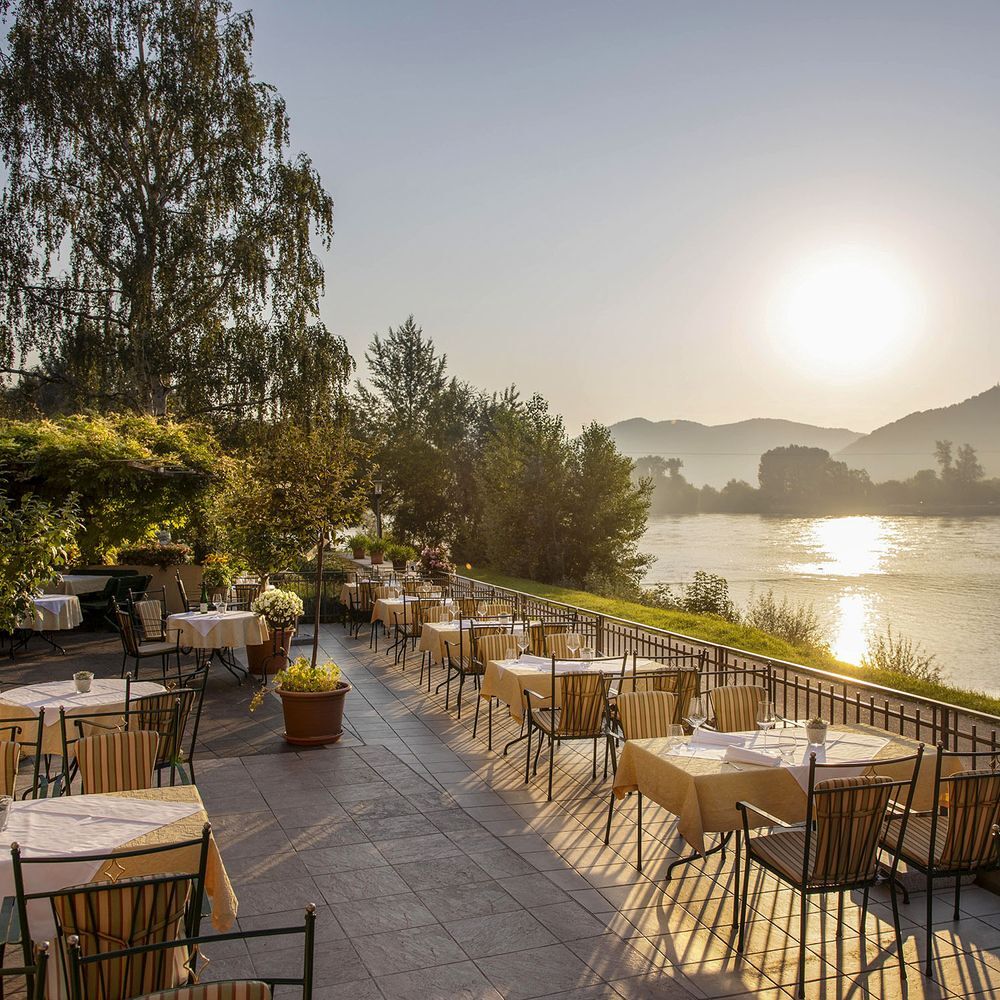
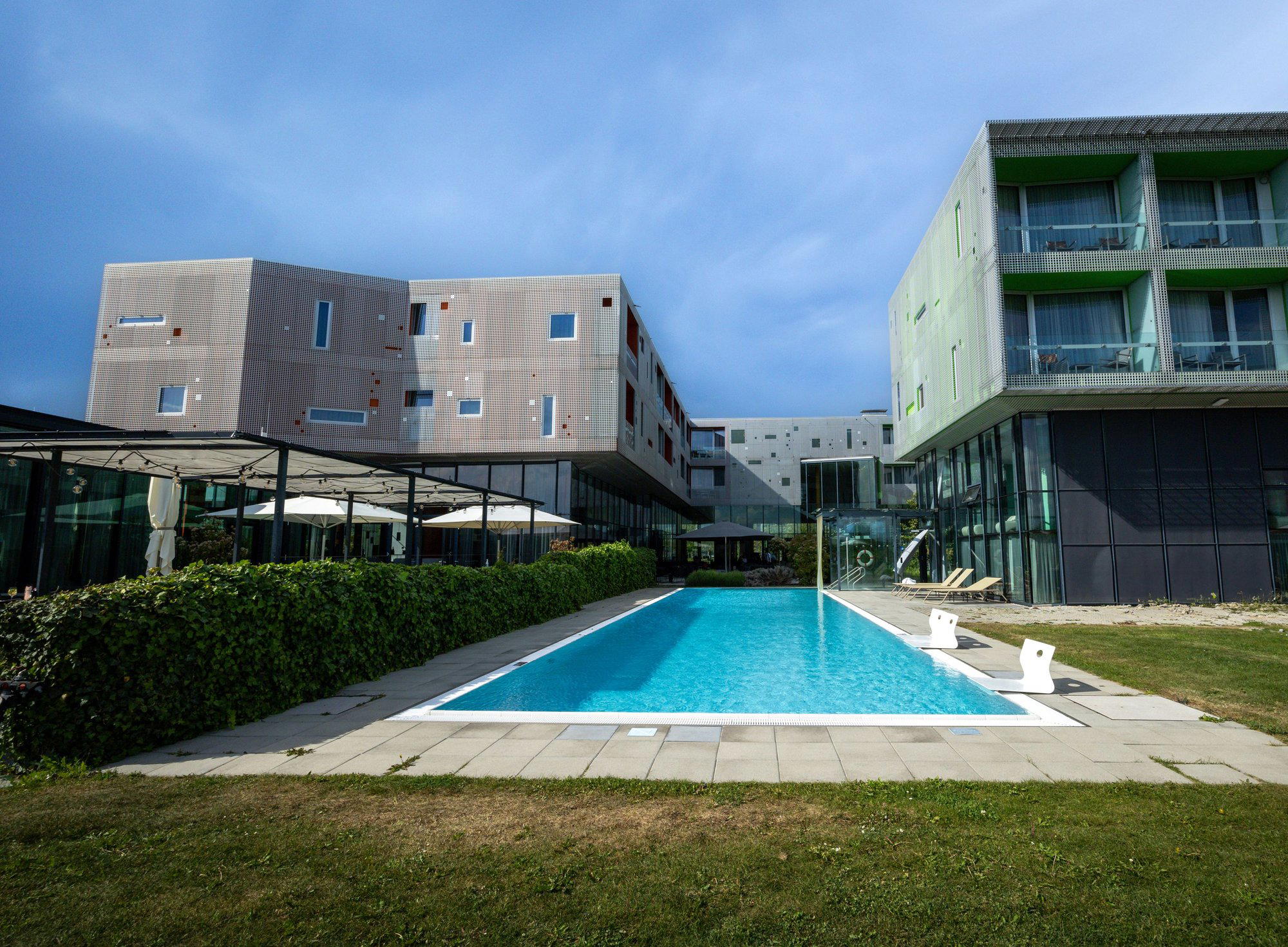
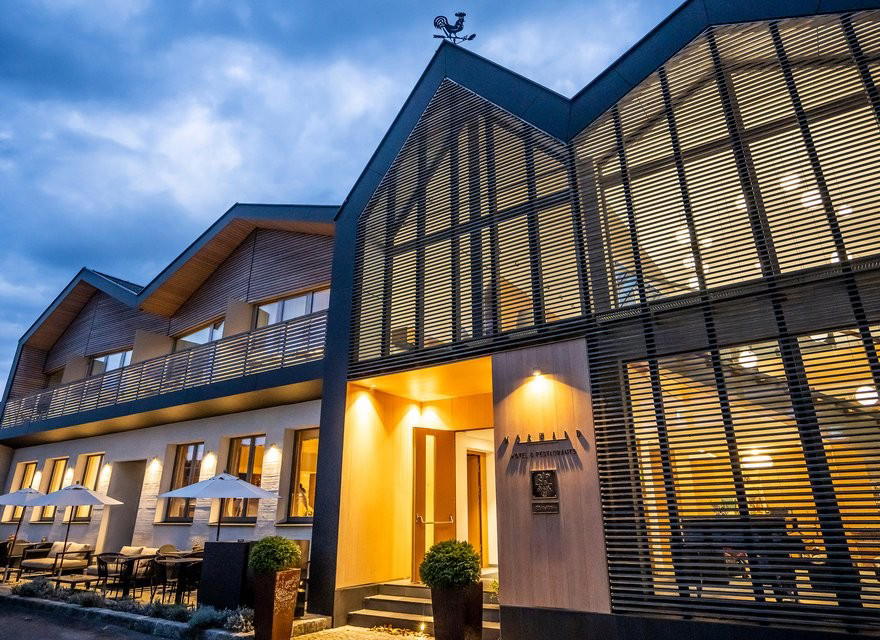
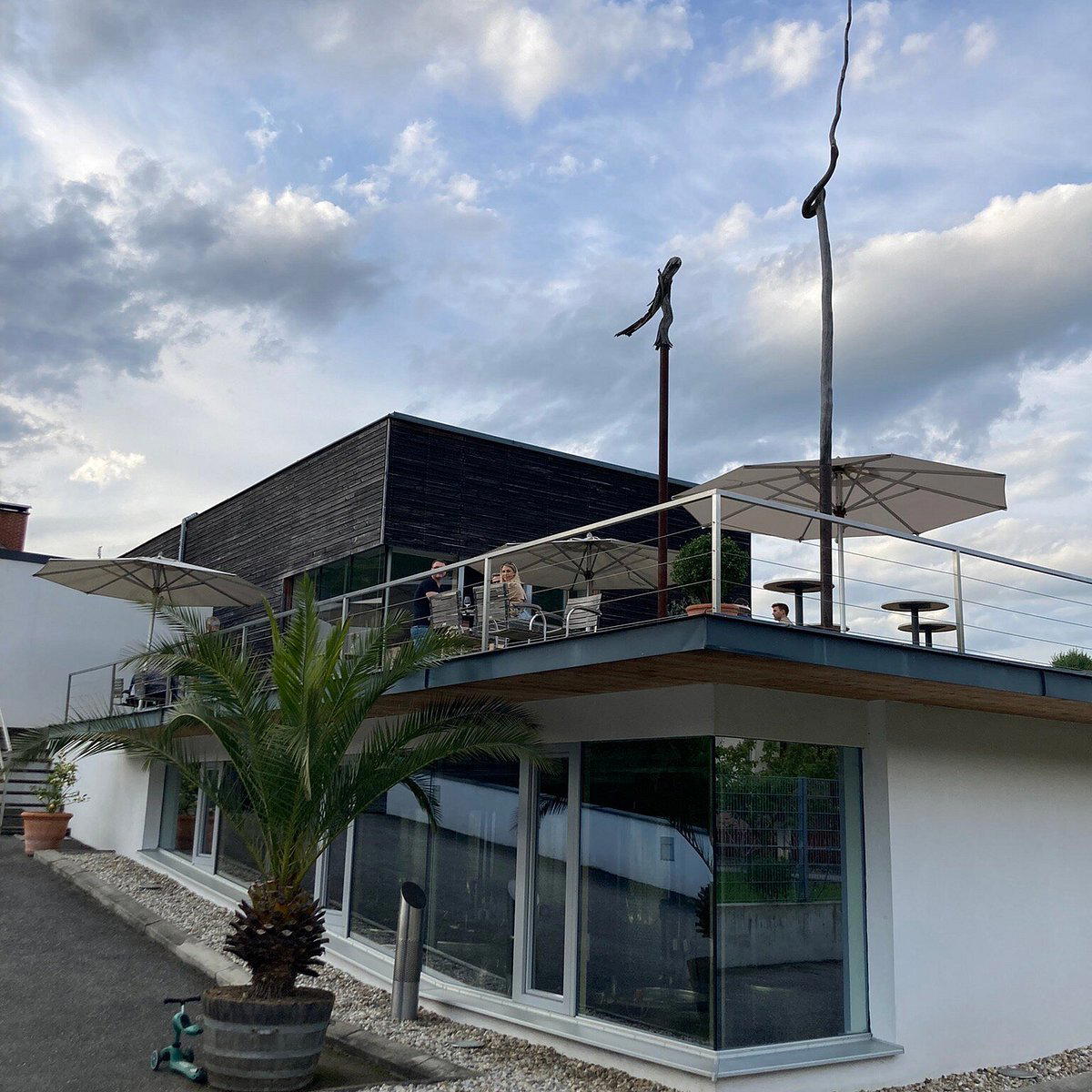
Relaxed atmosphere on the Danube banks with stylish, modern urban vibes and outdoor deck seating.