Our verdict
Wachauer Stube sits at Am Wachberg 3 in Melk, positioned within one of Lower Austria's most storied wine and agricultural corridors. The restaurant draws on the culinary identity of the Wachau region, where apricot orchards, riverside viticulture, and centuries of monastic food culture have shaped a distinct local table. Visitors to Melk's abbey precinct will find it a natural stop for regionally rooted Austrian cooking.

Pearl is the En Primeur Club membership app, where members save venues, book tables and use the concierge.
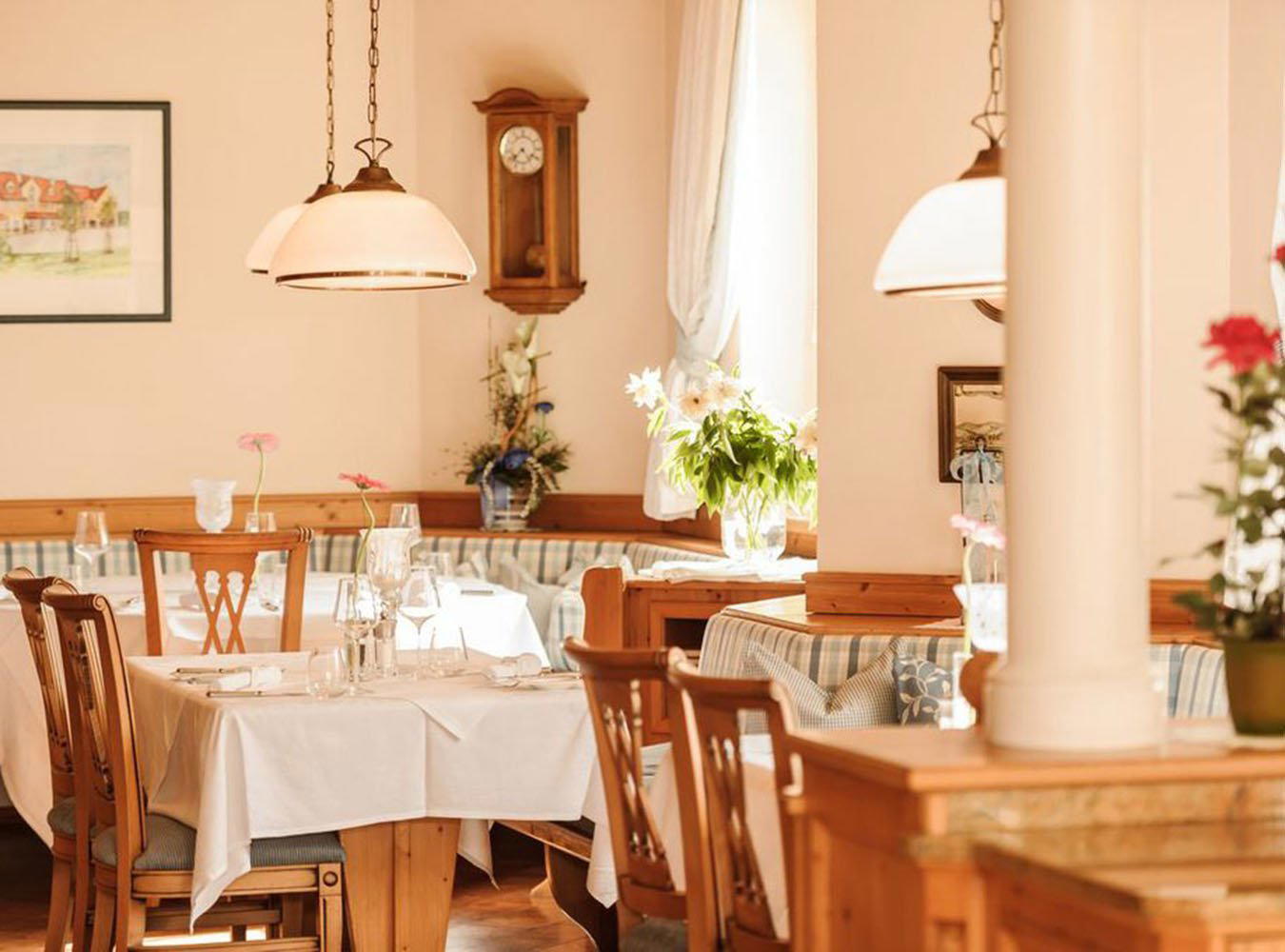
The menu
What to order
- Wiener Schnitzel
- Wachauer Marillenknödel
- Wachauer Gulasch
Where the Wachau Comes to the Table
The stretch of the Danube between Melk and Krems has been producing food and wine worth eating for longer than most European restaurant traditions have existed. The Wachau's apricot orchards, classified under their own DAC wine designation since 2003, and the steep terraced vineyards that run down to the river have given the region a culinary identity that predates modern Austrian restaurant culture by centuries. Monastic kitchens, including those of the Benedictine abbey that dominates Melk's skyline, kept larder traditions alive through eras when much of Central Europe's food culture was fragmenting. That inheritance is what gives Wachauer cooking its particular density of reference, it draws on real agricultural specificity, not a generalized idea of Austrian cuisine.
Wachauer Stube, addressed at Am Wachberg 3, sits within this context. The name itself signals its orientation: a Stube is the warm inner room of an Austrian or Bavarian house, the room where meals happened and where the character of a household was legible. The word carries associations of proximity and particularity that a more internationally coded restaurant name would deliberately avoid. In a town whose visitor traffic is dominated by the Benediktinerstift and Danube cruise passengers, a restaurant that signals rootedness in that way is making a considered choice about its audience.
The Wachau as a Culinary Region
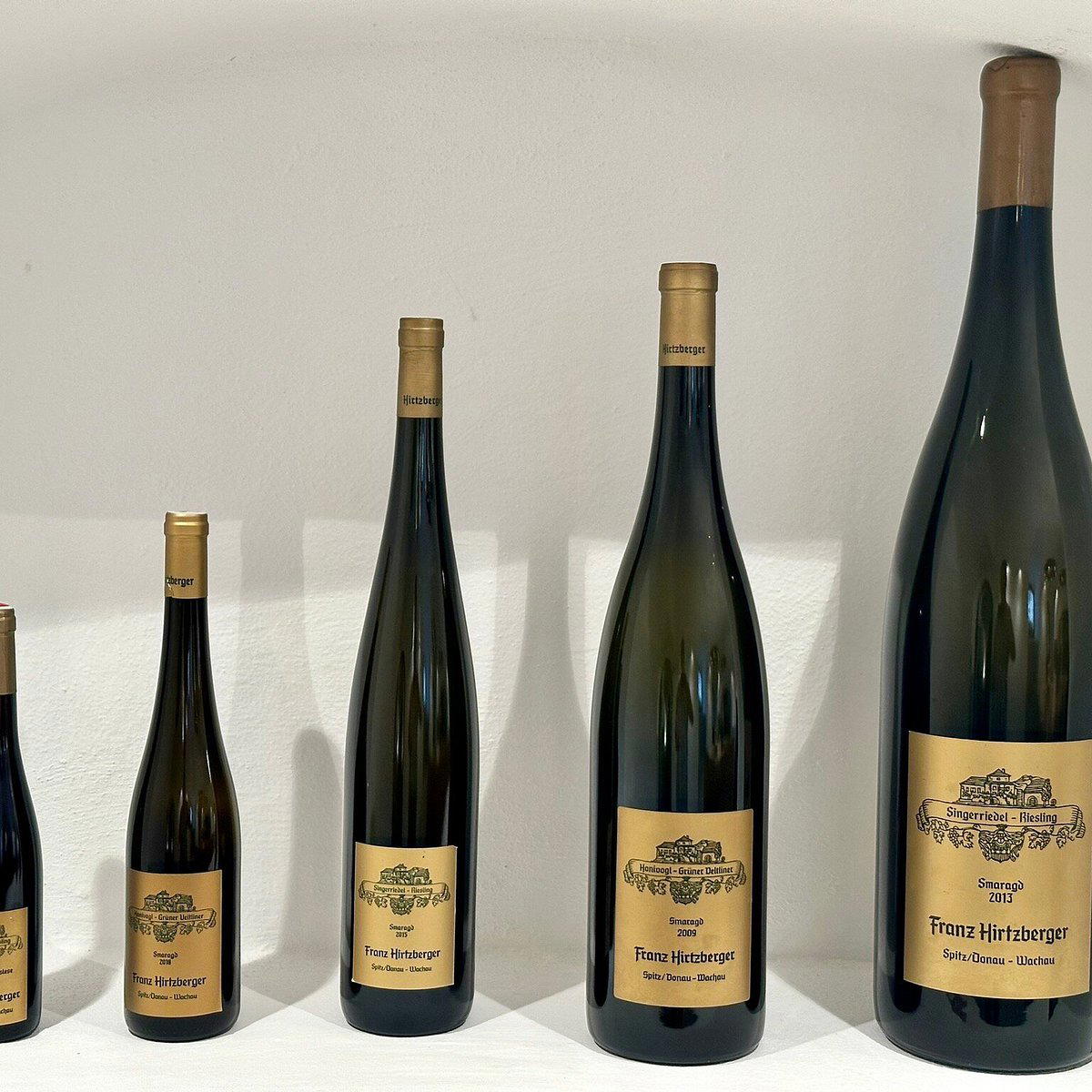
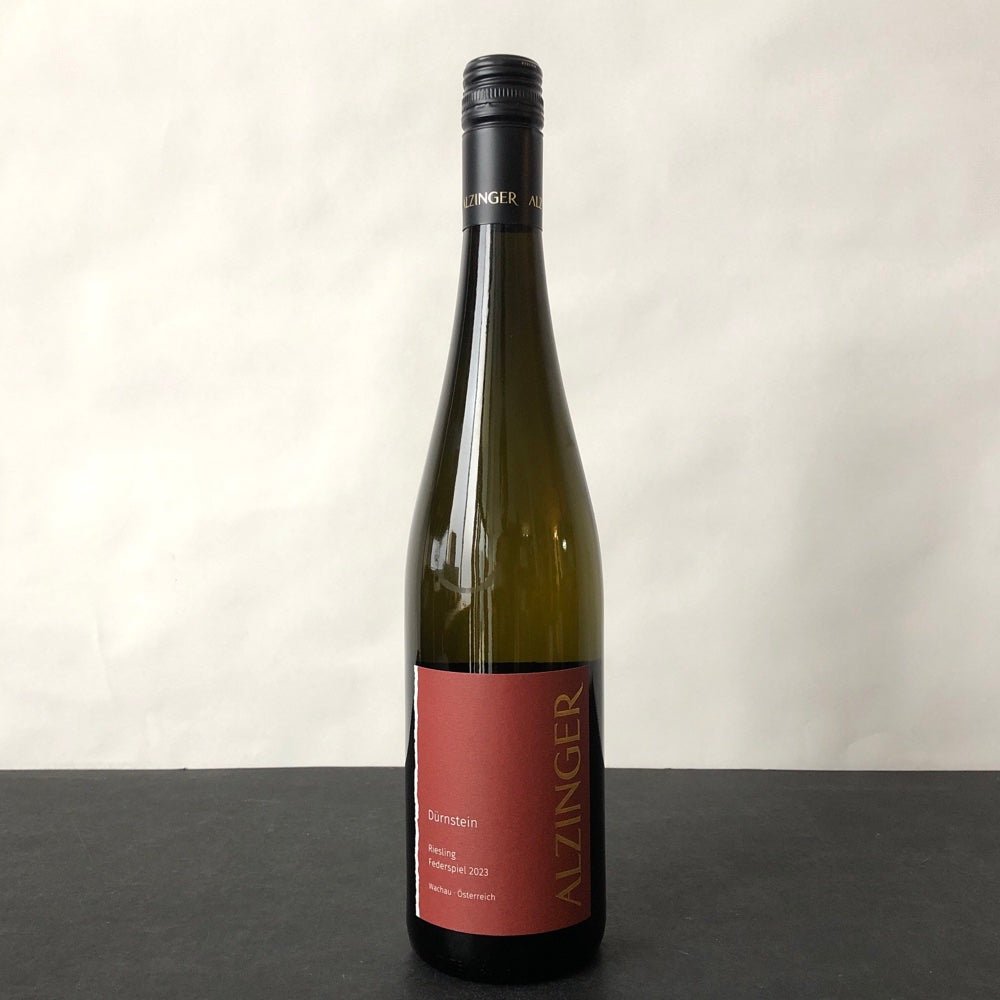
Austrian regional cooking is not a monolith, and the Wachau represents one of its most geographically coherent expressions. The region's classification system for wine, Steinfeder, Federspiel, and Smaragd, ordered by ripeness and body, has no direct parallel in food, but the same logic of terroir specificity runs through what grows here. Wachauer Marillen (the local apricot variety, carrying EU protected geographical indication status) appear in everything from preserves to distillates. The river pike and zander that Danube restaurants have served for generations remain fixtures at tables where local sourcing is taken seriously. Rye and spelt from the valley floors, game from the surrounding hills, and freshwater fish pulled from the Danube itself form the skeleton of a regional repertoire that resists easy substitution.
This is the tradition that restaurants operating under a Wachau identity are implicitly drawing on. The pressure is not to innovate but to maintain fidelity, to cook the region's ingredients in ways that reflect their actual character rather than importing technique from outside for its own sake. That standard is different from the creative Austrian cooking found at places like Döllerer in Golling an der Salzach or Steirereck im Stadtpark in Vienna, which operate inside a more explicitly contemporary framework.
Melk's Position in Austria's Dining Picture
Melk is not a restaurant city in the way that Vienna, Salzburg, or Graz are. Its population is modest and its visitor economy is compressed into the warmer months when Danube cruises are running and the abbey is drawing day-trippers from across Europe. What this means in practice is that restaurants here operate within tighter seasonal rhythms than their urban counterparts and serve a more varied clientele, local regulars alongside visitors with little prior knowledge of Austrian food. The restaurants that last in this environment tend to have a clarity of identity that can communicate across both audiences.
For context on the broader Austrian scene, Landhaus Bacher in Mautern an der Donau, directly across the river from Krems, represents the Wachau at its most formally accomplished, with two Michelin stars and a wine list that has been recognized as one of Austria's most serious. It is the regional benchmark against which other Wachau-area restaurants are implicitly measured. Wachauer Stube operates in a different register: closer to the Gasthof tradition than to the destination dining model that Landhaus Bacher exemplifies.
Elsewhere in Austria, the restaurants setting the creative standard include Ikarus in Salzburg, Obauer in Werfen, and Kräuterreich by Vitus Winkler in Sankt Veit im Pongau. In the Alpine west, Griggeler Stuba in Lech, Stüva in Ischgl, and Gourmetrestaurant Tannenhof in Sankt Anton am Arlberg serve a resort clientele with markedly different expectations. Schwarzer Adler in Hall in Tirol and Taubenkobel in Schützen am Gebirge each occupy distinct regional niches. Artis in Graz and Restaurant 141 by Joachim Jaud in Mieming round out a picture of Austrian dining that is considerably more varied than its international reputation tends to suggest. Wachauer Stube's value is that it offers access to a specific regional tradition rather than participation in that broader competitive conversation.
Planning Your Visit
Wachauer Stube is located at Am Wachberg 3, 3390 Melk, on the heights above the town center, which puts it within reasonable reach of the abbey precinct and the main Danube access points. Melk itself is approximately 85 kilometers west of Vienna by road, and the town is served by the Westbahn rail line, making it practical as a day trip from the capital or as a stop on a longer Wachau itinerary. The regional rhythm matters here: visitor traffic peaks between April and October, when the Danube cruise season is active, and the town is considerably quieter in the winter months. Arriving in the shoulder season, late September into October, means the apricot harvest is past but the Smaragd-category Rieslings and Grüner Veltliners from the current vintage are newly available, which aligns well with a meal focused on local produce and wine. For the full picture of what Melk's dining options look like, our full Melk restaurants guide covers the range. Those looking for a contrast in register within the town should note Mole Melk as an alternative worth considering alongside Wachauer Stube.
Given the seasonal nature of Melk's visitor economy, confirming opening hours and table availability before arrival is practical, this is especially true for weekend visits during the summer cruise season, when demand from passing visitors can outpace local capacity quickly. For points of international comparison on how a regional restaurant tradition differs from formally ambitious destination dining, Le Bernardin in New York City and Atomix in New York City illustrate how different the ambition and format can look at the top of a market.
Frequently asked questions
What part of town is Wachauer Stube in?
Wachauer Stube is located at Am Wachberg 3, 3390 Melk, Austria, Melk.
Is Wachauer Stube a good base for visiting Melk Abbey and the Wachau wine region in the same day?
The restaurant sits at Am Wachberg 3, on the elevated ground above Melk town centre, which puts it close to the abbey precinct and within reach of the Wachau's vine-covered slopes stretching toward Krems. The Wachau is classified as a UNESCO World Heritage Site, and the wine villages of Weißenkirchen and Dürnstein are accessible by road or river within the hour. A meal at Wachauer Stube fits logically between an abbey visit and an afternoon drive through the valley's Grüner Veltliner and Riesling growing zones.
What should I order at Wachauer Stube?
The kitchen draws on the Wachau's own larder, a region known for apricots, river fish, and growers who supply local tables as much as export markets. Given the address at Am Wachberg 3, above the town centre, the menu is expected to reflect that regional produce focus rather than a generic Austrian inn format. Confirm the current offering directly with the venue, as seasonal rotation is standard in this cooking tradition.
Do they take walk-ins at Wachauer Stube?
Melk's visitor traffic is heavily seasonal, concentrated around Melk Abbey and the cruise itineraries that stop along this stretch of the Danube. During peak months, securing a table in advance is the safer approach for any restaurant in the town. Contact Wachauer Stube at Am Wachberg 3 directly to confirm their current policy before arriving.
What makes Wachauer Stube worth seeking out?
Melk is not a restaurant city in the way Vienna or Salzburg are, which means venues that commit to Wachau regional cooking occupy a specific position with few direct comparators in town. The location at Am Wachberg 3, on the heights above the Danube, places the restaurant within the geographic narrative of the Wachau itself, one of Austria's most clearly defined culinary and wine zones. That geographical coherence is harder to find at the dining options clustered around the abbey precinct below.
How does Wachauer Stube handle allergies?
Austrian hospitality regulation requires food businesses to provide allergen information on request, so the kitchen at Wachauer Stube is obligated to disclose the fourteen major allergens under EU law. For specific dietary requirements, contact the restaurant at Am Wachberg 3, Melk, ahead of your visit to confirm what the current menu can accommodate.
Price and Positioning
Comparable venues nearby, for context on price, style, and recognition.
| Venue | Cuisine | Price | Notes |
|---|---|---|---|
| Wachauer StubeThis venue (the venue you are viewing) | Regional Austrian | $20–30 | Not listed |
| Mole Melk | Modern Local Austrian | $20–30 | Melk, Modern Local Austrian |
| Nussberg | Austrian Buschenschank Wine Tavern | $20–30 | Kahlenbergerdorf, Austrian Buschenschank Wine Tavern |
| Restaurant Alexander | Modern Austrian with International Influences | $20–30 | Gallbrunn, Modern Austrian with International Influences |
| Wirtschaft Altaussee | Modern Austrian-Asian Fusion | $30–50 | Fischerndorf, Modern Austrian-Asian Fusion |
| mo.wi | Modern Alpe-Adria Austrian | Not listed | Seeboden, Modern Alpe-Adria Austrian |
Continue exploring
More in Melk
Restaurants in Melk
All restaurants in Melk →
Bars in Melk
Browse all →
Hotels in Melk
Browse all →
Details
- Cozy
- Rustic
- Elegant
- Special Occasion
- Terrace
- Hotel Restaurant
- Extensive Wine List
- Local Sourcing
- A La Carte
Current opening hours
- Monday
- 6:45–11 AM, 5–11 PM
- Tuesday
- 6:45–11 AM, 5–11 PM
- Wednesday
- 6:45–11 AM, 5–11 PM
- Thursday
- 6:45–11 AM, 5–11 PM
- Friday
- Closed
- Saturday
- Closed
- Sunday
- Closed
Hours can change for holidays and private events. Last verified .
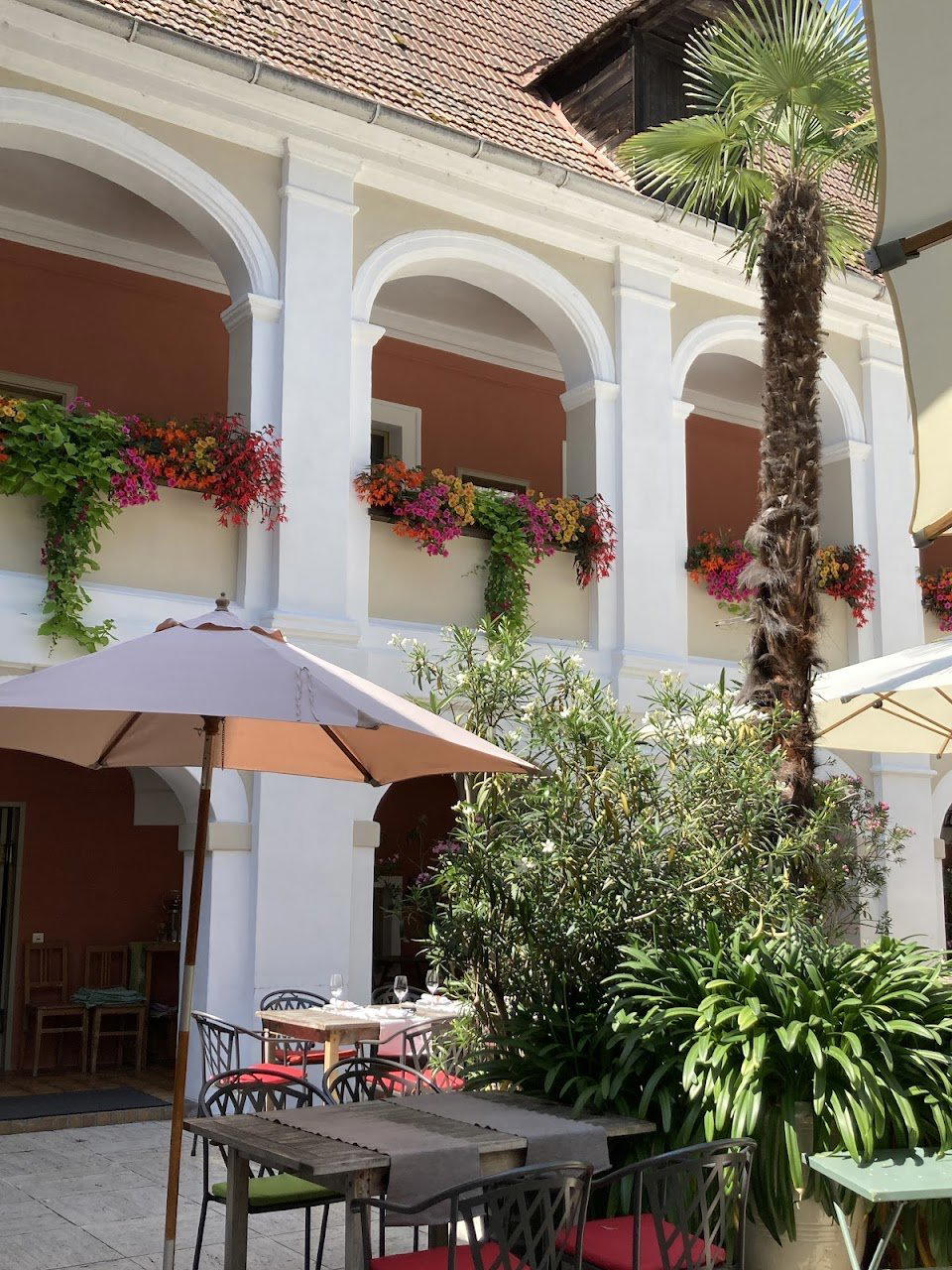
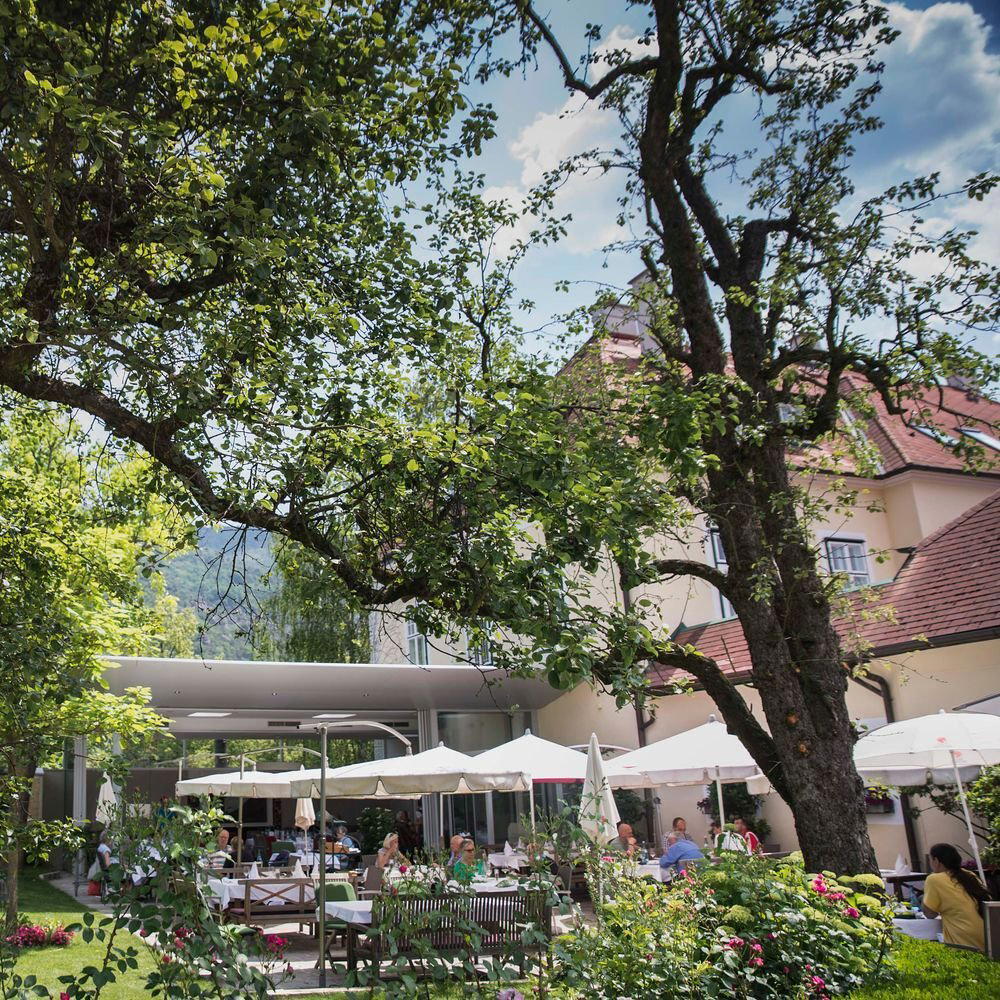
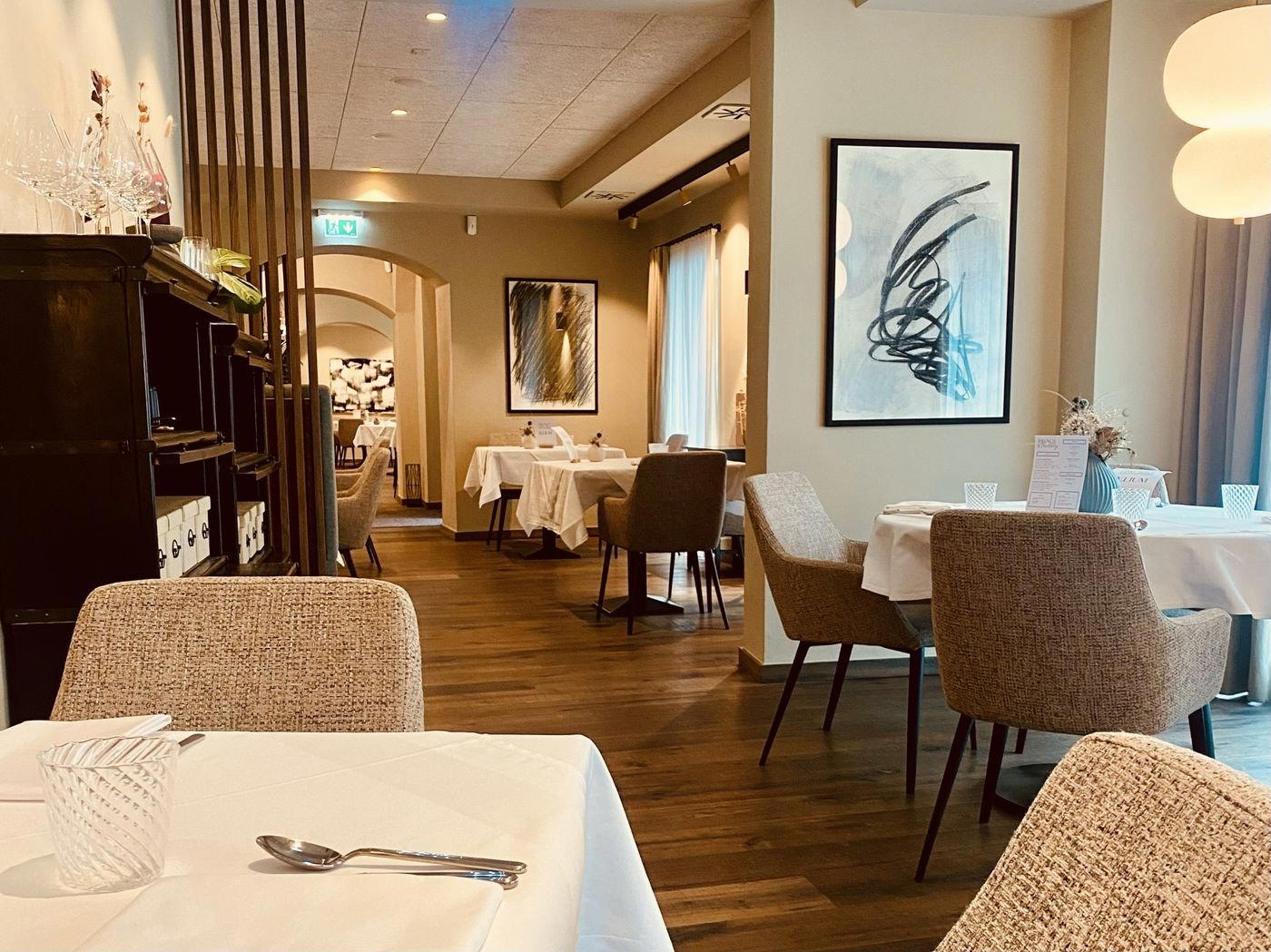
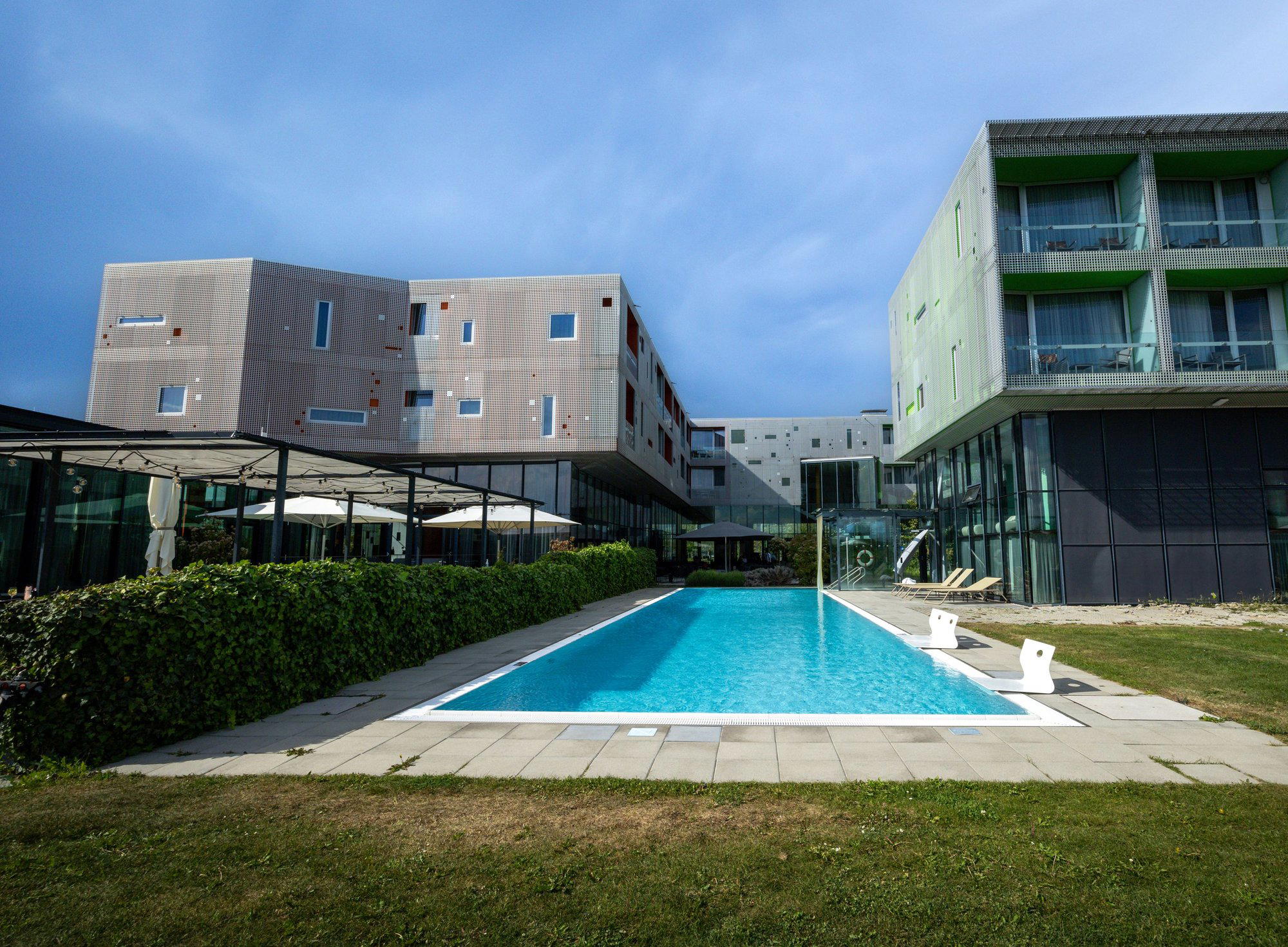
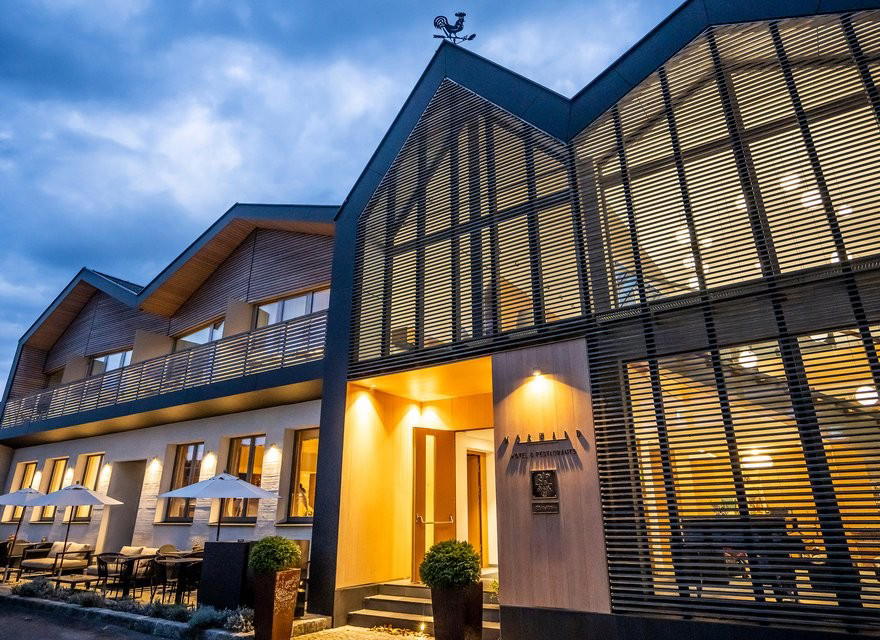
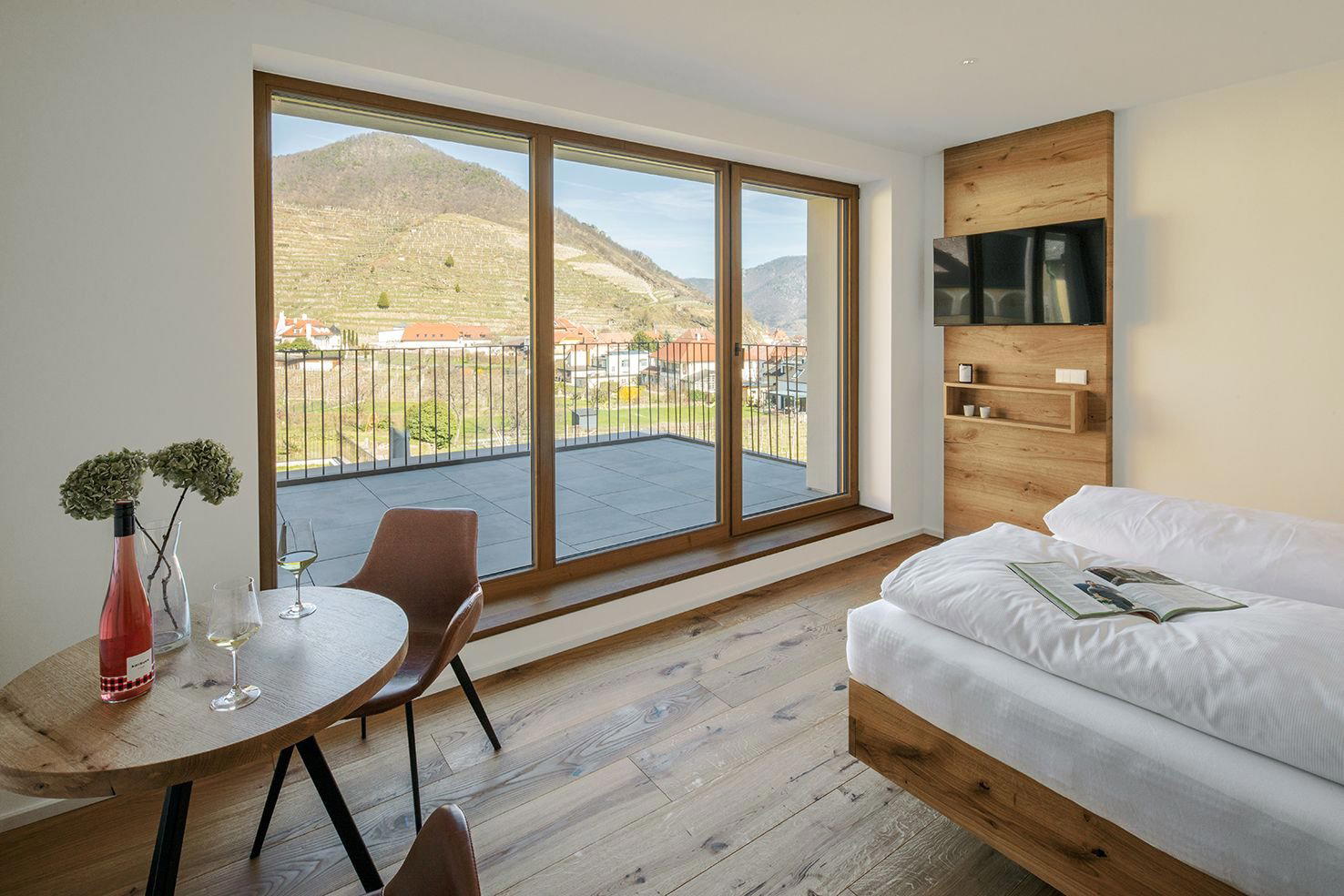
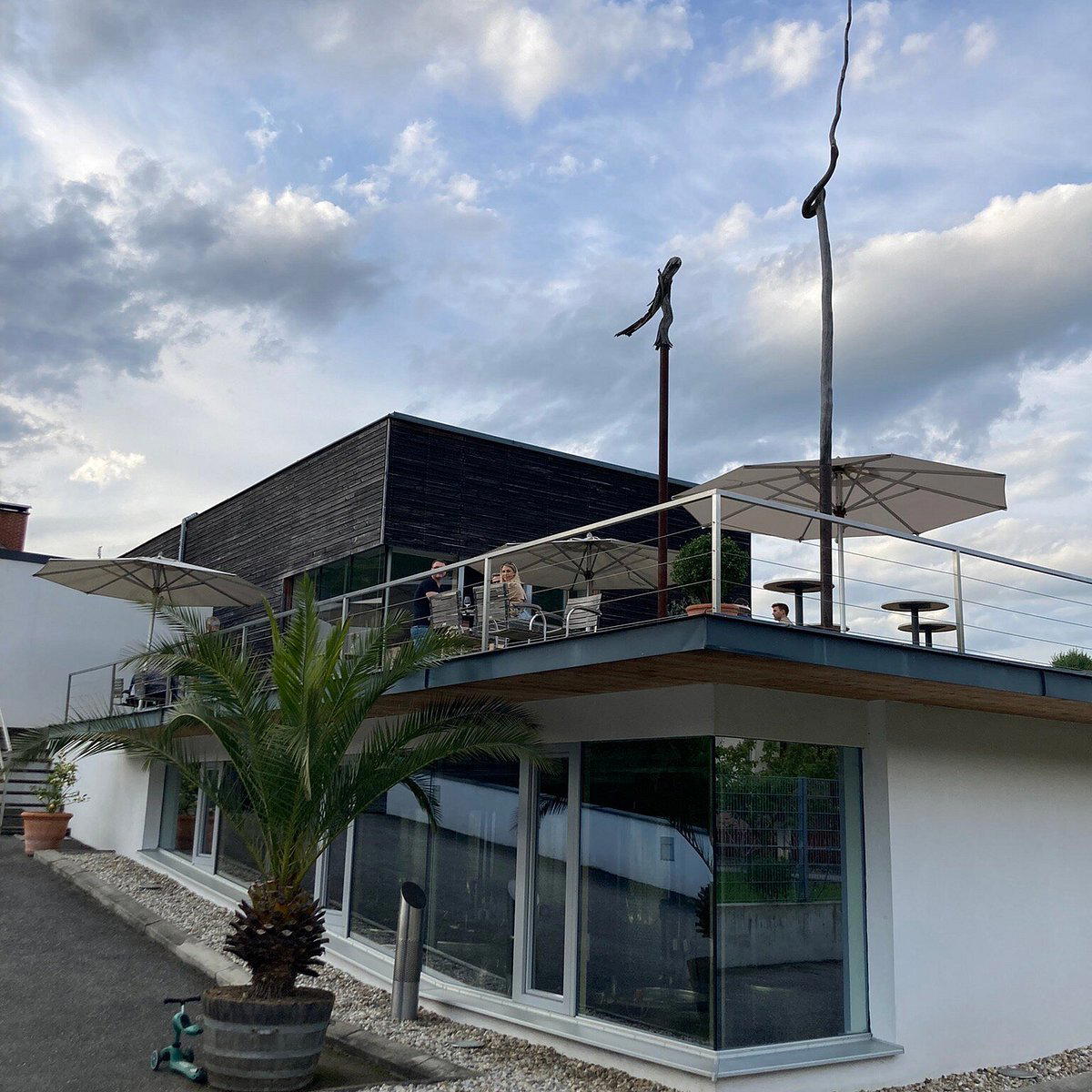
Cozy and upscale atmosphere with panoramic terrace views on summer evenings.