.png)
A four-generation family estate dating to 1912, Jamek sits at the heart of Wachau wine country, pairing classic Austrian cooking with the region's celebrated Rieslings and Grüner Veltliners. The dining room preserves its historical character while a modern annexe opens onto a terrace garden. Pike dumplings, minced veal butter schnitzel, and plum dumplings anchor a menu rooted in regional tradition.
Pearl is the En Primeur Club membership app — saves, bookings, and concierge access live there. Same editors, same standards.
- Address
- Josef-Jamek-Straße 45
- Phone
- +43 2715 2235
- Website
- jamekwein.at
 Saves & bookings on Pearl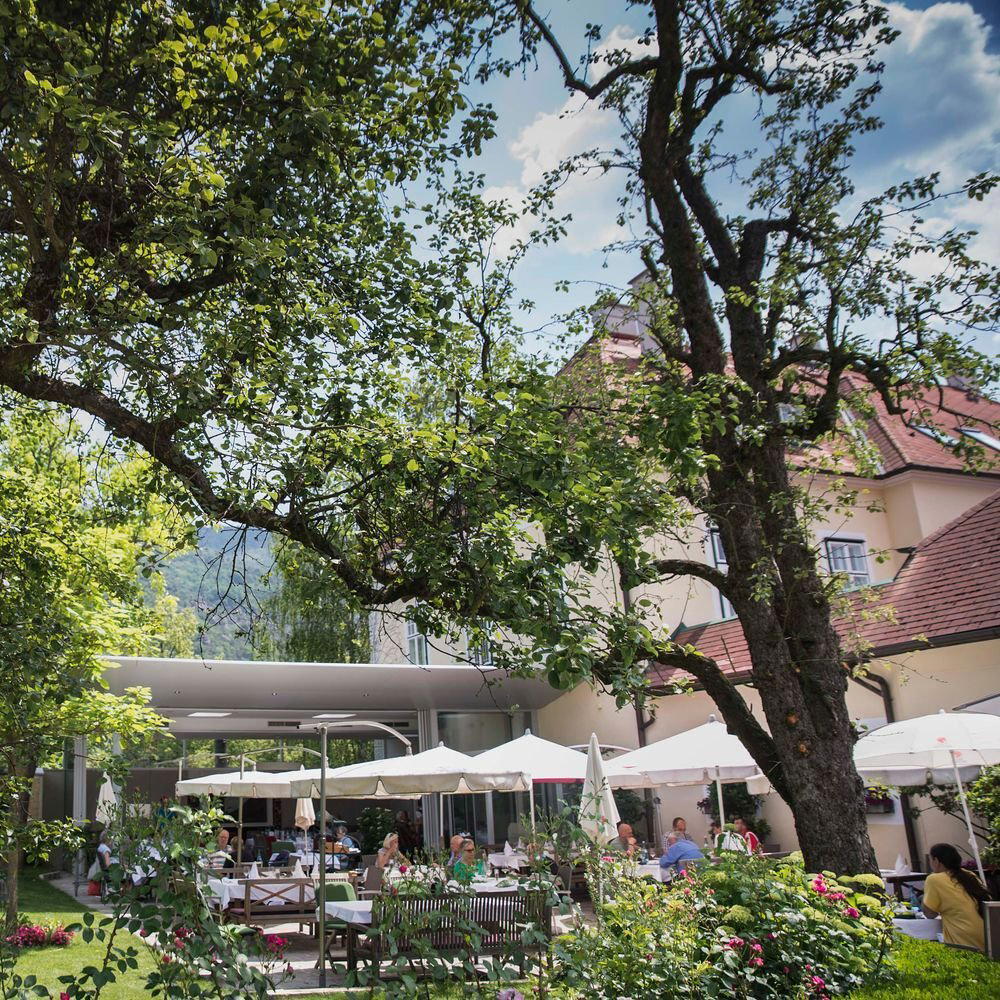
Where the Wachau Comes to the Table
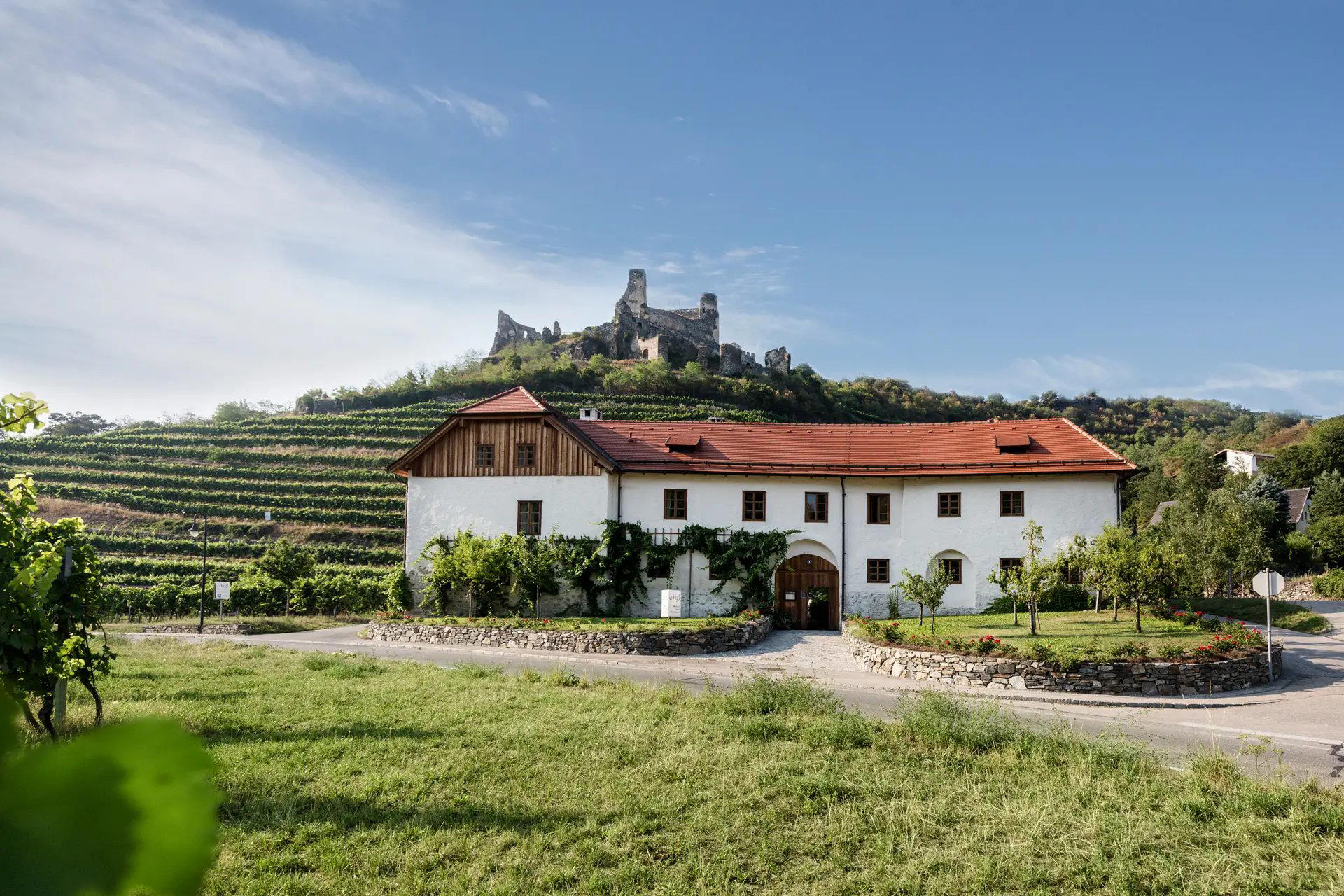
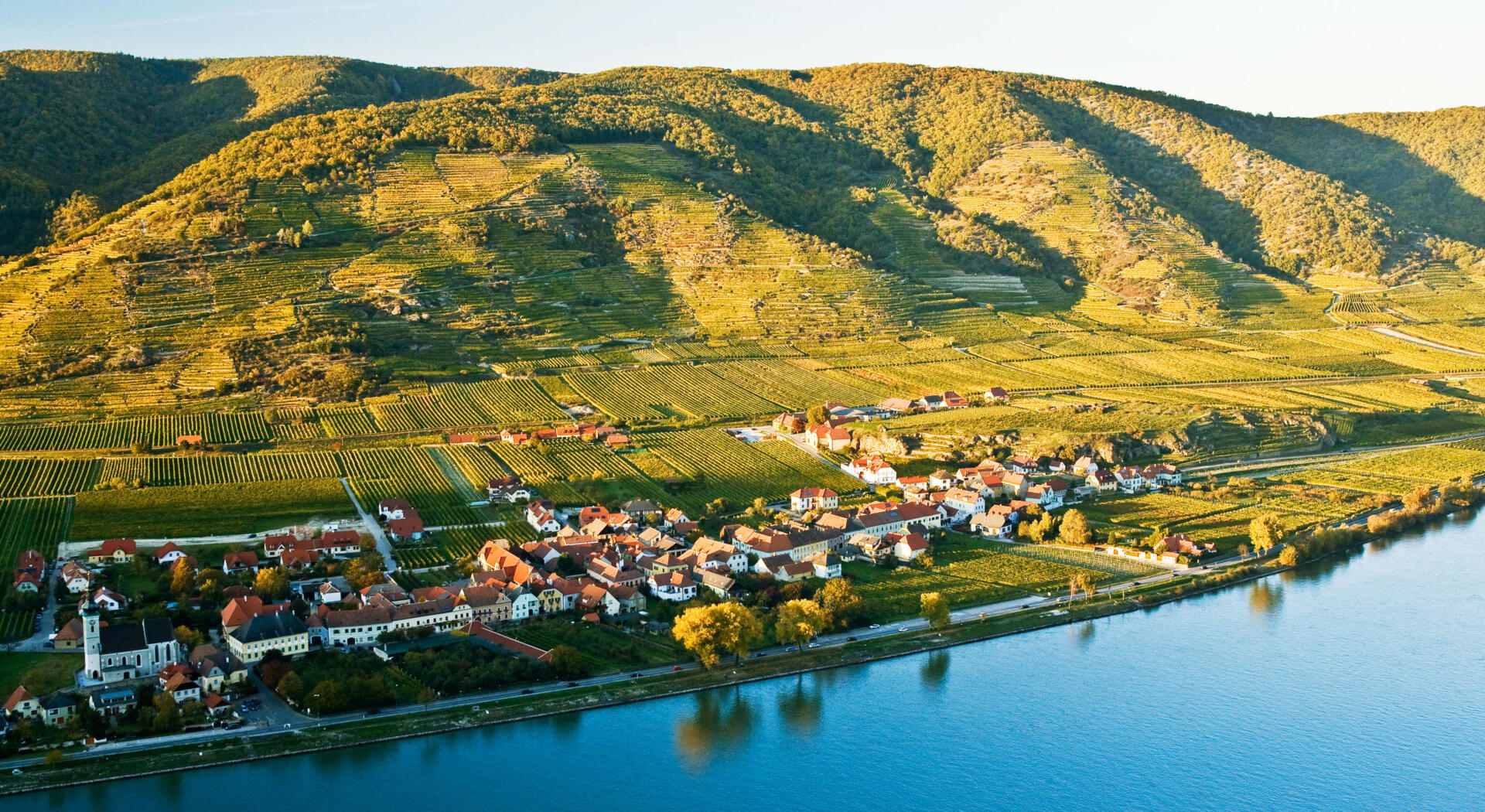
Approaching Weißenkirchen in der Wachau from the river road, the terraced vineyards close in on both sides, loess soils catching the afternoon light above the Danube. This is one of Austria's most concentrated wine corridors, where the distance between cellar and kitchen has always been measured in metres rather than kilometres. Jamek is a restaurant in Weißenkirchen in der Wachau, serving Traditional Austrian Regional Cuisine at about $50 per person. Jamek, at Josef-Jamek-Straße 45, operates inside that tradition with the confidence of four generations of continuity.
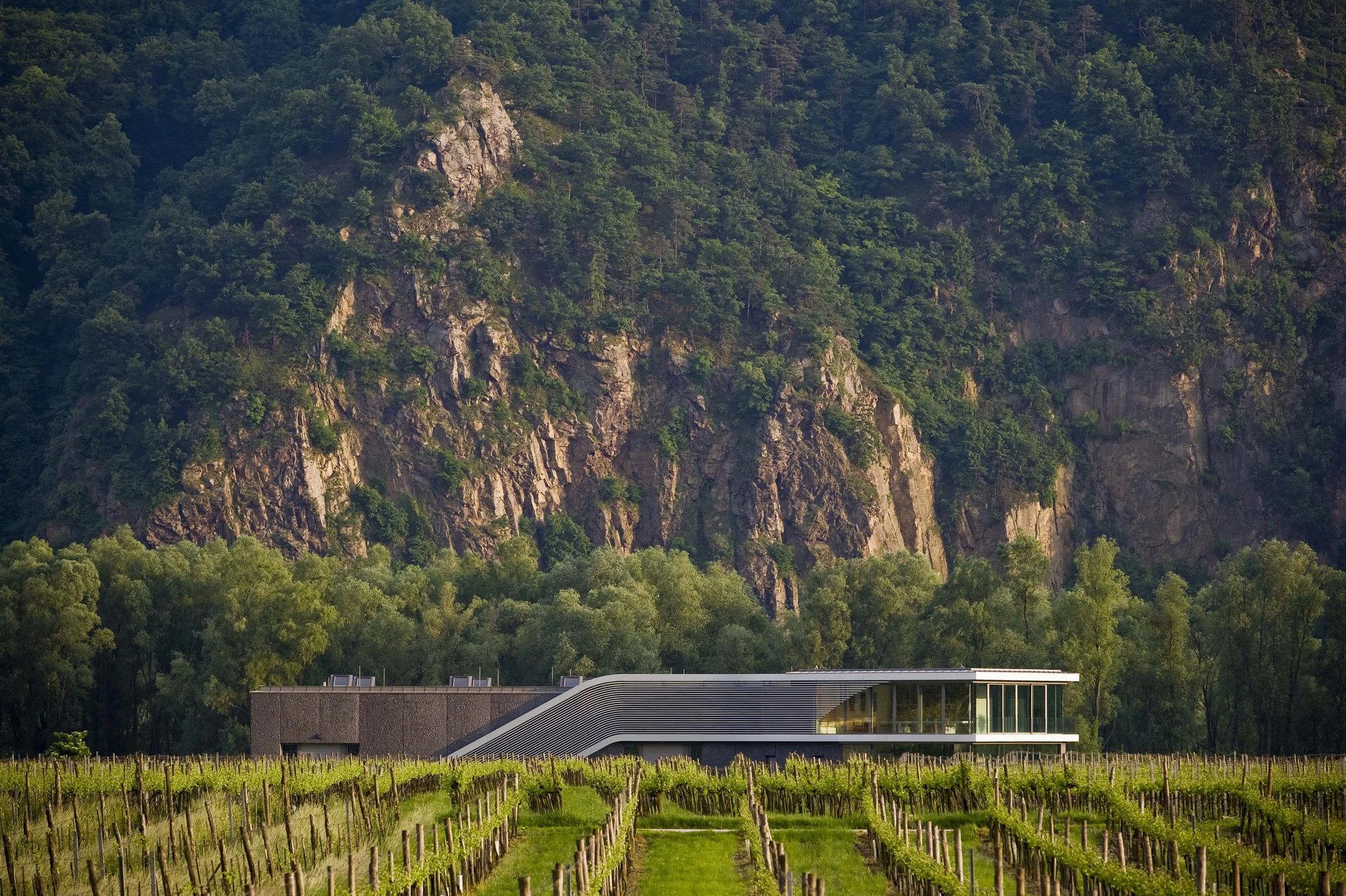
The estate divides naturally into two registers. A traditional dining room carries the weight of its century-plus history: wood, proportion, a certain density of atmosphere that comes only from rooms that have absorbed decades of use. Attached to it, a modern annexe with floor-to-ceiling windows opens the experience outward, framing the garden and terrace in a way that makes the seasons legible at the table. On a warm evening, that terrace is where the Wachau's particular combination of river air and vine-scented warmth makes itself felt most directly.
Ingredients Shaped by the Valley
The Wachau's cooking tradition draws from a geography that is unusually specific: a narrow river valley where cool nights, warm days, and rocky soils create produce with pronounced character. The kitchen at Jamek works within that frame rather than against it. Austrian regional cooking at this level is not about elaborate technique applied to neutral ingredients, it is about restraint applied to ingredients that carry their own argument. Pike from the Danube, veal from the surrounding farmland, plums from the valley's orchards: the sourcing is embedded in the location, and the dishes are structured to make that legible.
Pike dumplings are among the more instructive things on the menu, not because pike is rare but because it is specific. Danube pike has a cleaner, firmer profile than sea fish, and its translation into a dumpling format sits squarely in the Central European culinary tradition where freshwater fish and starchy accompaniments have been paired for centuries. The minced veal butter schnitzel follows a similarly direct logic: veal cooked with butter is a Vienna-adjacent preparation, but here it arrives in a valley context, with producers close enough that the sourcing chain is short by design. The plum dumplings, a dessert format with deep roots in Austro-Hungarian cooking, complete the picture, plums grown in the Wachau carry a particular tartness that the dumpling's sweet dough is calibrated to meet.
Austrian restaurants at the upper end of the price register, including Landhaus Bacher in Mautern an der Donau, tend to move between classic and contemporary with varying degrees of self-consciousness. Jamek's position is more settled: the menu reflects what the valley produces, and it does not appear to require external reference points to justify that choice.
The Wine Side of the Estate
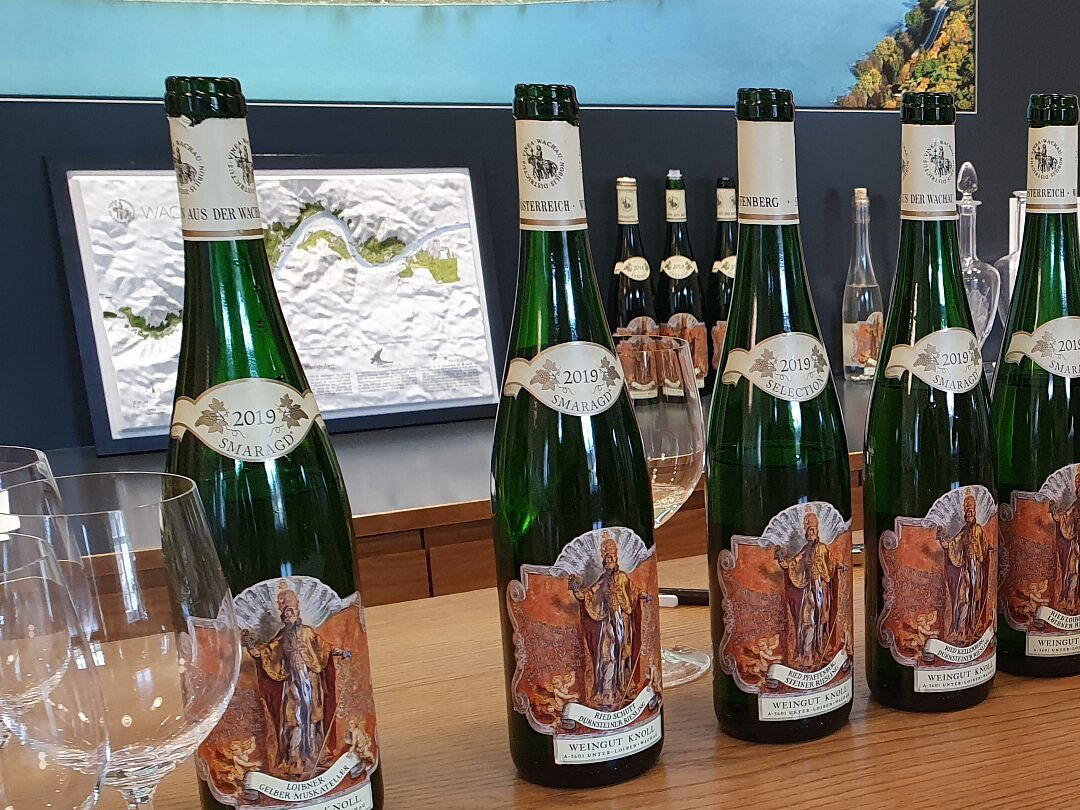
The Jamek name carries weight in the Wachau primarily because of its wines. The estate's Rieslings and Grüner Veltliners are well-regarded within Austria's wine community, and that reputation shapes the dining context in a specific way: the wine list here is not a supporting document, it is the co-equal point of the visit. Wachau Riesling occupies a particular niche in the Austrian hierarchy, distinguished by its minerality and tension from valley-grown counterparts elsewhere in Austria. Grüner Veltliner from this corridor, with its characteristic white pepper note and savory cut, is the natural counterpart to the pike and veal preparations on the menu.
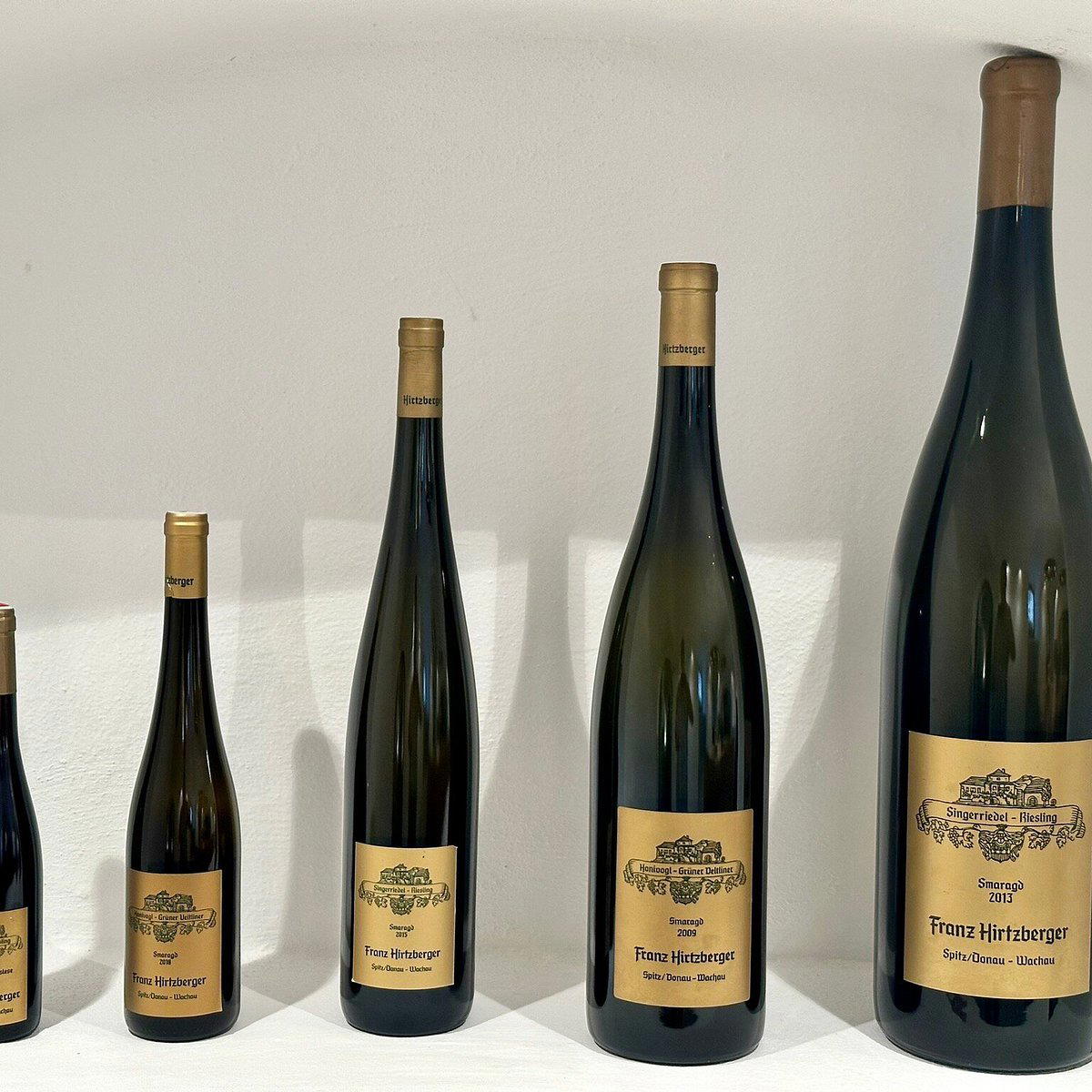
The Wachau wine region uses a three-tier classification system (Steinfeder, Federspiel, Smaragd) that corresponds to body and alcohol level, with Smaragd representing the most concentrated, age-worthy wines. Dining at an estate that produces across these tiers gives a table pairing options with real range.
Planning a Visit
Weißenkirchen in der Wachau sits along the Danube between Krems and Spitz, accessible by regional train (the Wachaubahn) or by road from Vienna in roughly 90 minutes. The village is walkable in itself, and the estate's address on Josef-Jamek-Straße places it within the compact historic core. Given that this is a family-run estate with defined seasonal rhythms, verifying opening periods before travelling is advisable, the Wachau's hospitality calendar tends to compress around the warmer months, and operating hours at estates of this type can shift considerably outside peak season.
Visitors spending more than a day in the valley will find the surrounding region well-supplied with places to eat and stay. Prandtauerhof Gutshofrestaurant is the most direct local comparison within the village itself. For accommodation options, the surrounding village has enough to fill out a day or two.
For those using Jamek as a reference point within Austria's wider restaurant geography, the country's other estate-rooted restaurants demonstrate how regional sourcing plays out across different Austrian landscapes. The Wachau's version of that story is among the most geographically coherent in the country, which is precisely why a four-generation estate here carries more explanatory weight than its village scale might initially suggest.
At-a-Glance Comparison
Comparable venues nearby, for context on price, style, and recognition.
| Venue | Cuisine | Price | Awards | Notes |
|---|---|---|---|---|
| JamekThis venue — the venue you are viewing | Traditional Austrian Regional Cuisine | $$$ | Michelin Plate | |
| Prandtauerhof Gutshofrestaurant | Traditional Austrian Regional Cuisine | $$ | Michelin Plate | Weißenkirchen in der Wachau |
| Schlossküche Walpersdorf Blauenstein | Regional Austrian Farm-to-Table | $$$ | Michelin Plate | Walpersdorf |
| Landgasthaus Essl | Austrian Alpine Seasonal Cuisine | $$$ | Michelin Plate | Rührsdorf, Rossatz |
| Specht | Traditional Viennese Fine Dining | $$$ | Michelin Plate | Innere Stadt |
| Café Landtmann | Classic Viennese Coffee House | $$$ | Hofburg |
Continue exploring
More in Weißenkirchen in der Wachau
Restaurants in Weißenkirchen in der Wachau
Browse all →
Bars in Weißenkirchen in der Wachau
Browse all →
Hotels in Weißenkirchen in der Wachau
Browse all →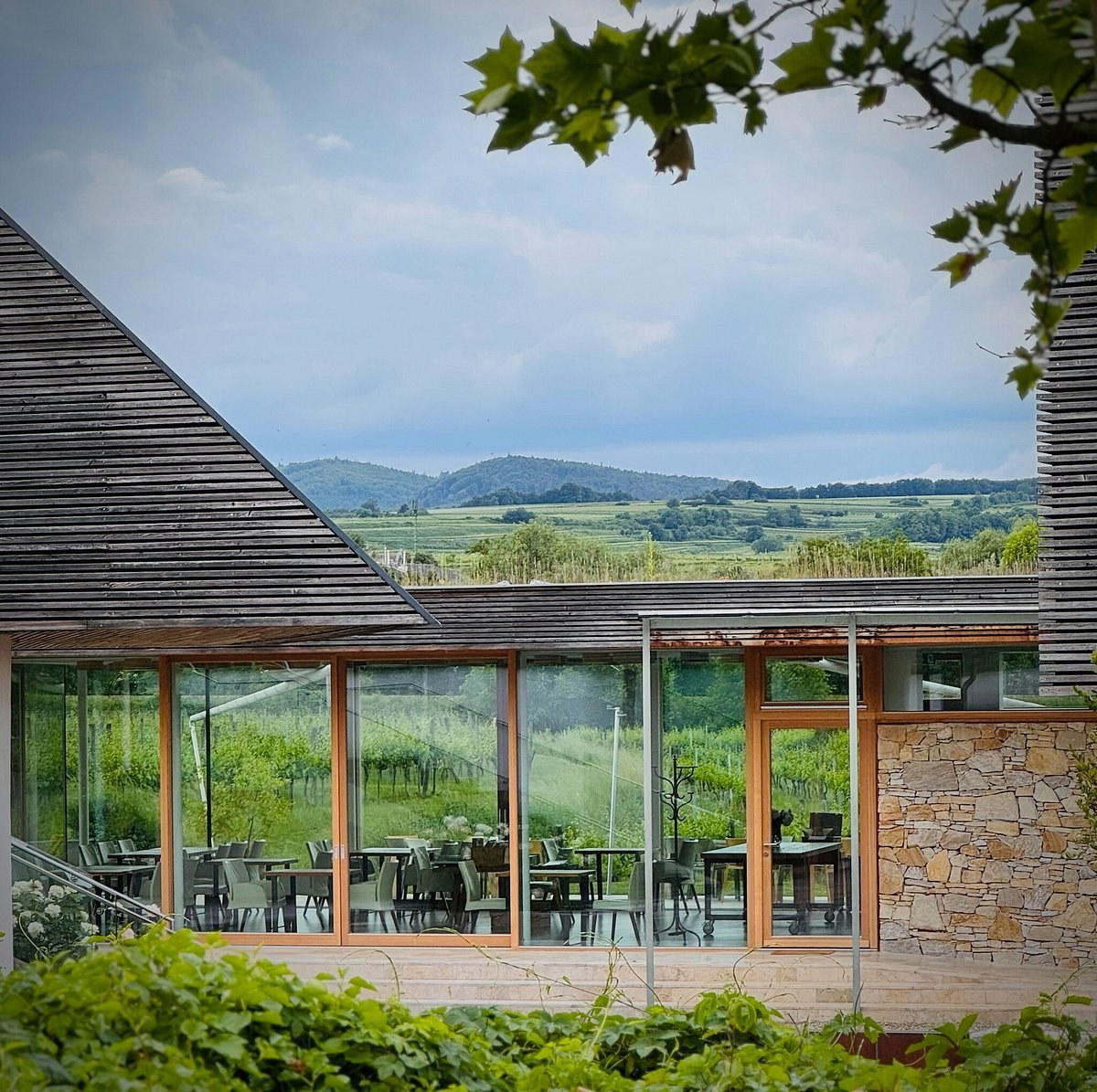
At a Glance
- Rustic
- Cozy
- Classic
- Scenic
- Date Night
- Special Occasion
- Terrace
- Garden
- Historic Building
- Extensive Wine List
- Farm To Table
- Local Sourcing
- Vineyard
- Garden
Lovingly maintained 1912 estate featuring a traditional dining room with historic charm and a bright modern annexe with floor-to-ceiling windows overlooking a lovely garden and terrace.