

On a working street in St. Pölten's central district, AELIUM represents the sharper end of a quietly assembling dining scene in Lower Austria's regional capital. The address sits within direct reach of one of Austria's richest agricultural supply networks, from Waldviertel game to Wachau river produce, and less than forty minutes by fast rail from Vienna. A focused, resident-calibrated room with serious sourcing potential.
Pearl is the En Primeur Club membership app — saves, bookings, and concierge access live there. Same editors, same standards.
- Address
- Fuhrmannsgasse 1, 3100 St. Pölten, Austria
- Phone
- +43274230515
- Website
- aelium.at
- Directions
- Get directions
 Saves & bookings on Pearl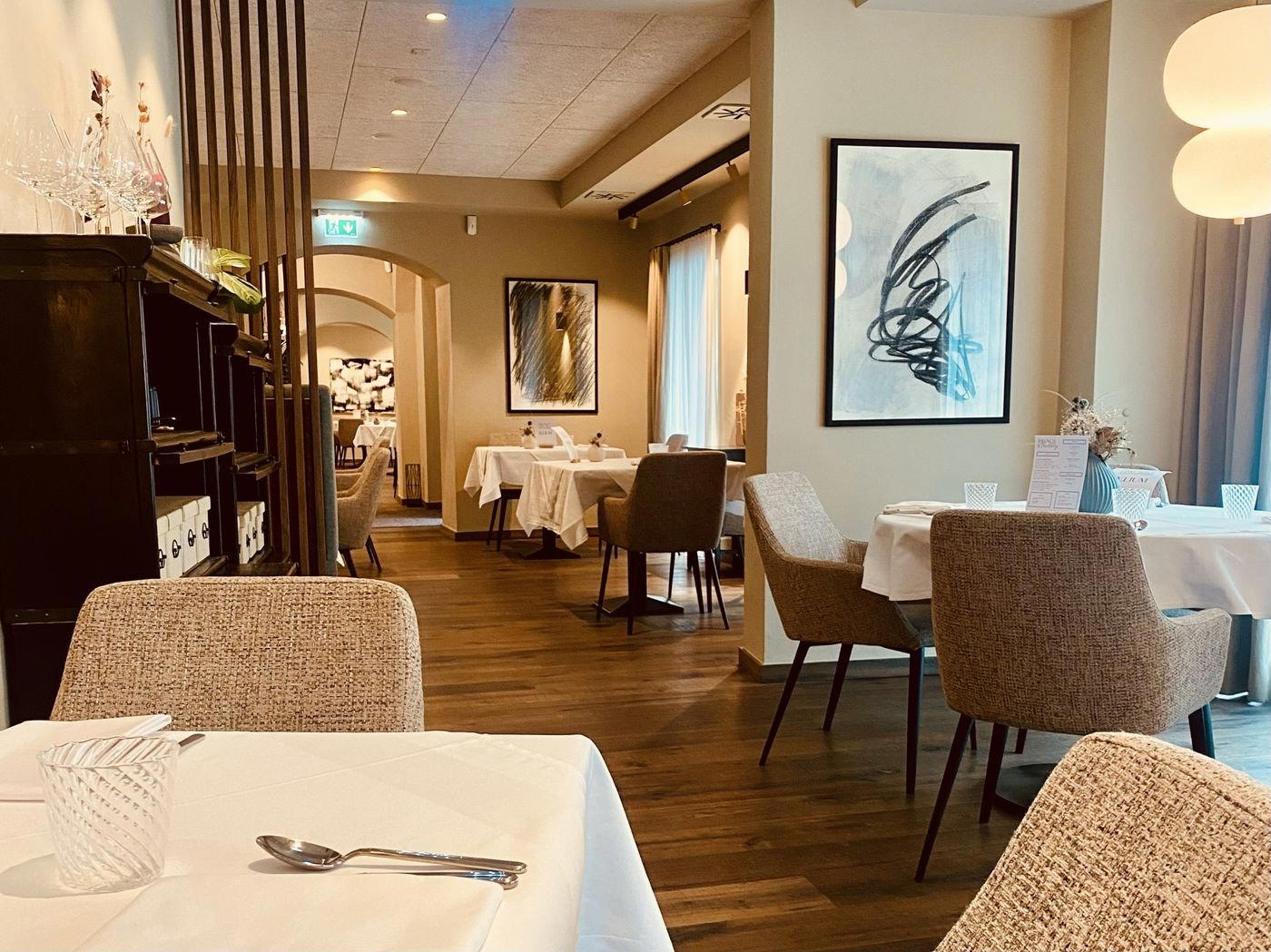
St. Pölten's Quiet Ambition at the Table
Fuhrmannsgasse is not the address that comes to mind when Austrian food conversation turns serious. That conversation has long defaulted to Vienna's Ringstrasse adjacents, the Wachau's river-bend estate restaurants, and the alpine village kitchens of Salzburg province. Yet St. Pölten, Lower Austria's regional capital, has been assembling a dining scene that warrants attention on its own terms, and AELIUM on Fuhrmannsgasse 1 is a contemporary fusion fine dining restaurant in St. Pölten with. The address is a short walk from the Rathaus and the city's Baroque pedestrian core, and the immediate environment reads less as a destination quarter than a working street that happens to hold something worth seeking out. That gap between expectation and reality is, in a precise sense, what the city's better restaurants are trading on right now.
Where the Ingredient Story Begins
Lower Austria's agricultural context is not incidental to what ends up on plates here. The region encircles Vienna without quite being absorbed by it, and the result is a farm supply chain that serious kitchens across the country draw from: Marchfeld asparagus, Wachau apricots, Waldviertel carp and poppy, Mostviertel pears pressed into cider that functions more like wine than juice. The leading Austrian restaurants do not merely acknowledge this geography; they build purchasing decisions around it, tightening the chain between producer and plate in ways that express regional identity rather than just seasonal compliance. That approach is visible at reference-level addresses elsewhere in Austria. Landhaus Bacher in Mautern an der Donau has worked the Wachau corridor for decades, treating regional produce as both larder and identity. Ois in Neufelden demonstrates how a kitchen rooted in Upper Austrian countryside ingredients can operate at serious gastronomic level without turning towards urban register. AELIUM operates inside the same Lower Austrian supply geography, with Fuhrmannsgasse as its point of expression.
The Register of the Room
St. Pölten's fine dining addresses tend to divide between two formats: rooms that lean into the city's Baroque architectural inheritance and present a more formal, occasion-coded environment, and spaces that read as contemporary without trying to signal metropolitan scale. The latter format suits a city of St. Pölten's size better than the former. A capital with roughly 60,000 residents cannot sustain the grand-room conventions of Vienna, and the more successful addresses here have stopped trying to. What that produces, at its leading, is a focused intimacy: fewer covers, service that does not require theatrical distance to feel professional, and a physical environment scaled to conversation rather than spectacle. AELIUM's Fuhrmannsgasse address places it inside the city's established restaurant corridor, within walking distance of the main public transport connections and the pedestrianised centre.
Austrian Fine Dining Beyond Vienna
The broader Austrian fine dining circuit is worth mapping, because it frames what St. Pölten's better restaurants are working against. Vienna anchors the top tier: Steirereck im Stadtpark has held two Michelin stars for years and operates as a benchmark for creative Austrian cooking at the highest register. Below that ceiling, the scene distributes across mountain and valley addresses that use their remoteness as a feature rather than a limitation. Döllerer in Golling an der Salzach has built a reputation around its Alpine-larder approach. Obauer in Werfen has run its classic cuisine program for long enough to qualify as institutional. In the alpine west, Gourmetrestaurant Tannenhof in Sankt Anton am Arlberg, Stüva in Ischgl, and Griggeler Stuba in Lech serve a resort clientele whose expectations arrive calibrated to international luxury. Further afield in format terms, Ikarus in Salzburg runs a rotating guest chef model that places it outside the regional-produce conversation almost entirely. The Pannonian east offers Taubenkobel in Schützen am Gebirge, which has long operated a modern Austrian-French hybrid at €€€€ level with estate accommodation attached. Herb-focused and mountain-larder in character, Kräuterreich by Vitus Winkler in Sankt Veit im Pongau and Schwarzer Adler in Hall in Tirol show how Tyrolean kitchens have developed ingredient specificity as a signature register. Restaurant 141 by Joachim Jaud in Mieming adds further evidence that Tyrolean fine dining now operates across a range of formats. What none of these addresses share is the specific Lower Austrian agricultural context that St. Pölten kitchens can draw on. That geography is AELIUM's competitive edge, if it chooses to use it fully.
St. Pölten in the Broader Dining Picture
Within the city itself, AELIUM shares the serious-restaurant conversation with a small number of peers. La Dolce Vita represents the Italian-inflected end of the local offer, while Roter Hahn operates within a different register again. The city has not historically drawn food-focused visitors in the way that Krems or Klosterneuburg do, partly because its profile as an administrative capital sits at an awkward angle to the romantic narratives that drive Wachau wine-country tourism. That positioning may actually serve its restaurants well going forward: St. Pölten is not trying to be a destination it isn't, and the kitchens operating here are cooking for residents and regional regulars rather than performing for tourist expectation. That difference in audience tends to produce more honest food. For a fuller picture of what the city offers, our full St. Pölten restaurants guide maps the range across price points and formats.
Ingredient Sourcing as Editorial Position
Particularly persuasive Austrian kitchens operating outside Vienna have generally landed on the same structural argument: that the distance between farm and plate is itself a form of quality assurance, and that articulating that distance to the diner is not marketing but context. At the high end globally, this logic runs from Le Bernardin in New York City, where sourcing transparency around seafood has been a program-defining commitment for decades, through to community-embedded formats like Lazy Bear in San Francisco, where the relationship between kitchen and local producer is part of the explicit value proposition. In Lower Austria, the agricultural inventory is rich enough to sustain serious sourcing specificity: the Waldviertel alone provides game, root vegetables, and grain varieties that most European regions cannot match in diversity. A kitchen at Fuhrmannsgasse 1 with direct access to that supply network is working with material that requires relatively little embellishment to be compelling. The question for any St. Pölten restaurant operating in this register is whether the sourcing choices are made consciously and communicated with precision, or whether regional produce functions as backdrop rather than argument.
Planning Your Visit
AELIUM sits at Fuhrmannsgasse 1 in St. Pölten's central district, within ten minutes' walk of St. Pölten Hauptbahnhof, which connects to Vienna's Westbahnhof in under forty minutes by fast rail.
Comparable Venues
Comparable venues nearby, for context on price, style, and recognition.
| Venue | Cuisine | Price | Notes |
|---|---|---|---|
| AELIUMThis venue — the venue you are viewing | Contemporary Fusion Fine Dining | $$$$ | Not listed |
| Roter Hahn | Modern Austrian Regional | $$ | outskirts |
| La Dolce Vita | Upscale Italian Ristorante Pizzeria | $$$ | Rathausplatz |
| Diego's | Modern South American Fusion | $$$$ | Neubau |
| Chalet Moeller | Modern Fusion with Asian Influences | $$$ | Neuwaldegg |
| ARIS Cantina | Austro-Mexican Fusion | $$$$ | Absdorf |
Recognition history
Dated appearances from independent guides and award organizations, with the underlying list record or original source where available.
Falstaff Restaurant - 96 Falstaff Points
Falstaff
Michelin Plate
Michelin
Continue exploring
More in St Polten
Restaurants in St Polten
Browse all →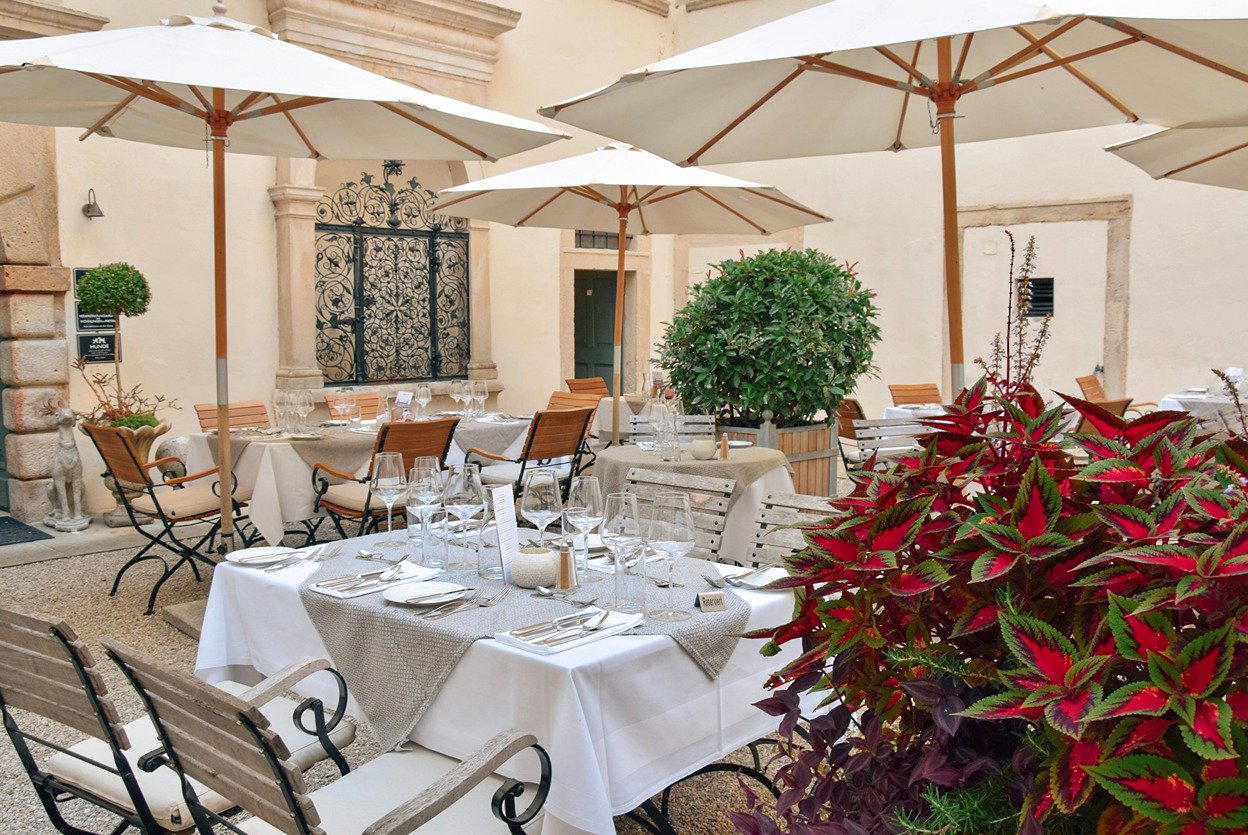
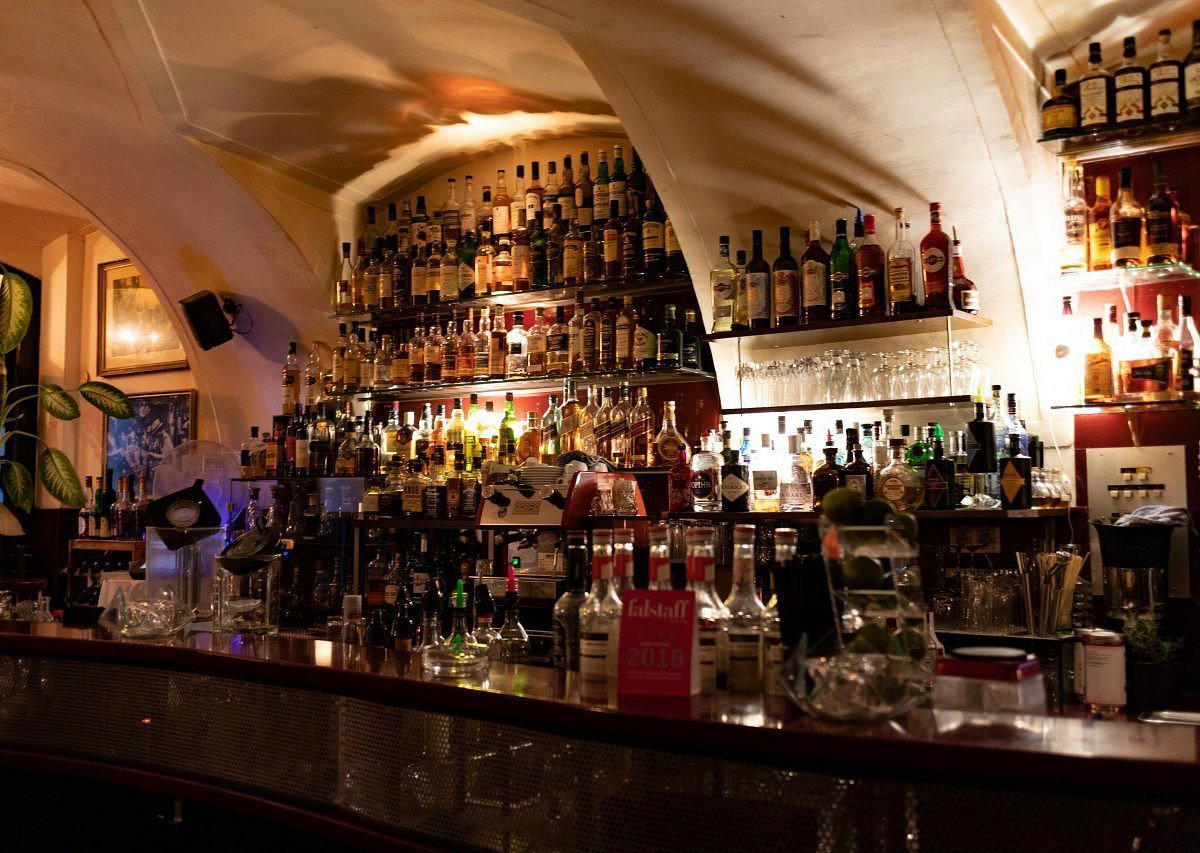
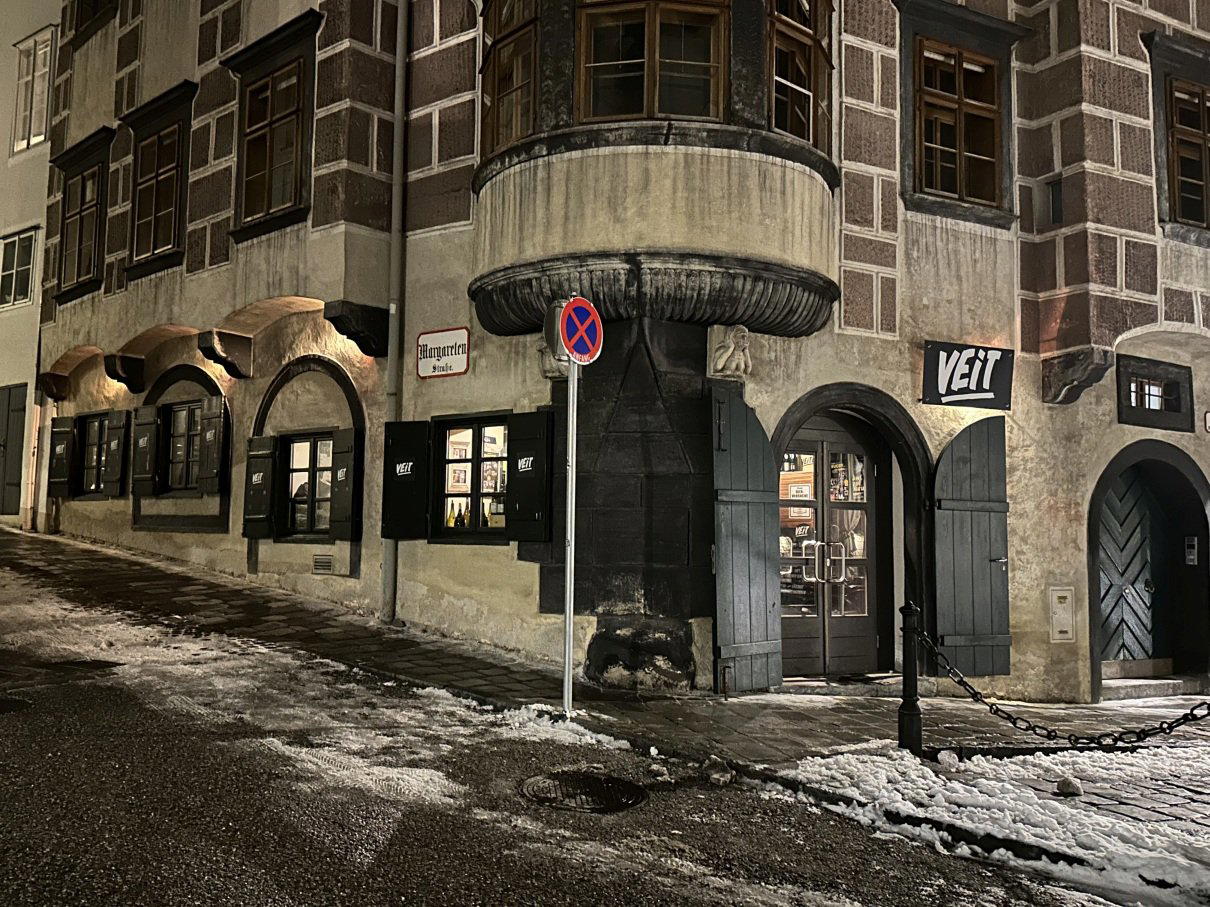
Bars in St Polten
Browse all →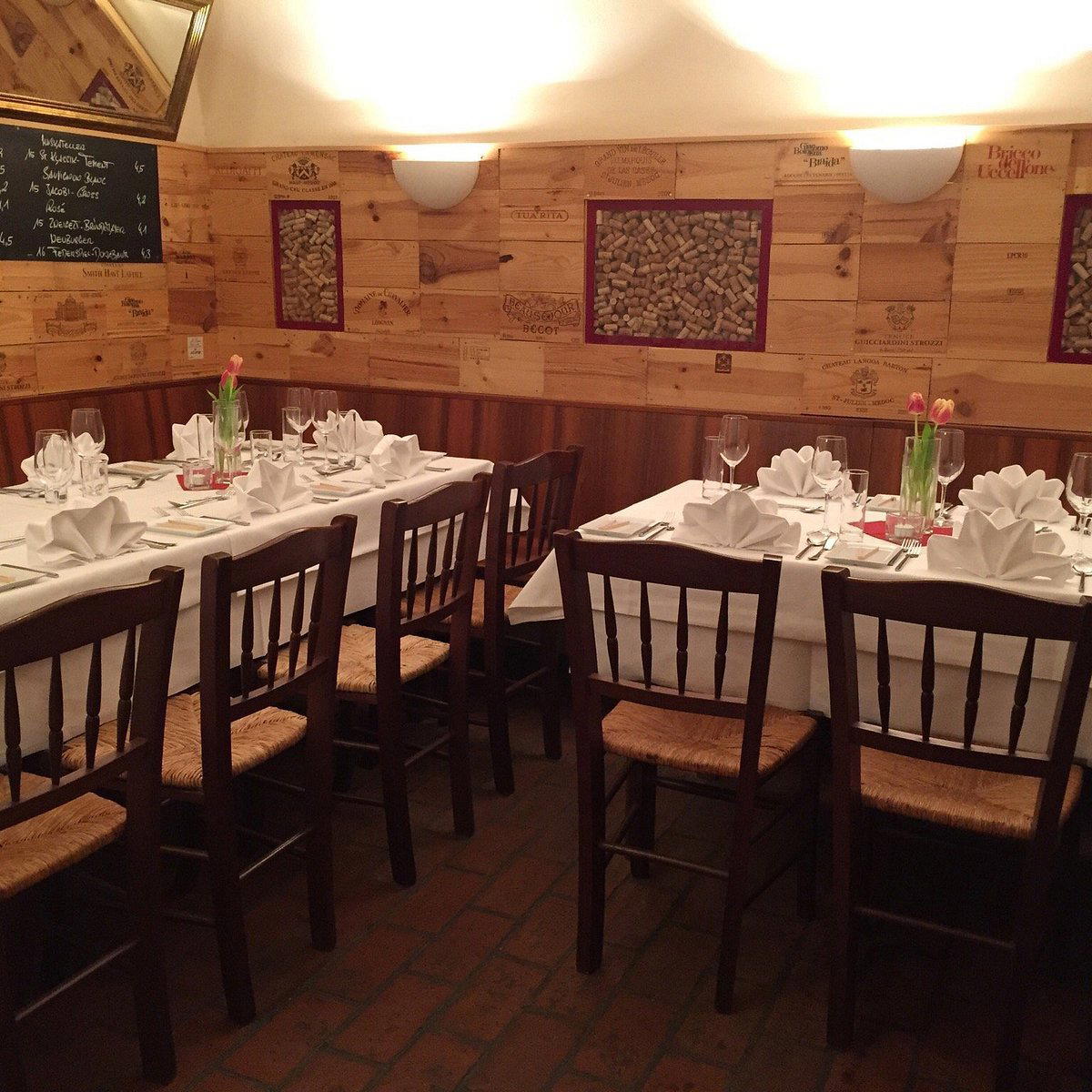

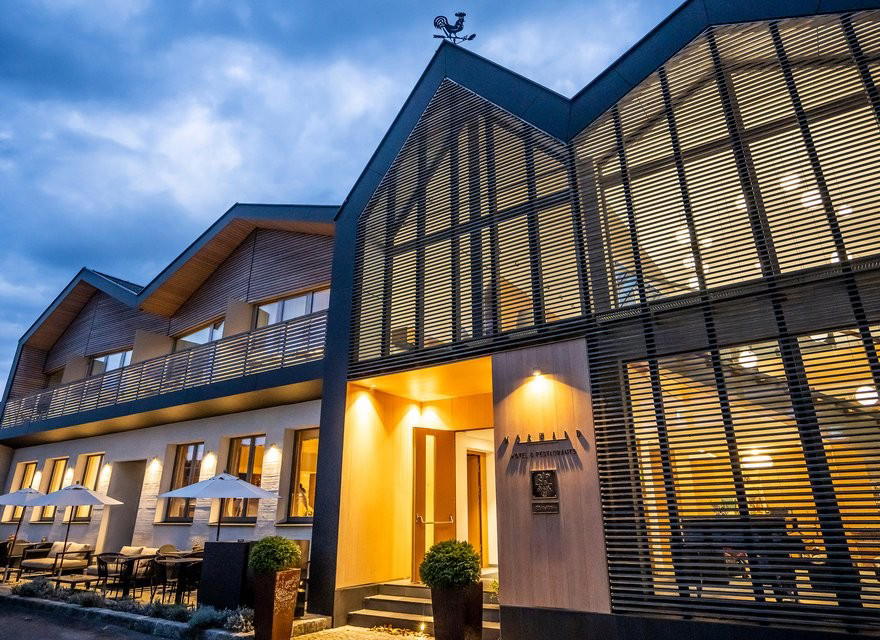
Hotels in St Polten
Browse all →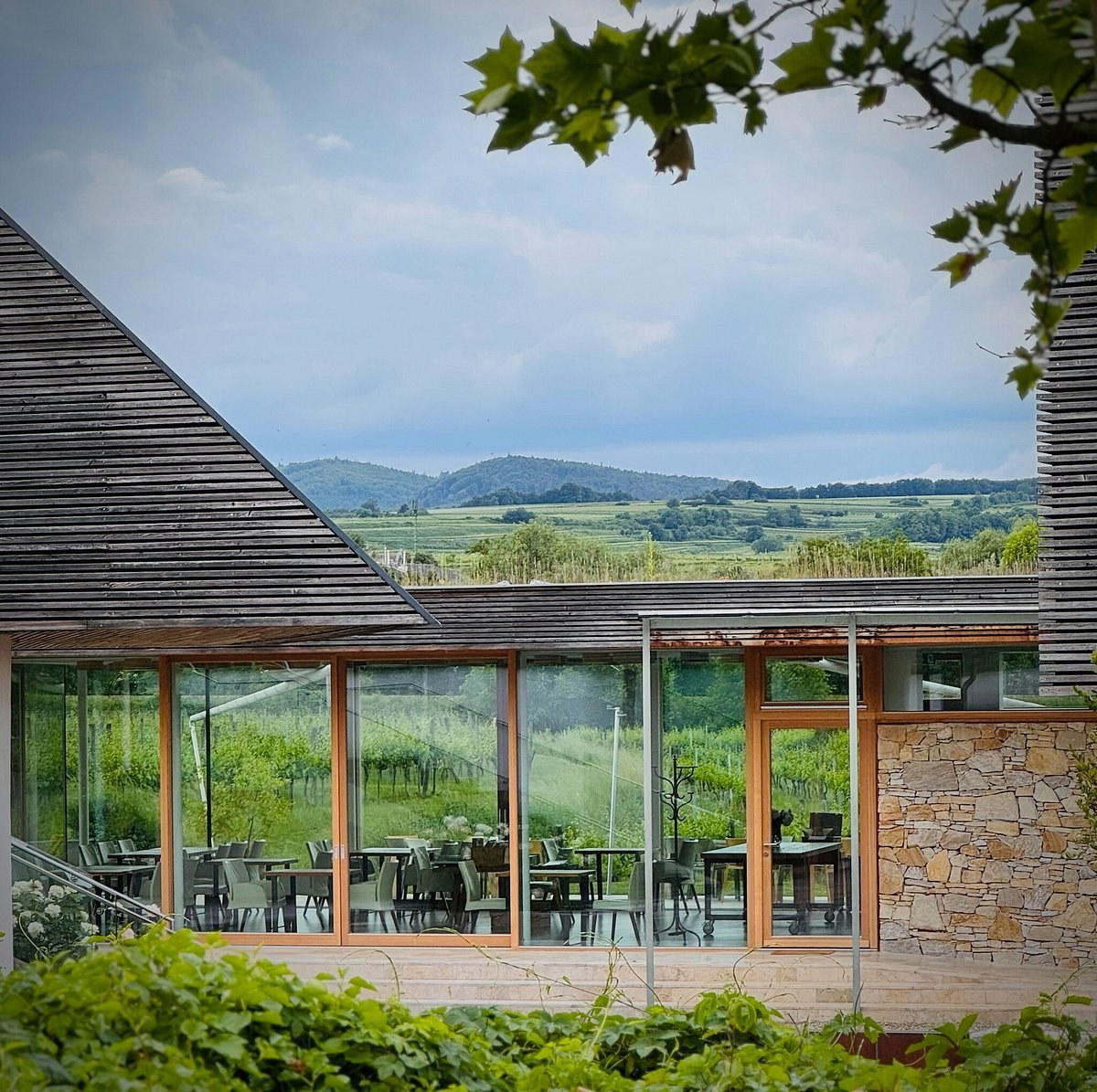
At a Glance
- Elegant
- Sophisticated
- Modern
- Date Night
- Special Occasion
- Business Dinner
- Garden
- Extensive Wine List
- Local Sourcing
- Garden
Current opening hours
- Monday
- 12–2 PM, 6–9 PM
- Tuesday
- 12–2 PM, 6–9 PM
- Wednesday
- Closed
- Thursday
- Closed
- Friday
- 12–2 PM, 6–9 PM
- Saturday
- 12–2 PM, 6–9 PM
- Sunday
- Closed
Hours can change for holidays and private events. Last verified .
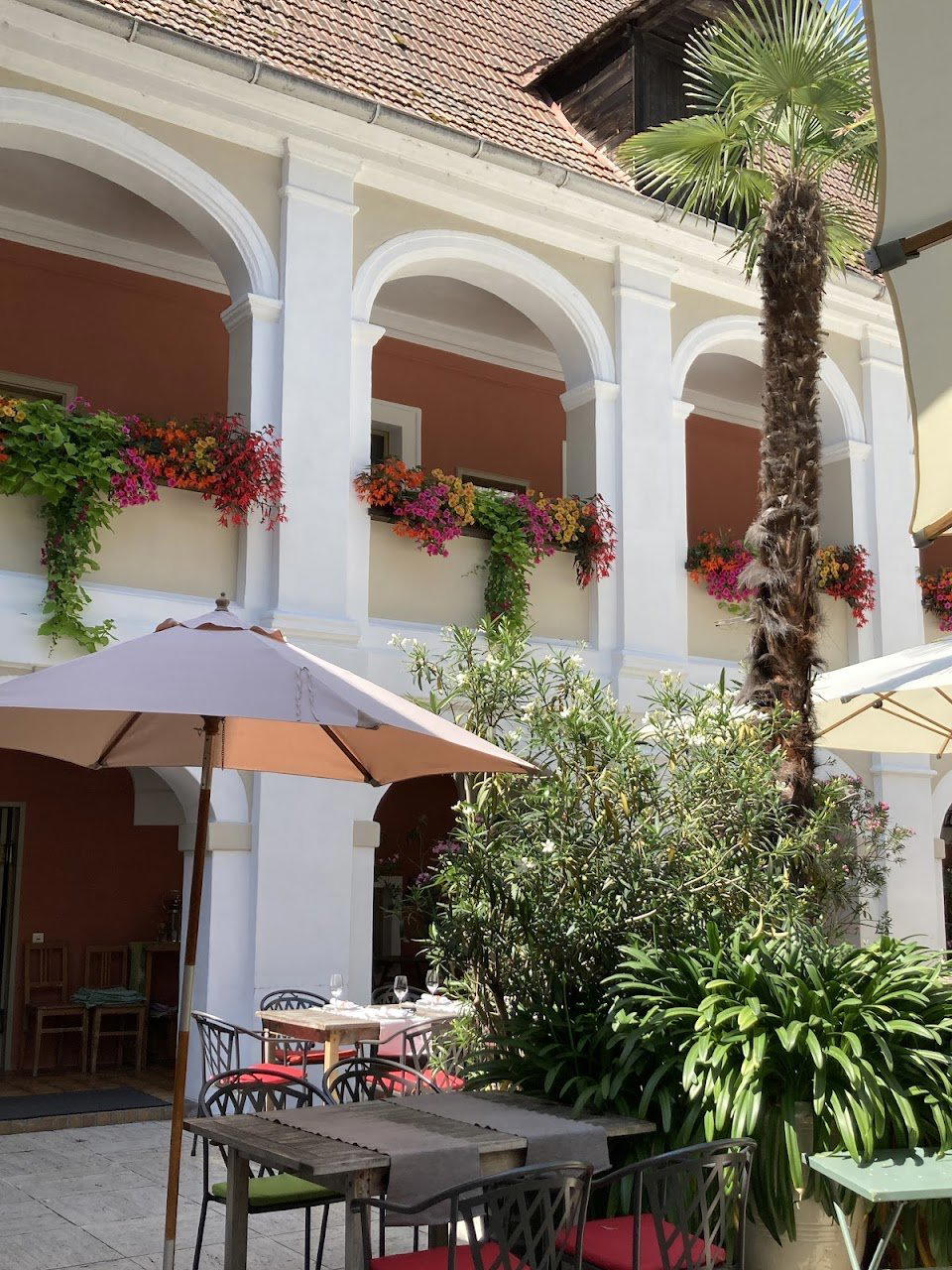
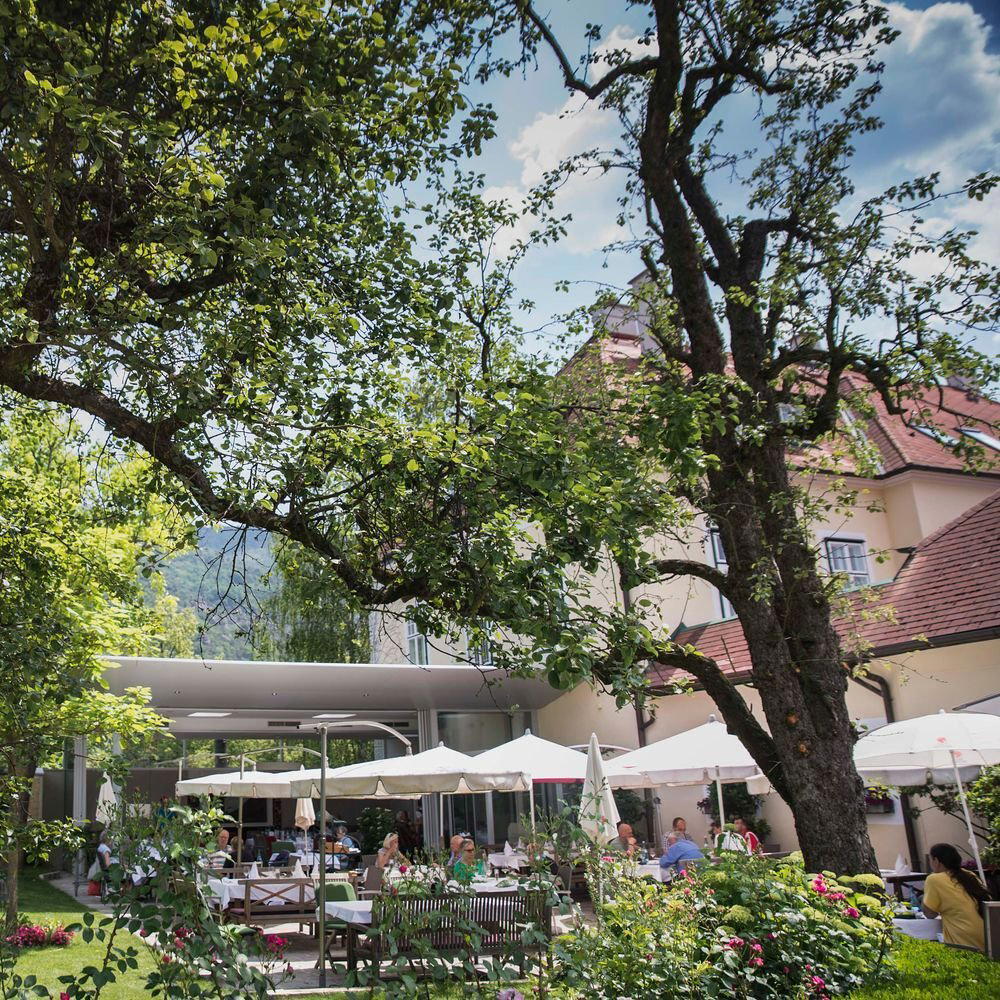
Inviting and elegant ambience with a tasteful interior, well-suited for warm summer evenings in the garden.