.png)
Landgasthaus Essl sits in the Wachau wine country outside Rossatz, cooking regional Austrian cuisine at mid-range prices with a consistency that has earned back-to-back Michelin Plate recognition in 2024 and 2025. With a Google rating of 4.8 across nearly 700 reviews, it occupies the dependable end of the Wachau dining scene, serious enough for a dedicated visit, accessible enough for a relaxed weekday lunch after the vineyard roads.
Pearl is the En Primeur Club membership app — saves, bookings, and concierge access live there. Same editors, same standards.
- Address
- Rührsdorf 17, 3602 Rührsdorf, Austria
- Phone
- +43 2714 6384
- Website
- landgasthaus-essl.at
 Saves & bookings on Pearl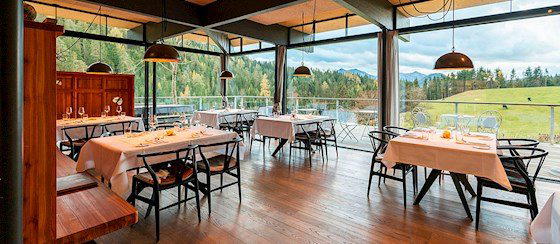
Where the Wachau Comes to the Table
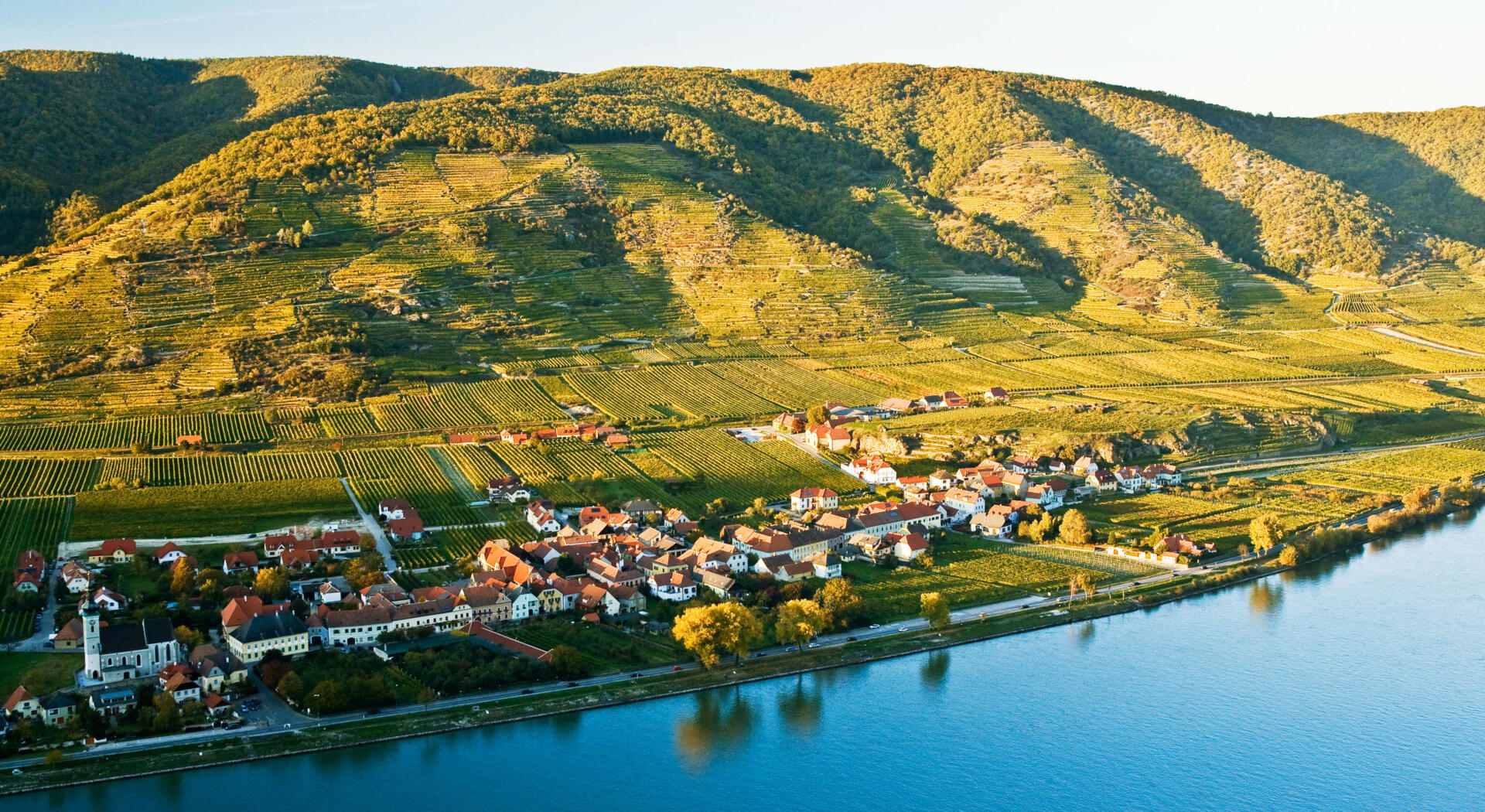
The Danube bends sharply through the Wachau, and the villages that sit along its northern bank, Rossatz among them, have been growing food and pressing wine here since the Babenberg era. The landscape along this stretch of Lower Austria is a UNESCO World Heritage designation, but the more immediate reason most people stop is the produce: apricots ripened in microclimate warmth, wine grapes on terraced slopes above the river, and a farming tradition that has never quite surrendered to industrial supply chains. Landgasthaus Essl, at Rührsdorf 17 in Rührsdorf, works directly from that material inheritance. The category is Austrian Alpine Seasonal Cuisine at a €€€ price point, which in the Wachau means something more specific than the phrase implies elsewhere.
In Austria's premium dining tier, the conversation about regional identity tends to run through kitchens like Steirereck im Stadtpark in Vienna or Döllerer in Golling an der Salzach, where €€€€ price points and multi-course architecture are part of the proposition. Landgasthaus Essl operates in a different register, the €€ bracket, where the editorial question is whether the kitchen's sourcing holds up without the scaffolding of a tasting menu format. A Google rating of 4.8 across 709 reviews suggests it does. The recognition is a signal about consistent quality within a format, not ambition toward a higher tier.
What the Wachau Provides
The sourcing argument for Wachau cooking is direct to make and harder to execute. The region's apricots, the Wachauer Marille, with protected origin status, appear in savory preparations and desserts across the valley's kitchens. The Danube supplies freshwater fish. Local farms fill in root vegetables, game, and dairy. Regional cuisine in this corridor, when done seriously, is less about technique performance and more about procurement discipline: knowing which producer is harvesting this week, which variety of apple is peaking, which cut of local pork the butcher has available. That kind of sourcing is invisible on a menu and obvious on the plate.
This is the operating context that gives a Landgasthaus, literally a country inn with a kitchen, its reason to exist. The format predates modern restaurant categories by centuries. In the Wachau, it sits between the Heurige (wine-serving farmhouse with cold platters) and the urban gasthaus, typically offering cooked meals at accessible prices to a mixed clientele of locals, cyclists following the Danube path, and visitors who have come specifically for the food. Compared to highly designed rural-luxury properties like Gannerhof in Innervillgraten or ingredient-driven specialists such as Kräuterreich by Vitus Winkler in Sankt Veit im Pongau, the Landgasthaus format is deliberately unpretentious. The quality signal comes through the ingredients and the cooking, not through room design or service choreography.
Consistency as a Critical Value
A Google rating of 4.8 across 690 reviews carries a different weight than a rating built on 40 entries. At nearly 700 data points, the number reflects a genuine cross-section of visits over time, across different seasons, different days of the week, and different menu iterations. For a rural Austrian gasthaus at a €€€ price, that kind of sustained approval is a reliability marker. It suggests the kitchen is not relying on one standout dish or one memorable service moment to carry the average. Other Austrian regional kitchens operating in the approachable end of the price spectrum, places like Ois in Neufelden or Fahr in Künten-Sulz, illustrate how the category can range from serious cooking to perfunctory execution. Landgasthaus Essl's dual Michelin Plate and sustained high review average position it clearly in the serious camp.
The Wachau corridor also benefits from a natural dining calendar. Spring brings the first asparagus and river fish. Summer through early autumn is apricot season and peak vegetable harvest. Late autumn and winter shift toward game, preserved preparations, and the heavier Austrian kitchen repertoire. A regional kitchen drawing from local supply will cook differently in April than in November, and the Landgasthaus format accommodates that shift without requiring a complete menu overhaul.
Planning a Visit
Rossatz sits on the northern bank of the Danube in Lower Austria, across the river from Dürnstein, one of the valley's more photographed villages. The Wachau is most easily reached by car from Vienna in roughly 90 minutes, or by train to Krems an der Donau followed by local connections. The Danube Cycle Path passes through the valley, and a significant share of Landgasthaus Essl's visitors arrive by bicycle, particularly during the warmer months when the path draws touring cyclists from across Central Europe. Booking ahead is advisable for weekends and peak summer season, though specific reservation logistics should be confirmed directly with the restaurant. The €€ price positioning makes it a realistic option for lunch or dinner without pre-planning a budget around it.
For those building a longer Austrian regional dining itinerary, the country's mid-range Michelin Plate tier extends well beyond the Wachau. Obauer in Werfen and Schwarzer Adler in Hall in Tirol operate in related territory, while higher-end reference points like Ikarus in Salzburg, Gourmetrestaurant Tannenhof in Sankt Anton am Arlberg, Griggeler Stuba in Lech, Stüva in Ischgl, and Restaurant 141 by Joachim Jaud in Mieming show the full range of where Austrian regional cooking goes at the top of the price and ambition spectrum.
Fast Comparison
Comparable venues nearby, for context on price, style, and recognition.
| Venue | Cuisine | Price | Awards | Notes |
|---|---|---|---|---|
| Landgasthaus EsslThis venue — the venue you are viewing | Austrian Alpine Seasonal Cuisine | $$$ | Michelin Plate | |
| Zum weissen Rauchfangkehrer | Traditional Austrian | $$$ | Michelin Plate | Innere Stadt |
| Restaurant SCHLOSSBERG | Modern Austrian Fine Dining | $$$ | Michelin Plate | Innere Stadt |
| Der Luis | Modern Styrian Fine Dining | $$$ | Michelin Plate | Anger |
| Die Weinbank - Wirtshaus | Modern Styrian Tavern Cuisine | $$$ | Michelin Plate | Ehrenhausen |
| Gasthaus Stern | Traditional Viennese Offal & Game | $$$ | Michelin Plate | Simmering |
Continue exploring
More in Rossatz
Restaurants in Rossatz
Browse all →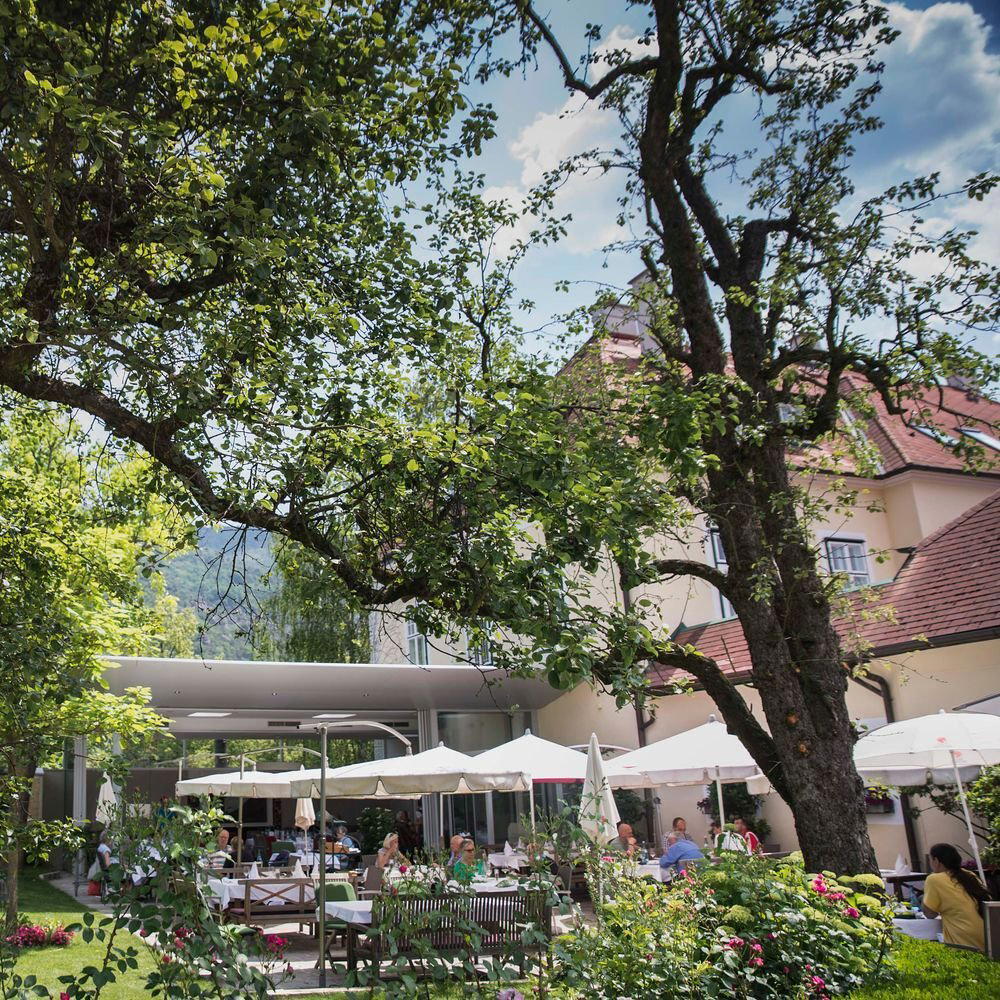
Bars in Rossatz
Browse all →
Hotels in Rossatz
Browse all →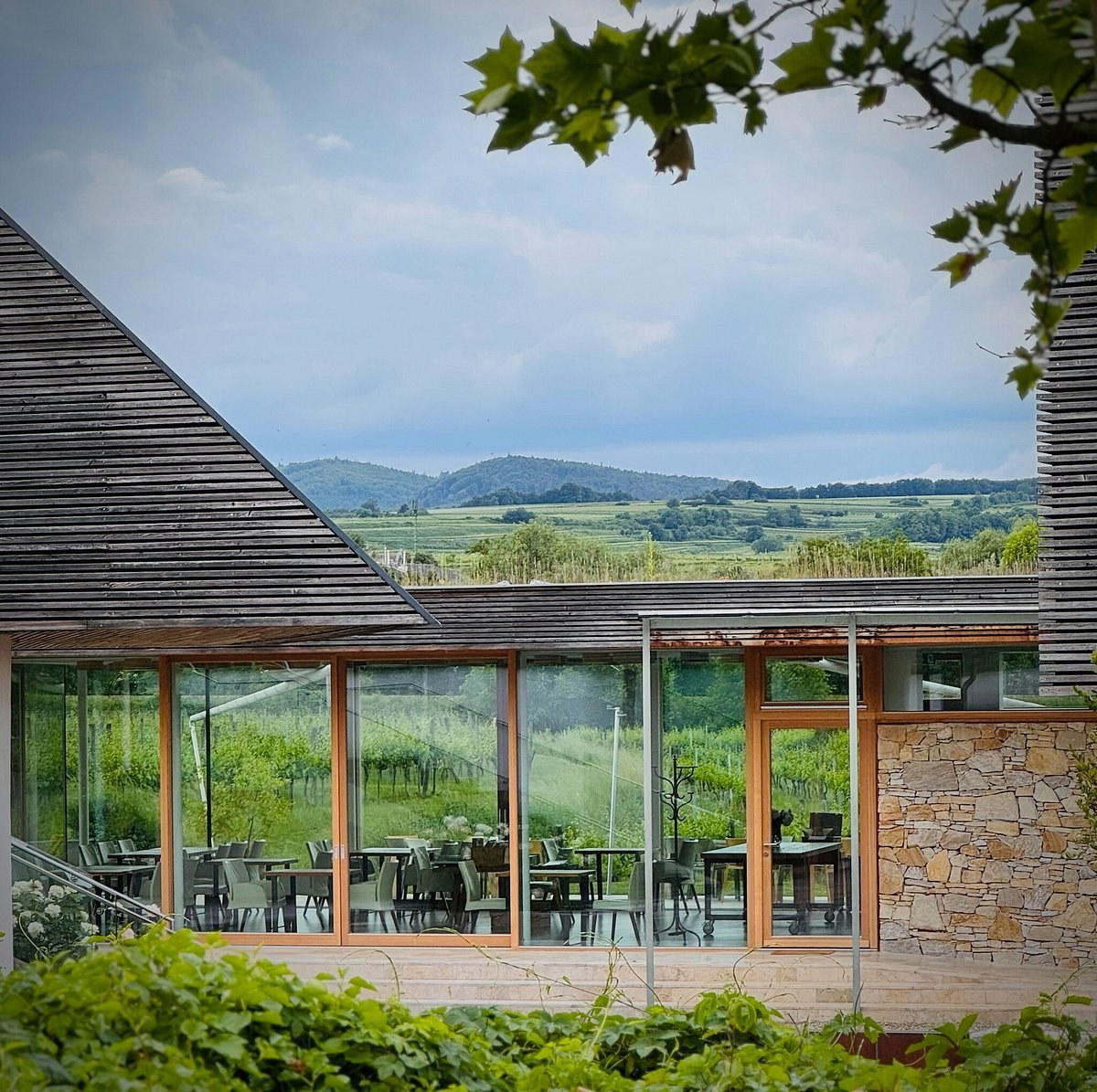
At a Glance
- Cozy
- Rustic
- Elegant
- Romantic
- Scenic
- Date Night
- Special Occasion
- Celebration
- Business Dinner
- Garden
- Wine Cellar
- Terrace
- Historic Building
- Extensive Wine List
- Sommelier Led
- Local Sourcing
- Farm To Table
- Vineyard
- Garden
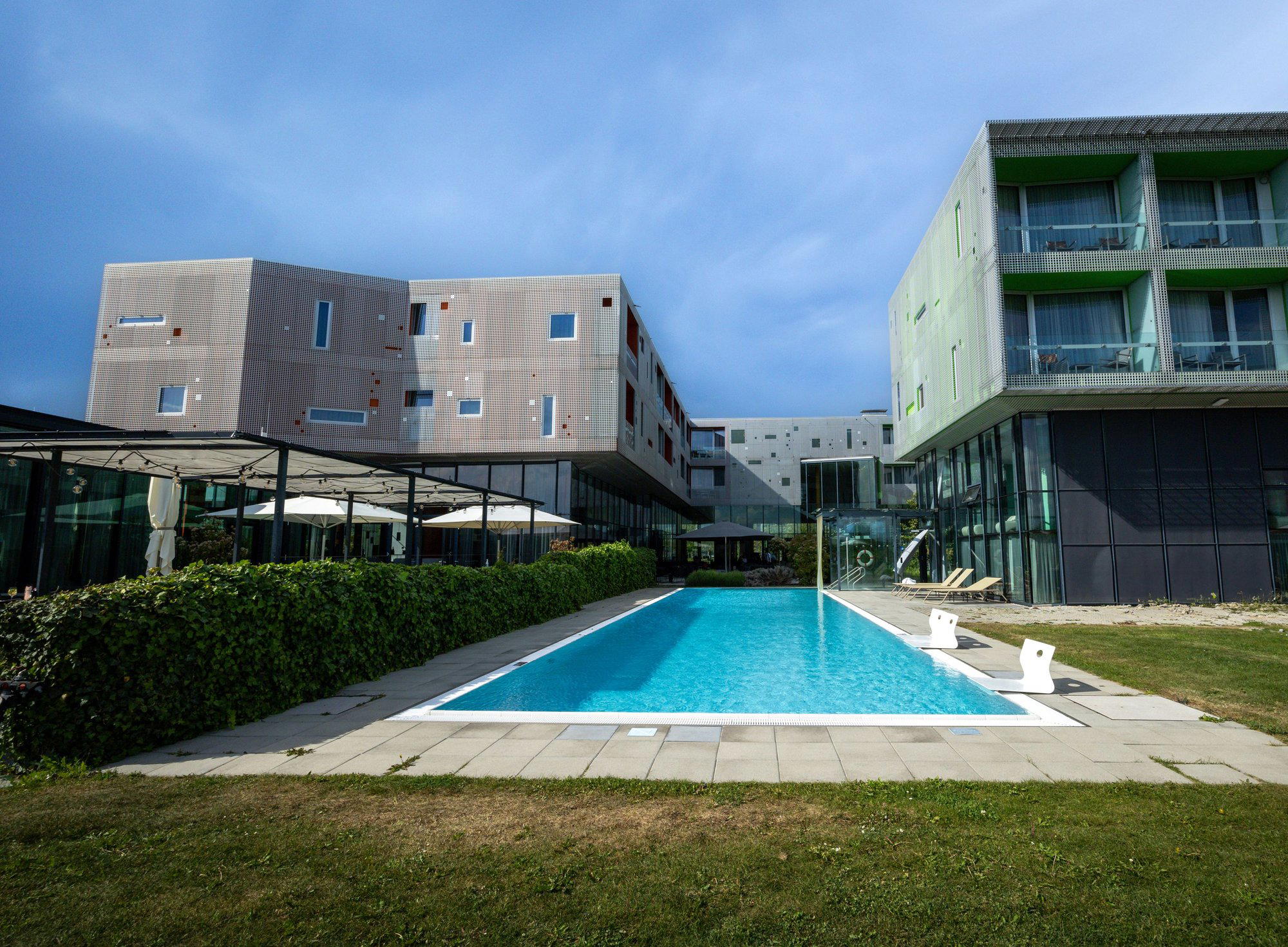
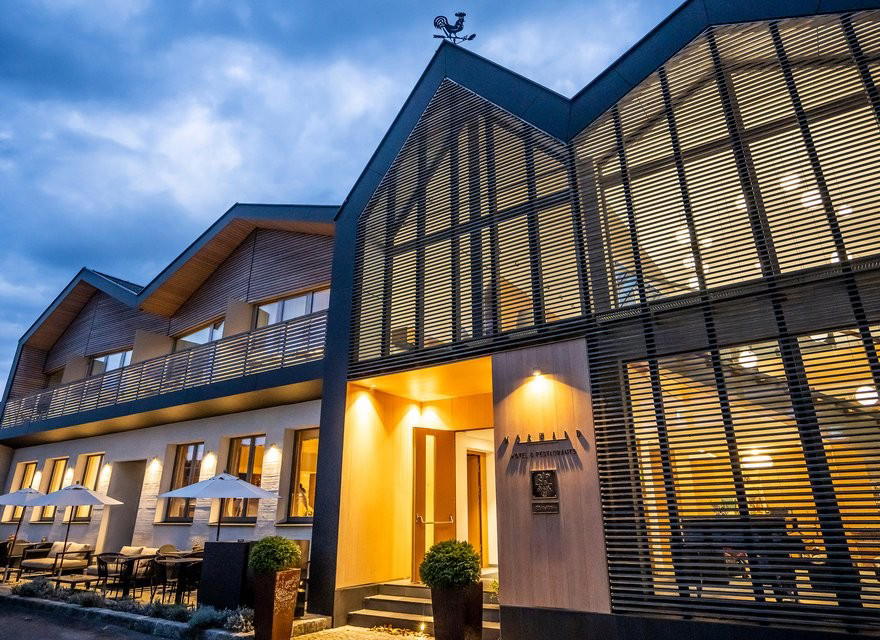
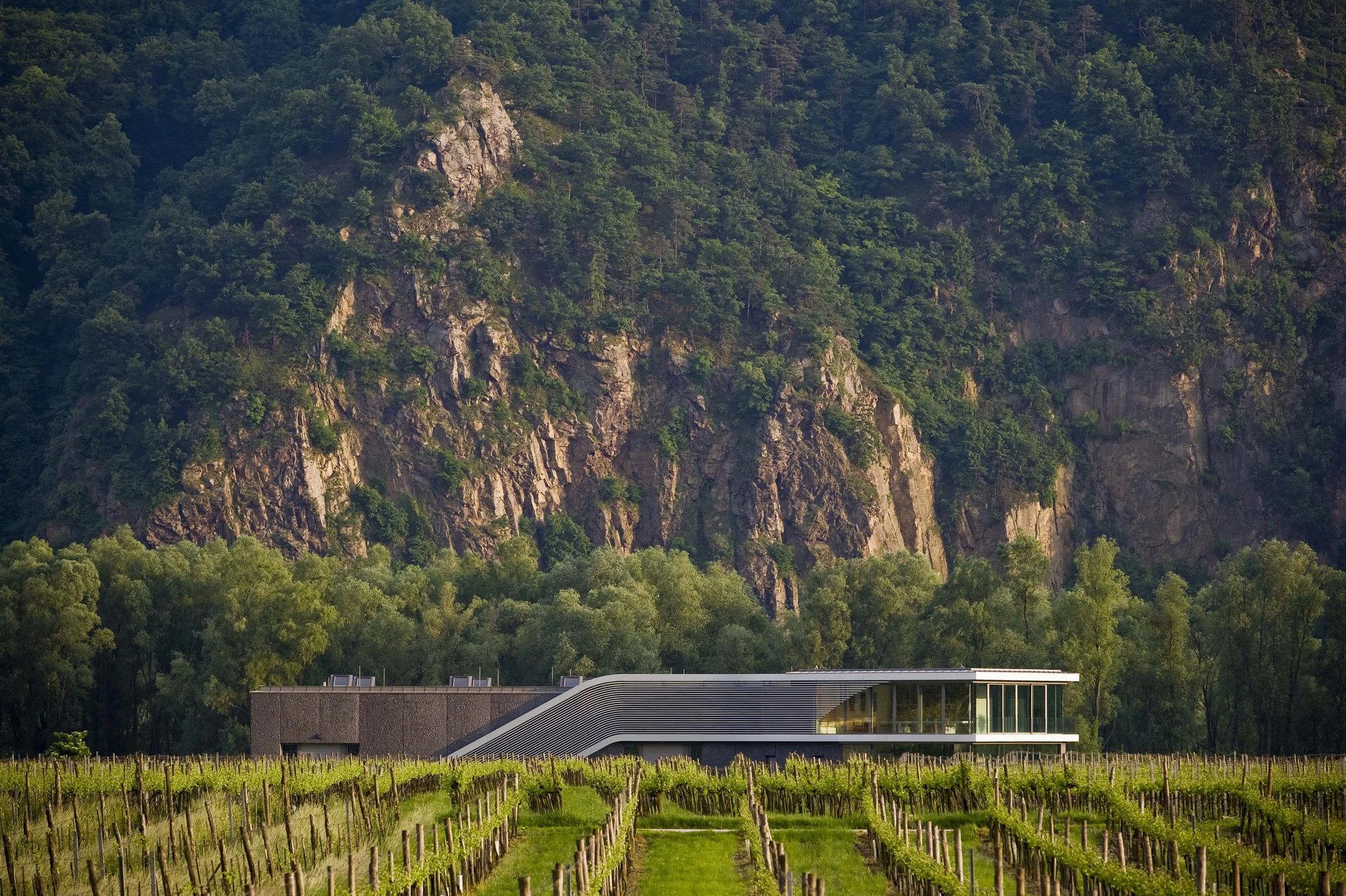
Warm and inviting with pale wood panelling and rustic charm; the covered garden provides a popular summer dining spot with vineyard views and soft natural lighting.