Our verdict
Located on the basement level of Shanghai's Lujiazui district, Mingge occupies a quieter register than the towers above it — a room that rewards attention over spectacle. The restaurant positions itself within Shanghai's broader conversation about Chinese fine dining, where the question of what tradition means in a contemporary context is asked with increasing seriousness. Advance planning is advised.

Pearl is the En Primeur Club membership app — saves, bookings, and concierge access live there. Same editors, same standards.
- Address
- China, CN ä¸æµ·å¸ éµè¡åº ç³è¹è·¯ 333 333å·ä¸æµ·è¹æ¡¥åº·å¾æé åºB1å± é®æ¿ç¼ç
- Phone
- +862152639999
- Website
- cordishotels.com
- Directions
- Get directions
The menu
What to order
- Honey-glazed chai siu pork
- Tofu skin beggar's purses
- Baked-to-order puff pastry egg tarts
Below the Skyline: Shanghai's Basement-Level Fine Dining
There is a particular kind of restaurant that Shanghai has been producing with more frequency in the past decade: one that refuses the panoramic view, the glass curtain wall, the river-facing terrace. These rooms go down instead of up. They trade altitude for atmosphere, and they tend to attract a guest who already knows what they are looking for. Mingge, positioned on the basement level (B1) of the Lujiazui Kerry Centre at 333 Shiji Avenue, belongs to that cohort. The address alone signals intent: this is not a restaurant selling a skyline. It is selling something harder to define, and for that reason, more interesting to consider.
Lujiazui is Shanghai's financial spine, a district where global capital and Chinese ambition have been physically expressed in steel and glass since the 1990s. Most of its restaurants either serve that corporate audience directly — business-lunch formats, private rooms, trolley dim sum — or position themselves as destination dining for the finance crowd with expense accounts and short evenings. The basement placement at Mingge cuts against both of those postures. A room below grade in this postcode communicates something deliberate: the food is the reason to be here, not the address.
The Trajectory of Chinese Fine Dining in This City
To understand where Mingge sits, it helps to map where Shanghai's Chinese fine dining has been. Through the 2000s, the dominant model was Cantonese: large, hotel-anchored rooms with long menus, dim sum service, and the visual grammar of Hong Kong luxury. By the mid-2010s, a second wave arrived, restaurants that narrowed their focus, shortened their menus, and asked guests to surrender a degree of choice in exchange for precision. Taian Table pushed this furthest on the European-influenced side. Fu He Hui did it with vegetarian Chinese cuisine at a ¥¥¥¥ price tier that had no precedent locally when it opened. These restaurants changed what Shanghai diners expected from a serious Chinese meal.
What followed, roughly from 2018 onward, was a third movement: restaurants that returned to Chinese culinary tradition with the technical vocabulary absorbed from watching both of those earlier waves. Regional specificity became a selling point. Xin Rong Ji on West Nanjing Road built its Shanghai presence on Taizhou cooking, a Zhejiang coastal tradition that had been largely absent from the city's upper tier. 102 House approached Cantonese material through a different lens. The pattern across all of them: a willingness to argue that Chinese cuisine required no European framing to occupy the best of a dining market.
Mingge's evolution maps onto that broader arc. Without confirmed documentation of its specific opening date or original format, the restaurant's current positioning in the Kerry Centre basement suggests a venue that has gone through at least one significant recalibration, either of concept, location, or audience. In Shanghai's restaurant market, where lease cycles, hotel renovations, and competitive pressure routinely force repositioning, a basement-level room in a financial district tower is rarely a first act. It is more often the result of decisions made, formats tested, and a clearer sense of purpose arrived at over time.
What the Room Communicates
The Kerry Centre is one of Lujiazui's older mixed-use complexes, which means Mingge operates in a building with established foot traffic but without the architectural novelty of newer towers nearby. The basement position insulates the dining room from street noise and the visual competition of the district's more theatrical venues. In cities with mature fine-dining cultures, from Tokyo to Copenhagen, underground rooms are understood to demand more from the guest: you arrive by intention, not by accident. Shanghai is reaching that same understanding, slowly and unevenly, but the direction is clear.
Comparison with peer venues in other Chinese cities is instructive. Ru Yuan in Hangzhou and Dingshan Jiangyan in Suzhou both operate in formats where the physical setting is curated to reinforce culinary seriousness, often drawing on garden architecture or classical interior language. Dai Yuet Heen in Nanjing takes a different approach, grounding its Cantonese offer in a hotel context that lends institutional credibility. The question Mingge's room raises is which of these reference points it is actually competing with, and whether its Lujiazui address pulls it toward a corporate audience or a destination-dining one.
Reading Shanghai's Fine Dining Through Peer Comparisons
Chef Tam's Seasons in Macau demonstrates that Chinese cuisine at the formal end of the market can generate significant critical attention without abandoning regional identity. Imperial Treasure Fine Chinese Cuisine in Guangzhou operates across multiple cities and price tiers, showing how a brand can scale without collapsing the quality signal. At the other end of the formality register, 8½ Otto e Mezzo Bombana Shanghai illustrates what happens when international fine dining credibility is imported wholesale, the result is a different kind of restaurant for a different kind of occasion.
Internationally, the conversation about what Chinese fine dining means at the highest level is being had at rooms like Atomix in New York, which has shown how a non-Western culinary tradition can be framed for a Western fine-dining audience without losing its core identity, and at Le Bernardin, which remains a reference point for what format discipline and sustained critical attention look like over decades. These are not direct comparisons, but they map the ambition that serious Chinese restaurants in Shanghai are increasingly measured against, not just locally, but by the international dining community that moves through the city regularly.
For readers planning a broader itinerary across the region, the same questions about culinary evolution and regional identity arise at Jiangnan Wok Rong in Fuzhou, Fleurs Et Festin in Xiamen, and Shang Palace in Yangzhou. The EP Club's full Shanghai restaurants guide maps this terrain in more detail, with regional cross-references to Xin Rong Ji in Beijing and Xin Rong Ji in Chengdu for readers tracking how specific culinary traditions travel across Chinese cities.
Planning a Visit
Mingge is located at 333 Shiji Avenue, Lujiazui, Pudong, in the Kerry Centre on the B1 floor. The Lujiazui metro station (Lines 2) places guests a short walk from the complex, which is preferable to arriving by car during peak Pudong traffic hours, particularly on weekday evenings. Given the positioning and format signals, advance reservations are the safer assumption for weekend and holiday periods.
Frequently asked questions
Where exactly is Mingge?
Mingge is located at China, CN ä¸æµ·å¸ éµè¡åº ç³è¹è·¯ 333 333å·ä¸æµ·è¹æ¡¥åº·å¾æé åºB1å± é®æ¿ç¼ç , Shanghai.
Is Mingge in Shanghai part of a hotel or standalone restaurant, and how does that affect the dining experience?
Mingge operates on the B1 floor of the Kerry Centre, a mixed-use complex at 333 Shiji Avenue in Lujiazui, Pudong, making it a building-integrated rather than fully standalone restaurant. This is a common format in Shanghai's serious Chinese dining scene, where hotel and complex addresses provide established foot traffic without requiring the restaurant to anchor its identity to a rooftop view or lobby spectacle. The Lujiazui metro station on Line 2 puts the venue within direct reach of both the financial district and central Shanghai.
What's the signature dish at Mingge?
What is documented is its positioning within Shanghai's upper tier of Chinese fine dining, at 333 Shiji Avenue in Lujiazui, where restaurants at this level typically build menus around refined regional Chinese technique rather than broad pan-Asian formats. For current menu details, contacting the venue directly or checking the Kerry Centre concierge is the most reliable route.
Do they take walk-ins at Mingge?
Walk-in policy has not been confirmed for Mingge. Restaurants operating at the serious end of Lujiazui's dining tier, particularly those on the B1 floor of the Kerry Centre, tend to run table-managed services where advance contact is advisable. Checking directly with the Kerry Centre at 333 Shiji Avenue, Pudong, is the most direct way to confirm availability before arriving.
What's the signature at Mingge?
No signature dish or defining course has been confirmed in the current verified data for Mingge. The venue's positioning in the Kerry Centre's B1 floor, away from the panoramic-view model that dominated Shanghai fine dining through the 2000s, suggests a dining philosophy that prioritises the food itself over setting spectacle. Menu specifics should be verified directly with the restaurant.
What if I have allergies at Mingge?
Guests with dietary requirements or serious allergies should make contact through the Kerry Centre at 333 Shiji Avenue, Lujiazui, Pudong, well ahead of any visit. For a restaurant at this positioning in Shanghai's fine dining tier, advance notice is standard practice.
Recognition, Side-by-Side
| Venue | Cuisine | Price | Awards | Notes |
|---|---|---|---|---|
| MinggeThis venue — the venue you are viewing | Modern Cantonese | $50–100 | Not listed | Not listed |
| Fu He Hui | Modern Seasonal Vegetarian Fine Dining | $200–300 | 2 Michelin Stars · World's 50 Best #11 | Vegetarian |
| Ming Court | Cantonese with Shanghainese Influences | $30–50 | 1 Michelin Star · Black Pearl 1 Diamond | Cantonese |
| Polux | French Bistro | $30–50 | Michelin Bib Gourmand | Not listed |
| Royal China Club | Cantonese Dim Sum | $100–150 | Michelin Plate · The Good Food Guide GFG Good | Not listed |
| Scarpetta | Refined Italian Pasta & Pizza | $50–100 | Michelin Plate · Wine Spectator Best of Award of Excellence | Not listed |
Details
- Elegant
- Sophisticated
- Classic
- Business Dinner
- Date Night
- Group Dining
- Standalone
- Extensive Wine List
- A La Carte
- Family Style
- Wine
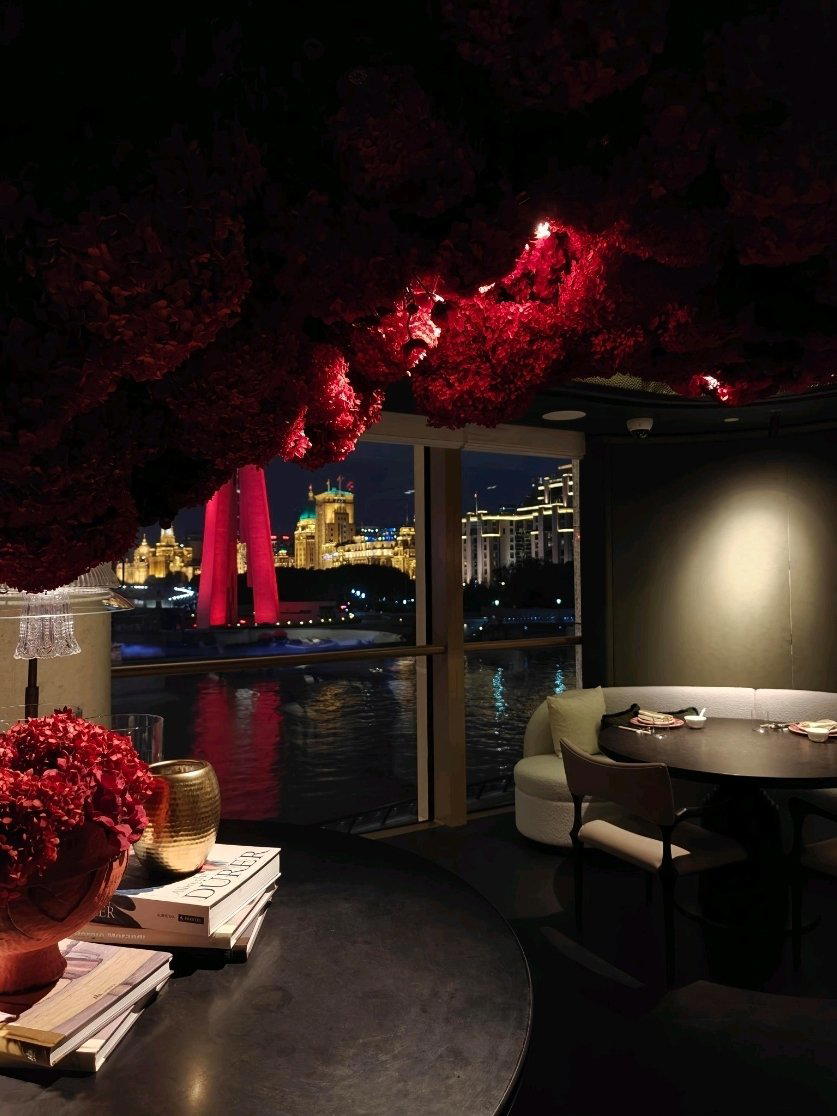
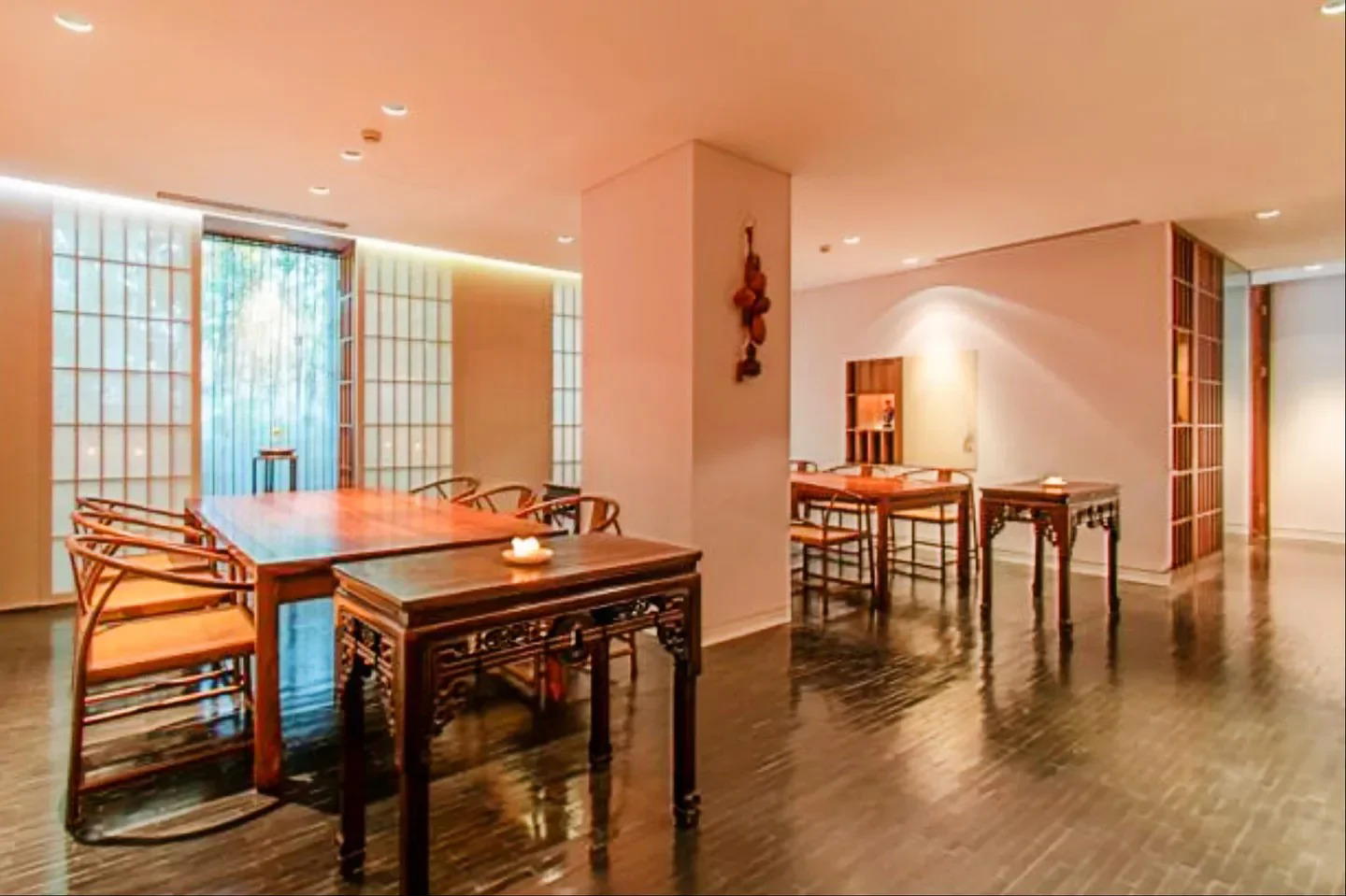
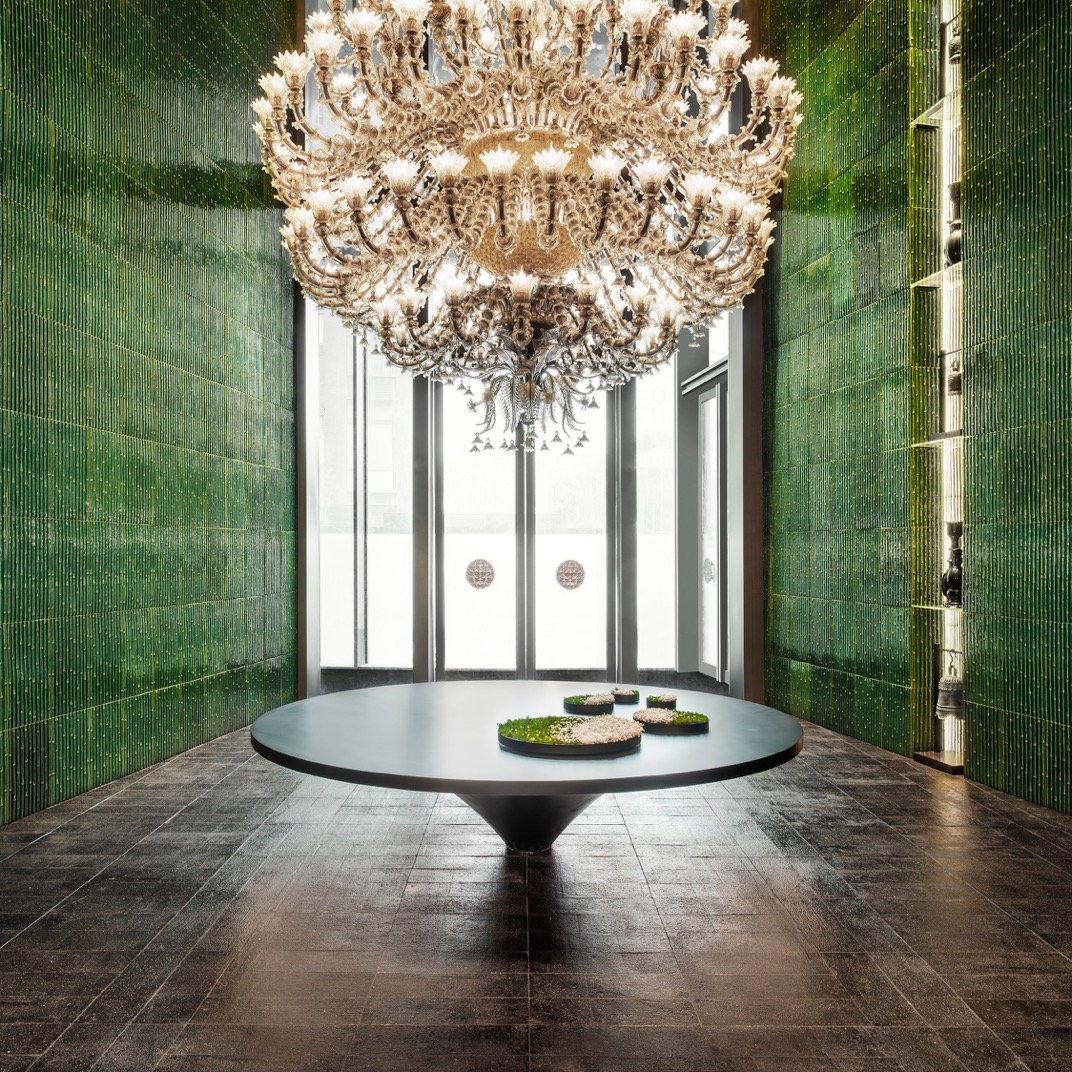
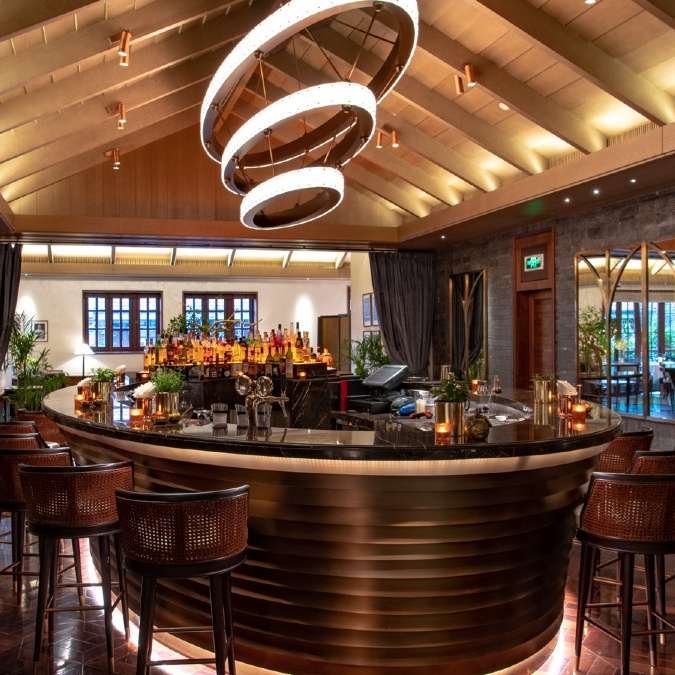
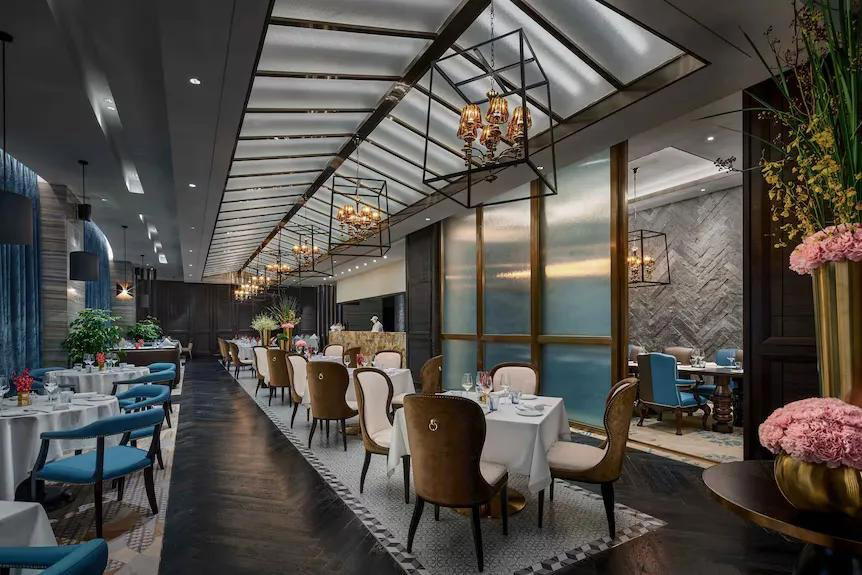
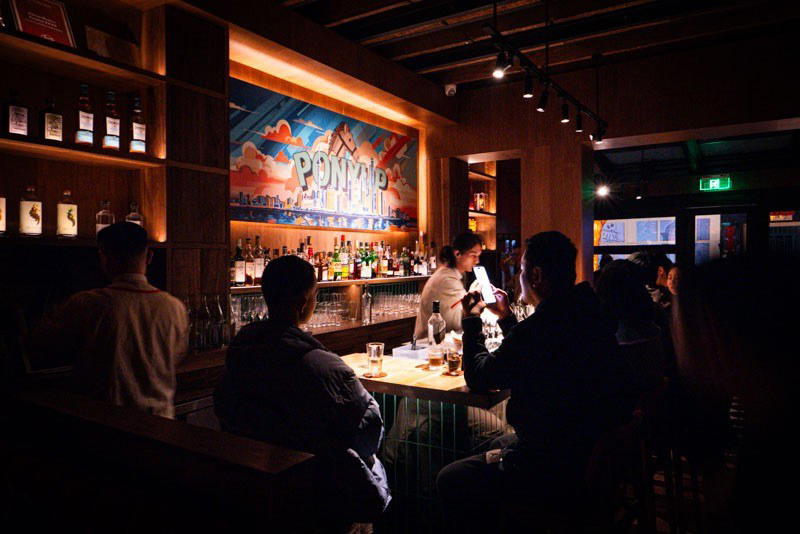
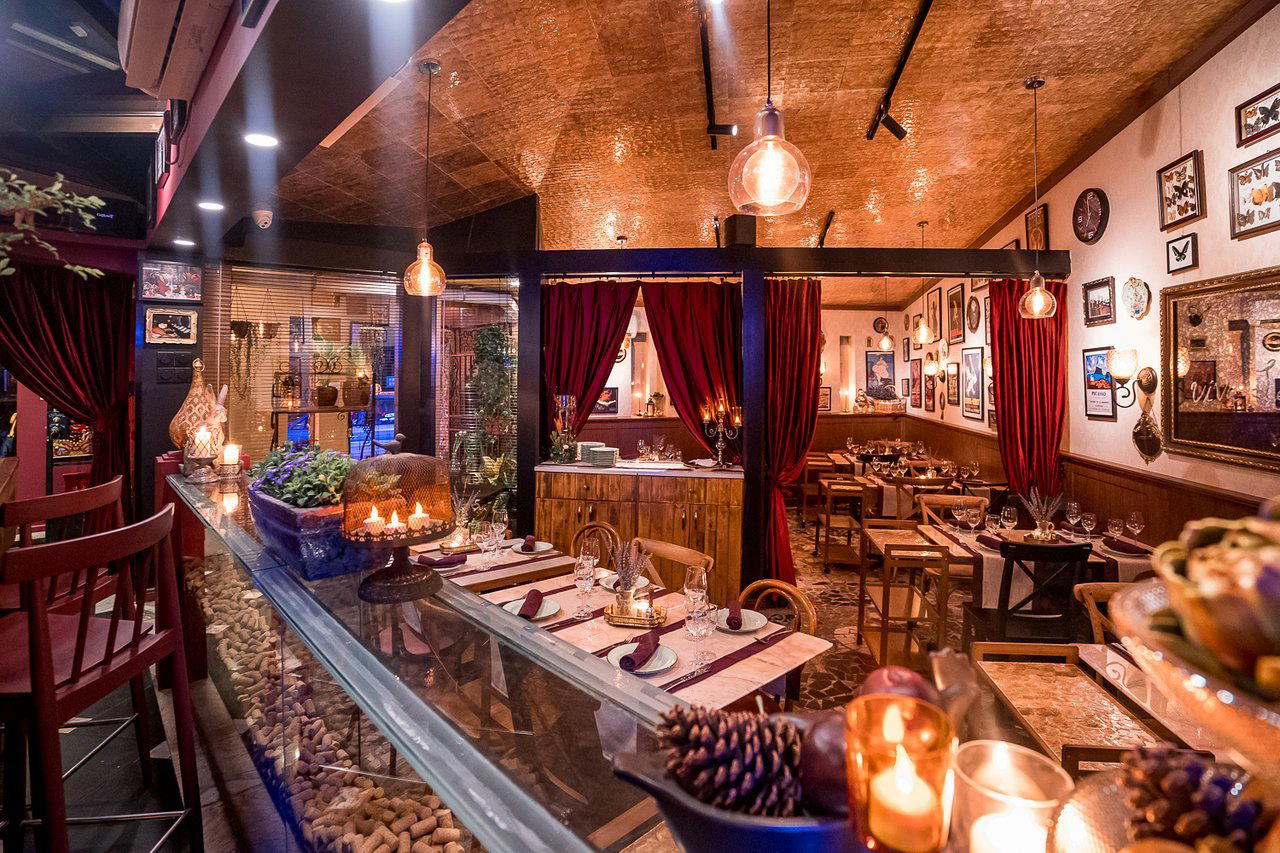
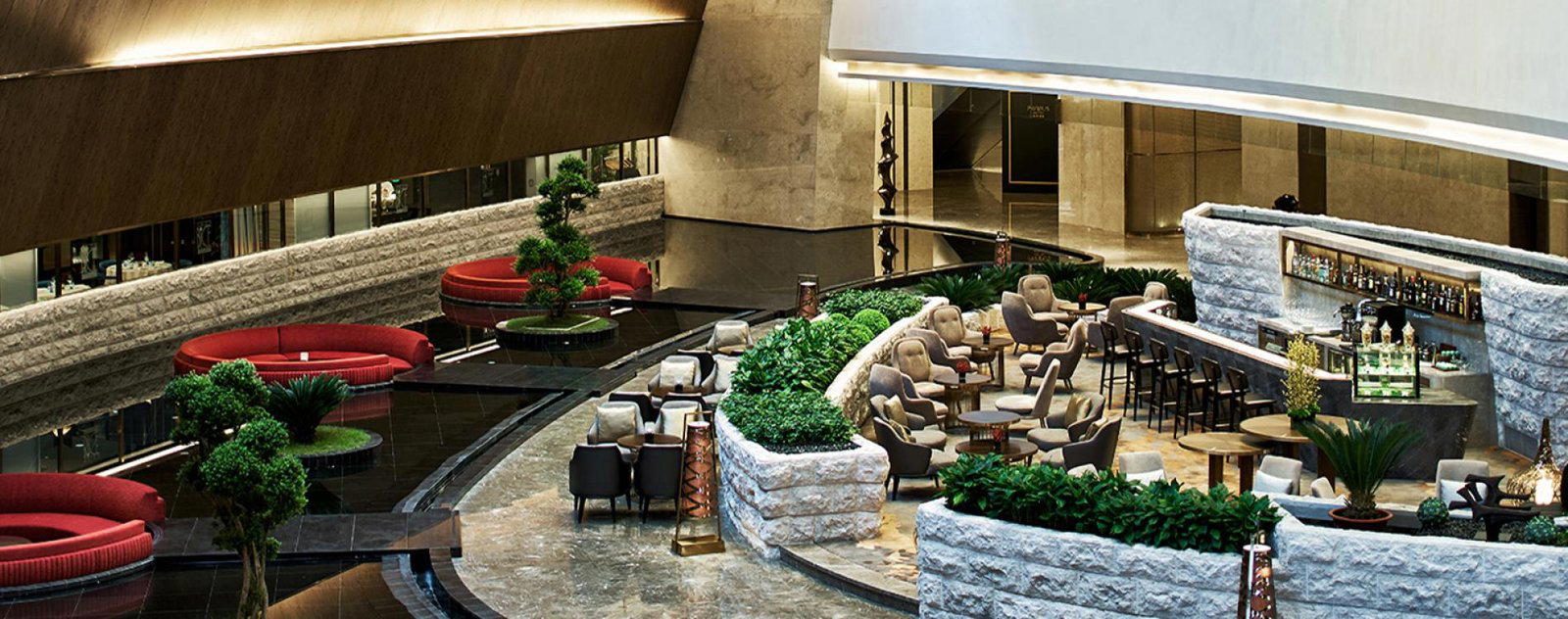
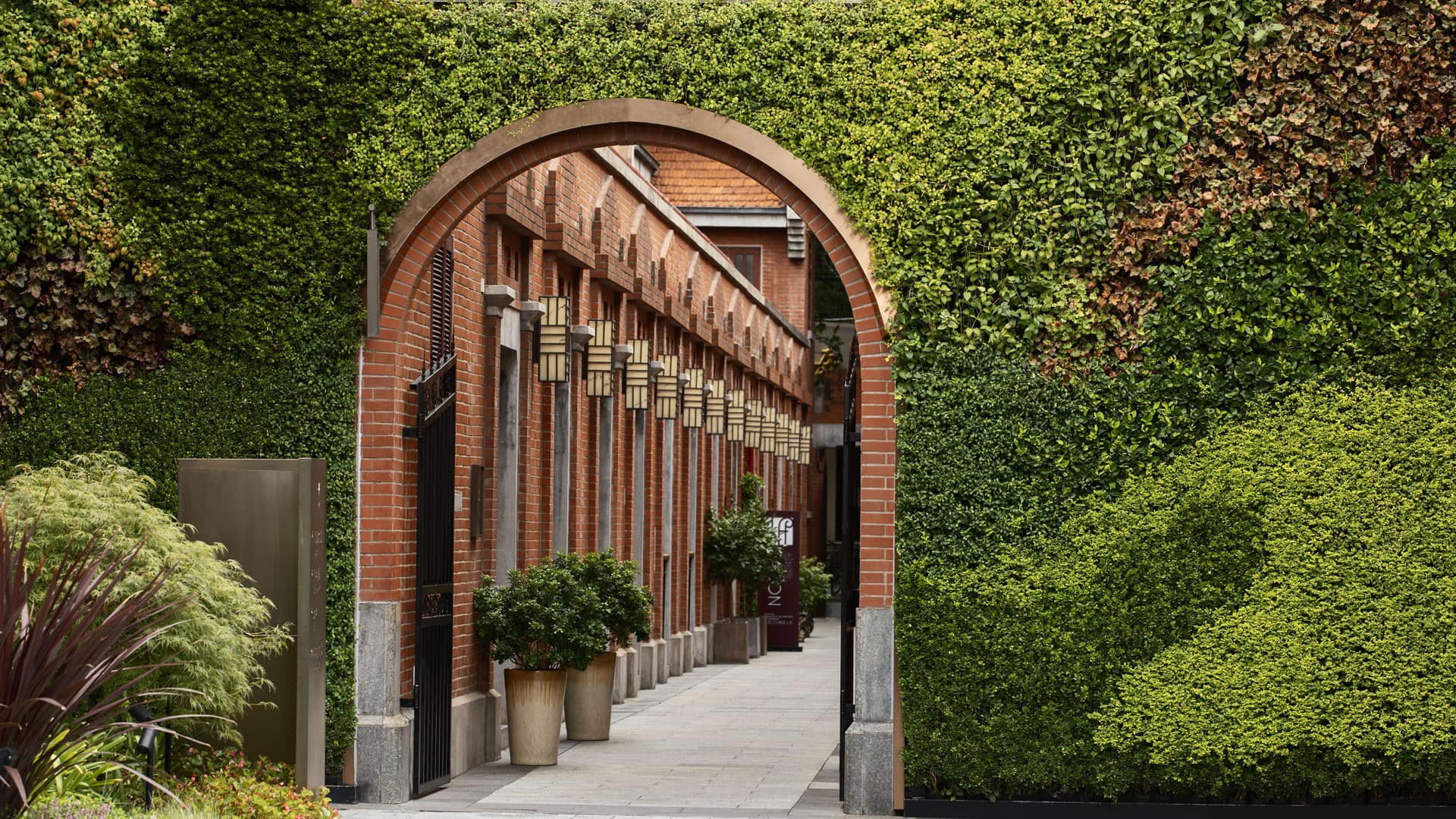
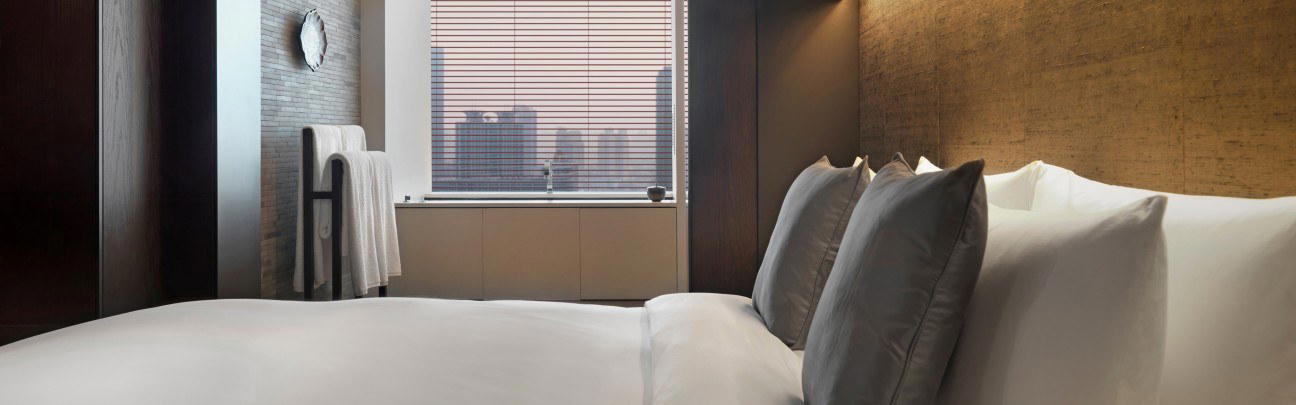
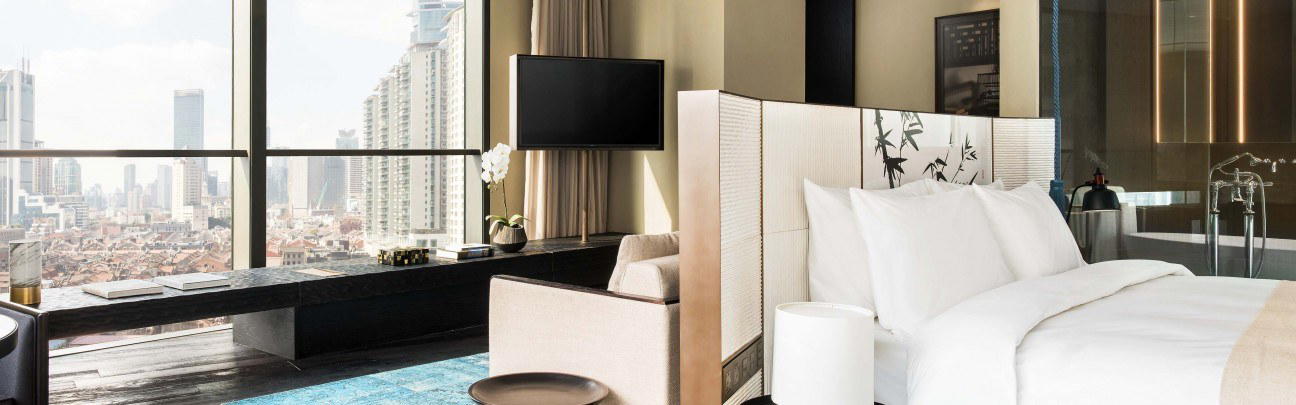
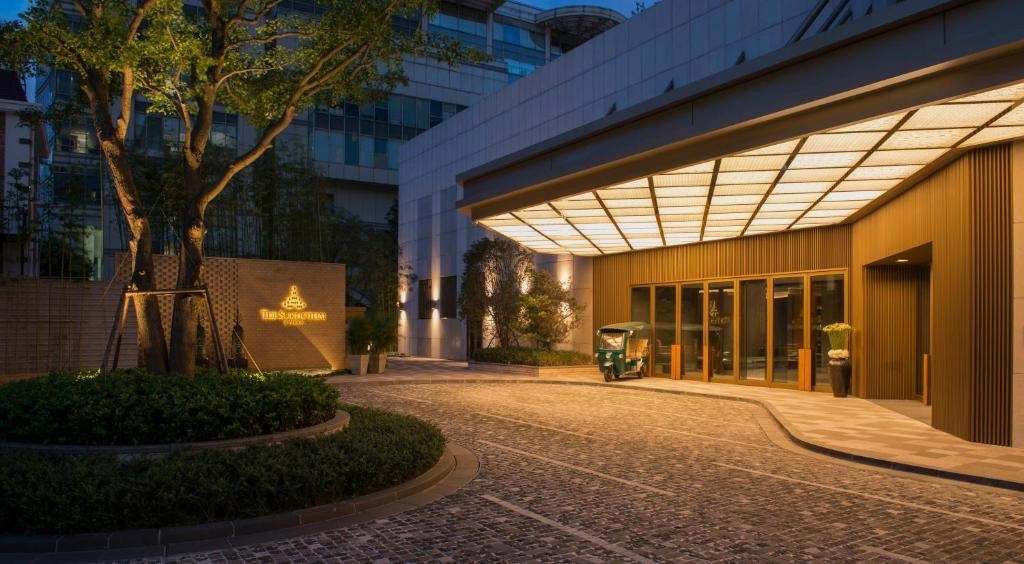
Airy dining room with inviting atmosphere, combining modern dining aesthetics with traditional Chinese design elements.