Mikuna occupies a Chamberí address on Calle de Galileo, 56, positioning it inside one of Madrid's most food-literate residential neighbourhoods. The kitchen operates within a growing Madrid current that treats ethical sourcing and waste reduction as structural commitments rather than marketing footnotes. For readers tracking where sustainability thinking is shaping serious restaurant culture in Spain, Mikuna is a relevant data point.
Pearl is the En Primeur Club membership app — saves, bookings, and concierge access live there. Same editors, same standards.
- Address
- C. de Galileo, 56, Chamberí, 28015 Madrid, Spain
- Phone
- +34916059031
- Website
- restaurantemikuna.com
- Directions
- Get directions
 Saves & bookings on Pearl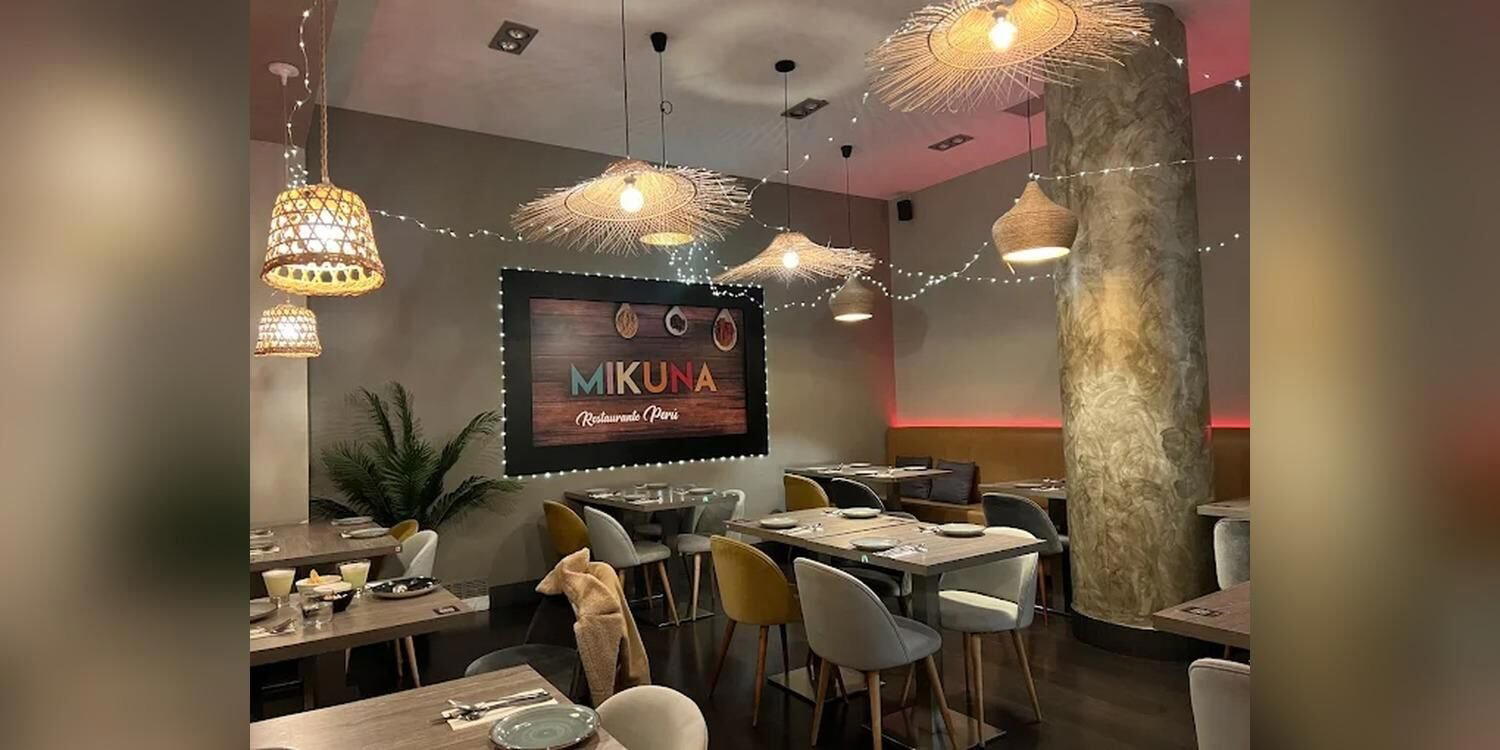
Chamberí's Quiet Shift Toward Conscious Cooking
Madrid's fine-dining conversation has spent years revolving around spectacle: the theatrical excess of DiverXO, the architectural ambition of Coque, the creative intensity of DSTAgE. But a quieter current runs through the city's residential neighbourhoods, one less interested in theatrical gestures and more focused on what a kitchen chooses to source, how it processes that sourcing, and what it discards. Chamberí is where this current is most legible. The barrio's mix of long-term residents, younger professionals, and food-literate visitors has made it receptive to restaurants that foreground ingredient provenance over room design or chef celebrity.
Mikuna sits at C. de Galileo, 56, in Chamberí, Madrid. The address itself signals something: Galileo is a mid-barrio street without the tourist foot traffic of Malasaña or the expense-account density of Salamanca. The restaurants that survive here do so because the local customer base is paying attention to the food, not the postcode prestige.
What Sustainability Looks Like in Practice at This Level
Across Spain's serious restaurant tier, sustainability has evolved from a PR term into an operational framework. Azurmendi in Larrabetzu built its entire physical structure around environmental systems, achieving a Michelin Green Star that placed it at the forefront of this movement in the Basque Country. Aponiente in El Puerto de Santa María has constructed its identity around marine ecosystems and underused species. These are benchmark cases, but the model they established has filtered into smaller kitchens, creating a tier of restaurants where sustainability is a working method rather than a flag.
In Madrid specifically, this means kitchens that are renegotiating what the city's historically meat-forward dining culture looks like when passed through a filter of waste reduction, seasonal discipline, and ethical supply chains. The capital has been slower than the Basque Country or Catalonia to fully absorb this shift, but Chamberí addresses like Mikuna's suggest the gap is narrowing. Restaurants in this mode tend to avoid the conventional luxury signals: elaborate amuse-bouche sequences, tableside theatre, imported luxury ingredients. The emphasis falls instead on the coherence between what is sourced and how it is cooked, which produces a different kind of dining register entirely.
The Broader Spanish Context
Spain's restaurant culture currently operates at two speeds. At the summit, establishments like El Celler de Can Roca in Girona, Martin Berasategui in Lasarte-Oria, and Mugaritz in Errenteria have built internationally recognised formats that attract global reservation traffic. Below that summit, a second tier of restaurants operates with more geographic specificity and less international visibility, serving local markets with cooking that responds to regional supply chains and neighbourhood expectations.
Mikuna's Chamberí location places it within this second tier in Madrid, which is not a diminishment. Restaurants operating at neighbourhood scale with serious sourcing commitments often deliver one consistent representation of what a city's food culture actually looks like on a Tuesday evening, removed from the reservation-list pressure and performance expectations that shape the summit tier. For comparison, Ricard Camarena in València and Quique Dacosta in Dénia have demonstrated how regionally grounded kitchens can develop serious critical standing without replicating the Madrid or Barcelona fine-dining template.
Within Madrid's own creative restaurant set, Deessa and Paco Roncero represent the city's appetite for technically sophisticated tasting menus. Mikuna operates in a different register, one where the sourcing framework shapes the menu rather than the reverse.
What Ethical Sourcing Means at the Table
Kitchens that structure their programmes around waste reduction and ethical supply chains tend to produce menus with particular characteristics. Seasonal constraint is usually tight: the menu shifts when supply shifts, not on a schedule set months in advance. Protein sourcing often prioritises smaller producers, breeds with slower growth cycles, or underused species that conventional luxury kitchens overlook. Vegetable-forward courses gain parity with meat and fish, not as a trend concession but as a structural consequence of working with what seasonal supply actually delivers.
This approach has international precedents. Le Bernardin in New York City has long demonstrated that a rigorous sourcing philosophy and technical excellence are not in tension. Atomix in New York City has shown how a clearly articulated culinary framework, consistently executed, can generate critical recognition well beyond its immediate geography. Cocina Hermanos Torres in Barcelona and Atrio in Cáceres offer Spanish examples of kitchens where a defined ethical or territorial commitment has become the organising principle of the entire operation.
For the diner, what this produces in practice is a table experience oriented around coherence. The pleasure is less about individual theatrical moments and more about the accumulated sense that the kitchen has thought carefully about every ingredient on the plate: where it came from, what form leading serves it, and what should happen to what cannot be served. That discipline, when it works, produces food with a specific kind of integrity that is difficult to replicate through other means.
Chamberí as a Dining Neighbourhood
The barrio's food character has consolidated over the past decade around quality-focused independent operations rather than chain restaurants or high-profile destination dining. Streets like Ponzano to the north have developed enough density of serious bars and restaurants to attract food media attention, but Galileo and its surrounding streets remain more residential in pace. Restaurants here compete for repeat local business, which tends to discipline kitchens more effectively than destination dining does. A table full of neighbours who will return next month is a different accountability structure than a reservation list of tourists checking off a city's highlights.
For visitors to Madrid whose itinerary already covers the summit-tier experiences, Chamberí offers a different register: quieter, more neighbourhood-scaled, and often more indicative of where the city's cooking culture is actually moving.
Know Before You Go
Address: C. de Galileo, 56, Chamberí, 28015 Madrid, Spain
Neighbourhood: Chamberí, a residential barrio in central-north Madrid with strong independent restaurant density
Price range: About $35 per person
Reservations: Recommended
Hours: Mon: Closed; Tue: 8 PM-12 AM; Wed: 1-4 PM, 8 PM-12 AM; Thu: 1-4 PM, 8 PM-12 AM; Fri: 1-5 PM, 8 PM-1 AM; Sat: 1-5 PM, 8 PM-1 AM; Sun: 1-5 PM
Recognition, Side-by-Side
Comparable venues nearby, for context on price, style, and recognition.
| Venue | Cuisine | Price | Notes |
|---|---|---|---|
| MikunaThis venue — the venue you are viewing | Peruvian Fusion | $$$ | Not listed |
| The Madrid EDITION | Modern Peruvian with Global Influences | $$$ | Sol |
| Restaurante Sambo | Peruvian-Mediterranean Fusion Ceviches | $$ | Acacias |
| Botania | Modern International Market Cuisine | $$$ | Arguelles |
| Ikigai Gran Vía | Modern Japanese-Spanish Fusion | $$$ | Universidad |
| Ekö Bistro | Modern French Bistro with Spanish Touches | $$$ | Trafalgar |
At a Glance
- Modern
- Cozy
- Rustic
- Trendy
- Date Night
- Special Occasion
- Group Dining
- Open Kitchen
- Craft Cocktails
Current opening hours
- Monday
- Closed
- Tuesday
- 8 PM–12 AM
- Wednesday
- 1–4 PM, 8 PM–12 AM
- Thursday
- 1–4 PM, 8 PM–12 AM
- Friday
- 1–5 PM, 8 PM–1 AM
- Saturday
- 1–5 PM, 8 PM–1 AM
- Sunday
- 1–5 PM
Hours can change for holidays and private events. Last verified .
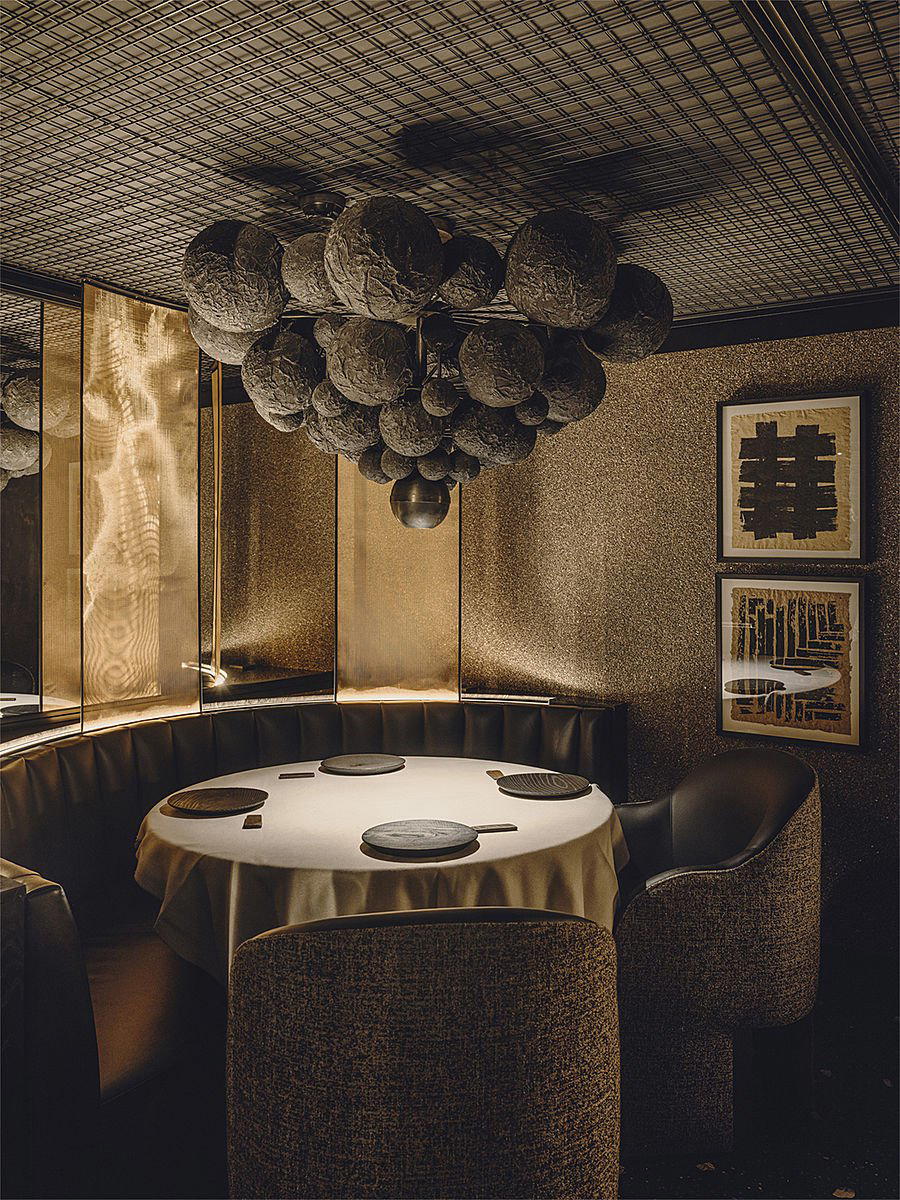
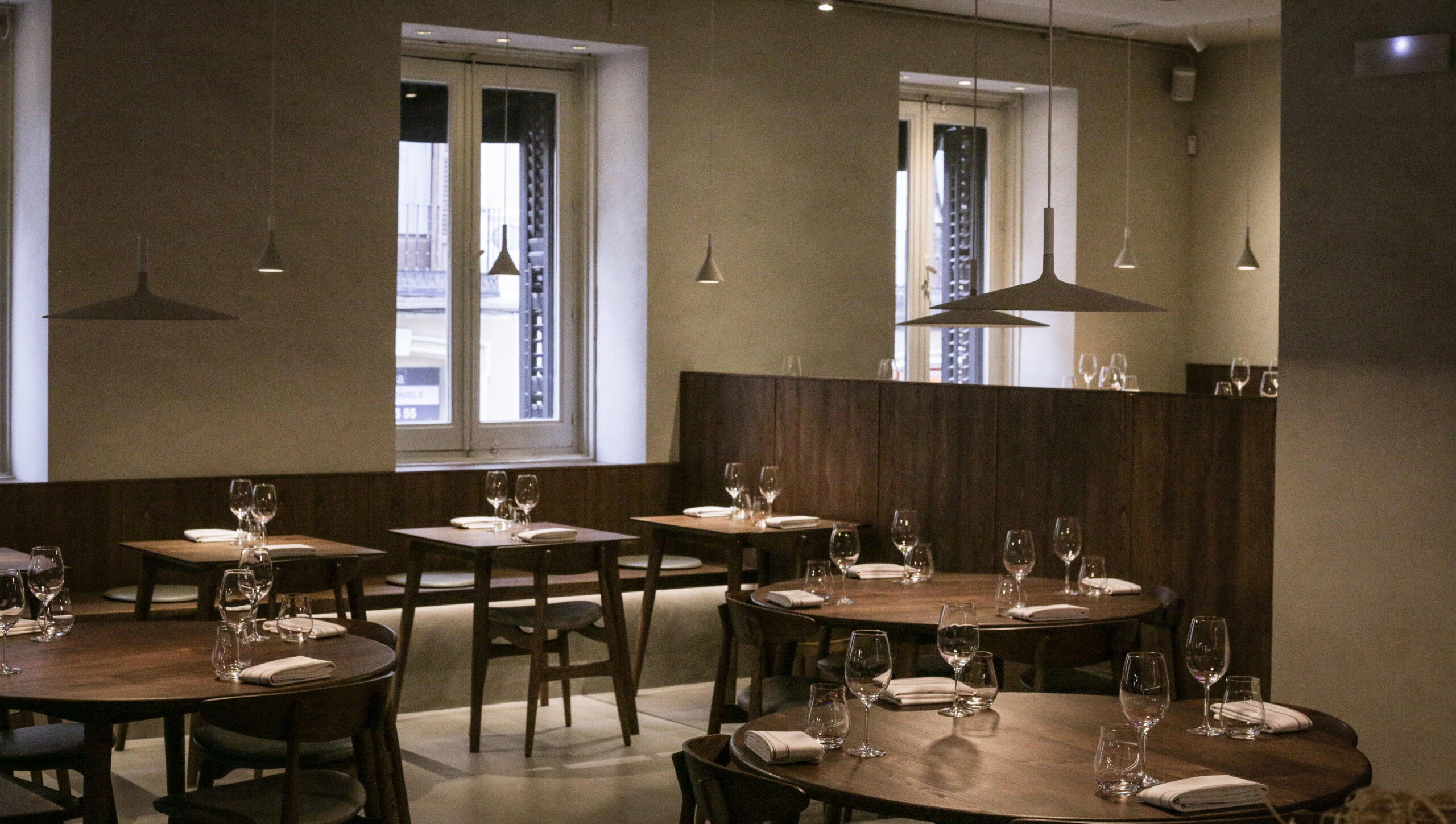
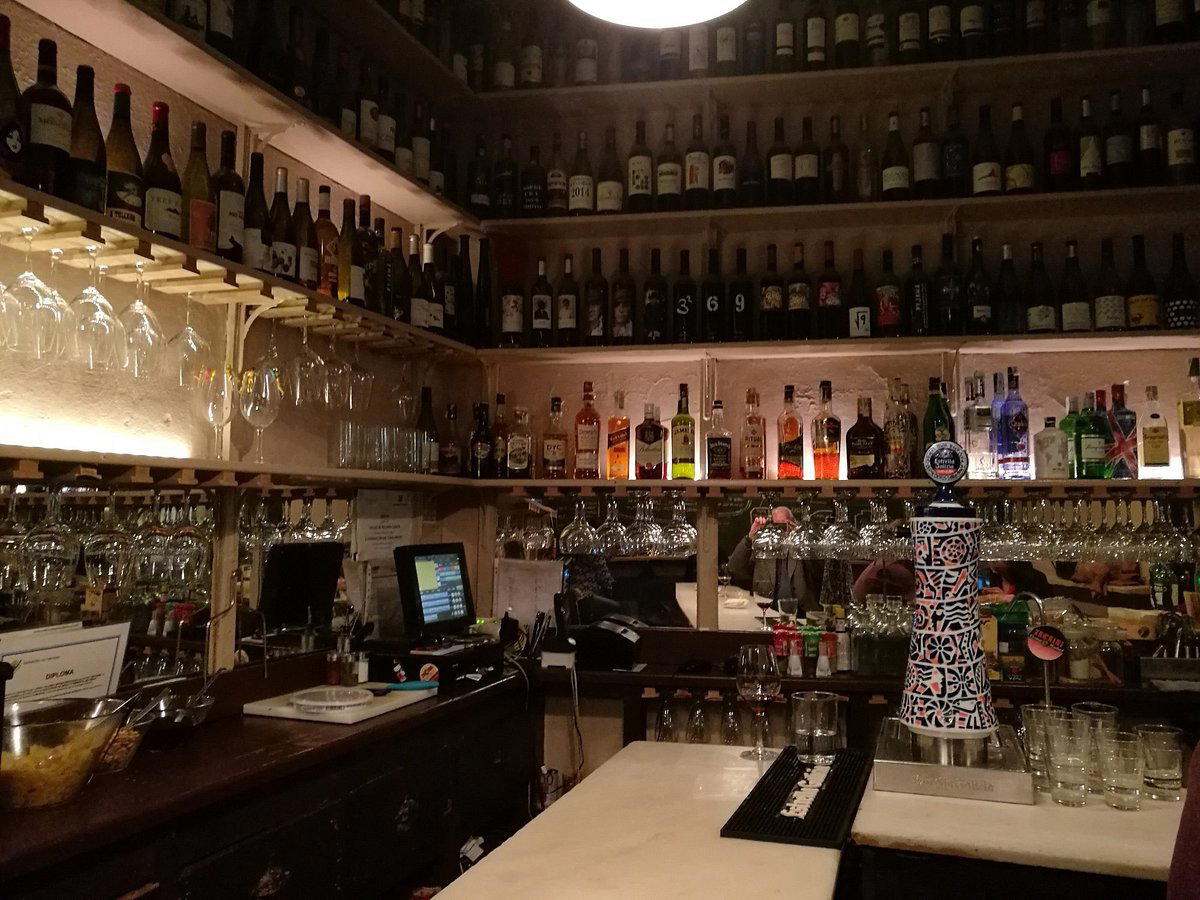
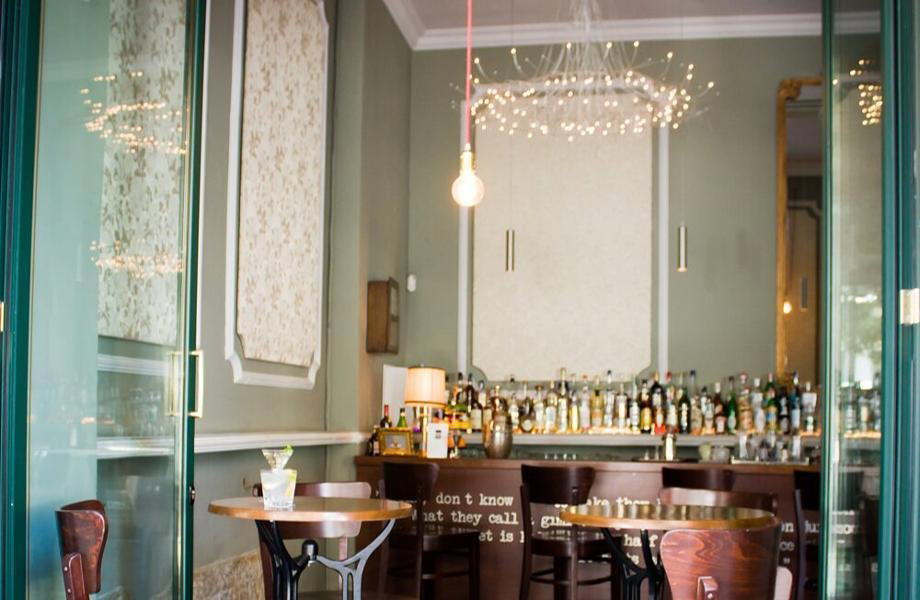
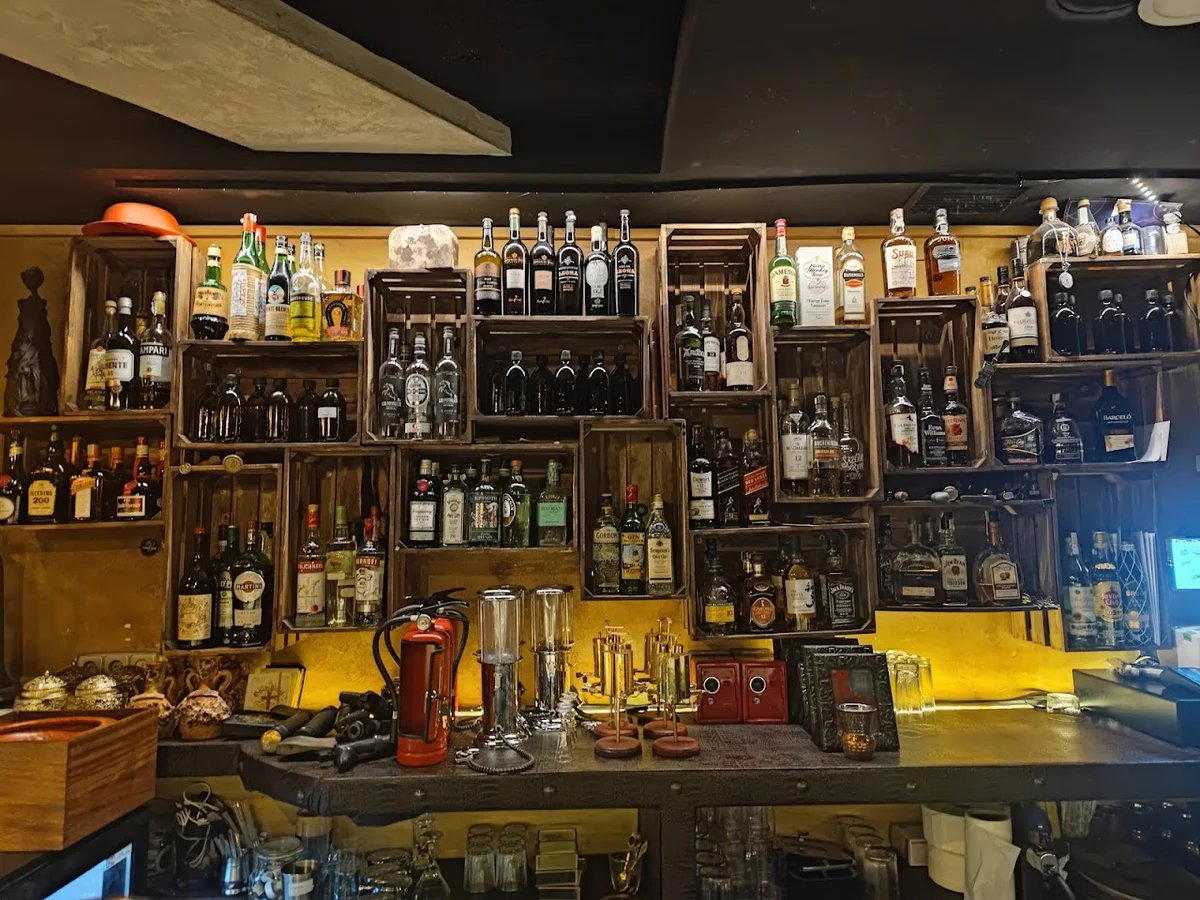
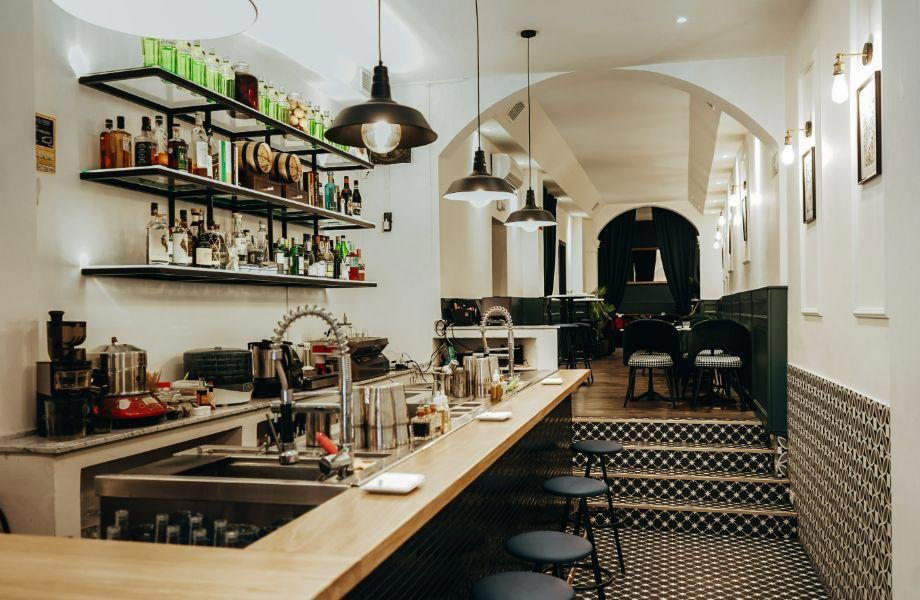
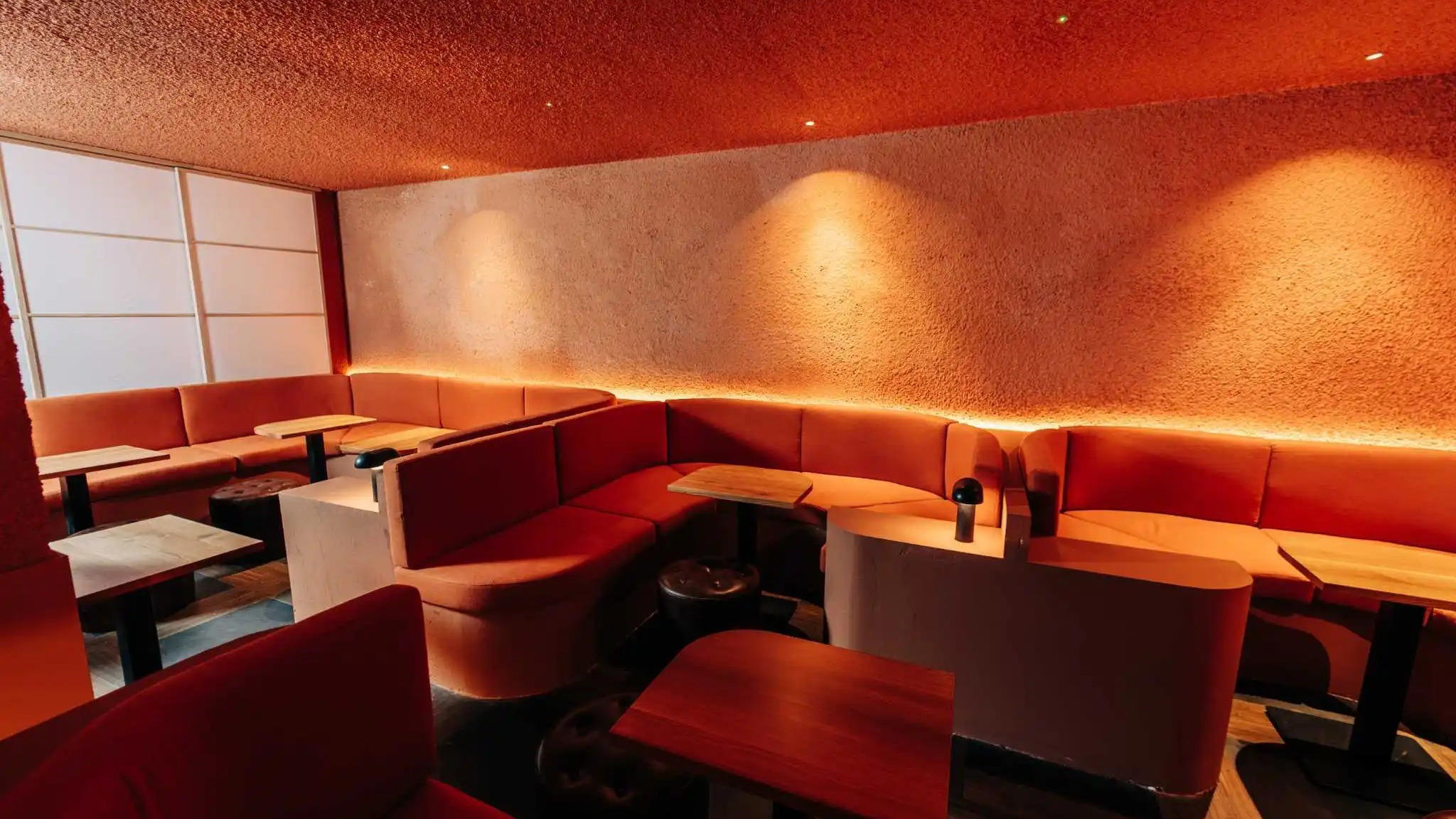
Modern and comfortable with rustic decor, cozy atmosphere suitable for date nights and family dinners.