Status-check profile: Restaurante Sambo at P.º de la Esperanza, 33, Arganzuela, 28005 Madrid, Spain has unresolved or unverified current status after a June 22, 2026 audit. Verify directly before planning a visit.
Pearl is the En Primeur Club membership app — saves, bookings, and concierge access live there. Same editors, same standards.
- Address
- P.º de la Esperanza, 33, Arganzuela, 28005 Madrid, Spain
- Phone
- +34919489328
- Website
- sambo-taste.es
- Directions
- Get directions
 Saves & bookings on Pearl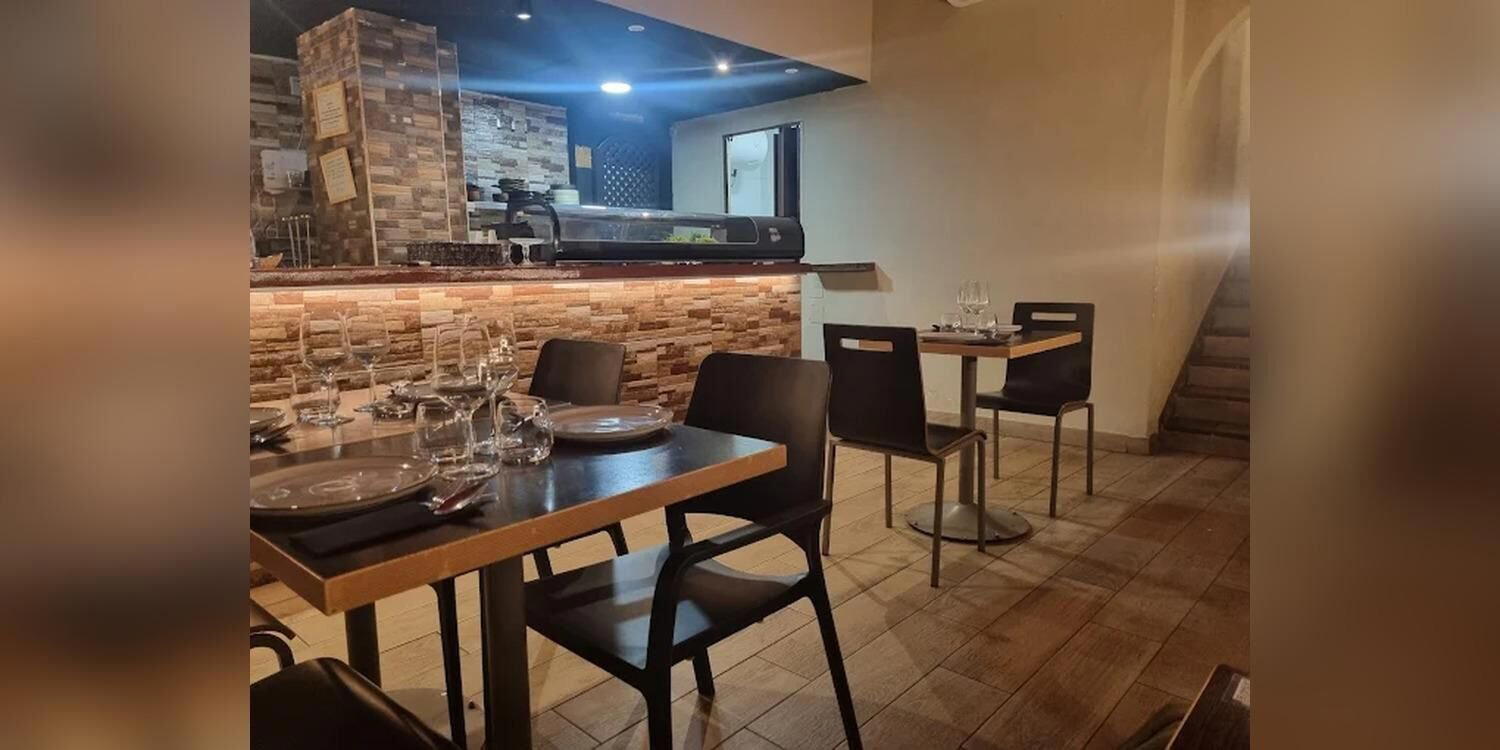
Arganzuela and the Case for Eating Off the Main Circuit
Madrid's dining conversation tends to orbit a predictable geography: the tasting-menu flagships around Recoletos and Castellana, the natural-wine bars of Malasaña, the market-adjacent trattorias of La Latina. Arganzuela sits south of all of that, a working residential district that has never courted food tourism in the way its neighbours have. That positioning is precisely what makes Restaurante Sambo worth attention. Restaurante Sambo is a restaurant in Madrid's Arganzuela district, serving Peruvian-Mediterranean Fusion Ceviches and priced at about €25 per person. In a city where the premium dining tier, anchored by addresses like DiverXO, Coque, and Deessa, competes loudly for international attention, the restaurants that sustain a neighbourhood rather than perform for visitors occupy a different and often more durable role.
Paseo de la Esperanza, where Sambo sits at number 33, runs through the quieter southern reaches of the district. The address signals something about the intended audience: this is not a restaurant designed around the expense-account lunch or the pre-theatre visit. It is, by location alone, a place that earns its clientele through consistency rather than profile.
Sourcing and the Southern Madrid Food Network
The ingredient-sourcing conversation in Spanish restaurant culture has shifted considerably over the past decade. Where it once centred almost exclusively on the Basque Country and Catalonia, the axis running from Arzak in San Sebastián to El Celler de Can Roca in Girona, Madrid has developed its own supply logic. The city draws on Castilian lamb and suckling pig from nearby producers, on vegetables from the market gardens of the Tajo basin, and on fish trucked overnight from Galicia and the Cantabrian coast. Neighbourhood restaurants in districts like Arganzuela tend to operate closer to these regional supply chains than their more celebrated counterparts, whose procurement has often become a competitive spectacle in its own right.
For a restaurant in this part of the city, the likely sourcing story runs through traditional Castilian staples: pulse-based stews, roasted meats, and the kind of produce that arrives weekly from wholesale markets rather than via curated farm relationships announced on printed menus. That is not a criticism, it is a description of a different and equally legitimate food culture, one that Spain's most decorated chefs, including those behind Azurmendi in Larrabetzu and Mugaritz in Errenteria, often cite as the foundation their own cooking builds upon.
Where Sambo Sits in Madrid's Broader Restaurant Spectrum
Madrid's restaurant market in 2024 runs from tasting-menu rooms charging north of €200 per person to neighbourhood comedores where a three-course lunch with wine costs under €15. The city's creative tier, addresses like DSTAgE and Paco Roncero, occupies a middle-upper band that competes with what Spain's wider fine-dining circuit offers, from Quique Dacosta in Dénia to Aponiente in El Puerto de Santa María.
Restaurante Sambo does not appear in that tier, and there is no verified evidence that positions it there. What the address and district suggest is a restaurant functioning in the everyday dining register: consistent, local, and valued by the people who live within walking distance rather than by critics arriving from other cities. That is a significant portion of what actually sustains a food culture, even if it generates less editorial noise. Comparable neighbourhood-rooted formats in cities like Barcelona or Valencia have at times become critical reference points precisely because they were overlooked while less grounded restaurants collected attention.
What the Arganzuela Location Tells You About the Experience
Arriving at Paseo de la Esperanza 33 from central Madrid takes roughly fifteen to twenty minutes on foot from Atocha, or a short ride on the Línea 3 metro to Legazpi. The neighbourhood around the restaurant is residential in character, apartment blocks, local shops, the kind of street where lunch trade comes from nearby offices and residents rather than hotel concierge recommendations. That context shapes the dining register almost before you read a menu. Rooms in this part of the city tend toward the functional: tiled floors, paper tablecloths or simple linens, lighting calibrated for comfort rather than drama.
The practical implications for a visitor are meaningful. A restaurant of this type and location is unlikely to require advance booking weeks out, though confirming directly is advisable given that online reservation details are not provided here.
Reading Spain's Neighbourhood Restaurant Tradition
Spain's comedor tradition, the neighbourhood lunch restaurant serving a fixed menu at a set price, is among the more durable formats in European food culture. It survived the country's economic turbulence of the early 2010s largely intact, outlasting many more celebrated addresses. Restaurants in this format typically serve two or three courses with bread and a drink included, priced to reflect what a working neighbourhood can support daily rather than what a destination diner will pay occasionally. The format has influenced chefs as prominent as those behind Martin Berasategui in Lasarte-Oria, Ricard Camarena in València, and Atrio in Cáceres, all of whom have spoken publicly about the foundational role of everyday Spanish restaurant culture in shaping their cooking.
Whether the restaurant operates in that tradition precisely, or represents something adjacent to it, cannot be confirmed from available public data. What can be said is that its district, its street, and its absence from the standard critical record all point in the same direction.
Planning Your Visit
Reservations are recommended. Getting there: Paseo de la Esperanza, 33, Arganzuela, 28005 Madrid, Spain. Budget: About €25 per person.
Style and Standing
Comparable venues nearby, for context on price, style, and recognition.
| Venue | Cuisine | Price | Awards | Notes |
|---|---|---|---|---|
| Restaurante SamboThis venue — the venue you are viewing | Peruvian-Mediterranean Fusion Ceviches | $$ | Not listed | Not listed |
| La Bajada | Peruvian Street Food | $$ | Not listed | Quintana |
| La Picarona Cocina Peruana & Parrilla | Peruvian Cocina & Parrilla | $$ | Not listed | Acacias |
| La Esquina Peruana | Peruvian-Japanese Nikkei Fusion | $$ | Not listed | Palacio |
| Avenida Peru | Peruvian Cevicheria | $$ | Not listed | Salvador |
| Pacto Raíz | Peruvian Street Fusion | $$ | Michelin Plate | Goya |
At a Glance
- Date Night
- Casual Hangout
Casual dining atmosphere suitable for business casual attire.