Macarfi 7 Food Rating
Our verdict
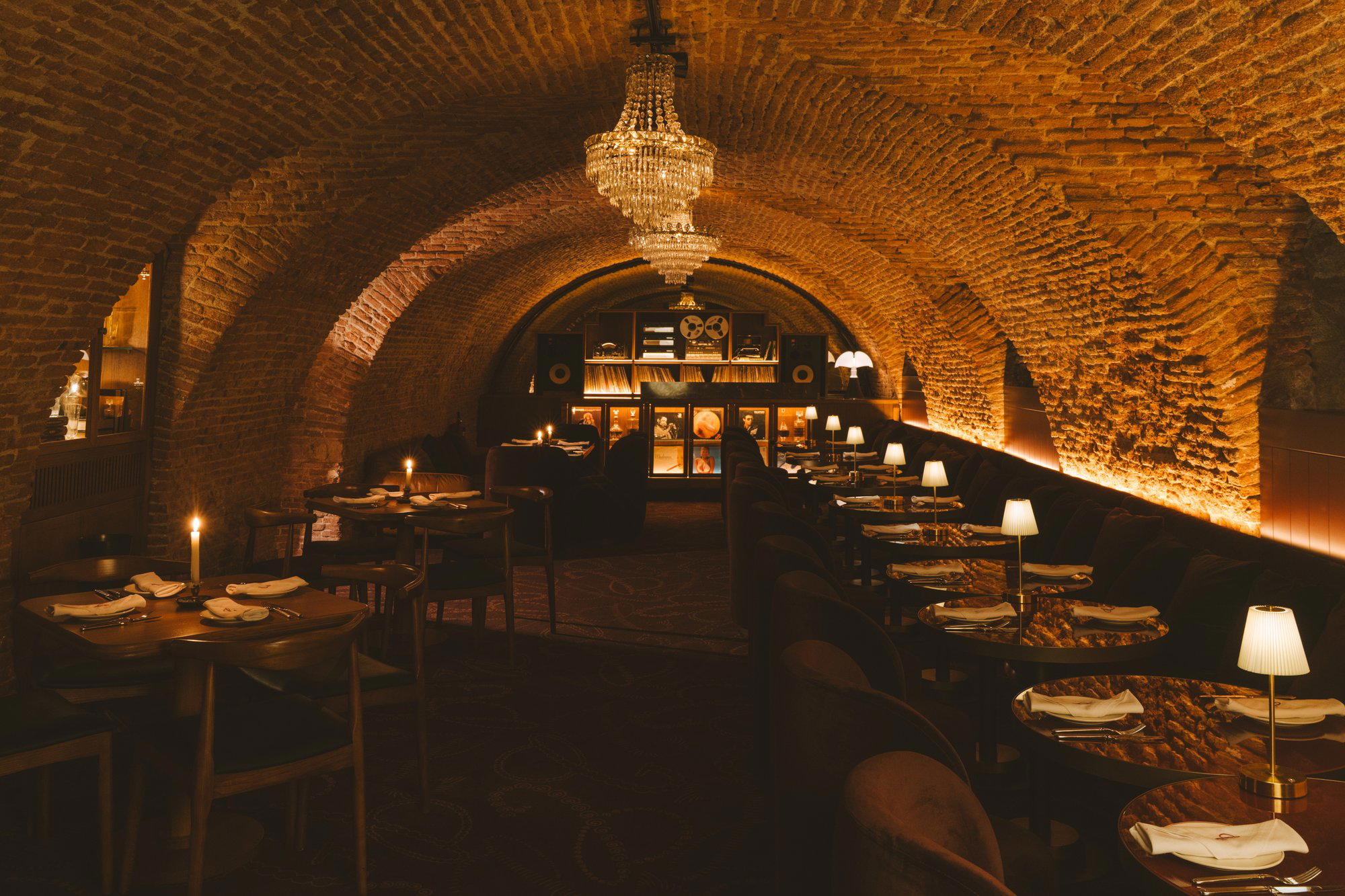
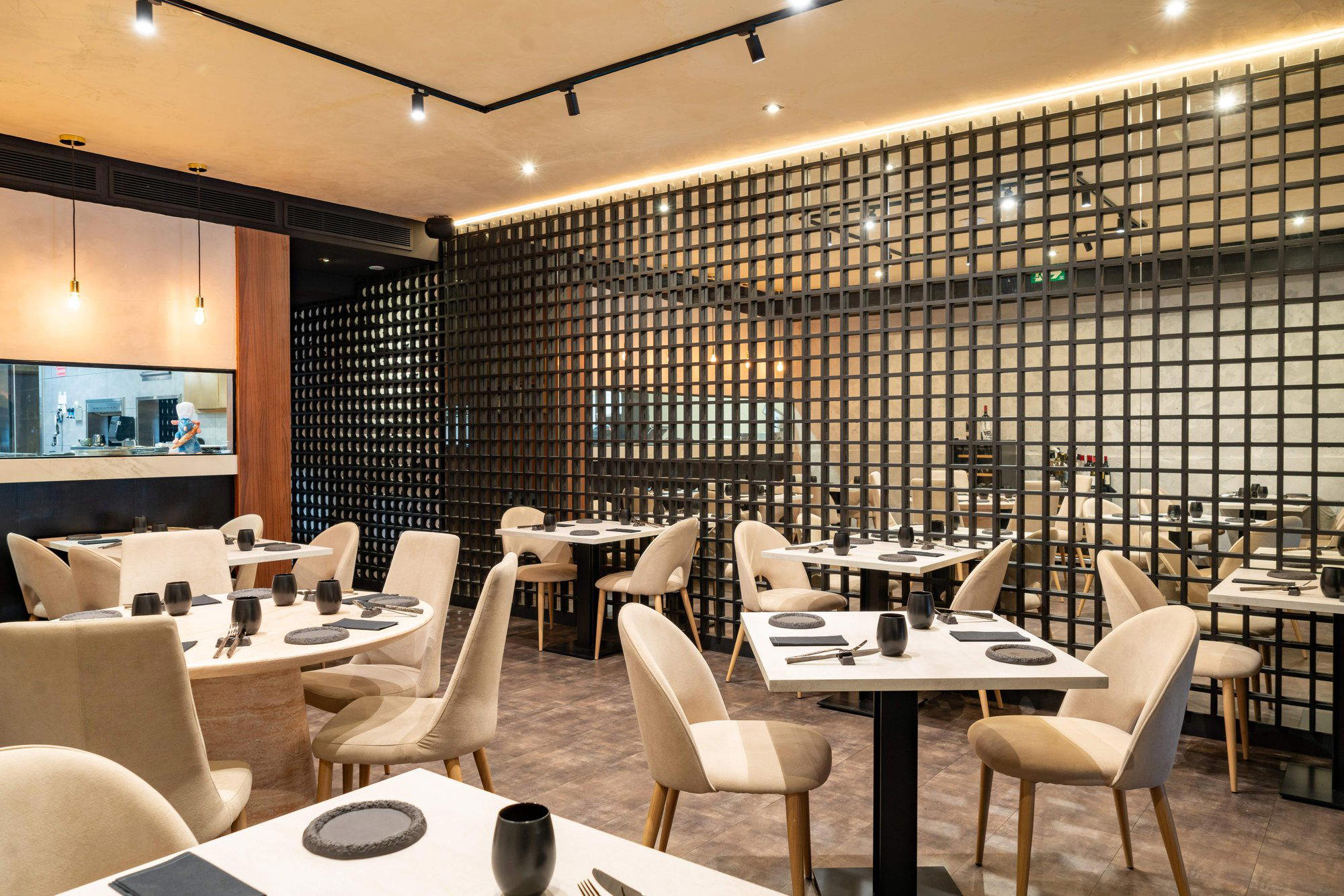
On Calle de Sagasta in Chamberí, Ekö Bistro sits within one of Madrid's most thoughtfully residential neighbourhoods, drawing a crowd that comes for considered cooking rather than spectacle. The bistro's identity is shaped by ethical sourcing and a low-waste kitchen philosophy that places it in a growing cohort of Madrid restaurants rethinking what responsible dining looks like at street level.

Pearl is the En Primeur Club membership app — saves, bookings, and concierge access live there. Same editors, same standards.
- Address
- C. de Sagasta, 23, Chamberí, 28004 Madrid, Spain
- Phone
- +34915783787
- Hours
- Mon–Tue ClosedWed–Sun 12:30 PM–1 AM
- Website
- ekobistro.es
- Directions
- Get directions
- Booking
- Book on TheFork
The menu
What to order
- Steak tartare with mustard ice cream
- Foie gras éclair with black mole
- Sole à la meunière
Chamberí's Quieter Conversation About What Restaurants Owe the Planet
Madrid's most-discussed restaurant openings tend to cluster around the theatrical end of the spectrum: tasting menus that run past midnight, kitchens staffed by competition-circuit veterans, dining rooms designed for social media. Chamberí operates on a different frequency. The neighbourhood, built around the genteel grid between Alonso Martínez and Quevedo, has long attracted a residential crowd that values substance over performance. Calle de Sagasta, where Ekö Bistro sits at number 23, runs through the heart of that sensibility. The approach here — in the broader neighbourhood pattern — is to serve the kind of food that doesn't need explanation but rewards attention.
That context matters when placing Ekö Bistro in the city's wider dining map. Madrid's fine dining tier is well-documented: DiverXO and Coque anchor the Michelin-starred conversation; Deessa, DSTAgE, and Paco Roncero occupy the creative tasting-menu tier. What those rooms share is a commitment to spectacle and scale. Ekö Bistro belongs to a different cohort: smaller in footprint, neighbourhood in spirit, and built around a kitchen philosophy centred on ethical sourcing and conscious resource use. This is not a casual positioning, it reflects a genuine shift in how a segment of Madrid's dining public thinks about the relationship between eating well and eating responsibly.
Sustainability as Kitchen Logic, Not Marketing Language
Across Spain's most forward-looking kitchens, environmental consciousness has moved from garnish to structural principle. Azurmendi in Larrabetzu has made its on-site garden and energy systems a core part of its identity, holding three Michelin stars while running a kitchen that generates substantially less waste than industry norms. Aponiente in El Puerto de Santa María built an entire cuisine around marine by-products that traditional kitchens discard. Mugaritz in Errenteria has spent decades interrogating ingredient hierarchies, asking which parts of a product carry flavour and which are simply convention.
Ekö Bistro operates at a different scale and without those restaurants' institutional weight, but it engages the same underlying question: what does responsible kitchen practice look like when it is applied consistently rather than selectively? In the bistro format, that question tends to produce tighter, more seasonal menus, closer relationships with specific suppliers, and a preference for whole-animal or whole-vegetable cookery over ingredient cherry-picking. These are not aesthetic choices in the abstract; they shape what appears on the plate and how dishes are constructed from week to week.
This approach connects Ekö Bistro to a broader international pattern. At Lazy Bear in San Francisco, sourcing transparency has become a structural part of the dining experience. At Le Bernardin in New York City, the kitchen's relationship with sustainable seafood sourcing is documented and publicly maintained. In Spain, the conversation is less centralised but no less serious: El Celler de Can Roca in Girona and Ricard Camarena in València both operate with documented commitments to local supply chains and seasonal calendars that constrain, in productive ways, what the kitchen can offer at any given time.
The Chamberí Address and What It Signals
Location in Madrid carries real information about a restaurant's positioning. The tasting-menu circuit tends to concentrate in Salamanca and the areas immediately around Retiro. The creative bistro tier, which operates at lower price points and with more flexibility in format, has found its home in Chamberí, Malasaña, and the streets around Chueca. Calle de Sagasta sits at the edge of Chamberí proper, close enough to the commercial activity around Alonso Martínez to draw passing trade but residential enough in character that the crowd skews local and repeat rather than tourist and occasional.
For context on how neighbourhood positioning affects dining culture: the restaurants along this corridor tend to maintain smaller menus, source more tightly from regional producers, and change their offerings more frequently than their counterparts in the tourist-heavy centre. That rhythm suits an ethically-oriented kitchen, where supply relationships and seasonal availability drive the menu rather than a fixed concept that must be replicated nightly for a high-turnover audience.
Chamberí also sits conveniently for visitors staying in the northern parts of the city, within walking distance of Alonso Martínez metro (Line 4, 5, and 10) and a short cab or metro ride from the Salamanca hotel corridor. For a broader view of where Ekö Bistro sits within the city's dining options, our full Madrid restaurants guide maps the field by neighbourhood and format.
Placing Ekö in the National Sustainability Conversation
The most committed sustainability-driven kitchens in Spain are concentrated outside Madrid. Quique Dacosta in Dénia has built a cuisine around the hyper-local ecology of the Mediterranean coast. Arzak in San Sebastián maintains a research lab specifically to reduce waste in experimental cookery. Martin Berasategui in Lasarte-Oria operates within the Basque Country's dense network of small producers, making short-chain sourcing structurally easier than it is in a large inland city like Madrid. Cocina Hermanos Torres in Barcelona converted a former industrial space partly to house a working garden, making the kitchen's ingredient sourcing visible to diners. Atrio in Cáceres draws directly on Extremadura's cattle and wild herb supply, with sourcing geography that is essentially built into its location.
In Madrid, making sustainability a kitchen principle rather than an occasional feature requires more deliberate effort. The city's supply chains are longer, its producers more diffuse, and the competitive pressure from high-volume dining formats is greater. A bistro that commits to ethical sourcing and waste reduction in that environment is working against the structural grain, which is precisely why the Chamberí neighbourhood, with its tradition of supporting independent, non-spectacle restaurants, provides a more hospitable context than central Madrid would.
Planning Your Visit
| Detail | Ekö Bistro | Comparable Madrid Bistros | Starred Madrid Restaurants |
|---|---|---|---|
| Neighbourhood | Chamberí (Sagasta 23) | Malasaña, Chueca, Chamberí | Salamanca, Centro |
| Format | Bistro | À la carte / short menu | Tasting menu |
| Price tier | Not confirmed | €€ – €€€ | €€€€ |
| Booking | Online or walk-in | Advance booking essential | |
| Nearest metro | Alonso Martínez (L4/5/10) | Varies | Varies |
Frequently asked questions
What's the address for Ekö Bistro?
Ekö Bistro is located at C. de Sagasta, 23, Chamberí, 28004 Madrid, Spain, Madrid.
Is Ekö Bistro in Madrid a good choice for plant-forward or vegetarian diners?
Restaurants built around ethical sourcing and waste-reduction principles typically give vegetables and plant-based ingredients a more central role than conventional kitchens do, since the logic of minimising waste and prioritising seasonal supply naturally favours produce. Ekö Bistro's Chamberí address places it in a neighbourhood with a well-travelled, sustainability-aware clientele, which tends to shape menus in that direction. Confirming current menu options directly with the restaurant remains the most reliable step before visiting.
What's the signature dish at Ekö Bistro?
Kitchens organised around ethical sourcing and waste reduction at this Chamberí address tend to build menus around seasonal and local produce, meaning the menu shifts with supply rather than staying fixed. The most reliable approach is to check directly with the restaurant on arrival or at booking.
Should I book Ekö Bistro in advance?
Bistros on Calle Sagasta in Chamberí at this scale and positioning tend to fill on Thursday through Saturday evenings once word-of-mouth takes hold among the neighbourhood's resident crowd. Booking ahead by at least a few days for weekend visits is the practical approach. Weekday lunches at addresses like this are generally more accessible without advance notice.
What's the standout thing about Ekö Bistro?
In a Madrid dining scene where ambition tends to express itself through elaborate tasting menus, Ekö Bistro's commitment to sustainability as a structural kitchen principle rather than a branding exercise sets a different agenda entirely. Operating out of Chamberí — a residential district that rewards consistency over spectacle — reinforces that positioning. It is the kind of restaurant that answers to its regulars rather than to the awards circuit.
Cuisine and Awards Snapshot
| Venue | Cuisine | Price | Awards | Notes |
|---|---|---|---|---|
| Ekö BistroThis venue — the venue you are viewing | Modern French Bistro with Spanish Touches | $50–100 | Macarfi 7 Food Rating | Not listed |
| DiverXO | Avant-Garde Spanish Tasting Menu | $300–500 | 3 Michelin Stars · World's 50 Best #4 | Progressive - Asian, Creative |
| Coque | Modern Spanish Fine Dining | $300–500 | 2 Michelin Stars · La Liste Top Restaurants | Spanish, Creative |
| Deessa | Modern Valencian Fine Dining | $150–200 | 2 Michelin Stars · La Liste Top Restaurants | Modern Spanish, Creative |
| Paco Roncero | Avant-Garde Spanish Fine Dining | $150–200 | 2 Michelin Stars · La Liste Top Restaurants | Creative |
| Smoked Room | Modern Japanese Fire Omakase | $200–300 | 2 Michelin Stars · La Liste Top Restaurants | Progressive Asador, Contemporary |
Recognition history
Dated appearances from independent guides and award organizations, with the underlying list record or original source where available.
Macarfi 7 Food Rating
Macarfi