
Macarfi 7.3 Food Rating
Our verdict
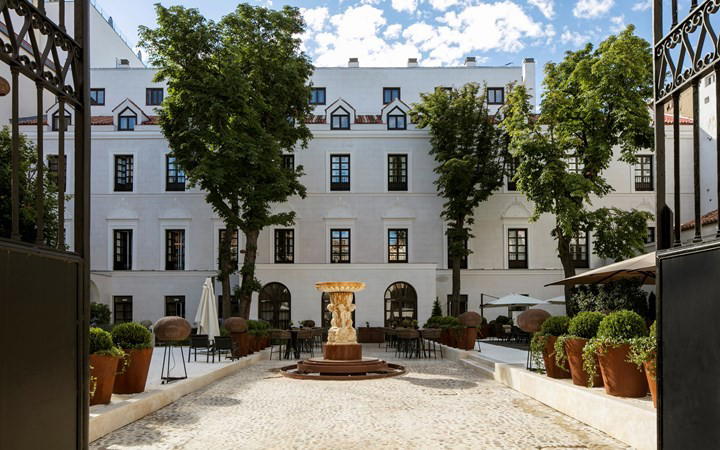
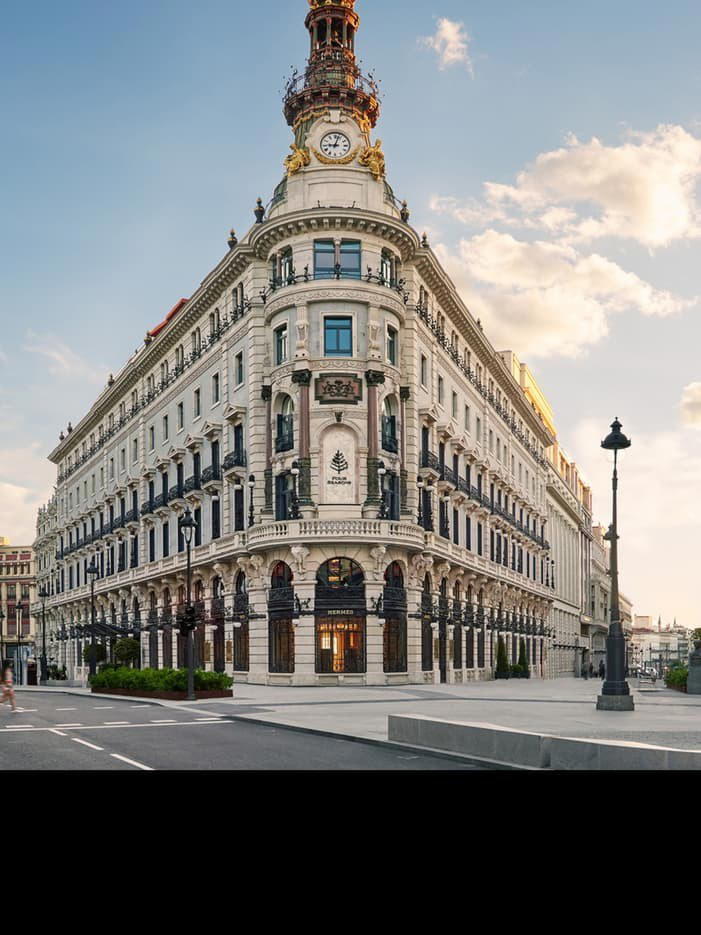
The Madrid EDITION occupies a carefully restored building on Plaza de Celenque, placing one of the city's most design-forward hotels at the intersection of Sol and the historic core. The property sits within the Ian Schrager-led EDITION portfolio, a brand that positions itself between genuine luxury and cultural programming. For Madrid, where grand hotels have long anchored the Gran Vía axis, this represents a different register entirely.

Pearl is the En Primeur Club membership app, where members save venues, book tables and use the concierge.

The menu
What to order
- Ceviche
- Grilled Oysters
- Iberian Pig Skewers
- Lucuma Desserts
- Pisco Sour
Where Madrid's Historic Centre Meets a New Hotel Register
The Spanish capital has spent the better part of two decades recalibrating its international hospitality profile. For much of the twentieth century, the city's prestige hotel stock clustered along the Paseo del Prado and Gran Vía corridors, trading on grand facades and institutional formality. The shift toward smaller, design-led properties with genuine cultural programming accelerated in the 2010s, and The Madrid EDITION, positioned on Plaza de Celenque in the Centro district, belongs to that second wave rather than the first. Its address places it within walking distance of the Puerta del Sol and the old Habsburg quarter, a neighbourhood that functions simultaneously as tourist throughput and genuine daily life for central Madrid residents.
The EDITION brand, developed through a partnership between Marriott International and hotelier Ian Schrager, launched its first property in 2014 and has since expanded to cities including New York, London, Barcelona, and Tokyo. The model borrows from Schrager's boutique hotel playbook: considered design, curated food and beverage programming, and a deliberate effort to make the lobby and bar function as social destinations rather than arrival halls. Madrid joined that network at a moment when the city's hospitality sector was drawing serious international investment for the first time in a generation, and the Plaza de Celenque location reflects the premium placed on proximity to the historic core without the institutional weight of a palace hotel.
The Cultural Gravity of Central Madrid
Plaza de Celenque itself sits at a specific intersection of Madrid's urban character. The square is close enough to Sol to absorb the city's commercial energy, yet set back enough to retain a quieter residential register. This is Centro as the district functions for people who actually live in it: narrow streets with traditional commerce at street level, a pedestrian scale that resists the monument-to-monument march of the tourist circuit. Hotels that occupy this geography tend to function as neighbourhood anchors as much as visitor infrastructure, and the EDITION's food and beverage programming has historically been designed with that dual audience in mind.
Madrid's dining culture provides the broader frame. The city does not have the deep regional terroir identity of, say, San Sebastián or the Catalan modernist tradition that shaped restaurants like El Celler de Can Roca in Girona or Cocina Hermanos Torres in Barcelona. Instead, Madrid operates as an aggregator: it draws produce, technique, and talent from across the peninsula and has historically been where chefs from other regions come to build national platforms. The result is a food scene that is genuinely cosmopolitan rather than locally rooted, which is both its limitation and its strength. Hotel dining in that context can either lean into the city's eclecticism or attempt to anchor itself in a specific culinary identity. The most successful properties in recent years have opted for the latter approach, recognising that a clear editorial point of view outperforms generic international hotel fare in a market where the standalone restaurant competition is formidable.
Madrid's Fine Dining Pressure and What It Means for Hotel Programming
Any hotel operating in central Madrid faces a specific competitive challenge: the standalone restaurant sector is among the most ambitious in Europe. DiverXO holds three Michelin stars and operates at the outer edge of progressive Asian-inflected creative cooking. Coque and Deessa both work at the €€€€ tier with serious creative Spanish menus. DSTAgE and Paco Roncero add further depth to what is a genuinely competitive field. Against that backdrop, hotel restaurants that attempt to compete directly on fine dining terms rarely win. The smarter play, which EDITION properties have generally understood, is to position the food and beverage offer at the intersection of quality and accessibility, building a bar and dining environment that holds its own for a casual dinner but does not try to out-toque the city's specialist counters.
Spain's broader fine dining geography is worth keeping in mind for anyone using Madrid as a base. The country's Michelin ecosystem extends well beyond the capital: Arzak in San Sebastián, Azurmendi in Larrabetzu, Martin Berasategui in Lasarte-Oria, Mugaritz in Errenteria, Quique Dacosta in Dénia, Aponiente in El Puerto de Santa María, Atrio in Cáceres, and Ricard Camarena in València all represent different regional expressions of Spanish creative cooking that Madrid's own scene does not replicate. For guests staying at a Madrid hotel who want to explore the country's full range, those destinations are accessible by high-speed rail, with Renfe connections from Atocha reaching much of Spain in two to four hours. Internationally, the comparison properties worth knowing are hotels where design-led programming has been validated at a similar level: Le Bernardin in New York City and Atomix in New York City illustrate the kind of sustained programme-level ambition that separates serious hotel food and beverage from generic hospitality dining globally.
Planning a Stay
The Madrid EDITION is located at Plaza de Celenque, 2, in the Centro district, a short walk from Puerta del Sol and the Gran Vía metro interchange, which connects to both Barajas airport and the broader network. The hotel's central position means most of Madrid's major museums, including the Prado and the Reina Sofía, are reachable on foot or by a single metro line. For full restaurant coverage of the city, the EP Club Madrid guide covers the current dining tier in detail. Booking for Madrid hotels in this category typically requires lead times of four to eight weeks during spring and autumn, when the city draws heavy conference and leisure traffic simultaneously. Summer weekends can be easier to secure, as Madrileños tend to leave the city in August, reducing domestic demand.
Frequently asked questions
What should I expect atmosphere-wise at The Madrid EDITION?
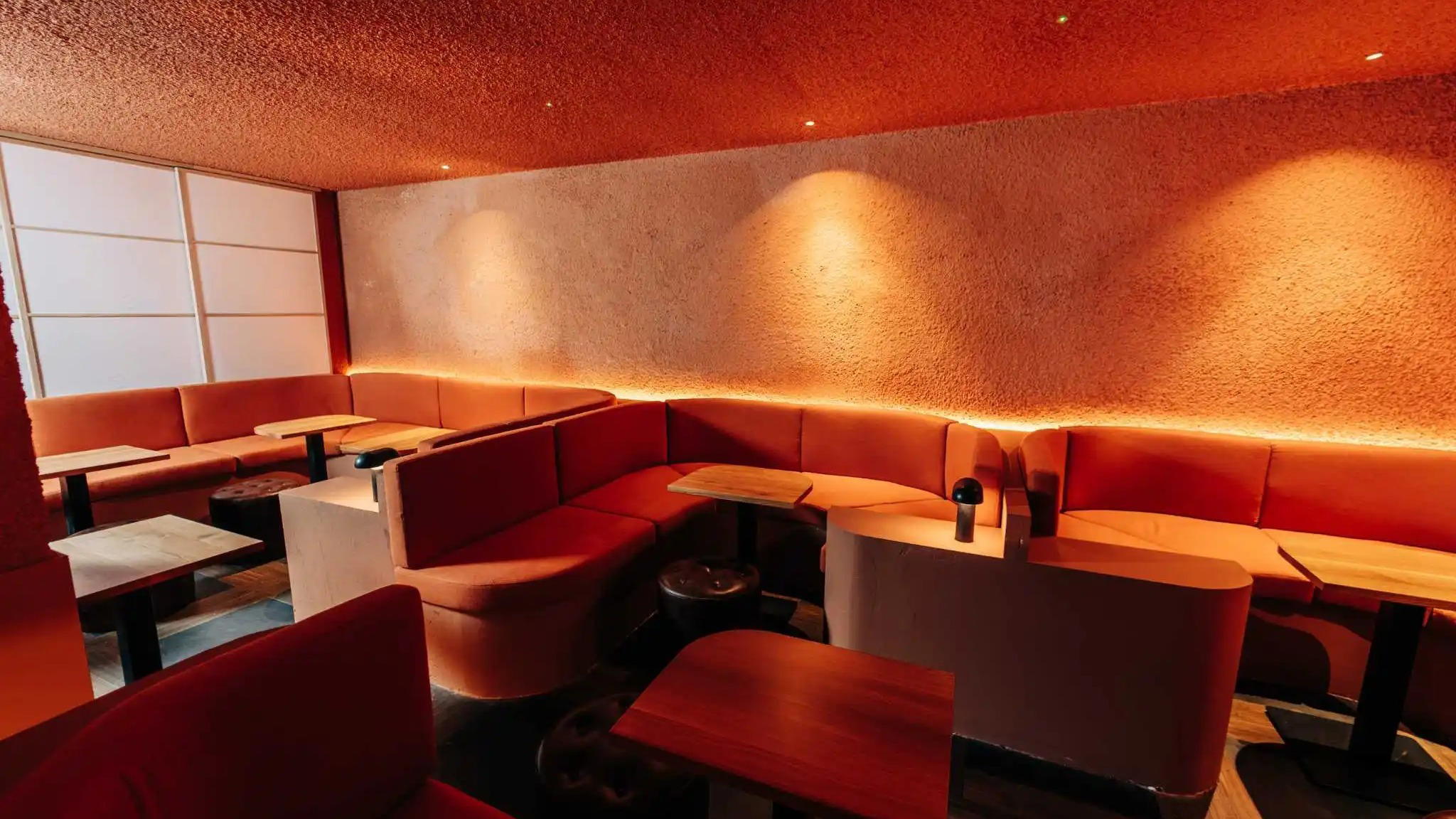
The EDITION brand builds its properties around lobby and bar spaces that function as social hubs rather than quiet hotel interiors, drawing a mix of guests and local residents throughout the evening. At Plaza de Celenque, 2, the location between Puerta del Sol's commercial density and the quieter streets of Centro gives the property a dual character: accessible enough for a post-work drink crowd, removed enough to avoid the chaos of peak tourist traffic. Expect a dressed environment where the bar is the main event.
What's the address for The Madrid EDITION?
The Madrid EDITION is located at Pl. de Celenque, 2, Centro, 28013 Madrid, Spain, Madrid.
Is The Madrid EDITION well-placed for exploring Madrid's main cultural sites?
The address at Plaza de Celenque, 2, in the Centro district puts guests within walking distance of the Prado, the Royal Palace corridor, and the Malasaña and La Latina neighbourhoods that define much of Madrid's after-dark character. The Gran Vía metro interchange is close enough to serve as a practical hub for broader city movement. For a first visit to Madrid, the location removes the need to factor in transit time for most of the city's principal draws.
What do regulars order at The Madrid EDITION?
Across EDITION properties in cities with strong standalone restaurant scenes, the bar has consistently been the anchor rather than a formal dining room, and Madrid's competitive restaurant sector makes that pattern likely to hold here too. Regulars in comparable EDITION locations tend to anchor their visits around the cocktail programme and bar snacks rather than full tasting menus. For substantive dining, Madrid's Centro and adjacent neighbourhoods offer a depth of independent options that most hotel restaurants don't attempt to rival.
A Credentials Check
| Venue | Cuisine | Price | Awards | Notes |
|---|---|---|---|---|
| The Madrid EDITIONThis venue (the venue you are viewing) | Modern Peruvian with Global Influences | $30–50 | Macarfi 7.3 Food Rating | Not listed |
| DiverXO | Avant-Garde Spanish Tasting Menu | $300–500 | 3 Michelin Stars · World's 50 Best #9 | Progressive - Asian, Creative |
| Coque | Modern Spanish Fine Dining | $300–500 | 2 Michelin Stars · La Liste Top Restaurants | Spanish, Creative |
| Deessa | Modern Valencian Fine Dining | $150–200 | 2 Michelin Stars · La Liste Top Restaurants | Modern Spanish, Creative |
| Paco Roncero | Avant-Garde Spanish Fine Dining | $150–200 | 2 Michelin Stars · La Liste Top Restaurants | Creative |
| Smoked Room | Modern Japanese Fire Omakase | $200–300 | 2 Michelin Stars · La Liste Top Restaurants | Progressive Asador, Contemporary |
Recognition history
Dated appearances from independent guides and award organizations, with the underlying list record or original source where available.
Macarfi 7.3 Food Rating
Macarfi
Continue exploring
More in Madrid
Restaurants in Madrid
All restaurants in Madrid →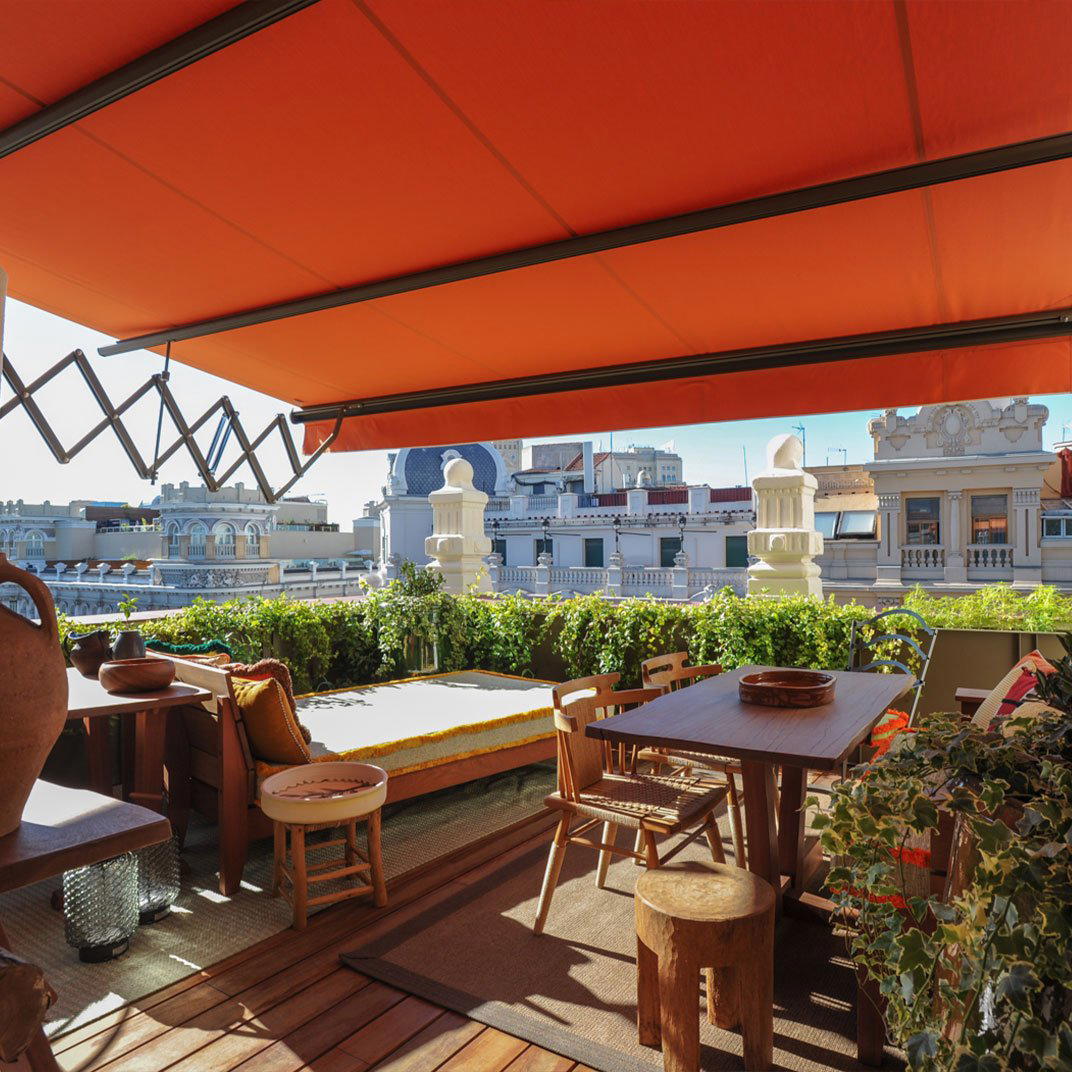
Bars in Madrid
All bars in Madrid →

Details
- Elegant
- Modern
- Sophisticated
- Scenic
- Date Night
- Special Occasion
- Group Dining
- Celebration
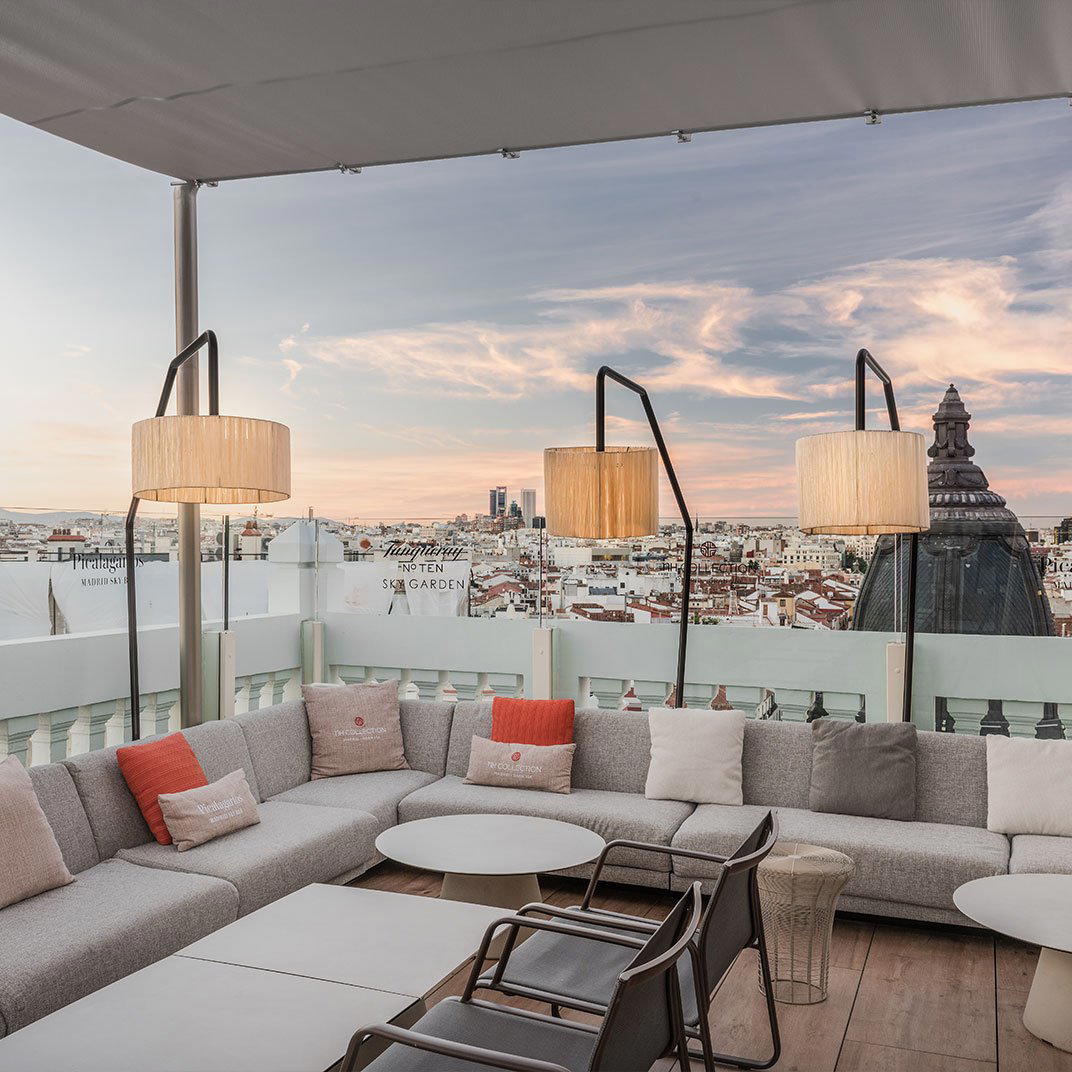
- Rooftop
- Terrace
- Panoramic View
- Garden
- Hotel Restaurant
- Design Destination
- Craft Cocktails
- Extensive Wine List
- Skyline
- Garden
- Family Style
- A La Carte
- Pisco Led Cocktails
- Craft Cocktails
- Wine
- Pescatarian Friendly
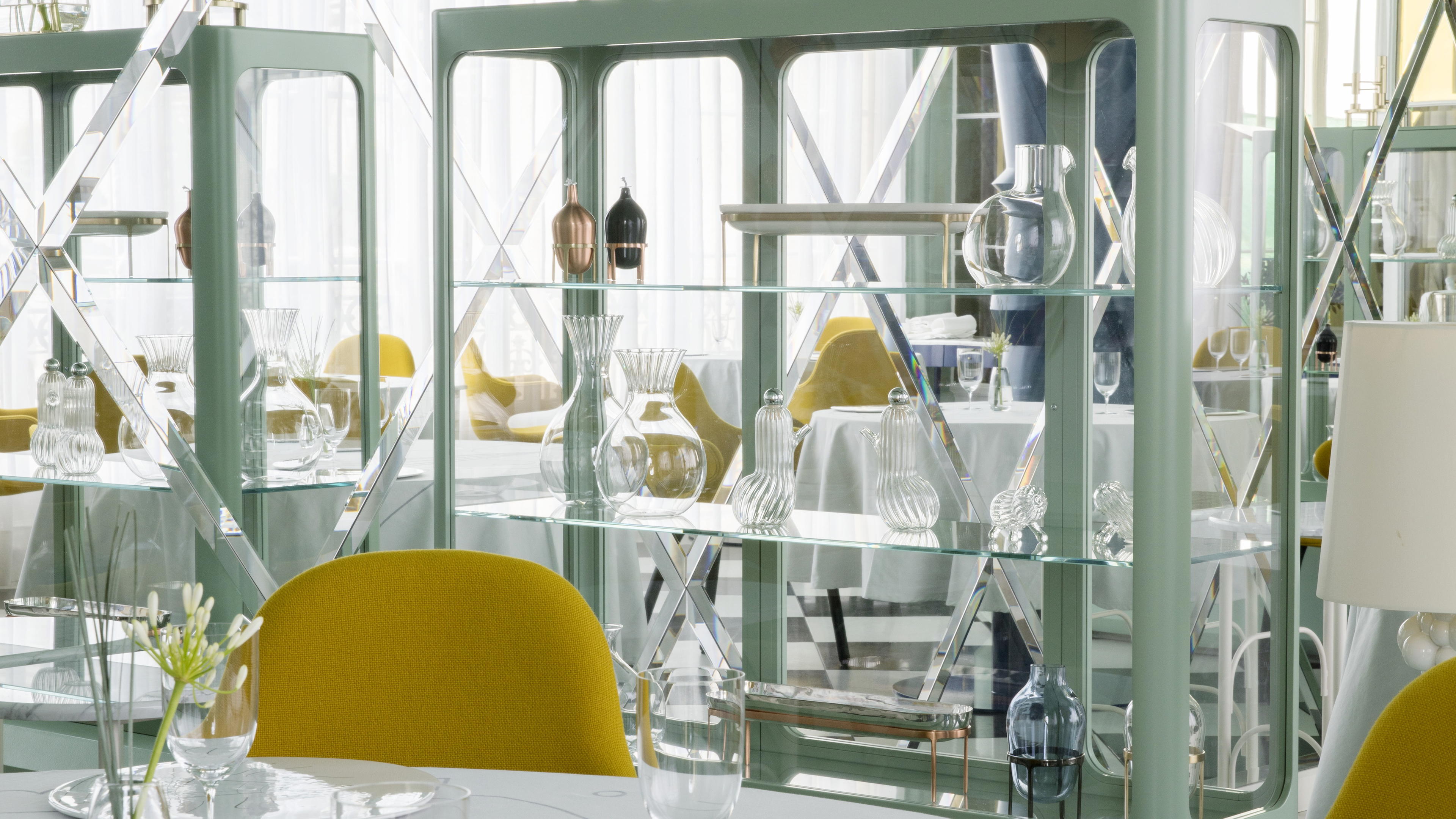
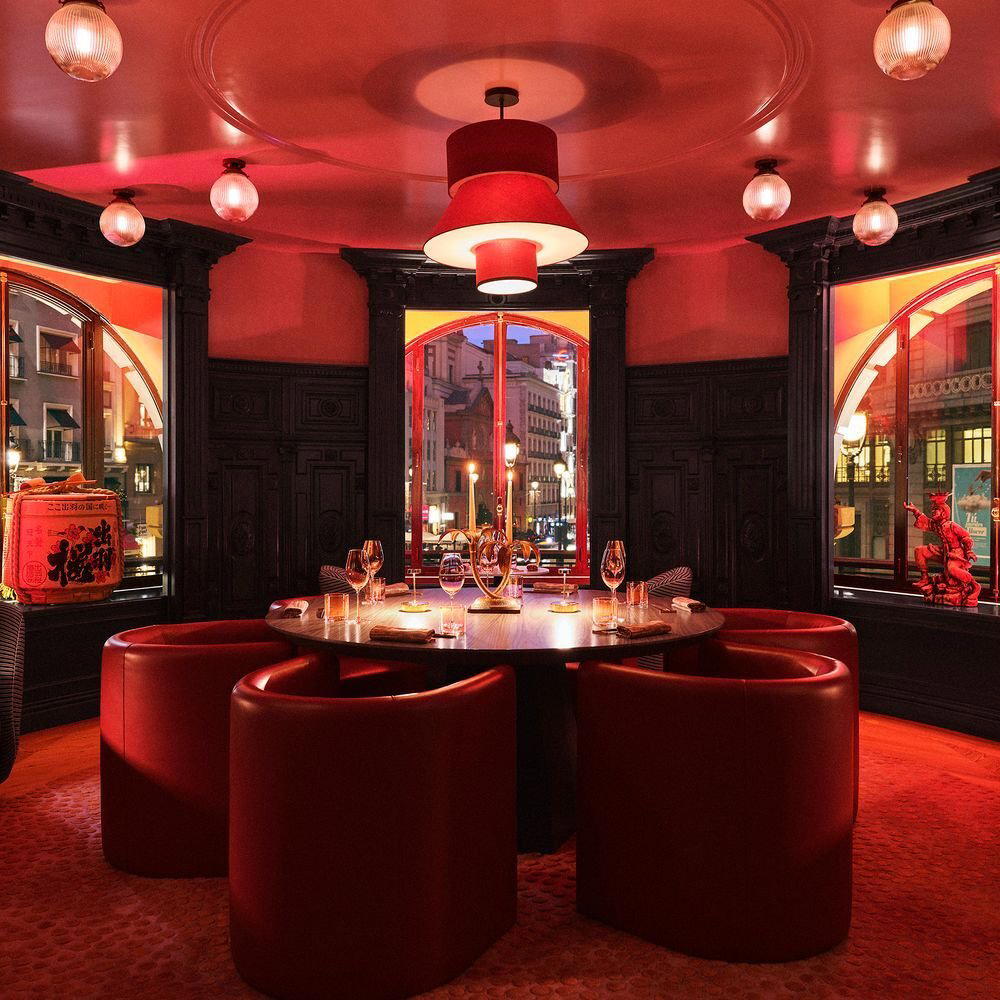
Bright, plant-filled greenhouse aesthetic with colored glass panels casting light patterns, elegant jungle-inspired design with pink and yellow accents, relaxed yet refined atmosphere.