
Niwa Tori sits in Tokyo’s serious chicken-dining tier: yakitori, chicken dishes, and izakaya drinking culture in a compact Gotanda setting. Its 2025 Tabelog 100 selection for chicken cuisine places it among venues where sourcing, butchery, grilling, and sake-pairing habits matter more than ceremony.
Pearl is the En Primeur Club membership app — saves, bookings, and concierge access live there. Same editors, same standards.
- Address
- 2 Chome-18-3 Nishigotanda, Shinagawa City, Tokyo 141-0031, Japan
- Phone
- +81 3-3492-2818
- Website
- ge54400.co.jp
 Saves & bookings on Pearl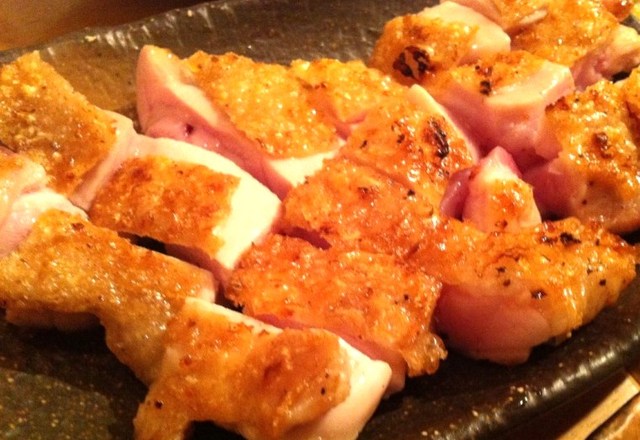
Gotanda’s dining streets work at a lower pitch than Ginza or Roppongi: office workers, regulars, counter seats, and restaurants that earn loyalty through repetition, not spectacle. Here, chicken cookery fits naturally: social enough for a birthday among friends, serious enough for diners who care about grilling, and flexible enough to sit between an izakaya night and a milestone meal.
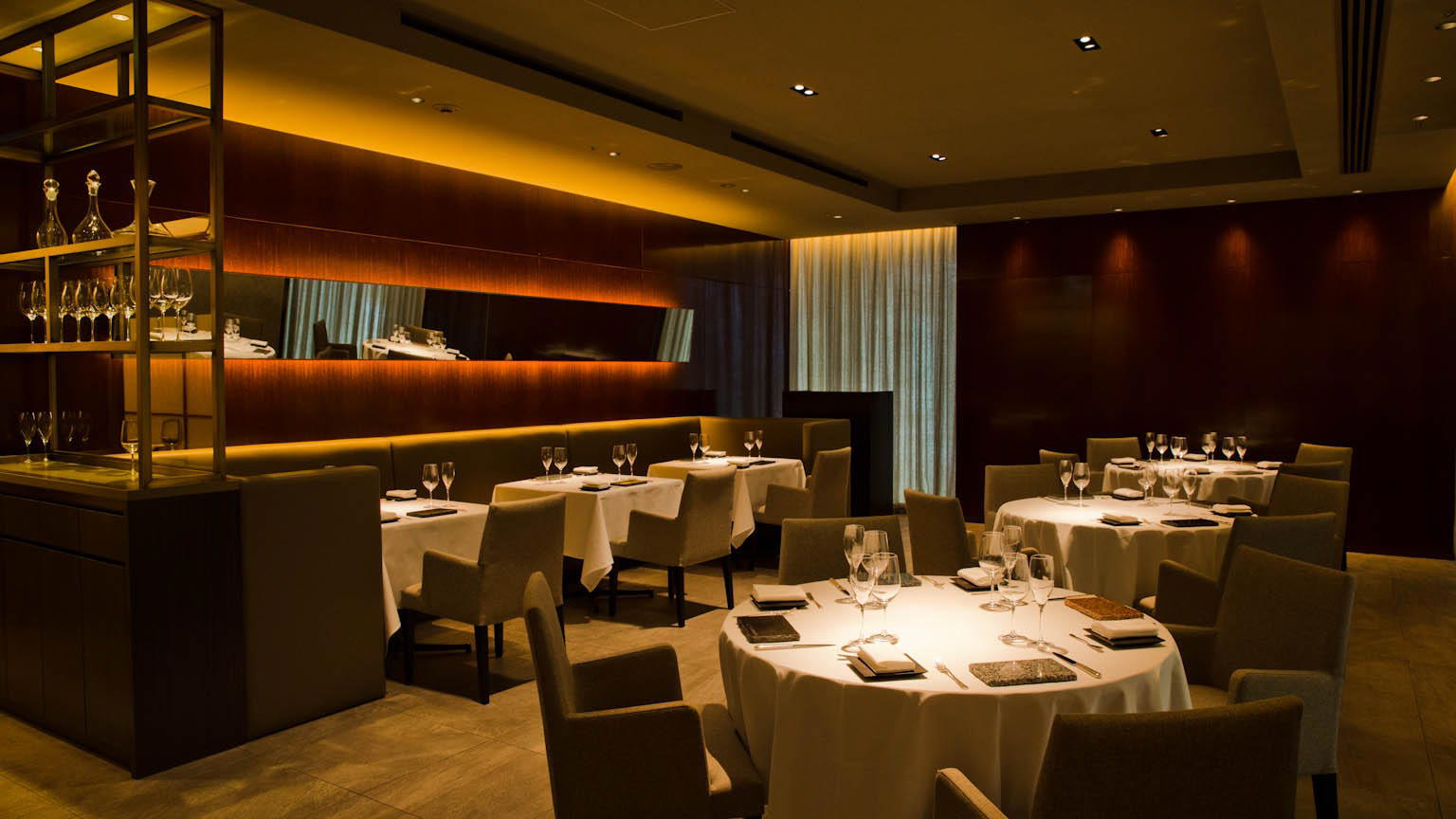
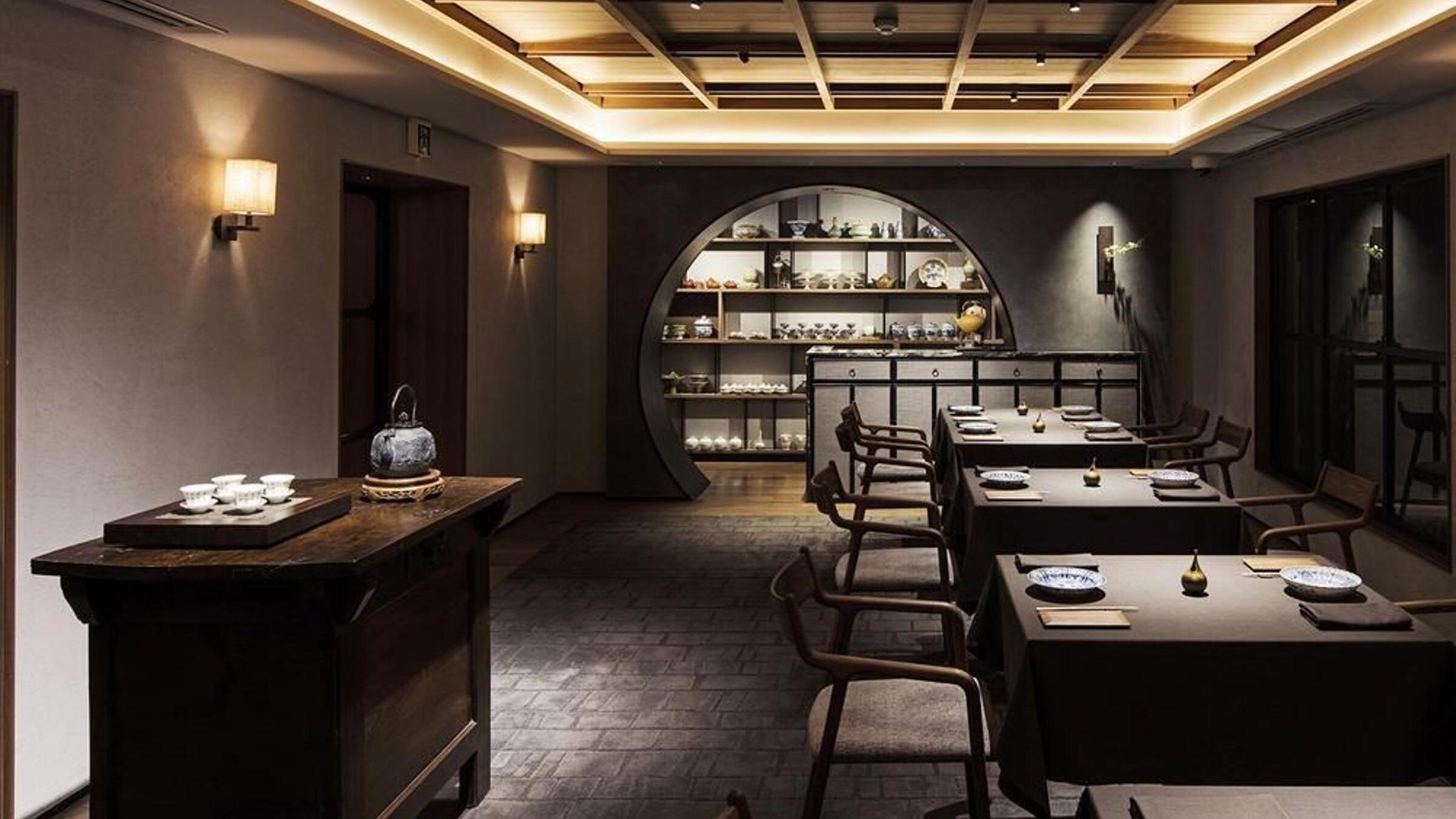
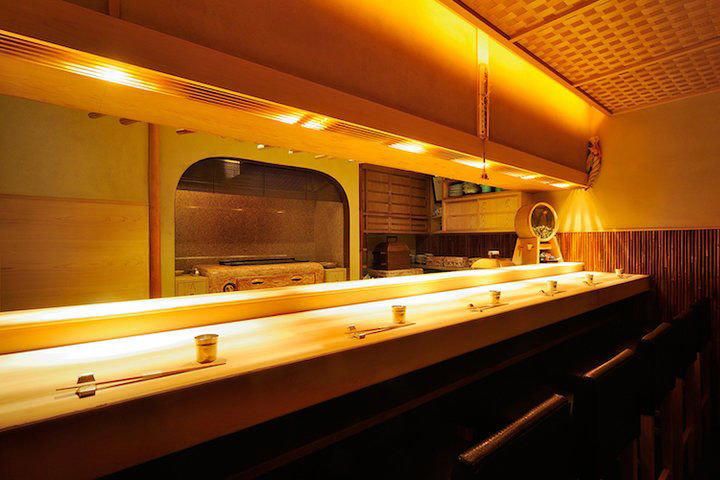
Niwa Tori belongs to a Tokyo category where the occasion is not defined by linen, table spacing, or imported luxury cues, but by focus. The room centers on counter seating and a small number of tables; the cooking centers on chicken dishes and yakitori; and the drinks list follows the format’s grammar: sake, shochu, wine, and the familiar izakaya drinking canon. For celebrations that do not need hotel formality, this is the more persuasive Tokyo register.
Gotanda chicken dining without the ceremony of a luxury counter
Tokyo’s premium restaurant culture often pushes special-occasion meals toward omakase counters, tasting menus, or private-room French and Japanese dining. Chicken restaurants occupy another lane: exacting without becoming solemn, and able to serve courses while keeping the rhythm conversational. That matters for travellers planning a birthday, reunion, or small celebration where the food needs authority but the evening should not feel scripted.
The Tabelog 100 selection for chicken cuisine in 2025 is the relevant trust signal. It places Niwa Tori in a category judged by diners who understand the difference between casual skewers and restaurants built around poultry as a full discipline. Its Tabelog score of 3.62 also reads differently in Japan than a casual star rating elsewhere; on that platform, mid-3 scores can signal sustained local credibility in competitive categories.
The comparison set around Gotanda clarifies the choice. Meat Yazawa Gotanda honten sits in a beef-led lane, ARALIYA LANKA Gotanda honten gives the neighbourhood a casual Sri Lankan option, and Age Fuku operates at a lower spend level. Tori Ryori Fuji prices above Niwa Tori, while TEPPANYAKI SOUTHERN moves the occasion toward higher-priced teppanyaki. The restaurant’s appeal is narrower and cleaner: chicken as the main event, handled through yakitori and broader chicken dishes rather than as one protein among many.
Why this format works for celebrations
A good Tokyo occasion meal does not always need privacy. Counter culture is part of the city’s dining intelligence: it puts technique in view, compresses the room’s energy, and keeps the meal from becoming passive. In chicken restaurants, that proximity is practical. Grilling, doneness, pacing, and drink pairing are central, and the room’s scale keeps attention on the sequence rather than a single showpiece dish.
The restaurant suits adult groups who want structure without stiffness. Its listing for chicken dishes, yakitori, and izakaya-style dining signals a meal moving across grilled items, poultry-focused preparations, and drinks rather than a rigid tasting-menu arc. Sake and shochu matter, too. In Tokyo yakitori culture, alcohol is not decorative; it sets the meal’s tempo and lets the table stretch the evening without turning it into a formal banquet.
The in-house poultry-processing element is part of the category’s seriousness. Tokyo diners reward places that control more of the chain, especially where freshness, cut selection, and cooking point are central. The public caution around chicken allergies and pregnancy is not window dressing; it reflects a restaurant where poultry is the organizing principle and where some preparations may sit closer to Japan’s raw or lightly cooked chicken tradition than overseas visitors expect.
That makes the audience specific. This is not for a mixed group where one guest avoids chicken, or for travellers wanting a broad menu with fallback options. It is better for a small adult table already committed to poultry, charcoal, sake, and the compact pleasure of a Tokyo room that does one category with conviction.
How to place it within a Tokyo dining itinerary
For a first Tokyo trip, the restaurant works better as a neighbourhood-focused dinner than as the itinerary’s single ceremonial booking. The city has louder status symbols, but chicken dining often reveals more about how Tokyo eats after work: precise specialization, modest rooms, and respect for repeatable craft. Gotanda makes sense because it is not a stage set for visitors; it is a working dining district with enough variety to reward targeted choices.
Travellers building a broader food route can read it against other Tokyo options rather than in isolation. 124. KAGURAZAKA (Yakitori) gives another yakitori point of reference, while 12/10 Shinjuku ten, . 鮪と炭火焼き うお炭 秋葉原店, 2D Cafe, and 3 Chome no Curry Ya San show how fragmented Tokyo’s restaurant map becomes beyond one cuisine or neighbourhood.
For planning across the city, use Our full Tokyo restaurants guide alongside Our full Tokyo hotels guide, Our full Tokyo bars guide, Our full Tokyo wineries guide, and Our full Tokyo experiences guide. Japan-side detours such as -Grilled beef Sukiyaki- KAMAKURA TANUKIAN 鎌倉 たぬき庵 in Kamakura.cafe in Osaka.know in Kumamoto, (Shoku) Vietnam in Kawasaki, [Curry Senmon Ten] Maruyama Kyoju. in Sapporo, and [ki:] in Kyoto frame how regional and category-specific the country’s dining can be. For sake-minded travellers outside Japan, Jōdo Saké Bar in Los Angeles and Onigiri Time in Pasadena sit in a different context, useful as diaspora counterpoints rather than true peers.
The editorial verdict is simple: choose the restaurant when the celebration calls for Tokyo specificity rather than theatrical luxury. Its value lies in category focus, adult pacing, and the credibility of a 2025 Tabelog 100 chicken-cuisine selection. For the right table, that is a stronger signal than a room designed to impress at first glance.
A Lean Comparison
Comparable venues at the same tier.
| Venue | Cuisine | Price | Notes |
|---|---|---|---|
| Niwa ToriThis venue — the venue you are viewing | Shinagawa, Yakitori & Chicken Izakaya | $$ | Not listed |
| Wakana Sushi | Not listed | $$ | Higashi Nagasaki, Traditional Japanese Sushi |
| アンディ | Shibuya, Japanese Izakaya Seafood | $$ | Not listed |
| 焼肉あたご 虎ノ門 | Minato, Casual Counter Yakiniku | $$ | Not listed |
| Mikazuki Do | Setagaya, Traditional Japanese Izakaya | $$ | Not listed |
| Tonkatsu Aoki Ginza 8 chome ten | Chūō, Japanese Tonkatsu | $$ | Not listed |
Recognition history
Dated appearances from independent guides and award organizations, with the underlying list record or original source where available.
Tabelog 100 #5 · No. 5
Tabelog · Tabelog 100 - Chicken cuisine - 2025











At a Glance
- Cozy
- Lively
- After Work
- Casual Hangout
- Group Dining
- Date Night
- Late Night
- Open Kitchen
- Standalone
- Sake Program
- Beer Program
- Local Sourcing
Current opening hours
- Monday
- 5–9:30 PM
- Tuesday
- 5–9:30 PM
- Wednesday
- 5–9:30 PM
- Thursday
- 5–9:30 PM
- Friday
- 5–9:30 PM
- Saturday
- 5–9:30 PM
- Sunday
- Closed
Hours can change for holidays and private events. Last verified .