
Men Dokoro Akimoto belongs to Yokohama’s serious ramen circuit rather than the tourist-facing dining strip, with a 15-seat ramen and tsukemen format near Ichigao Station. Tabelog selected it for Ramen EAST in 2023 and Ramen KANAGAWA in 2024 and 2025, placing it among Kanagawa’s more closely watched noodle shops.
Pearl is the En Primeur Club membership app — saves, bookings, and concierge access live there. Same editors, same standards.
- Address
- 神奈川県横浜市青葉区市ヶ尾町1157-1 アネックスショッピングビル 1F
- Phone
- +81459720355
- Website
- tabelog.com
 Saves & bookings on Pearl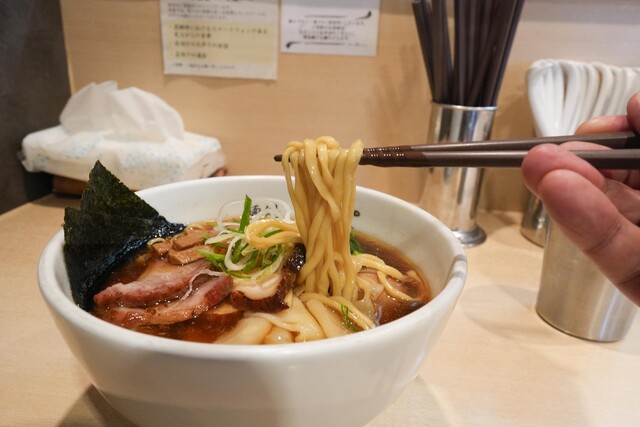
The approach is suburban and practical: a shopping-building frontage in Aoba-ku, a compact room, counter seats, table seats, and the familiar rhythm of a ramen shop built around turnover rather than ceremony. In Yokohama, that matters. The city’s eating culture is often reduced to Chinatown, bayfront hotels, and polished Minato Mirai dining, but its stronger everyday food map runs along rail lines and residential stations, where a short queue can tell more about local taste than a hotel concierge list.
Men Dokoro Akimoto sits in that second Yokohama: not the postcard city, but the commuter city, where ramen and tsukemen shops are judged by repeat customers, pace, and consistency. Its selection for Tabelog Ramen EAST in 2023, followed by Tabelog Ramen KANAGAWA in 2024 and 2025, gives it a measurable place inside a competitive prefectural category. For readers mapping Yokohama beyond the usual waterfront route, it belongs alongside broader local references in Our full Yokohama restaurants guide, with nearby dining contrasts including 1000 (Yakitori (Grilled chicken skewers)), Aichun, Ajowan, and Alpenjiro Honten.
A rail-line ramen shop with serious Kanagawa credentials
Kanagawa ramen is not a single style. Yokohama gave Japan the dense pork-and-soy grammar of ie-kei, while the wider prefecture supports seafood-led bowls, lighter shoyu interpretations, tsukemen specialists, and hybrid shops that do not fit neatly into the tourist shorthand. That breadth makes Tabelog’s Ramen KANAGAWA selection more useful than a generic national list: it filters a deep local field rather than rewarding only the names already known to travellers.
The appeal here is format discipline. Ramen and tsukemen are the stated categories, the room is small, and the experience is organised around a meal-ticket system. That places it in the Japanese noodle-shop tradition where ordering, seating, eating, and leaving have a choreography. It is not brusque; it is efficient. The counter is part of the structure, not a design flourish. A 15-seat shop with seven counter seats and two four-seat tables has limited elasticity, so the meal works well when treated as a focused stop rather than a lingering lunch.
That distinction separates it from Yokohama’s more expansive meals. Aichun and Ajowan point toward other everyday dining traditions, while Anzen Shokudo and city-adjacent casual specialists show how Japanese dining often rewards narrow formats. Men Dokoro Akimoto’s advantage is not breadth; it is the confidence to operate within a category that gives little room for error.
The decision is about timing, not luxury
For premium travellers, ramen planning can feel counterintuitive. There is no tasting-menu runway, no sommelier-led pacing, no hotel-lobby buffer. The value is in choosing the right target and accepting the rules of the format. A shop selected across multiple Tabelog ramen cycles will attract diners who understand the cadence: arrive prepared, order cleanly, move with the room. The low price tier does not make the stop casual in the editorial sense; it makes the margin between expectation and execution sharper.
That is why the booking experience is less about securing a reservation and more about managing a small-room, queue-based meal. The shop’s own routine asks diners to buy a meal ticket before joining the outdoor line, with tickets collected in advance. For visitors accustomed to restaurant reservations, this is the key cultural adjustment. The planning burden shifts from online booking to timing, cash readiness, and reading the shop’s order of operations once on site.
The location also changes how to think about the meal. Ichigao is not where most first-time visitors accidentally end up, so this is a deliberate detour within Yokohama rather than a spontaneous add-on between museums. That detour can be justified if ramen is part of the trip’s serious food agenda. It makes less sense for travellers who want a single central Yokohama meal before returning to Tokyo. For that reader, a broader city plan should come first, whether through Our full Yokohama hotels guide, Our full Yokohama bars guide, Our full Yokohama wineries guide, or Our full Yokohama experiences guide.
Where it fits in a wider Japan food itinerary
Japan rewards category specialists. A traveller can build a sharper itinerary by treating ramen, yakitori, curry, sushi, sake bars, bakeries, and kissaten-style cafés as separate disciplines rather than interchangeable meal slots. In that frame, Men Dokoro Akimoto is a Yokohama ramen marker, not a general-purpose restaurant. Its 2022 opening date also makes it part of a newer generation of shops that have entered the awards conversation quickly, which is often more telling in ramen than long tenure alone.
Comparison should stay category-aware. Yokohama pastry and bakery names such as Un Petit Paquet, NASCHIKATZE, Maeda Pan, and PUISSANCE operate in a different rhythm, even when some price bands overlap. Ukai-tei Azamino belongs to another dining register entirely. The useful comparison is not whether ramen is cheaper or faster; it is whether the meal answers a different need in the day. This is the kind of stop that can sit between a hotel breakfast and a more structured dinner, provided the traveller is willing to leave the central sightseeing corridor.
For readers extending the food map beyond Yokohama, the same specialist logic applies elsewhere: -Grilled beef Sukiyaki- KAMAKURA TANUKIAN 鎌倉 たぬき庵 in Kamakura frames beef through a different regional outing. 鮪と炭火焼き うお炭 秋葉原店 in Tokyo points toward tuna and charcoal cooking.cafe in Osaka and.know in Kumamoto show how café formats vary by city, while (Shoku) Vietnam in Kawasaki, [Curry Senmon Ten] Maruyama Kyoju. in Sapporo, Jōdo Saké Bar in Los Angeles, and Onigiri Time in Pasadena make the same point internationally: narrow formats often carry more information than broad menus.
The editorial call is simple. The restaurant is for travellers who plan meals by category and are comfortable with Japanese ramen-shop mechanics. It is not the easiest Yokohama meal to fold into a conventional sightseeing day, but the repeated Tabelog ramen selections and compact counter-led format make it a credible target for anyone treating Kanagawa noodles as a serious subject.
Cuisine and Credentials
Comparable venues by cuisine and price in the same metro.
| Venue | Cuisine | Price | Notes |
|---|---|---|---|
| Men Dokoro AkimotoThis venue — the venue you are viewing | Ramen & Tsukemen | $ | Not listed |
| Menba Hamatora | Ramen | $ | Kanagawa |
| Ryusei Ken | Japanese Ramen | $ | Minami |
| Menya Sakigakeboshi | Modern Ramen with White Truffle Oil | $ | Naka |
| Tsurumigawa Bashi Motsu Niku Ten | Japanese tachinomi offal bar | $ | Tsurumi |
| Ramen Moriya. | Ramen shop in Yokohama | $ | Sakae |
Recognition history
Dated appearances from independent guides and award organizations, with the underlying list record or original source where available.
Tabelog 100 #82 · No. 82
Tabelog · Tabelog 100 - Ramen - KANAGAWA - 2025
Continue exploring
More in Yokohama
Restaurants in Yokohama
Browse all →
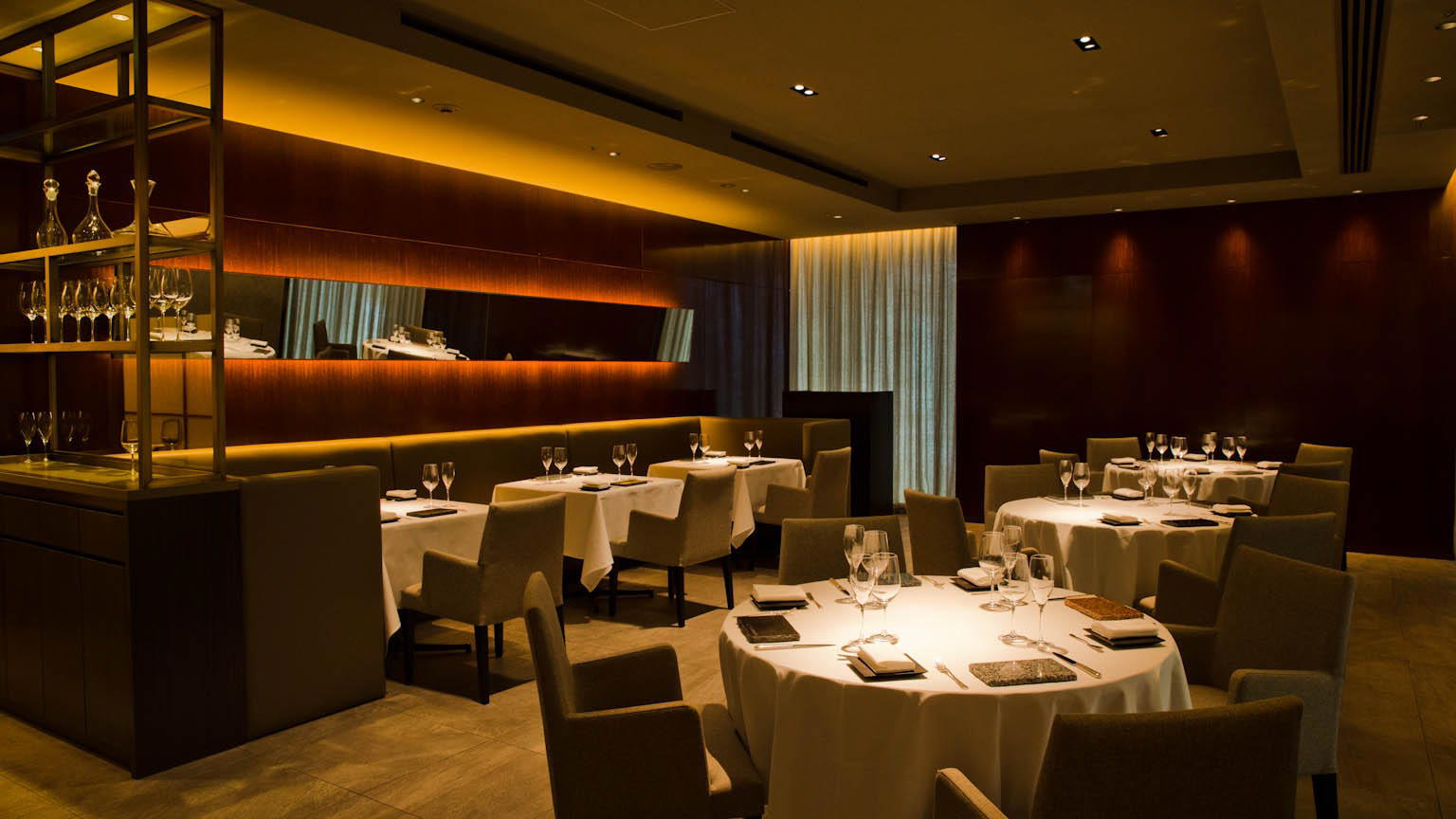
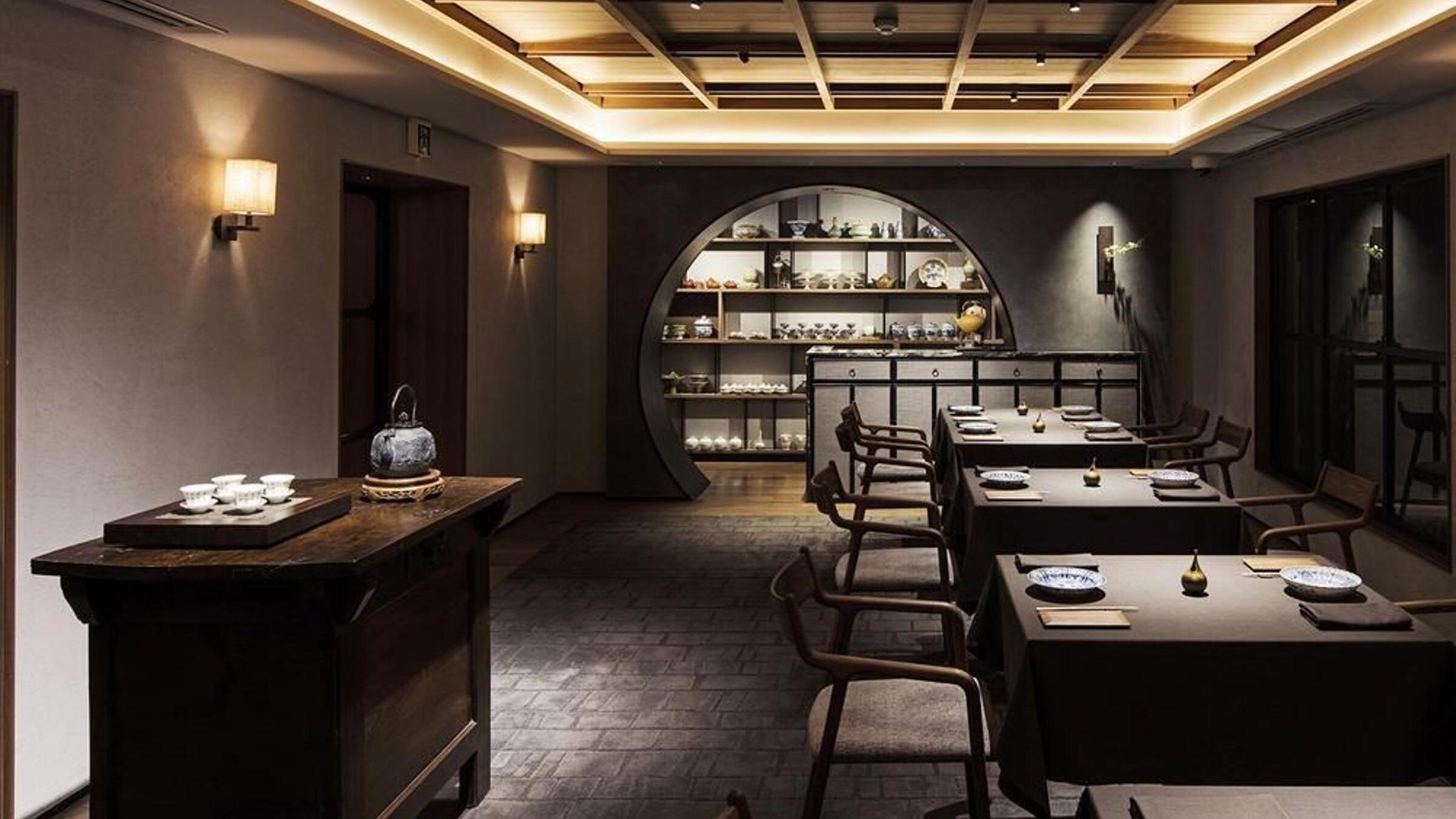


Bars in Yokohama
Browse all →




Hotels in Yokohama
Browse all →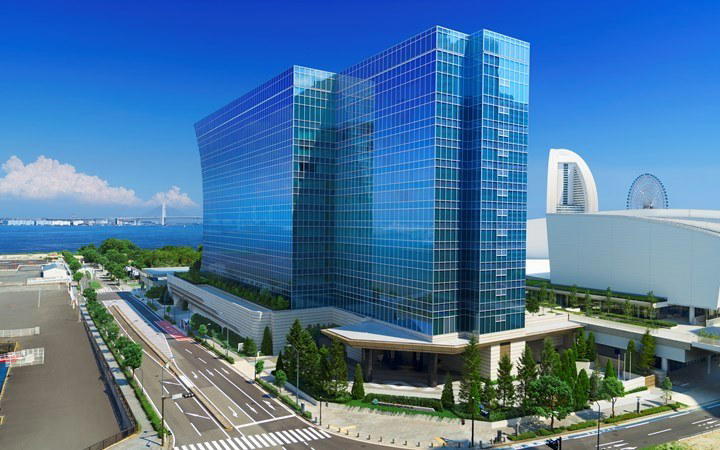


Wineries in Yokohama
Browse all →
At a Glance
- Cozy
- Lively
- Solo
- Family
- Casual Hangout
- After Work
- Late Night
- Standalone
A compact, non-smoking ramen shop with counter-focused seating and simple interiors, creating a bustling yet comfortable atmosphere suited to solo diners and families waiting for a highly ranked bowl.