
Ramen Moriya. belongs to Yokohama’s serious suburban ramen circuit rather than its waterfront dining strip. A Tabelog Ramen KANAGAWA 100 selection for 2025, with earlier Hyakumeiten selections stretching back to 2017, it gives Sakae-ku a destination counter that rewards diners willing to leave the city’s central restaurant corridors.
Pearl is the En Primeur Club membership app — saves, bookings, and concierge access live there. Same editors, same standards.
- Address
- 神奈川県横浜市栄区長沼町339 二本松ハイツ 105
- Phone
- +81453900881
- Website
- tabelog.com
 Saves & bookings on Pearl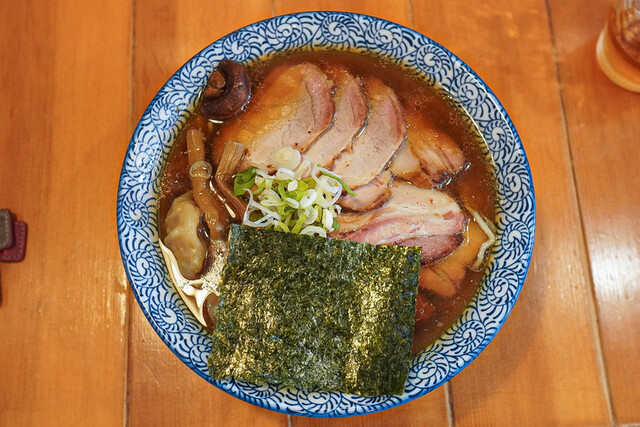
Approaching ramen in outer Yokohama changes the meal’s rhythm. The city’s postcard version is port-facing, Chinese-influenced, and easy to fold into a hotel itinerary; Sakae-ku asks for local attention. Here, ramen sits closer to commuting patterns, residential streets, bus routes, and small-shop loyalty than night-out theatre. That matters: Kanagawa’s strongest bowls often live beyond the places visitors first map.
Ramen Moriya. fits that geography. Its inclusion in the Tabelog Ramen KANAGAWA 100 for 2025 places it among Kanagawa ramen shops with sustained diner recognition, and earlier Hyakumeiten selections from 2017 through 2024 show this is not a single-year spike. In a fast-moving category, repeated selection is a useful signal: the shop has held attention across changing trends, from clear broths and house noodles to richer regional styles.
Sakae-ku ramen, away from Yokohama's obvious dining routes
Yokohama’s ramen identity is often flattened into Iekei’s pork-soy backbone, Chinatown-adjacent noodle culture, and station-area counters. The fuller map is wider. Ramen in Kanagawa is commuter food, neighbourhood ritual, and specialist craft at once, with small rooms competing on consistency rather than spectacle. A suburban address can be a filter, drawing diners who chose the trip rather than wandered in after shopping.
That is the useful read on Ramen Moriya. It is not competing with polished hotel dining or special-occasion Japanese counters. It belongs to the ramen tier where price stays modest, turnover matters, and recognition comes from repeat eating rather than ceremony. In Yokohama terms, it sits closer to the local noodle conversation than the city’s international-facing restaurant image. For a broader read, Our full Yokohama restaurants guide is the right companion, especially when cross-checking casual counters against longer dinners.
The comparison inside Yokohama is instructive. Jikaseimen Kamikaze and Ramen Free Birds sit in a lower listed budget bracket, while Bay & Leaf Yokohama and China Soba Ya Honten occupy the same JPY 1,000 to JPY 1,999 range as Ramen Moriya. That narrow band can still signal different expectations around noodle production, toppings, stock work, and pace. Chinese restaurant KUE, with a far higher listed spend, sits outside that ramen decision; it simply reminds that Yokohama dining can shift from everyday bowls to planned dinners within one regional search.
A compact counter culture with long-tail recognition
The room format is part of the appeal. Nineteen seats, split between counter seating and box seating, keep the experience close to the ramen norm: quick decisions, close sightlines, and a bowl-centred meal. Seven counter seats give solo diners a natural place, while box seating broadens the use case beyond a lone ramen run. That balance suits suburban shops where regulars, pairs, and small groups need to fit without making the room formal.
Award trail is the shop’s strongest external credential. Tabelog’s Hyakumeiten lists are diner-facing rather than luxury-hospitality awards, making them especially relevant for ramen. Selection in the Ramen EAST list from 2017 through 2023, followed by KANAGAWA selections in 2024 and 2025, places the shop in a durable regional conversation. The 2025 listing also gives current-year relevance for travellers using ramen awards as a filter rather than chasing social media queues.
There is no need to over-romanticise the format. The stronger case is practical: a small Yokohama ramen shop with repeated recognition, a 3.82 Tabelog score, and a price tier that keeps it within everyday Japanese dining rather than luxury eating. That combination is why serious ramen travellers allocate time beyond central Tokyo and central Yokohama. The cost of the detour is time, not a tasting-menu bill.
For a food-led day in the area, the contrast with other Yokohama addresses helps. 1000 (Yakitori (Grilled chicken skewers)), Aichun, Ajowan, and Alpenjiro Honten show the breadth of local casual dining: grilled skewers, Chinese cooking, curry, and legacy comfort food sit alongside ramen rather than beneath it. Ramen is not a fallback here; it is one of the city’s serious categories.
Who should make the detour
The right diner is not chasing luxury service or a long written menu. The right diner wants a Kanagawa ramen benchmark with recognition enough to justify the trip and neighbourhood context specific to Yokohama. The restaurant works especially well for solo diners and small groups who know ramen shops reward timing, patience, and tolerance for compact rooms. The non-smoking policy also makes it easier to recommend than older counter formats.
Logistics shape the decision. The nearest rail reference is Hongodai Station, with bus access via Naganuma and a walkable but not casual distance from the station. Parking exists, including spaces behind the restaurant and a nearby second lot, which matters more here than around central stations. Payment remains closer to small-shop Japan than international dining: credit cards and electronic money are not accepted, while PayPay is listed. Treat that as part of the format, not an inconvenience.
A Yokohama itinerary can pair this ramen stop with a broader city read rather than a single-meal chase. Travellers staying overnight can use Our full Yokohama hotels guide, then separate daytime eating from evening drinking through Our full Yokohama bars guide. For wider planning, Our full Yokohama experiences guide and Our full Yokohama wineries guide map the city beyond the bowl.
Its strongest value is as a marker for serious suburban ramen: accessible pricing, small-room discipline, repeated Hyakumeiten recognition, and a location that pulls the diner away from Yokohama’s easy centre. That is enough. The point is not to turn a ramen counter into a grand occasion, but to understand why Kanagawa’s noodle culture cannot be read only from the station districts visitors already know.
For regional context beyond Yokohama, EP Club’s wider Japan and overseas listings show how casual specialists travel across cities: Anzen Shokudo, -Grilled beef Sukiyaki- KAMAKURA TANUKIAN 鎌倉 たぬき庵 in Kamakura. 鮪と炭火焼き うお炭 秋葉原店 in Tokyo.cafe in Osaka.know in Kumamoto, (Shoku) Vietnam in Kawasaki, [Curry Senmon Ten] Maruyama Kyoju. in Sapporo, Jōdo Saké Bar in Los Angeles, and Onigiri Time in Pasadena.
A Lean Comparison
Comparable options at the same price tier.
| Venue | Cuisine | Price | Notes |
|---|---|---|---|
| Ramen Moriya. | Sakae, Ramen shop in Yokohama | $ | Not listed |
| Curry Senmon Ten KEN | Aoba, Japanese Curry | $ | Not listed |
| Kawa no Saki no Ue | Kōnan, Japanese Ramen | $ | Not listed |
| Ryusei Ken | Minami, Japanese Ramen | $ | Not listed |
| Menya Sakigakeboshi | Not listed | $ | Naka, Modern Ramen with White Truffle Oil |
| Shirakawa Teuchi Chuka Soba Kosuga | Not listed | $ | Aoba, Traditional Shirakawa-style handmade ramen |
Recognition history
Dated appearances from independent guides and award organizations, with the underlying list record or original source where available.
Tabelog 100 #10 · No. 10
Tabelog · Tabelog 100 - Ramen - KANAGAWA - 2025










At a Glance
- Cozy
- Lively
- Solo
- Casual Hangout
- After Work
- Group Dining
- Standalone
- Sake Program
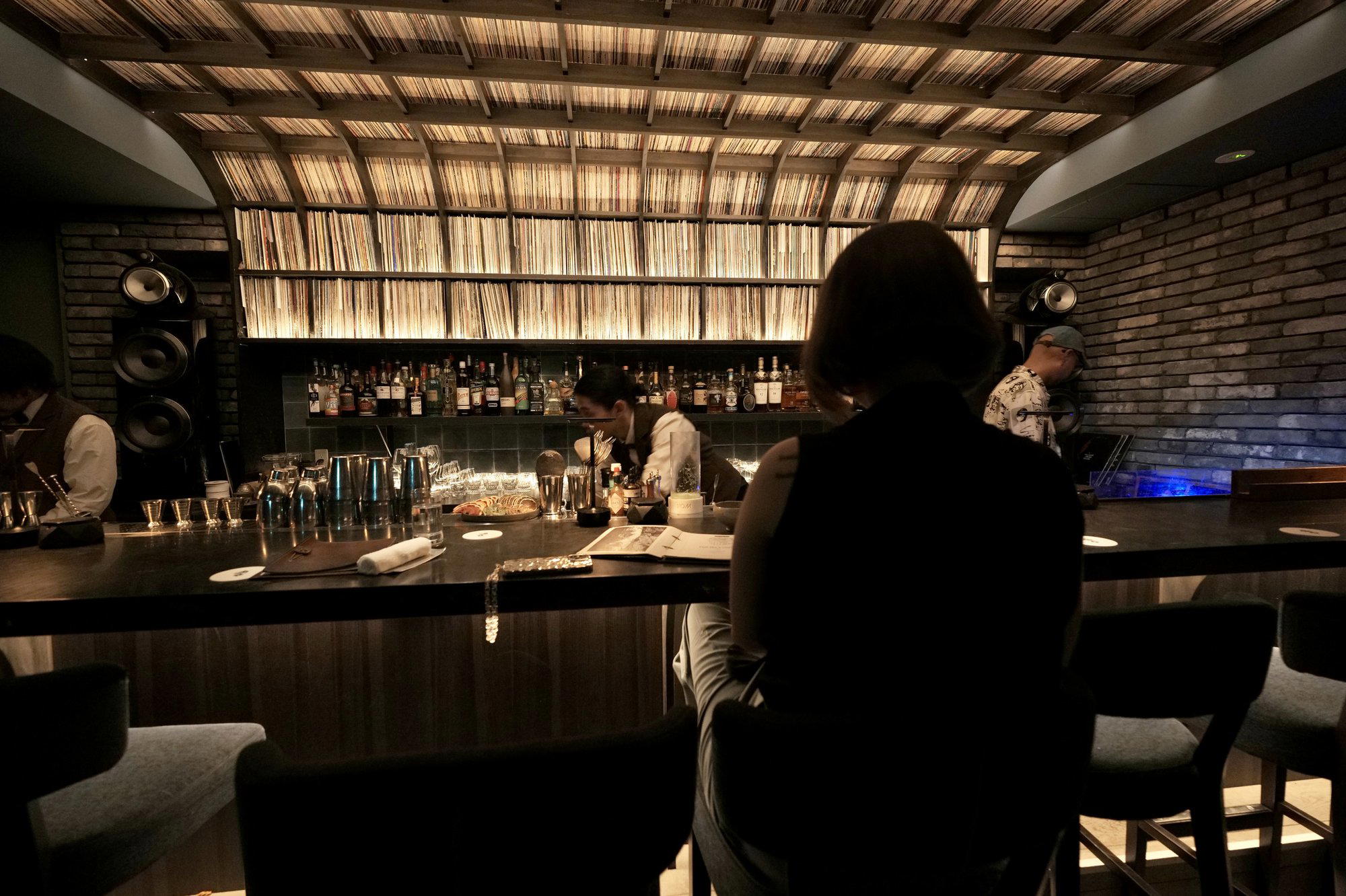
A compact, non‑smoking neighborhood ramen shop with counter and box seating, simple decor, and a relaxed, cozy atmosphere suited to solo diners and small groups rather than formal occasions.