
Tabelog 100 #44
Our verdict
MEI occupies a quiet address in Nagoya's Nishi Ward, drawing a loyal clientele who return not for novelty but for the kind of consistency that takes years to build. Set within the Nagano district, the restaurant sits in a city that has long maintained its own culinary identity, separate from the loudness of Tokyo and the heritage weight of Kyoto. For travellers with time to look beyond the obvious, MEI represents that category of place regulars rarely discuss in public.

Pearl is the En Primeur Club membership app, where members save venues, book tables and use the concierge.
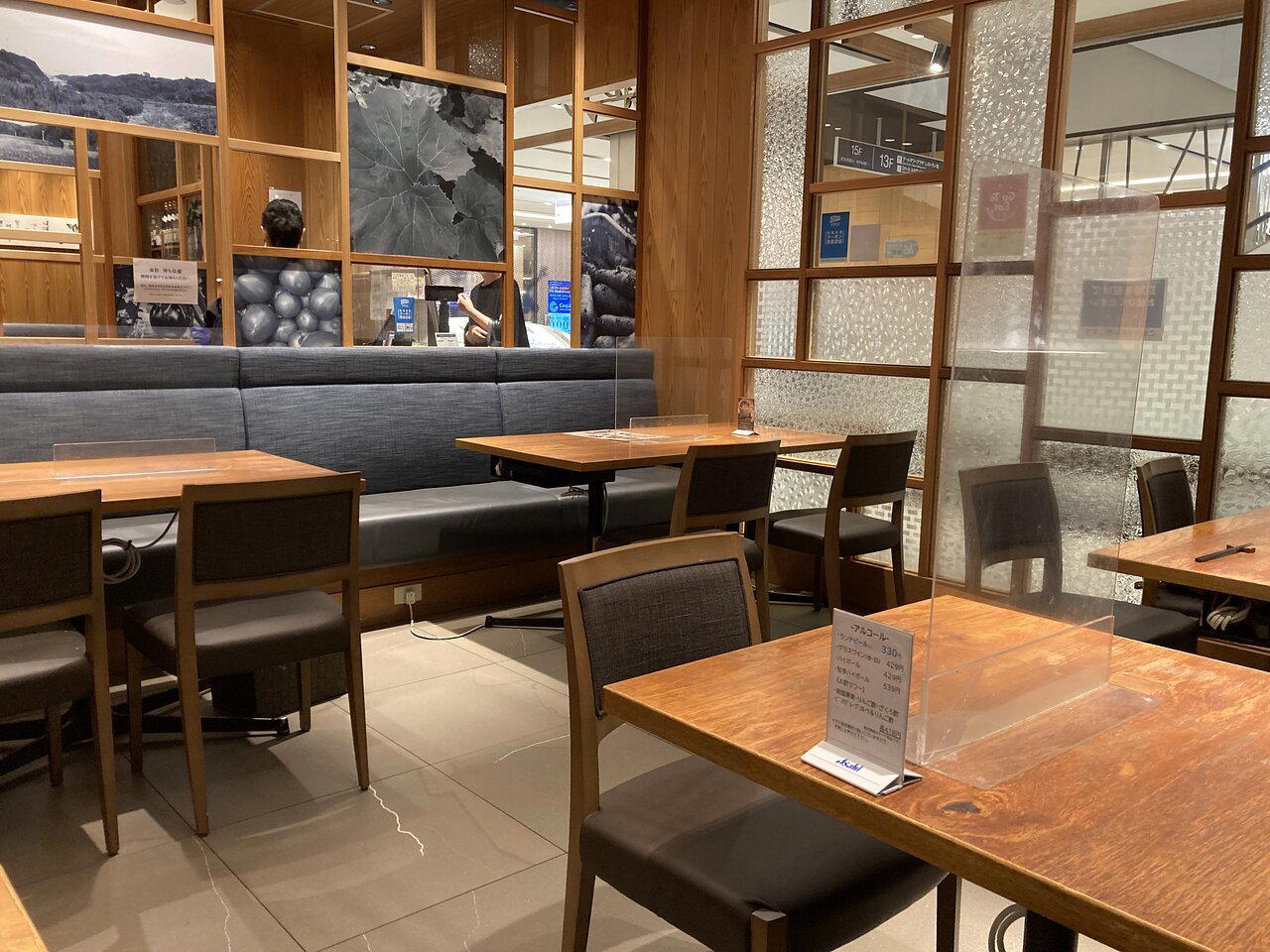
A Street in Nishi Ward That Regulars Know by Heart
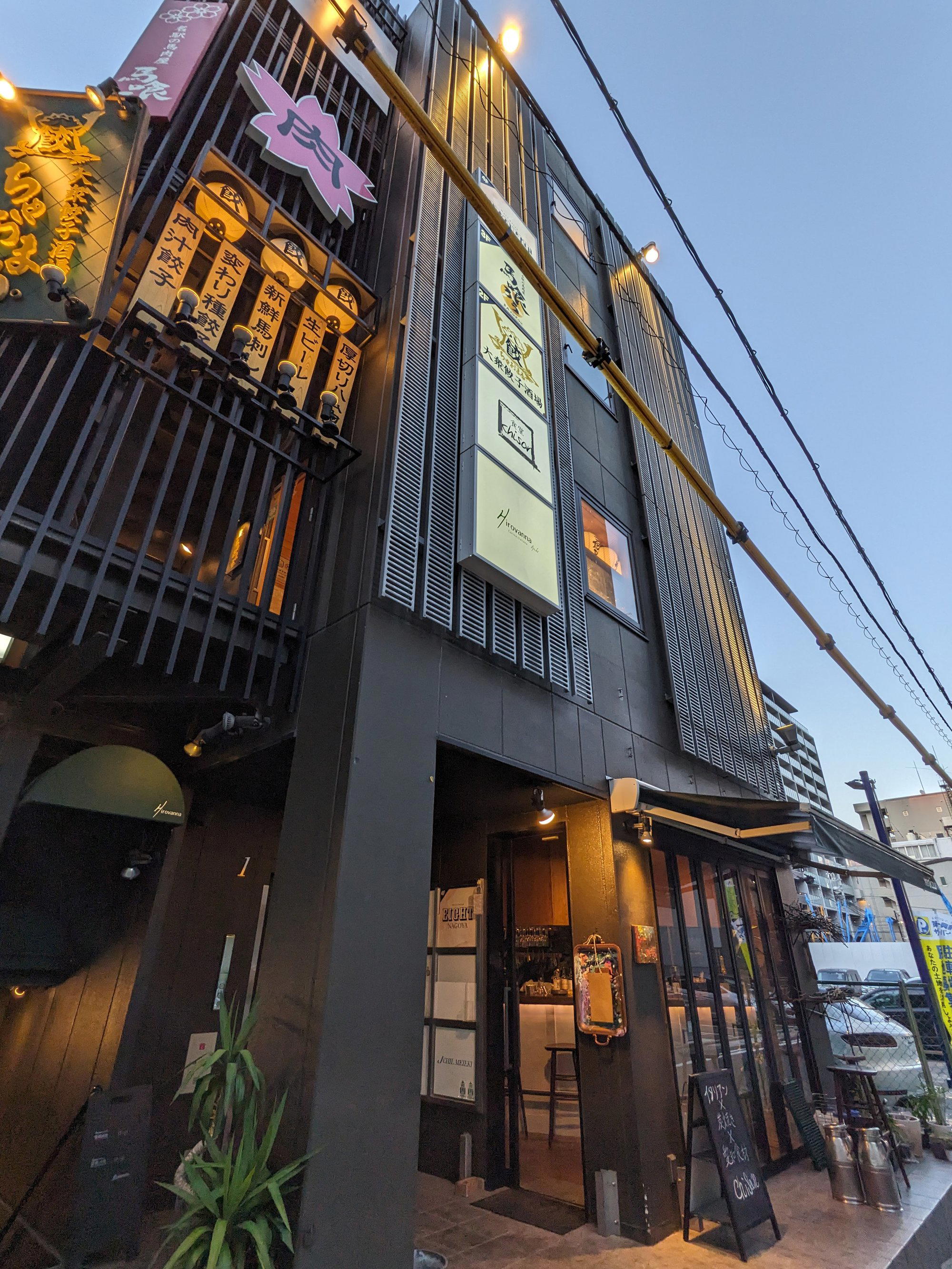
Nagoya's dining scene has always operated on its own terms. The city sits between Tokyo and Osaka geographically but refuses to be defined by either, maintaining a local food culture built around miso katsu, kishimen, and hitsumabushi that visitors often discover only after assuming the city is a transit stop. Within that context, the Nagano district in Nishi Ward holds a particular character: quieter than the Sakae entertainment core, less trafficked than the stations, and home to the kind of address that survives on repeat business rather than foot traffic. MEI sits here, at 1-23-2 Nagano, and the location itself signals something about who it is built for.
The walk to MEI from central Nagoya is the first editorial fact the city offers. You are not arriving at a venue positioned for visibility. The Nishi Ward address places it away from the reflex dining corridors that first-time visitors follow, which is precisely the condition that produces a loyal, local-facing clientele. In cities across Japan, from the residential pockets of Fukuoka where Goh in Fukuoka operates, to the precision-driven counter culture of Harutaka in Tokyo, the restaurants that endure longest are often the ones that did not compete for passing attention.
What the Regulars Come Back For
The clearest signal of a restaurant's actual quality is not its awards shelf but the composition of its dining room on a Tuesday. At venues like MEI, where database records do not surface a Michelin star or a 50 Best placement, the question of what sustains a returning clientele becomes the more interesting editorial problem. Nagoya has enough competition across every price tier, from the deeply traditional kaiseki of its older establishments to the Italian-inflected kitchens like cucina Wada and the Franco-Italian registers of Bacio, that a restaurant in a residential ward survives only if it earns the kind of trust that is harder to manufacture than a review.
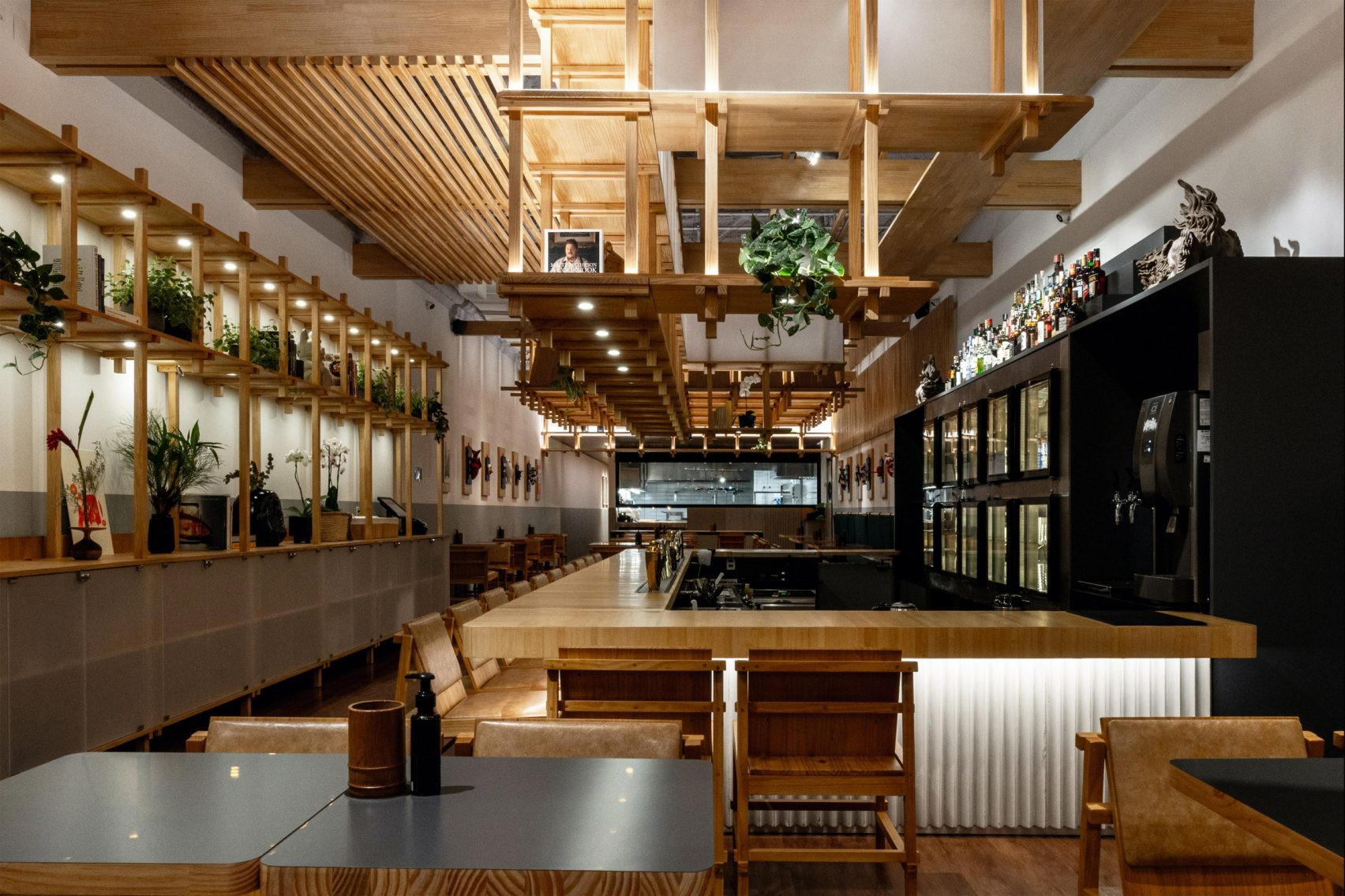
Across Japan's mid-tier and neighbourhood dining category, the pattern that retains regulars is usually some combination of cooking that doesn't chase trends, pricing that rewards loyalty, and a room that doesn't perform for strangers. This is the structural opposite of the destination-dining model typified by something like HAJIME in Osaka or the technically maximalist approach of Atomix in New York City, where the theatre of the meal is part of the offering. The regulars at a Nishi Ward address are not looking for theatre. They are looking for a table that feels like it was saved for them.
Nagoya as a Dining City: The Context MEI Sits Within
Understanding MEI requires understanding what Nagoya does well that Tokyo and Kyoto do not. The city has a manufacturing-economy backbone that produces a dining culture with different priorities: less performative than Osaka, less reverence-heavy than Kyoto's kaiseki tradition as practiced at places like Gion Sasaki in Kyoto, and more pragmatic in its relationship between quality and value. The local speciality canon, from the dark-miso base of miso katsu to the cold-noodle discipline of kishimen, reflects a region that eats seriously without requiring occasion.
That context shapes what Nishi Ward restaurants can be. They do not need to compete with the Michelin-certified drama of the Sakae dining strip or the tourist-facing certainty of Atsuta Horaiken (あつた蓬莱軒 本店), one of the city's most documented hitsumabushi institutions. Instead, they operate in a register that Nagoya's working dining culture understands and supports. Across the broader Chubu and Kansai corridor, this model repeats: the restaurants in akordu in Nara or in quieter prefectural cities like 一本木 糸川製 in Nanao share the same structural logic, trading visibility for depth of relationship with their regulars.
How MEI Fits the Broader Picture of Japanese Neighbourhood Dining
Japan's restaurant culture at the neighbourhood level is not well documented in international media, which tends to concentrate coverage on starred venues, omakase counters, and the kind of spectacle legible to a global audience. The gap between that coverage and the actual experience of eating well in Japanese cities is significant. A venue like MEI, with an address in Nishi Ward and a clientele that does not announce itself, belongs to the large and genuinely serious tier of Japanese restaurants that operate below the awards radar without operating below the quality threshold that awards are supposed to measure.
Comparison is useful here. In Fukuoka's residential neighbourhoods, in the quieter corners of Sapporo as documented through venues like 夕佳亭山乃 in Sapporo, and in the lake-district cooking of 湖鱗廚房 in Takashima, the pattern is consistent: restaurants with no searchable Michelin history and no international press profile sustaining a clientele through cooking quality and the social contract of the regular table. This is not obscurity as a marketing position. It is the actual shape of how most serious Japanese dining operates.
Nagoya's Italian-influenced restaurants add another layer of complexity to the city's self-image. The presence of Cucina Italiana Gallura (Sushi) and the French register of Chez Kobe signal a city that absorbs international culinary languages without abandoning its local base. MEI exists in that same city, shaped by the same appetite for range. The full picture of Nagoya's restaurant offer is covered in our full Nagoya restaurants guide.
Planning a Visit: What You Should Know
Venues at this address type in Nishi Ward are not structured around drop-in tourism, which means planning a visit requires more lead time than a city-centre restaurant with an online booking portal. The same preparation applies when visiting technically serious but logistics-opaque venues elsewhere in Japan, such as Birdland in Sakai or 庭羽屋 in Nishikawa Machi. For comparison on how precision-focused Western dining rooms handle the same booking discipline, the contrast with Le Bernardin in New York City is instructive: access and preparation are always proportional to what the room offers.
Frequently asked questions
What part of town is MEI in?
MEI is located at Japan, 〒451-0042 Aichi, Nagoya, Nishi Ward, Nagono, 1 Chome−23−2 2階, Nagoya.
Is MEI in Nagoya suitable for solo diners?
Japan's neighbourhood restaurant culture in cities like Nagoya has a long tradition of welcoming solo diners, particularly at counter-format venues common to Nishi Ward. MEI's address on Nagano 1-chome places it within a residential-commercial pocket of the city where single-seat dining is a routine rather than an exception.
What should I order at MEI?
The most reliable approach is to follow the house recommendation on arrival, a standard practice at neighbourhood venues across Nagoya's Nishi Ward where menus shift with season and supply.
How far ahead should I plan for MEI?
No booking details are publicly confirmed for MEI. For neighbourhood restaurants of this profile in Nagoya, arriving with a same-day contact strategy works better than assuming an online reservation system. Visiting the Nagano address in Nishi Ward directly, or asking your hotel concierge to call ahead, remains the most practical route.
What makes MEI worth seeking out?
MEI sits in Nagoya's Nishi Ward, a part of the city that international dining coverage largely ignores in favour of Sakae or the station district. That geographic obscurity is precisely what preserves the room's composition: the dining room runs on repeat local custom rather than tourist footfall, which in Nagoya's restaurant culture is a meaningful distinction.
Can MEI adjust for dietary needs?
At Japanese neighbourhood restaurants in Aichi prefecture, dietary requests are best communicated at the time of booking or on arrival rather than assumed in advance. If specific requirements are non-negotiable, contacting the venue directly before visiting is the appropriate step.
Where It Fits
Comparable venues nearby, for context on price, style, and recognition.
| Venue | Cuisine | Price | Awards | Notes |
|---|---|---|---|---|
| MEIThis venue (the venue you are viewing) | japanese | $200–300 | Tabelog 100 #44 | Not listed |
| coffee house KAKO Hanaguruma honten | Traditional Nagoya kissaten & coffeehouse | $10–20 | Tabelog 100 | Nakamura |
| Udon Nishiki | Nagoya curry udon & wheat noodles counter | $10–20 | Tabelog 100 #64 | Naka |
| Kurokawa Yuuan Tei | Japanese (washoku) restaurant | Not listed | Tabelog 100 #81 | Kita |
| Nakamura So | Traditional Takayama ramen (chuka soba) | Not listed | Tabelog 100 #1 | Naka |
| Mensou Nanaya | Creative Ramen & Tsukemen | $10–20 | Tabelog 100 #63 | Not listed |
Recognition history
Dated appearances from independent guides and award organizations, with the underlying list record or original source where available.
Tabelog 100 #44 · No. 44
Tabelog · Tabelog 100 - Italian - EAST - 2025


Continue exploring
More in Nagoya
Restaurants in Nagoya
All restaurants in Nagoya →
Details
- Elegant
- Intimate
- Sophisticated
- Date Night
- Special Occasion
Current opening hours
- Monday
- 6:30–11 PM
- Tuesday
- 6:30–11 PM
- Wednesday
- 6:30–11 PM
- Thursday
- 6:30–11 PM
- Friday
- 6:30–11 PM
- Saturday
- 6:30–11 PM
- Sunday
- 6:30–11 PM
Hours can change for holidays and private events. Hours as of .
loyal local dining room atmosphere