
Kurokawa Yuuan Tei puts Nagoya’s everyday shokudo tradition in a sharper frame: fish-led Japanese cooking, izakaya-adjacent drinking, and a modest neighbourhood setting in Kita Ward rather than the city-centre dining circuit. Its Tabelog 100 Diner selections in 2024 and 2026 make it a useful address for understanding how serious casual restaurants in Japan are judged beyond luxury formats.
Pearl is the En Primeur Club membership app — saves, bookings, and concierge access live there. Same editors, same standards.
- Address
- 4 Chome-15-1 Shimizu, Kita Ward, Nagoya, Aichi 462-0844, Japan
- Phone
- +81 52-908-3508
- Website
- instagram.com
 Saves & bookings on Pearl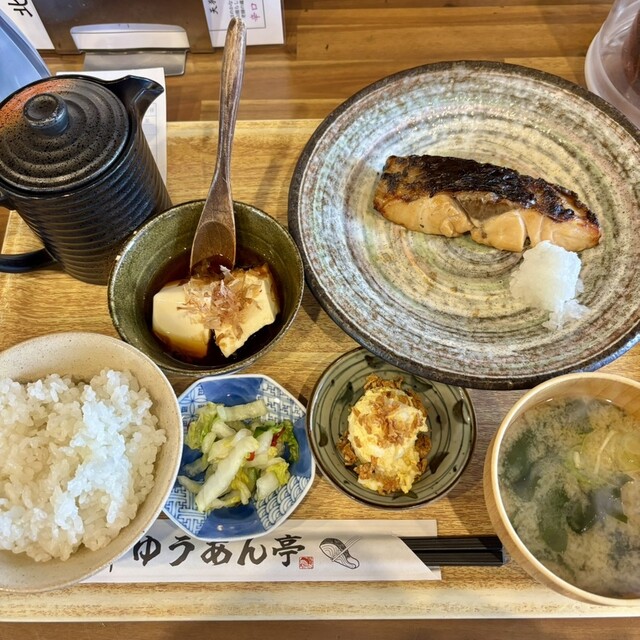
Approaching Shimizu in Kita Ward, the mood is residential, not theatrical: low-rise streets, local movement, and dining built around repeat use rather than spectacle. Nagoya’s casual Japanese restaurants are often read through miso-katsu, hitsumabushi, and station-area commerce, but the city also has a quieter shokudo layer where fish, rice, sake, shochu, and counter seating do the work without ceremony. Kurokawa Yuuan Tei belongs to that layer. Its value is not grandeur but the house-restaurant category, which in Japan usually means smaller domestic scale and a neighbourhood relationship before the guidebook crowd arrives.
The useful comparison is not luxury kaiseki or omakase, but serious everyday dining rooms that turn modest formats into disciplined meals. In Nagoya, Curry Udon Shachinoya occupies curry udon, Mitsumura works a similar mid-priced everyday bracket, China Sichuan Kinsui En points to regional Chinese cooking, and Tsukesoba Jinguji sits in the city’s noodle conversation. Kurokawa Yuuan Tei differs because its spread crosses cafeteria, Japanese cuisine, and izakaya, with fish as a defining focus. That places it closer to the Japanese idea of a reliable neighbourhood table than to a single-dish destination.
Fish-led shokudo dining, without the luxury theatre
Japan’s shokudo tradition rewards restraint. It is not about long tasting menus or chef-led performance, but range, balance, and the confidence to make lunch and dinner equally legitimate. Casual can still be exacting. The evidence is unusually clear for this price band: Kurokawa Yuuan Tei was selected for Tabelog 100 - Diner - 2026 and appeared in the 2024 selection history, with a Tabelog score of 3.62. For a 23-seat restaurant in a non-tourist-heavy pocket of Nagoya, that recognition signals consistency more than gloss.
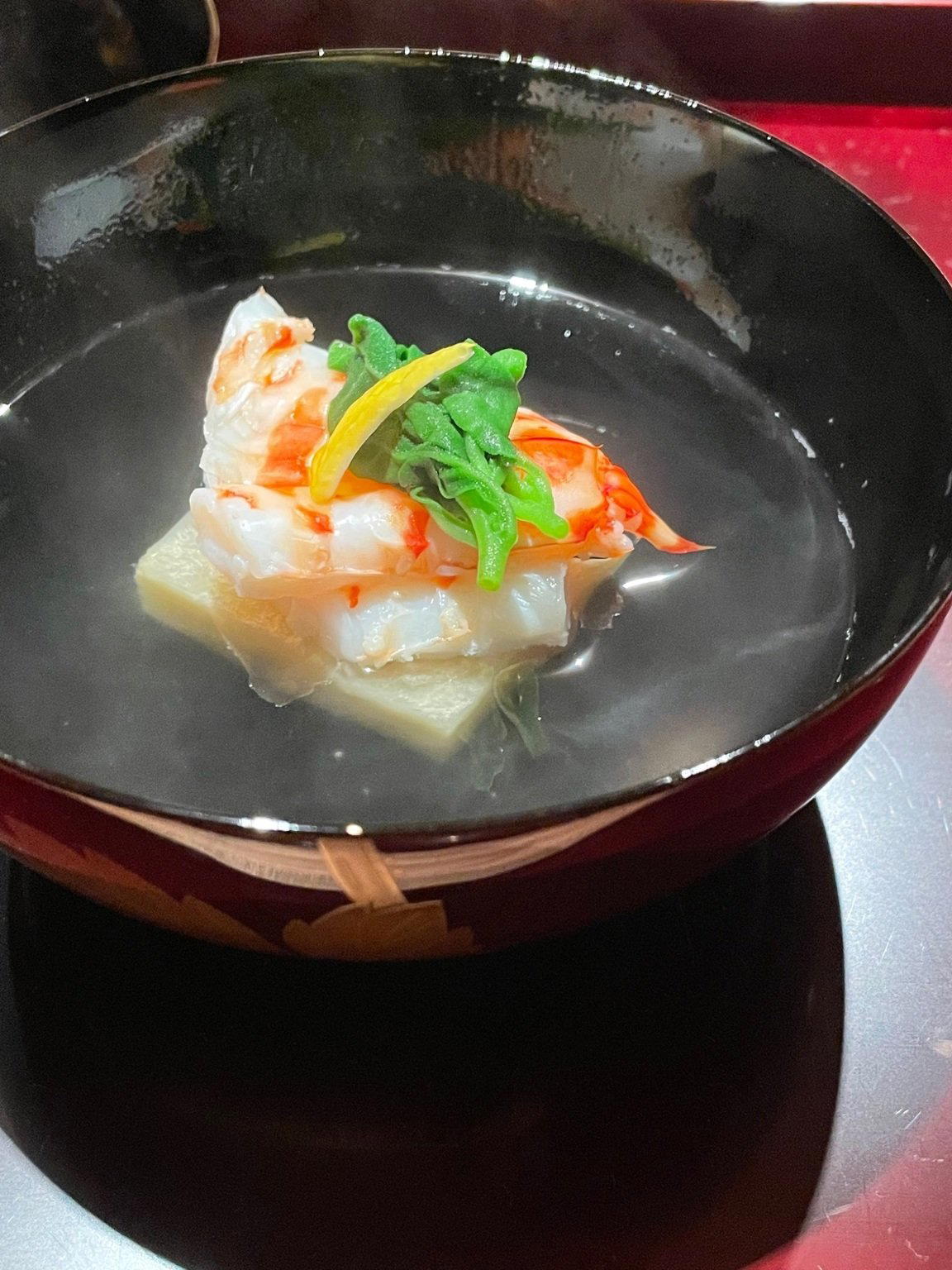
The food identity is compact but telling. “Particular about fish” is the key phrase, and it changes the room’s reading. Fish-led casual Japanese dining has a different rhythm from ramen, curry, tonkatsu, or izakaya snacking: it depends on sourcing, preparation, and making a meal feel complete without heavy sauces or spectacle. Sake and shochu are listed as the drinks, reinforcing the izakaya-adjacent side without making it bar-first. The point is not a named signature dish, but category discipline: a small Japanese dining room treating fish as the anchor of everyday cooking.
That restraint suits Nagoya. The city’s better casual dining is practical, local, and quietly competitive, without needing Tokyo’s vocabulary of scarcity or Kyoto’s inherited formality. This belongs to the middle ground travellers often skip: restaurants residents use repeatedly, yet national dining platforms notice. For wider context, Our full Nagoya restaurants guide frames the city, while nearby indexed Nagoya entries such as 1022, 451, Aaron, Alan., and All Day Dining Montmartre show how varied its restaurant indexing has become.
Kita Ward gives the meal its frame
Location does real editorial work here. Kita Ward is not the Nagoya Station corridor, Sakae’s shopping-and-nightlife core, or the polished hotel dining sphere. Near Kurokawa Station, the approach is local and functional. The listed transport note puts it seven minutes on foot from Kurokawa subway station: close enough for a planned meal, far enough from obvious dining routes to filter casual tourism. That explains the tone: small scale, counter seating, family-friendly use, and solo dining suitability, all pointing to ordinary occasions handled carefully.
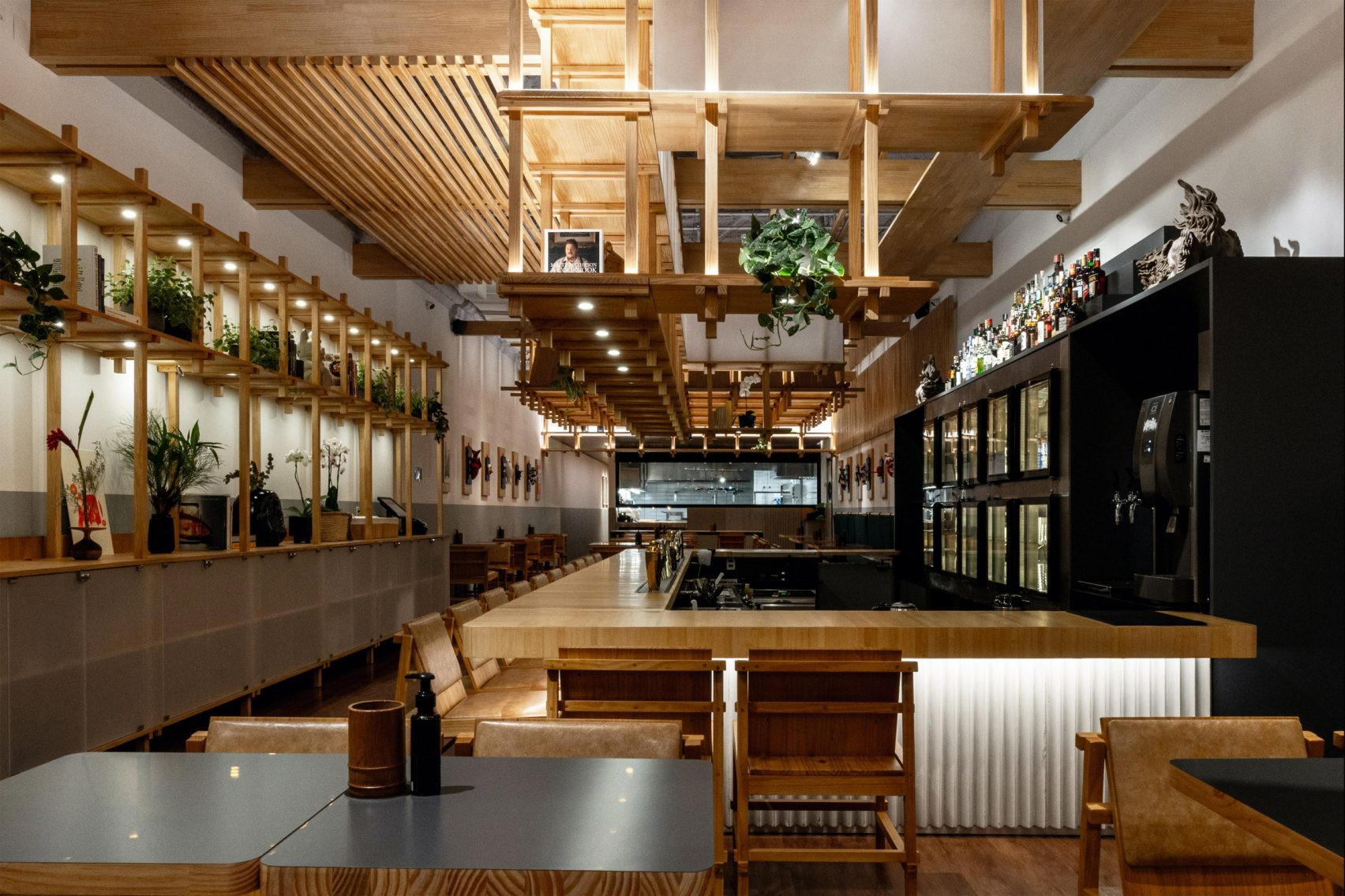
The house-restaurant setting and 23-seat capacity matter. Small Japanese restaurants are judged by how well they manage pace and comfort in limited space. Counter seating gives solo diners a legitimate place, while the family-friendly listing, including preschool and school-age children, makes it more flexible than many compact counters. Private rooms and private use are not part of the format, so the experience is communal rather than secluded. Non-smoking status makes it easier to recommend for travellers wanting a casual Japanese meal without the lingering bar-room conditions still found in some older izakaya settings.
Within Nagoya’s casual tier, Curry Udon Shachinoya and Tsukesoba Jinguji are easier to read as single-category specialists. Mitsumura shares a similar budget bracket, while China Sichuan Kinsui En occupies a different cuisine lane at comparable casual prices. The restaurant is less about one headline food than the shokudo-izakaya overlap: fish, Japanese cooking, alcohol compatibility, and repeatable meals. That makes it stronger for readers wanting neighbourhood dining rather than a city cliché.
How to read it within a Nagoya itinerary
This address works better in a neighbourhood-led plan than as a trophy stop. Nagoya rewards travellers who split the city by function: station-area convenience, Sakae for shopping and late movement, and residential wards for restaurants that reveal daily life. The restaurant fits the last category. Its recognition gives credibility, but the experience should be approached through local Japanese dining-room grammar: compact scale, fish focus, sake and shochu, and a price band for repeatable eating rather than occasion dining.
For a broader itinerary, pair the restaurant search with other city verticals rather than isolating dinner. Our full Nagoya hotels guide helps with area choice, Our full Nagoya bars guide is useful after a casual dinner, and Our full Nagoya experiences guide gives context beyond restaurants. Wine-focused readers can scan Our full Nagoya wineries guide, though this restaurant’s drinks identity is Japanese rather than cellar-led.
Travellers building a Japan-wide casual dining map can compare regional everyday formats through other EP Club entries: -Grilled beef Sukiyaki- KAMAKURA TANUKIAN 鎌倉 たぬき庵 in Kamakura. 鮪と炭火焼き うお炭 秋葉原店 in Tokyo.cafe in Osaka.know in Kumamoto, (Shoku) Vietnam in Kawasaki, and [Curry Senmon Ten] Maruyama Kyoju. in Sapporo. Outside Japan, Jōdo Saké Bar in Los Angeles and Onigiri Time in Pasadena show how Japanese drinking and everyday food formats translate abroad. The Nagoya address is most persuasive because it does not need translation: a small local dining room whose national recognition sits on daily utility.
A Lean Comparison
Comparable venues in the metro at similar price points.
| Venue | Cuisine | Price | Notes |
|---|---|---|---|
| Kurokawa Yuuan TeiThis venue — the venue you are viewing | Not listed | $ | Not listed |
| Kanmiya Sawada Shoten | Naka, Japanese Kakigori & Sweets Café | $ | Not listed |
| Yanagibashi Wa nico | Not listed | $ | Nakamura, Niboshi-focused Ramen Shop with Morning Ramen |
| BUCYO COFFEE | Not listed | $ | Nakamura, Nagoya kissaten café with Ogura toast |
| Tonkatsu Shokubo Atsumaru | Moriyama, Tonkatsu | $ | Not listed |
| O Dashi to Ginshari Chuka Soba Nito | Not listed | $ | Nakamura, Ramen & chuka soba near Nagoya Station |
Recognition history
Dated appearances from independent guides and award organizations, with the underlying list record or original source where available.
Tabelog 100 #81 · No. 81
Tabelog · Tabelog 100 - Diner - 2026
Continue exploring
More in Nagoya
Restaurants in Nagoya
Browse all →
At a Glance
- Standalone
Current opening hours
- Monday
- 11 AM–2:30 PM, 5:30–9:30 PM
- Tuesday
- Closed
- Wednesday
- 11 AM–2:30 PM, 5:30–9:30 PM
- Thursday
- 11 AM–2:30 PM, 5:30–9:30 PM
- Friday
- 11 AM–2:30 PM, 5:30–9:30 PM
- Saturday
- 11 AM–2:30 PM, 5:30–9:30 PM
- Sunday
- 11 AM–2:30 PM, 5:30–9:30 PM
Hours can change for holidays and private events. Last verified .