
Mensou Nanaya places Toyota’s ramen culture inside Aichi’s broader noodle conversation: ramen, tsukemen, and Taiwanese mixed noodles share the frame rather than sitting as separate specialist lanes. Its selection for Tabelog 100 - Ramen - AICHI - 2025 gives the shop a clear regional credential, while the format remains grounded in the everyday rhythm of a local counter-and-table ramen room.
Pearl is the En Primeur Club membership app — saves, bookings, and concierge access live there. Same editors, same standards.
- Address
- 2 Chome-21-1 Matsugaecho, Toyota, Aichi 471-0865, Japan
- Phone
- +81 565-42-2567
- Website
- mensoh778.blog122.fc2.com
 Saves & bookings on Pearl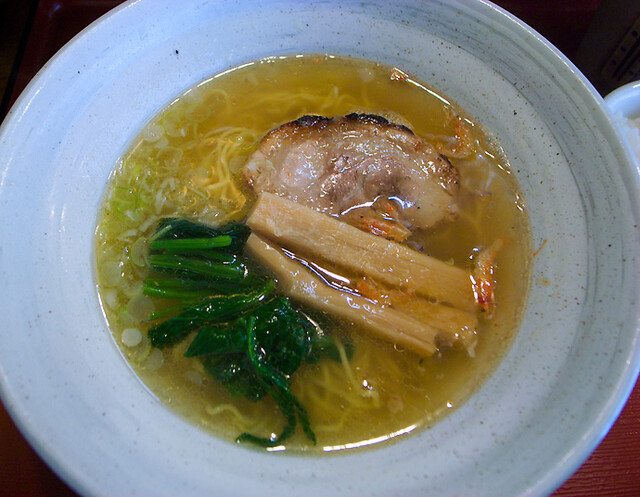
Approach the ramen shops of Aichi and the first cue is rarely ceremony. The grammar is practical: steam at the doorway, ticket-machine speed in some rooms, counter seats for solo diners, tables for families, and a menu built to move people through without flattening choice. Mensou Nanaya belongs to that culture of efficient seriousness. The point is not luxury, but architecture: ramen, tsukemen, and Taiwanese mixed noodles sit together, showing how Aichi noodle shops often treat broth, dipping formats, and dry-spiced bowls as related branches rather than rival identities.
That matters in the Nagoya orbit because the region has its own appetite for hybrid noodle thinking. Taiwan ramen, Taiwan mazesoba, miso-driven bowls, and dipping noodles all make sense here in a way they may not in a stricter Tokyo ramen taxonomy. A shop that can carry multiple formats without reading as scattered says something about local demand: diners expect speed and price discipline, but they also expect the menu to let mood decide whether the meal should be soup-led, concentrated, or mixed at the bowl.
Aichi ramen seen through broth, dipping noodles, and mixed bowls
The menu architecture is the story. Ramen gives the meal its classic frame: a hot bowl, broth as structure, noodles as tempo. Tsukemen shifts the balance toward concentration, with dipping noodles asking for a different relationship between sauce, noodle texture, and pacing. Taiwanese mixed noodles add another Aichi-adjacent register, one that values seasoning, aroma, and the act of mixing as much as broth depth. Mensou Nanaya’s inclusion across these categories places it in a regional lineage where the diner is not forced into a single definition of ramen.
Recognition from Tabelog 100 - Ramen - AICHI - 2025 gives that format a measurable signal. Tabelog’s Hyakumeiten lists are not Michelin-style star systems; they function more like category maps, pointing to shops with sustained attention inside a specific prefectural field. For a ramen room outside central Nagoya’s tourist core, that distinction matters because it places the shop within Aichi’s competitive ramen conversation rather than merely within a neighborhood lunch rotation.
Comparison helps clarify the lane. Menya Akinosora and Ramen Aigoya sit in the same low-price ramen economy, while Kondo Meshinosuke and Bebe operate in the slightly higher everyday range. Those names are useful not as a hierarchy, but as price-context markers: Aichi ramen remains a category where serious craft can live at a modest spend. Mensou Nanaya fits that democratic end of Japanese dining, where the critical question is not how expensive the meal becomes, but how much intent the kitchen can put into a compact format.
The room suits solo eating, family meals, and quick judgment
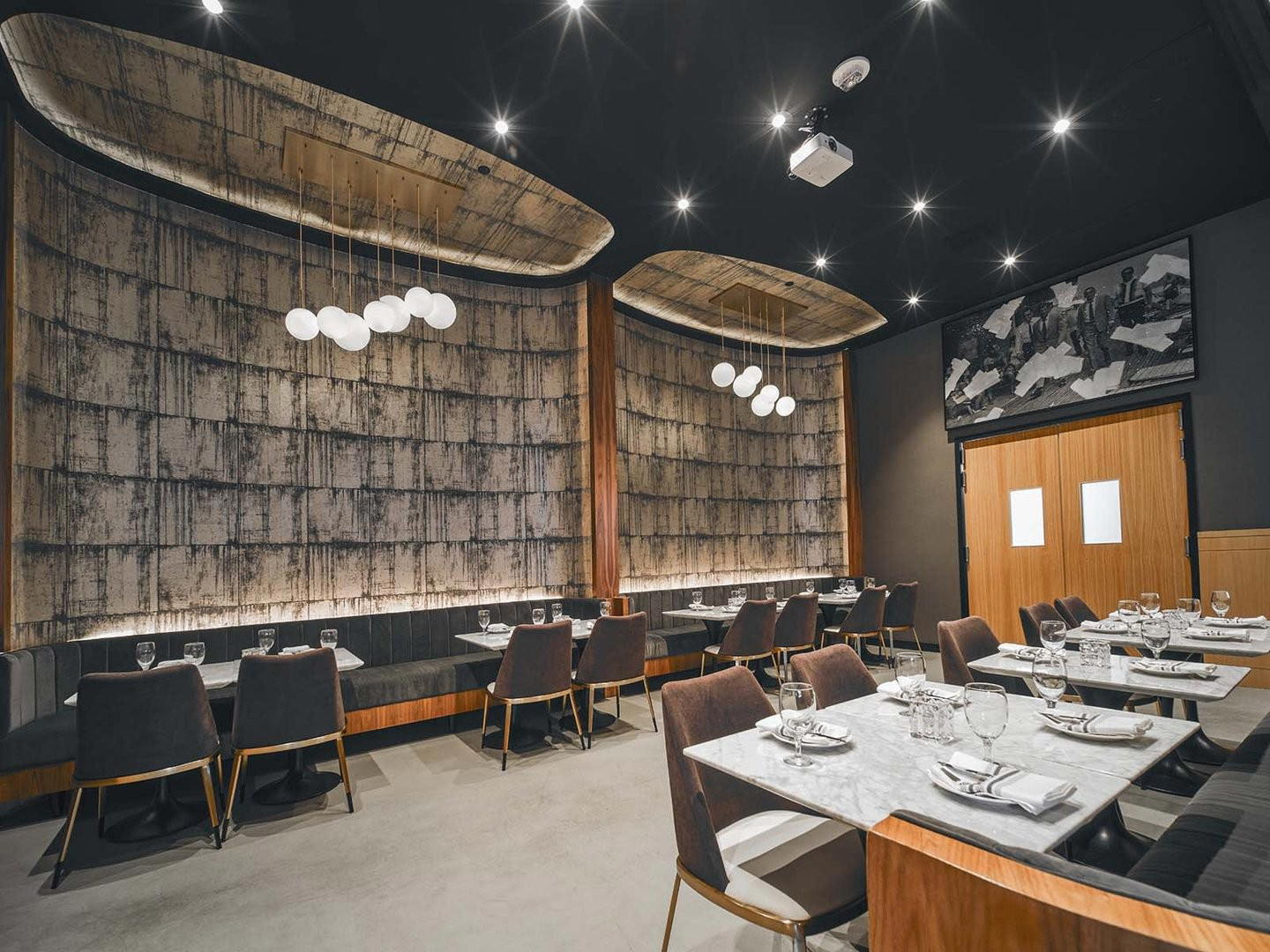
Ramen evaluation happens fast. A diner knows within minutes whether the shop has balance, whether the menu is coherent, whether the room can handle its own popularity. Here, the public-facing format points toward flexibility rather than theatre: counter seating for solitary meals, wider seating for groups, non-smoking policy, and a family-friendly setup that includes a children’s ramen option. Those details are not cosmetic. They tell a reader that the shop serves a local rhythm, not only the destination diner chasing an award list.
That local rhythm is part of the appeal for travelers willing to look beyond station-adjacent dining. Toyota, within Aichi Prefecture and tied to the Nagoya metropolitan orbit, has a different food tempo from Sakae or Meieki. The city’s dining rooms often serve residents first: commuters, families, drivers, and regulars who judge a bowl by repeatability. In that environment, a ramen shop with Tabelog 100 recognition has to work on two levels, satisfying the daily diner while carrying enough distinction to be noticed across the prefecture.
The smart reading is to treat the restaurant as a lens on Aichi’s noodle breadth rather than a single-dish pilgrimage. Ramen purists may focus on the soup bowls; diners interested in regional crossover should pay attention to the presence of Taiwanese mixed noodles; texture-driven eaters will understand why tsukemen remains a separate decision. The value of the shop lies in that choice structure: three formats, one local ramen grammar, and enough recognition to justify the detour for diners already exploring Nagoya’s wider food map.
How to place it in a Nagoya dining itinerary
For EP Club readers, the decision is practical. This is not the same kind of meal as a formal sushi counter, hotel dining room, or cocktail-led night out. It is a focused ramen stop, better understood as a daytime or early-evening anchor around Toyota than as a late-night Nagoya add-on. The award credential gives confidence; the menu range gives flexibility; the low-price ramen category keeps the commitment modest. In a city region where serious eating often hides inside everyday formats, that combination is the argument.
Build the rest of the itinerary by contrast. For broader city planning, start with Our full Nagoya restaurants guide, then match the meal with Our full Nagoya hotels guide, Our full Nagoya bars guide, Our full Nagoya wineries guide, and Our full Nagoya experiences guide. Nearby restaurant research can also run through 1022, 451, Aaron, Alan., and All Day Dining Montmartre.
For readers comparing casual Japanese formats beyond Aichi, the useful references are category rather than geography: beef sukiyaki at -Grilled beef Sukiyaki- KAMAKURA TANUKIAN 鎌倉 たぬき庵 in Kamakura, tuna and charcoal cooking at. 鮪と炭火焼き うお炭 秋葉原店 in Tokyo, café dining at.cafe in Osaka, regional dining at.know in Kumamoto, Vietnamese cooking at (Shoku) Vietnam in Kawasaki, curry specialization at [Curry Senmon Ten] Maruyama Kyoju. in Sapporo, sake-bar context at Jōdo Saké Bar in Los Angeles, and rice-ball specialization at Onigiri Time in Pasadena. Seen that way, the restaurant belongs to a wider Japanese pattern: narrow formats, casual rooms, and menus that reveal more than their price suggests.
Local
Comparable venues by category and price.
| Venue | Cuisine | Price | Notes |
|---|---|---|---|
| Mensou NanayaThis venue — the venue you are viewing | Creative Ramen & Tsukemen | $ | Not listed |
| Nakamura So | Traditional Takayama ramen (chuka soba) | $ | Naka |
| Chuka Soba Ueda Seimen Ten | Japanese Ramen | $ | Naka |
| Joshin Ya | Classic Nagoya Ramen Shop | $ | Nakamura |
| Ramen mellow | Ramen shop | $ | Midori |
| Atsuta Miso Ramen Buriyu | Japanese Ramen | $ | Atsuta |
Recognition history
Dated appearances from independent guides and award organizations, with the underlying list record or original source where available.
Tabelog 100 #63 · No. 63
Tabelog · Tabelog 100 - Ramen - AICHI - 2025
Continue exploring
More in Nagoya
Restaurants in Nagoya
Browse all →
At a Glance
- Lively
- Cozy
- Solo
- Casual Hangout
- After Work
- Standalone
- Local Sourcing
Current opening hours
- Monday
- Closed
- Tuesday
- 11 AM–2 PM, 6–8:30 PM
- Wednesday
- 11 AM–2 PM, 6–8:30 PM
- Thursday
- 11 AM–2 PM, 6–8:30 PM
- Friday
- 11 AM–2 PM, 6–8:30 PM
- Saturday
- 11 AM–2 PM, 6–8:30 PM
- Sunday
- 11 AM–2 PM, 6–8 PM
Hours can change for holidays and private events. Last verified .
Casual, compact neighborhood ramen shop with a relaxed, slightly offbeat feel that reflects the owner’s playful, experimental approach to noodle dishes.