
A Kyobashi yakitori address with Tabelog 100 Yakitori EAST recognition in 2023, 2024 and 2025, Isehiro Kyobashi honten belongs to Tokyo’s formal chicken-skewer tradition rather than the casual after-work grill-bar lane. Its drinks frame is broad for the category, with sake, shochu and wine listed alongside a full-course yakitori format.
Pearl is the En Primeur Club membership app — saves, bookings, and concierge access live there. Same editors, same standards.
- Address
- 1 Chome-4-9 Kyobashi, Chuo City, Tokyo 104-0031, Japan
- Phone
- +81 3-3281-5864
- Website
- isehiro.co.jp
 Saves & bookings on Pearl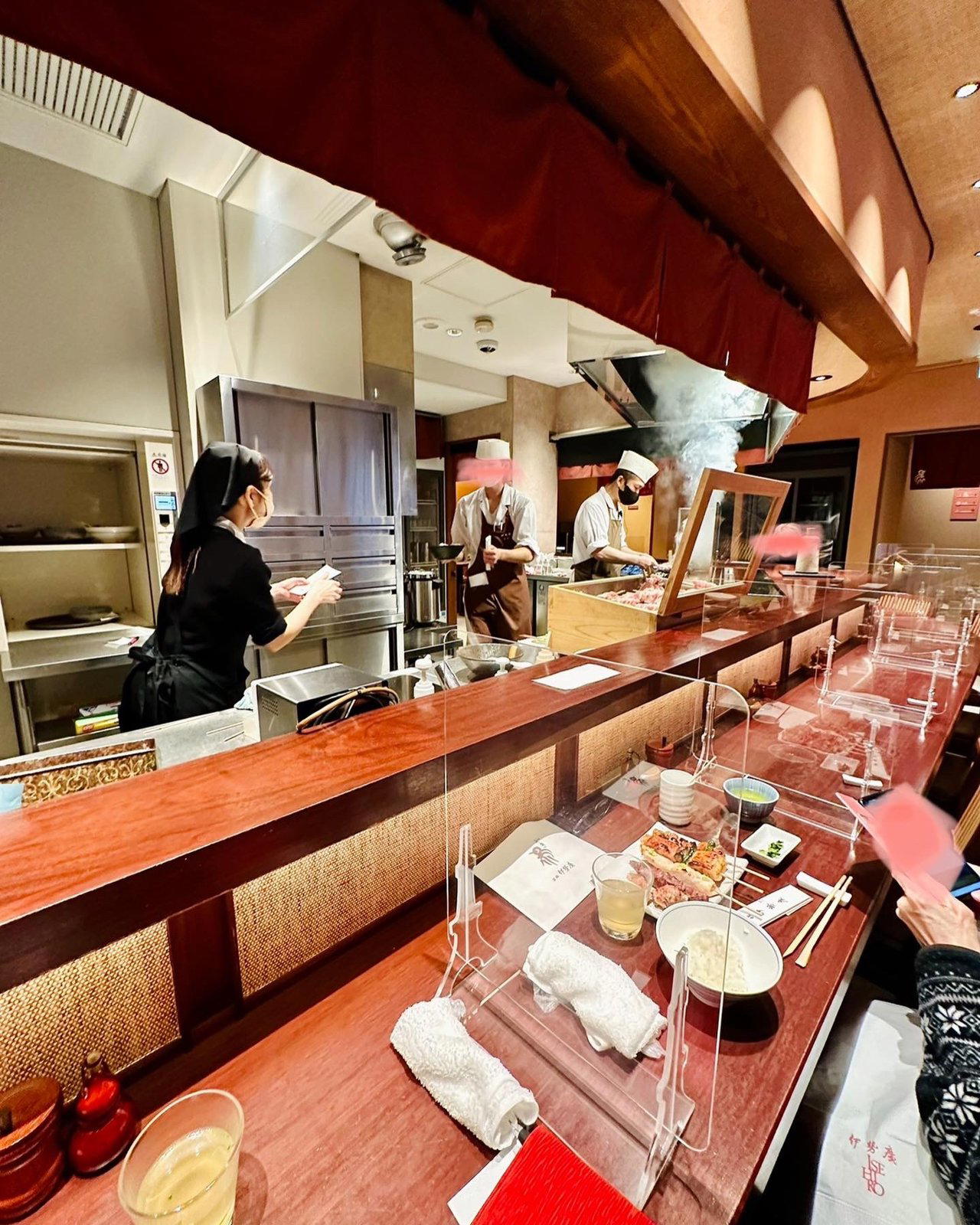
Kyobashi moves differently from Tokyo’s neon-heavy dining districts. Around office blocks and station exits, older business-dining habits remain visible: polished rooms, set lunches, private conversations and restaurants built for repeat use, not spectacle. Here, yakitori is less a quick skewer stop than a structured Japanese meal, with charcoal, chicken cuts and pacing as the evening’s grammar.
Isehiro Kyobashi honten sits at the formal end of the category. The useful signal is classification, not hype: selected for Tabelog 100 Yakitori EAST in 2023, 2024 and 2025, with a Tabelog score of 3.69. In a city where yakitori runs from smoky rail-track counters to chef-led tasting formats, that places it in the serious Tokyo conversation without confusing it with sushi-style theatre or French-leaning dégustation dining.
Yakitori as a full-course meal, not a skewer crawl
Tokyo yakitori has two identities. One is democratic: beer, smoke, rapid orders, a room turning as fast as the grill allows. The other is codified, where chicken dishes, Japanese cuisine and grilled skewers form a sequence, not a scatter of snacks. This address belongs to the second camp. Its listing describes a traditional yakitori full course, changing how the meal should be read: not as a hunt for one famous item, but as a progression through texture, seasoning and grill timing.
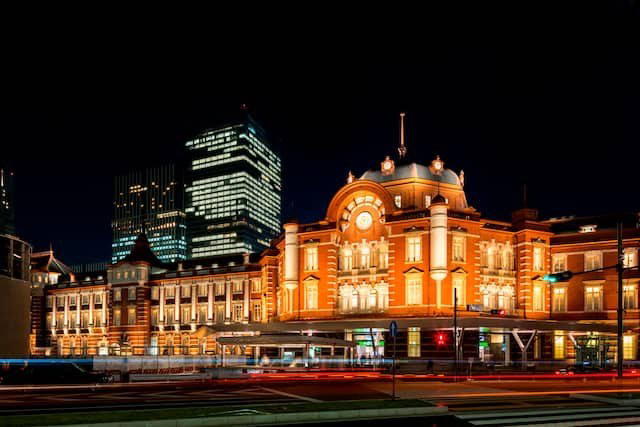
That distinction helps travellers place Kyobashi against nearby dining zones. Yaesu and Tokyo Station skew practical and international, with addresses such as ERICK SOUTH Yaesu ten serving a lower-priced, quick-turn lane of the neighbourhood. Ginza and Nihonbashi often push meals into ceremony and expense. Kyobashi sits between those poles: close enough to corporate Tokyo for business dining, old enough in tone to reward restaurants with defined formats.
The comparison with てんぷら 深町 or シェ・イノ is not about cuisine, but the neighbourhood’s appetite for specialist rooms. Tempura, French dining and yakitori survive here when the format is clear and the room knows its purpose. Isehiro Kyobashi honten’s 80 seats make it larger than the intimate counter stereotype, and semi-private rooms for small groups place it nearer Tokyo’s business-dining infrastructure than the eight-seat pilgrimage model. That scale matters: formal yakitori need not mimic omakase exclusivity to carry authority.
The drinks list signals a broader table
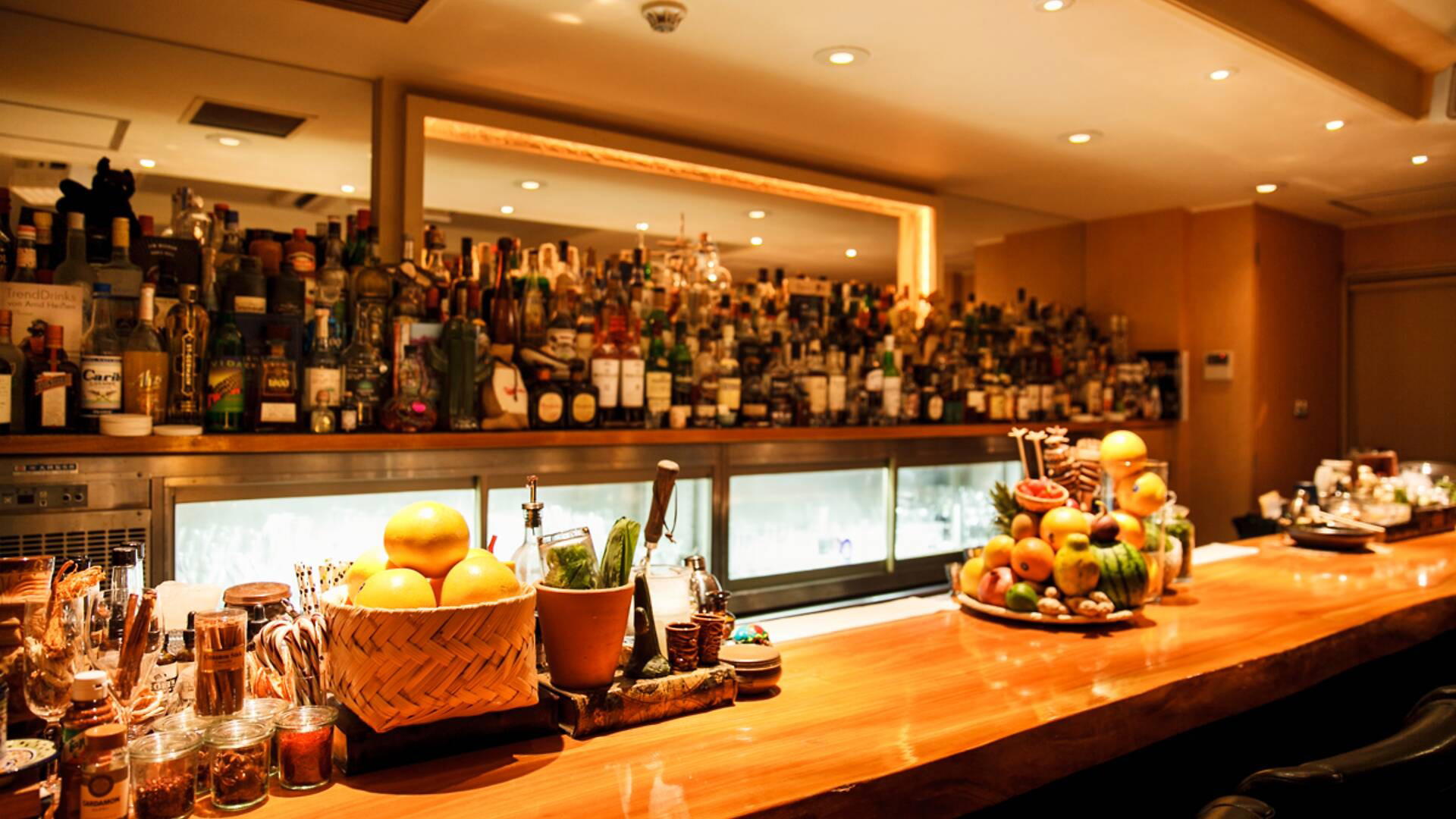
The strongest lens is the drinks program, because yakitori is often misread as beer-only. Sake, shochu and wine are all listed, sharpening how the meal is meant to work. Sake links the room to Japanese dining convention, shochu grounds it in grilled-food culture, and wine allows longer, more composed dinners. With chicken, tare, salt and charcoal, that spread is not decorative; it gives the table several ways to handle fat, smoke and sweetness without one pairing logic.
This is where Tokyo’s mature yakitori scene differs from many overseas versions. The drinks list is not a side rail. In serious rooms, it helps decide whether the meal feels casual, ceremonial or corporate. Wine can push yakitori toward a restaurant format; shochu keeps it closer to the grill; sake sits between them. Having all three suggests a room built for mixed dining agendas: colleagues, regulars, visitors and small groups wanting Japanese structure without the silence of a counter-only ritual.
That range also separates it from parts of Tokyo’s Italian and hotel dining circuit. Chiba Takaoka and Il Ristorante - Niko Romito speak a different language of wine service, tied to Italian cuisine and luxury-hotel expectation. A yakitori room with wine has a narrower task: bottles that work with char, tare and chicken fat rather than a classical European menu arc. The interest is not cellar grandeur, but category intelligence.
How it fits a Tokyo dining plan
The address is in Chuo City’s Kyobashi district, practical for travellers moving between Ginza, Nihonbashi and Tokyo Station. The restaurant moved directly opposite its former site on October 19, 2020, and prices were revised from November 1, 2024, details that matter in a city where long-running names often shift premises while keeping clientele. Dinner is listed at JPY 10,000 to JPY 14,999, lunch at JPY 2,000 to JPY 2,999, making midday a different proposition from the evening course.
For a broader Tokyo itinerary, this is a counterweight to flashier bookings. Pair it with specialists rather than chasing one genre: 124. KAGURAZAKA (Yakitori) for another yakitori reference point, 12/10 Shinjuku ten for a different Shinjuku register, or 3 Chome no Curry Ya San when the plan needs something more compact. Travellers building a wider food map can use Our full Tokyo restaurants guide, then cross-check drinking, hotels and cultural planning through Our full Tokyo bars guide, Our full Tokyo hotels guide, Our full Tokyo wineries guide and Our full Tokyo experiences guide.
Useful contrasts sit inside and beyond Tokyo: 鮪と炭火焼き うお炭 秋葉原店 for charcoal in a different register, 2D Cafe for visual-culture dining, and regional references such as -Grilled beef Sukiyaki- KAMAKURA TANUKIAN 鎌倉 たぬき庵 in Kamakura.cafe in Osaka.know in Kumamoto, (Shoku) Vietnam in Kawasaki, [Curry Senmon Ten] Maruyama Kyoju. in Sapporo and [ki:] in Kyoto. For Japanese drinking culture abroad, Jōdo Saké Bar in Los Angeles and Onigiri Time in Pasadena show how sake and casual Japanese formats translate outside Japan.
The editorial read is clear: choose this for formal yakitori with drink-list flexibility, not counter minimalism or late-night spontaneity. Its awards history, price band, 80-seat scale and semi-private-room setup point to mature Kyobashi dining built for full-course chicken, business tables and travellers who want yakitori treated as a complete Japanese meal.
Where the Accolades Land
Comparable venues to place this listing in its category.
| Venue | Cuisine | Price | Notes |
|---|---|---|---|
| Isehiro Kyobashi hontenThis venue — the venue you are viewing | Historic Yakitori Specialist | $$$ | Not listed |
| 365 Nichi to Nihonbashi | Artisan Japanese Bakery | $$$ | Chūō |
| TOSA DINING おきゃく | Kochi Regional Cuisine | $$$ | Chūō |
| 焼鳥 髙はし | Michelin-Starred Yakitori | $$$ | Chūō |
| Shiki no Aji Fujiyoshi | Seasonal Japanese Izakaya | $$$ | Sumida |
| Yakitori Katou | Traditional Yakitori Counter | $$$ | Minato |
Recognition history
Dated appearances from independent guides and award organizations, with the underlying list record or original source where available.
Tabelog 100 #52 · No. 52
Tabelog · Tabelog 100 - Yakitori - EAST - 2025








At a Glance
- Classic
- Cozy
- Well Known
- Intimate
- Elegant
- Business Dinner
- Group Dining
- Solo
- Special Occasion
- After Work
- Chefs Counter
- Private Dining
- Historic Building
- Standalone
- Sake Program
- Beer Program
- Extensive Wine List
- Local Sourcing
- Organic
Current opening hours
- Monday
- 11:30 AM–2 PM, 5–9 PM
- Tuesday
- 11:30 AM–2 PM, 5–9 PM
- Wednesday
- 11:30 AM–2 PM, 5–9 PM
- Thursday
- 11:30 AM–2 PM, 5–9 PM
- Friday
- 11:30 AM–2 PM, 5–9 PM
- Saturday
- 11:30 AM–2 PM, 5–8:30 PM
- Sunday
- Closed
Hours can change for holidays and private events. Last verified .
Traditional multi-story yakitori house with counter and small tatami-style rooms, warm lighting and the aroma of binchotan charcoal creating a calm, old-Tokyo atmosphere suited to relaxed business dinners and quiet gatherings.