On a quiet street in Rome's Esquilino district, Materia Cafe occupies a tier of the city's dining scene where the emphasis falls on ingredient-led cooking rather than formal ceremony. Positioned below the Michelin-starred creative houses but above the neighbourhood trattoria, it draws a local crowd for whom the sourcing story matters as much as the plate. Booking ahead is advisable, particularly at weekends.
Pearl is the En Primeur Club membership app — saves, bookings, and concierge access live there. Same editors, same standards.
- Address
- Via Andrea Provana, 7, 00185 Roma RM, Italy
- Phone
- +39656303156
- Website
- materiacafe.com
- Directions
- Get directions
 Saves & bookings on Pearl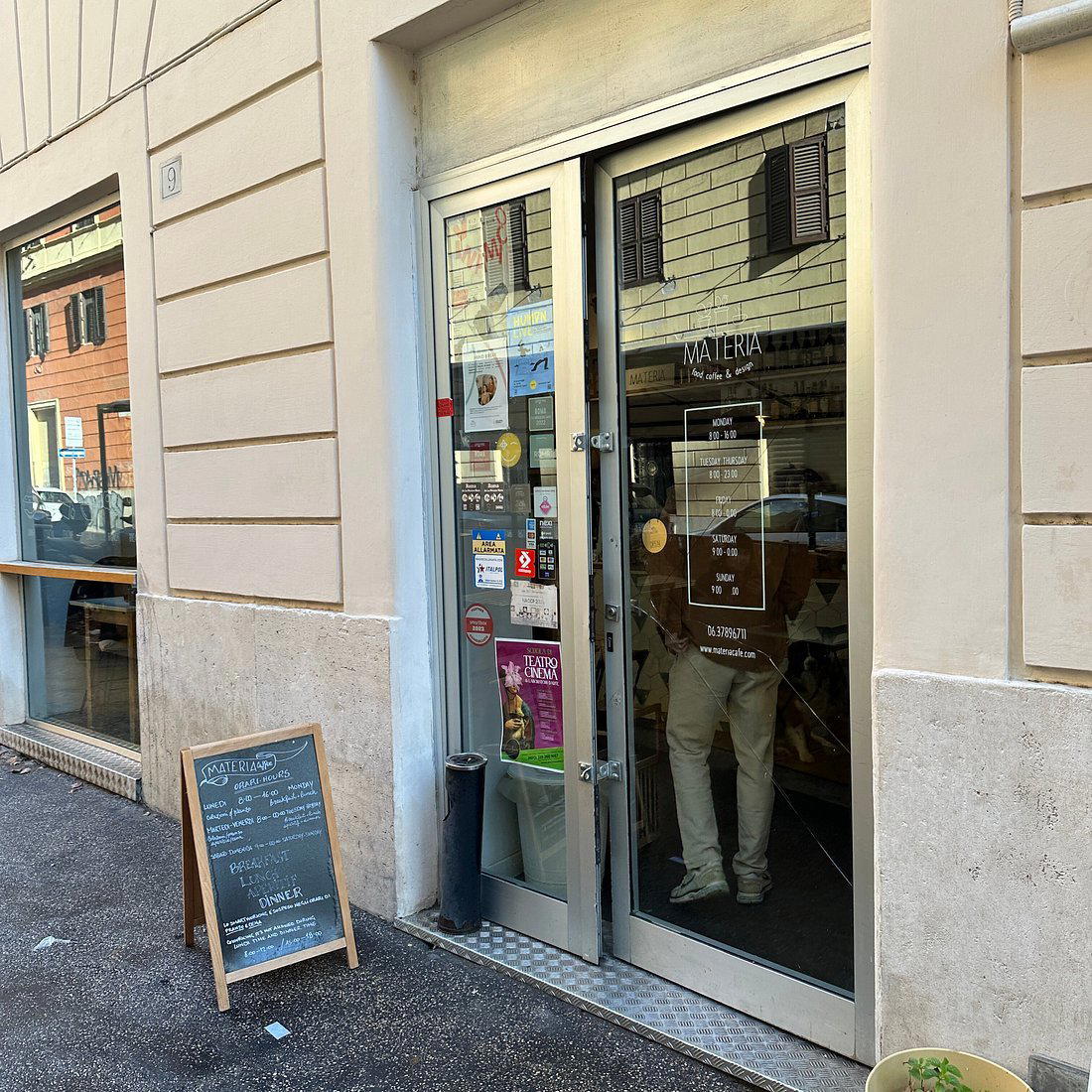
Where Rome's Ingredient-Led Dining Finds a Quieter Register
Rome's restaurant scene has long operated on a clear hierarchy: the white-tablecloth creative houses at the summit, the boisterous neighbourhood trattorias at the base, and a middle tier that has historically been the hardest to define. Over the past decade, that middle tier has sharpened considerably, producing a category of cafe-restaurants where the sourcing agenda is serious but the setting resists formality. Materia Cafe, on Via Andrea Provana in the Esquilino quarter, belongs to that emerging cohort, venues where the proposition is about the quality of raw material rather than the architecture of technique.
Esquilino itself shapes the experience before you arrive at the door. The neighbourhood sits east of Termini station, dense with produce markets and a working-class mix of communities that has made it one of the more ingredient-rich corners of the city. The covered Mercato Piazza Vittorio, a few minutes' walk away, pulls producers and shoppers from across Lazio and beyond. For a cafe operating under a name that translates roughly as "matter" or "material", with all the implications of raw substance that carries, the address is not incidental.
The Meal as Progression: How the Format Unfolds
The editorial angle that applies most usefully to Materia Cafe is the arc of a sitting. Rome's ingredient-led cafes tend to move through a recognisable sequence: something small and immediate on arrival, a mid-section that tests the kitchen's ability to let produce speak without over-intervention, and a close that brings richness or sweetness depending on the direction of the day's sourcing. This progression, lighter to more considered, fresher to more structured, is the grammar of the format.
Where Materia Cafe sits in that grammar becomes the meaningful question. The name signals an intent: material matters more than elaboration. In a city where many venues in this price tier compete on the density of their ragù or the length of their wine list, a sourcing-first approach places the cafe in conversation with a different set of references entirely, closer in spirit to the farm-to-counter model that has taken hold in northern Italian cities like Milan and in international markets like New York, where venues such as Atomix in New York City have demonstrated how restraint and ingredient focus can define a dining identity as clearly as technical complexity.
Rome's Mid-Tier Creative Scene: Reading the comparable set
To understand where Materia Cafe fits, it helps to map the tiers above and below it. At the summit of Rome's creative dining pyramid sit venues like La Pergola, Il Pagliaccio, and Enoteca La Torre, all operating at the €€€€ tier with Michelin recognition and multi-course tasting formats that take the leading part of an evening. Acquolina and Achilli al Parlamento occupy similar creative territory, where seasonal Italian produce is handled with technical precision and presented within a formal service register.
The restaurant operates in a different register entirely. The cafe format implies a lower barrier to entry, both in terms of price and the level of occasion required to justify a visit. This is the kind of place that absorbs a Tuesday lunch as comfortably as a weekend dinner, a flexibility that Rome's Michelin tier rarely offers. The broader Italian context for this approach can be found at venues like Reale in Castel di Sangro, where proximity to agricultural land has shaped an ingredient-first philosophy at a high level, or, further afield, at Dal Pescatore in Runate, where a specific territorial identity anchors decades of consistent cooking. The restaurant participates in the same Italian conversation about the primacy of raw material over applied technique.
Planning a Visit: Logistics and Expectations
The restaurant sits at Via Andrea Provana 7, in the 00185 postcode that covers Esquilino. The area is well connected: Termini station is walkable, and the neighbourhood grid is navigable on foot from the historic centre in under twenty minutes. For visitors already using Rome's restaurant scene as a framework, the restaurant slots most naturally into a morning or midday slot, consistent with cafe culture in this part of the city.
Booking is recommended, and opening hours should be checked before a visit. The address alone suggests a neighbourhood-scale operation rather than a destination restaurant. The Esquilino market rhythm means mornings can be particularly well-stocked, a useful detail for anyone whose visit is timed around what the kitchen is most likely to be working with on a given day.
Italian Ingredient-Led Cooking in Wider Context
The sourcing-first model that restaurant's name implies has deep roots in Italian culinary culture, even if its contemporary expression owes something to a global conversation about minimal-intervention cooking. Venues like Osteria Francescana in Modena and Piazza Duomo in Alba have made the case at a three-starred level that Italian produce, handled with intelligence and restraint, needs no apology in an international context. At a more accessible scale, the argument is the same: the quality of the material determines the quality of the outcome. Uliassi in Senigallia demonstrates how coastal Italian produce can anchor a meal with minimal mediation, while Le Calandre in Rubano and Enrico Bartolini in Milan show how northern Italian kitchens have fused that sourcing discipline with technical ambition.
The restaurant operates at a different scale and with different ambitions, but it connects to the same foundational premise: that Italian cooking at its most honest begins with what the land and season produce, and that a kitchen's job is to clarify rather than transform. For visitors to Rome who want to encounter that premise outside the formal dining environment, the Esquilino quarter and addresses like this one offer a more immediate, less mediated version of the experience. For reference points in adjacent Italian regions, Atelier Moessmer Norbert Niederkofler in Brunico and Quattro Passi in Marina del Cantone show how altitude and coastline respectively shape the sourcing logic that a place-based kitchen must answer to. Enoteca Pinchiorri in Florence and Le Bernardin in New York City sit further out on the technical and format spectrum, useful anchors for understanding how far the ingredient-first philosophy can travel when institutional ambition is added.
Compact Comparison
Comparable venues nearby, for context on price, style, and recognition.
| Venue | Cuisine | Price |
|---|---|---|
| Materia CafeThis venue — the venue you are viewing | Not listed | $$ |
| Enoteca Corsi | Pigna, Traditional Roman Trattoria | $$ |
| Piazzetta | Colonna, Traditional Italian Trattoria | $$ |
| Il Barroccio | Colonna, Traditional Roman Osteria | $$ |
| Nuraghe Sardo | Monte Mario, Authentic Sardinian Seafood | $$ |
| Trattoria Monti | Esquilino, Le Marche Trattoria | $$ |
Continue exploring
More in Rome
Restaurants in Rome
Browse all →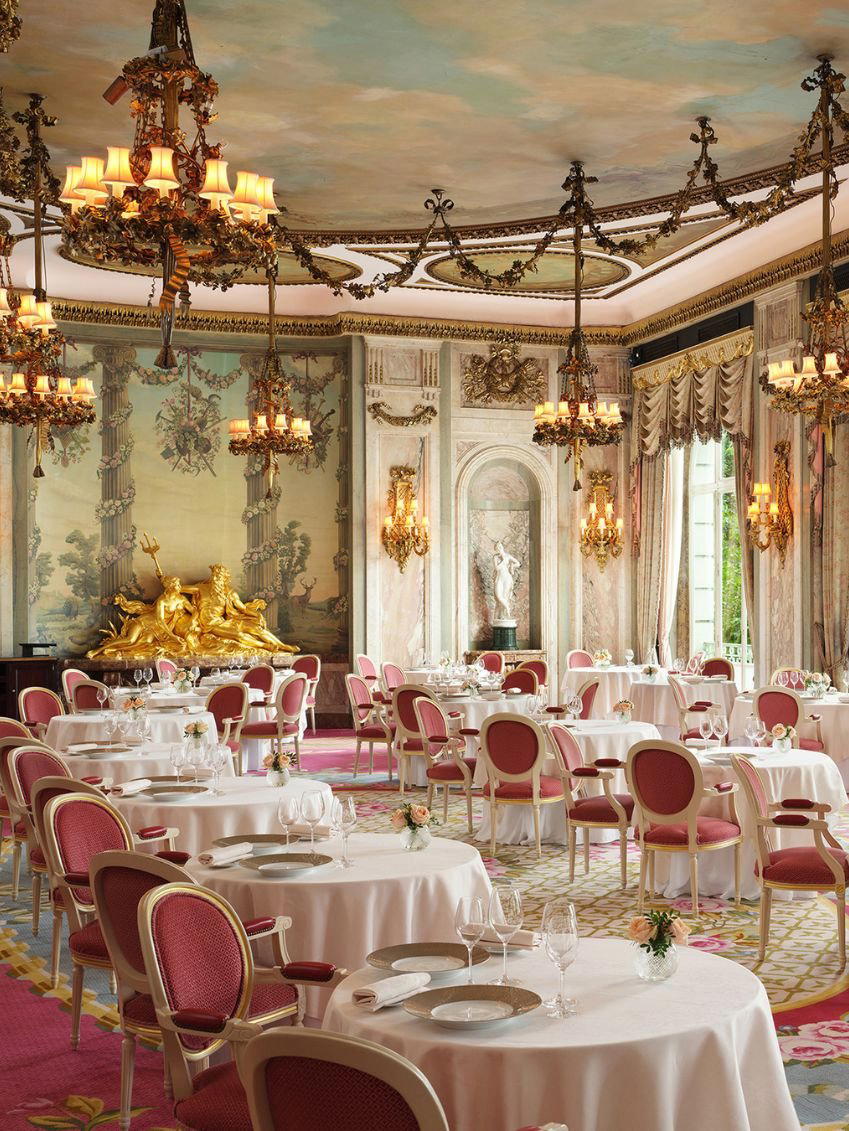
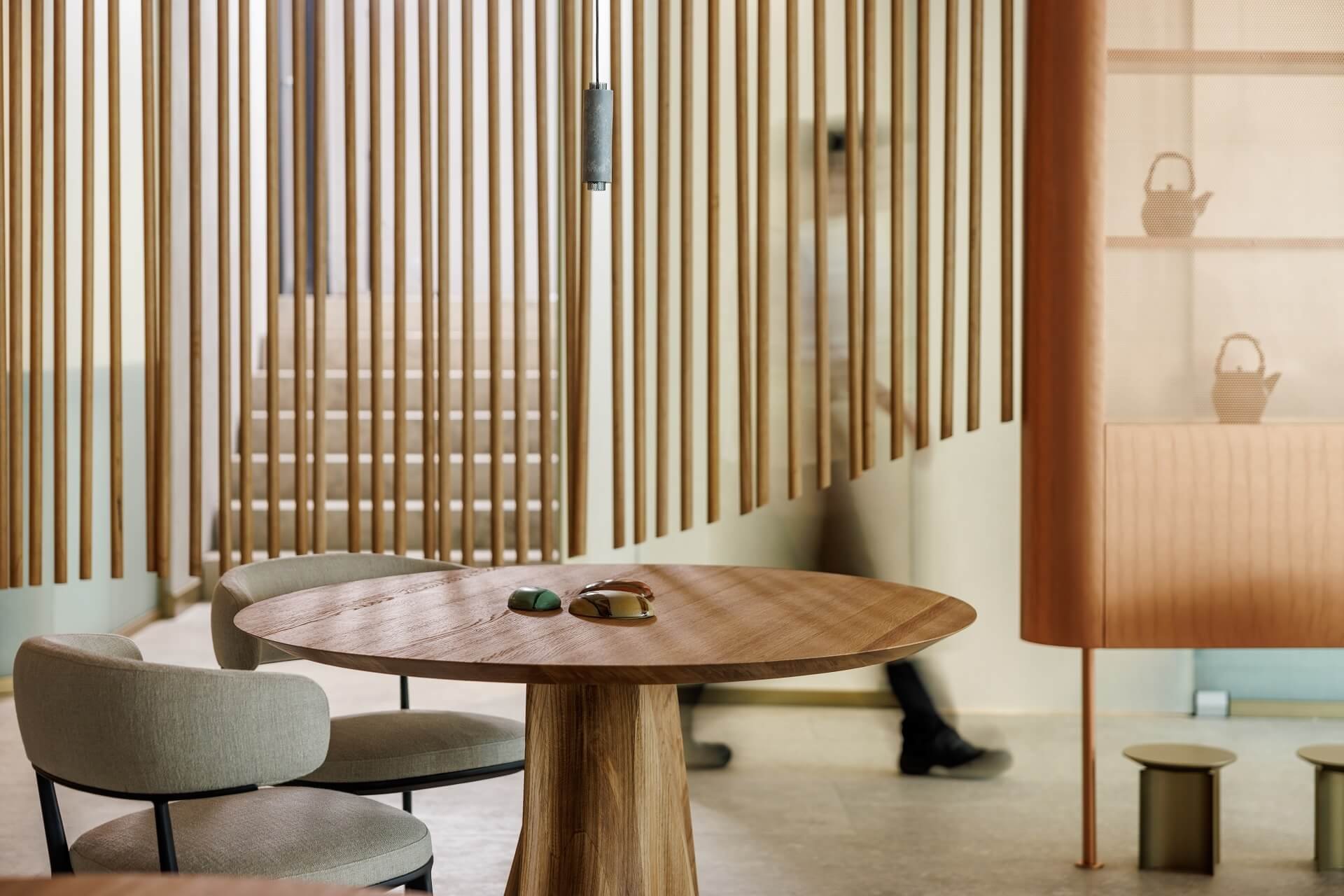
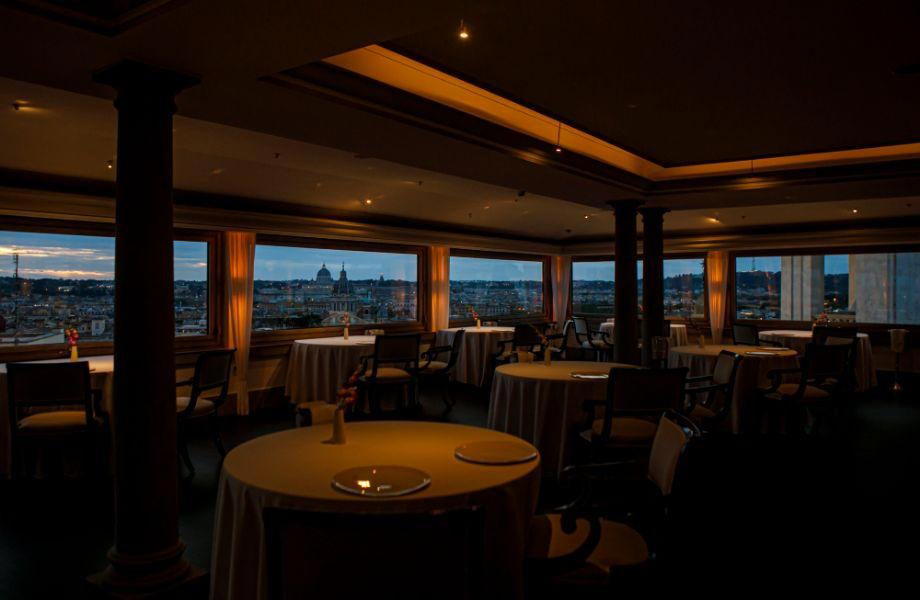
Bars in Rome
Browse all →
Hotels in Rome
Browse all →
Wineries in Rome
Browse all →
At a Glance
- Cozy
- Modern
- Trendy
- Casual Hangout
- Brunch
- After Work
- Open Kitchen
- Local Sourcing
Current opening hours
- Monday
- 8 AM–4 PM
- Tuesday
- 8 AM–12 AM
- Wednesday
- 8 AM–12 AM
- Thursday
- 8 AM–12 AM
- Friday
- 8 AM–12 AM
- Saturday
- 9 AM–12 AM
- Sunday
- 9 AM–12 AM
Hours can change for holidays and private events. Last verified .
Relaxed and modern atmosphere with careful decoration, comfy sofas, good music, and a creative vibe well-suited for working or unwinding.