Google: 4.8 · 165 reviews
.png)

A Catalan chef's decision to relocate from Barcelona to Tokyo's Ginza district produced one of the city's more considered cross-cultural dining experiments. MASIA holds a Michelin Plate across 2024 and 2025, anchoring its prix fixe menu around the 'sea and mountain' theme with tapas, arroz, and Japanese ingredients reinterpreted through the techniques of Catalonia's domestic kitchen. Rated 4.8 on Google from 135 reviews.
Pearl is the En Primeur Club membership app — saves, bookings, and concierge access live there. Same editors, same standards.

Where Catalan Sourcing Meets Japanese Produce
Among the foreign culinary traditions that have taken root in Tokyo, Spanish cooking occupies a narrow but serious tier. The city hosts a handful of Basque-influenced restaurants — ZURRIOLA and ENEKO Tokyo among them — alongside rice-forward specialists like ARROCERÍA La Panza and Arrocería Sal y Amor. MASIA, on the eighth floor of the Belvia Building in Ginza 2-chome, approaches the Spanish tradition from a different angle: specifically Catalan, and specifically domestic. The kitchen's declared framework is the home cooking of Catalonia, applied to Japanese produce and refined through modern technique. That combination has earned Michelin Plate recognition in both 2024 and 2025, placing it among a modest cohort of non-Japanese restaurants in Tokyo that the Guide considers worth a documented stop.
The sourcing logic here is the editorial story. Catalan cuisine has always been defined by its geography , the tension between the Mediterranean coast and the Pyrenean interior, which produced the characteristic surf-and-turf pairing the Catalans call mar i muntanya. At MASIA, that same structural principle has been transposed onto Japanese terroir. The Japanese archipelago, running from subtropical Okinawa to the colder northern waters of Hokkaido, offers a produce range that maps, loosely but meaningfully, onto what a Catalan kitchen would reach for: coastal fish and shellfish at one end, mountain vegetables and forest ingredients at the other. The kitchen's 'sea and mountain' theme is not a clever naming exercise; it reflects an honest alignment between two geographically diverse food traditions.
The Arroz Question
Rice is the pivot point of the MASIA menu, and its presence signals how seriously the kitchen takes its Catalan identity. Arroz , the broad category of rice dishes that spans everything from paella to caldoso to meloso preparations , is described in the menu's own framing as indispensable. In the context of Ginza, where tasting menus trend toward kaiseki structure or contemporary French progression, committing that much menu real estate to rice is a deliberate position. It also creates a meaningful point of comparison with the city's other Spanish rice specialists: where ARROCERÍA La Panza and Arrocería Sal y Amor tend to foreground the rice as a standalone centrepiece, MASIA positions it within a broader prix fixe sequence that opens with tapas and builds toward the rice course as a structural climax. That sequencing preserves the rhythm of a Catalan meal rather than reframing the dish for Japanese expectations.
The tapas opening is equally considered from a sourcing perspective. Catalonia's pa amb tomàquet tradition , bread rubbed with ripe tomato and olive oil , depends entirely on the quality of the tomato. In Japan, where domestic produce cultivation has reached extraordinary precision, high-grade tomatoes are available and taken seriously. The same applies to the fish and shellfish components: Tokyo's wholesale fish markets, Toyosu in particular, supply a depth of product that few cities can match. A Catalan kitchen working in Tokyo has access to better raw material in some categories than it would in Barcelona. The kitchen at MASIA appears to take that advantage seriously.
Ginza Placement and Price Context
Ginza's restaurant tier is worth understanding before booking. The district operates at two distinct price levels: a dense mid-range of reliably executed international cuisines, and a sparser upper tier of destination counters and tasting menus that price against prestige rather than neighbourhood competition. MASIA's ¥¥¥ rating places it at the upper end of the mid-range, below the ¥¥¥¥ tier occupied by counters like eman in Tokyo's Spanish cohort, and well below the pricing of Ginza's kaiseki and sushi benchmarks such as Harutaka or RyuGin. For a prix fixe Catalan experience with Michelin recognition and a 4.8 Google rating across 135 reviews, the value alignment is reasonable.
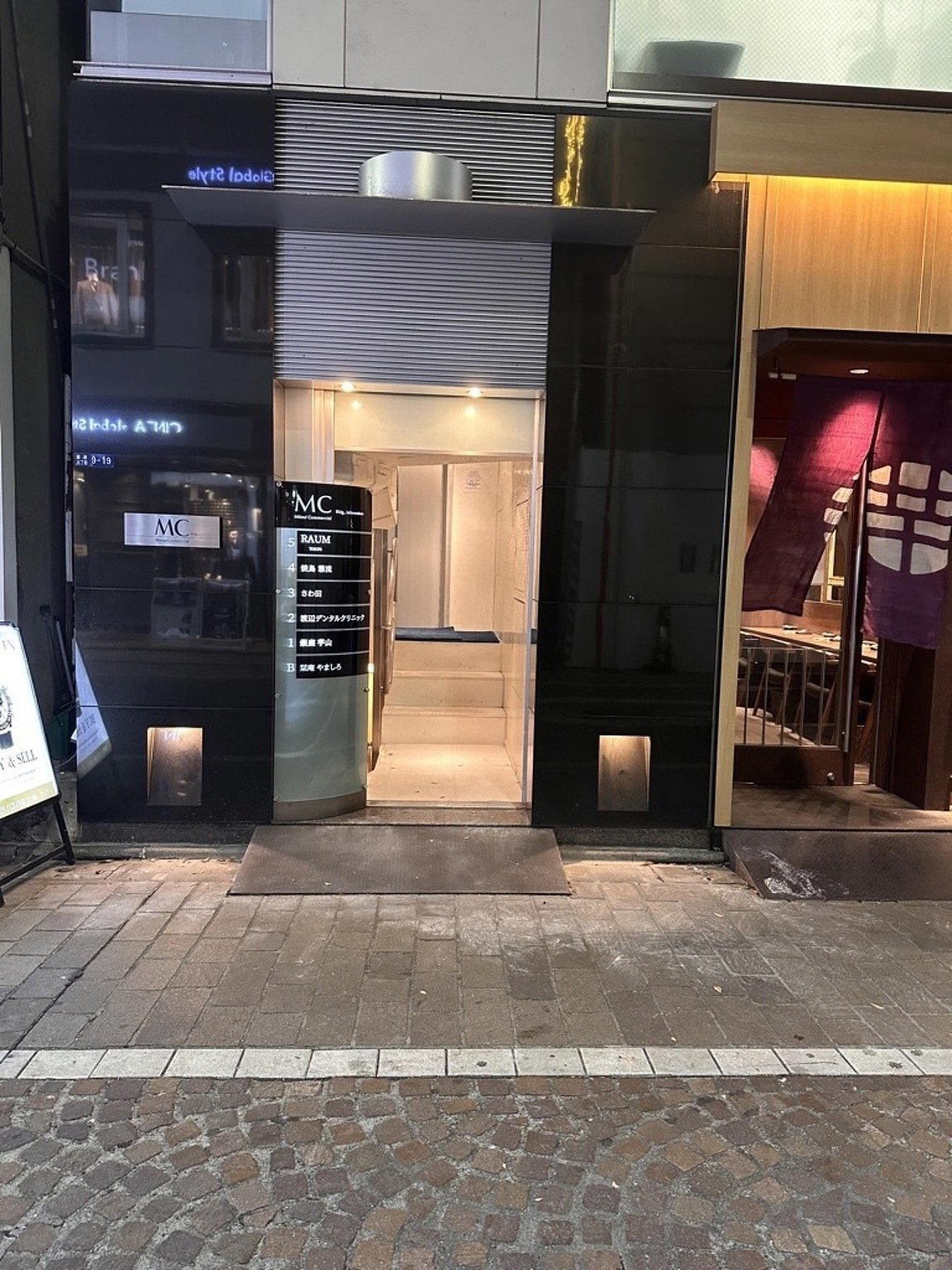
The eighth-floor location in the Belvia Building is characteristic of how mid-to-upper-range restaurants use vertical real estate in central Tokyo. Street-level Ginza commands retail premiums that most restaurants cannot justify; the floors above tend to host more considered dining rooms with better views and lower ambient noise. Finding the venue on arrival requires a working knowledge of Tokyo's building-floor dining culture , the elevator to the eighth floor, not a street-facing entrance, is the correct approach. For first-time visitors to Ginza's restaurant scene, our full Tokyo restaurants guide provides useful orientation on how the district's vertical dining geography works.
Catalonia in Japan: A Broader Pattern
MASIA is not the only restaurant in Japan where European chefs have relocated and built serious cooking programs around the encounter between their native tradition and Japanese ingredients. akordu in Nara operates on a related premise with Basque influence, while HAJIME in Osaka and Gion Sasaki in Kyoto represent the Japanese side of the same cross-cultural ambition. The pattern suggests something important about contemporary Japanese dining: the country's produce infrastructure and culinary rigour attract serious foreign chefs in the same way that Paris once did. A Catalan chef choosing Tokyo over Paris or New York as the location to develop a personal culinary program is a decision that speaks to where serious cooking has shifted geographically. For Spanish cuisine specifically, the comparison stretches further , Arco by Paco Pérez in Gdańsk and BCN Taste & Tradition in Houston represent other nodes in the global spread of Spanish cooking, but neither operates within the produce context that Tokyo provides.
The decision to frame the menu around Catalan home cooking rather than the avant-garde Catalan modernism associated with the Costa Brava is also significant. Molecular technique remains available as a reference point, but the declared emphasis on domestic recipes updated with modern methods is a different cultural project: preservation and translation rather than transformation. Whether that framing holds entirely in execution is something the menu's specific dishes would confirm or complicate, but the stated intention is coherent with what serious Catalan cooking outside Catalonia tends to do well. For broader context on the Tokyo dining scene, see also Goh in Fukuoka, 1000 in Yokohama, and 6 in Okinawa for the range of serious dining operating across Japan's regional circuit.
Planning Your Visit
MASIA sits in Ginza 2-chome, eighth floor of the Belvia Building, within walking distance of Ginza Station on the Tokyo Metro. The prix fixe format and Michelin Plate recognition mean demand is consistent; booking ahead through the restaurant's reservation channel is advisable rather than optional, particularly for dinner. The ¥¥¥ price range positions a meal here above casual dining but well within the range for a special-occasion dinner that does not require the budget of a Ginza omakase counter. For accommodation near the venue, our full Tokyo hotels guide covers the Ginza-adjacent options in detail. Those building a full Tokyo itinerary should also consult our Tokyo bars guide, our Tokyo wineries guide, and our Tokyo experiences guide for the broader picture.
Comparable Spots
A quick peer check to anchor this venue’s price and recognition.
At a Glance
- Elegant
- Sophisticated
- Cozy
- Modern
- Date Night
- Special Occasion
- Business Dinner
- Private Dining
- Open Kitchen
- Extensive Wine List
- Sake Program
- Local Sourcing
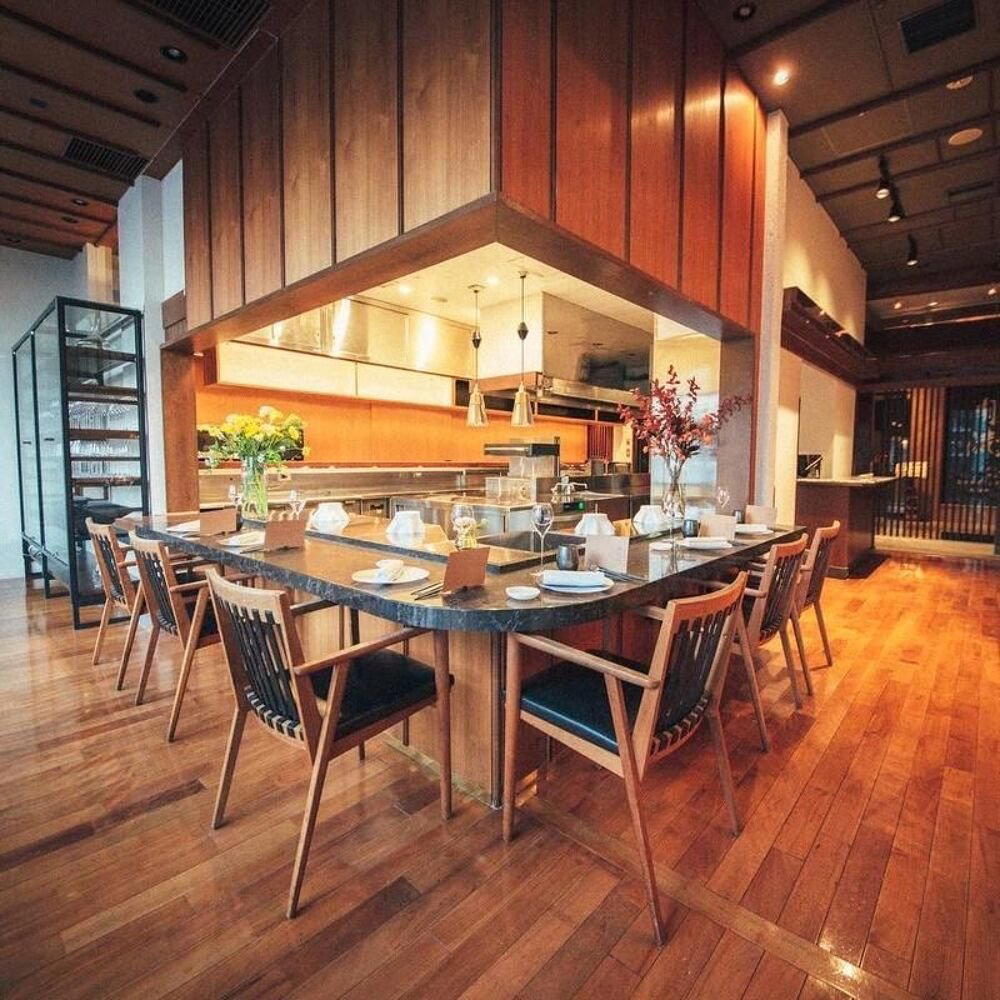
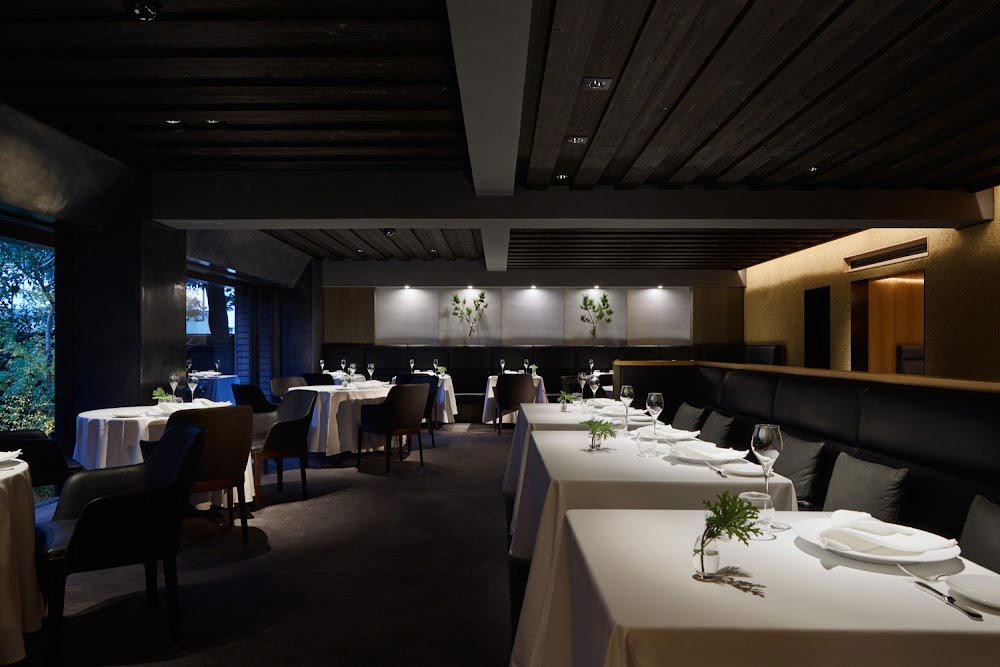
Elegant and stylish with warm, harmonious atmosphere, attentive professional service, and stunning dish presentations.