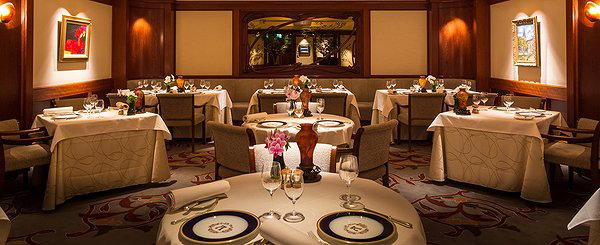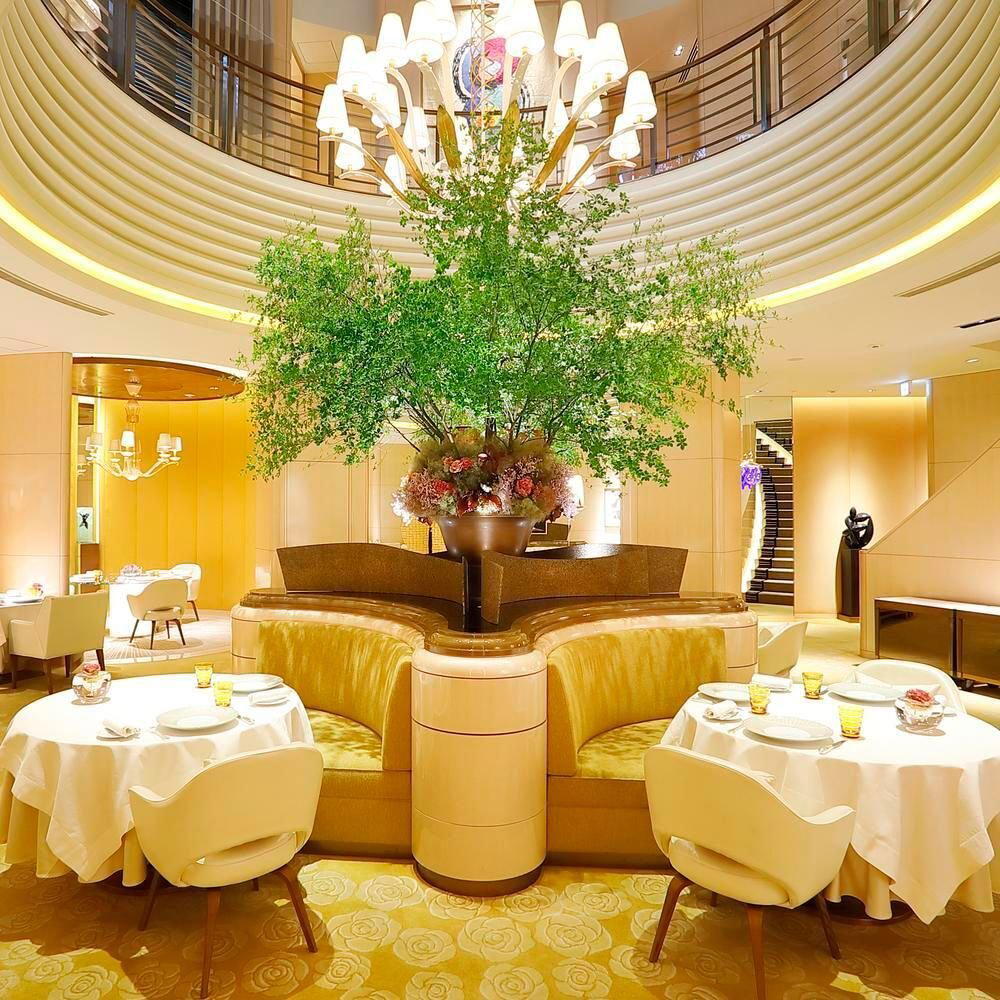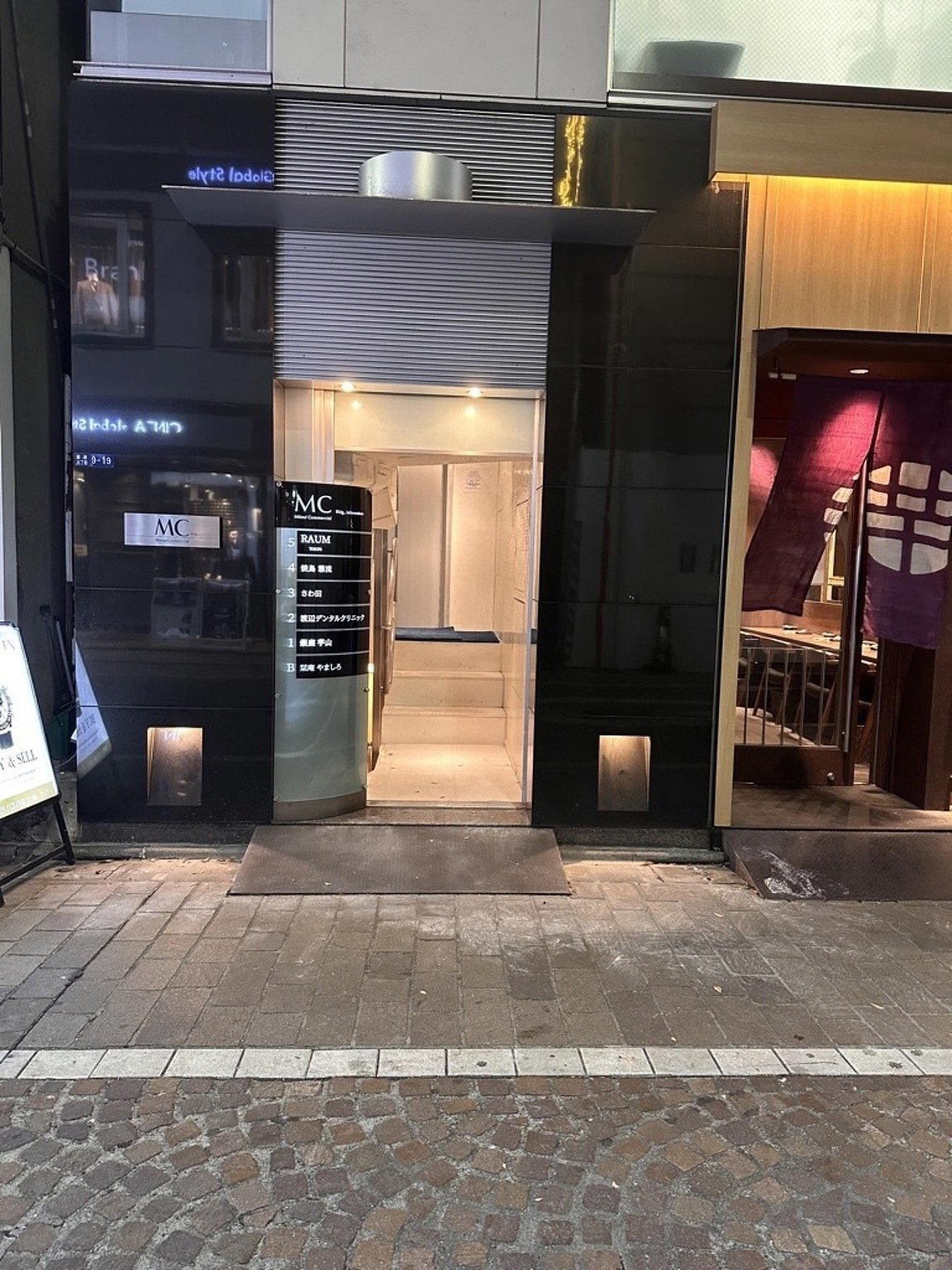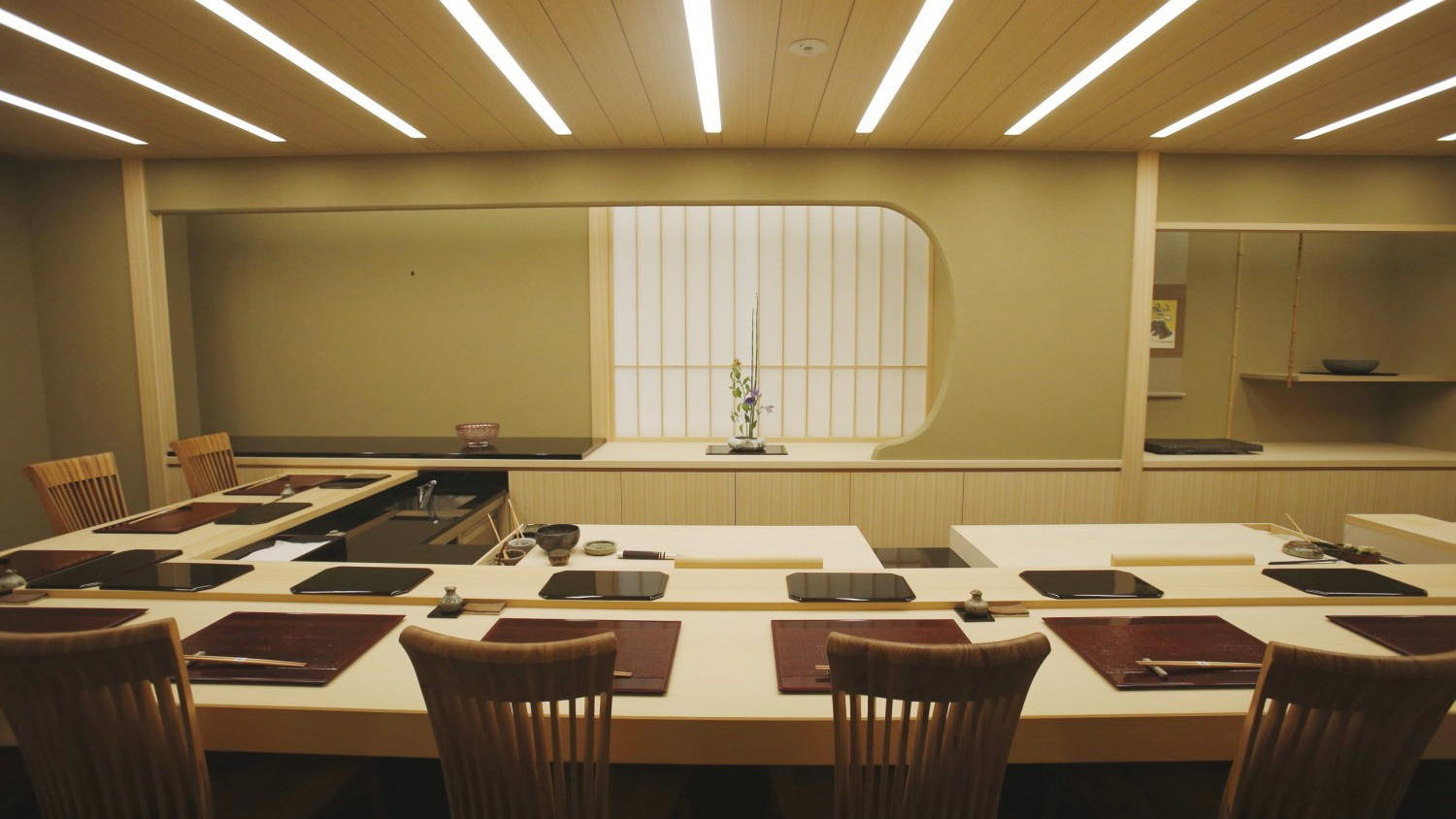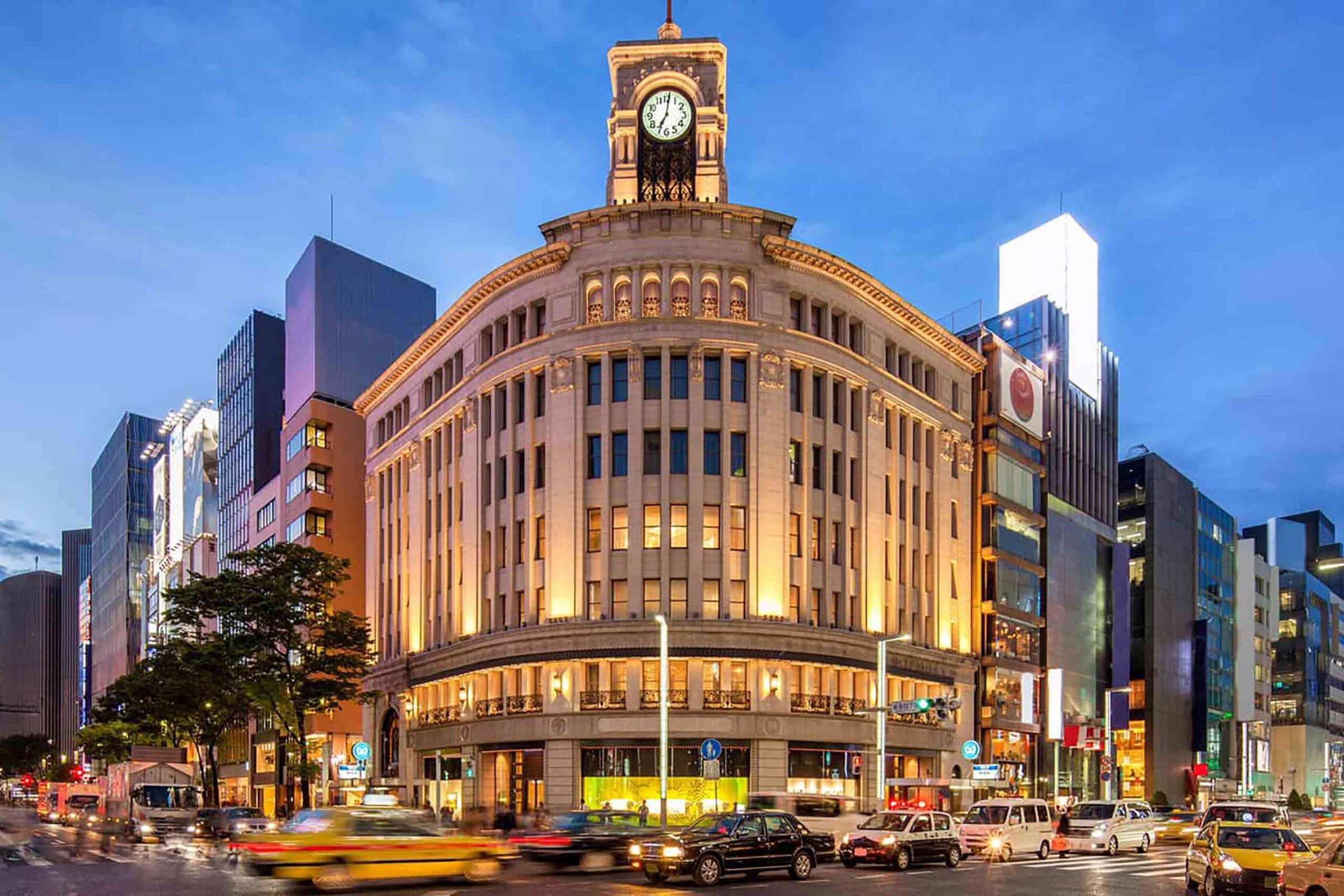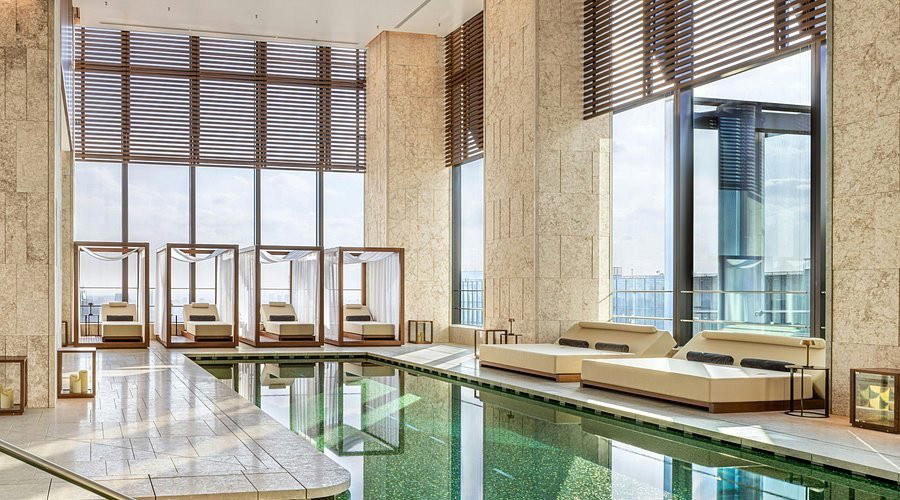


A two-Michelin-star Spanish restaurant on the fourth floor of Ginza's Kojun Building, ZURRIOLA has held Tabelog Bronze recognition every year from 2017 through 2026 and earned a La Liste score of 82 points in 2025. Chef Seiichi Honda works a 29-seat room across counter, table, and private configurations, building seasonal menus that find structural parallels between Basque technique and Japanese ingredient culture.

Where Basque Coast Meets Tokyo Precision
Ginza's concentration of European fine dining has always been selective rather than encyclopedic. French kitchens have long held the dominant position at the district's upper price tier, with kaiseki and sushi accounting for much of the rest. Spanish cuisine occupies a smaller, more contested space in that hierarchy, and the addresses that have earned sustained recognition there tend to share a common characteristic: they treat the Japan-Spain connection as a genuine culinary argument rather than a decorative premise. ZURRIOLA, holding two Michelin stars since at least 2024 and Tabelog Bronze recognition in every year from 2017 through 2026, sits at the serious end of that category.
The name itself signals the orientation. Zurriola is a beach in San Sebastián, in the Basque Country of northern Spain, a reference that positions the kitchen squarely within the tradition of northern Spanish coastal cooking rather than the broader Iberian repertoire. That specificity matters. Basque cuisine, with its emphasis on fish, fire, and restraint over elaboration, shares enough structural logic with Japanese cooking that the comparison generates real culinary ideas rather than surface-level fusion. Both traditions prioritise ingredient quality as the argument of the dish. Both work with a coastal larder where seafood quality is non-negotiable. The kitchen at ZURRIOLA, with its explicit focus on fish sourcing, builds from that overlap.
The Ingredient Argument
The editorial angle that defines this kitchen is not technique-for-its-own-sake but rather what might be called a market-hall sensibility: the idea that the dish begins not at the stove but at the point of sourcing, and that the cook's primary responsibility is to make the ingredient legible. In the great covered markets of northern Spain, the Boqueria in Barcelona or the Mercado de la Bretxa in San Sebastián itself, the counter is already doing editorial work before any heat is applied. The selection, the seasonality, the provenance of the raw material, these are the argument. A kitchen operating in that tradition treats cooking as the final, minimal act that clarifies rather than transforms.
ZURRIOLA's kitchen is noted specifically for its attention to fish, and the Basque-Japanese parallel makes that focus coherent on both ends. Japan's fish markets, from Toyosu in Tokyo to the smaller wholesale operations that supply Ginza's leading counters, operate on a logic of selection and timing that any serious Basque cook would recognise immediately. The seasonality of Japanese fish, the spring arrival of firefly squid, the late-summer shift to Pacific saury, the autumn run of Pacific cod, maps onto the same calendar-driven sourcing discipline that structures Basque coastal cooking. At this price point, dinner running JPY 40,000 to JPY 49,999 per head at listed rates and JPY 50,000 to JPY 59,999 based on review averages, the expectation is that what arrives at the counter reflects that sourcing discipline precisely.
The kitchen's approach to aromatics and preparation, with caviar smoked over grapevines and foie gras infused with Pedro Ximénez, shows how the market-hall logic extends beyond protein. These are techniques rooted in Spanish ingredient culture, specifically in the wine-producing regions whose byproducts, vine cuttings, sherry-grape residue, carry flavour information that Spanish cooks have long treated as raw material in their own right. Applied in a Tokyo kitchen to ingredients that may be Japanese, Basque, or both, the result is a menu that uses geography as a structural device rather than a decoration.
The Room and the Format
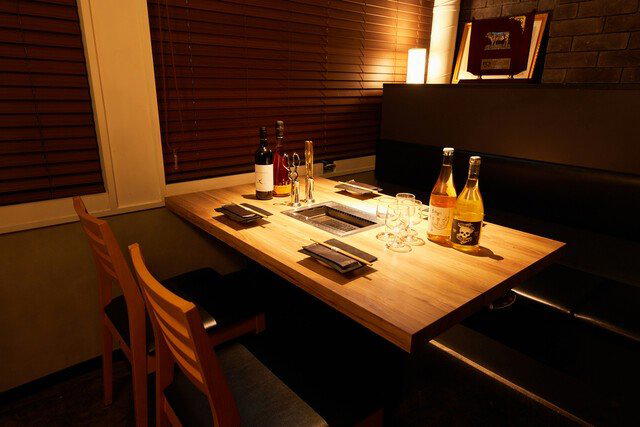
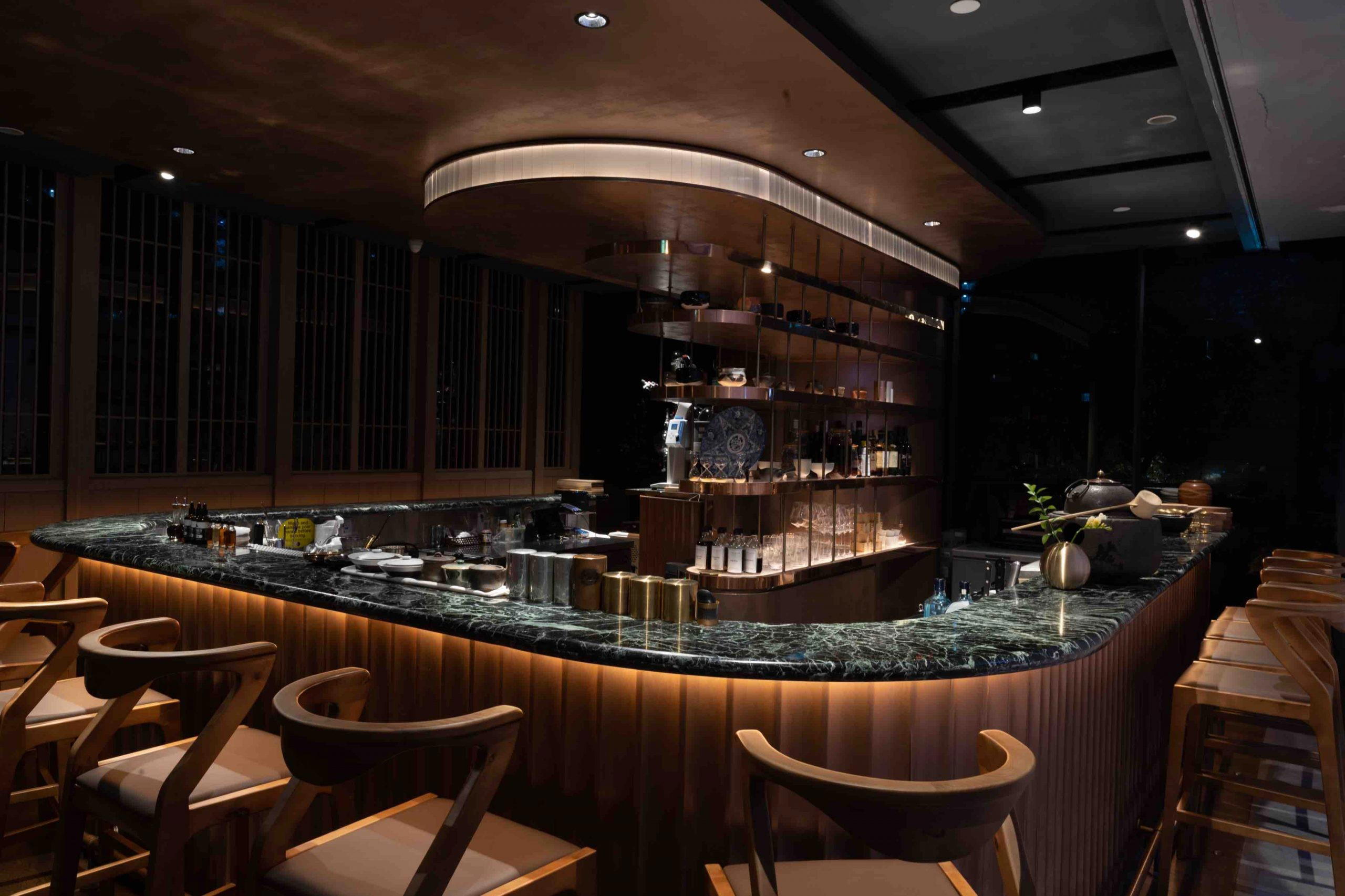
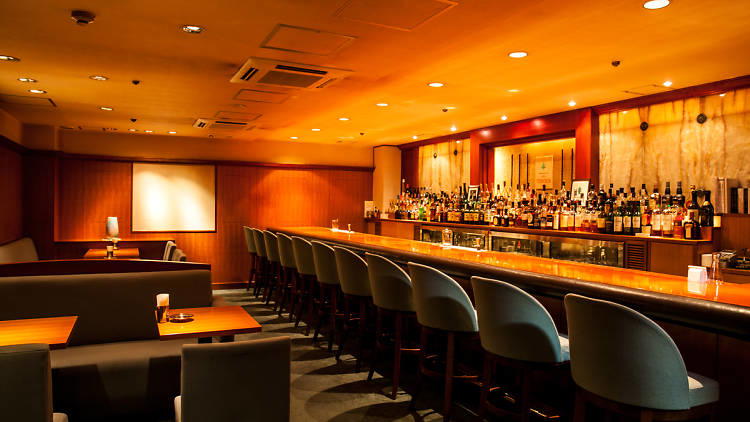
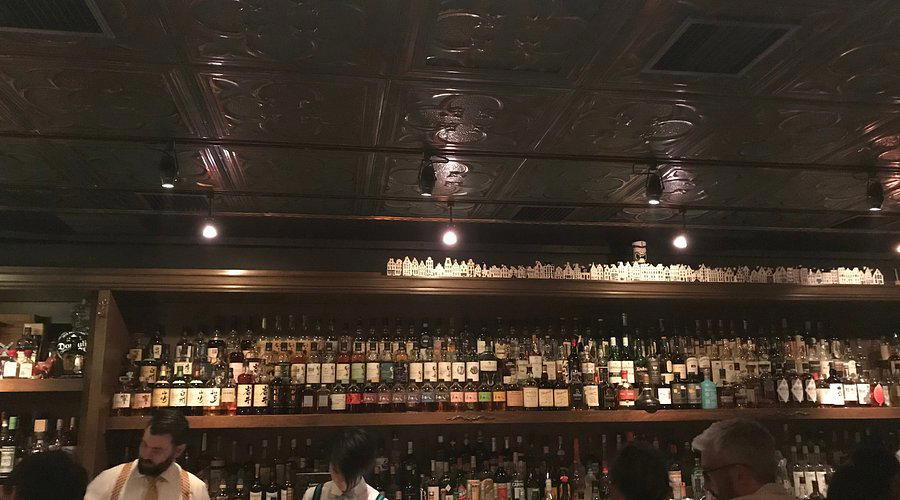
At 29 seats across a nine-seat counter, five tables, and two private rooms, the room operates at a scale that places it in the specialist tier of Ginza dining, smaller than the larger French houses and comparable to the more intimate omakase counters that define the neighbourhood's upper-bracket sushi operations. The counter seating is the natural format for this style of cooking: close enough to the kitchen to follow the sourcing logic of the menu in real time, formal enough to hold the price point without strain.
Private rooms accommodate parties of two, four, or six, with a private room fee that applies in addition to the menu cost. Full private use of the space is available for groups up to 20. The dress code is smart casual, with a specific request to avoid strong fragrances, which is less a social convention than a practical one: at a dinner priced and structured around aromatic complexity, outside scent interference is a genuine issue. Children aged 13 and older are welcome; the all-guests-same-course requirement applies, which is standard for tasting-menu operations at this tier.
Wine service includes a sommelier and a cellar described as wine-particular, which at a Spanish-inflected kitchen in this price bracket typically means meaningful Iberian representation alongside broader European selections. Sake is also available, a practical acknowledgment of the Japan-Spain synthesis the kitchen pursues. Major credit cards are accepted; electronic money and QR code payments are not. A 10% service charge applies.
Recognition and Peer Context
The award record here is worth reading carefully. Tabelog Silver in 2017 followed by Bronze from 2018 onward represents a sustained high-floor position within Japan's most data-dense restaurant review platform. Bronze on Tabelog does not imply lesser quality in absolute terms; at ZURRIOLA's score of 4.29, it places the restaurant among a small number of addresses in Tokyo that have maintained consistent peer recognition across nearly a decade of reviewing cycles. Selection for Tabelog's Spanish Cuisine Top 100 in 2024 adds a category-specific data point: within the narrower field of Japanese Spanish cuisine, the kitchen is among the 100 most-reviewed and highest-rated operations in the country.
The La Liste 2025 score of 82 points and an Opinionated About Dining ranking of 299th in Japan for 2025 (240th in 2024) place ZURRIOLA in a mid-upper tier of fine dining when measured against the full range of Tokyo and Japanese restaurant options, which include some of the highest-density Michelin coverage anywhere in the world. Comparison venues operating at ¥¥¥¥ pricing in Ginza and nearby neighbourhoods, including kaiseki houses like RyuGin and French operations like L'Effervescence, tend to cluster at slightly higher price points and in some cases at higher Michelin star counts. ZURRIOLA's two-star position at ¥¥¥ pricing makes it a relative value within the Ginza fine-dining tier, though the review-average spend of JPY 50,000 to JPY 59,999 at dinner narrows that gap in practice.
For a broader view of Spanish cooking in Tokyo, [ARROCERÍA La Panza](https://www.enprimeurclub.com/restaurants/arrocera-la-panza-tokyo-restaurant) and [Arrocería Sal y Amor](https://www.enprimeurclub.com/restaurants/arrocera-sal-y-amor-tokyo-restaurant) represent the rice-focused end of the Iberian tradition in the city, while [ENEKO Tokyo](https://www.enprimeurclub.com/restaurants/eneko-tokyo-tokyo-restaurant) and [LANBRoA](https://www.enprimeurclub.com/restaurants/lanbroa-tokyo-restaurant) occupy the Basque-inflected fine dining space that ZURRIOLA also works within. [eman](https://www.enprimeurclub.com/restaurants/eman-tokyo-restaurant) rounds out the Spanish fine dining options worth tracking in the city. The Japan-Spain connection is also explored at a different register outside Tokyo: [akordu in Nara](https://www.enprimeurclub.com/restaurants/akordu-nara-restaurant) is the clearest regional comparison for a kitchen applying Spanish technique to Japanese seasonal ingredients.
For Spanish cooking outside Japan, [Arco by Paco Pérez in Gdańsk](https://www.enprimeurclub.com/restaurants/arco-by-paco-prez-gdask-restaurant) and [BCN Taste & Tradition in Houston](https://www.enprimeurclub.com/restaurants/bcn-taste-tradition-houston-restaurant) show how the Basque and Catalan traditions travel into very different local contexts. Elsewhere in Japan, [HAJIME in Osaka](https://www.enprimeurclub.com/restaurants/hajime-osaka-restaurant), [Gion Sasaki in Kyoto](https://www.enprimeurclub.com/restaurants/gion-sasaki-kyoto-restaurant), [Goh in Fukuoka](https://www.enprimeurclub.com/restaurants/goh-fukuoka-restaurant), [1000 in Yokohama](https://www.enprimeurclub.com/restaurants/1000-yokohama-restaurant), and [6 in Okinawa](https://www.enprimeurclub.com/restaurants/6-okinawa-restaurant) represent the range of fine dining operating at comparable award levels in other Japanese cities.
Know Before You Go
- Address: 4F, Kojun Building, 6-8-7 Ginza, Chuo-ku, Tokyo 104-0061
- Access: Tokyo Metro Ginza Station, Exit A1 or A2, 3-minute walk; JR Shimbashi Station, Ginza Exit, 7-minute walk
- Hours: Wednesday to Sunday, lunch 11:30am (last order 1:00pm); dinner 6:00pm (last seating 7:30pm). Closed Monday and Tuesday.
- Dinner price: JPY 40,000–49,999 listed; JPY 50,000–59,999 based on review averages
- Lunch price: JPY 15,000–19,999 listed; JPY 20,000–29,999 based on review averages
- Service charge: 10%
- Seats: 29 total (9 counter, 5 tables, 2 private rooms)
- Private rooms: Available for 2, 4, or 6 guests (fee applies); full venue hire for up to 20
- Reservations: Via zurriola.jp or phone. Cancellation fee applies to date, time, or guest-count changes.
- Payment: Visa, Mastercard, JCB, Amex, Diners, UnionPay. No electronic money or QR code payments.
- Dress code: Smart casual. Avoid strong fragrances.
- Age: Guests must be 13 or older. All guests at a table must order the same course.
- Parking: Not available
Frequently Asked Questions
Is ZURRIOLA okay with children?
The restaurant does not admit children under 13, and guests aged 13 and older must order the same course as the rest of the table, which at dinner prices of JPY 40,000 to 49,999 in one of Tokyo's most formally structured Spanish kitchens makes it a poor fit for most families.
What kind of setting is ZURRIOLA?
If you are looking for a formal Ginza dining experience with sustained award recognition, two Michelin stars and eight consecutive Tabelog Bronze wins signal a room that delivers on both service and kitchen consistency; if the ¥¥¥ price point and the Basque-Japanese format appeal, the 29-seat room with counter, table, and private options covers most group configurations. If you want something more casual or less structured, the format here is course-only and the service is sommelier-led.
What dish is ZURRIOLA famous for?
No single signature dish dominates the public record at a kitchen built around seasonal sourcing, but the preparation notes that surface consistently, caviar smoked over grapevines, foie gras infused with Pedro Ximénez, point to a kitchen that uses Spanish ingredient culture as an aromatic framework applied to whatever the seasonal market delivers; Chef Seiichi Honda's explicit focus on fish, combined with two Michelin stars and Tabelog's Spanish Cuisine Top 100 selection in 2024, suggests the seafood courses carry the most editorial weight on any given menu.
Explore more of what Tokyo's dining scene offers through our full Tokyo restaurants guide, or plan a broader trip with our full Tokyo hotels guide, our full Tokyo bars guide, our full Tokyo wineries guide, and our full Tokyo experiences guide.
Need a table?
Our members enjoy priority alerts and concierge-led booking support for the world's most difficult tables.
Access the Concierge