Mashery focuses on modern Levantine hummus kitchen plates, with an open kitchen, casual service, and a conversational room that suits lunch, dinner, or brunch.
Pearl is the En Primeur Club membership app — saves, bookings, and concierge access live there. Same editors, same standards.
- Address
- Roonstraße 36, 50674 Köln, Germany
- Phone
- +4922116862307
- Website
- mashery-hummus.de
- Directions
- Get directions
 Saves & bookings on Pearl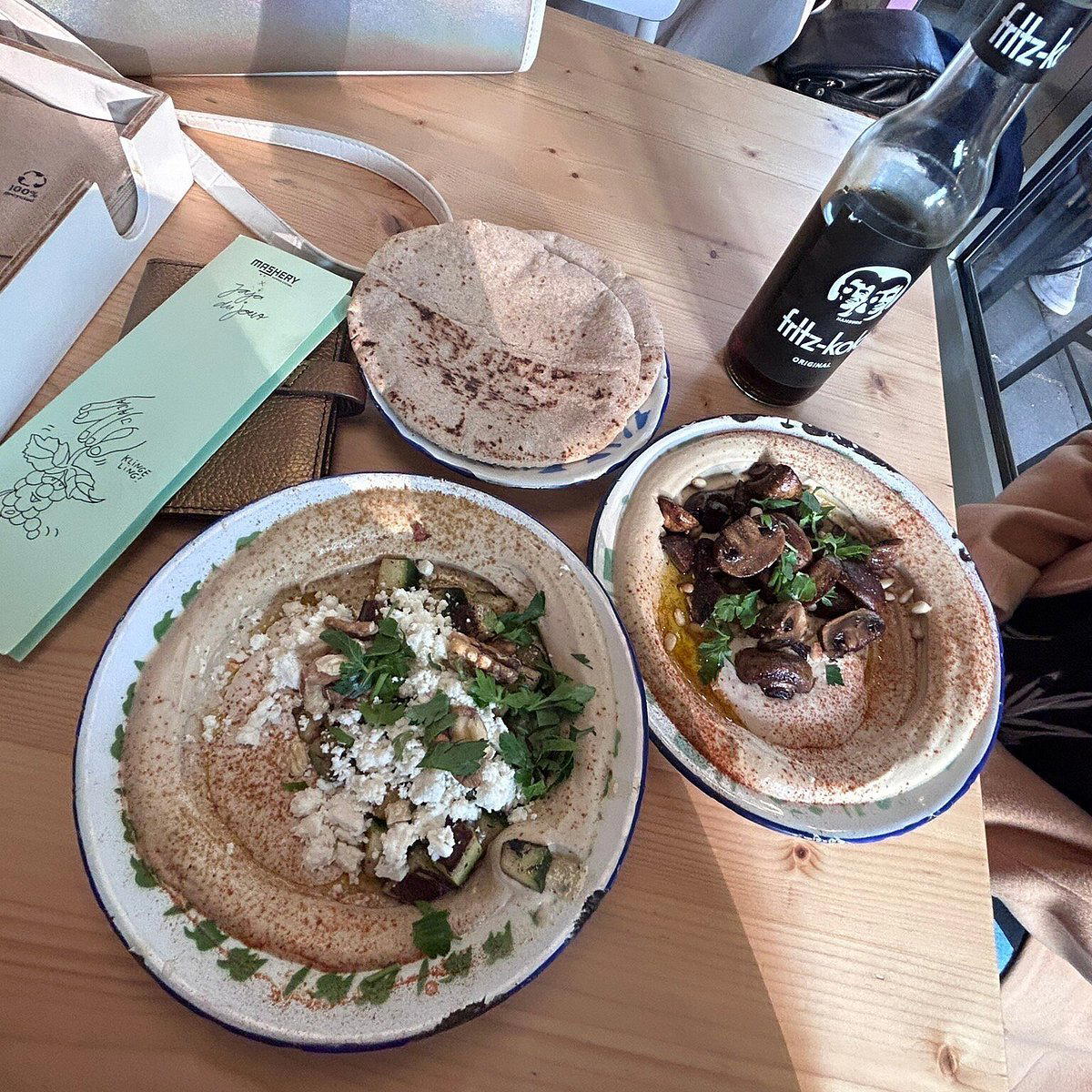
A Street in the Belgian Quarter That Takes Its Time
Roonstraße cuts through the heart of Cologne's Belgian Quarter, a stretch of the city where the rhythm of eating is deliberately unhurried. The neighbourhood draws a crowd that treats dinner as the event, not the prelude to one. Independent restaurants here tend to hold a studied quietness, no DJ sets bleeding through the wall, no tables turned on a ninety-minute clock. Mashery, at number 36, sits inside that character rather than against it. Mashery is a restaurant in Cologne's Belgian Quarter at Roonstraße 36, known for its Modern Levantine Hummus Kitchen menu and casual, walk-in-friendly service.
The Ritual of the Table in Cologne's Belgian Quarter
German fine dining has, over the past decade, moved away from the rigid French-inflected service codes that once dominated it and toward something more conversational but no less precise. In Cologne specifically, the better rooms along and around Roonstraße tend to operate with an understanding that pacing is a form of hospitality. A meal unfolds in acts: something to open the palate, a succession of smaller courses that build in intensity, a point where the kitchen shows its hand, and a deliberate close. The expectation is that the diner surrenders to that structure rather than directing it. That posture, the guest as willing participant rather than consumer with demands, is what separates this tier of dining from casual neighbourhood eating.
Cologne's upper tier is not enormous. Ox & Klee operates at the Michelin level with a modern cuisine approach that has drawn sustained national attention. La Cuisine Rademacher holds a strong position in the French-inflected category. La Société and Le Moissonnier Bistro each address a different price point and mood within the city's considered-dining set. maiBeck has built a following around modern cuisine with clear local sourcing commitments. Mashery enters this map from the Belgian Quarter, a neighbourhood that has consistently produced restaurants interested in the guest's full evening rather than seat efficiency.
What the Address Tells You
Location inside the Belgian Quarter carries specific implications. The district has historically housed a concentration of owner-operated restaurants where the person responsible for the cooking is also responsible for the room. That model produces a particular consistency: the tone of service, the decisions about music level, the speed at which courses arrive, all of it answers to the same sensibility. It contrasts with larger hospitality-group operations where the kitchen and the front-of-house follow separate management chains. Diners who seek the former tend to find Roonstraße addresses reliably, and Mashery's placement in this context puts it in that tradition whether or not that framing is explicitly part of its own self-presentation.
Across Germany, the independent fine-dining room in a residential neighbourhood has produced some of the country's most consistent tables. Vendôme in Bergisch Gladbach, just outside Cologne, has long demonstrated that proximity to a major city does not require the noise of one. Waldhotel Sonnora in Dreis operates on a similar logic of quiet concentration. The Belgian Quarter applies that principle inside an urban grid, which is a different proposition but the same underlying value: the dining room should not compete with the city for attention.
Germany's Broader Fine-Dining Frame
The German fine-dining circuit extends well beyond Cologne, and understanding where a city-based restaurant sits relative to that wider conversation matters for a reader making decisions about where to direct serious meals. Aqua in Wolfsburg and Schwarzwaldstube in Baiersbronn represent the nationally recognised tier. JAN in Munich sits in the modern cuisine space with clear ambitions. ES:SENZ in Grassau has built credibility through a focused menu in a less obvious location. Victor's Fine Dining by Christian Bau in Perl operates at the high end of the national recognition scale. Schanz in Piesport connects fine dining to wine country in a way that few German restaurants attempt with equal seriousness. Restaurant Haerlin in Hamburg holds a position in the north comparable to what the leading Cologne rooms hold in the west. CODA Dessert Dining in Berlin has redefined what a course structure can look like at the category's edge. The international frame extends further: Le Bernardin in New York City and Atomix in New York City both demonstrate, in different ways, how a tightly controlled dining ritual becomes the restaurant's primary product. Cologne's serious rooms aspire to comparable discipline within a smaller market.
Peers in This Market
Comparable venues nearby, for context on price, style, and recognition.
| Venue | Cuisine | Price | Notes |
|---|---|---|---|
| MasheryThis venue — the venue you are viewing | Modern Levantine Hummus Kitchen | $$ | Not listed |
| Nish Nush | Israeli-Levantine Street Food | $$ | Neustadt/Nord |
| Al Salam | Lebanese & Palestinian Mezze | $$ | Neustadt/Süd |
| Bar Trattoria Celentano | Authentic Sicilian Italian Trattoria | $$ | Neustadt/Nord |
| Brot, Wein, Fisch und.. | Mediterranean Seafood | $$ | Ehrenfeld |
| Spacca Napoli | Neapolitan Pizza | $$ | Ehrenfeld |
Continue exploring
More in Cologne
Restaurants in Cologne
Browse all →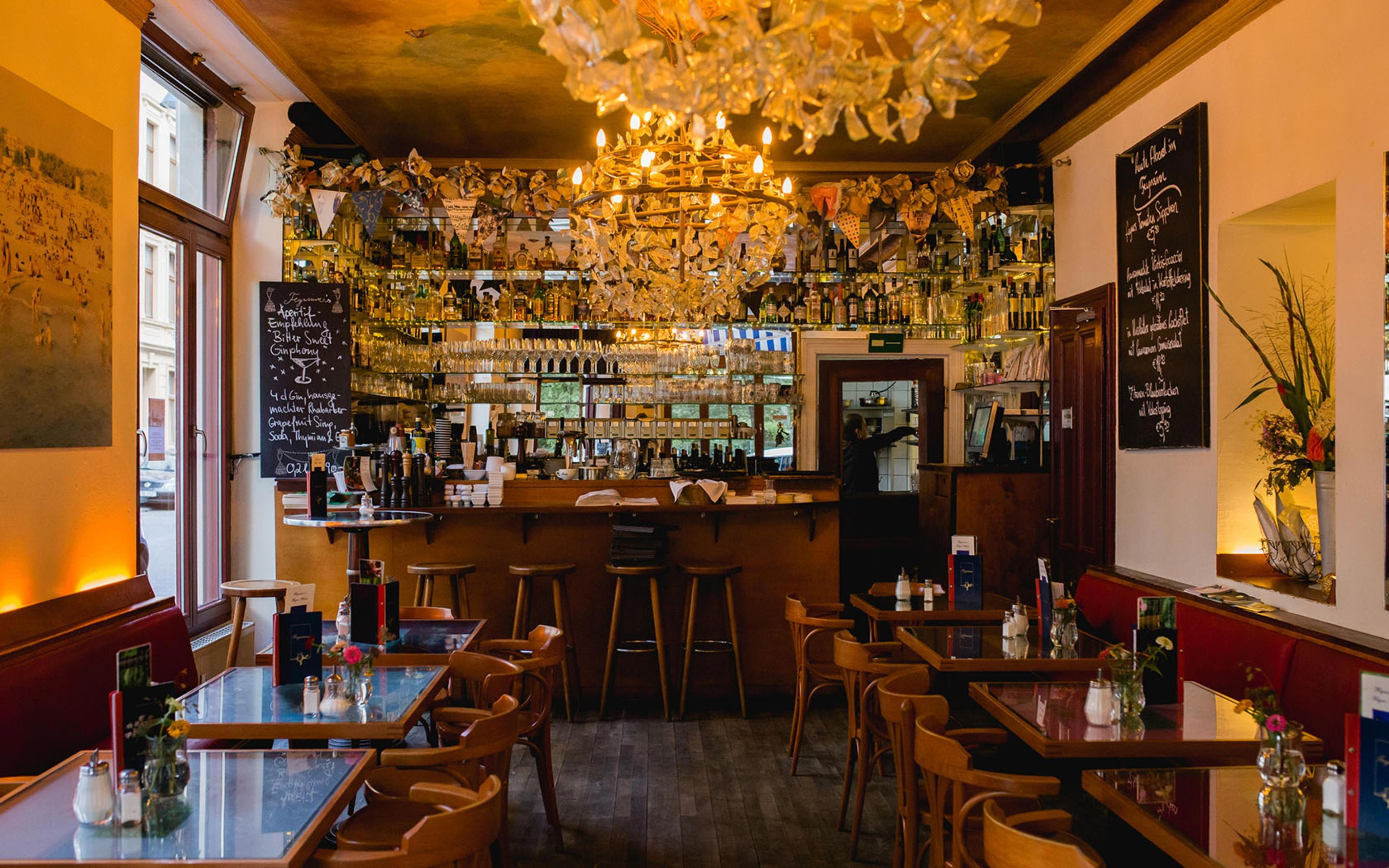
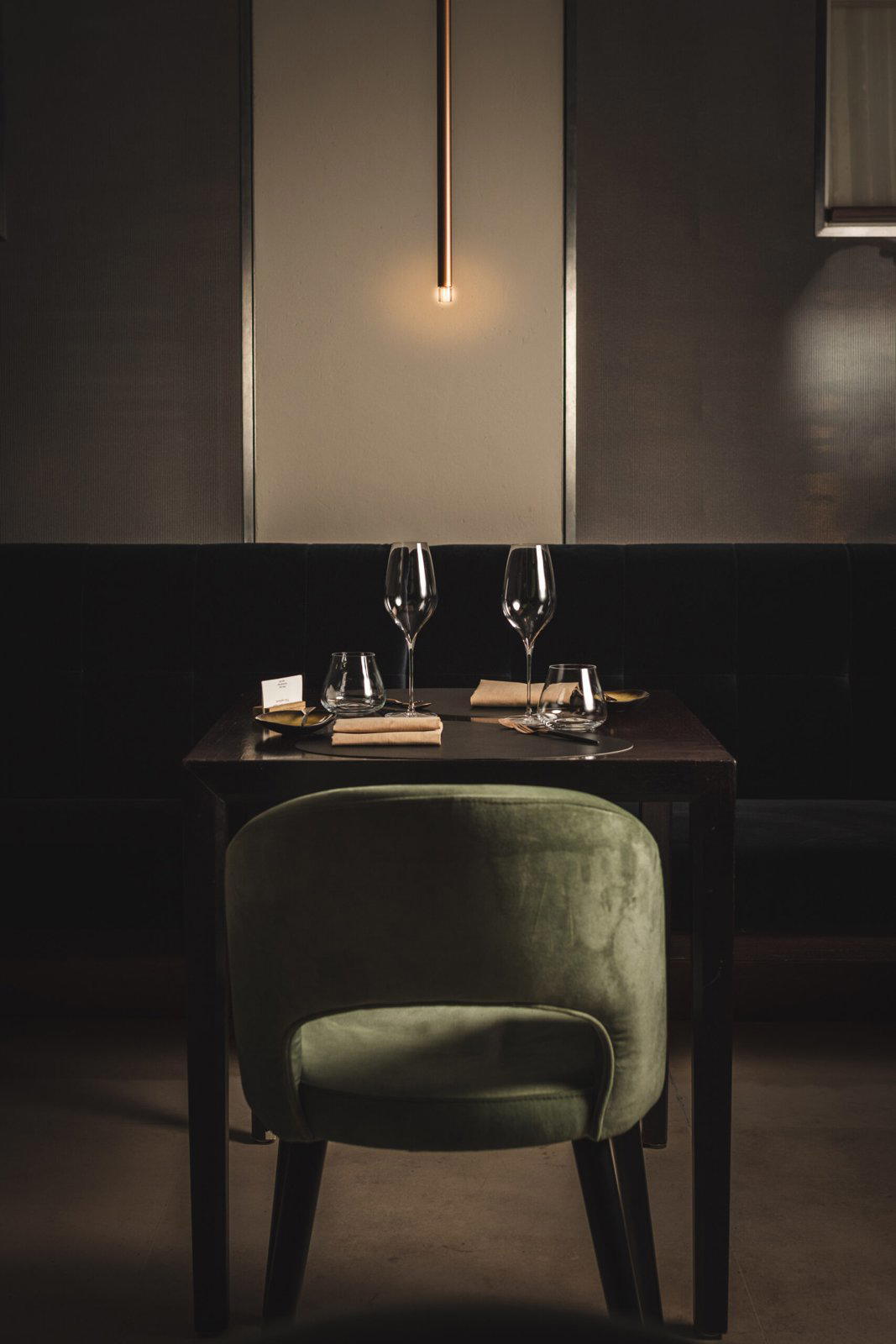
Bars in Cologne
Browse all →
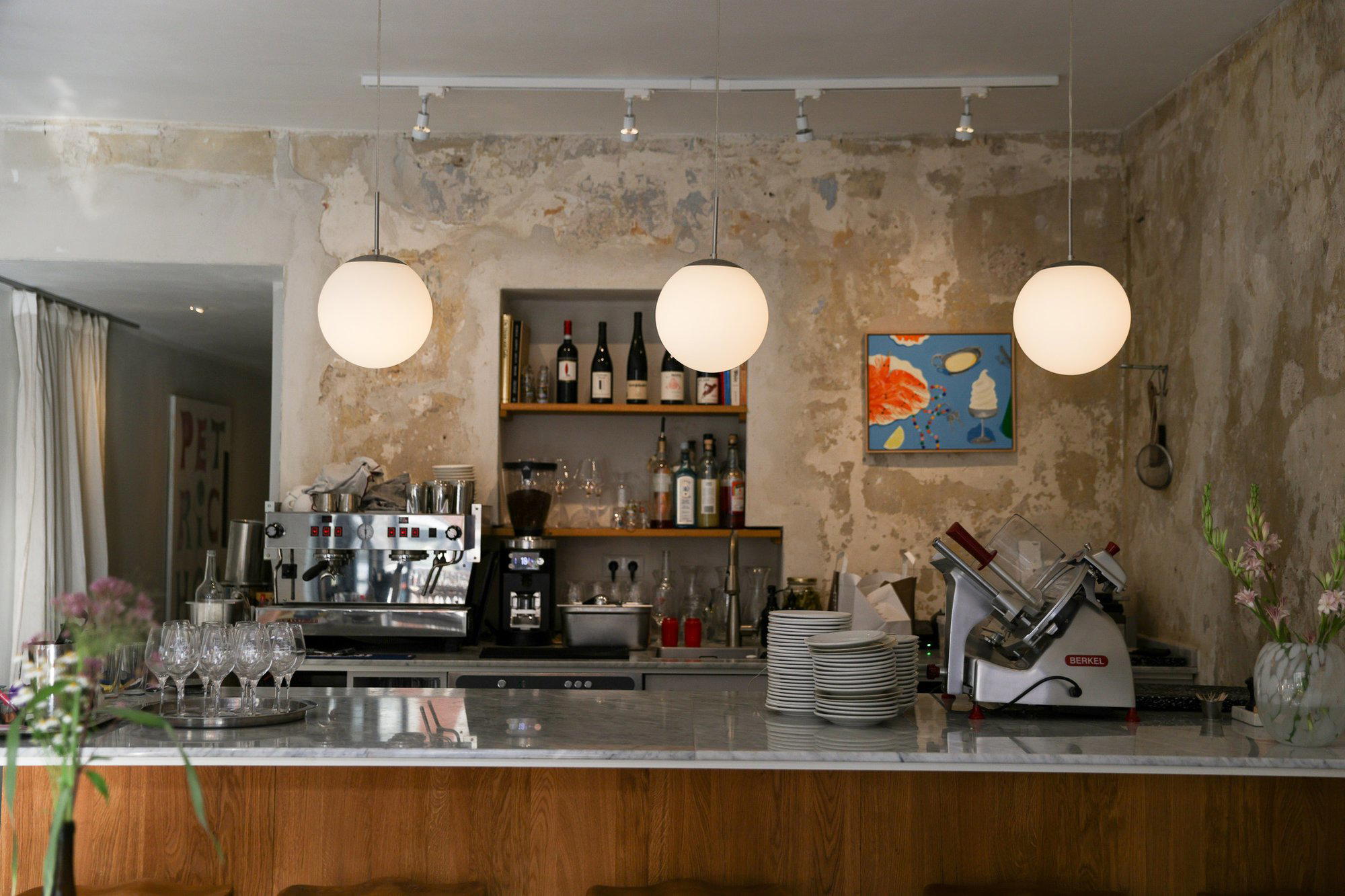
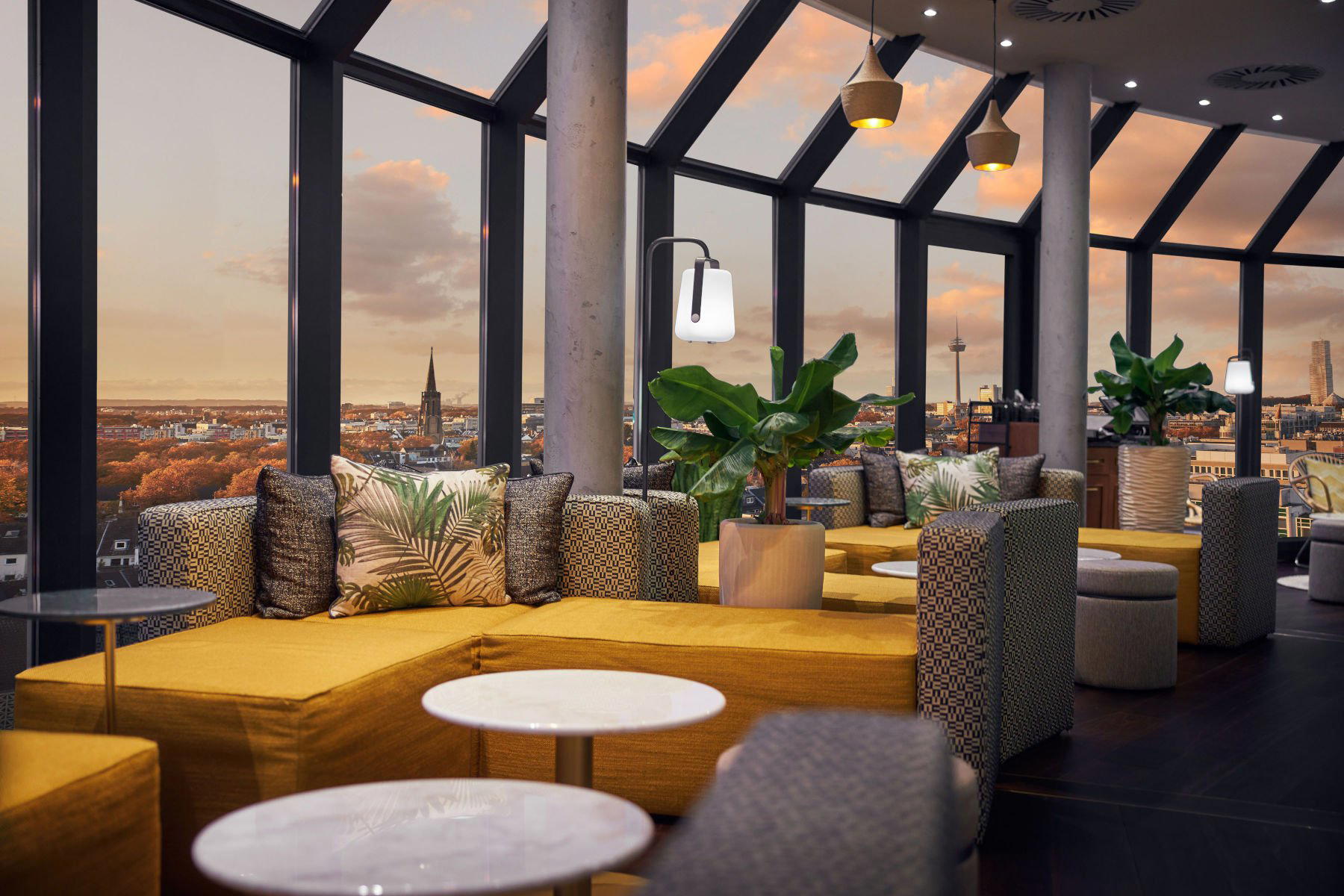
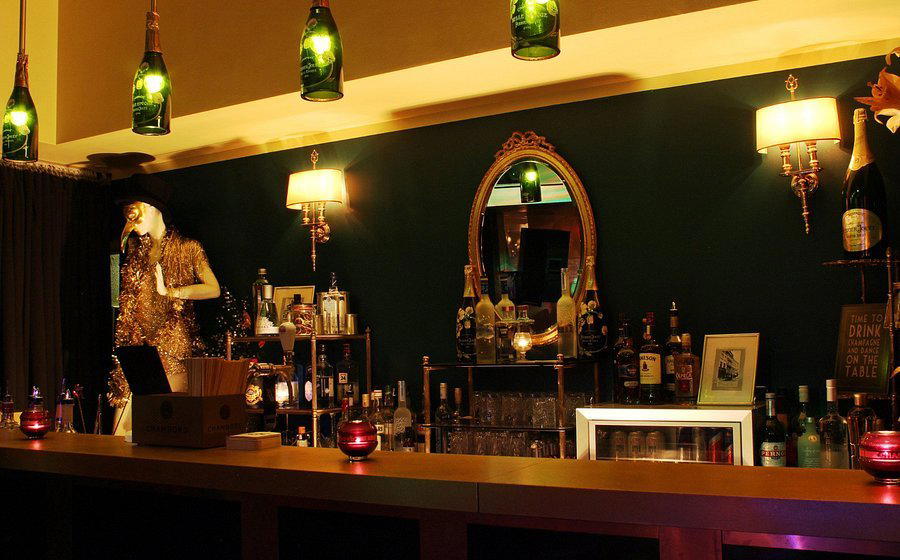
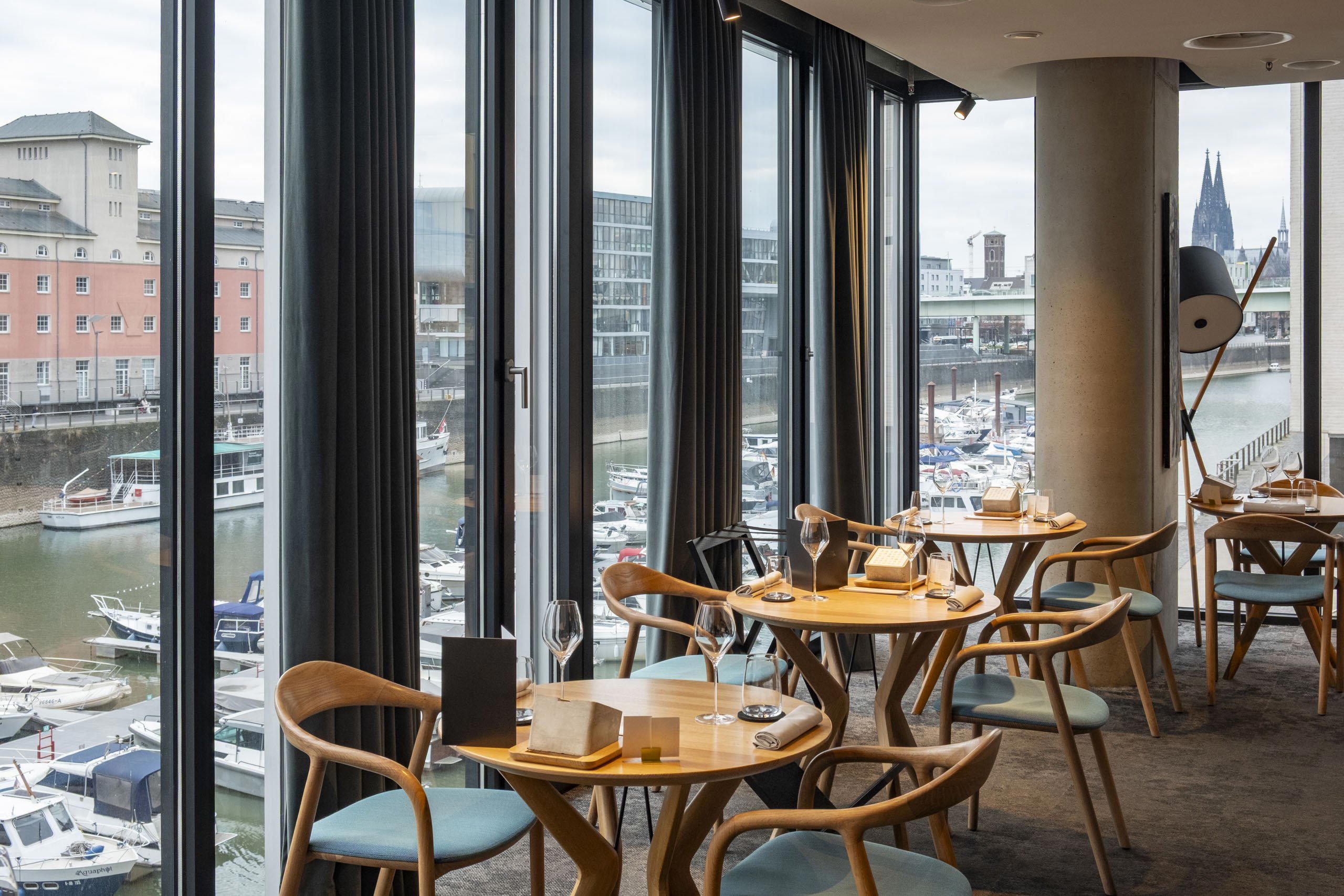
Hotels in Cologne
Browse all →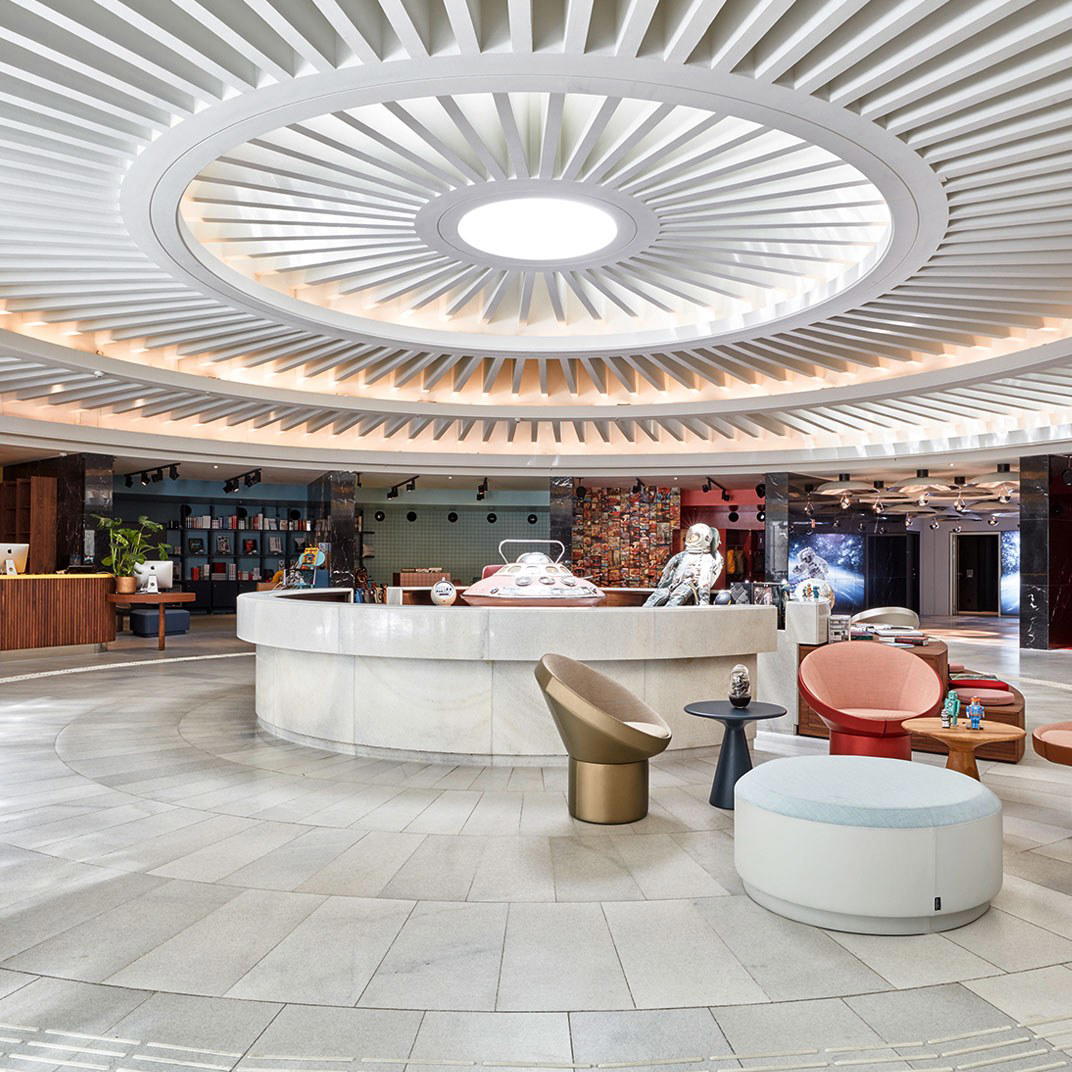

At a Glance
- Cozy
- Modern
- Trendy
- Casual Hangout
- Open Kitchen
- Local Sourcing
- Organic
Current opening hours
- Monday
- 12–10 PM
- Tuesday
- 12–10 PM
- Wednesday
- 12–10 PM
- Thursday
- 12–10 PM
- Friday
- 12–10 PM
- Saturday
- 12–10 PM
- Sunday
- Closed
Hours can change for holidays and private events. Last verified .
Cute small restaurant with familiar cozy atmosphere, pastel-hued chic design, and friendly service.