On Venloer Strasse in Cologne's Ehrenfeld district, Spacca Napoli brings Neapolitan pizza tradition into a neighbourhood that has become one of the city's most food-forward corridors. The name references the old street that splits Naples in two, and the kitchen works within that same southern Italian framework, dough, fire, and a disciplined respect for the source material.
Pearl is the En Primeur Club membership app — saves, bookings, and concierge access live there. Same editors, same standards.
- Address
- Venloer Str. 502, 50825 Köln, Germany
- Phone
- +4922178919888
- Website
- spaccanapolikoeln.de
- Directions
- Get directions
 Saves & bookings on Pearl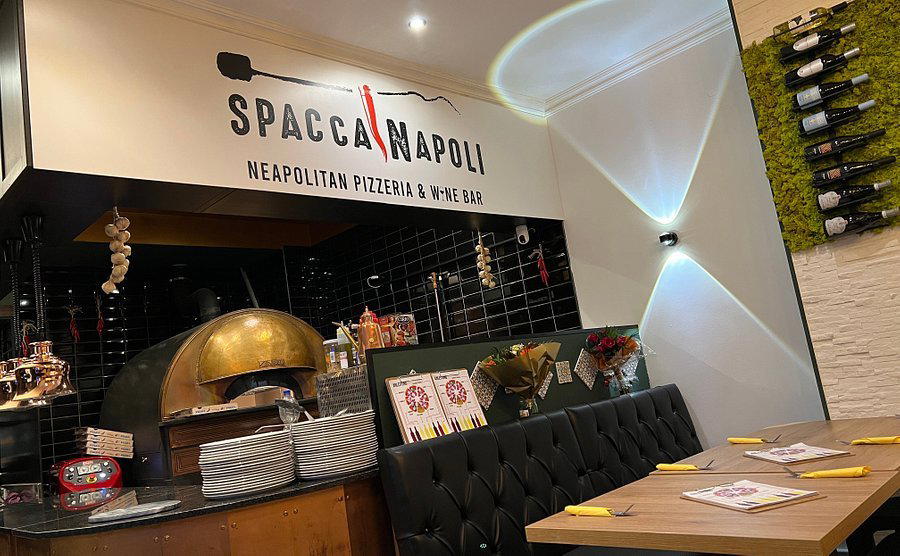
Where the Dough Does the Talking
Venloer Strasse runs through Ehrenfeld like a spine, and the stretch around the 500s has quietly accumulated a dining density that rewards close attention. The neighbourhood sits west of the Cologne ring, away from the cathedral tourism circuit, and its restaurant culture reflects that remove: less performance, more conviction. Spacca Napoli is a restaurant serving Neapolitan pizza at Venloer Str. 502, 50825 Köln, Germany. The name itself is a geographical marker, the Spaccanapoli is the long, straight thoroughfare that bisects the historic centre of Naples, and invoking it sets expectations about where the kitchen's loyalties lie.
Neapolitan pizza in Germany occupies an interesting position. The category has expanded dramatically over the past decade, moving from novelty to near-ubiquity in any city with a serious food scene. But expansion has also produced dilution. The discipline that defines the Neapolitan tradition, a specific flour and fermentation logic, a wood-fired oven running at temperatures that most kitchens avoid, a crust that chars at the cornicione while staying pliable at the centre, requires genuine commitment to execute correctly. In Cologne, where the comparison set runs from casual Italian chains to the more formal European cooking at places like Ox & Klee or La Cuisine Rademacher, a pizza specialist that holds to the source tradition occupies a distinct and defensible niche.
The Ritual of the Neapolitan Table
Neapolitan pizza dining has a rhythm that differs from most formal restaurant meals, and that rhythm is worth understanding before you arrive. The meal is not structured around courses in the French sense. There is no tasting menu pacing, no parade of small plates building toward a centrepiece. The pizza arrives as the event itself, usually whole, usually hot, and meant to be eaten immediately. The crust continues to cook from residual heat for the first minute or two on the plate. Waiting is not recommended.
This directness is the ritual. The dough, typically fermented over 24 to 48 hours depending on the kitchen's method, arrives at the table as the primary argument for why you came. Toppings in the Neapolitan canon are few and deliberate: the Margherita, in its canonical form, uses San Marzano tomatoes, fior di latte or buffalo mozzarella, and basil applied after the oven. The restraint is structural, not minimal. Every element is load-bearing. When kitchens deviate from this economy by adding components, the leading ones do so with the same logic, each addition must justify its presence against the dough and the heat.
Eating here is not the same transaction as dining at La Société or settling into the long Saturday format at Le Moissonnier Bistro. The pace is faster, the atmosphere less orchestrated. That is the point. Neapolitan pizza culture is inherently egalitarian, the same dish feeds a quick lunch and a convivial dinner, and the venue's role is to protect the integrity of the product, not to elaborate around it.
Ehrenfeld as a Context
The neighbourhood around Venloer Strasse has changed considerably over the past decade. Ehrenfeld's shift from a working-class industrial district to one of Cologne's more culturally active quarters has brought with it a food scene that now includes several registers of ambition. At the informal end, independent operators with specific culinary points of view have set up alongside long-established local businesses. At the more formal end, Cologne's restaurant culture is well represented by the modernist European cooking at maiBeck and the precision-led kitchens that anchor the city's standing in German fine dining.
Against that backdrop, a kitchen committed to one specific regional Italian tradition, and not the pan-Italian generalism that fills most casual dining rooms, reads as an editorial choice. The address on Venloer Strasse places Spacca Napoli in a part of the city where that choice makes sense: an audience comfortable with specificity, not requiring the full apparatus of formal service, but expecting the kitchen to know exactly what it is doing.
Germany's broader pizza conversation has shifted in recent years toward wood-fired Neapolitan formats, partly driven by Vera Napoletana certification and partly by a wider consumer literacy about fermentation and dough hydration. That shift is visible in Berlin and Munich as much as Cologne. For context on how German cities are absorbing Italian culinary disciplines alongside their own fine dining traditions, the trajectories at JAN in Munich and CODA Dessert Dining in Berlin illustrate how the country's restaurant culture continues to absorb and reframe international reference points at the highest levels.
How It Compares in the Cologne Picture
Cologne's fine dining circuit, anchored by the long-running reputation of Vendôme in nearby Bergisch Gladbach and informed by the broader German three-star conversation that includes Aqua in Wolfsburg and Waldhotel Sonnora in Dreis, operates in a different register entirely from a Neapolitan pizza house. Spacca Napoli does not compete with that tier. What it does is hold a position that no amount of tasting-menu ambition can replicate: the specific, uncomplicated satisfaction of a correctly made pizza in a neighbourhood setting, where the expertise is real and the product is the whole conversation.
That is a harder position to sustain than it appears. In cities where the pizza category is crowded, the operators who last are those who resist the temptation to elaborate, who understand that the dough, the oven temperature, and the sourcing of ingredients are where the quality argument is won or lost, not in tableside service or wine list depth. The German fine dining benchmark, visible in the discipline applied at kitchens like Schwarzwaldstube in Baiersbronn or Restaurant Haerlin in Hamburg, shares one thing with the leading Neapolitan pizza: an unwillingness to flinch from the demands of the tradition being served.
Know Before You Go
| Address | Venloer Str. 502, 50825 Köln, Germany |
|---|---|
| Neighbourhood | Ehrenfeld, Cologne |
| Cuisine | Neapolitan pizza |
| Price range | About €18 per person |
| Reservations | Walk-ins are welcome |
| Hours | Mon: 5–11 PM; Tue: 5–11 PM; Wed: Closed; Thu: 5–11 PM; Fri: 5–11 PM; Sat: 3–11 PM; Sun: 3–10 PM |
| Getting there | Venloer Str. 502, 50825 Köln, Germany |
A Credentials Check
Comparable venues nearby, for context on price, style, and recognition.
| Venue | Cuisine | Price | Notes |
|---|---|---|---|
| Spacca NapoliThis venue — the venue you are viewing | Neapolitan Pizza | $$ | Not listed |
| Trattoria Casa Di Modica | Italian Trattoria | $$ | Altstadt/Nord |
| Gusto Antico | Authentic Italian Pizza and Pasta | $$ | Ehrenfeld |
| Nonna Napoli | Neapolitan Pizza | $$ | Neustadt/Süd |
| Bar Trattoria Celentano | Authentic Sicilian Italian Trattoria | $$ | Neustadt/Nord |
| Büdchen am Südpark | Neapolitan Pizza | $$ | Marienburg |
Continue exploring
More in Cologne
Restaurants in Cologne
Browse all →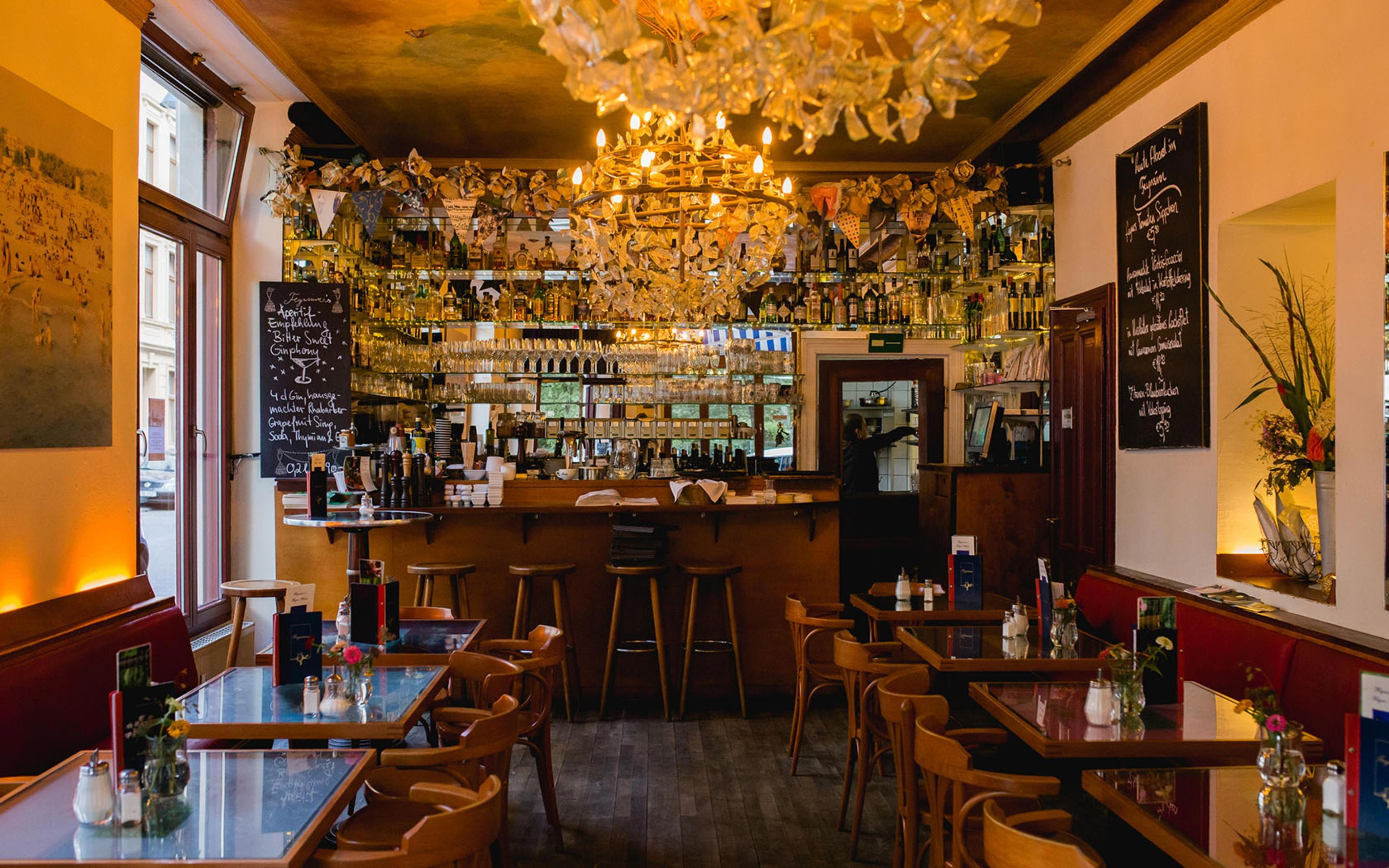
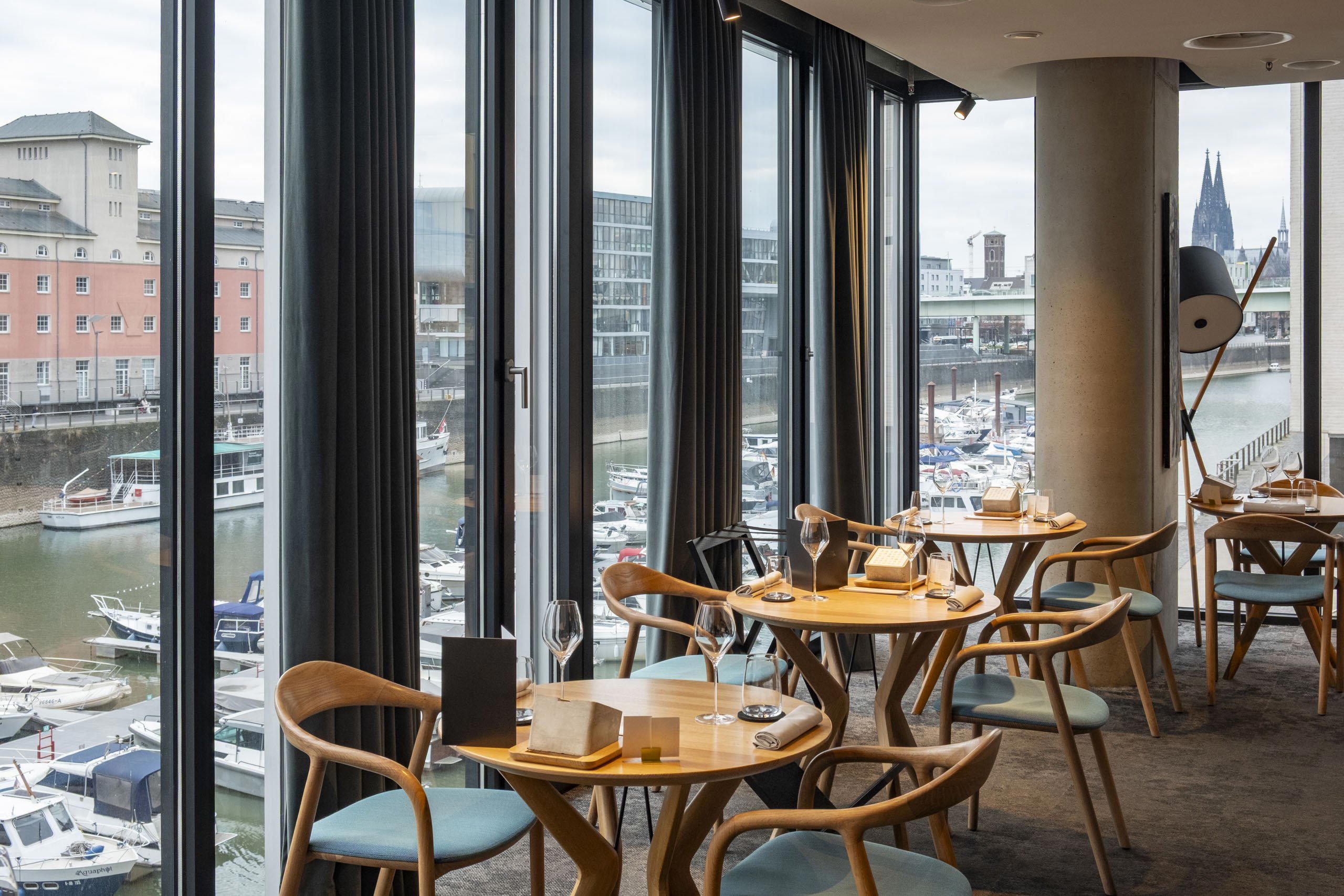
Bars in Cologne
Browse all →
Hotels in Cologne
Browse all →

At a Glance
- Lively
- Cozy
- Casual Hangout
- Group Dining
- Family
- Open Kitchen
- Standalone
- Beer Program
- Local Sourcing
Current opening hours
- Monday
- 5–11 PM
- Tuesday
- 5–11 PM
- Wednesday
- Closed
- Thursday
- 5–11 PM
- Friday
- 5–11 PM
- Saturday
- 3–11 PM
- Sunday
- 3–10 PM
Hours can change for holidays and private events. Last verified .
Lively and busy atmosphere with cozy seating, light golden walls with black and white photographs, outdoor seating with blankets and pillows, crowded but welcoming environment.