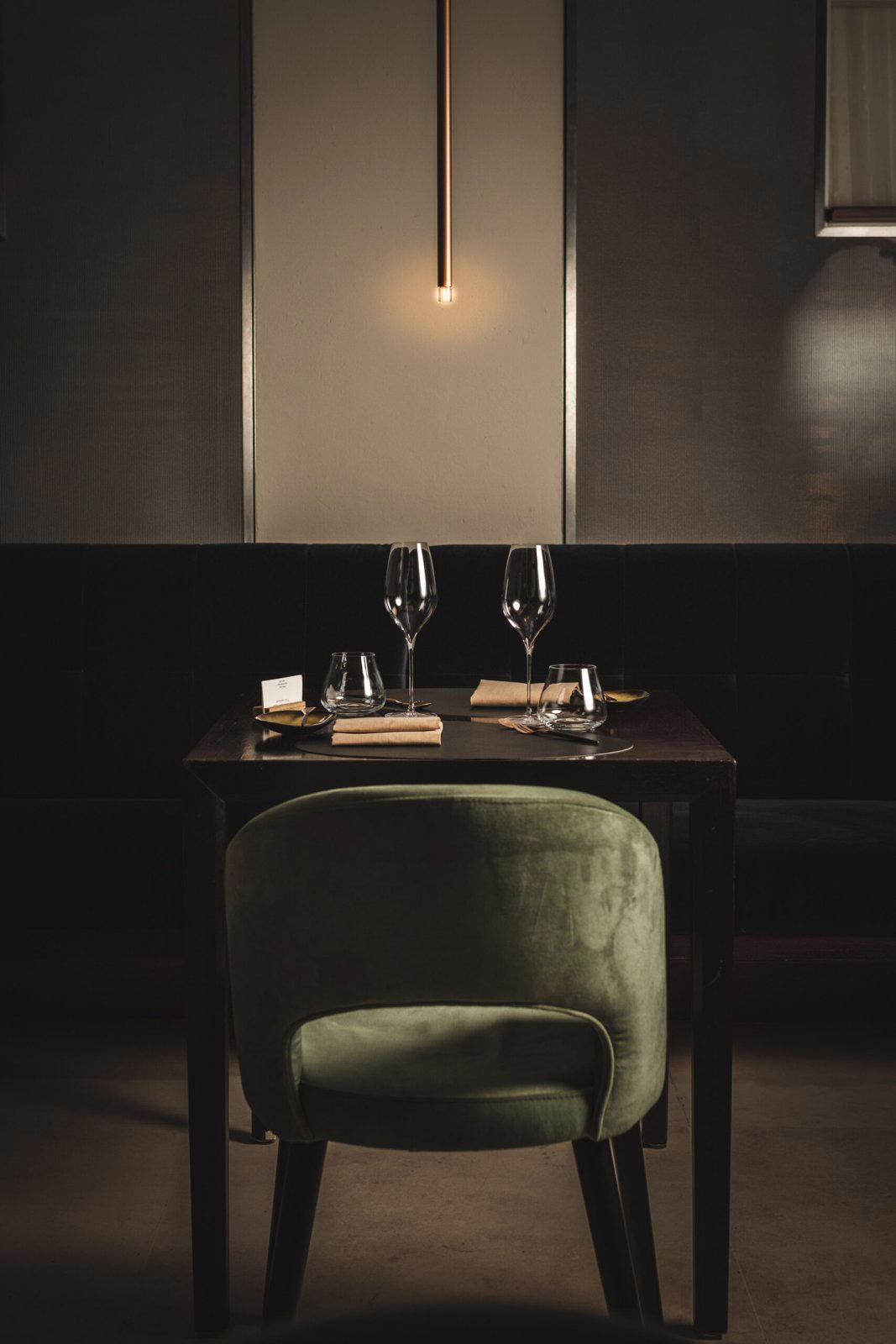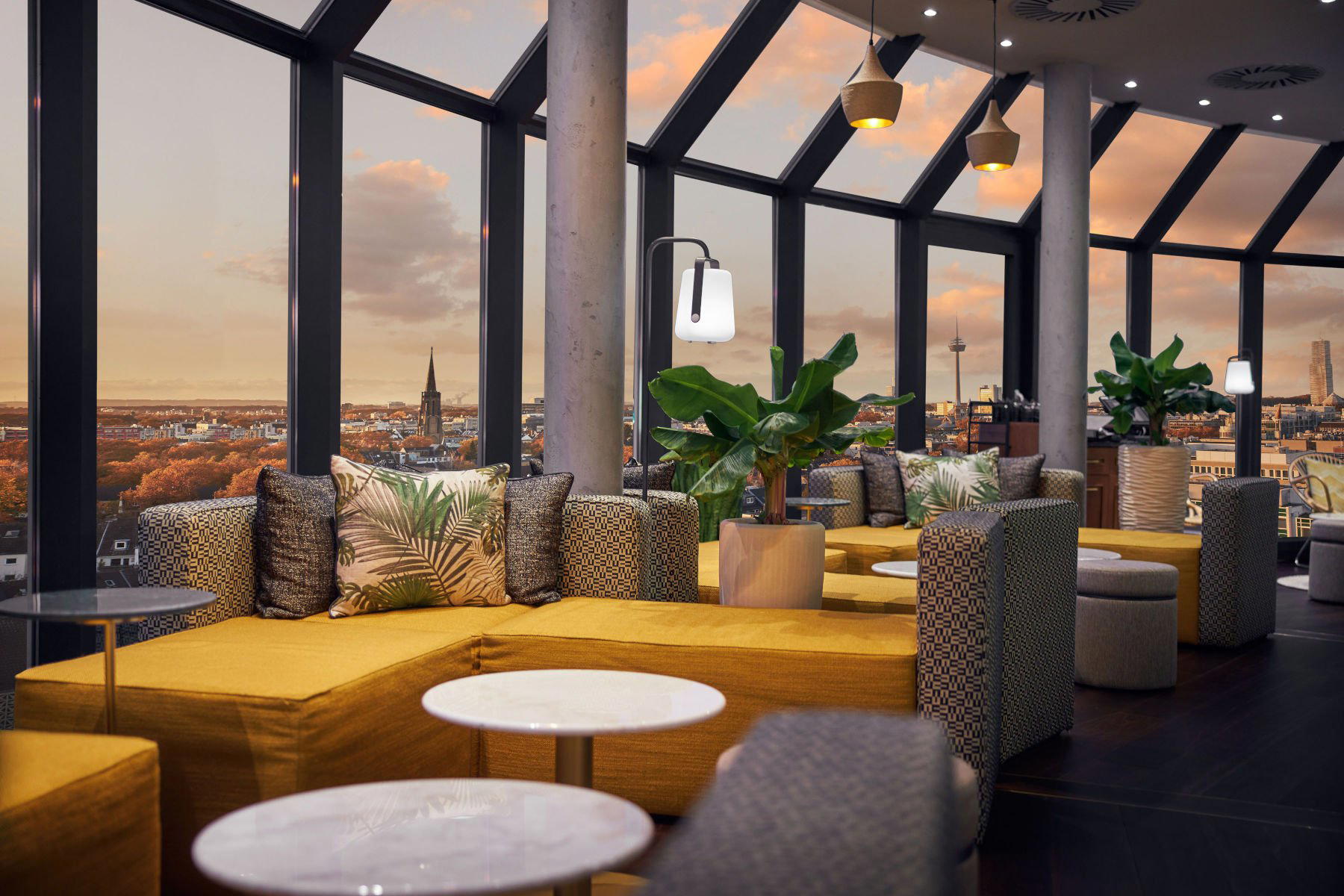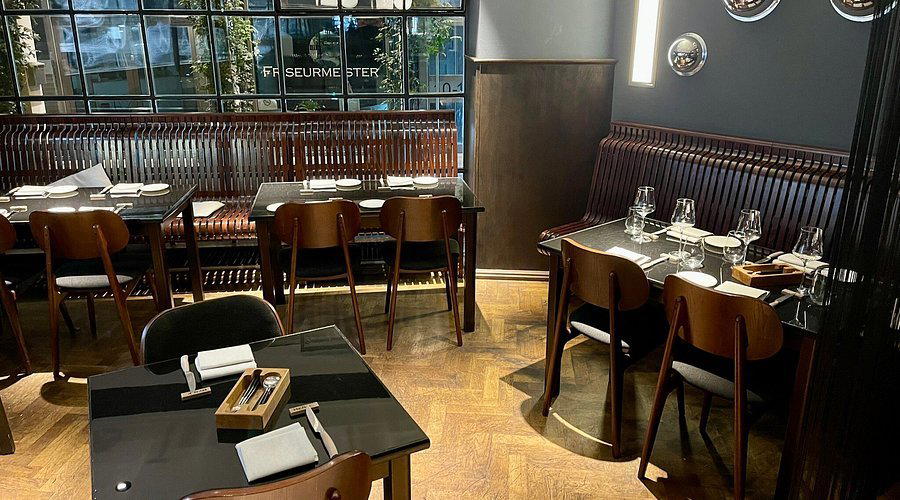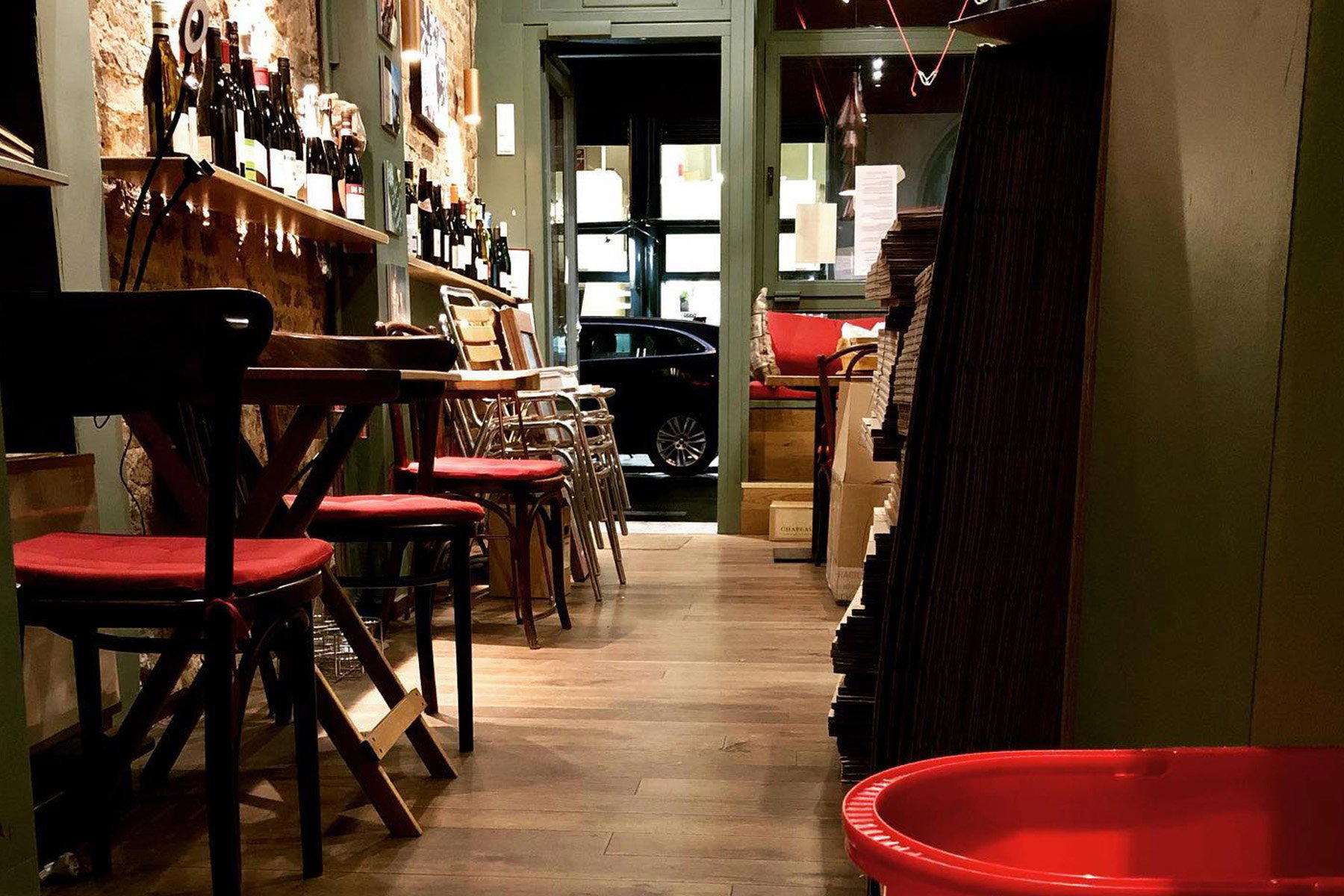
Falstaff Restaurant - 87 Falstaff Points
Our verdict
Al Salam occupies a corner of Cologne's Eifelplatz neighbourhood where the city's multicultural south meets its quieter residential streets. The kitchen draws on Middle Eastern culinary traditions that remain underrepresented in Cologne's fine-dining tier, making it a reference point for Arabic-rooted cooking in a city more commonly associated with modern European cuisine. Reservations and current menu details are best confirmed directly with the venue.

Pearl is the En Primeur Club membership app, where members save venues, book tables and use the concierge.
The menu
What to order
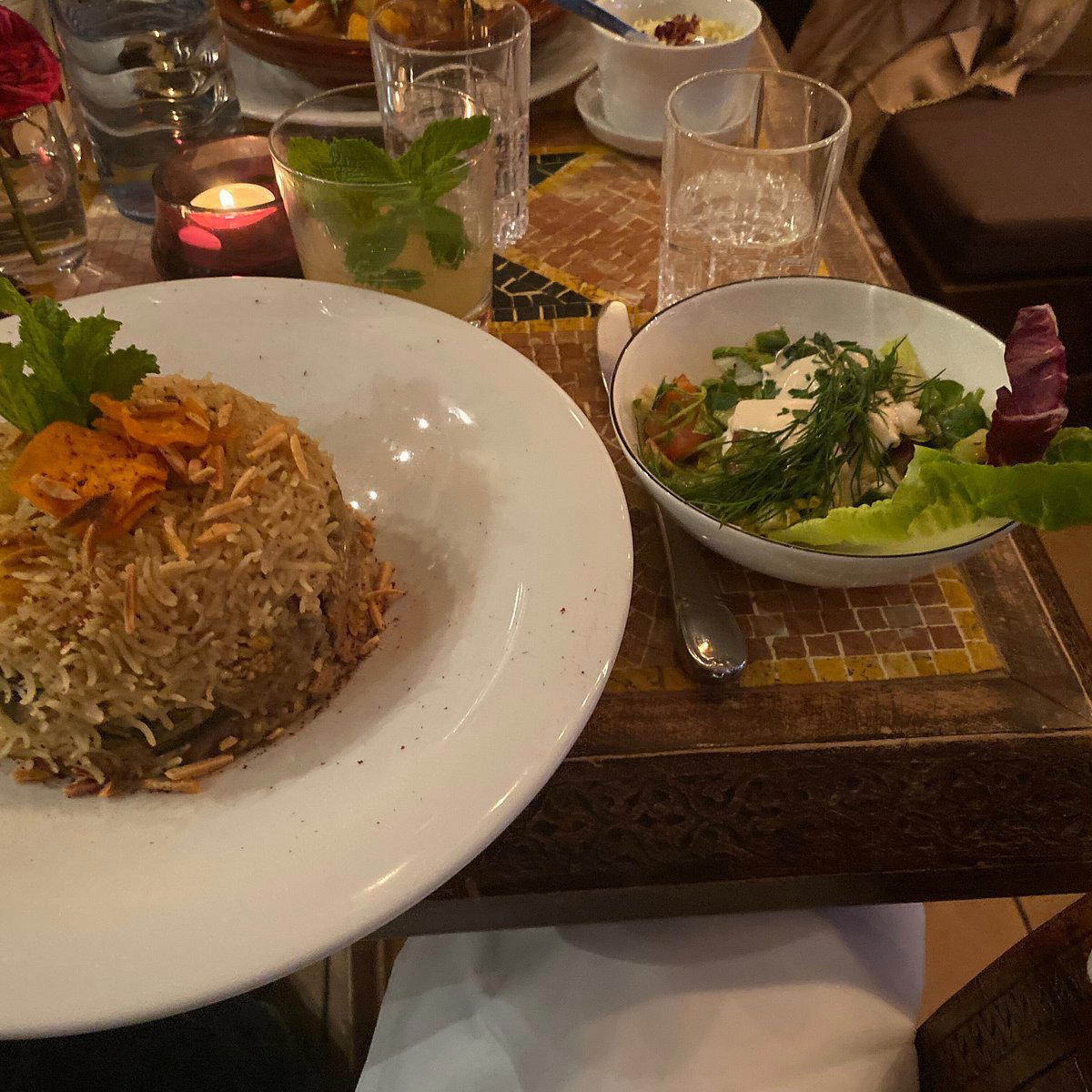
- Maqlubeh
- Musakhan
- Hummus
- Falafel
- Mashawi Mushakkal
Where Arabic Culinary Tradition Meets Cologne's South
Eifelplatz sits in the southern arc of Cologne's inner city, a few tram stops from the cathedral district but a different register entirely. The streets here are denser with independent businesses, the demographic mix more pronounced, and the dining options less oriented toward the fine-dining conventions that dominate the Altstadt. It is in this context that Al Salam operates, at Eifelpl. 4, on a stretch where Arabic grocers, Lebanese bakeries, and small family-run restaurants form a coherent culinary neighbourhood rather than isolated outposts. The approach from the street sets expectations: this is not a venue positioning itself through minimalist design signals or a waiting list. It is a place that derives its authority from the tradition it represents.
The Cultural Weight of Arabic Cuisine in a German City
Germany's relationship with Arabic and Levantine cooking has deepened considerably over the past two decades, driven partly by migration patterns and partly by a broader European appetite for the Eastern Mediterranean pantry. Cologne, with its historically open commercial culture and large diaspora communities, has developed one of the more textured Arabic dining scenes in the country's west. The Ehrenfeld and Südstadt districts, which bracket Al Salam's neighbourhood, have seen this cuisine move beyond the falafel-and-shawarma shorthand toward restaurants engaging with regional specificity: the lamb preparations of the Levant, the slow-cooked grain dishes of the Gulf, the spice logic that differentiates Yemeni cooking from Syrian or Egyptian.
Within that broader shift, venues like Al Salam represent the layer of the market that serves community alongside visitors, where the food is calibrated to guests who know the reference points and will notice when something is off. That kind of audience is a more demanding test of a kitchen than a tourist-facing menu, and it shapes what ends up on the plate.
Arabic Cuisine in Context: What the Tradition Demands
Levantine and Arabic cooking carries a set of structural expectations that differ significantly from the European fine-dining logic dominating venues like Ox & Klee, La Cuisine Rademacher, or La Société at the top of Cologne's restaurant tier. The architecture of the meal is different: meze culture means the table fills incrementally, with cold dishes preceding hot, and the rhythm of sharing governs portion logic rather than individual plating. Bread is not an afterthought but a structural element, used to gather sauces and soft preparations in ways that reflect centuries of table practice. Spice use is precise rather than aggressive, with cumin, coriander, allspice, and sumac doing layered work rather than providing a single dominant note.
Germany's broader high-end dining scene, from Schwarzwaldstube in Baiersbronn to Aqua in Wolfsburg to Vendôme in Bergisch Gladbach, operates almost entirely within French or modern European frameworks. Arabic and Middle Eastern kitchens occupy a different part of the dining map, one where awards infrastructure and critical recognition systems are less developed, but where repeat custom from a knowledgeable community provides its own form of quality signal.
Cologne's Dining Tiers and Where This Fits
It is worth mapping Al Salam against the broader structure of Cologne's restaurant scene. At the leading, a cluster of modern European restaurants competes for Michelin attention and draws from across the Rhine region. maiBeck and Le Moissonnier Bistro represent the city's appetite for technique-driven cooking with strong local sourcing. That tier is well-documented and well-booked. Below it, and arguably more interesting to a visitor with broader curiosity, is the layer of ethnic and diaspora restaurants that reflect what Cologne actually eats. Al Salam operates in this second tier not as a lesser option but as a different category, serving a cuisine that German fine-dining infrastructure has not yet fully absorbed into its recognition systems.
For context on how the German fine-dining tier looks when judged by those systems, JAN in Munich, CODA Dessert Dining in Berlin, ES:SENZ in Grassau, Schanz in Piesport, Waldhotel Sonnora in Dreis, Victor's Fine Dining by christian bau in Perl, and Restaurant Haerlin in Hamburg give a sense of how the Michelin-tracked segment looks. Al Salam operates entirely outside that frame and should be assessed on different terms.
Planning a Visit
Al Salam is at Eifelpl. 4 in Cologne's Südstadt, reachable by tram from the city centre in under fifteen minutes. Venues at this price point and format in German cities typically do not require advance reservations weeks out, though weekend evenings in a busy residential neighbourhood can fill faster than midweek. The Südstadt's compact geography means that if Al Salam is full, the surrounding streets hold other Arabic and Levantine options within easy walking distance. For a broader picture of where Al Salam sits within Cologne's full dining map, the EP Club Cologne restaurants guide covers the city's range from neighbourhood staples to the fine-dining tier.
For those building an international dining itinerary alongside a Cologne stop, the gap between the Arabic dining tradition and the European fine-dining canon becomes clearer in contrast: venues like Le Bernardin in New York City or Lazy Bear in San Francisco operate under a recognition logic that simply does not map onto what a place like Al Salam is doing, nor should it.
Frequently asked questions
Where is Al Salam located?
Al Salam is located at Eifelpl. 4, 50677 Köln, Germany, Cologne.
Is Al Salam in Cologne's Südstadt a good option for Arabic food away from the tourist centre?
Eifelplatz 4 places Al Salam squarely in Cologne's Südstadt, a residential district several tram stops south of the cathedral quarter and operating at a different register from the city's visitor-facing dining strip. Arabic and Levantine restaurants in this part of Cologne tend to serve a local clientele rather than an international one, which often translates to cooking calibrated for familiarity rather than spectacle. For visitors seeking Arabic food grounded in neighbourhood context rather than city-centre positioning, the Südstadt address is a practical and culturally coherent choice.
What should I eat at Al Salam?
Al Salam's kitchen draws from Arabic and Levantine culinary tradition, a category that typically centres on mezze, grilled meats, slow-cooked stews, and herb-forward salads. The address at Eifelplatz 4 in Cologne's Südstadt suggests a neighbourhood-rooted operation rather than a tourist-facing menu, so expect dishes tied to regional Arabic cooking rather than a Westernised shortlist. Specific current dishes are best confirmed directly with the restaurant before visiting.
How hard is it to get a table at Al Salam?
For a Südstadt neighbourhood address of this kind, walk-ins during off-peak hours are often viable, though weekend evenings in this part of Cologne tend to fill quickly across the dining strip. Visiting in person or via a third-party reservation platform is the most reliable approach.
What has Al Salam built its reputation on?
Al Salam sits within a significant tradition: Arabic and Levantine cooking in German cities has moved from peripheral to genuinely respected over the past two decades, shaped by communities that treat these dishes as daily staples rather than occasion food. At Eifelplatz 4 in Cologne's Südstadt, the location places it among a south-city neighbourhood with a distinct demographic character, separate from the cathedral-district tourist circuit. No formal awards are currently documented for Al Salam, so its standing appears built on local consistency rather than critical accolades.
What if I have allergies at Al Salam?
Arabic and Levantine cooking commonly involves sesame, nuts, wheat, and dairy across many core dishes, including hummus, pastries, and marinated meats. Arriving early and speaking with staff in person is the most practical way to get accurate, up-to-date information.
In Context: Similar Options
| Venue | Cuisine | Price | Awards | Notes |
|---|---|---|---|---|
| Al SalamThis venue (the venue you are viewing) | Lebanese & Palestinian Mezze | $30–50 | Falstaff Restaurant - 87 Falstaff Points | Not listed |
| maximilian lorenz | Modern German Fine Dining | $200–300 | 1 Michelin Star | French Brasserie, Modern Cuisine |
| NeoBiota | Modern European Fine Dining | Not listed | 1 Michelin Star | Modern German, Modern Cuisine |
| ZEN Japanese Restaurant | Modern Japanese Omakase & Sushi | $30–50 | Michelin Plate | Not listed |
| Ox & Klee | Modern European Fine Dining with Six-Sense Concept | $200–300 | 2 Michelin Stars · La Liste Top Restaurants | Modern Cuisine |
| La Cuisine Rademacher | Modern French Fine Dining | $150–200 | 1 Michelin Star | Modern French |
Recognition history
Dated appearances from independent guides and award organizations, with the underlying list record or original source where available.
Falstaff Restaurant - 87 Falstaff Points
Falstaff