

Star Wine List · We're Smart World 4 Radishes
Our verdict
In Chofu's western reaches, Maruta operates at a remove from central Tokyo's dining circuit, anchoring its menu in firewood cooking and the seasonal rhythms of the adjacent Jindaiji Garden. Homemade kombucha signals the kitchen's broader fermentation philosophy.

Pearl is the En Primeur Club membership app, where members save venues, book tables and use the concierge.
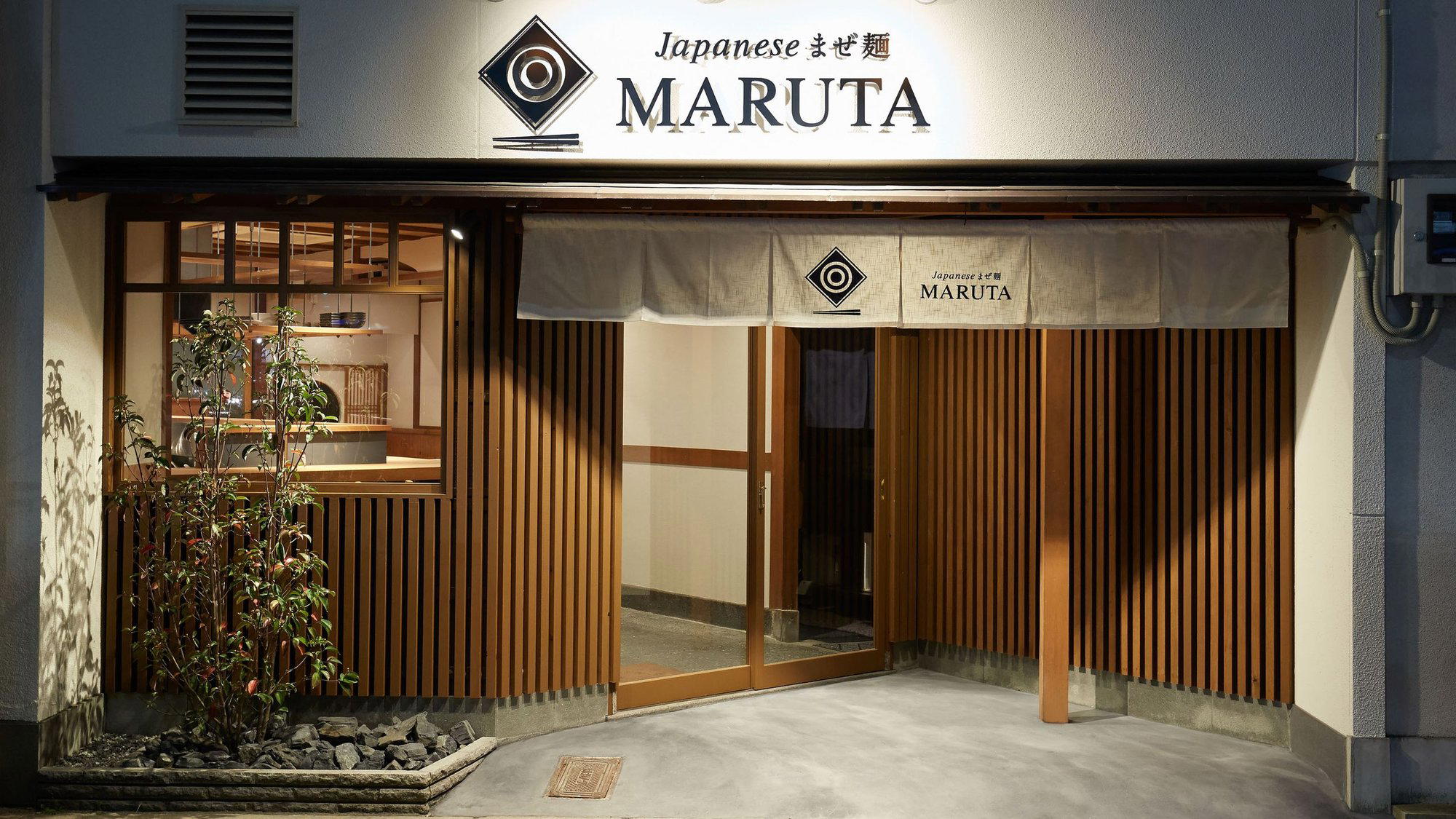
Western Tokyo's Firewood Kitchen and Why Distance from the Centre Is the Point
Tokyo's most-discussed restaurant addresses cluster predictably: Ginza counters for omakase, Minami-Aoyama for French-inflected kaiseki, Roppongi for internationally-minded tasting menus. Maruta sits at the opposite end of that geography, in Chofu, a residential district in the western reaches of the city, where the surroundings are green rather than glossy. The setting matters to understanding what the restaurant is doing. The Jindaiji Garden, which borders the property, shapes the menu's seasonal logic in a way that no central Tokyo kitchen can replicate through sourcing alone, proximity to a natural environment tends to produce a different kind of attention to ingredients than proximity to a prestige supplier network.
Firewood cooking is the kitchen's defining technical commitment. In a city where open-flame, ember-driven cooking has attracted serious critical attention over the past decade, Maruta belongs to a cohort that treats the hearth as a primary instrument rather than a finishing flourish. Wood fire changes the temperature gradient across a protein or vegetable differently from induction or gas, and the char it produces carries a depth that other methods cannot replicate. At Maruta, that logic extends across the menu: vegetables, which take a prominent role here, pass through the Japanese grill before reaching the plate, acquiring caramelisation and smoke that concentrate rather than obscure their character.
The Role of Vegetables and the Fermentation Thread
The vegetable emphasis at Maruta aligns with a broader shift in Japanese fine dining, where plant-forward menus have moved from a peripheral curiosity to a legitimate structural choice. Restaurants like L'Effervescence in Nishi-Azabu and Crony have made vegetable-led thinking a credible high-end position in Tokyo; Maruta arrives at a similar conclusion from a different direction, grounding its approach in Japanese grilling tradition and the seasonal produce available near Jindaiji rather than in European naturaliste philosophy.
Fermentation runs alongside grilling as a parallel technical language. The kitchen's reported use of fermenting, steaming, broiling, and concentrating across its preparations suggests a kitchen interested in transformation, in what happens to an ingredient when time, heat, smoke, or microbial activity intervenes. The homemade kombucha is the most visible signal of this sensibility, offered to diners as a standalone drink rather than an afterthought. In cities like Copenhagen and London, fermentation-led beverage programs became a marker of kitchen seriousness well before they reached Tokyo; Maruta's kombucha situates it within that evolving conversation.
Lunch Versus Dinner: How the Shifting Service Structure Changes the Experience
Maruta's editorial notes indicate that the restaurant shifts and sets its dinner service according to the season, suggesting a flexibility of format that distinguishes evening meals from daytime ones. In Japanese fine dining broadly, this lunch-dinner divide often carries practical and experiential weight. Lunch services at this category of restaurant tend to offer compressed menu formats at a lower price point, making them a more accessible entry point for first-time visitors who want to understand the kitchen's logic without committing to the full evening investment. The cooking techniques remain the same, but the pace, duration, and light are entirely different when the Jindaiji Garden is visible in afternoon rather than candlelit at night.
Dinner at firewood-cooking restaurants of this type typically leans into the theatrical dimension of live-fire cooking: the sound and smell of burning wood become ambient markers of the occasion. Evening service at Maruta, set against the garden and shaped by whatever seasonal configuration the kitchen has adopted, would operate in a different register from a brisk midday counter at a central Tokyo sushi venue like Harutaka or the kaiseki formality of RyuGin at night. The experience is slower, more environmentally determined, and less dependent on the theatre of the chef's hands in close proximity.
For visitors weighing when to book, the seasonal dinner format suggests that Maruta's fullest expression of intent comes at night, particularly during the transitions between seasons when the garden's character is most pronounced, late spring when new growth is visible, or autumn when the foliage adjacent to the property shifts. That said, a lunch visit carries its own logic: the natural light changes how the garden reads, and a shorter menu in daylight has a different, less ceremonial energy that some diners prefer.
Where Maruta Sits in the Tokyo Dining Conversation
Tokyo's most structurally ambitious restaurants, Sézanne in the Four Seasons, L'Effervescence, RyuGin, operate with full international visibility, receiving critics and destination diners from across the world. Maruta occupies a different position: it is a Chofu restaurant that draws on its immediate environment rather than its international reputation, which makes it more comparable in spirit to places like akordu in Nara or giueme in Akita, restaurants in non-central locations that build their identity from the surrounding landscape rather than from proximity to a dining district. The comparison with Gion Sasaki in Kyoto is also instructive: seasonal produce logic and garden adjacency create a similar sense of place-rootedness, even across very different cuisines.
That positioning has consequences for how you approach a visit. Chofu sits on the Keio Line, roughly thirty minutes from Shinjuku by express train, which makes Maruta logistically reachable from central Tokyo without requiring a full-day excursion. It is not, however, a drop-in restaurant: the firewood-cooking format and the seasonal dinner structure both suggest a kitchen that expects diners to have planned ahead. Whether reservations are required or preferred, booking well in advance is the operating assumption for any restaurant at this level of culinary intentionality in Japan. Contacting the restaurant directly through available channels is advisable before travel.
Visitors building a broader Japan itinerary could pair a Chofu evening with Kyoto's more formally structured vegetable-forward restaurants, or contrast it with the open-fire, produce-driven cooking at Goh in Fukuoka or the alpine seasonal logic at Bleston Court Yukawatan in Nagano. Within Japan's evolving conversation about what serious cooking rooted in place looks like, Maruta participates from a specific and deliberate distance from the centre. See our full Tokyo restaurants guide for more context on how this fits into the wider city scene, alongside our Tokyo hotels guide, Tokyo bars guide, Tokyo experiences guide, and Tokyo wineries guide.
Planning Your Visit to Maruta
Maruta is located at 1 Chome-20-1 Jindaiji Kitamachi, Chofu, Tokyo 182-0011. The Keio Line connects Chofu Station to Shinjuku in around thirty minutes by express, making access from central accommodation direct. Given the restaurant's format, advance reservations are strongly recommended; diners with dietary restrictions or allergy concerns should communicate these at the time of booking, as firewood-cooking menus with significant vegetable emphasis tend to be structured well in advance and require notice to accommodate substitutions. Dinner is the format most shaped by Maruta's seasonal philosophy; the kitchen's shifting seasonal structure means that what you eat will differ materially depending on when you visit.
Frequently asked questions
Where exactly is Maruta?
Maruta is located at 1 Chome-20-1 Jindaiji Kitamachi, Chofu, Tokyo 182-0011, Japan, Tokyo.
Is Maruta award-winning?
Maruta has received recognition including: Maruta, a firewood-cooking restaurant in the Chofu district of western Tokyo, is a magical place for those who’d like to enjoy gastronomy in a green environment. Uniquely, Maruta shifts and sets dinne...; The Jindaiji Garden is an inspirati….
What dish is Maruta famous for?
Maruta is built around firewood cooking rather than a single signature dish. Vegetables take a central role, passing through the Japanese grill before plating, and the house-made kombucha is specifically called out as something visitors should not skip. Fermenting, grilling, steaming, and concentrating are all active techniques on any given menu.
Is Maruta reservation-only?
Given that Maruta structures its dinner service around the season, adjusting format and timing accordingly, walk-ins are not a realistic option. Booking ahead is advisable, though contact details are not publicly listed, the restaurant is best reached through a concierge or local booking service familiar with the Chofu area.
What do critics highlight about Maruta?
Editorial coverage draws attention to two things consistently: the Jindaiji Garden setting in western Tokyo, which directly shapes the seasonal philosophy, and the technical range applied to vegetables, grilling, fermenting, broiling, steaming, and concentrating within a single menu. The firewood-cooking focus in a green, low-density neighbourhood distinguishes Maruta from the cluster of high-profile counters in central Tokyo.
What if I have allergies at Maruta?
Because Maruta operates a seasonal, produce-driven menu with fermented components and multiple live-fire techniques, dietary restrictions require advance notice at the time of booking. The vegetable emphasis offers some structural flexibility, but fermented preparations and composite cooking methods mean assumptions should not be made without direct confirmation from the restaurant.
The Essentials
A quick peer list to put this venue’s basics in context.
| Venue | Cuisine | Price | Awards | Notes |
|---|---|---|---|---|
| MarutaThis venue (the venue you are viewing) | Wood-fired Seasonal Japanese | $200–300 | Star Wine List · We're Smart World 4 Radishes | Not listed |
| Harutaka | Edo-Style Omakase Sushi | $200–300 | 3 Michelin Stars · World's 50 Best #76 | Sushi |
| L'Effervescence | Modern French with Japanese Influences | $200–300 | 3 Michelin Stars · World's 50 Best #69 | French |
| RyuGin | Modern Kaiseki | $500+ | 3 Michelin Stars · World's 50 Best #41 | Kaiseki, Japanese |
| HOMMAGE | Modern French with Japanese Influences | $150–200 | 2 Michelin Stars · World's 50 Best #78 | Innovtive French, French |
| Crony | Modern French with Japanese Influences | $150–200 | 2 Michelin Stars · World's 50 Best #34 | Innovative, French |
Recognition history
Dated appearances from independent guides and award organizations, with the underlying list record or original source where available.
Star Wine List
Star Wine List
We're Smart World 4 Radishes
We're Smart World
Continue exploring
More in Tokyo
Restaurants in Tokyo
All restaurants in Tokyo →


Bars in Tokyo
All bars in Tokyo →


Hotels in Tokyo
All hotels in Tokyo →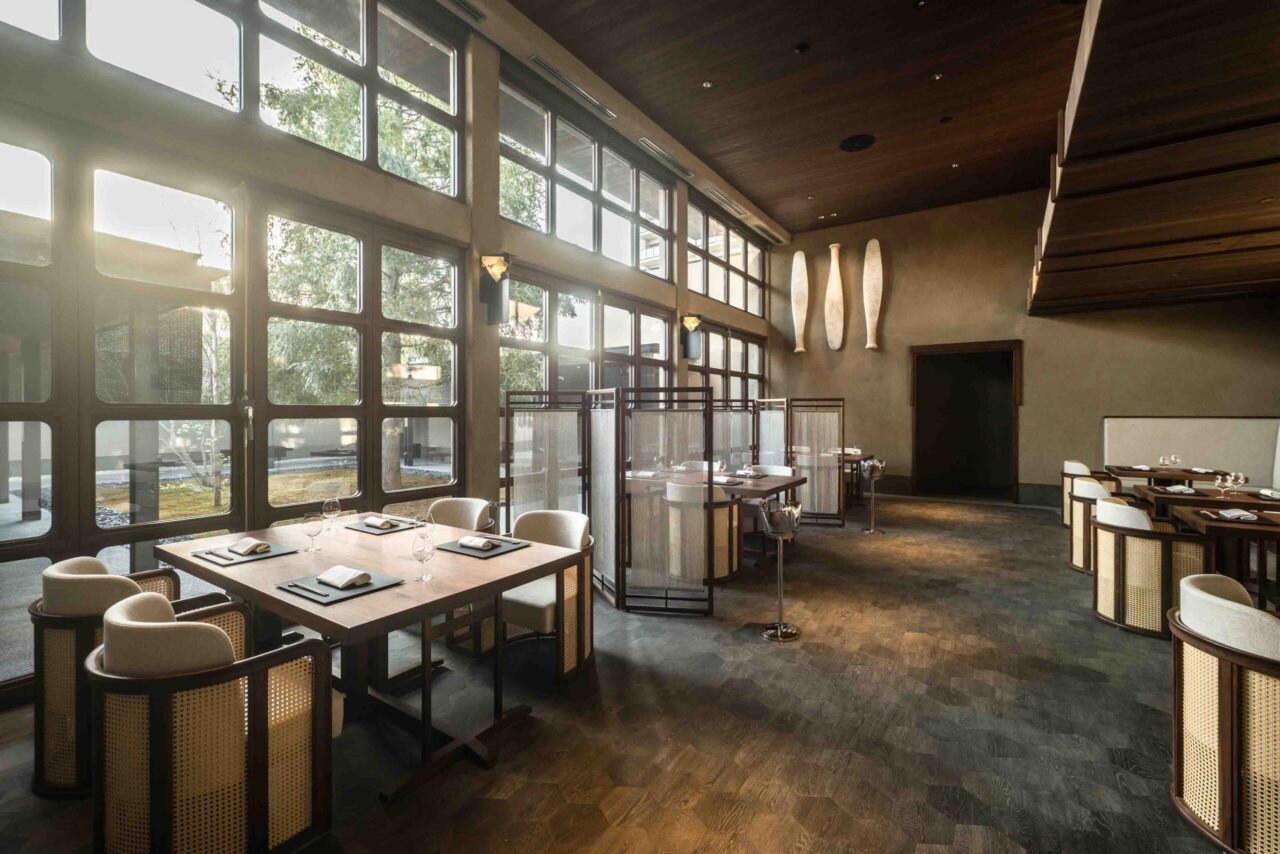




Wineries in Tokyo
Browse all →
Details
- Cozy
- Scenic
- Intimate
- Rustic
- Special Occasion
- Family
- Open Kitchen
- Garden
- Sake Program
- Local Sourcing
- Organic
- Garden
Current opening hours
- Monday
- 5:30–10 PM
- Tuesday
- Closed
- Wednesday
- Closed
- Thursday
- Closed
- Friday
- Closed
- Saturday
- 11:30 AM–3:30 PM, 5:30–10 PM
- Sunday
- 11:30 AM–3:30 PM, 5:30–10 PM
Hours can change for holidays and private events. Hours as of .
Cozy and warm with wood-fired aroma, open kitchen, surrounded by lush greenery and garden.