On a residential stretch of Via Cadore in Milan's Porta Romana quarter, Marghe Pizza occupies the lower end of the city's serious pizza conversation, the kind of address where ingredient sourcing does the talking. Milan's pizza scene has matured well beyond tourist shortcuts, and Marghe sits in the neighbourhood-specialist tier where provenance, dough fermentation time, and supplier relationships determine the ceiling of quality.
 Discover on Pearl
Pearl is the En Primeur Club membership app — saves, bookings, and concierge access live there. Same editors, same standards.
- Address
- Via Cadore, 26, 20135 Milano MI, Italy
- Phone
- +39254118711
- Website
- marghepizza.com
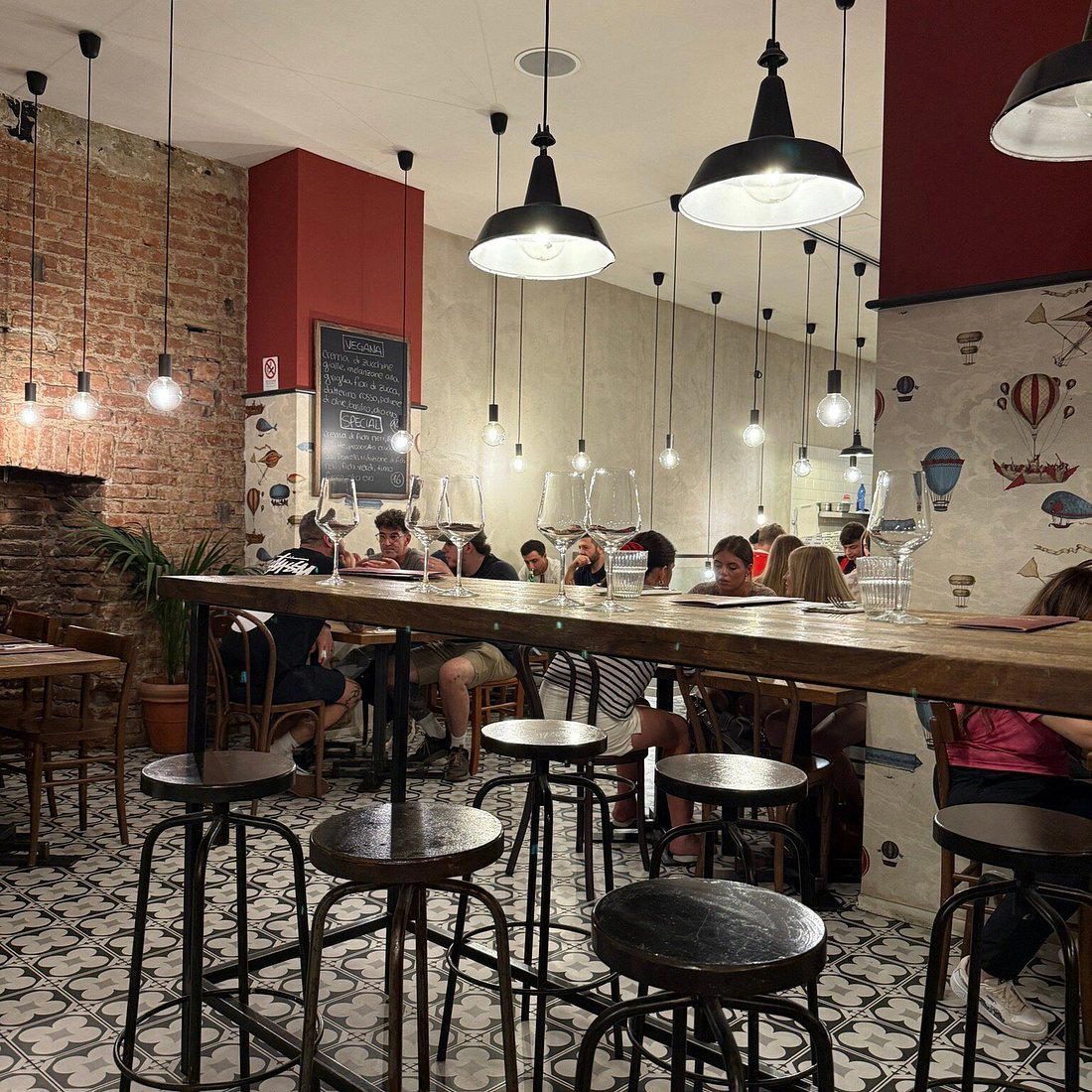
Where Milan's Pizza Conversation Gets Serious
Milan is not Naples, and the city's better pizza addresses have long since stopped pretending otherwise. The Lombard capital has developed its own register for the form: cleaner interiors, a sharper focus on ingredient sourcing, and a clientele that reads menus with the same attention it brings to a wine list. On Via Cadore, a quiet residential artery in the Porta Romana district southeast of the centre, Marghe Pizza occupies the neighbourhood-specialist tier of this conversation, the kind of address where the argument for quality is made through provenance rather than prestige.
Porta Romana itself is worth understanding as context. The area sits between the design-district energy of the Navigli to the west and the institutional calm of the university quarter to the north. It is a neighbourhood of long lunches and unhurried evenings, where locals treat a good pizzeria as infrastructure rather than occasion. That framing matters: Marghe is not positioning itself against the tasting-menu circuit where names like Enrico Bartolini, Andrea Aprea, or Seta operate at the €€€€ tier. It belongs to a different competitive set entirely, one where repeat custom and neighbourhood loyalty are the metrics that matter.
The Ingredient Logic Behind Milan's Specialist Pizzerias
Across Italy's northern cities, the pizza addresses that hold their ground over time tend to share a structural commitment: sourcing decisions made upstream of the kitchen. That means relationships with specific flour producers, agreements with San Marzano growers, and mozzarella deliveries timed to service rather than bulk-ordered by the week. This upstream discipline is not visible on the plate in any single dramatic way, it accumulates in texture, in the clean finish of a tomato base, in the way dough behaves at the edges after fermentation rather than rushing fermentation to meet volume.
Marghe Pizza sits within this tradition. The address on Via Cadore signals a neighbourhood rather than a destination draw, which tends to correlate with a certain operational integrity: a pizzeria that cannot rely on tourist footfall or gallery-opening crowds must earn return visits through consistency of product. In Milan's better residential-quarter pizza spots, that consistency is almost always traced back to purchasing decisions rather than technique alone. Technique without good raw material produces a competent pizza; technique with well-sourced flour, controlled fermentation, and supply-chain discipline produces something that holds up to repetition.
For readers who approach Italy's fine dining at the level of Osteria Francescana in Modena, Piazza Duomo in Alba, or Le Calandre in Rubano, a neighbourhood pizzeria like Marghe operates on a different register, but the underlying philosophy of treating sourcing as non-negotiable runs through both ends of the Italian dining spectrum. Italy's best-regarded kitchens, from Uliassi in Senigallia to Dal Pescatore in Runate, share with the country's serious pizzerias a resistance to cutting corners on what arrives at the back door.
Milan's Pizza Tier Structure
It is useful to map where Marghe sits within Milan's current pizza distribution. At the top of the market, a handful of addresses in the centro storico and Brera operate as destination pizzerias with longer reservation windows, curated wine lists, and price points that reflect the cost of prime real estate. Below that sits the neighbourhood-specialist tier, addresses like Marghe on Via Cadore, where the pitch is product quality and local loyalty rather than destination branding. Further down are the volume-oriented chains and tourist-facing operations near the Duomo and Cracco in Galleria's neighbourhood, where footfall substitutes for repeat custom.
Marghe operates in the middle tier by location and price. What the address implies is a customer base that returns regularly rather than once, which tends to produce a different set of quality pressures on the kitchen. A neighbourhood pizzeria that gets found out on its flour or its fermentation loses regulars; a destination pizzeria has a longer runway to recover from inconsistency. The Porta Romana positioning puts Marghe in the higher-accountability bracket.
A Visit to Marghe
Via Cadore 26 is reachable from the city centre in under fifteen minutes by tram or metro, with Porta Romana metro station (Line 3, yellow line) serving as the most direct connection. For visitors already exploring Milan's broader restaurant map, including the Verso Capitaneo end of the creative dining spectrum, Marghe works as a lower-key evening or lunch option in the same southeastern quadrant of the city. Given that neighbourhood pizzerias in Milan's residential quarters can fill quickly on weekday evenings, arriving early or checking ahead reduces the risk of a wasted journey.
For context on how Italy's sourcing-driven kitchens operate at the other end of the formality spectrum, Atelier Moessmer Norbert Niederkofler in Brunico and Reale in Castel di Sangro represent the tasting-menu end of the same Italian commitment to ingredient integrity. Enoteca Pinchiorri in Florence and Quattro Passi in Marina del Cantone offer additional reference points for how Italian fine dining handles the relationship between sourcing and finished product. For international comparison, the sourcing discipline at Le Bernardin in New York City and the ingredient-first logic at Atomix in New York City show how the same upstream commitment operates across different cuisines and formats. Closer to home in Verona, Casa Perbellini 12 Apostoli demonstrates how northern Italian kitchens use regional supply chains at a fine-dining scale.
City Peers
Comparable venues nearby, for context on price, style, and recognition.
| Venue | Cuisine | Price | Notes |
|---|---|---|---|
| Marghe PizzaThis venue — the venue you are viewing | Neapolitan Pizza | $$ | |
| Mo.Sto Bistrot | Sicilian and Pugliese Italian Bistro | $$ | Porta Vigentina - Porta Lodovica |
| Pizzacoteca di Brera | Gourmet Neapolitan Pizza | $$ | Brera |
| Montesoprano Piazza XXIV Maggio | Sicilian Meat & Grill | $$ | Porta Ticinese - Conca Del Naviglio |
| My Heart | Gluten-Free Italian Pizzeria | $$ | Xxii Marzo |
| Panini Galiano 1974 | Gourmet Italian Panini | $$ | De Angeli - Monte Rosa |
Continue exploring
More in Milan
Restaurants in Milan
Browse all →

Bars in Milan
Browse all →
Hotels in Milan
Browse all →
At a Glance
- Cozy
- Lively
- Rustic
- Group Dining
- Casual Hangout
- Family
- Open Kitchen
- Extensive Wine List
- Beer Program
- Local Sourcing
Welcoming and convivial atmosphere with an open kitchen showcasing the wood-fired pizza oven, though it can get loud due to lack of sound-absorbing materials.