
Food & Wine Top 10 Global Bars #1
Bar Basso on Via Plinio has anchored Milan's after-hours drinking culture for decades, earning its place as the bar most associated with the Negroni Sbagliato — a house invention that replaced gin with prosecco and became one of Italy's most replicated aperitivo formats. The crowd skews local and loyal, with fashion-week visitors layered in seasonally. It is the kind of place that does not need to advertise itself.

Pearl is the En Primeur Club membership app — saves, bookings, and concierge access live there. Same editors, same standards.
- Address
- Via Plinio, 39, 20020 Milano MI, Italy
- Phone
- +39 02 2940 0580
- Hours
- Mon 10 AM–1:30 AMTue ClosedWed–Sun 10 AM–1:30 AM
- Website
- barbasso.com
- Directions
- Get directions
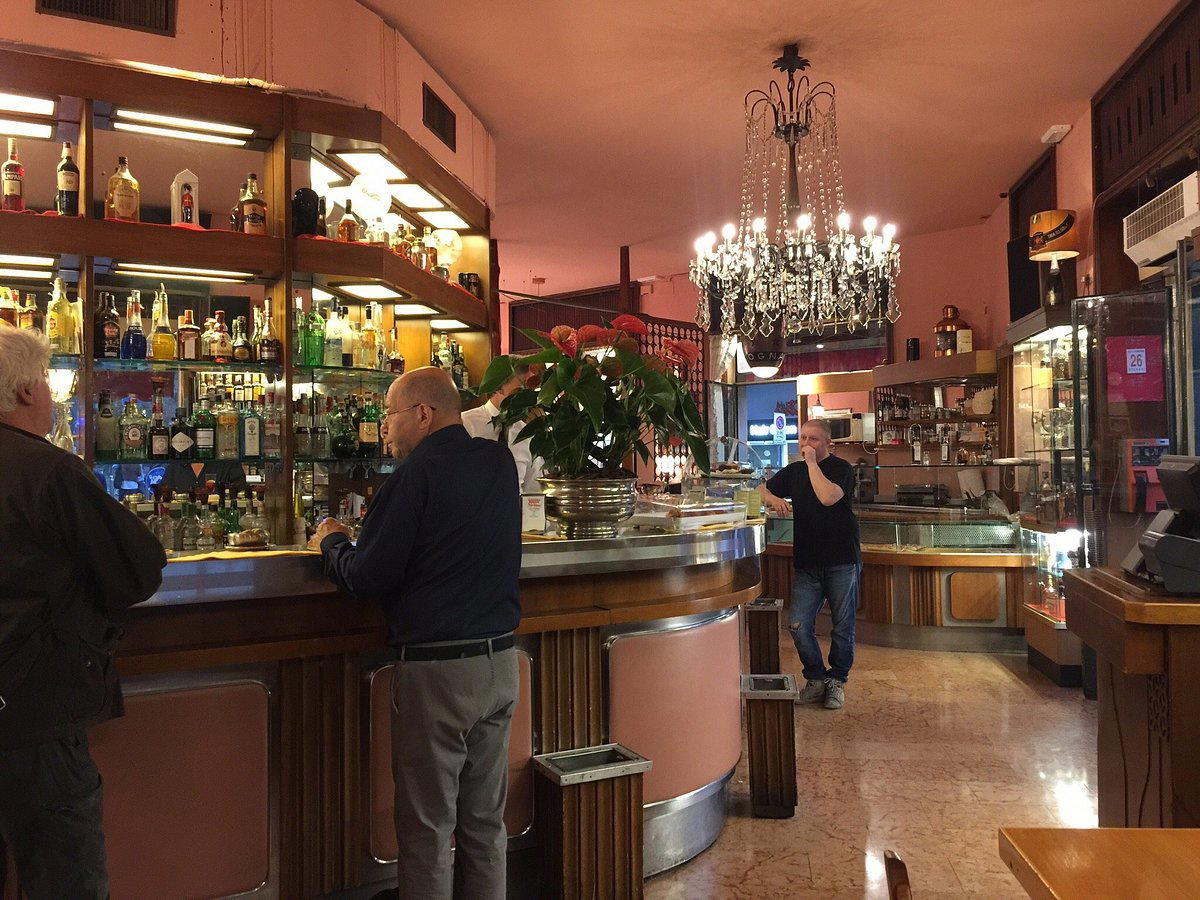
The Bar That Milan Keeps Coming Back To
There is a category of bar that exists in every serious drinking city: the one that locals never need to explain to each other, that survives trends by predating them, and that earns its authority not from awards panels or social media reach but from the accumulated weight of ordinary evenings. In Milan, Bar Basso on Via Plinio is that bar. It sits in the city's inner northeastern grid, away from the tourist pull of the Duomo quarter and the design-week spectacle of Brera, and that address is part of what makes it matter. The people who go there largely go there on purpose.
Milan's aperitivo culture is one of the more misunderstood exports in Italian drinking. Outside Italy it tends to get flattened into a single image: Campari, ice, a terrace. Inside the city, it is a more layered and competitive scene, with bars occupying distinct positions — the grand café format of Camparino in Galleria, the technical precision of 1930, the contemporary craft orientation of Moebius Milano, and the theatrical provocation of Nottingham Forest. Bar Basso does not compete in any of those registers. Its position is older and more settled: the neighbourhood institution that happens to have invented a drink the whole country now makes.
The Negroni Sbagliato and What It Tells You About the Bar
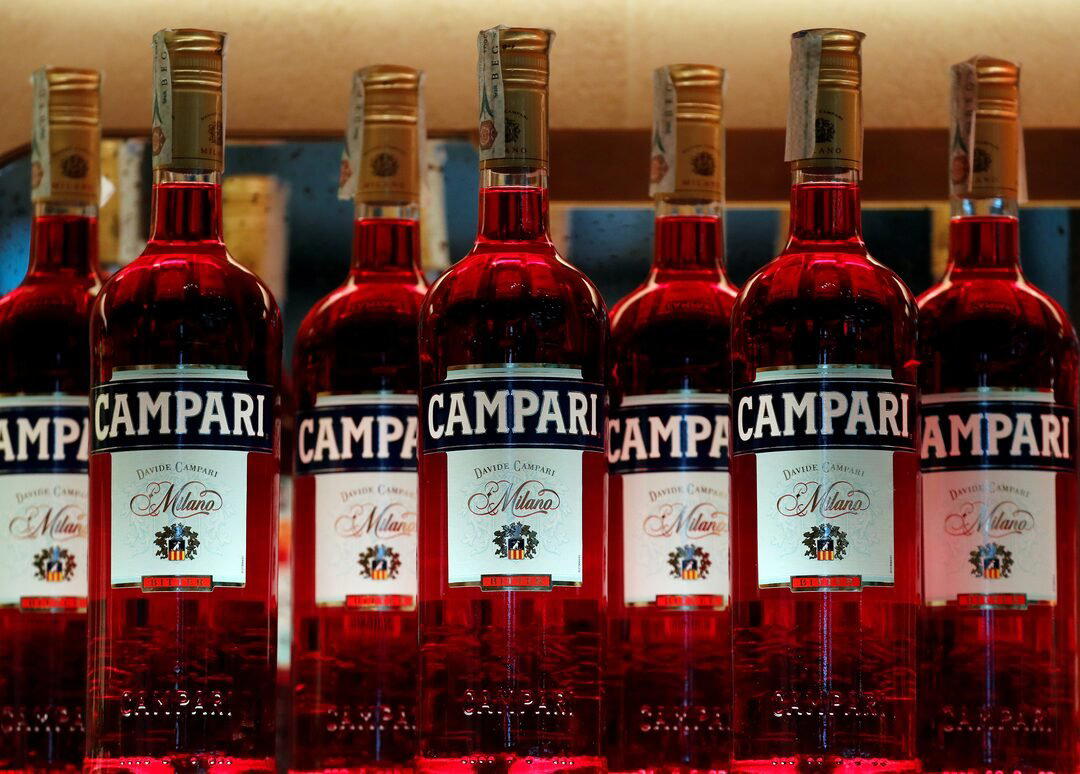
The Negroni Sbagliato — equal parts Campari, sweet vermouth, and prosecco in place of gin, originated at Bar Basso, reportedly the result of a bartender reaching for the wrong bottle. Whether or not the anecdote is completely accurate, the drink stuck, spread, and eventually became a staple across Italian aperitivo bars and, more recently, an international talking point following a viral moment in late 2022 that sent search volume and sales figures for the format sharply upward in multiple markets. The bar where it was first poured did not change in response to that attention. That restraint tells you something about what Bar Basso is actually for.
The Sbagliato is served here in a large format, properly cold, in the kind of glassware that prioritises function over theatrics. It is the drink to order because it is the drink the bar has been making the longest, and because the proportions here are the ones every other bar is theoretically trying to replicate. Italy's aperitivo tradition runs on balance and repetition rather than novelty, and Bar Basso is the purest expression of that principle in Milan.
A Room That Has Not Been Renovated Into Submission
Interior of Bar Basso is one of the more honest rooms in the city. The décor carries its age openly: mirrored surfaces, dark wood, the comfortable clutter of a space that has been continuously inhabited rather than periodically refreshed for photographic purposes. During the Salone del Mobile and fashion weeks, the place fills well beyond its usual pace, drawing an international crowd that has often been told about it by someone who lives there. In those periods, the room operates at a different register, louder, more compressed, quicker at the bar. Outside those windows, Via Plinio returns to its more ordinary rhythm, and the regulars come back to their corners.
That seasonal double identity is common among bars in this position across European cities: the institution that absorbs visitors without being reshaped by them. L'Antiquario in Naples occupies a comparable role in its city, a place with deep local roots that periodically becomes a destination for visitors without losing its original character. Al Covino in Venice operates in a similar mode, holding its neighbourhood identity against the pressure of high tourist volume.
Where Bar Basso Fits in the Broader Italian Bar Scene
Italy's drinking culture has diversified considerably over the past decade. The country now has bars with serious cocktail programs drawing on the same technical vocabulary as London or New York, fermentation, clarification, acid adjustment, carbonation control. Drink Kong in Rome sits in that contemporary tier, as does the more design-focused Gucci Giardino in Florence. Further afield, bars like Lost and Found in Nicosia and Bar Leather Apron in Honolulu show how the same technical ambition has spread across geographies. Bar Basso is not in competition with any of them. Its relevance is institutional rather than technical, historical rather than progressive.
That is not a criticism. Cities need bars that hold ground. The Enoteca Storica Faccioli in Bologna operates on a similar premise, the value of a place built on decades of consistent practice rather than iterative reinvention. Continuity, in a bar culture increasingly defined by turnover and concept fatigue, is its own form of expertise.
Planning a Visit
Bar Basso is on Via Plinio, 39, in the northeastern part of central Milan, a walkable distance from the Porta Venezia and Repubblica areas. On ordinary weeknights the rhythm is considerably more relaxed, and that is when the bar's neighbourhood character is most legible.
Recognition Snapshot
| Venue | Price | Awards |
|---|---|---|
| Bar BassoThis venue — the venue you are viewing | $10–20 | Food & Wine Top 10 Global Bars #1 |
| Nottingham Forest | $10–20 | World's 50 Best #38 · Top 500 Bars Best Bars #268 |
| 1930 | Not listed | World's 50 Best #22 · Pinnacle Guide 1 Pin |
| Camparino in Galleria | $30–50 | World's 50 Best #18 · Top 500 Bars Best Bars #41 |
| Moebius Milano | $30–50 | World's 50 Best #6 · Pinnacle Guide 1 Pin |
| Backdoor 43 | $50–100 | Pinnacle Guide 1 Pin · Top 500 Bars Best Bars #96 |
Recognition history
Dated appearances from independent guides and award organizations, with the underlying list record or original source where available.
Food & Wine Top 10 Global Bars #1
Food & Wine
Continue exploring
More in Milan
Bars in Milan
Browse all →
Restaurants in Milan
Browse all →
Hotels in Milan
Browse all →
Details
- Classic
- Well Known
- Cozy
- Elegant
- After Work
- Casual Hangout
- Special Occasion
- Historic Building
- Seated Bar
- Booth Seating
- Classic Cocktails
Current opening hours
- Monday
- 10 AM–1:30 AM
- Tuesday
- Closed
- Wednesday
- 10 AM–1:30 AM
- Thursday
- 10 AM–1:30 AM
- Friday
- 10 AM–1:30 AM
- Saturday
- 10 AM–1:30 AM
- Sunday
- 10 AM–1:30 AM
Hours can change for holidays and private events. Last verified .
Retro vintage decor with sparkling chandeliers, round cafe tables, and a monochrome pink interior evoking old-school Milanese charm.