On Via Brera, one of Milan's most storied streets, Pizzacoteca di Brera plants itself in the middle of the city's art-district conversation about what casual eating should look like. The format is pizza-focused, the setting is Brera, and the address alone positions it within a neighbourhood that has long calibrated its expectations upward. A practical stop for those moving between the Pinacoteca and the aperitivo circuit.
Pearl is the En Primeur Club membership app — saves, bookings, and concierge access live there. Same editors, same standards.
- Address
- Via Brera, 29, 20121 Milano MI, Italy
- Phone
- +39272000563
- Website
- pizzacoteca.it
- Directions
- Get directions
 Saves & bookings on Pearl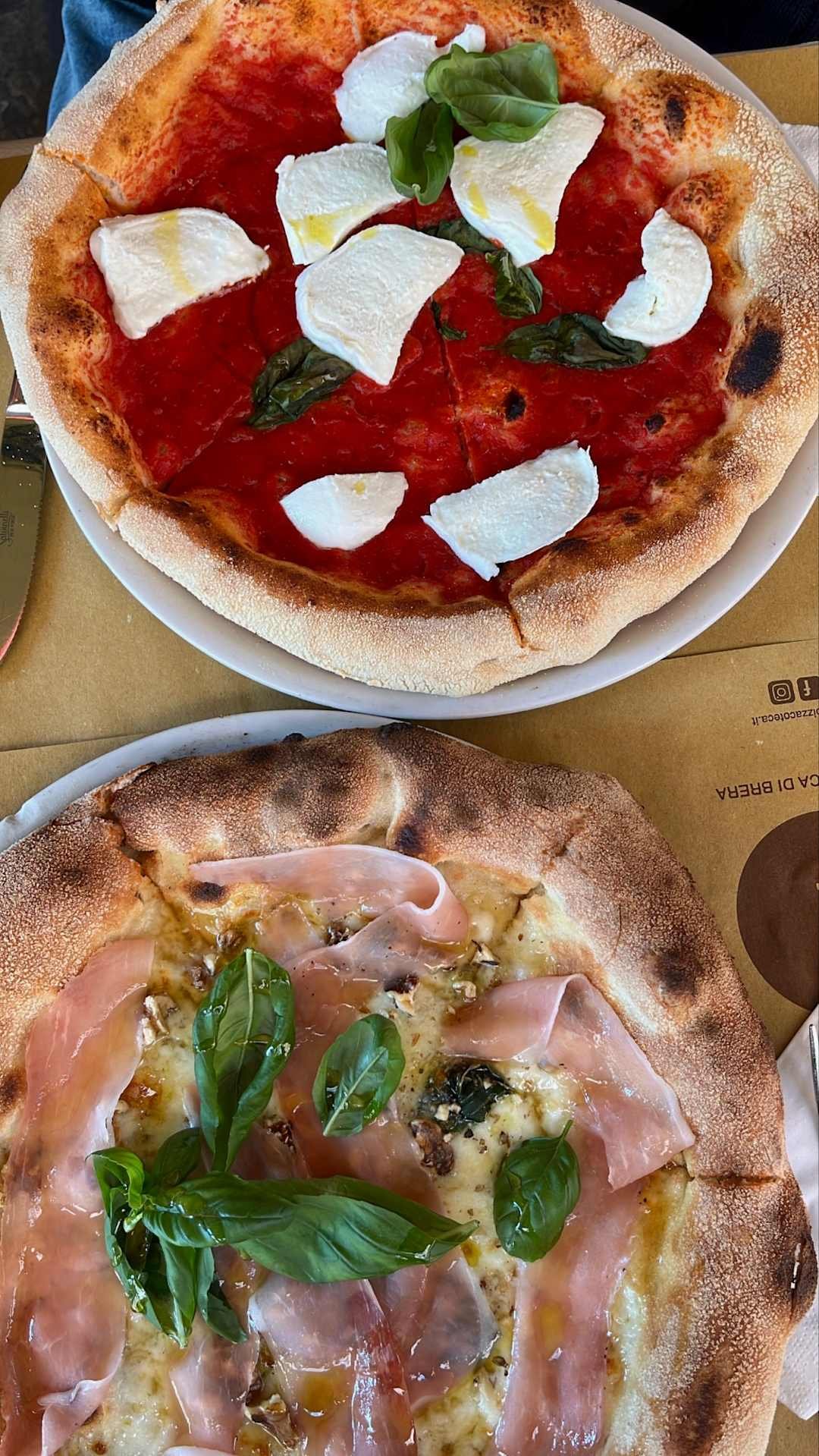
Pizza in the Art Quarter: What Brera Asks of Its Casual Restaurants
Via Brera runs through one of Milan's most self-conscious neighbourhoods, a district that built its identity around the Pinacoteca di Brera and spent the following decades layering galleries, design studios, and serious restaurants on top of that cultural foundation. The street is short enough to walk in minutes, but its density of considered addresses means that even an ostensibly casual format faces a higher expectation threshold than the same format would in, say, the Navigli or Isola. Pizzacoteca di Brera operates at Via Brera, 29, where the surrounding context does as much work as the menu itself.
Italian pizza culture has fragmented significantly over the past decade. What was once a simple regional binary, Neapolitan versus Roman, has expanded into a more complex set of categories: contemporary Neapolitan with long fermentation and high-hydration doughs, Roman-style pinsa, al taglio formats, and the emerging category of northern Italian pizza that borrows technique from the south but applies local ingredient logic. Milan has become a city where all of these formats compete, and where the clientele has grown sophisticated enough to notice the difference between a dough rested for 24 hours and one rested for 72. Pizzacoteca di Brera enters this conversation from an address that already signals intention.
The Brera Address and What It Signals
Brera's restaurant and bar scene sits in a different competitive tier from most of Milan's casual dining. The neighbourhood draws tourists visiting the Pinacoteca, locals with above-average disposable income, and the design and fashion adjacents who populate the surrounding streets during the week. That mix creates a clientele that is price-tolerant but experience-conscious, meaning a pizza-focused address here competes less with volume operators and more with the quality-casual tier that has proliferated across European cities in the past five years.
That quality-casual category, where the product is fundamentally approachable but the sourcing, technique, and setting are not, is where Pizzacoteca di Brera positions itself. It is a useful contrast to the heavily tasting-menu culture that defines Milan's high end, represented by addresses like Enrico Bartolini, Cracco in Galleria, Andrea Aprea, and Seta, all of which operate in the €€€€ bracket and require advance planning. Pizzacoteca represents a different kind of Milanese eating: the kind where you can make a decision on the afternoon and still eat well.
Italian Pizza Technique and the Northern Interpretation
Pizza's status as a culturally serious food, not a convenience item, is well established in Italy, but the southern roots of the form mean that northern interpretations always carry a degree of implicit negotiation. The Neapolitan tradition, shaped by the specifications of the Associazione Verace Pizza Napoletana and the cultural weight of places like Spaccanapoli, is essentially a closed form: wood-fired, high-temperature, short bake, soft cornicione. What happens when that tradition travels north to Milan is a question of adaptation versus replication.
Particularly interesting operators in Milan's pizza scene tend to answer that question by engaging seriously with local ingredients while preserving the technical discipline of the southern tradition. Long fermentation, quality flour, and attention to water content in the dough are now table stakes for any address operating above the commodity tier. The differentiation happens in the topping logic, where northern Italy's larder, aged padano cheeses, Lombard cured meats, local produce from the Po Valley, can justify a distinct identity without abandoning the structural principles that make a well-made pizza coherent. This is the cultural context in which the restaurant operates, and the Brera address suggests an audience that understands and values that distinction.
For broader context on how Italy's most serious restaurants handle ingredient provenance and regional identity, it is worth considering the approaches of addresses like Osteria Francescana in Modena, Dal Pescatore in Runate, and Piazza Duomo in Alba, all of which treat Italian regional identity as a primary structural concern rather than a marketing note. That same seriousness about provenance has filtered down into the quality-casual tier across Italian cities, and pizza is one of the formats where it is most visible.
Planning Your Visit
Via Brera 29 is accessible on foot from the Lanza or Montenapoleone metro stops, and the neighbourhood is most animated in the mid-afternoon through evening hours, when the gallery crowd transitions into the aperitivo circuit. Brera's restaurants tend to fill earlier than those in other Milan neighbourhoods because the foot traffic peaks before the traditional Italian dinner hour. For anyone visiting the Pinacoteca di Brera during the day, Pizzacoteca makes a logical stop before or after; the address is close enough to plan as part of the same block. Visitors with specific dietary requirements should confirm arrangements in advance rather than assuming a walk-in conversation will suffice. The full Milan restaurants guide covers the city's broader dining range, including addresses like Verso Capitaneo for those looking to extend their itinerary into other neighbourhood formats.
Italy's pizza and casual dining culture also rewards comparative reference. Internationally, the technical seriousness now applied to pizza-focused formats finds parallels in the way that fish-focused restaurants like Uliassi in Senigallia or meat-forward addresses like Reale in Castel di Sangro have refined a single-category focus into a coherent fine dining statement. The logic is similar even when the price tier differs: depth of focus produces better outcomes than breadth without discipline. Pizzacoteca's format follows that same principle at a more accessible register.
Those building a broader Italian itinerary alongside a Milan stop might also consider Le Calandre in Rubano, Enoteca Pinchiorri in Florence, Quattro Passi in Marina del Cantone, Atelier Moessmer Norbert Niederkofler in Brunico, and Casa Perbellini 12 Apostoli in Verona for a fuller picture of where Italian dining is operating at different price points and formats. For international reference points that demonstrate how a focused format can build serious critical standing, Le Bernardin in New York City and Atomix in New York City illustrate what category discipline produces at the highest level.
City Peers
Comparable venues nearby, for context on price, style, and recognition.
| Venue | Cuisine | Price | Notes |
|---|---|---|---|
| Pizzacoteca di BreraThis venue — the venue you are viewing | Gourmet Neapolitan Pizza | $$ | Not listed |
| Fradiavolo Milano Premuda | Contemporary Neapolitan Pizza | $$ | Xxii Marzo |
| Savô Pizzeria Gourmet | Gourmet Italian Pizza | $$ | Porta Garibaldi - Porta Nuova |
| Fradiavolo Milano Isola | Modern Neapolitan Pizza | $$ | Isola |
| Il Cestino | Traditional Milanese Trattoria | $$$ | Brera |
| CANTINE A MARE | Italian Seafood | $$ | Buenos Aires - Porta Venezia - Porta Monforte |
Continue exploring
More in Milan
Restaurants in Milan
Browse all →
Bars in Milan
Browse all →
Hotels in Milan
Browse all →
At a Glance
- Cozy
- Classic
- Bohemian
- Casual Hangout
- Group Dining
- Standalone
- Local Sourcing
- Organic
Current opening hours
- Monday
- 12–11 PM
- Tuesday
- 12–11 PM
- Wednesday
- 12–11 PM
- Thursday
- 12–11 PM
- Friday
- 12–11 PM
- Saturday
- 12–11 PM
- Sunday
- 12–11 PM
Hours can change for holidays and private events. Last verified .
Warm, relaxed, and informal with soft lighting and carefully chosen retro décor, surrounded by cobbled streets and galleries in the heart of Brera.