Montesoprano Piazza XXIV Maggio sits in Milan's Navigli district, where the city's appetite for ingredient-led, consciously sourced dining has quietly taken root alongside the canal-side aperitivo culture. The address on Viale Gian Galeazzo places it within walking distance of one of Milan's most characterful piazzas, making it a reference point for the neighbourhood's evolving food identity.
Pearl is the En Primeur Club membership app — saves, bookings, and concierge access live there. Same editors, same standards.
- Address
- V.le Gian Galeazzo, 2, 20136 Milano MI, Italy
- Phone
- +393756189019
- Website
- montesoprano.com
- Directions
- Get directions
 Saves & bookings on Pearl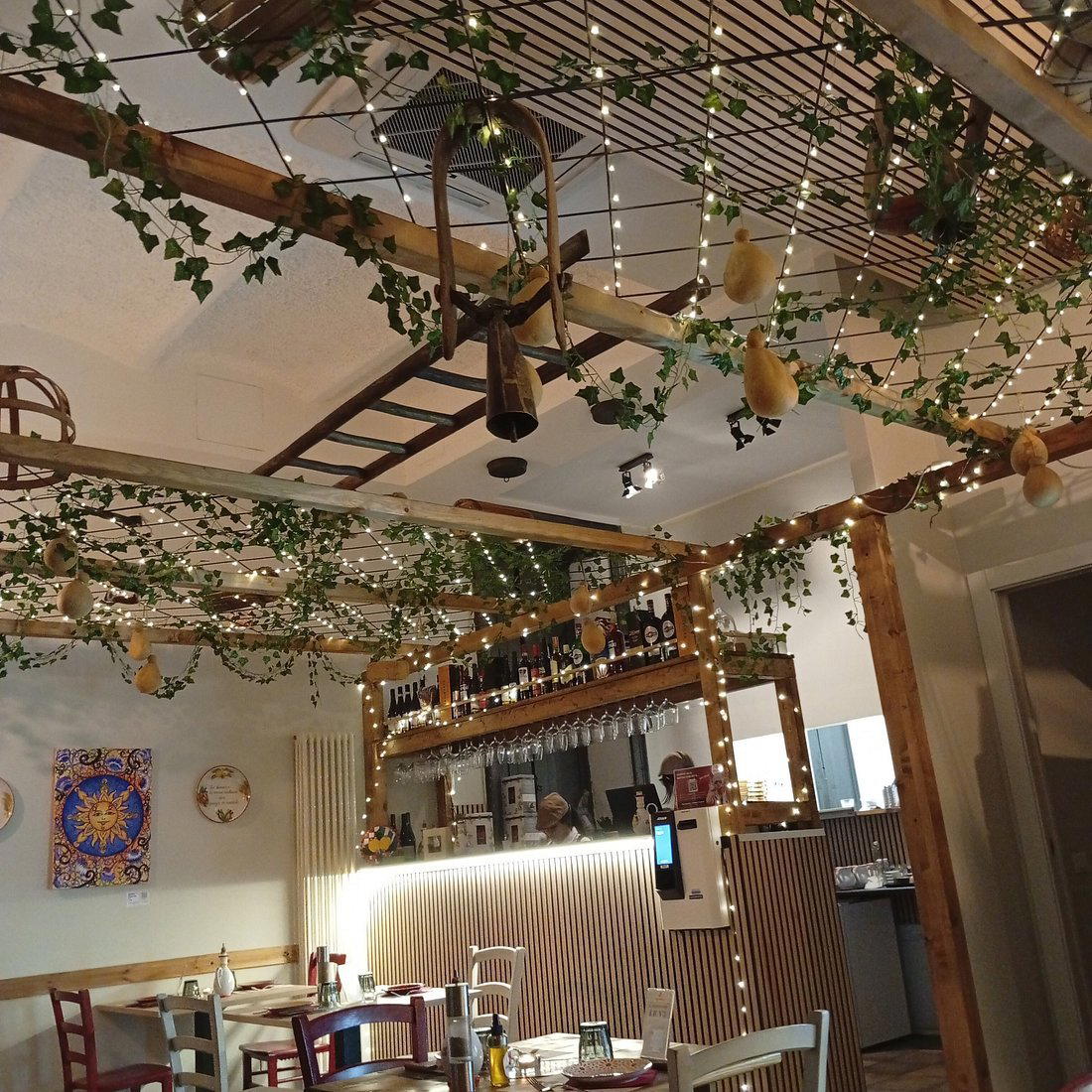
Where the Navigli Meets a Different Kind of Table
Approach Piazza XXIV Maggio from the Navigli end and the city shifts register. The canal-side bars give way to quieter streets where the buildings carry more age and the foot traffic thins. Viale Gian Galeazzo, the address of Montesoprano Piazza XXIV Maggio, sits in that transitional pocket: close enough to the Darsena to absorb the energy of one of Milan's most lived-in public spaces, yet removed enough to operate on its own terms. It is the kind of location that, in Italian dining culture, tends to self-select for a certain type of guest, one who arrives with purpose rather than by accident.
Milan's restaurant scene has long been split between the institutional high-end concentrated around Brera, Porta Nuova, and the Duomo, and a looser, more experimental tier that has colonised the southern neighbourhoods. The Navigli zone, historically a working-class artery turned creative district, now hosts a range of operations that sit outside the city's formal fine-dining axis. Montesoprano occupies this geography, not the white-tablecloth circuit of Seta or Andrea Aprea, and not the destination-destination register of Enrico Bartolini or Cracco in Galleria, but something with its own coherent identity in the neighbourhood tier.
The Sustainability Thread Running Through Southern Milan
Across Italy's most forward-thinking kitchens, the conversation around ethical sourcing and waste reduction has moved from positioning statement to operational standard. At the level of three-Michelin-star houses like Osteria Francescana in Modena or Atelier Moessmer Norbert Niederkofler in Brunico, where the cook-the-mountain philosophy has made ecological sourcing the structural backbone of an entire menu, sustainability has become a credible creative framework, not a marketing footnote. The question for neighbourhood restaurants in a city like Milan is how that philosophy translates at smaller scale and lower price points.
In the Navigli district, several operators have answered that question by rooting their menus in producer relationships: short supply chains from Lombardy's agricultural hinterland, seasonal rotation that follows what is actually available rather than what a printed menu demands, and a preference for whole-ingredient use that reduces kitchen waste without requiring the brigade size of a formal fine-dining operation. This pattern is visible across the southern neighbourhoods and reflects a broader Italian instinct, cucina povera traditions reframed through a contemporary environmental lens. Montesoprano's position on this block places it within that current.
The contrast with Milan's upper-tier addresses is instructive. Kitchens like Verso Capitaneo or the more architecturally ambitious operations in Brera operate with explicit sustainability credentials tied to specific supplier networks and documented sourcing protocols. Neighbourhood venues work within the same value system but express it differently: through simplicity of execution, menu brevity, and an implicit trust in the ingredient rather than elaborate technique. It is the same underlying ethic at a different resolution.
Reading the Address: What the Piazza Tells You
Piazza XXIV Maggio has a specific character in Milan's mental map. It marks the historic entrance to the Navigli, the point where the old canal system met the city's southern gate. The square itself is functional rather than decorative, a transport node, a gathering point, a place where the aperitivo crowd and the commuter crowd overlap in the early evening. Restaurants that operate in its orbit tend to serve a genuinely local clientele: Milanese residents from the Navigli and Ticinese quarters, rather than the hotel guest and tourist traffic that sustains much of the centre.
That local anchoring has its own implications for how a kitchen operates. Menus that depend on seasonal, proximity-sourced produce work better when the audience returns weekly rather than once per trip. The neighbourhood restaurant model, where trust between kitchen and regular guest builds over time, is better suited to the kind of ethical sourcing that requires communication: explaining why a dish has changed, why a fish is off the menu this week, why the menu is shorter than it was last month. In that sense, the Navigli's residential character creates the conditions in which sustainable kitchen practice is easier to maintain and easier to explain.
For reference points elsewhere in Italy's fine-dining ecosystem, the sourcing rigour found at places like Dal Pescatore in Runate or Piazza Duomo in Alba is achieved through decades of relationship-building with specific producers. At neighbourhood scale, the same principle applies at lower cost and lower complexity: the producer network is smaller, the menu is shorter, and the kitchen's commitment is expressed through consistency rather than elaboration.
Milan's Broader Restaurant Context
Milan's dining scene in 2024 and 2025 continues to bifurcate. The leading end has consolidated around a small number of well-resourced operations with international profiles and tasting menu formats, addresses like Le Calandre in Rubano and Enoteca Pinchiorri in Florence set the benchmark for what formal Italian fine dining looks like at its most deliberate. Below that tier, a more fluid middle ground has emerged in cities like Milan, where the appetite for careful, ingredient-focused cooking exists across a wider price range and in more casual formats.
The Navigli district has absorbed much of this energy. It is not the only southern neighbourhood worth attention, the Tortona and Isola zones carry their own restaurant density, but the combination of residential character, proximity to the Darsena, and relatively lower rents has made the Navigli a reliable address for operators who prioritise kitchen philosophy over room design. The international comparison is instructive: what Le Bernardin in New York City does for product-first cooking at the summit of the market, neighbourhood operators in cities like Milan attempt at the grassroots level, with fewer resources and more direct community connection. The ambition is different in scale but recognisable in intent.
Uliassi-calibre fine dining references to the canal-side neighbourhood operators that define daily eating in the south of the city.
Planning Your Visit
Viale Gian Galeazzo, 2 places Montesoprano within the 20136 postcode, directly accessible from the Porta Genova metro station (M2 green line) or by tram along the Navigli corridor. The piazza itself is a short walk from the Darsena waterfront, making a pre-dinner walk along the canals a natural sequence for an evening in the area. Montesoprano Piazza XXIV Maggio is a casual Sicilian Meat & Grill restaurant in Milan, with recommended reservations and an average price of about $30 per person.
Style and Standing
Comparable venues nearby, for context on price, style, and recognition.
| Venue | Cuisine | Price | Notes |
|---|---|---|---|
| Montesoprano Piazza XXIV MaggioThis venue — the venue you are viewing | Sicilian Meat & Grill | $$ | Not listed |
| Trattoria Milanese | Traditional Milanese Trattoria | $$ | Duomo |
| Fradiavolo Milano Sempione | Contemporary Neapolitan Pizza | $$ | Sarpi |
| Ristorante Da Gigi | Traditional Italian Trattoria with Pizza | $$ | Stazione Centrale - Ponte Seveso |
| Osteria Pugliese | Traditional Pugliese Italian | $$ | Buenos Aires - Porta Venezia - Porta Monforte |
| Savô Pizzeria Gourmet | Gourmet Italian Pizza | $$ | Porta Garibaldi - Porta Nuova |
Continue exploring
More in Milan
Restaurants in Milan
Browse all →
Bars in Milan
Browse all →
Hotels in Milan
Browse all →
At a Glance
- Cozy
- Classic
- Group Dining
- Casual Hangout
- Open Kitchen
- Extensive Wine List
- Street Scene
Current opening hours
- Monday
- 12–3 PM, 7 PM–12 AM
- Tuesday
- 12–3 PM, 7 PM–12 AM
- Wednesday
- 12–3 PM, 7 PM–12 AM
- Thursday
- 12–3 PM, 7 PM–12 AM
- Friday
- 12–3 PM, 7 PM–12 AM
- Saturday
- 12–3 PM, 7 PM–12 AM
- Sunday
- 12–3 PM, 7 PM–12 AM
Hours can change for holidays and private events. Last verified .
Welcoming and cheerful atmosphere with friendly, attentive service.