Marc Lanteri

Set beside the Fratelli Massucco winery on the rolling hills outside Alba, Marc Lanteri offers Piedmontese cooking rooted in garden-grown produce, local ingredients, and a wine list anchored to the estate next door. Three tasting menus, including a vegetarian option, sit alongside à la carte service, all recognised with a 2025 Michelin Plate. At the €€ price point, it represents one of the more considered value propositions in the Langhe dining scene.
Pearl is the En Primeur Club membership app — saves, bookings, and concierge access live there. Same editors, same standards.
- Address
- Via Serra, 21D, 12050 Castagnito CN, Italy
- Phone
- +39 0173 262172
- Website
- marclanteri.it
- Directions
- Get directions
 Saves & bookings on Pearl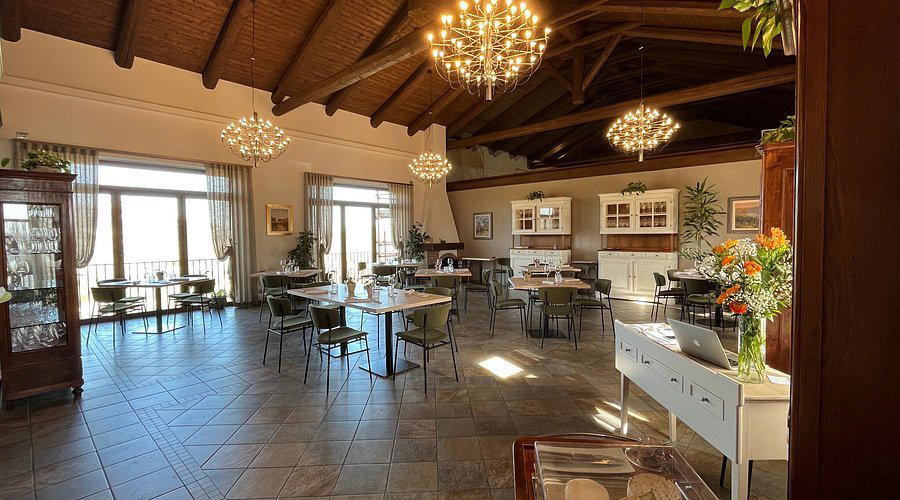
Vines, Kitchen Garden, and the Logic of the Langhe
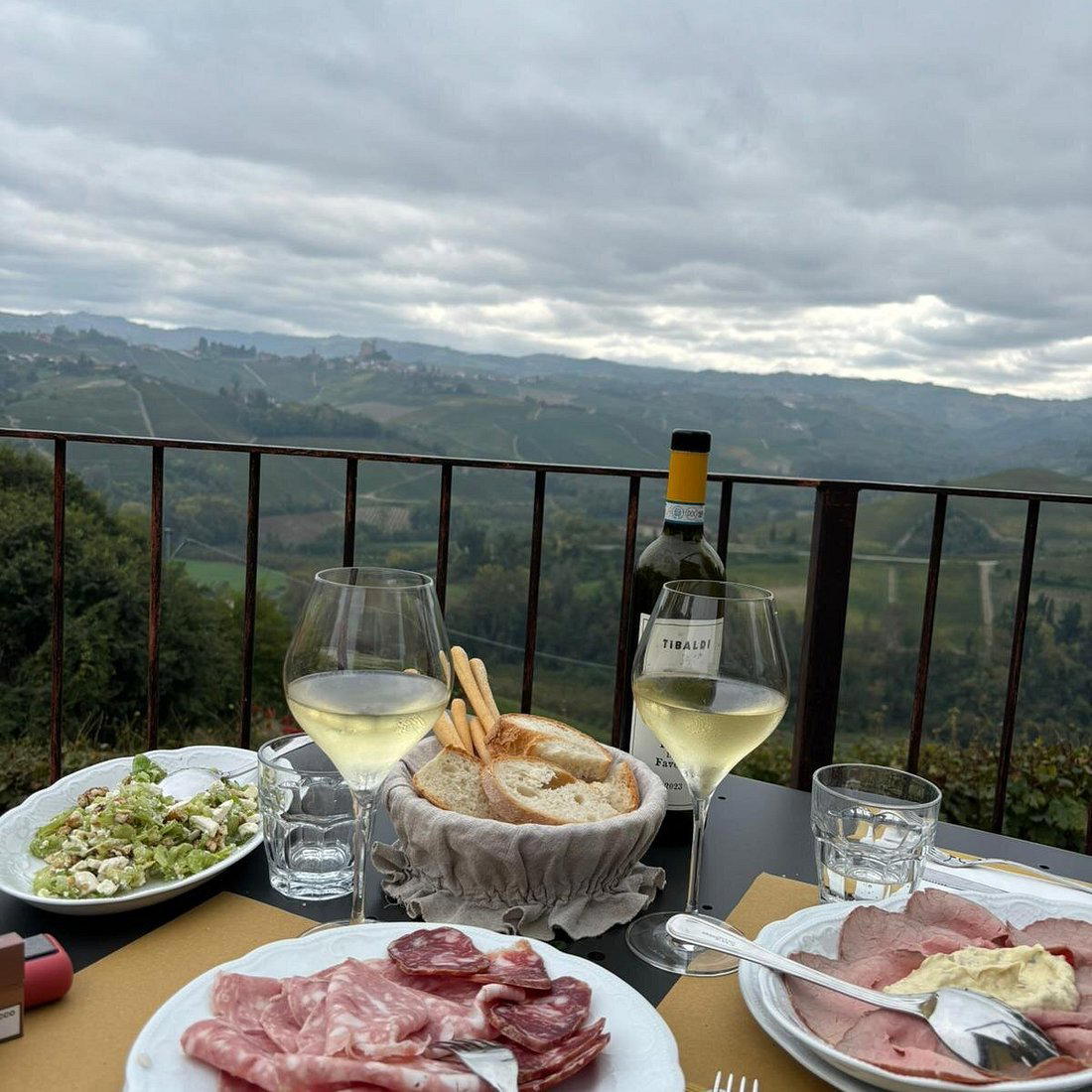
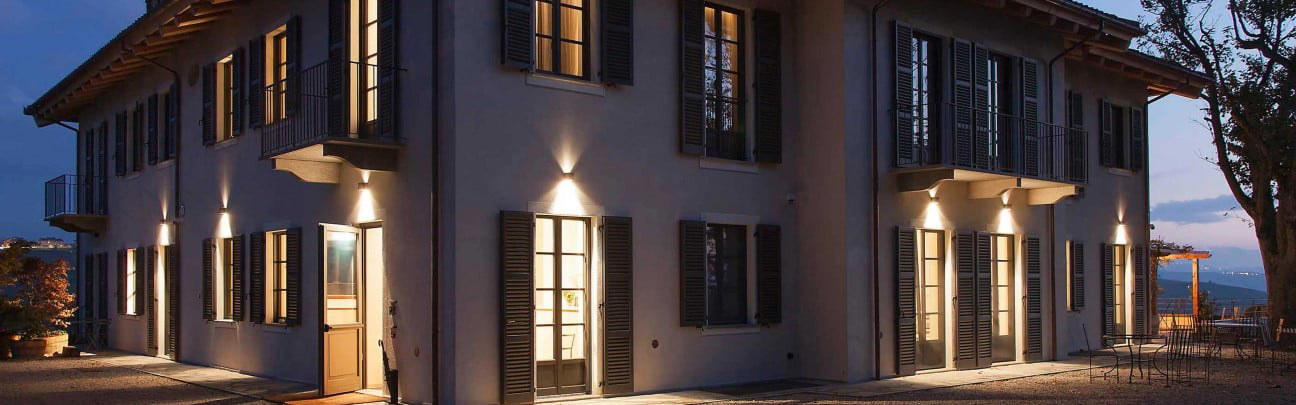
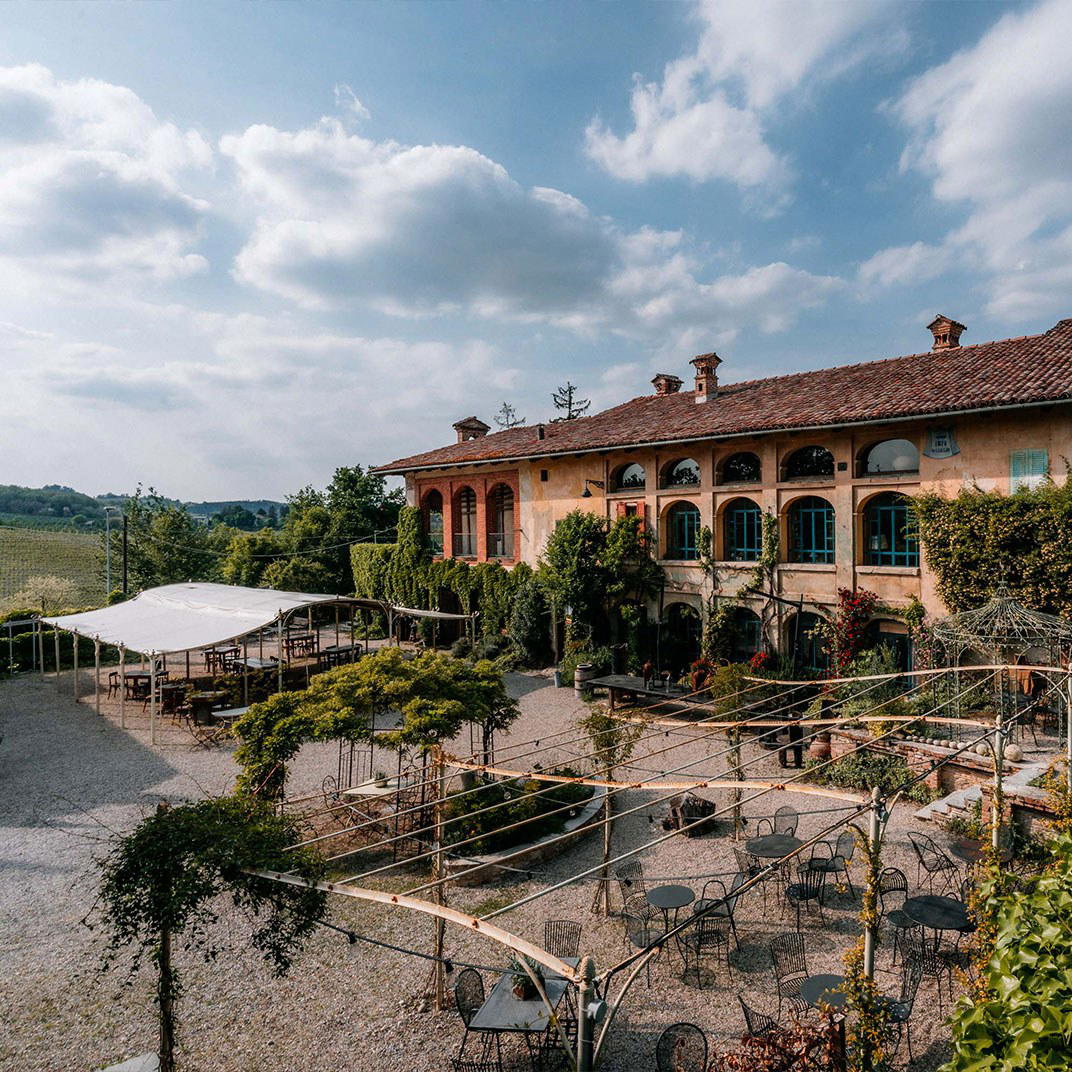
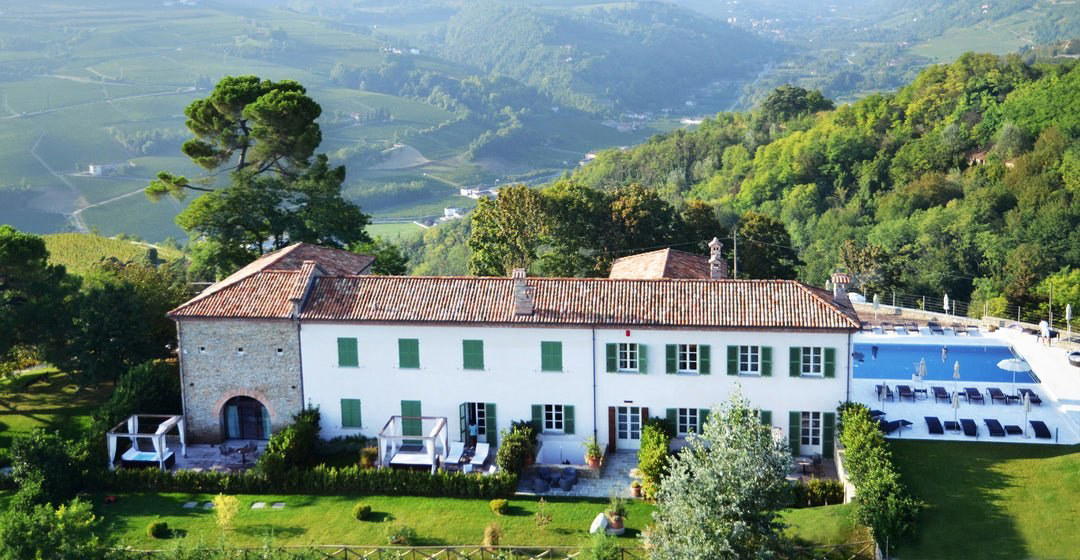
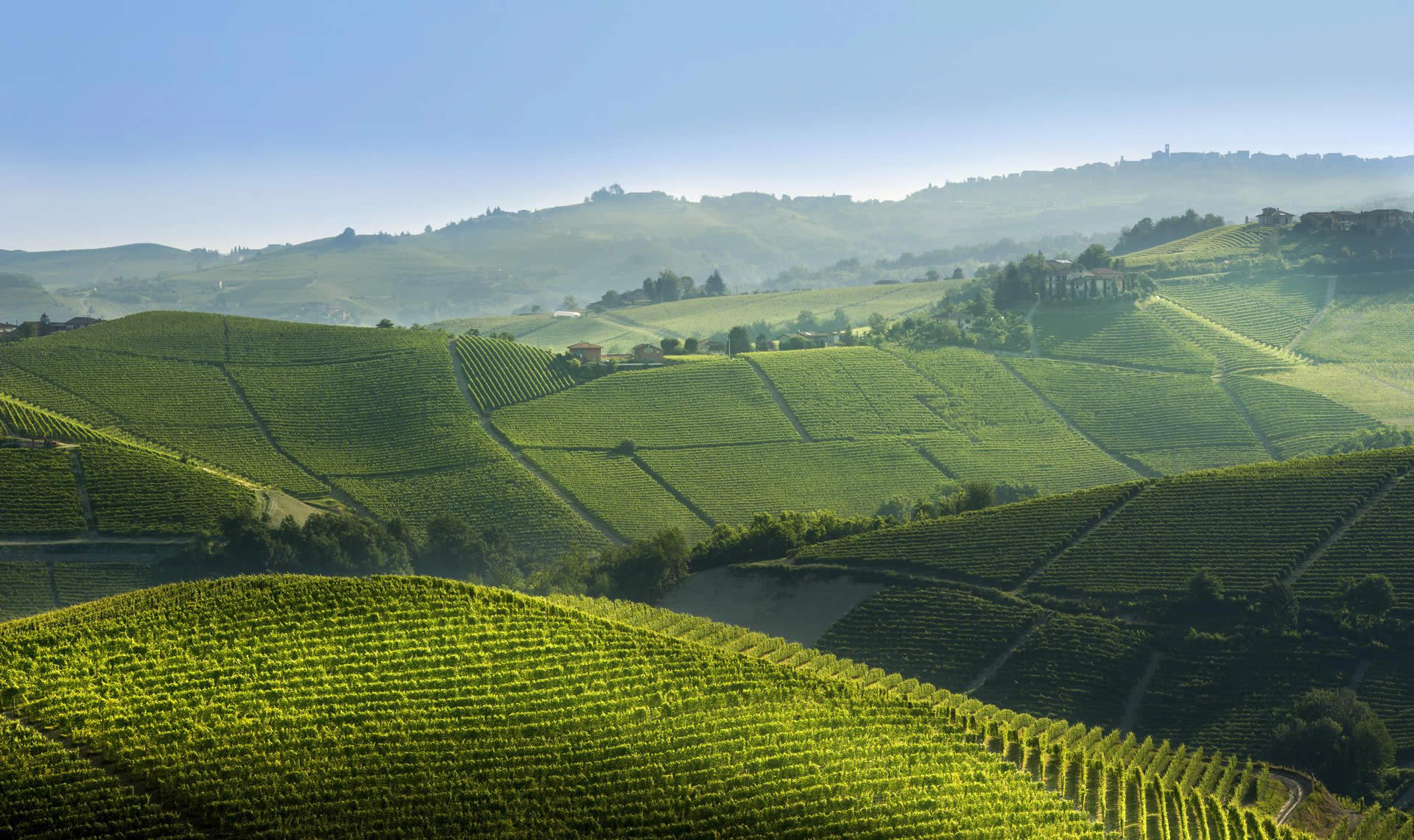
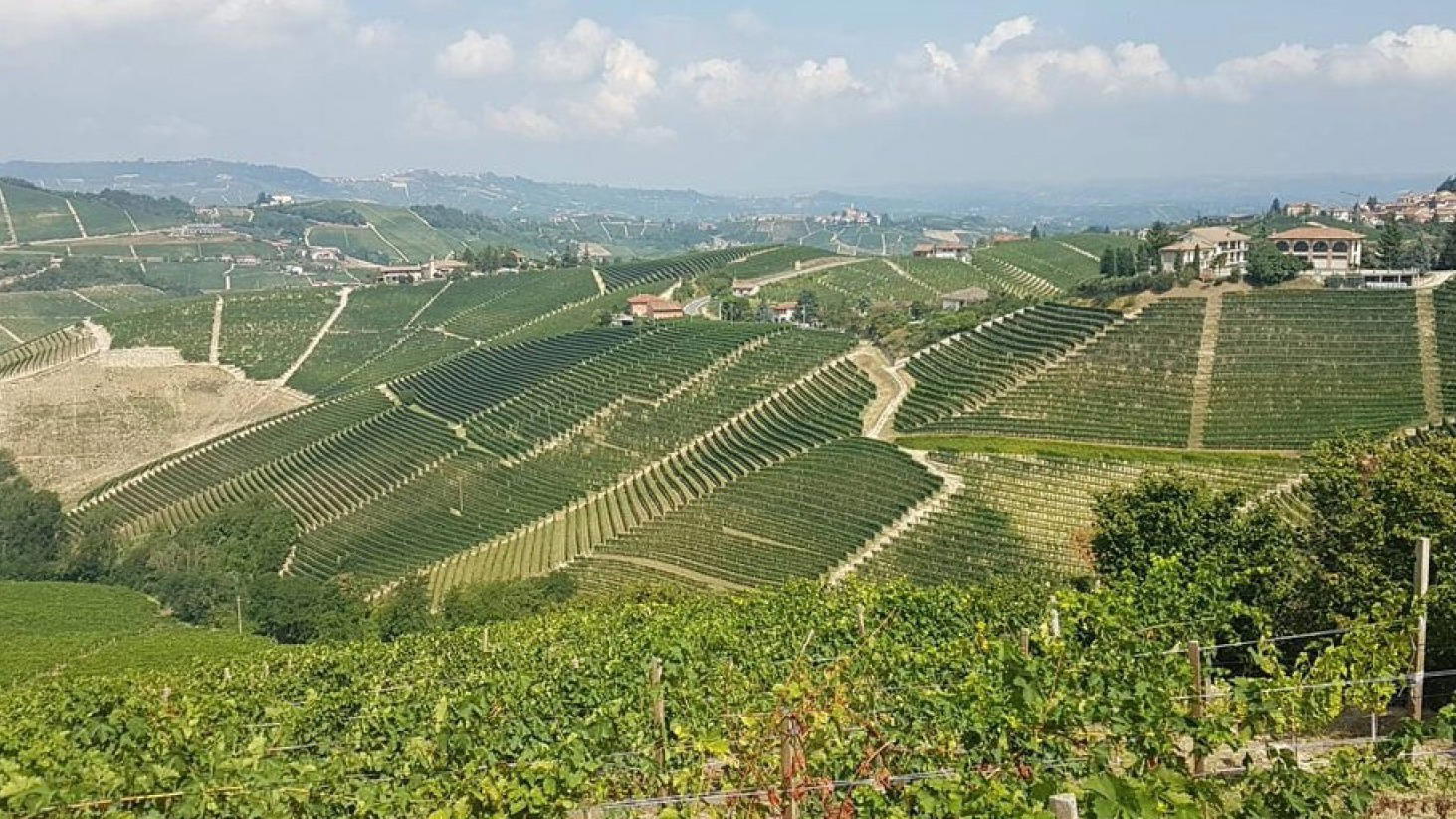
Approaching Castagnito d'Alba along the narrow roads that thread through the Langhe, the landscape makes the argument before any menu does. Rows of Nebbiolo and Barbera climb the hillsides in the kind of disciplined order that signals serious viticulture, and the connection between what grows here and what ends up on a plate feels less like a design decision than a geographical inevitability. Marc Lanteri is a restaurant in Castagnito, Italy, serving Piedmontese-French crossover cuisine at about $100 per person. Positioned directly beside the Fratelli Massucco winery on Via Serra, it sits inside this logic rather than performing it. The outdoor spaces are shared between restaurant and winery, and on clear days the views across the surrounding vineyards extend far enough to make the sourcing philosophy visible from your table before the first course arrives.
This is not an unusual arrangement for the Langhe, where restaurant-winery pairings have long been a structural feature of the dining scene. What distinguishes Marc Lanteri within that tradition is the degree to which the kitchen draws from produce grown in its own garden, giving the menu a seasonal specificity that goes beyond the standard regional-ingredient shorthand. The vegetarian tasting menu, built around this garden output, is worth noting as a signal: in a region where meat and cured products dominate, a thoughtfully constructed vegetarian option backed by on-site cultivation is a specific commitment, not a courtesy concession.
Where the Ingredients Come From and Why It Matters
Piedmontese cooking at its most credible is defined less by technique than by provenance. The tradition is built on the principle that white truffles, Castelmagno, Fassona beef, and the herbs of the Langhe hills speak clearly when handled with restraint. The kitchen at Marc Lanteri works within this framework, placing local ingredients at the centre and using what the Michelin assessors describe as "small touches of colour and imagination" to move dishes beyond mere reproduction of regional classics.
The garden-to-table element here is not decorative. When a restaurant grows its own produce and builds a tasting menu around it, the menu structure necessarily shifts with the seasons in ways that a kitchen relying entirely on suppliers cannot replicate with the same immediacy. For the autumn and winter months, when the Langhe is at its most celebrated, that means the vegetable courses will likely reflect the rhythms of the kitchen garden directly. Spring and summer visits, when the outdoor terrace comes into full use, offer a different register altogether: lighter, greener, with the hills at their most photogenic backdrop for the shared outdoor space with the winery.
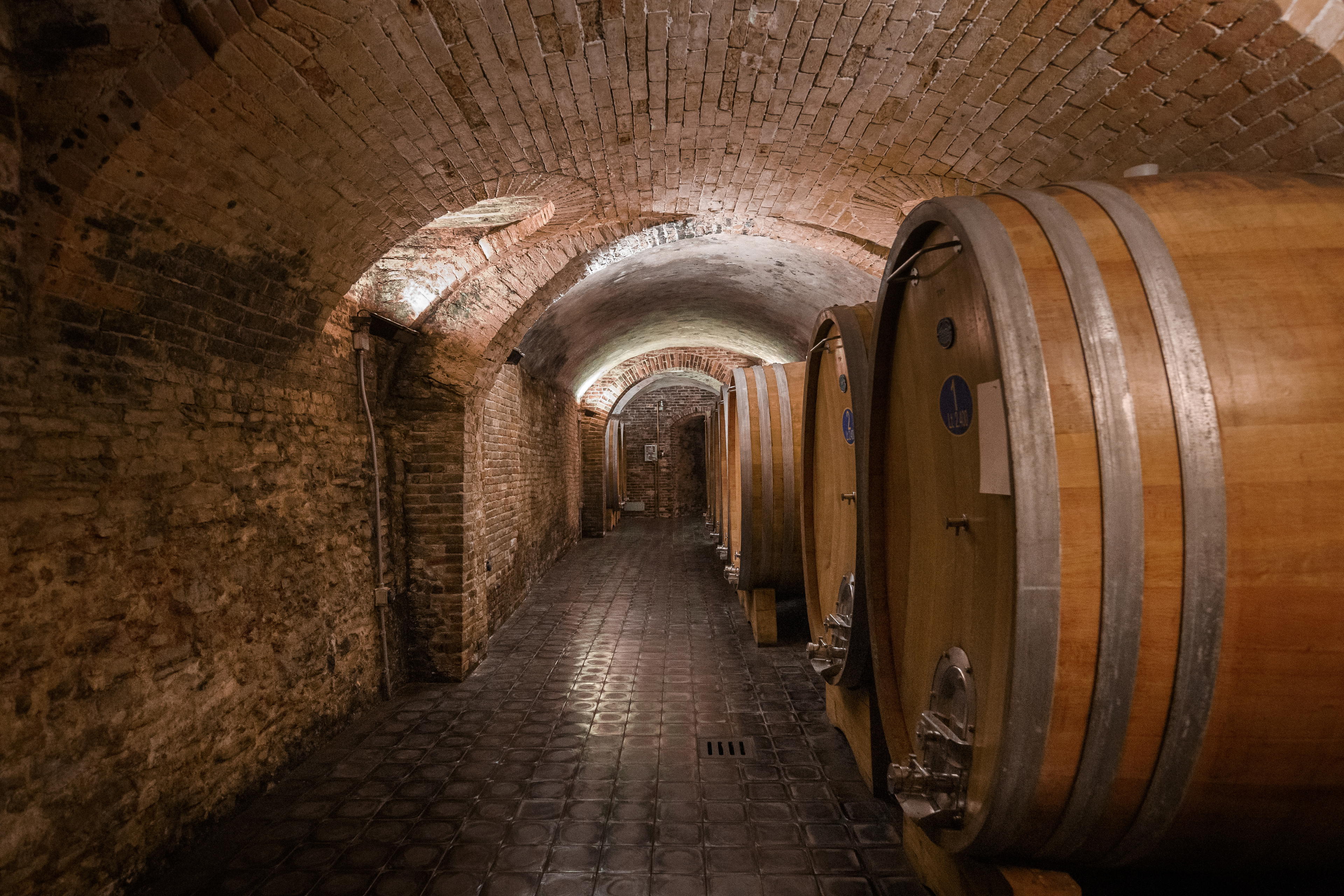
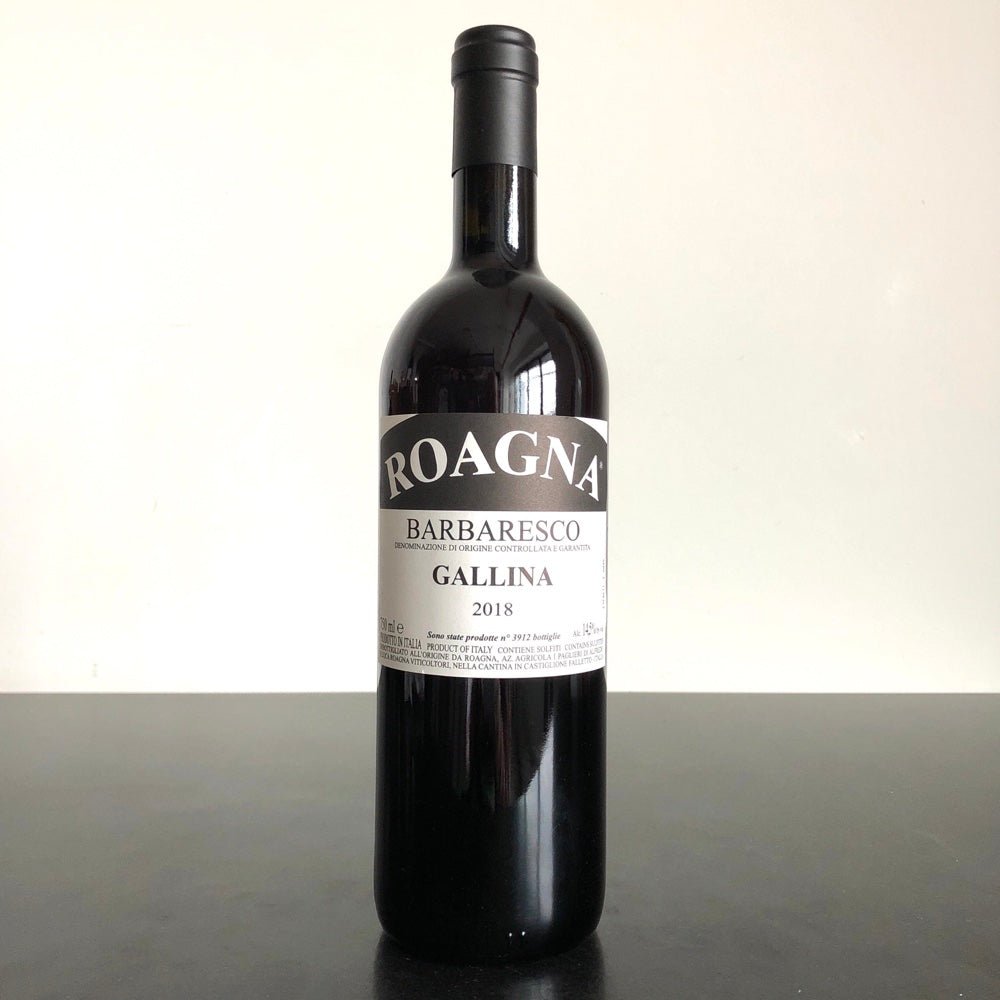
The wine list reinforces the sourcing argument. The Fratelli Massucco estate's own labels anchor the cellar, which is a reasonable starting position for any restaurant in this location, and the list extends outward to cover other Italian regions and international selections. For visitors who want to drink the landscape rather than just eat it, starting with the estate wines before exploring broader Langhe producers is a logical approach.
Format, Price, and the comparable set
Restaurant operates three tasting menus, with à la carte also available. That combination is increasingly rare at the more ambitious end of Italian regional dining, where fixed formats have become the norm at properties from Osteria Francescana in Modena and Le Calandre in Rubano through to the high-end tasting-counter model represented by venues like Atelier Moessmer Norbert Niederkofler in Brunico. The restaurant's willingness to serve à la carte alongside its set menus gives it an accessibility that some of the region's more ceremonial addresses have moved away from.
At the $100 price point, it occupies a different tier from the starred destination restaurants that define the Langhe's international reputation. Piazza Duomo in Alba, roughly twenty minutes away, operates in the three-Michelin-star bracket and prices accordingly. Antica Corona Reale in Cervere and Locanda Sant'Uffizio Enrico Bartolini in Cioccaro represent the starred Piedmontese mid-tier. For visitors who want serious regional cooking without the formal occasion overhead, it is a logical complement to a Langhe itinerary rather than a compromise within one.
The Michelin Plate recognition is worth framing correctly: it signals that inspectors found cooking worth recommending, without the star tier that carries different pricing expectations. Across Italy, particularly honest regional cooking holds Plate rather than star status, partly because the starred tier increasingly rewards ambition and format as much as ingredient quality. Dal Pescatore in Runate and Enoteca Pinchiorri in Florence represent the three-star ceiling of Italian tradition, while the Plate tier covers a much wider range of genuinely compelling kitchens.
Planning a Visit
The restaurant sits at Via Serra, 21D, 12050 Castagnito CN, in the Langhe hills between Alba and Asti. The location is rural and requires a car or a deliberate arrangement from Alba, which remains the natural base for most visitors to this part of Piedmont. The outdoor space shared with the Fratelli Massucco winery makes timing your visit for the warmer months a reasonable priority if the setting is part of the draw, though the enclosed restaurant operates through the year.
Reservations are recommended. The format flexibility, offering both tasting menus and à la carte, means the visit can be calibrated to appetite and time without requiring the full-evening commitment that multi-course destination dining typically demands.
For broader Piedmontese comparisons, Uliassi in Senigallia, Reale in Castel di Sangro, Quattro Passi in Marina del Cantone, Enrico Bartolini in Milan, and Casa Perbellini 12 Apostoli in Verona offer useful reference points across different price tiers and regional traditions within Italian fine dining.
At-a-Glance Comparison
Comparable venues nearby, for context on price, style, and recognition.
| Venue | Cuisine | Price | Awards | Notes |
|---|---|---|---|---|
| Marc LanteriThis venue — the venue you are viewing | Piedmontese-French Crossover Cuisine | $$$$ | Michelin Plate | Not listed |
| Marcelin | Modern Piedmontese Fine Dining | $$$$ | Michelin Plate | Montà |
| Alessandro Mecca al Castello di Grinzane Cavour | Modern Piedmontese Fine Dining | $$$$ | Michelin Plate | Grinzane Cavour |
| Coltivare | Modern Piedmontese Fine Dining | $$$$ | Michelin Plate | borgata Brandini |
| Le Cupole | Modern Italian Fine Dining | $$$$ | Michelin Plate | Rapallo |
| Il Ristorante - Niko Romito | Contemporary Italian Fine Dining | $$$$ | Michelin Plate | Brera |
Recognition history
Dated appearances from independent guides and award organizations, with the underlying list record or original source where available.
Michelin Plate
Michelin
Michelin Plate
Michelin
Continue exploring
More in Castagnito d'Alba
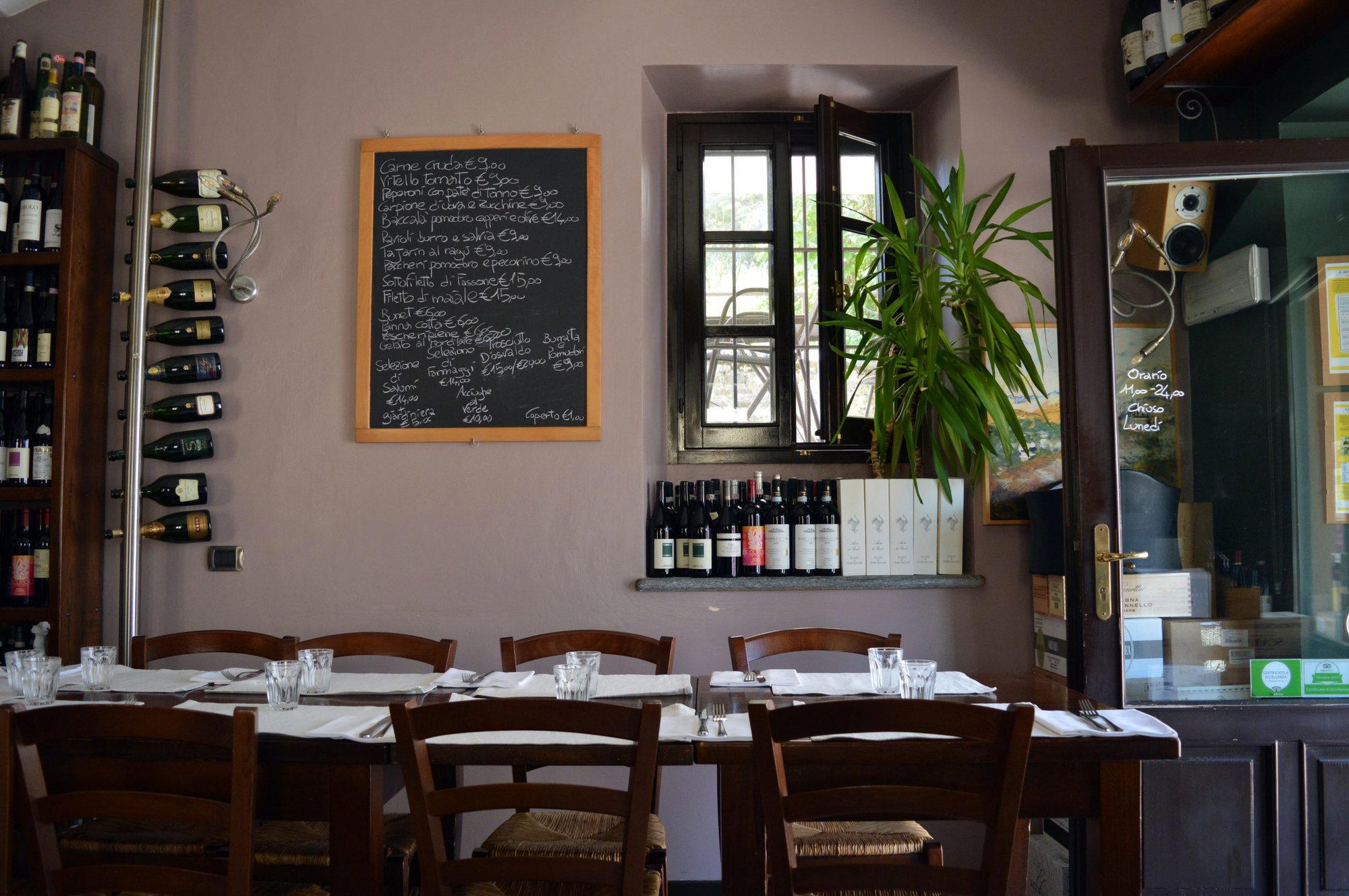
Restaurants in Castagnito d'Alba
Browse all →
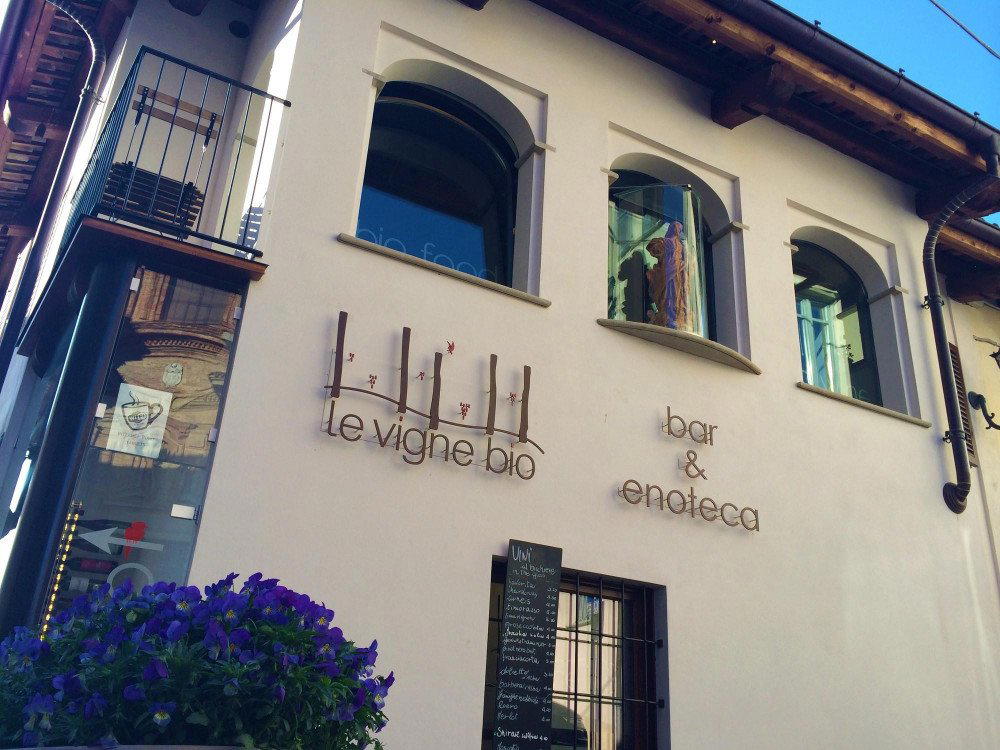
Bars in Castagnito d'Alba
Browse all →
Hotels in Castagnito d'Alba
Browse all →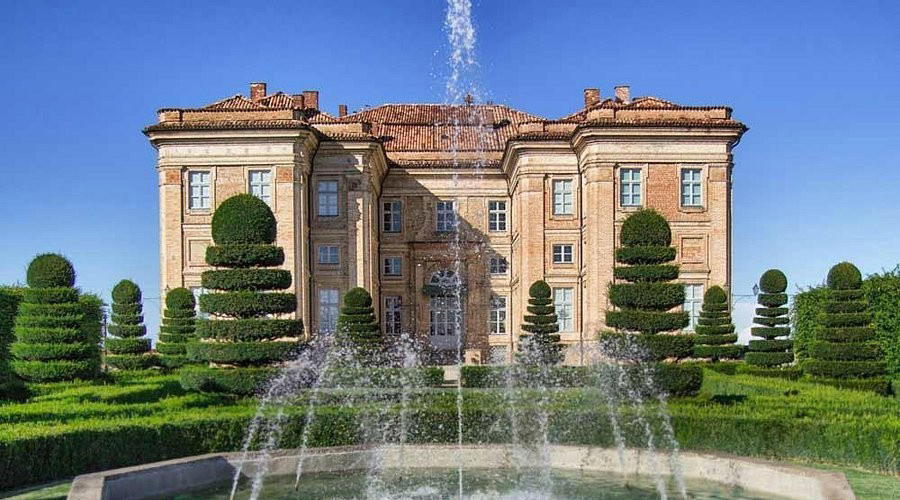
Wineries in Castagnito d'Alba
Browse all →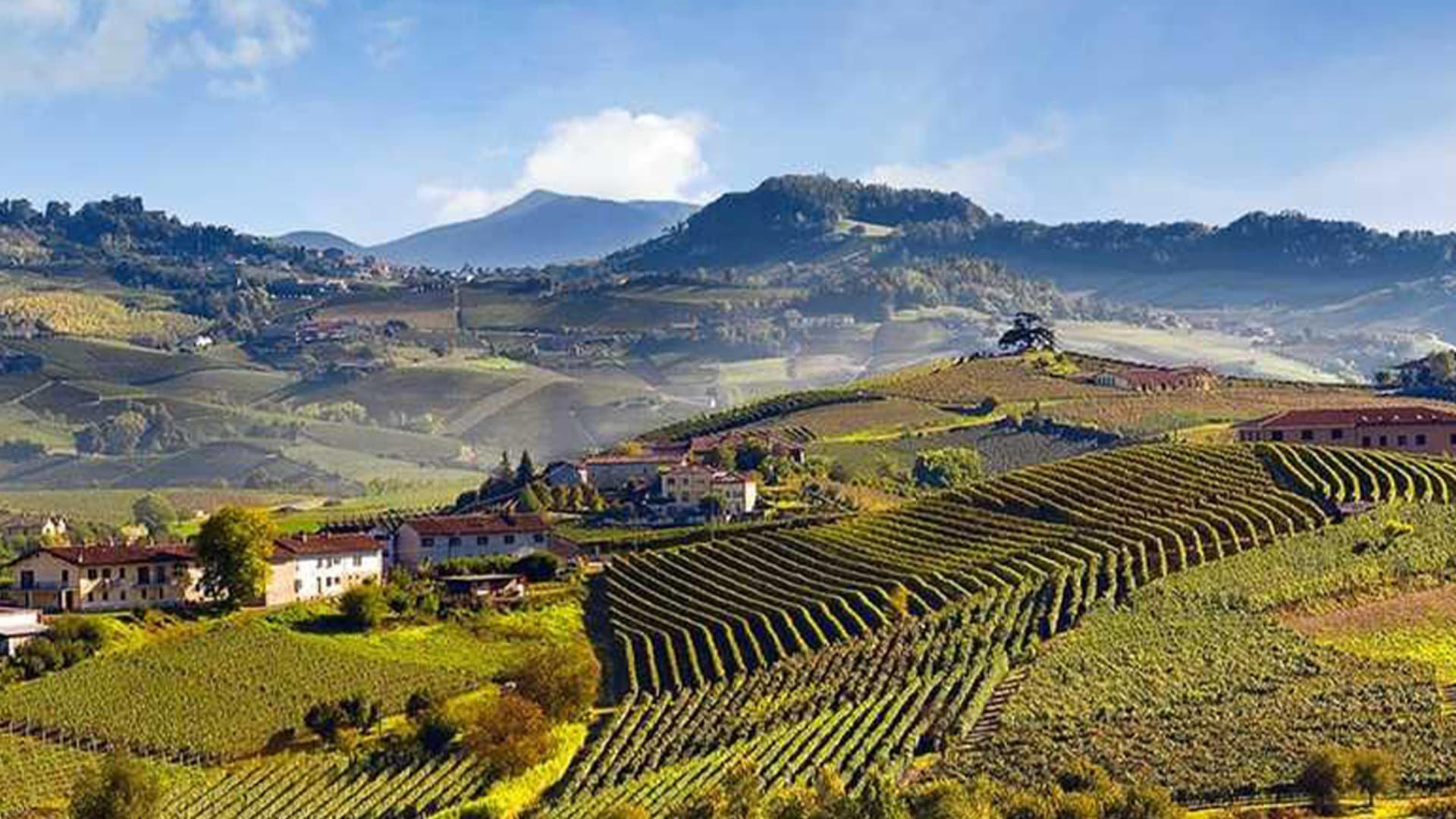
At a Glance
- Elegant
- Sophisticated
- Intimate
- Minimalist
- Special Occasion
- Date Night
- Panoramic View
- Open Kitchen
- Terrace
- Extensive Wine List
- Sommelier Led
- Farm To Table
- Local Sourcing
- Vineyard
Current opening hours
- Monday
- Closed
- Tuesday
- Closed
- Wednesday
- 12–2 PM, 7–10 PM
- Thursday
- 12–2 PM, 7–10 PM
- Friday
- 12–2 PM, 7–10 PM
- Saturday
- 12–2 PM, 7–11 PM
- Sunday
- 12–2 PM, 7–9 PM
Hours can change for holidays and private events. Last verified .
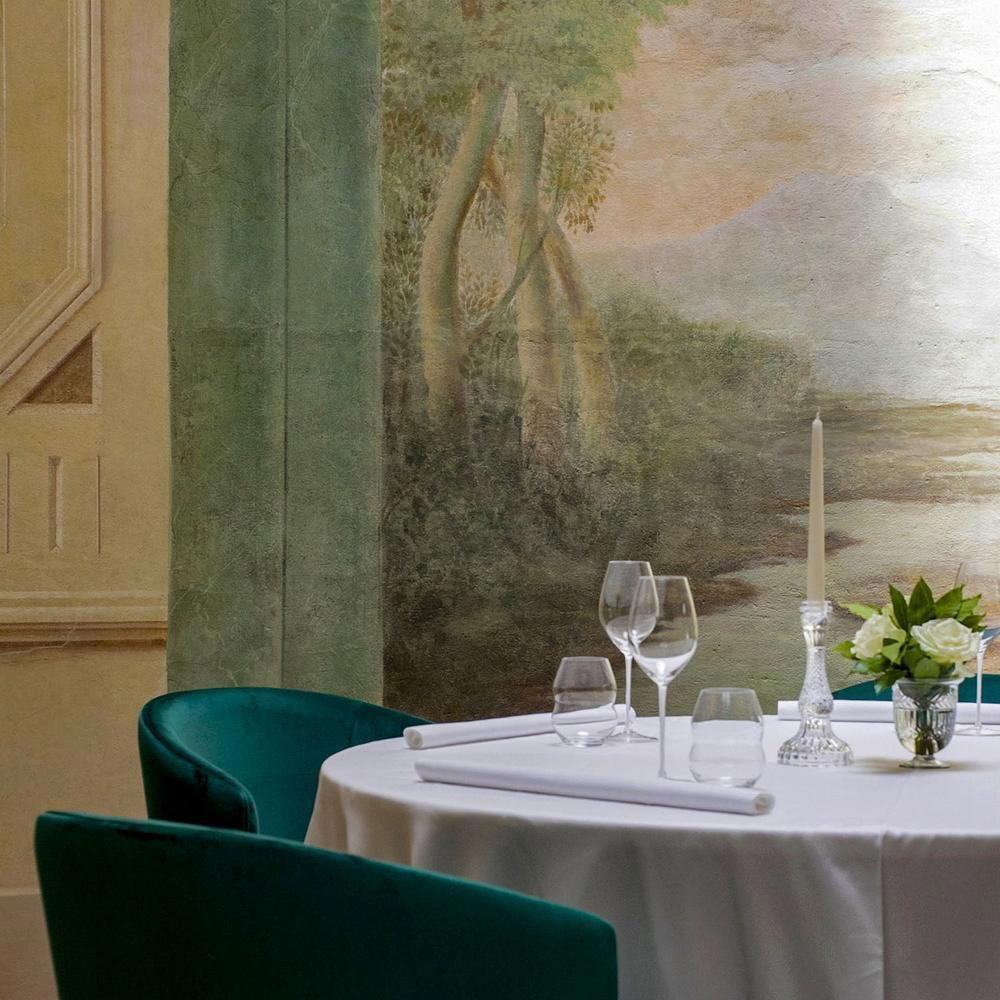
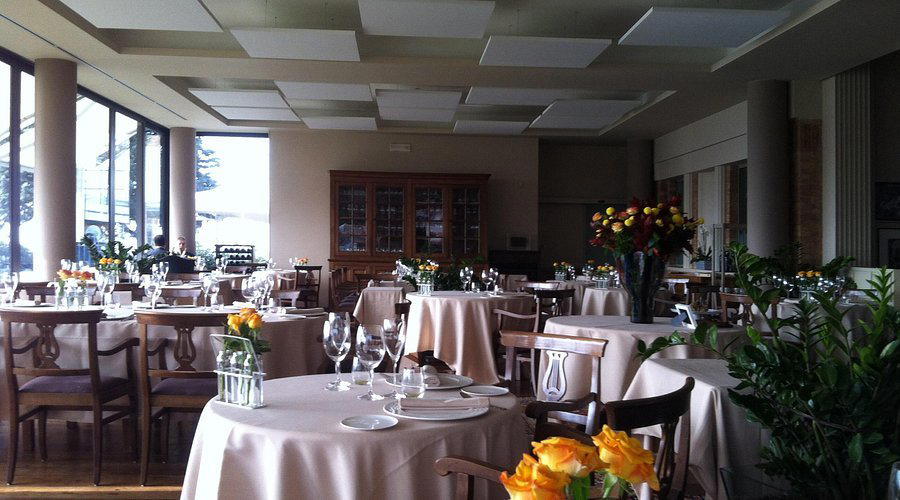
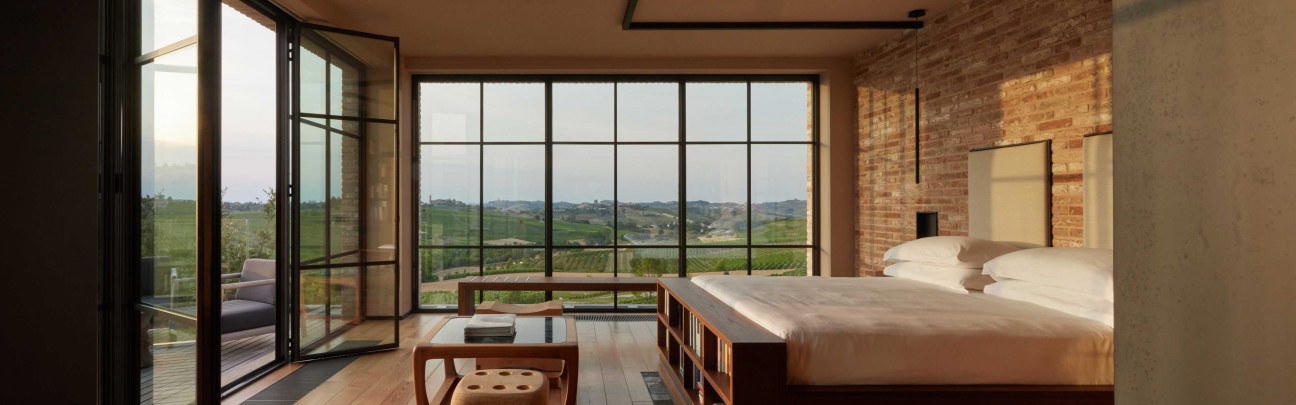
Hushed sophistication with soft linens, warm textures, natural materials, and large windows embracing the surrounding hills.