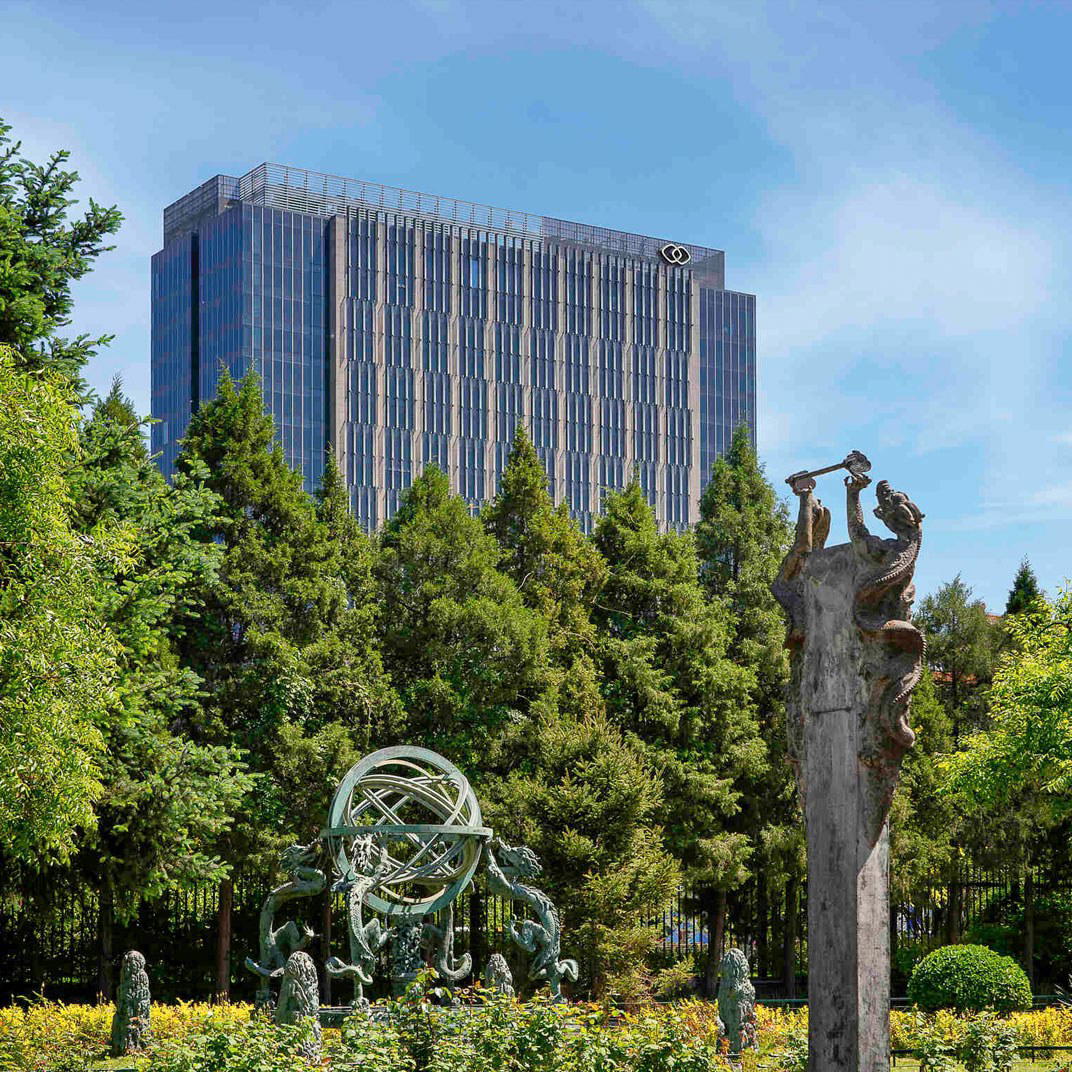
Michelin Plate · Black Pearl 2 Diamond
Our verdict
Mansion Xún brings Jiangzhe cuisine to Beijing's Chaoyang district with a format that has earned both a Michelin Plate (2024, 2025) and Black Pearl 2 Diamond recognition. The cooking draws on the restrained, ingredient-forward traditions of the Yangtze River Delta, where sourcing precision and technique transparency define the register. At ¥¥¥¥ pricing, it occupies the upper tier of Beijing's serious Chinese dining scene.

Pearl is the En Primeur Club membership app, where members save venues, book tables and use the concierge.
The menu
What to order
- Grandma's braised pork
- Braised Taizhou bean noodles with crab roe
Jiangzhe in the Capital: What Mansion Xún Represents
Beijing's fine Chinese dining scene has, for the better part of a decade, been pulled between two gravitational forces: the rich, sauce-forward traditions of northern cuisine and a steady northward migration of southern Chinese cooking styles carried by restaurants whose kitchens operate on entirely different sourcing logic. Jiangzhe cuisine, rooted in the provinces of Jiangsu and Zhejiang, belongs firmly to that second category. Its hallmarks, precise knife work, light-handed seasoning, and an almost doctrinal insistence on ingredient quality over technique flourish, sit in deliberate contrast to the bold, fermented, and roasted flavours that define the capital's culinary heritage.
Mansion Xún, in Chaoyang, is one of the addresses that has brought this tradition north with some credibility. The venue holds a Michelin Plate (awarded in both 2024 and 2025) alongside a Black Pearl 2 Diamond (2025), placing it in a peer group that includes Xin Rong Ji (Xinyuan South Road), which anchors its reputation in Taizhou seafood at the same ¥¥¥¥ price tier. These recognitions, arriving in consecutive years, suggest a kitchen operating with consistency rather than novelty.
The Sourcing Argument at the Centre of Jiangzhe Cooking
To understand why Jiangzhe restaurants at this level often attract sustained critical attention, it helps to understand what the cuisine demands of its supply chain. Where northern Chinese cooking can build complexity through dry-aging, smoking, and fermentation, Jiangzhe cooking places its bet almost entirely on the raw material. The hairy crab from Yangcheng Lake, the river shrimp from Taihu, the bamboo shoots from West Lake's surrounding hills, these are not garnishes or supporting cast. They are the point. A Jiangzhe kitchen working at this price point in Beijing is effectively arguing, through every plate it sends out, that the logistics of sourcing those ingredients from the Delta and presenting them in the capital with their integrity intact is both possible and worthwhile.
This sourcing-first philosophy shapes what appears on a ¥¥¥¥ Jiangzhe menu in ways that differ from what a comparable price point buys in other Chinese regional traditions. You are paying, in part, for provenance verification, for the confidence that the seasonal product in front of you has been handled with minimal intervention from origin to plate. The cooking techniques that dominate (steaming, quick stir-frying at high heat, gentle braising) exist largely to present rather than transform. That transparency is where reputations in this cuisine are made or broken.
For readers who want to see how this sourcing philosophy translates across different regional Chinese traditions operating at comparable seriousness, the Jiangzhe specialists Moose (Changning) in Shanghai and Chi Man in Nanjing, both operating closer to the Delta's source ingredients, offer useful comparison points. Ru Yuan in Hangzhou also sits inside this tradition, operating in the geography where many of its defining ingredients originate.
Chaoyang as a Setting for Serious Southern Chinese Cooking
Chaoyang, Beijing's most commercially active district, has developed a secondary identity as the neighbourhood where southern Chinese regional kitchens find their Beijing footing. The district's concentration of corporate hospitality spend, expatriate residents, and affluent domestic diners has made it a viable market for cuisines that require premium sourcing budgets to execute properly. Mansion Xún sits within this pattern, alongside Chao Shang Chao (Chaoyang), which brings Chaozhou traditions to the same address zone at the same price tier.
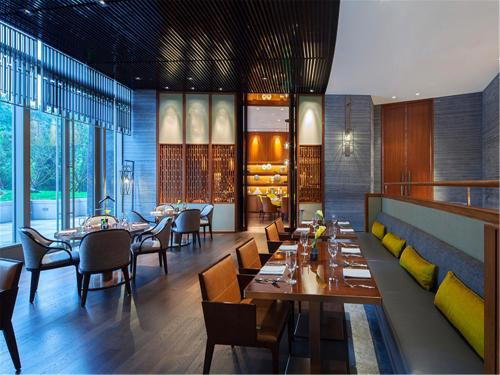
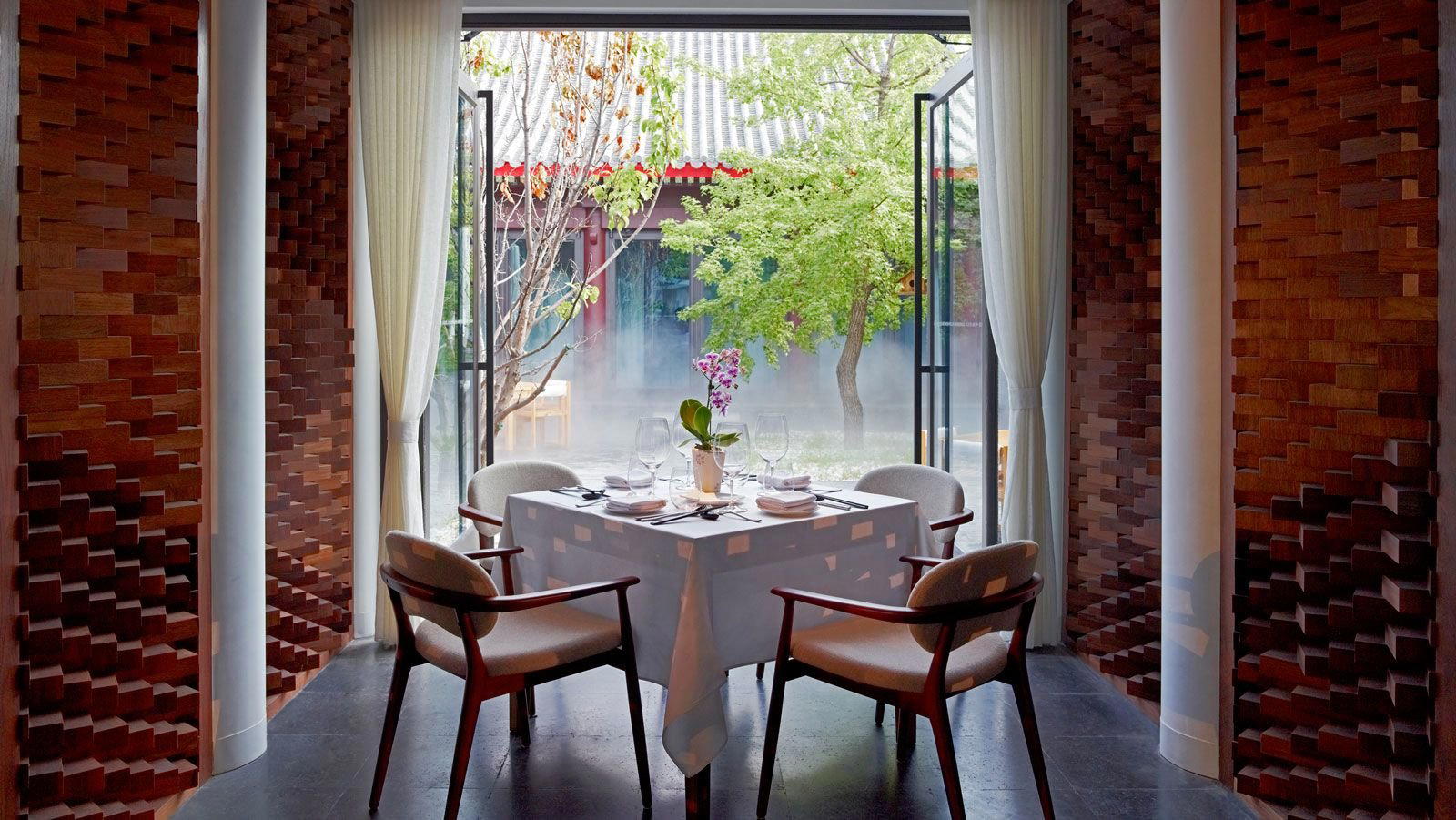
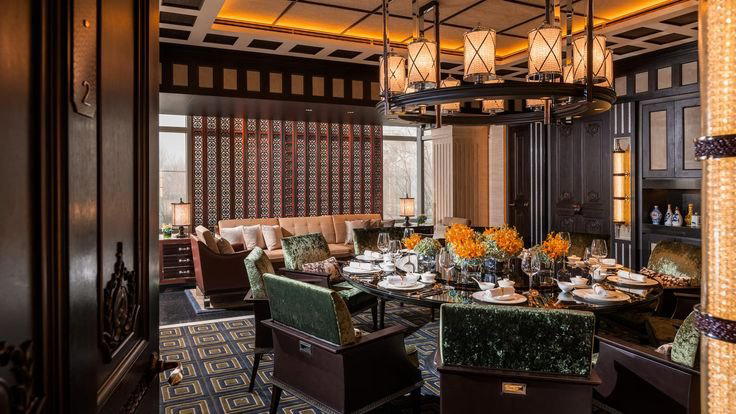
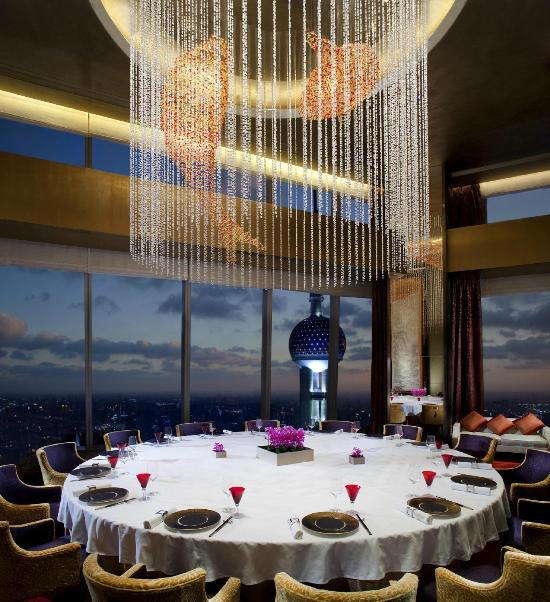
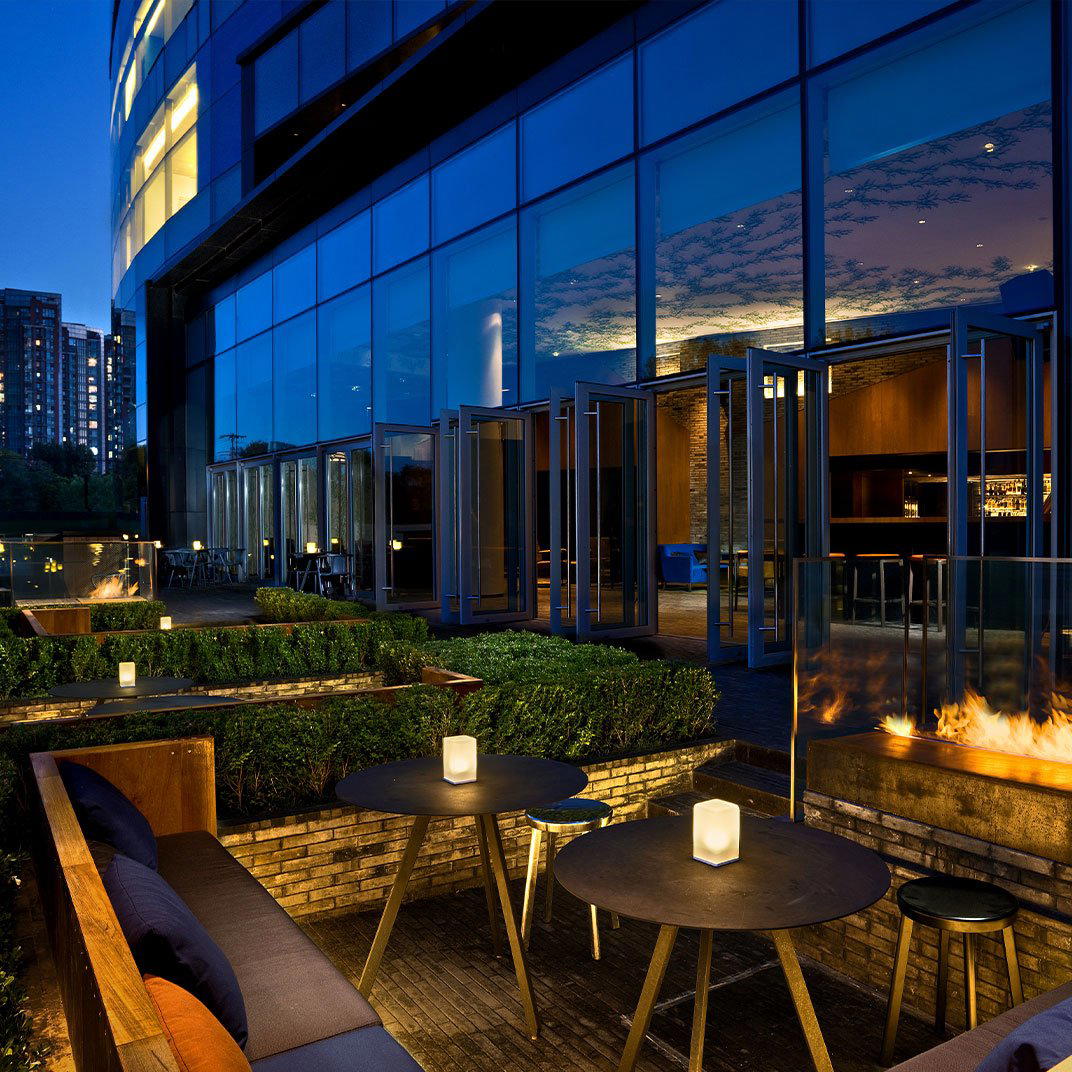
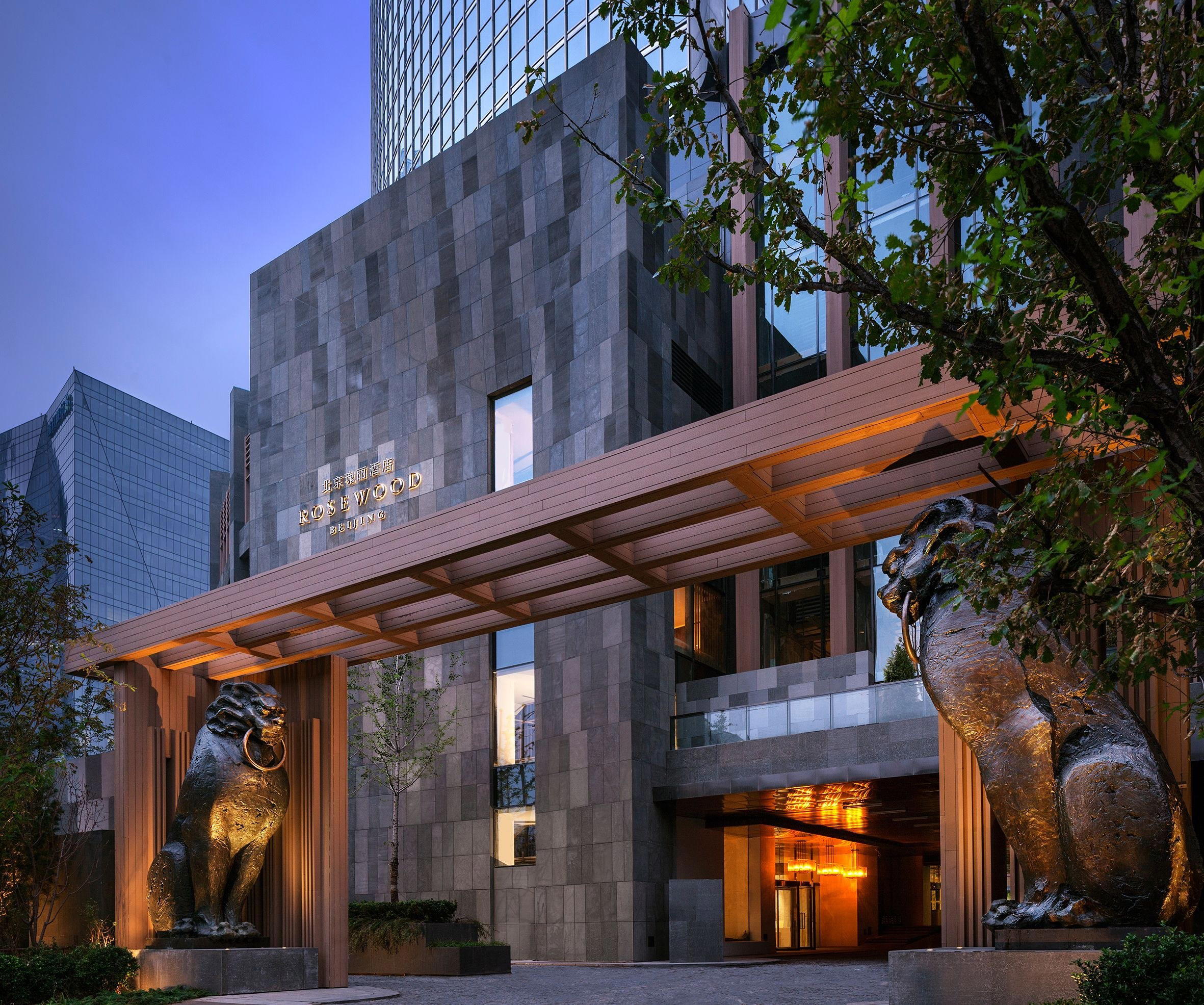
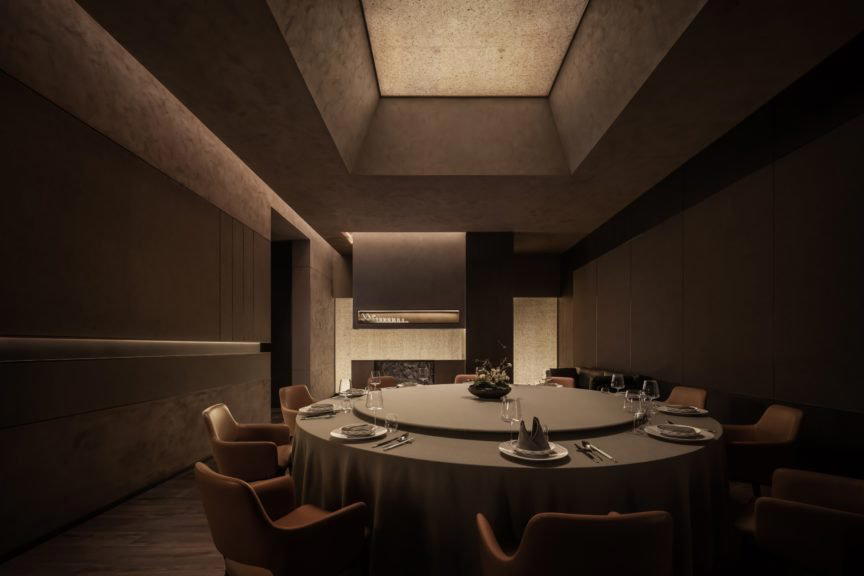
The physical approach to Mansion Xún reflects the register its pricing and awards signal. The name itself, mansion, 宅, implies a withdrawal from the commercial street energy of Chaoyang into something more composed. The architecture and interior design at addresses operating under this model typically favour reduced visual noise: muted materials, controlled lighting, and table spacing that permits private conversation at normal volume. This is a deliberate calibration. Jiangzhe cuisine at this level is not meant to be experienced against a backdrop of ambient bustle. The quietness is part of the argument the kitchen is making about restraint.
Where Mansion Xún Sits in Beijing's Premium Chinese Tier
At ¥¥¥¥ pricing, Mansion Xún prices against a specific cohort of Beijing's serious Chinese dining addresses rather than against the broader restaurant market. Its nearest comparators by price and critical standing include Xin Rong Ji (Xinyuan South Road), Chao Shang Chao, and Lamdre. Each represents a different regional Chinese tradition operating at the same price point, which means a reader choosing between them is making a decision about cuisine philosophy, not budget.
The Black Pearl 2 Diamond recognition is worth examining in this context. Black Pearl, operated by Meituan, applies a peer-review structure that weighs Chinese dining categories differently from Michelin's largely French-derived model, giving stronger weight to regional authenticity and sourcing discipline. A 2 Diamond placement in that system, held simultaneously with a Michelin Plate, suggests the kitchen satisfies two different critical frameworks simultaneously, one weighted toward accessible-but-serious cooking, one toward Chinese regional fidelity.
For context on how other premium Chinese kitchens are performing across the region's major cities, 102 House in Shanghai, Chef Tam's Seasons in Macau, Imperial Treasure Fine Chinese Cuisine in Guangzhou, and Dai Yuet Heen in Nanjing represent the calibre of operation Mansion Xún is measured against across Greater China. Xin Rong Ji in Chengdu is another point of reference for how premium Jiangnan-adjacent kitchens perform outside their home region.
Within Beijing specifically, restaurants like The Tasty House and Tong Chun Yuan operate in adjacent premium Chinese dining territory, while the broader dining picture across the capital is covered in our full Beijing restaurants guide. Readers planning a full Beijing visit will also find relevant context in our full Beijing hotels guide, our full Beijing bars guide, our full Beijing wineries guide, and our full Beijing experiences guide.
Know Before You Go
Cuisine: Jiangzhe (Jiangsu-Zhejiang regional Chinese)
Price tier: ¥¥¥¥, upper bracket of Beijing's premium Chinese dining
Location: Chaoyang district, Beijing
Awards: Michelin Plate (2024, 2025); Black Pearl 2 Diamond (2025)
Booking: No online booking link available at time of publication; phone details not listed, approach via concierge or third-party platform
Ideal time to visit: Seasonal ingredients drive the menu's most compelling moments; hairy crab season (October to November) and spring bamboo shoot availability (March to April) represent the two periods when Jiangzhe sourcing philosophy is most legible on the plate
Frequently asked questions
Is Mansion Xún a family-friendly restaurant?
Mansion Xún's ¥¥¥¥ pricing and Black Pearl 2 Diamond standing place it firmly in Beijing's formal dining tier, where the focus is on composed Jiangzhe cooking rather than casual group meals. Families with older children who appreciate a slower, course-driven format will find it workable, but it is not designed around younger diners or informal gatherings.
How would you describe the vibe at Mansion Xún?
The Chaoyang address and Black Pearl 2 Diamond recognition signal a setting built for considered dining rather than spectacle. At the ¥¥¥¥ price point, the room tends toward the composed and unhurried, consistent with the precision that Jiangzhe cooking demands from both kitchen and front-of-house.
What awards or recognition does Mansion Xún have?
Mansion Xún has received recognition including: Michelin Plate (2025); Black Pearl 2 Diamond (2025); Michelin Plate (2024).
What's the signature dish at Mansion Xún?
The menu reflects what the cuisine demands rather than any single showpiece dish.
What type of food is Mansion Xún known for?
Recognition, Side-by-Side
A compact comparison to help you place this venue among nearby peers.
| Venue | Cuisine | Price | Awards | Notes |
|---|---|---|---|---|
| Mansion XúnThis venue (the venue you are viewing) | Jiangsu-Zhejiang Private Cuisine | Not listed | Michelin Plate · Black Pearl 2 Diamond | Not listed |
| Jing | Modern French with Asian Influences | $300–500 | 1 Michelin Star · Black Pearl 1 Diamond | French Contemporary |
| Xin Rong Ji (Xinyuan South Road) | Taizhou Chinese Fine Dining | $300–500 | 3 Michelin Stars · World's 50 Best #84 | Taizhou |
| Chao Shang Chao (Chaoyang) | Modern Teochew (Chaoshan) Fine Dining | $200–300 | Michelin Plate · La Liste Top Restaurants | Chao Zhou |
| Lamdre | Modern Plant-Based Chinese Vegetarian | Not listed | 2 Michelin Stars · World's 50 Best #17 | Vegetarian |
| Jingji | Imperial Beijing Royal Cuisine | $200–300 | 2 Michelin Stars · La Liste Top Restaurants | Beijing Cuisine |
Recognition history
Dated appearances from independent guides and award organizations, with the underlying list record or original source where available.
Michelin Plate
Michelin
Black Pearl 2 Diamond
Black Pearl
Full recognition history (3 entries)
Michelin Plate
Michelin