

MOOSE sits inside Shanghai’s award-recognized dining tier, marked by a Black Pearl Restaurant Guide 2026 one-diamond rating. The draw is less about spectacle than about how contemporary Shanghai restaurants use sourcing discipline, regional reference points, and controlled rooms to compete in a city where premium dining is judged by precision as much as polish.
Pearl is the En Primeur Club membership app — saves, bookings, and concierge access live there. Same editors, same standards.
- Address
- China, 119弄1号CN 上海市 长宁区 新华路 119 邮政编码: 200052
- Phone
- +86 21 6205 5058
- Directions
- Get directions
 Saves & bookings on Pearl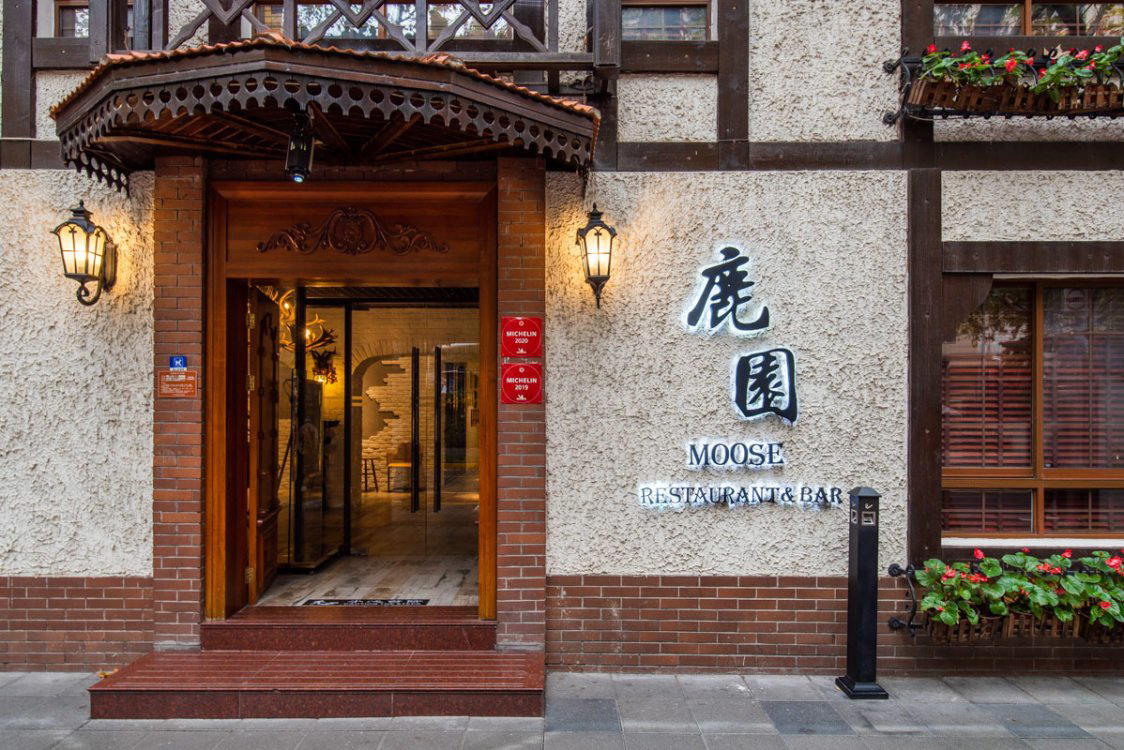
Shanghai’s serious dining rooms tend to announce themselves through control rather than noise: measured arrivals, polished service rhythms, and menus that signal sourcing before they signal performance. MOOSE belongs to that register. Its Black Restaurant Guide 2026 one-diamond recognition places it within the city’s inspected restaurant tier, where the question is not simply whether a meal is expensive or formal, but whether the kitchen can make provenance, technique, and pacing feel coherent.
Ingredient discipline in a city built on comparison
Shanghai rewards restaurants that understand supply. The city’s dining culture has long been shaped by access: river fish, Jiangnan vegetables, coastal seafood, imported luxury ingredients, and the logistical reach of a major port city. In that context, ingredient sourcing is not a decorative claim. It determines whether a restaurant reads as fluent in Shanghai’s premium dining language or merely dressed for it.
MOOSE is better understood through that lens than through a narrow venue portrait. The one-diamond Black marker gives the restaurant an external trust signal, but the more useful editorial point is what that recognition implies in Shanghai: consistency, sourcing standards, and a dining format serious enough to be judged alongside the city’s ambitious rooms. At this level, diners are paying for selection and restraint as much as for cooking. The produce, seafood, meat, and pantry choices have to justify the room’s confidence.
That matters because Shanghai’s upper dining tier has become crowded with restaurants that borrow the visual codes of luxury. The stronger rooms separate themselves through specificity: where the kitchen places emphasis, how much it lets ingredients carry the plate, and whether the menu feels anchored in the city rather than assembled for a generic international audience. MOOSE sits in the part of the market where those distinctions count.
How Shanghai's premium dining scene frames the room
The Black system has particular weight in mainland China because it speaks to local dining expectations as well as formal service standards. A one-diamond rating is not a substitute for a critic’s meal, but it is a meaningful signal for travelers trying to read Shanghai without relying only on imported award systems. For visitors, it helps place MOOSE inside a domestic hierarchy that Chinese diners already understand.
The atmosphere to expect is therefore not casual neighborhood dining. Shanghai’s award-recognized restaurants generally operate with a stronger sense of occasion: slower pacing, more attentive table management, and a room designed for guests who are choosing dinner as the central event of the evening. The useful comparison is not to a quick Bund stop or a hotel lobby meal, but to the city’s broader premium restaurant culture, where ceremony and ingredient quality carry equal weight.
For readers mapping a wider Shanghai itinerary, the city rewards category-hopping. Cantonese cooking has a separate grammar at 100 Century Avenue Cantonese, while steakhouse formality reads differently at 100 Century Avenue Steakhouse and 1515 West Chophouse (Steakhouse). More traditional Chinese dining threads appear through 102 House (Cantonese) and 102 House Shanghai. MOOSE should be read within that wider Shanghai pattern: different rooms, different sourcing priorities, different expectations of ceremony.
Planning it as part of a Shanghai dining trip
Because detailed public-facing logistics are not listed here, the sensible approach is to treat MOOSE as an award-recognized Shanghai dinner rather than an improvised stop. Black recognition increases attention, and Shanghai diners tend to plan serious meals ahead, especially around weekends, business travel peaks, and holiday periods. The practical move is to confirm the current reservation route and timing before building the rest of the evening around it.
The restaurant also fits a broader city plan better than a single-meal checklist. Use Our full Shanghai restaurants guide for dining context, then place the meal against the city’s hotel, bar, wine, and cultural circuits through Our full Shanghai hotels guide, Our full Shanghai bars guide, Our full Shanghai wineries guide, and Our full Shanghai experiences guide. For regional perspective on how Chinese dining ambition changes by city, compare coverage of #8 in Chengdu, 167 Shan Hai Li in Fuzhou, 1913 in Hangzhou, 1927 Dong Yuan Si Chu in Xiamen, 1949 - Duck de Chine in Beijing, and 1980烧肉粽 in 厦门市. Outside China, Japanese-influenced casual formats such as Jōdo Saké Bar in Los Angeles and Onigiri Time in Pasadena show how sharply format changes the meaning of sourcing.
The editorial verdict is simple: MOOSE is for travelers who want to understand Shanghai dining through contemporary Chinese restaurant culture rather than through imported luxury shorthand. The Black one-diamond signal gives it credibility; the more interesting test is how the kitchen turns sourcing discipline into a meal that feels rooted in the city’s current standards.
- Peking duck
- Braised lion’s head meatballs (seasonal variations)
- Eight Treasures Duck
- Wine-seasoned lobster
- Roasted pigeon
- Crispy white teat sea cucumber
Comparable venues nearby, for context on price, style, and recognition.
| Venue | Cuisine | Price | Notes |
|---|---|---|---|
| MOOSE | Michelin-starred Huaiyang & Jiangzhe Banquet Cuisine | $$$ | Changning |
| 楼上火锅 | Hong Kong-Style Hotpot | $$$ | Huangpu District |
| Lynn | Modern Shanghai Cuisine | $$$ | Jing'an |
| Bu Chi Su | Sichuan Chinese | $$$ | Jing'an District |
| Rong Ji 95 | Modern Seafood Bistro | $$$ | Hongkou |
| WANYAN | Refined Hui (Anhui) Cuisine | $$$ | Changning |
Recognition history
Dated appearances from independent guides and award organizations, with the underlying list record or original source where available.
Black Pearl 1 Diamond
Black Pearl
Michelin 1 Star
Michelin
Michelin 1 Star
Michelin
Michelin 1 Star
Michelin
At a Glance
- Elegant
- Classic
- Sophisticated
- Intimate
- Business Dinner
- Group Dining
- Special Occasion
- Date Night
- Celebration
- Private Event
- Private Dining
- Historic Building
- Design Destination
- Standalone
- Extensive Wine List
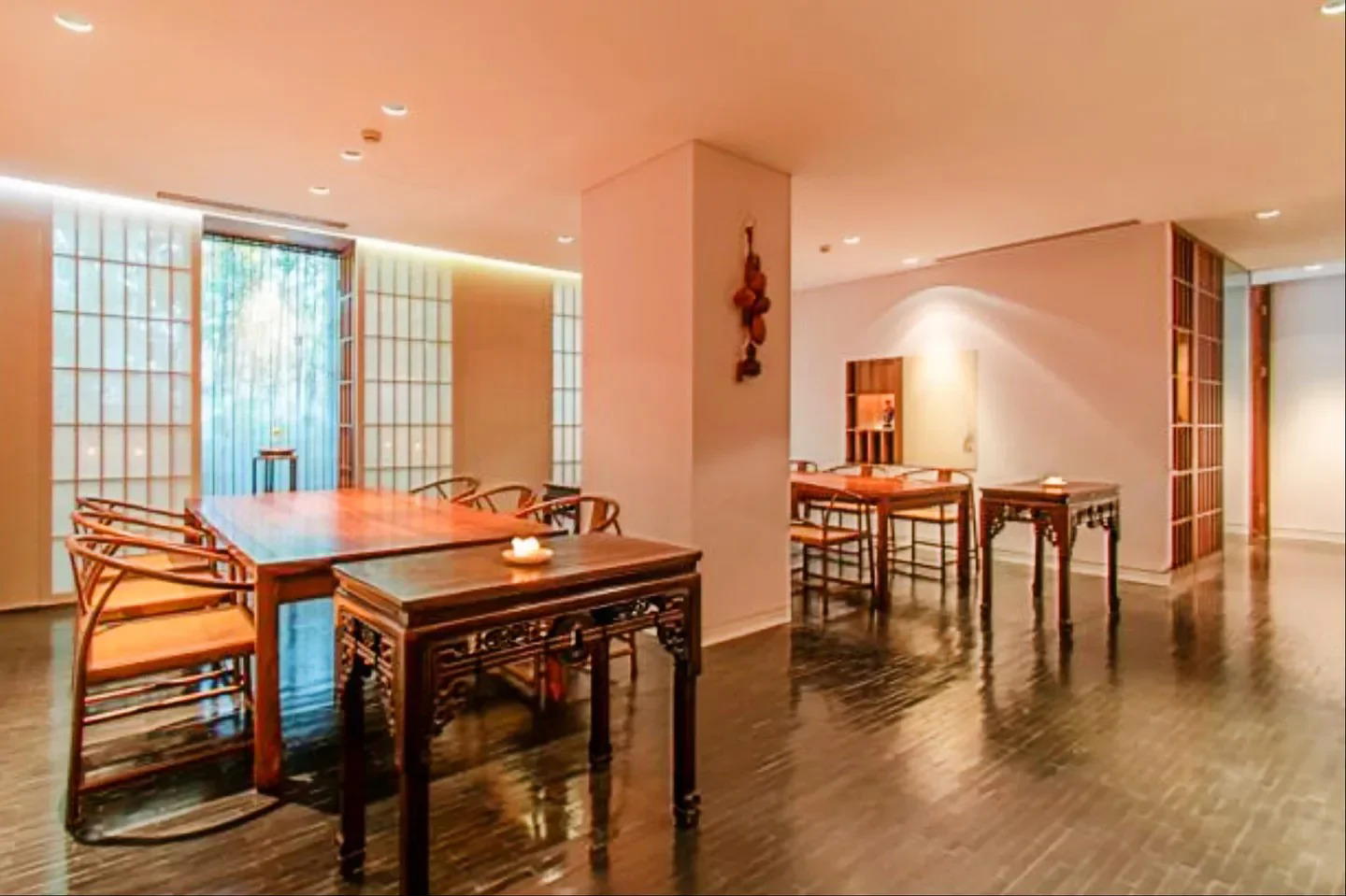
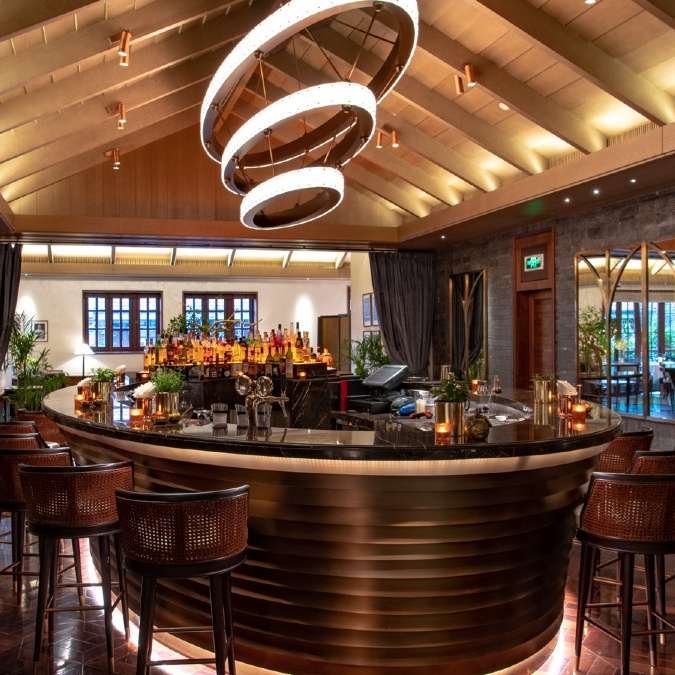
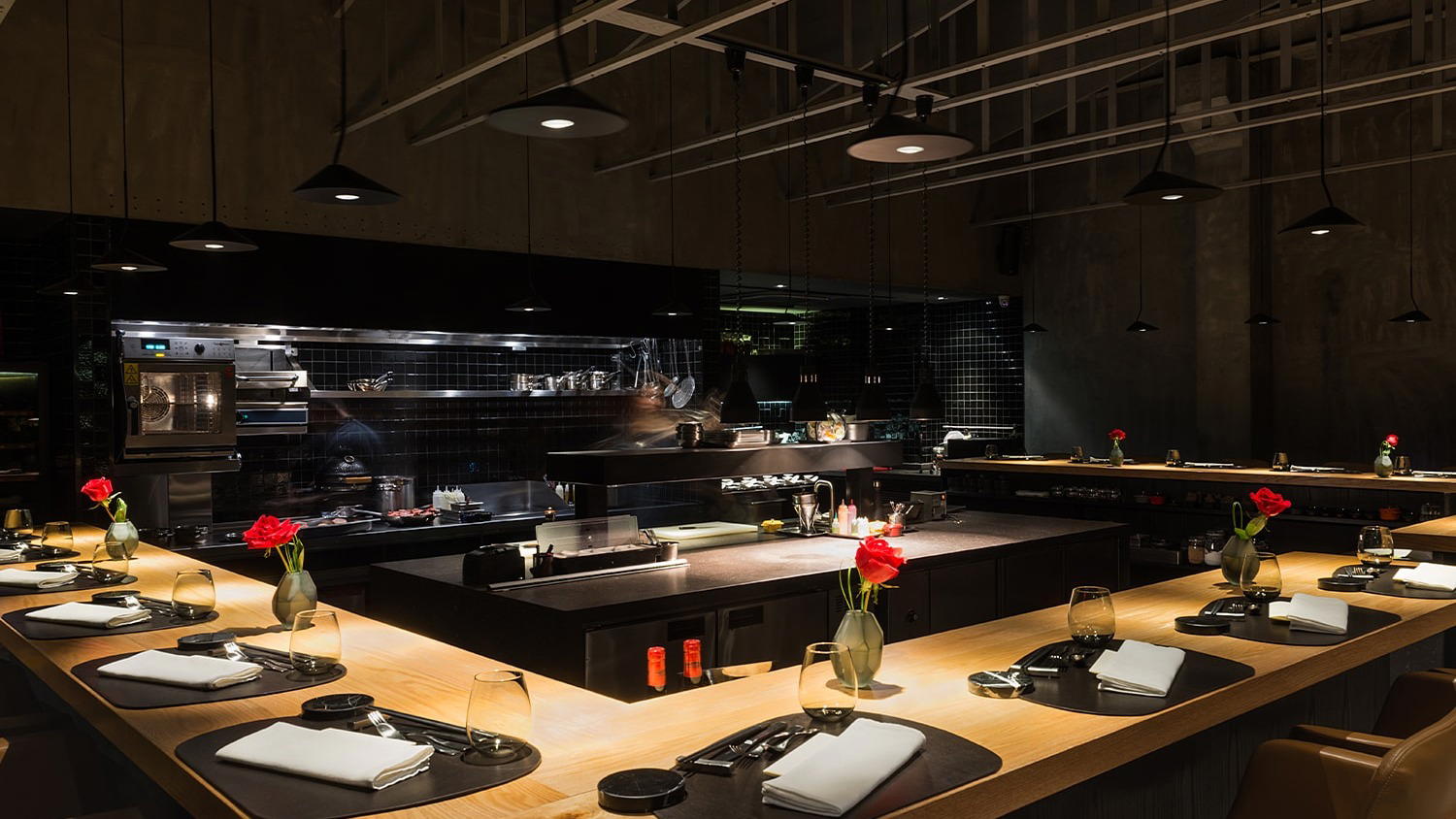
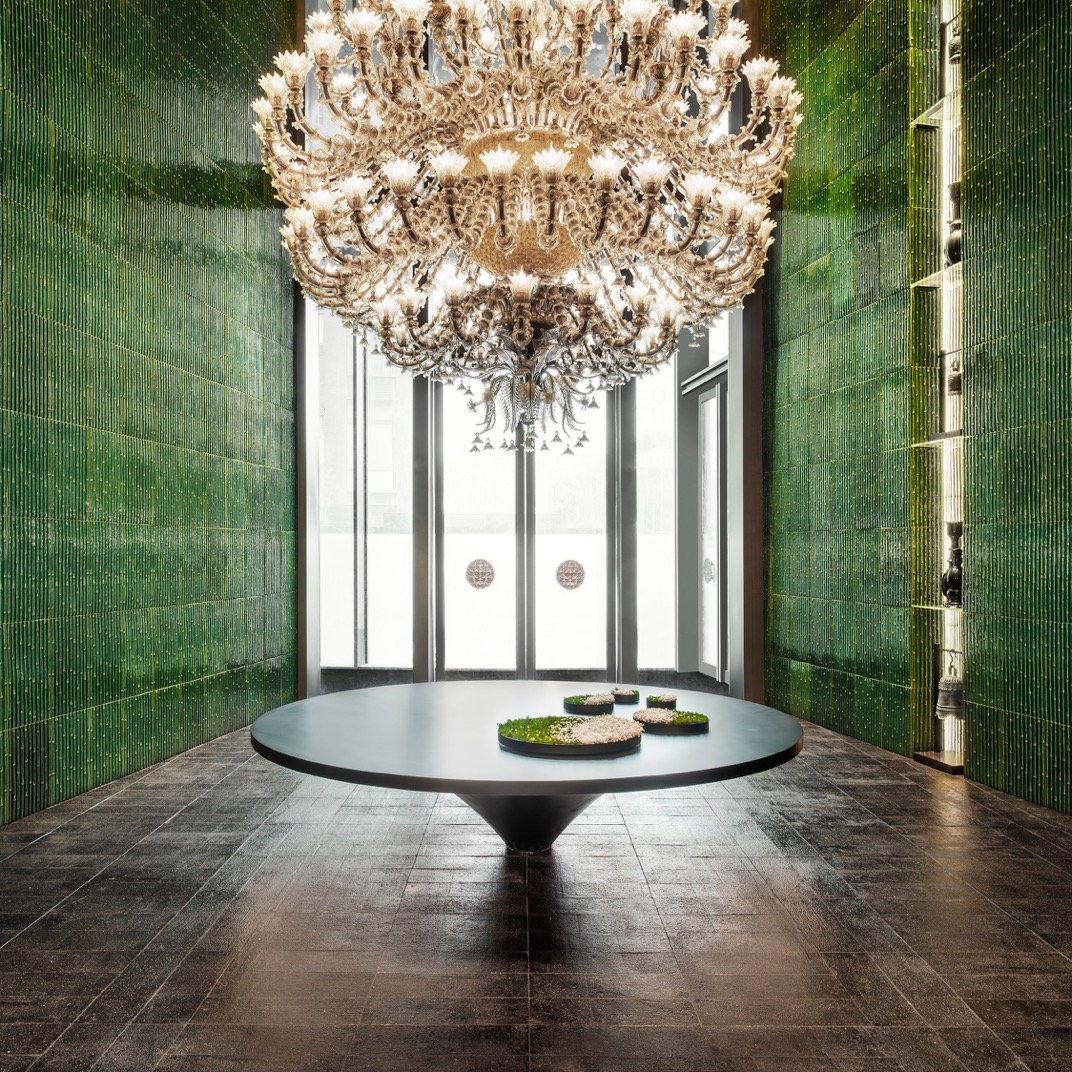
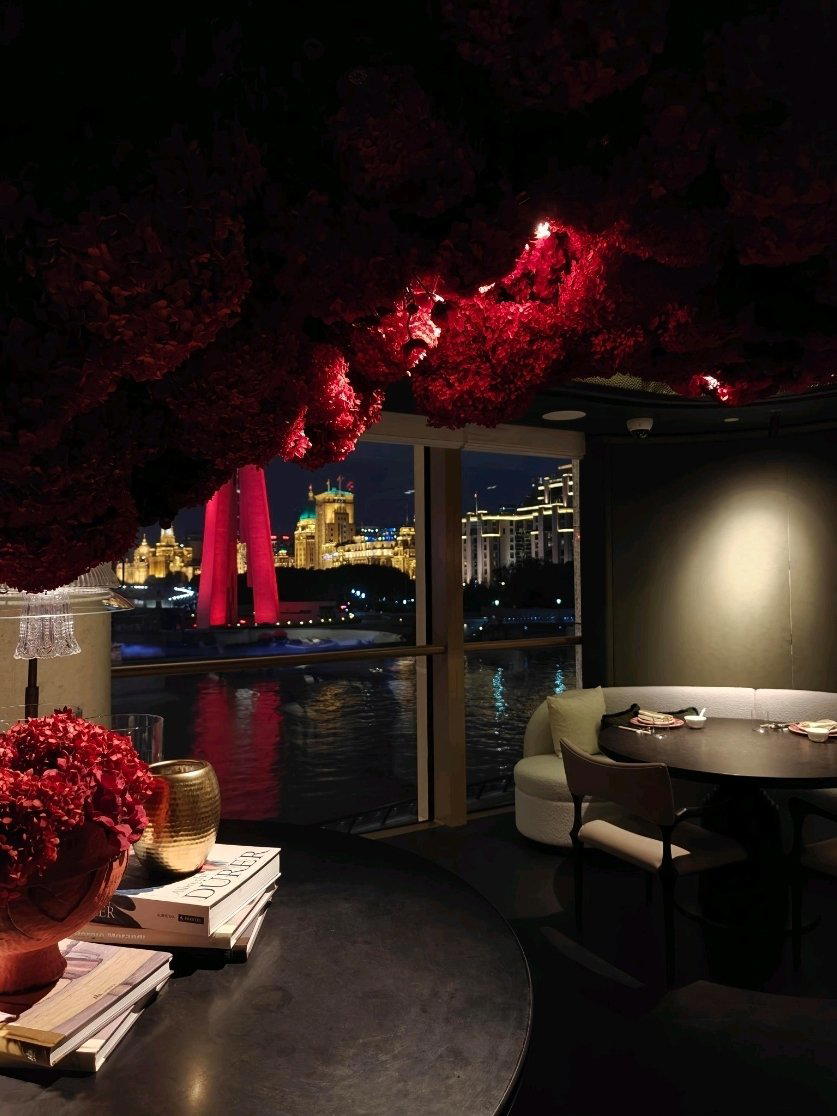
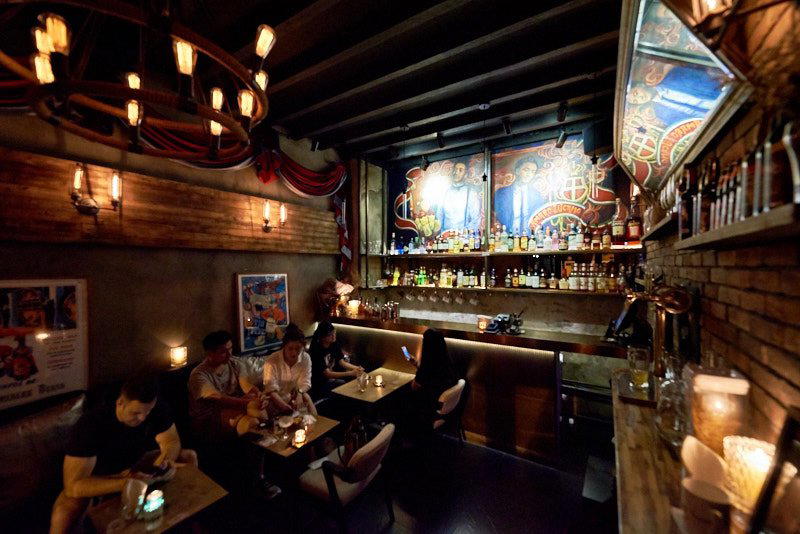
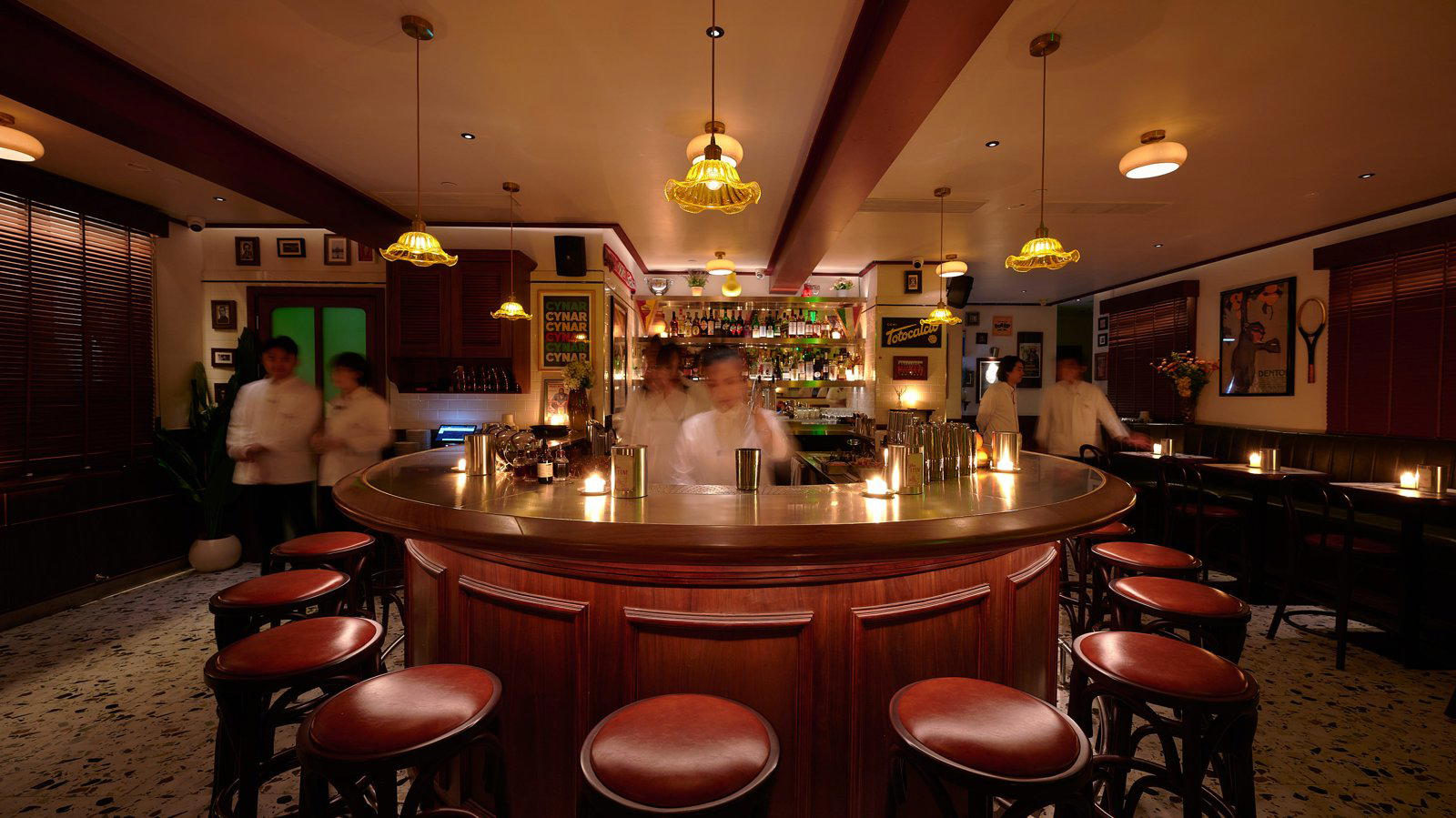
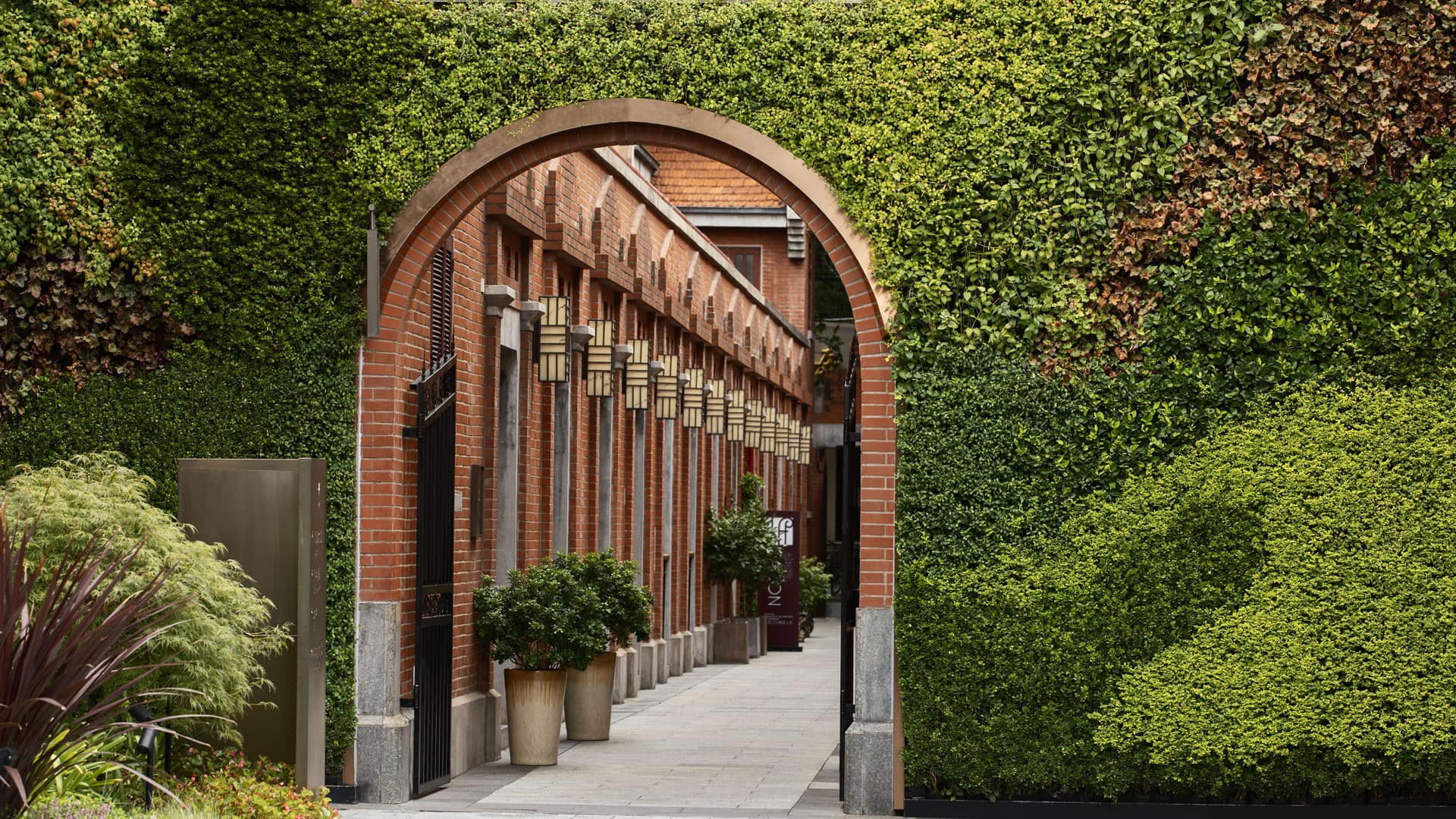
Atmosphere is refined and understated, with the dining room on the ground floor of a three-storey, century-old mansion and numerous private rooms upstairs, giving a classic, intimate and quietly luxurious feel suited to business and special-occasion dining.