


Among Jerusalem's grand city-centre hotels, the Waldorf Astoria occupies a late-1920s landmark building on Gershon Agron Street, within walking distance of the Old City. Its 225 guestrooms — the largest in Jerusalem — sit alongside two Mediterranean restaurants, a Guerlain spa, and a recognition from Star Wine List 2026. For travellers who want proximity to history without sacrificing physical scale, it occupies a specific tier in the city's hotel market.
Pearl is the En Primeur Club membership app — saves, bookings, and concierge access live there. Same editors, same standards.
- Address
- Gershon Agron St 26-28 Jerusalem, 9419008 Israel
- Phone
- 972-2-5423333
- Website
- hilton.com
- Directions
- Get directions
 Saves & bookings on Pearl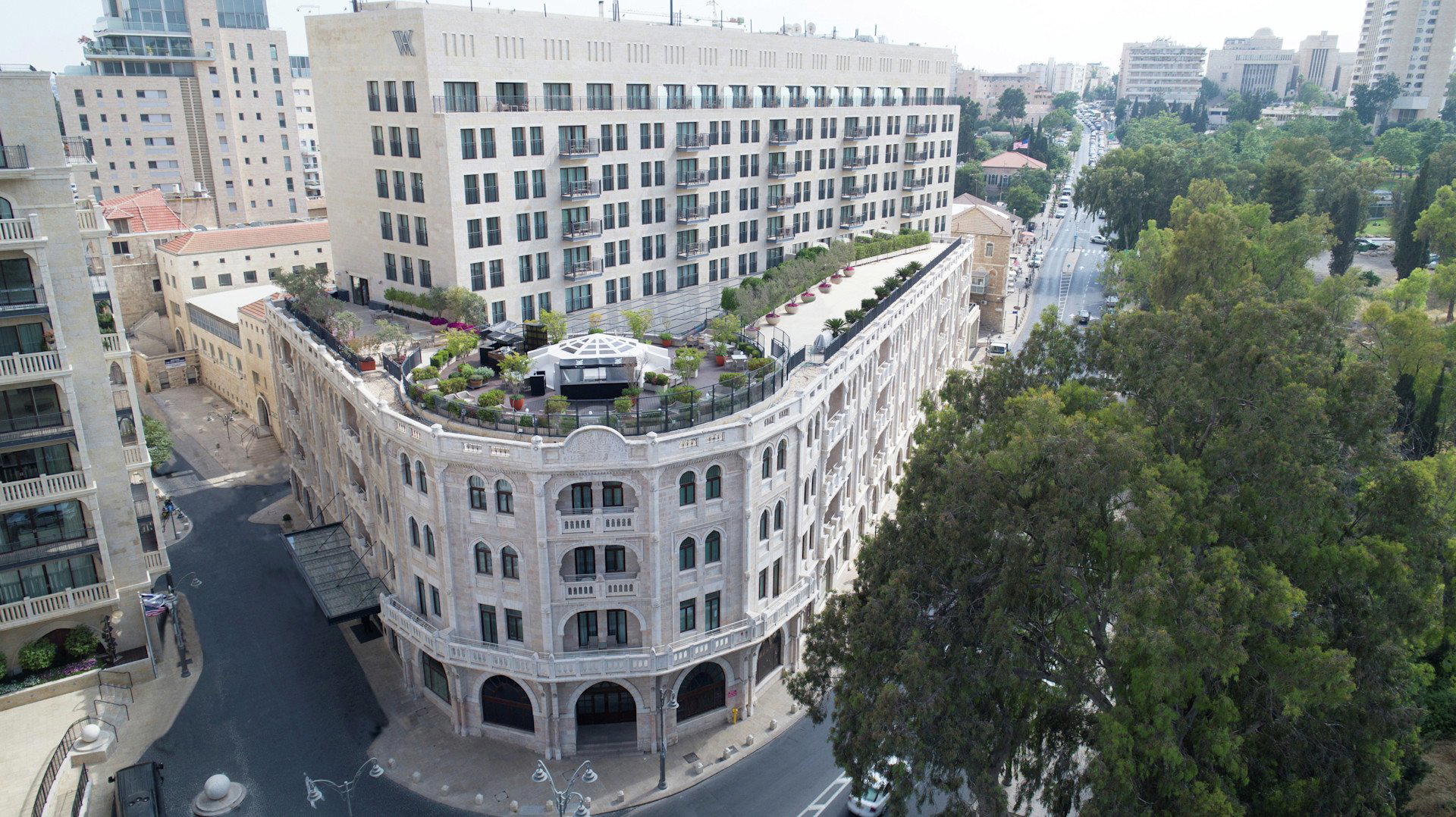
Position and Place: What Gershon Agron Street Actually Gives You
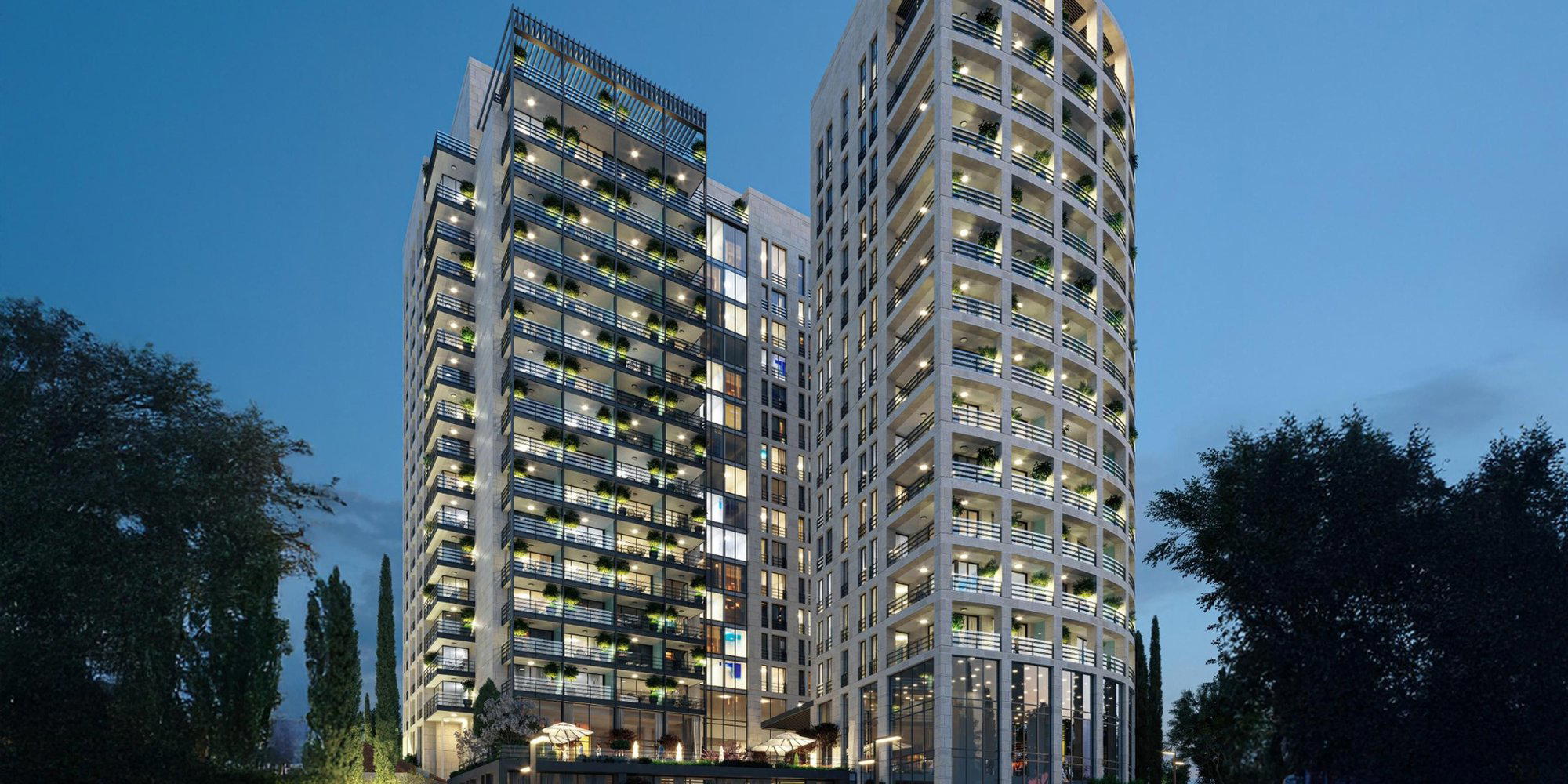
Jerusalem's premium hotel corridor sits in a narrow band of the New City where walking distance to the Old City walls remains realistic rather than aspirational. The Waldorf Astoria Jerusalem occupies one of the more compelling addresses in that corridor — Gershon Agron Street 26-28 — close enough to Jaffa Gate that the limestone ramparts are a fixture of the neighbourhood rather than a destination requiring transport. For a hotel operating at this price tier, that proximity is the foundational argument: guests who book here are not trading convenience for comfort. They are getting both in the same address.
That address also places the property within easy reach of Mamilla Avenue, the covered pedestrian promenade that links the New City retail zone to the Old City entrance. Guests arriving without prior knowledge of the city find that the geography does much of the orientation work for them. The Old City's four quarters, the Tower of David, and the major religious sites are navigable on foot without logistical complexity. For context on how this stacks up against the broader Jerusalem hotel scene, our full Jerusalem restaurants and hotels guide maps the city's key districts.
The Building: Late-1920s Architecture in a City That Rewards It
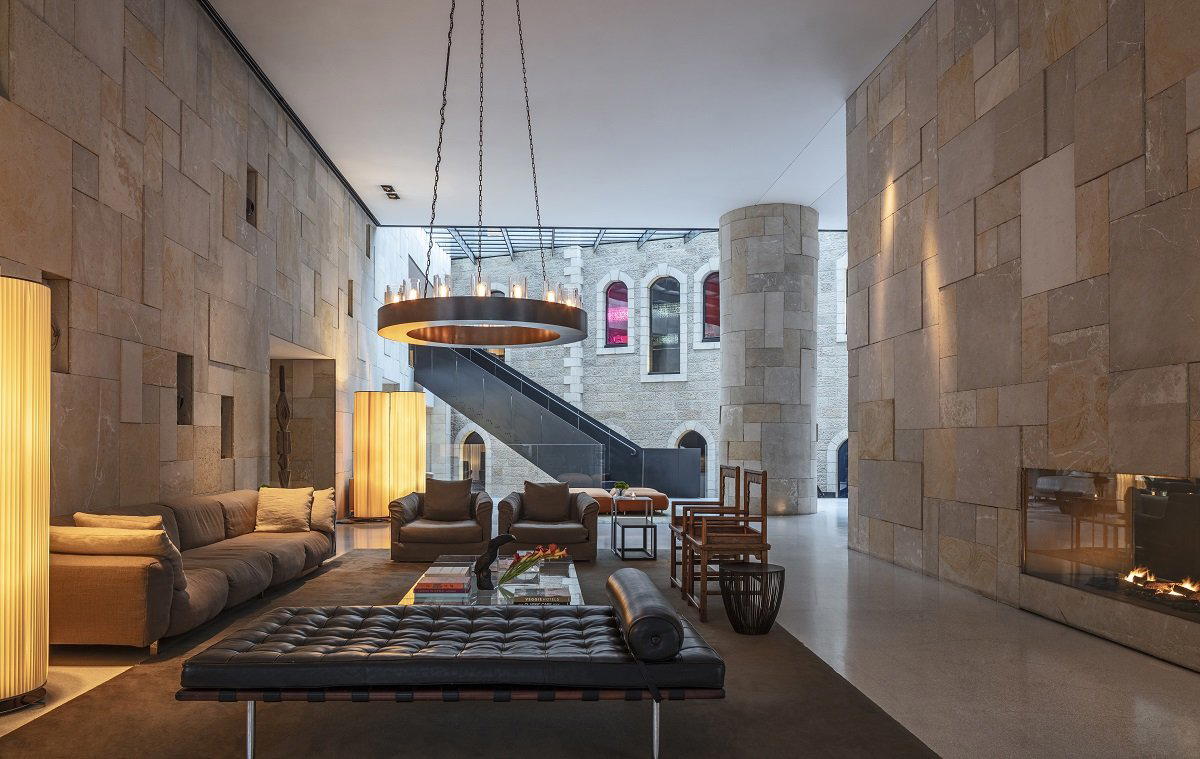
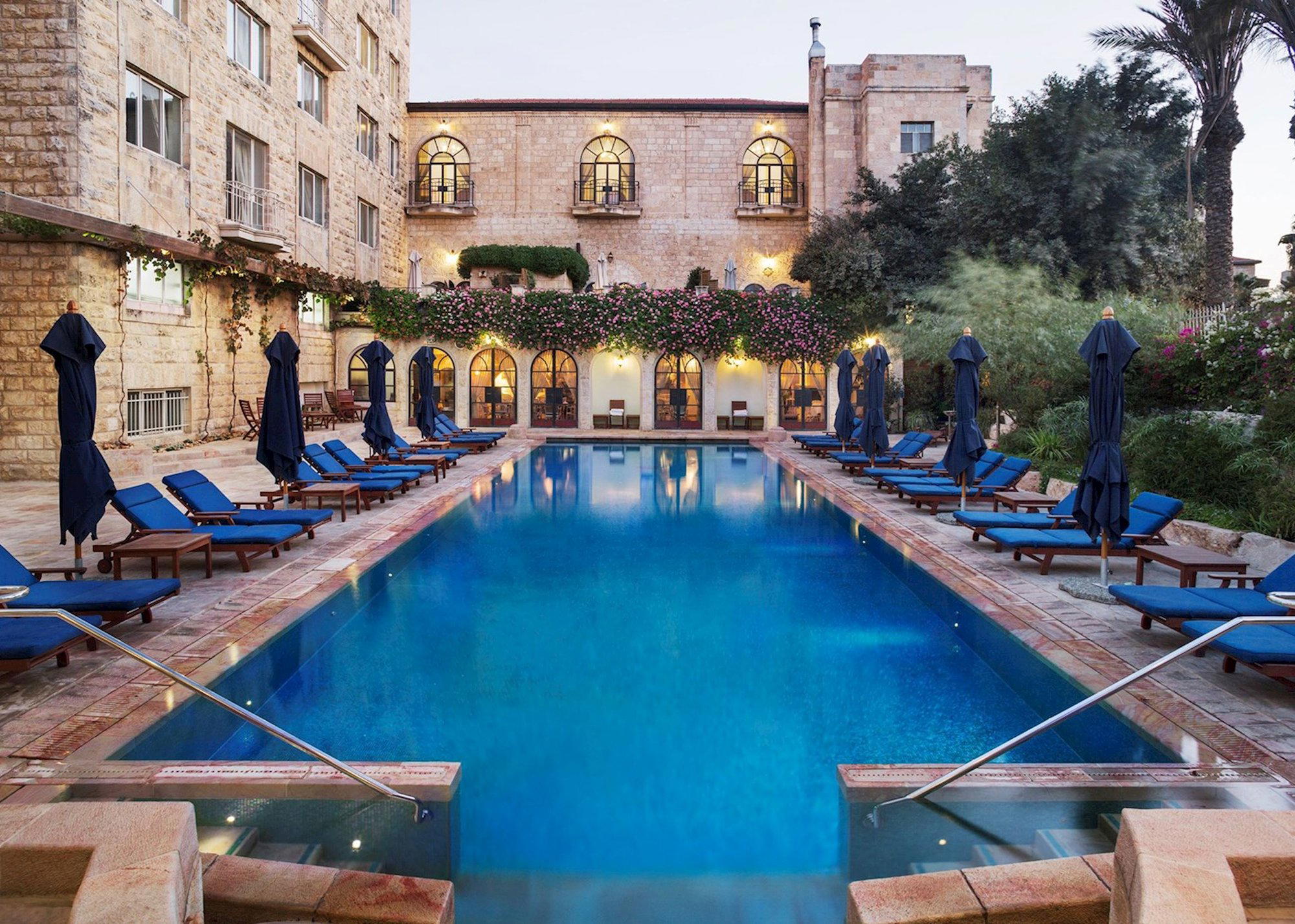
Jerusalem's built environment is one of the few urban contexts in which a 1920s-era building carries genuine architectural weight rather than mere nostalgia. The Ottoman-era and British Mandate-period structures that define much of the city's character give a hotel like the Waldorf Astoria something to participate in rather than just gesture at. The property's quietly elegant, late-1920s design aesthetic, an open-space atrium visible from the lobby, a grand staircase as the vertical centrepiece, fits the local register in a way that a glass-and-steel contemporary build would not.
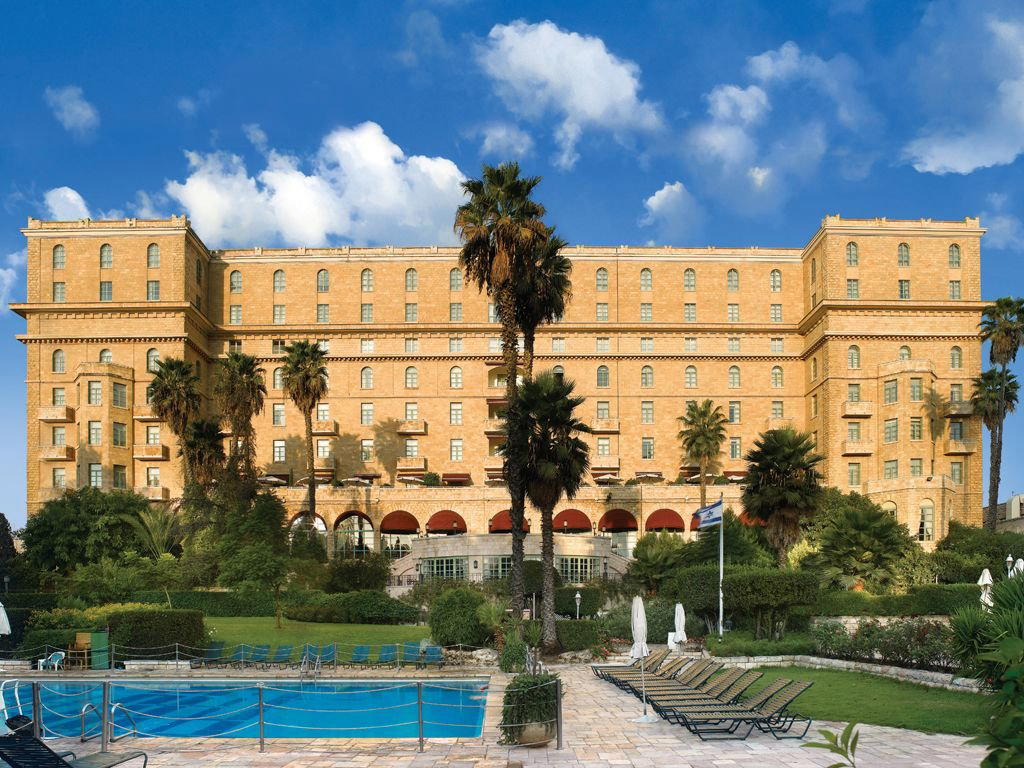
The atrium format, common in grand-hotel design of that era, creates a spatial experience that functions as the property's primary atmospheric gesture. It is the kind of architecture that communicates institutional confidence: space as a signal of permanence rather than trend. Among Jerusalem's comparable addresses, the The King David, the Mamilla Hotel, and the David Citadel Hotel, the Waldorf Astoria distinguishes itself through the specificity of its period aesthetic rather than through contemporary design intervention.
Scale and Rooms: The Largest Footprint in the Market
At 225 guestrooms and suites, the Waldorf Astoria Jerusalem operates at a scale that positions it at the larger end of the city's luxury segment. The property claims the distinction of offering the largest guestrooms in Jerusalem, a meaningful specification in a city where older hotels often carry the spatial constraints of their original construction periods. For travellers who have experienced the compressed room formats common across historic city-centre hotels in Europe and the Middle East, that scale difference is material rather than marginal.
The room count also means the property operates more consistently than smaller boutique competitors during peak pilgrimage and tourism seasons. Jerusalem's high-demand windows, particularly around Jewish High Holidays, Easter, and Christmas, compress availability across every tier of the market. A hotel with 225 keys has more capacity to absorb group bookings without displacing individual travellers, though advance booking remains advisable regardless of season. For comparison, smaller-format luxury properties in Israel, such as The Efendi Hotel in Acre, operate with far fewer keys and accordingly tighter availability windows.
Dining: Mediterranean Format, Two-Restaurant Structure
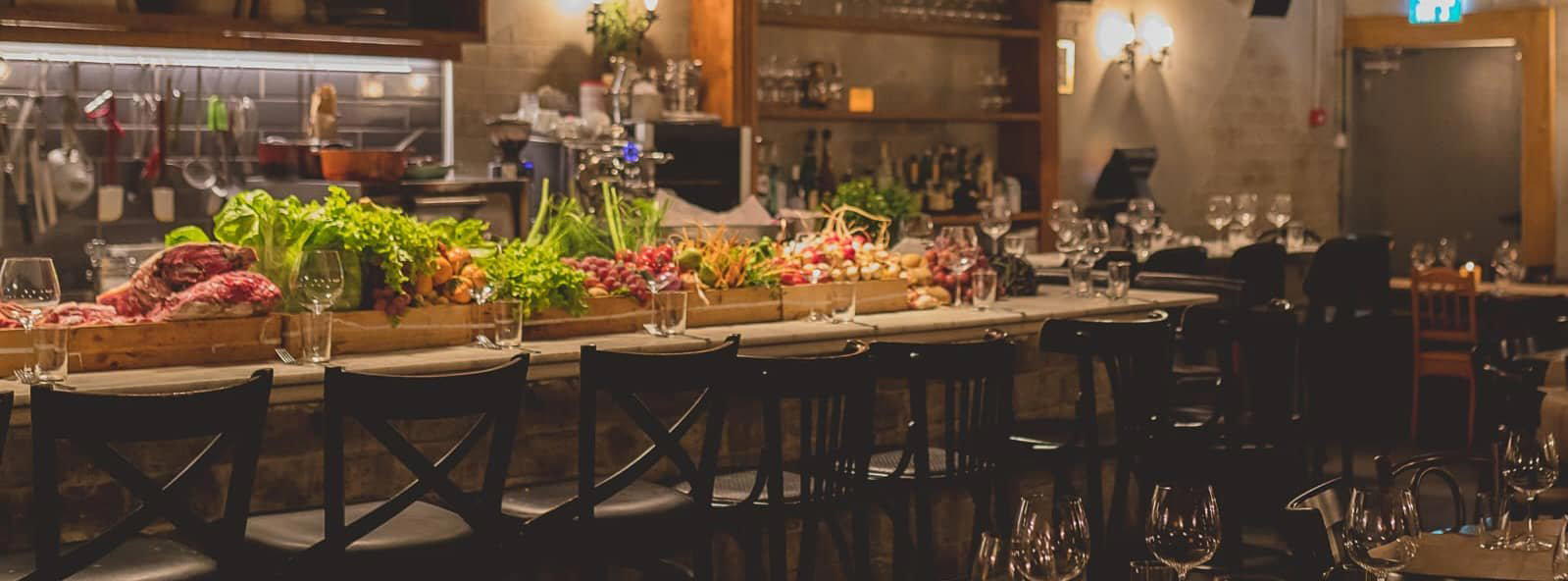
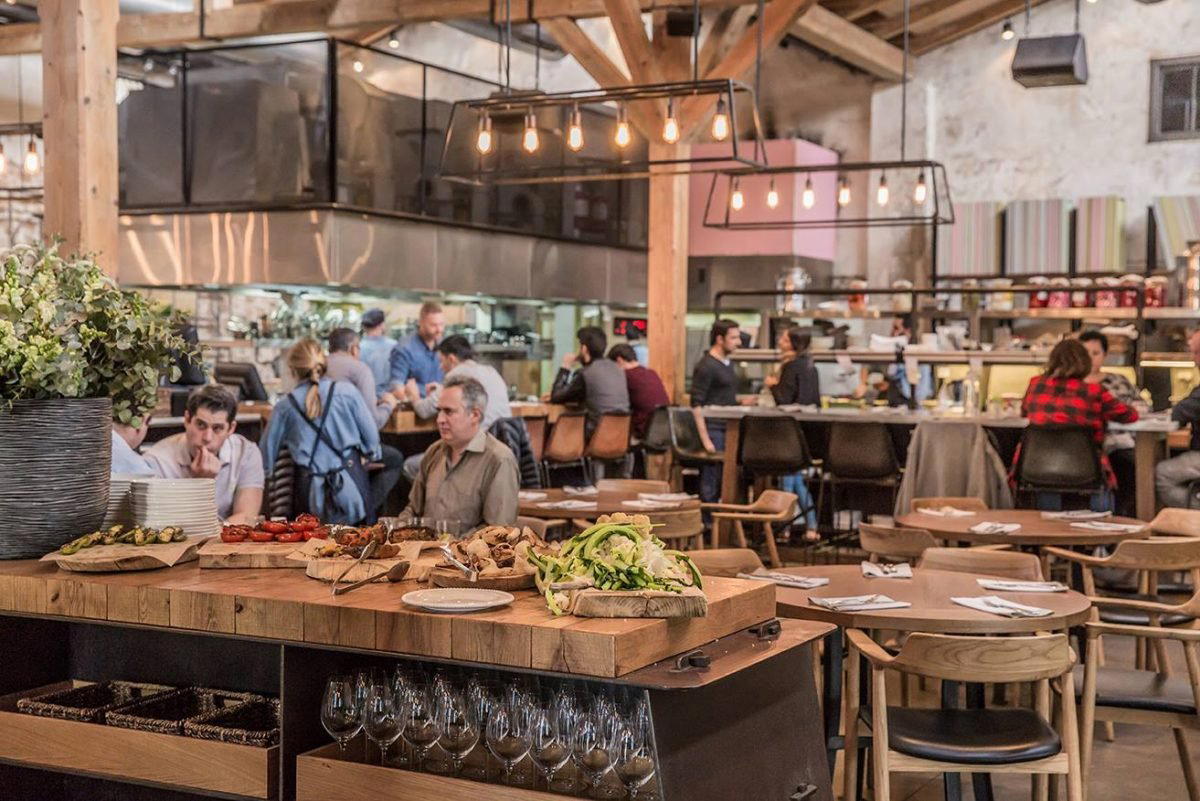
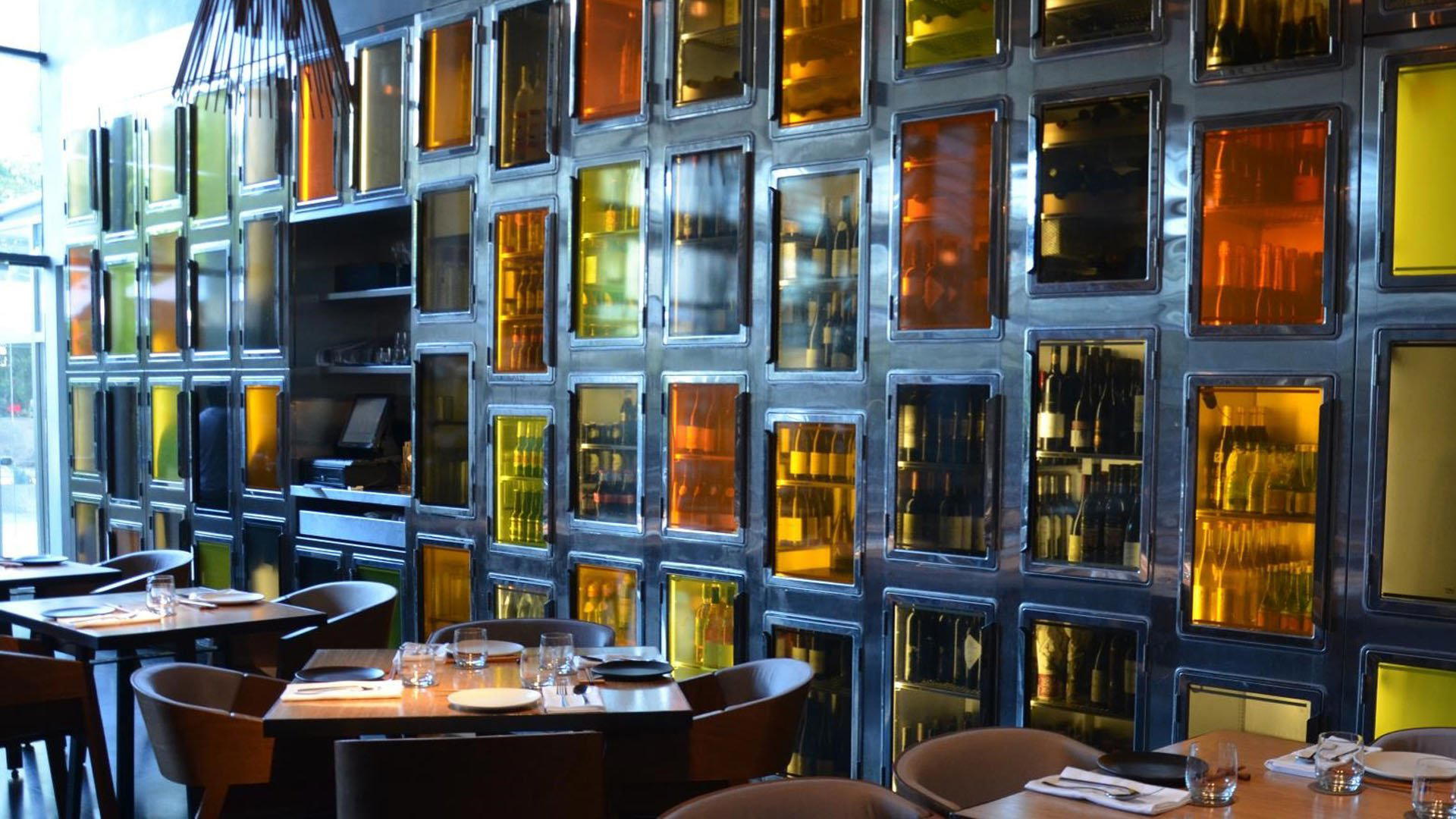
The property runs two dining outlets, both oriented toward Mediterranean cuisine. This two-restaurant format is a functional decision as much as an experiential one: it allows the hotel to serve different dining moods, a more formal setting and a lighter, more accessible option, without requiring guests to leave the property. The Star Wine List recognition the hotel received for 2026 signals that the beverage program operates at a level that specialists have found worth noting, which places the dining operation in a different bracket from hotel restaurants that treat wine as an afterthought.
Mediterranean cuisine in this context draws on a regional tradition that is genuinely local rather than imported: the Levantine kitchen, with its reliance on olive oil, legumes, fresh herbs, and grilled proteins, maps directly onto the culinary geography of Jerusalem and its surroundings. Whether the kitchen executes within Israeli, broader Levantine, or pan-Mediterranean parameters is not specified in available data, but the cuisine category positions the dining program as a complement to the city rather than a detachment from it. For travellers whose primary interest is Jerusalem's wider dining scene, our Jerusalem city guide covers restaurants beyond the hotel.
The Spa: Guerlain Partnership and What It Signals
The SPA Guerlain at the property is one of the more concrete markers of the hotel's positioning. Guerlain spa partnerships in this region are not common, and their presence at a property signals an alignment with an international luxury tier that requires both investment and adherence to brand standards. The spa uses Guerlain products and techniques exclusively, which means the treatment menu is defined by a specific methodology rather than assembled from a generic menu of services. For guests who treat spa access as a primary consideration rather than an amenity, this is a differentiating factor within Jerusalem's hotel market.
Where the Waldorf Sits in Jerusalem's Competitive Set
Jerusalem's leading hotel tier is genuinely competitive. The The American Colony Hotel holds a different kind of institutional weight, its history as a neutral gathering point for journalists and diplomats gives it a character that no newer property can replicate. The InterContinental Jerusalem, a Virtuoso preview property, positions itself through its group affiliation. The Waldorf Astoria's argument rests on three things working together: a period building with genuine architectural presence, a room scale that outpaces most competitors, and an address that delivers the Old City without transport friction.
For travellers who use Israel as a broader itinerary rather than a single-destination trip, the hotel serves as a reliable Jerusalem anchor before or after time in Tel Aviv (the Brown TLV Urban Hotel represents a very different register in that city) or in the Negev, where Beresheet in Mizpe Ramon and Six Senses Shaharut offer landscape-driven alternatives at the other end of the country.
At the global luxury hotel level, the Waldorf Astoria brand aligns with properties like The Fifth Avenue Hotel in New York City or Badrutt's Palace Hotel in St. Moritz in its commitment to grand-hotel tradition, though the Jerusalem property carries an additional layer of significance given the city's weight as a destination. Few hotels anywhere in the world operate within walking distance of sites that carry the cultural and historical density of the Old City's religious quarter, that context shapes the stay in ways that no amount of in-room amenity can replicate.
Planning Your Stay
The hotel sits at Gershon Agron St 26-28, Jerusalem. Booking is leading handled directly through Waldorf Astoria's global reservations platform or through a travel adviser with Hilton Honors or Waldorf Astoria programme access. Jerusalem's peak seasons, High Holidays (September to October), Easter (March to April), and Christmas (December), see the highest occupancy across all tiers; the shoulder months of May and November offer more flexibility without significant trade-offs in weather or access. The Star Wine List 2026 recognition applies to the hotel's beverage program, making the dining outlets worth considering for an evening meal rather than simply a default hotel option.
Recognition history
Dated appearances from independent guides and award organizations, with the underlying list record or original source where available.
Forbes Recommended
Forbes
Star Wine List
Star Wine List
Virtuoso Luxury Hotel Partner
Virtuoso
Continue exploring
More in Jerusalem
Hotels in Jerusalem
Browse all →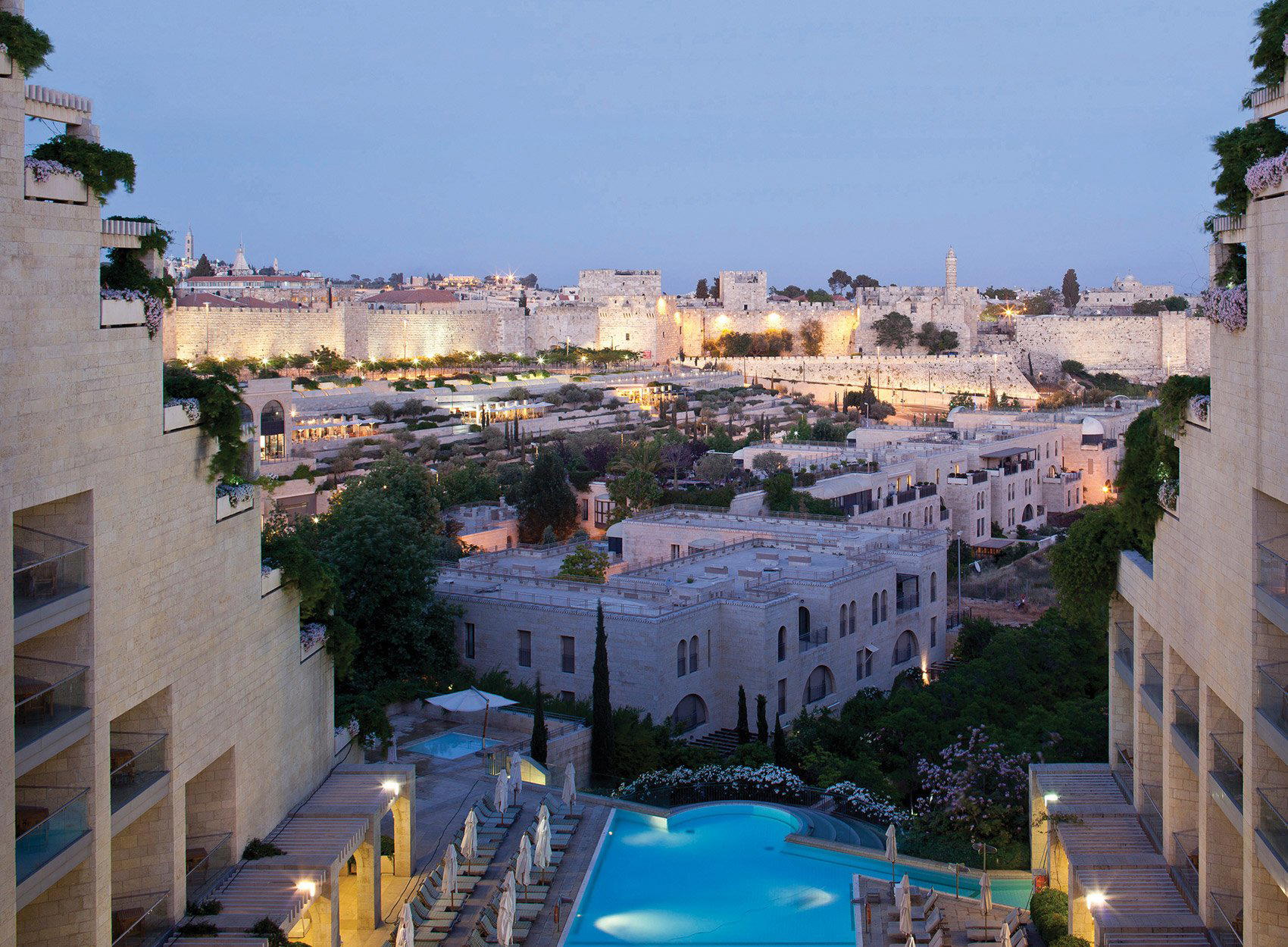
Bars in Jerusalem
Browse all →
Restaurants in Jerusalem
Browse all →


At a Glance
- Elegant
- Sophisticated
- Classic
- Ornate
- Romantic Getaway
- Business Trip
- Anniversary
- Historic Building
- Rooftop Pool
- Terrace
- Wi Fi
- Pool
- Spa
- Fitness Center
- Room Service
- Concierge
- Business Center
- Valet Parking
- EV Charging
- Wi Fi
- Pool
- Spa
- Fitness Center
- Room Service
- Concierge
- Business Center
- Valet Parking
- EV Charging
Sophisticated and refined atmosphere with dimmable lighting, chandeliers, and soundproofed rooms creating a quiet, luxurious retreat.
Know Before You Go
- Getting there
- Gershon Agron St 26-28 Jerusalem, 9419008 Israel