
Michelin Selected
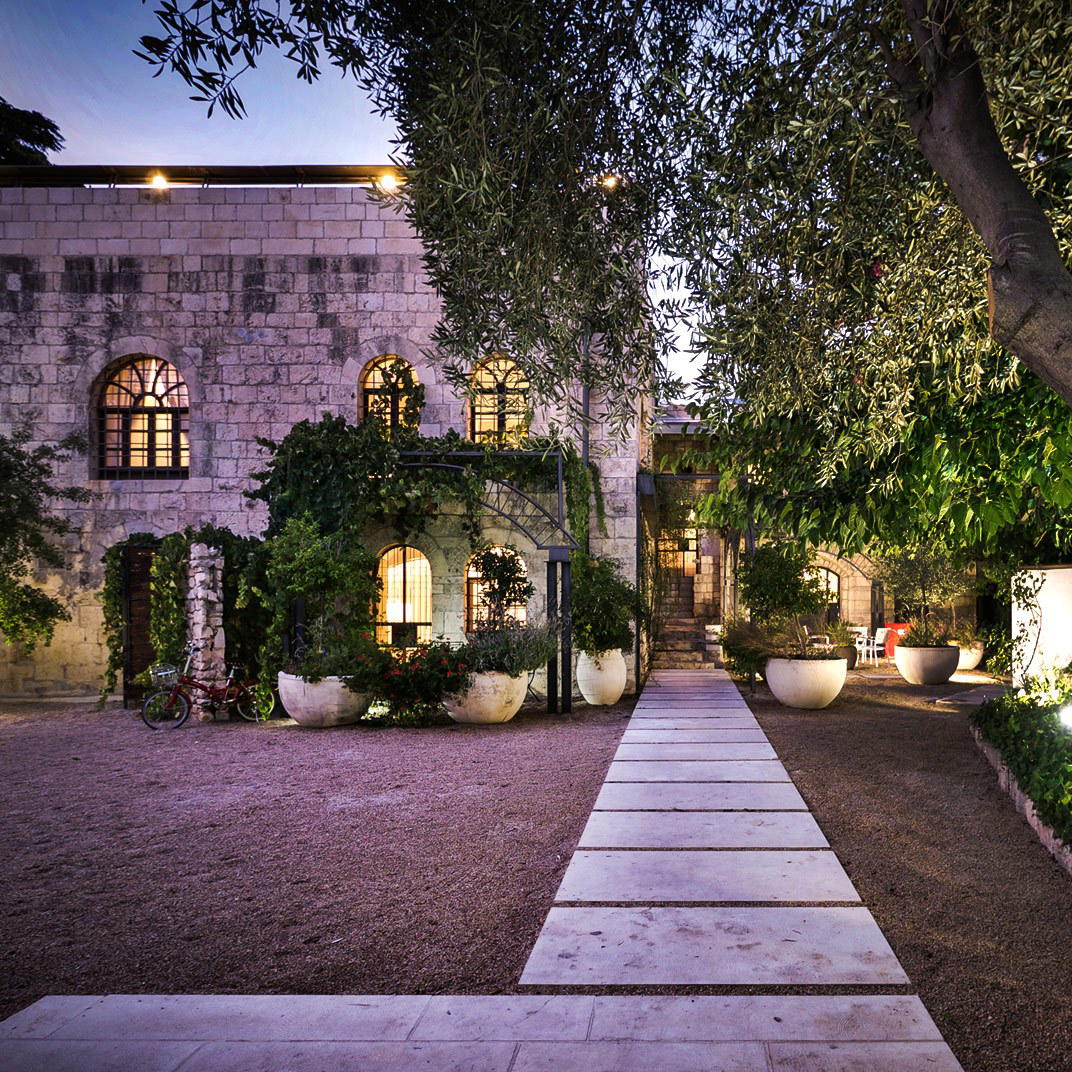
Alegra Boutique Hotel holds a Michelin Selected designation for 2025, placing it among Jerusalem's most closely watched small properties. Sitting on Derech Ha'achayot Street, the hotel draws attention for its design-led approach at a scale that separates it from the city's larger luxury addresses. For travellers who want considered aesthetics over corporate scale, Alegra occupies a distinct position in Jerusalem's accommodation offer.

Pearl is the En Primeur Club membership app, where members save venues, book tables and use the concierge.
Design at Intimate Scale: Where Alegra Sits in Jerusalem's Hotel Order
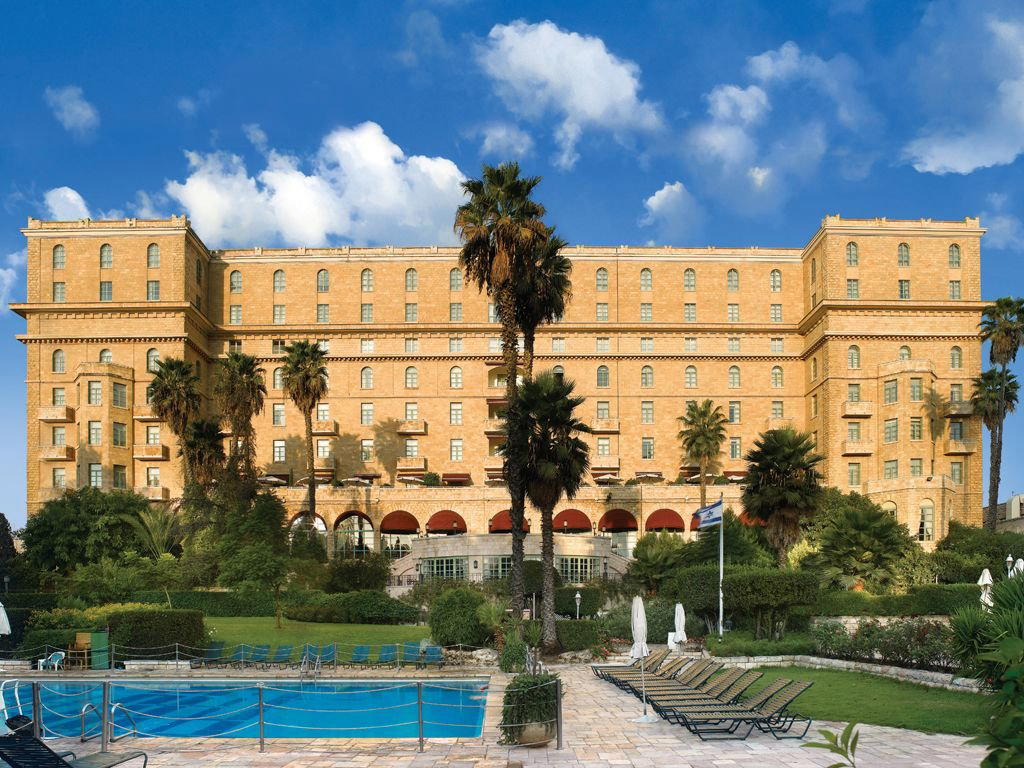
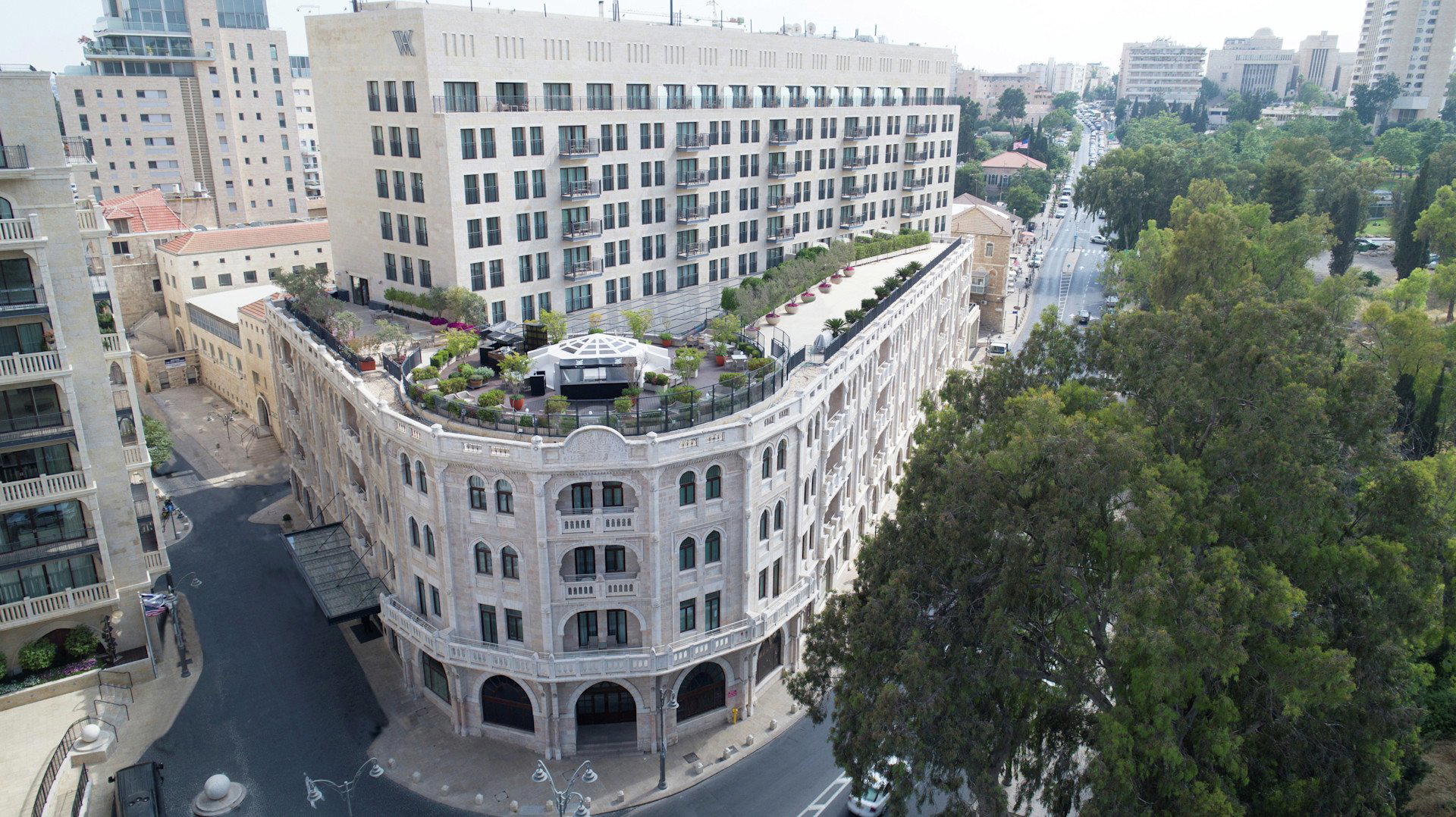
Jerusalem's hotel market has long been shaped by monuments: the grand stone facades of The King David, the polished international programmes of the Waldorf Astoria Jerusalem, the neighbourhood-anchored energy of the Mamilla Hotel. These properties compete on scale, on history, on international brand weight. Alegra Boutique Hotel at 13 Derech Ha'achayot Street operates on a different axis entirely. Small-footprint, design-conscious boutique properties have grown into a distinct tier in cities where the built environment carries as much cultural load as it does in Jerusalem, and Alegra belongs to that tier. Its 2025 Michelin Selected designation confirms it has cleared the threshold that separates considered hospitality from competent accommodation.
The Michelin hotel programme, launched to extend the guide's authority beyond restaurant tables, applies consistent criteria around quality of space, service attentiveness, and overall guest experience. Selection does not carry the star hierarchy of the restaurant side, but it does represent a curated shortlist, and for a boutique property without a large-group distribution machine behind it, that placement matters. It puts Alegra alongside properties that earn attention through design and experience discipline rather than through marketing budgets or loyalty programme reach.
Stone, Light, and the Weight of the City
Jerusalem architecture is, in many respects, a single material: limestone. Municipal regulation has required that new construction use Jerusalem stone on exterior facades since the British Mandate period, which means the city reads as an unusually coherent visual field across buildings separated by centuries. For a boutique hotel working within that constraint, the question is never what material defines the exterior, it is what happens inside, and how the interior either mirrors, contrasts, or reinterprets the stone logic of the streets.
Boutique properties in this city that succeed at design tend to do so by holding a tension between the historical material vocabulary outside and a more precise contemporary interior sensibility within. The best of them use the thickness of stone walls as an asset, controlling light, temperature, and sound in ways that thinner modern construction cannot replicate. Properties such as The American Colony Hotel have built a following over decades precisely because their architecture creates a sense of temporal displacement that steel-and-glass alternatives cannot manufacture. Alegra's boutique format places it in conversation with that tradition, working at a scale where design decisions land with greater intensity than they would across a 300-room property.
Across Israel more broadly, this design-led boutique approach has become a credible strand of the country's hospitality identity. The Efendi Hotel in Acre demonstrates how a small property can turn historical fabric into a competitive advantage rather than a preservation burden. Elma Arts Complex Luxury Hotel in Hadera shows a different model: design credibility anchored to cultural programming rather than historical architecture alone. Alegra's position in Jerusalem puts it at the centre of this national conversation, in a city where the weight of history is most intensely felt.
The Neighbourhood and the City Around It
Derech Ha'achayot Street sits within Jerusalem's residential and institutional fabric away from the immediate tourist corridors of the Old City and the commercial intensity of Jaffa Street. For guests whose primary interest is the city itself, that positioning matters. Jerusalem rewards properties that allow you to enter the city at a considered pace rather than depositing you immediately into its most saturated zones. The scale of a boutique hotel supports that kind of arrival: fewer guests, less lobby traffic, more capacity for the property to respond to individual rhythms rather than group logistics.
Booking logistics at a property of this size are worth thinking through in advance. Michelin Selected hotels at boutique scale tend to run tight occupancy during Jerusalem's high travel periods, which cluster around Jewish and Christian religious calendars as well as the spring and autumn shoulder seasons that the city's temperate climate encourages. Planning with adequate lead time, particularly for travel around Passover, Easter, or the High Holy Days, is simply practical. For a broader view of how Alegra fits into Jerusalem's wider dining and hospitality picture, our full Jerusalem restaurants guide maps the city's key addresses.
The comparison set for Alegra is not the same as for Jerusalem's larger flagships. The David Citadel Hotel and the InterContinental Jerusalem serve a different traveller profile: those who want conference infrastructure, multiple food and beverage outlets, and the predictability of an international brand framework. Alegra competes instead on the things that boutique scale makes possible: design coherence, spatial intimacy, and the kind of service attention that large properties approximate but rarely achieve.
Internationally, this class of city boutique hotel has a clear peer logic. Properties like Aman Venice or Cheval Blanc Paris demonstrate what happens when design ambition and intimate scale are resourced to an extreme level. Alegra operates in a different market and at a different price horizon, but the structural bet is the same: fewer rooms, higher design investment per square metre, and a guest experience built around specificity rather than standardisation.
Within Israel, the design-led boutique segment is active enough to constitute a genuine competitive field. Beresheet in Mizpe Ramon shows how landscape setting can drive boutique identity as powerfully as urban architecture. Six Senses Shaharut in Shaharut brings a global wellness brand into the Negev's desert terrain. The Setai Tel Aviv operates a comparable boutique-luxury pitch on the Mediterranean coast. Alegra's contribution to this field is its Jerusalem specificity, a city context that no other Israeli property can replicate, and that gives its design choices a gravitational weight that coastal or desert settings simply do not carry in the same way.
Planning a Stay
Alegra Boutique Hotel is located at 13 Derech Ha'achayot Street, Jerusalem. Its 2025 Michelin Selected status reflects current recognition rather than a historical reputation, which suggests the property is being assessed against contemporary hospitality standards and meeting them. For travellers weighing Jerusalem's boutique options, that credential provides a useful anchor point alongside the larger established names in the city's portfolio.
Fast Comparison
Comparable venues nearby, for context on price, style, and recognition.
| Venue | Cuisine | Price | Awards | Notes |
|---|---|---|---|---|
| Alegra Boutique HotelThis venue (the venue you are viewing) | Luxury boutique hotel blending classical Arab architecture with contemporary design, featuring Jerusalem stone and modern furnishings in a historic neighborhood setting. | $300–500 | Michelin Selected | Not listed |
| The American Colony Hotel | Historic boutique complex spread across multiple buildings with expansive gardens | $300–500 | Small Luxury Hotels of the World Member · World Travel Awards | East Jerusalem |
| InterContinental Jerusalem- A Virtuoso Preview Property | Contemporary luxury blending heritage and modernity | Not listed | Virtuoso Luxury Hotel Partner | city center |
| Waldorf Astoria Jerusalem | Historic luxury hotel with contemporary touches in pale Jerusalem stone. | Not listed | Star Wine List · Forbes Recommended | Mamilla |
| David Citadel Hotel | Luxurious urban retreat with panoramic Old City views | Not listed | Star Wine List · Virtuoso Luxury Hotel Partner | Mamila |
| Mamilla Hotel | Contemporary urban luxury with Art Deco influences | $300–500 | Star Wine List · Virtuoso Luxury Hotel Partner | Mamilla |
Recognition history
Dated appearances from independent guides and award organizations, with the underlying list record or original source where available.
Michelin Selected
Michelin
Continue exploring
More in Jerusalem
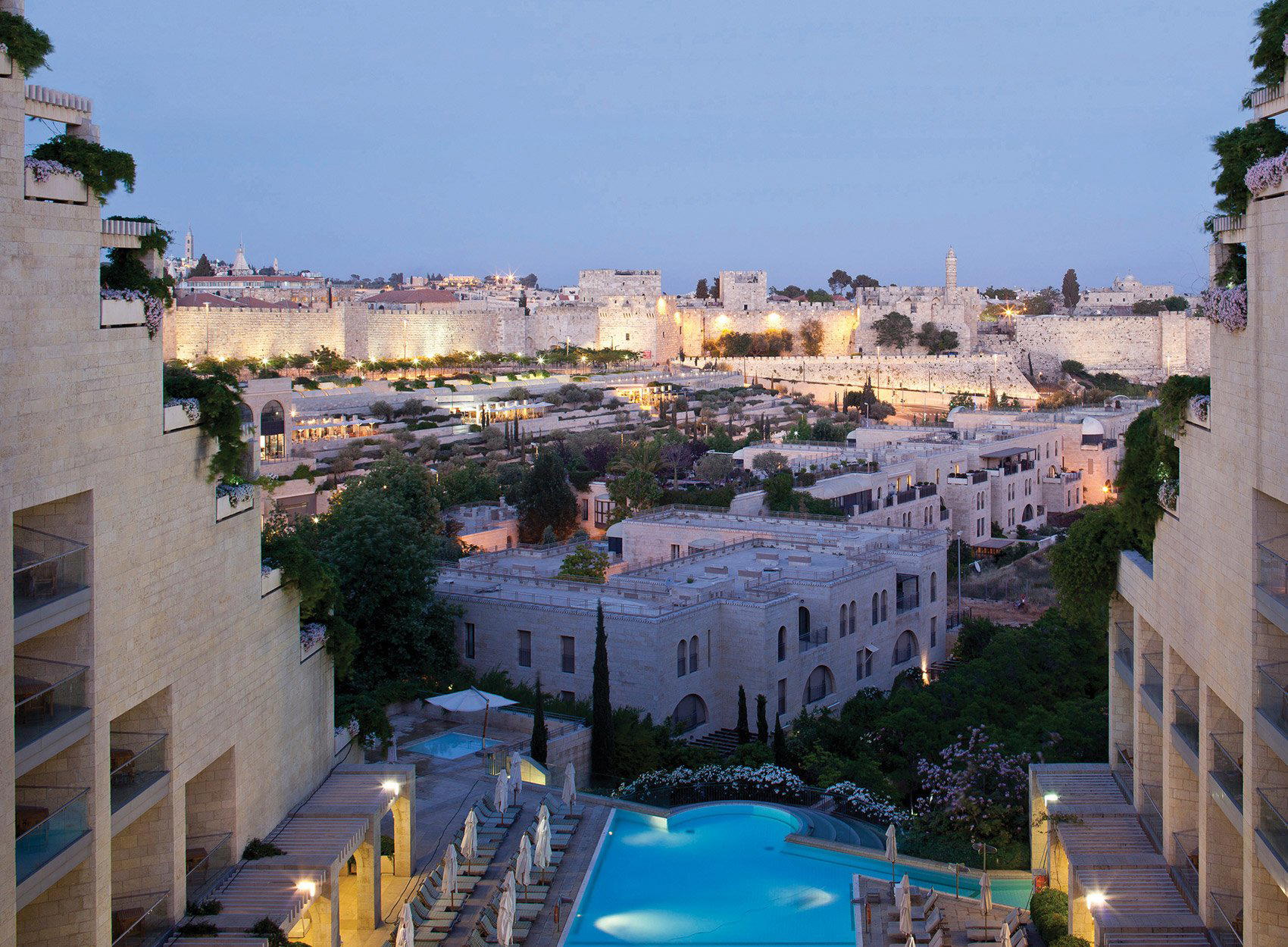
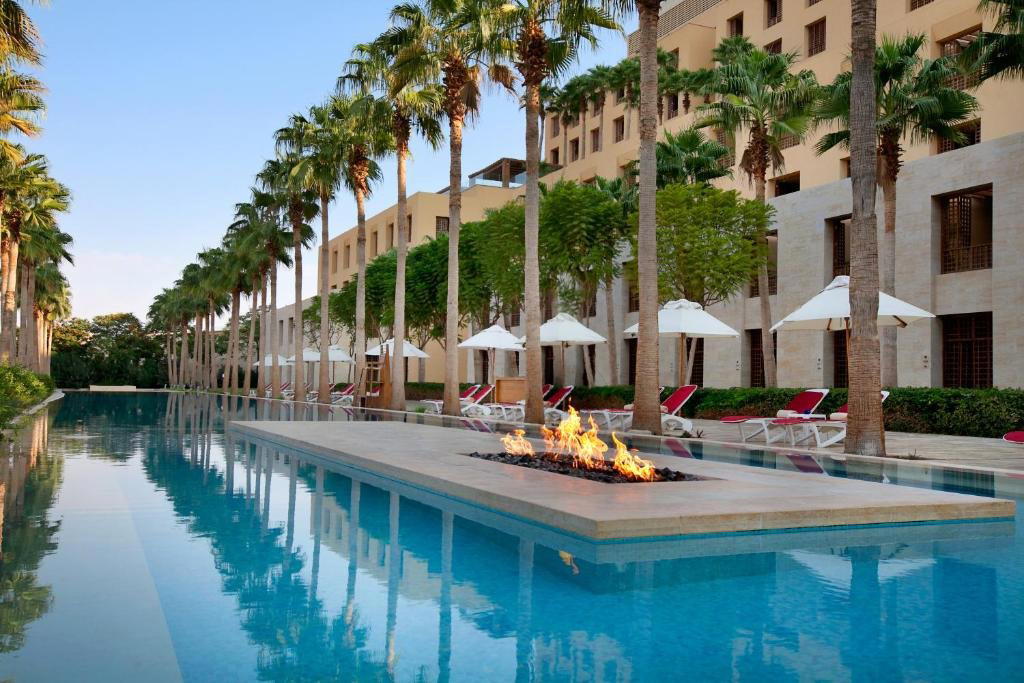
Hotels in Jerusalem
All hotels in Jerusalem →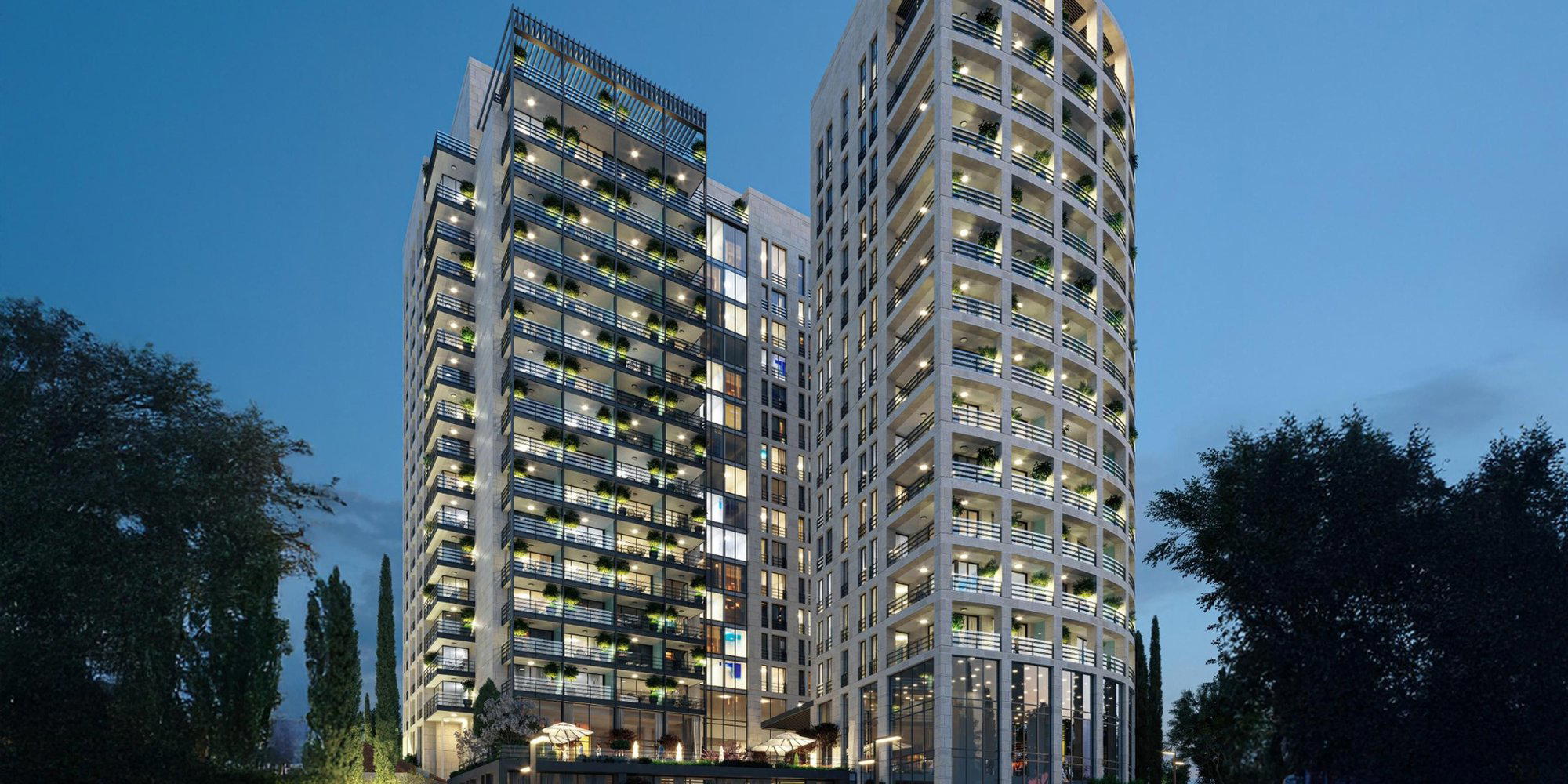
Bars in Jerusalem
Browse all →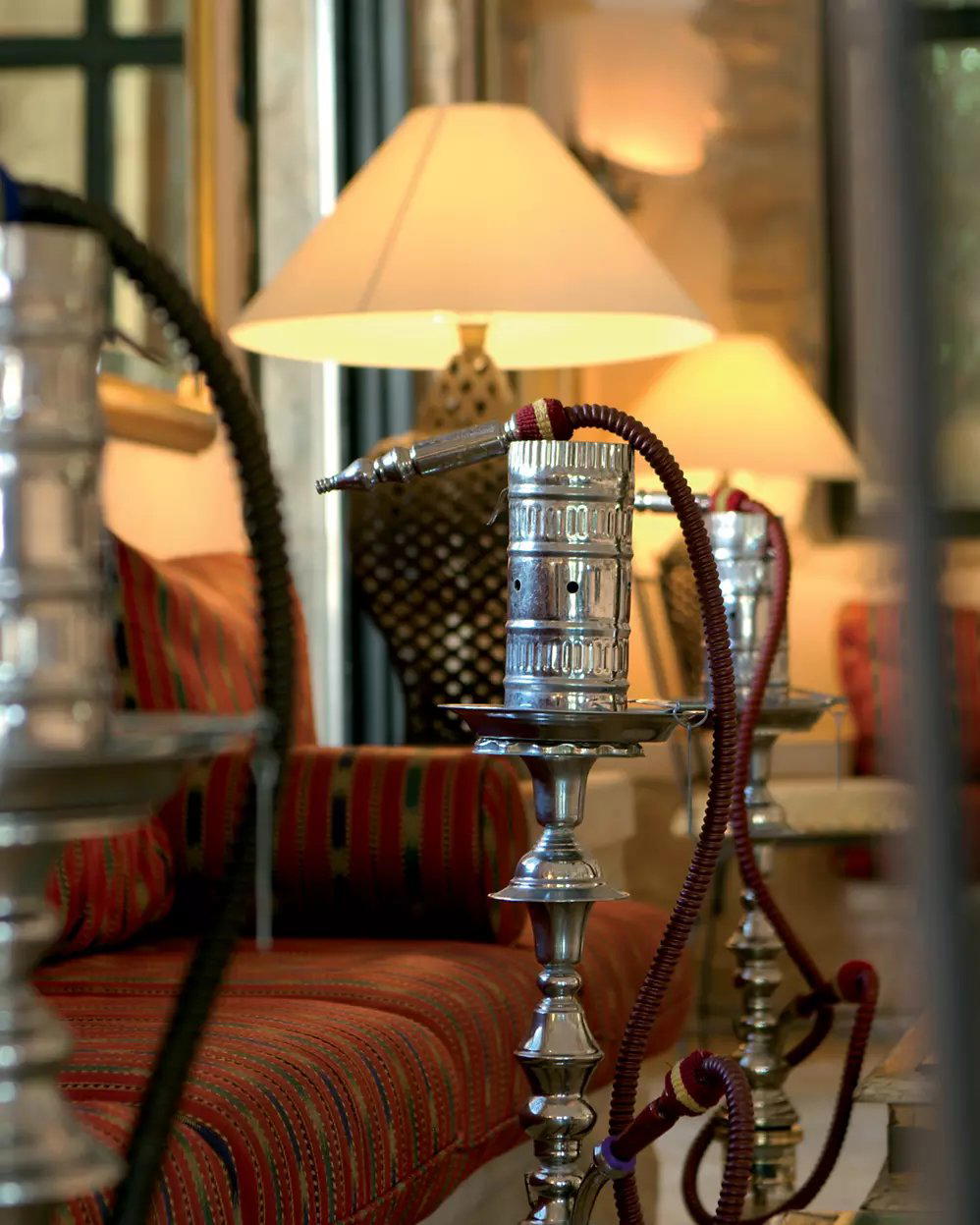
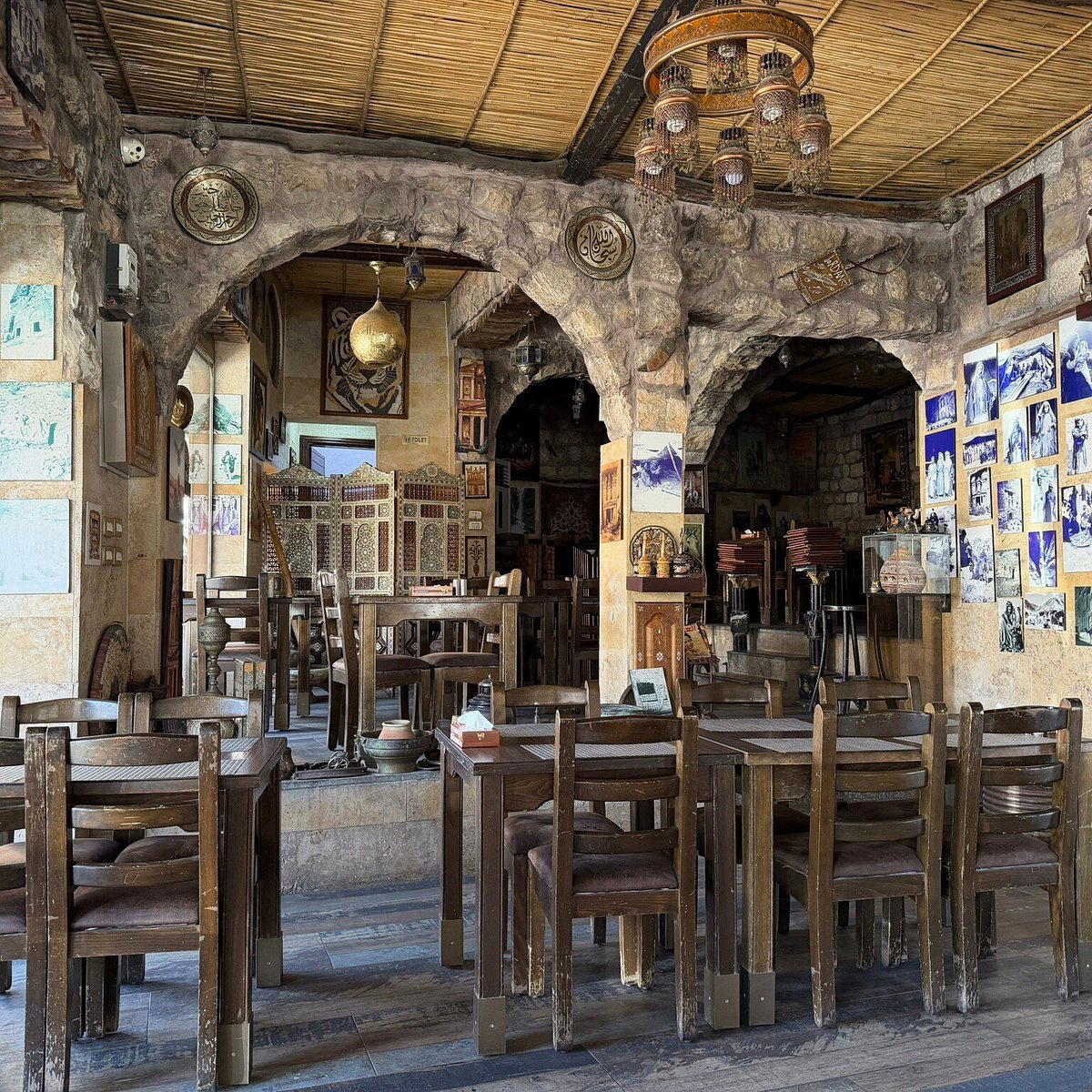

Restaurants in Jerusalem
All restaurants in Jerusalem →

Details
- Romantic
- Quiet
- Elegant
- Intimate
- Sophisticated
- Romantic Getaway
- Honeymoon
- Anniversary
- Weekend Escape
- Historic Building
- Design Destination
- Garden
- Rooftop Pool
- Terrace
- Wi Fi
- Pool
- Spa
- Massage
- Sauna
- Bar
- Garden
- Garden
- Mountain
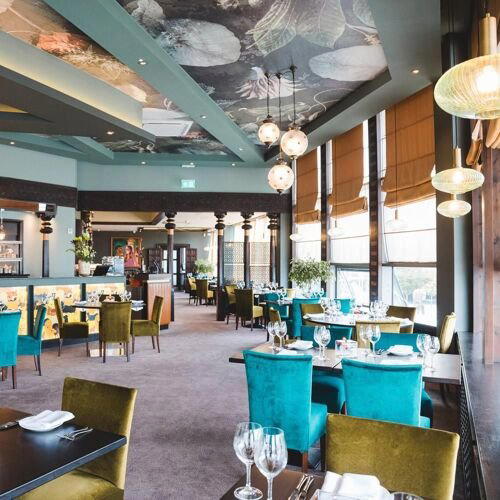
Warmly decorated public spaces with original artwork and rich fabrics, thoughtfully illuminated with grand structure; intimate and romantic atmosphere throughout.