
Hakodate’s curry culture has a different pulse from the city’s seafood counters: quicker, cheaper, and rooted in local routine rather than occasion dining. Ganso Indian Curry Koike sits in that lane, with Tabelog Curry EAST 100 selections from 2017, 2018, 2019, 2020, 2023, and 2024 giving a humble format measurable weight.
Pearl is the En Primeur Club membership app — saves, bookings, and concierge access live there. Same editors, same standards.
- Address
- 22-4 Horaicho, Hakodate, Hokkaido 040-0043, Japan
- Phone
- +81 138-23-2034
- Website
- ganso-koike.com
 Saves & bookings on Pearl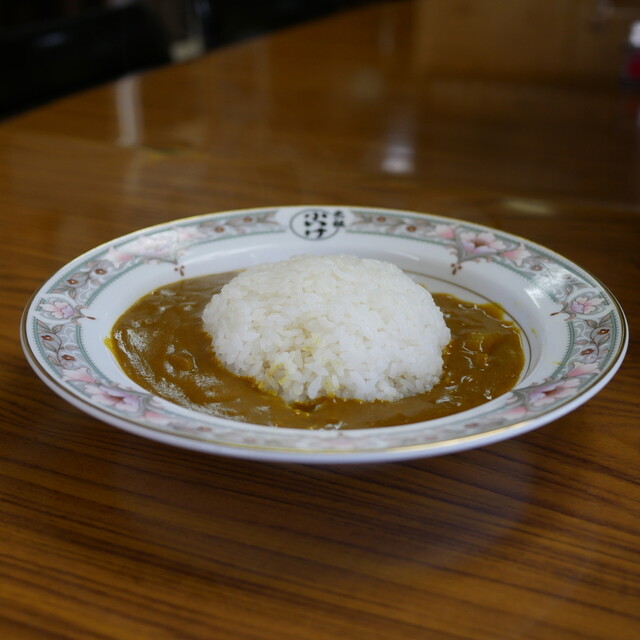
Horaicho gives Hakodate one of its more grounded restaurant moods: tramline scale, compact shopfronts, and lunch rooms built for regulars rather than spectacle. In that setting, curry is not an intermission between seafood meals; it is part of the city’s everyday eating grammar, closer to a counter habit than a destination ritual. Ganso Indian Curry Koike belongs to that local register, where the appeal is less about ceremony than repetition, speed, and a sauce style with enough identity to earn national curry-list attention.
Hakodate is often reduced to morning-market seafood and salt ramen, yet its casual dining map is broader and more practical. A reader planning the city through our full Hakodate restaurants guide will see the range quickly: ramen at Ajisai Honten, sukiyaki lineage at Asari Honten, Italian cooking at Colz and Enoteca La Ricolma, and beer-hall informality at Hakodate Fusaya Daimon ten. Curry sits beside those categories as the low-friction choice, the meal that works when the day has been shaped by weather, trams, or a ferry-timetable appetite.
Hakodate curry with source logic, not luxury theatre
Japanese curry is often discussed as comfort food, but the category is more technical than that label suggests. Its credibility depends on balance: spice blend, sweetness, fat, viscosity, and how the sauce behaves against rice or fried proteins. In Hokkaido, the broader ingredient conversation tends to tilt toward dairy, seafood, and agricultural abundance, but curry shops translate that regional plenty into a different question: how much local identity can a daily dish carry without becoming a tourist performance?
Koike’s public category listing is telling: curry appears alongside katsu-don and oyako-don, placing it in the world of practical Japanese meal sets rather than tasting-menu ambition. That matters. The sourcing argument here is not about named farms or rare produce; none is needed to understand the format. It is about how a modest kitchen in Hakodate channels pantry logic, rice culture, and sauce craft into a dish that can hold local loyalty across years. Tabelog’s Curry EAST 100 selections in 2017, 2018, 2019, 2020, 2023, and 2024 give that claim external weight without pretending the room is a luxury address.
The comparison inside Hakodate is useful. Colz operates in a higher dinner bracket, Asari Honten carries the weight of meat-focused local tradition, and sushi counters in the city can move into far more expensive territory. Curry functions differently. It is not trying to compete with a seafood counter for ritual value or with Italian cooking for wine-led pacing. Its strength is immediacy: a compact room, counter seating, and a format that rewards decisive ordering.
A counter-room rhythm in a city often read through seafood
Hakodate’s dining identity is shaped by port history, morning markets, squid, ramen, and a long habit of absorbing outside influences through trade. Curry fits that history more naturally than it first appears. It is an imported idea that Japan made domestic, then regional kitchens adapted to local taste and routine. In a city where travelers often chase the obvious seafood narrative, a curry counter can be the clearer reading of how residents actually eat between marquee meals.
The room’s structure reinforces that point: counter seating dominates the experience, with a small number of tables for groups. That layout changes the social contract. Solo diners are not an afterthought, families are not treated as intrusions, and the meal does not ask for the choreography of formal service. It is a democratic format, which is why recognition from a curry-specific list carries more meaning than a generic popularity claim. The award category judges the venue within its own culinary language.
For travelers building a fuller Hakodate itinerary, this is the kind of stop that prevents the city from becoming a sequence of expensive reservations. Pair it with broader planning through our full Hakodate hotels guide, our full Hakodate bars guide, our full Hakodate wineries guide, and our full Hakodate experiences guide, then use restaurants like this to anchor the unglamorous but essential meals between sightseeing windows.
Where it fits in a Japan curry itinerary
Japan’s curry map is unusually deep because the dish crosses class, region, and format. Specialist curry counters, canteen-style shops, nostalgic restaurants, and modern spice kitchens all sit under the same umbrella. Koike’s case is defined by recognition inside the Curry EAST field and by the restraint of its everyday format. That combination makes it more instructive than a flashier dining room: it shows how a regional city participates in a national curry conversation without copying Tokyo’s constant churn.
Readers comparing curry and casual Japanese dining beyond Hakodate might look at [Curry Senmon Ten] Maruyama Kyoju. in Sapporo, or widen the frame through Japanese restaurants as varied as -Grilled beef Sukiyaki- KAMAKURA TANUKIAN 鎌倉 たぬき庵 in Kamakura,. 鮪と炭火焼き うお炭 秋葉原店 in Tokyo,.cafe in Osaka,.know in Kumamoto, and (Shoku) Vietnam in Kawasaki. For Japanese food culture outside Japan, Jōdo Saké Bar in Los Angeles and Onigiri Time in Pasadena show how specific formats travel, adapt, and find new audiences.
The editorial case for Ganso Indian Curry Koike is direct: in a city where visitors often over-index on seafood, this is a compact, award-recognized curry room that reveals another layer of Hakodate eating. It is not the grand meal of a trip. It is the corrective one, the lunch that makes the city feel less curated and more lived-in.
How It Stacks Up
Comparable venues by cuisine and price in the same metro.
| Venue | Cuisine | Price | Awards | Notes |
|---|---|---|---|---|
| Ganso Indian Curry KoikeThis venue — the venue you are viewing | Traditional Japanese curry (Indian-style) | $$ | , | |
| Jiyouken (滋養軒) | Hakodate-Style Salt Ramen | $ | , | Daimon (大門) |
| Sushi Dokoro Minami | Traditional Sushi Omakase | $$$ | , | Suehirocho |
| Ajisai Honten | Hakodate shio ramen | $$ | , | Goryokaku |
| Uni Senmon Ten Yoichiya Hakodate asaichi ten | Hokkaido uni and seafood donburi | $$$ | , | Hakodate Asaichi (Morning Market) / near Hakodate Station |
| RAMEN ROOM 18 | Modern Hokkaido Ramen by Tsuta | $ | , | Showa |
At a Glance
- Classic
- Cozy
- Iconic
- Solo
- Casual Hangout
- Family
- Group Dining
- After Work
- Standalone
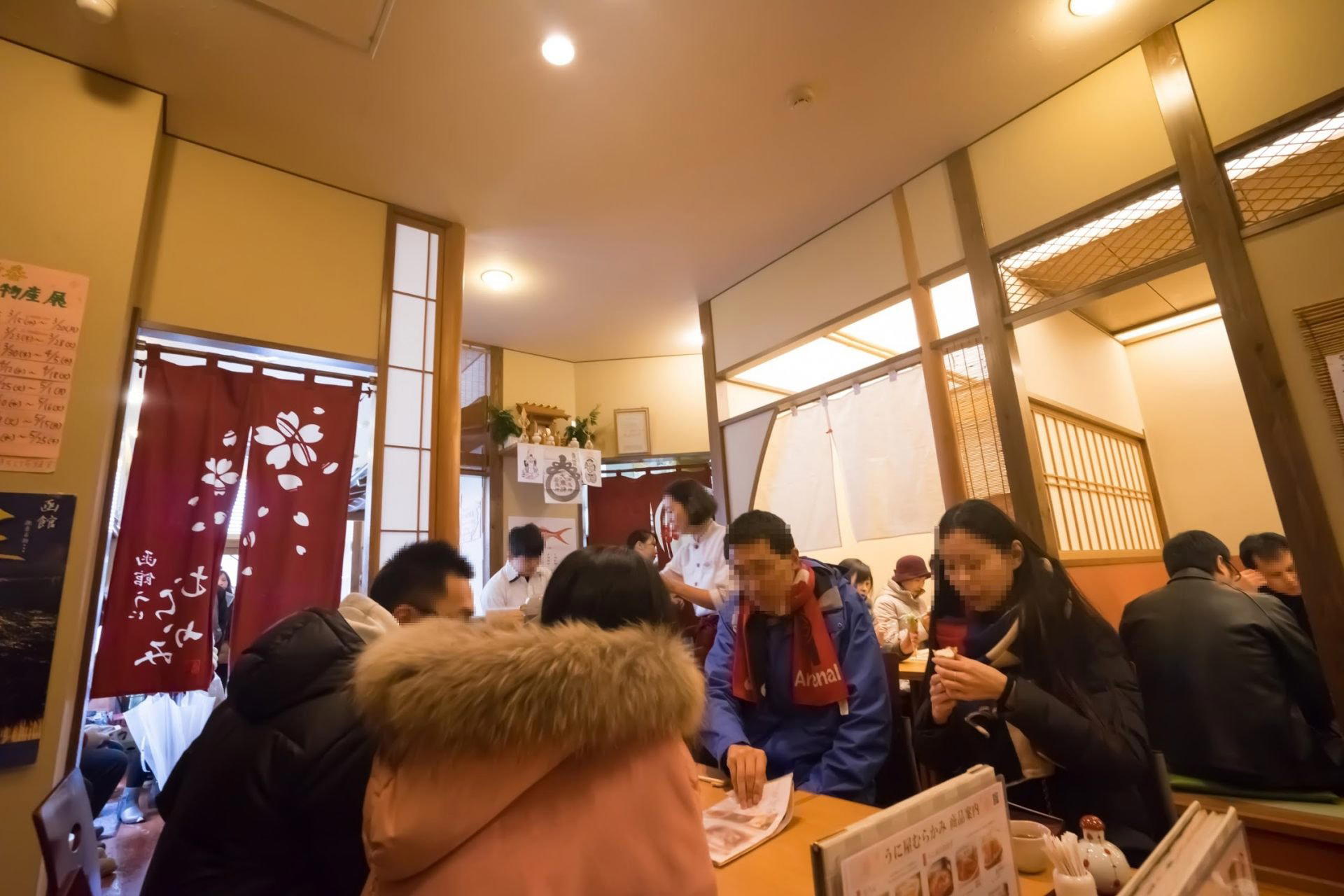
Small, retro curry shop with simple counter and table seating, a classic Showa-era feel, and a casual, bustling lunchtime atmosphere centered on quick curry meals rather than lingering dining.