
Asari Honten is Hakodate’s old-school sukiyaki address, a standalone specialist with a butcher-shop dimension downstairs and a dining format built around Japanese sweet-soy hotpot. Its Tabelog 100 Hot Pot 2024 selection places it in a national conversation about sukiyaki and shabu-shabu rather than the city’s seafood-first dining script.
Pearl is the En Primeur Club membership app — saves, bookings, and concierge access live there. Same editors, same standards.
- Address
- 10-11 Horaicho, Hakodate, Hokkaido 040-0043, Japan
- Phone
- +81 138-23-0421
- Website
- asarihonten.com
 Saves & bookings on Pearl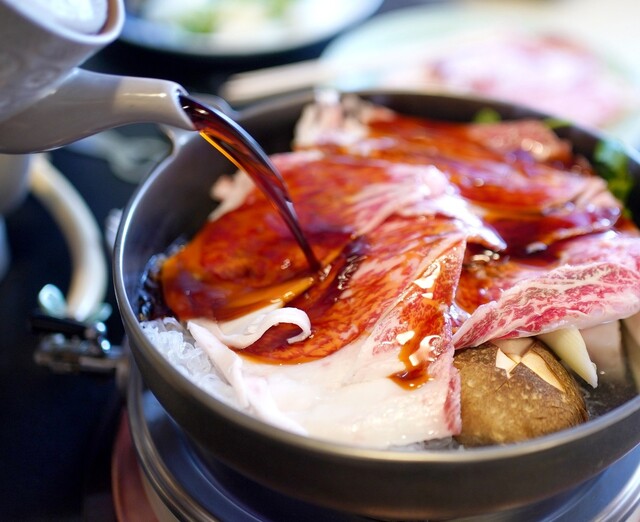
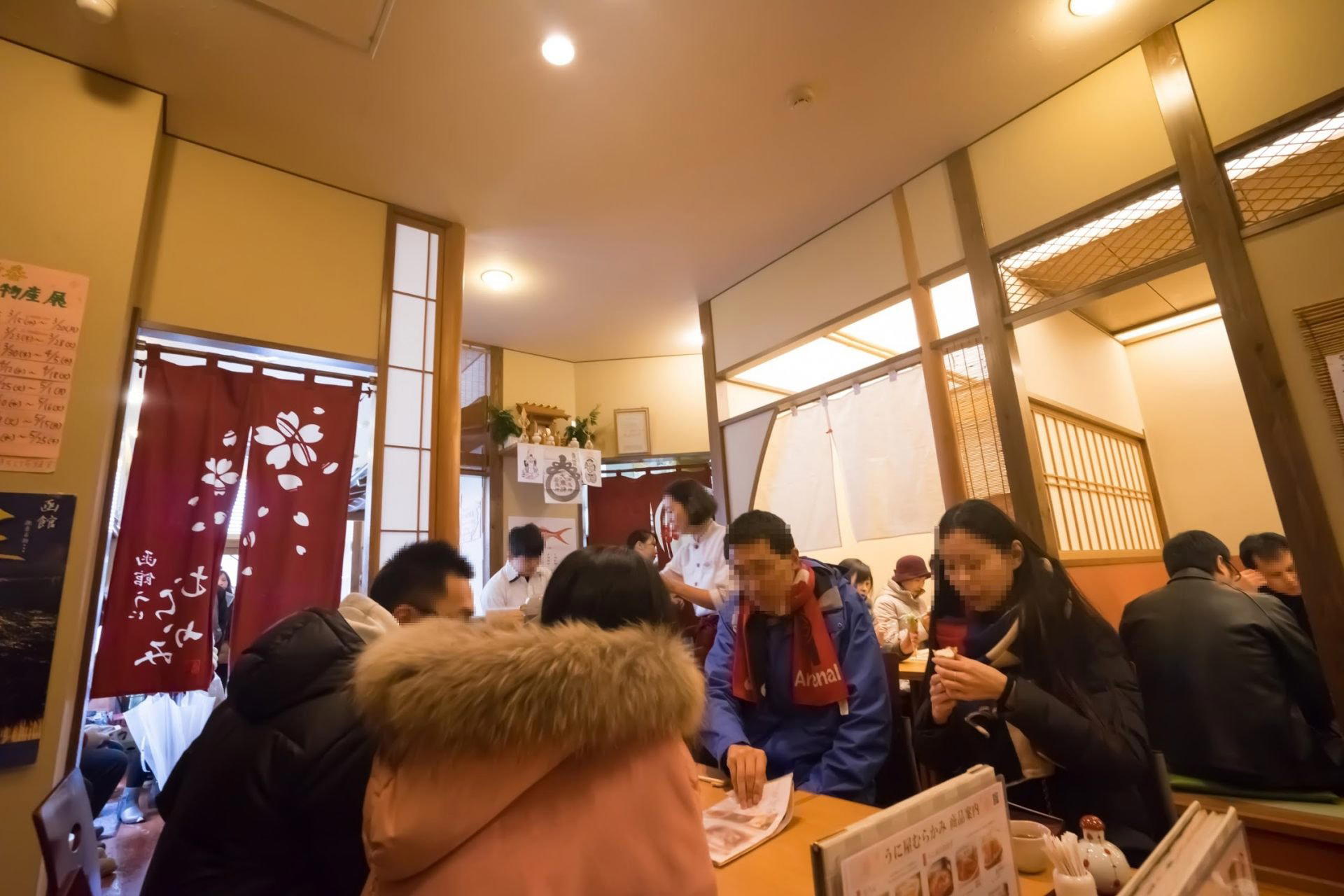
Horaicho is not the Hakodate of morning-market crab bowls and waterfront postcards. Around the tram stop, the city feels more residential, slower, and closer to the domestic rhythms that made hotpot a serious Japanese restaurant form rather than a tourist performance. Asari Honten belongs to that register: a house restaurant with tatami rooms, private-room options, and the practical presence of a butcher operation below the dining rooms. The signal is clear before the meal is framed as occasion dining. This is sukiyaki understood through meat retail, family tables, and a regional city’s habit of eating well without turning every meal into theatre.
Hakodate’s restaurant identity is usually read through seafood, ramen, and port-city eclecticism. Ajisai Honten maps the city through salt ramen, while Hakodate Fusaya Daimon ten sits closer to the casual local-drinking lane. Against that backdrop, sukiyaki changes the tempo. The dish is communal, controlled at the table, and rooted in the sweet-savoury grammar of soy, sugar, and beef that became part of Japan’s modern meat culture after the Meiji period. In a port city, that matters: it gives visitors a way to eat beyond the expected marine shorthand.
Why sukiyaki matters in a seafood city
Sukiyaki rewards a different kind of attention from sushi or kaiseki. It is less about the sequence of chef-composed bites and more about the social mechanics of the pan: beef, vegetables, tofu or other accompaniments, and a sauce profile that turns richness into structure. The format suits groups, families, and colder Hokkaido evenings, but it also exposes quality quickly. A sukiyaki room cannot hide behind elaborate plating if the beef program is weak or the service rhythm is careless.
Asari Honten’s reputation rests on that specialist identity. The restaurant was selected for Tabelog 100 Hot Pot 2024, a recognition that places it among Japan’s noted sukiyaki and shabu-shabu addresses for that year. The category is useful because it separates hotpot specialists from general Japanese restaurants and from Hakodate’s more visible seafood circuit. For travellers building a Hakodate dining plan, that distinction is the point. Colz and Enoteca La Ricolma point toward the city’s European-inflected dining tier; Ganso Indian Curry Koike shows another local appetite entirely. Sukiyaki here fills a more traditional, meat-led role.
The butcher-shop connection sharpens the reading. The first-floor meat department sells sukiyaki bento and croquettes, which makes the building less like a single-purpose dining room and more like a small food institution. That dual format is common in Japan’s older specialist culture: the restaurant is only one expression of the trade. The takeaway counter tells as much about local reliance as the dining rooms do.
A room built for groups, not counter theatrics
The dining format favours comfort and privacy over spectacle. Seventy seats, tatami-room facilities, and private rooms sized from pairs to larger gatherings make the experience closer to a family or business meal than a chef-counter performance. That does not make it casual in intent. In Japan, private-room hotpot is its own social architecture, especially when meat is the centrepiece and the meal is shared across generations.
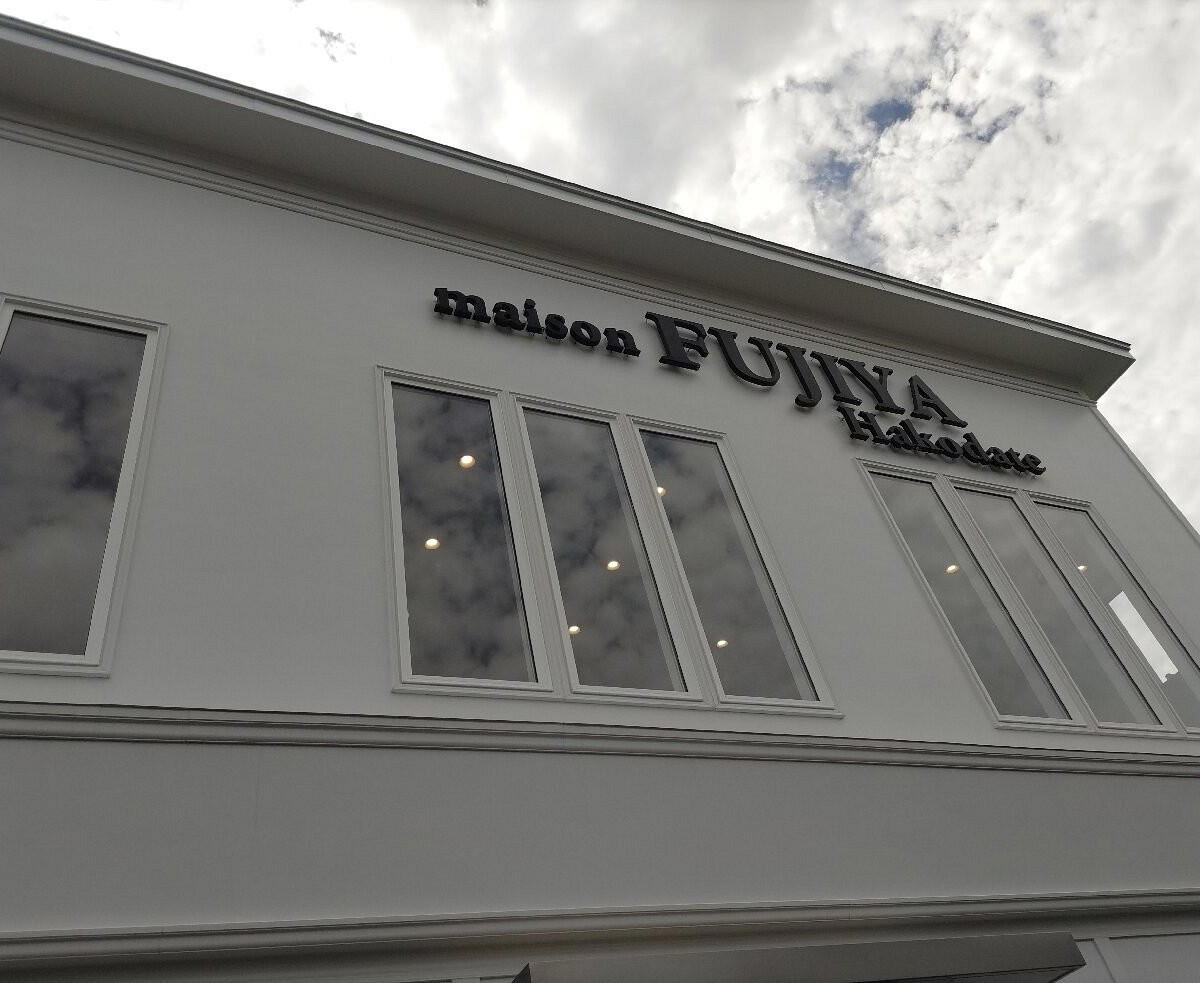
This is also where Asari Honten differs from the higher-ticket precision of a sushi counter such as Sushi Dokoro Minami or the composed restaurant language of maison FUJIYA Hakodate. Those formats ask the diner to submit to a tighter sequence. Sukiyaki asks for participation, pacing, and conversation. The better comparison is category-based rather than city-based: -Grilled beef Sukiyaki- KAMAKURA TANUKIAN 鎌倉 たぬき庵 in Kamakura shows how beef-focused sukiyaki can function as destination dining outside Tokyo, while this Hakodate address anchors the form inside a local neighbourhood routine.
For a wider Hakodate itinerary, the useful move is contrast. Pairing a sukiyaki meal with ramen, curry, Italian cooking, or seafood gives a clearer picture of the city than repeating the same market-to-table seafood narrative. The broader edit belongs in Our full Hakodate restaurants guide, with adjacent planning in Our full Hakodate hotels guide, Our full Hakodate bars guide, Our full Hakodate wineries guide, and Our full Hakodate experiences guide.
How to read the meal in context
Japan’s premium dining conversation often overvalues scarcity: fewer seats, harder reservations, narrower counters. Hotpot runs on a different scale. A 70-seat sukiyaki specialist with private rooms can be serious precisely because it is built for repeated local use. The assessment should focus on category discipline, not minimalism. Tabelog’s hotpot recognition supplies the external signal; the standalone status, butcher-shop function, and dedicated sukiyaki identity supply the local one.
Travellers moving through Japan can use this meal as a counterpoint to other specialist formats:. 鮪と炭火焼き うお炭 秋葉原店 in Tokyo for tuna and charcoal cooking,.cafe in Osaka for café culture,.know in Kumamoto for a contemporary local room, (Shoku) Vietnam in Kawasaki for regional Vietnamese cooking in Japan, and [Curry Senmon Ten] Maruyama Kyoju. in Sapporo for Hokkaido’s curry lane. Outside Japan, Jōdo Saké Bar in Los Angeles and Onigiri Time in Pasadena show how Japanese drinking and rice-snack formats translate abroad, but sukiyaki is harder to detach from its table culture.
The editorial case is simple: in Hakodate, Asari Honten is not the alternative to seafood because it rejects the city’s identity. It expands it. A meal here puts beef, hotpot, family dining, and old specialist commerce back into the frame, which is exactly what a port-city itinerary needs after the obvious bowls and counter seats have been accounted for.
Budget Reality Check
Nearby venues at a similar price tier for orientation.
| Venue | Cuisine | Price | Awards | Notes |
|---|---|---|---|---|
| Asari HontenThis venue — the venue you are viewing | $$$ | , | ||
| Uni Senmon Ten Yoichiya Hakodate asaichi ten | $$$ | , | Hakodate Asaichi (Morning Market) / near Hakodate Station, Hokkaido uni and seafood donburi | |
| Ganso Indian Curry Koike | $$ | , | Horaicho, Traditional Japanese curry (Indian-style) | |
| 函館麺厨房あじさい 本店 | 五稜郭, 函館塩ラーメン | $$ | , | |
| Kira | Sumiyoshi-cho, Creative Japanese Kaiseki | $$ | , | |
| Sushi Dokoro Minami | Suehirocho, Traditional Sushi Omakase | $$$ | , |
At a Glance
- Classic
- Cozy
- Iconic
- Intimate
- Date Night
- Business Dinner
- Group Dining
- Family
- Special Occasion
- Celebration
- Historic Building
- Standalone
- Private Dining
- Sake Program
- Beer Program
- Local Sourcing
Traditional tatami-style sukiyaki house in a historic wooden building, with a warm, nostalgic atmosphere, attentive hospitality, and a relaxed, quietly convivial mood suited to lingering over hotpot.