
Colz gives Hakodate’s dining scene a precise Italian counterpoint to the city’s better-known seafood, ramen, curry, and sukiyaki addresses. Its selection for Tabelog Italian EAST 100 in 2025 and JPY 10,000–14,999 dinner band place it in the city’s serious reservation tier rather than the casual tourist circuit.
Pearl is the En Primeur Club membership app — saves, bookings, and concierge access live there. Same editors, same standards.
- Address
- 34-7 Horaicho, Hakodate, Hokkaido 040-0043, Japan
- Phone
- +81 138-84-5858
- Website
- instagram.com
 Saves & bookings on Pearl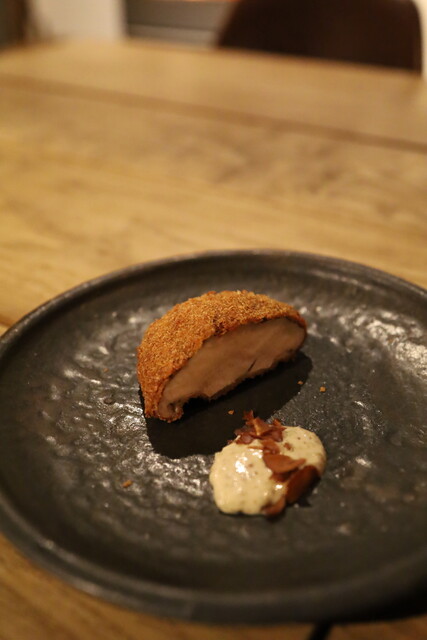
Horaicho has a quieter rhythm than Hakodate’s market-side dining corridors: sloping streets, old port-city architecture, and an appetite shaped by trade routes as much as fishing boats. Here, Italian cooking feels less imported than practical for Hokkaido produce: pasta, seafood, dairy, and vegetables handled with restraint rather than theatre. Colz sits inside that conversation, not apart from Hakodate’s food identity but as one of its sharper contemporary expressions.
Hakodate is often reduced to morning-market seafood bowls and salt ramen, which undersells it. The port has long absorbed outside influences, and its better restaurants make sense through supply: cold-water seafood, Hokkaido dairy, northern vegetables, and local tolerance for comfort and precision. Italian cooking fits because it frames ingredients without burying them. The point is not novelty, but whether the kitchen makes the region legible in another grammar.
Hokkaido ingredients, Italian structure
The strongest reason to pay attention is sourcing logic. Hokkaido gives chefs unusually clear raw material: seafood from cold seas, wheat suited to pasta culture, dairy with national reputation, and vegetables shaped by a short, intense growing season. Regional Japanese Italian restaurants often succeed when they stop imitating Tokyo dining rooms and act as local translators. A pasta course can carry place as clearly as sushi if sourcing is disciplined and seasoning measured.
That is why the Tabelog Italian EAST 100 selection in 2025 matters. It places the restaurant within a regional Italian category extending beyond Hokkaido into eastern Japan’s competitive dining circuit. The Tabelog score of 3.73 is also useful in Japan, where scoring is conservative and a mid-three rating can signal serious local confidence. Awards and scores do not explain the meal, but they separate a destination-minded room from many pleasant Italian restaurants built mainly for neighbourhood regulars.
Dinner pricing reinforces that position. At JPY 10,000–14,999, this is not the everyday pasta bracket of casual curry, ramen, or set-meal addresses. It sits below Hakodate’s higher-priced sushi tier, where Sushi Dokoro Minami is listed at JPY 20,000–29,999, but above midrange local institutions such as Asari Honten. For travellers building one serious dinner around regional produce rather than sushi, the value argument is clear: Italian technique gives Hokkaido ingredients a broader canvas without reaching the city’s upper sushi spend.
How it fits Hakodate's dining map
Hakodate rewards diners who resist treating the city as a single-dish destination. Ajisai Honten remains a useful reference for ramen, while Asari Honten speaks to local beef culture and old-style dining habits. Ganso Indian Curry Koike shows another strand of Hakodate comfort cooking, and Hakodate Fusaya Daimon ten sits closer to the casual, drink-friendly end. Against them, Colz belongs to the smaller group of restaurants that ask for a planned dinner rather than an opportunistic stop.
Its closest local comparison in spirit is Enoteca La Ricolma, another Italian-leaning address pointing to the city’s appetite for European formats interpreted through northern Japanese ingredients. For travellers, the difference is less cuisine label than night’s tempo. Hakodate’s compact scene can move from quick bowls to ceremonious sushi to produce-led Western cooking within a short stay. The useful itinerary is contrast, not ranking.
That contrast matters because Hokkaido Italian has a different emotional register from Italian dining in Tokyo or Osaka. In the major cities, Italian restaurants often signal through luxury ingredients, wine depth, or chef pedigree. In Hakodate, the appeal is more grounded: produce access, a port-city palate, and fewer layers between ingredient and plate. The cooking can be polished, but the context is regional rather than metropolitan, useful for travellers wanting a dinner connected to place without repeating the seafood-counter format.
Planning the meal around the city, not just the table
Colz is in Horaicho, with Jujigai as the nearest station and no parking listed, so the evening works better as part of a walkable Hakodate plan than a drive-in detour. The restaurant opened on 23 June 2023, making its 2025 Tabelog Italian EAST 100 selection a relatively fast arrival into the regional conversation. Private rooms and private use are listed, and the room is non-smoking, pointing to a controlled dining format rather than a loose trattoria atmosphere.
Reservations are sensible. Phone bookings open from one month prior to the same date, while lunch is irregular and announced through the restaurant’s Instagram schedule. The format is not designed for young children: preschool children are not accepted, and children who dine must take the same course as adults. For families, the decision is simple. This is a grown-up dinner in Hakodate’s serious restaurant tier, not a flexible stop between sightseeing and dessert.
For broader planning, use our full Hakodate restaurants guide to balance categories across a short stay. The city’s supporting cast changes the trip’s shape: Ajisai Honten for ramen, Asari Honten for sukiyaki, Enoteca La Ricolma for another Italian reference, Ganso Indian Curry Koike for curry, and Hakodate Fusaya Daimon ten for a more casual local register. Pair that with our full Hakodate hotels guide, our full Hakodate bars guide, our full Hakodate wineries guide, and our full Hakodate experiences guide if the trip extends beyond dinner.
Travellers continuing through Japan can read this Hakodate dinner against other regional formats: -Grilled beef Sukiyaki- KAMAKURA TANUKIAN 鎌倉 たぬき庵 in Kamakura,. 鮪と炭火焼き うお炭 秋葉原店 in Tokyo,.cafe in Osaka,.know in Kumamoto, (Shoku) Vietnam in Kawasaki, and [Curry Senmon Ten] Maruyama Kyoju. in Sapporo. For a North American counterpoint to Japanese ingredient-led casual formats, Jōdo Saké Bar in Los Angeles and Onigiri Time in Pasadena show how Japanese dining ideas travel in the opposite direction.
In Context: Similar Options
Comparable venues by cuisine and price in the same metro.
| Venue | Cuisine | Price | Awards | Notes |
|---|---|---|---|---|
| ColzThis venue — the venue you are viewing | Seasonal Italian-inspired tasting menu | $$$ | , | |
| Shunsai Shungyo Tajima | Seasonal Japanese Izakaya with Omakase | $$$ | , | Tomiokacho |
| Nidaime Saheiji | Japanese-French Izakaya | $$ | , | Goryokaku |
| Uni Senmon Ten Yoichiya Hakodate asaichi ten | Hokkaido uni and seafood donburi | $$$ | , | Hakodate Asaichi (Morning Market) / near Hakodate Station |
| Hakodate Fusaya Daimon ten | Japanese Izakaya with Okonomiyaki & Teppanyaki | $$ | , | Hakodate Eki Mae |
| Kira | Creative Japanese Kaiseki | $$ | , | Sumiyoshi-cho |
At a Glance
- Intimate
- Cozy
- Hidden Gem
- Modern
- Date Night
- Special Occasion
- Celebration
- Solo
- Chefs Counter
- Standalone
- Design Destination
- Extensive Wine List
- Local Sourcing
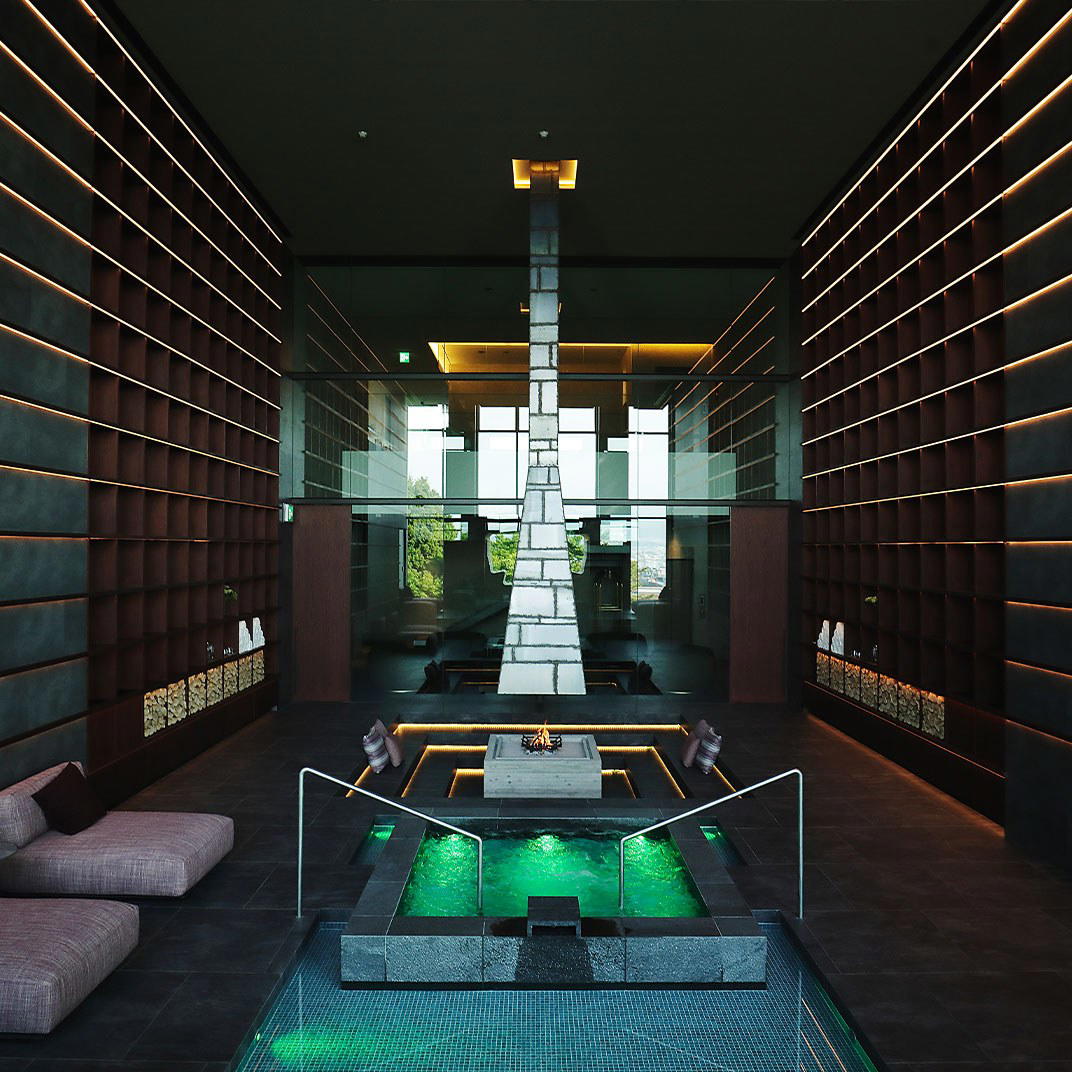
Inside a modest residential-style house, the dining room feels intimate and quietly elegant, with simple modern decor, warm lighting, and a calm, conversational atmosphere that focuses attention on the chef’s seasonal tasting menu.[11][15]