Maharani on Hallerstraße occupies a specific position in Hamburg's Indian dining scene, operating in a neighbourhood better known for its proximity to the Universität Hamburg and the quieter residential stretches of Rotherbaum. The restaurant addresses a tier of Indian cuisine that the city's broader dining market has historically underserved, where spice calibration and regional specificity matter more than subcontinental generality.
Pearl is the En Primeur Club membership app — saves, bookings, and concierge access live there. Same editors, same standards.
- Address
- Hallerstraße 1, 20146 Hamburg, Germany
- Phone
- +494042949691
- Website
- maharani-hamburg.de
- Directions
- Get directions
 Saves & bookings on Pearl
Where Maharani Sits in Hamburg's Dining Picture
Hamburg's fine dining conversation tends to orbit a handful of well-documented names: the creative French architecture of Restaurant Haerlin, the modernist precision of The Table Kevin Fehling, and the Mediterranean register of bianc. The city's Indian dining tier operates largely outside that conversation, which is both a market gap and, for a restaurant positioned to fill it seriously, an opportunity. Maharani on Hallerstraße 1 in Rotherbaum sits at the edge of that gap, in a neighbourhood defined by its academic adjacency and a local clientele that tends toward considered, repeat-visit dining rather than occasion-driven spectacle.
Indian cuisine in German cities has followed a recognisable arc: a first generation of broadly South Asian restaurants serving a generalised curry-house format, followed by a smaller cohort of operations attempting more regional specificity and kitchen discipline. That second wave has gained traction in cities like Berlin and Munich, where operations like CODA Dessert Dining and JAN have shown that non-European cuisines can anchor serious dining programs. Maharani operates in that context, in a city where the category still has room to define itself at the upper register.
The Rotherbaum Address and What It Signals
Hallerstraße sits in the Rotherbaum district, directly adjacent to the Universität Hamburg campus and within walking distance of the Außenalster lake. The area's character is quieter and more residential than the harbour-facing districts that host Hamburg's most-visited restaurant tables. Dining rooms in this part of the city tend to attract a neighbourhood-loyal crowd: academics, professionals, and residents who return regularly rather than visiting once for a special occasion. That pattern shapes what a restaurant at this address needs to deliver — consistent execution, a front-of-house rhythm that accommodates familiarity, and a kitchen that can sustain quality across a regular week rather than spiking for high-traffic evenings.
For context on how location shapes Hamburg's dining character more broadly, the EP Club Hamburg restaurants guide maps the city's key dining districts and the different expectations each carries. Rotherbaum's positioning is distinct from the harbour-adjacent energy of venues like Lakeside or the Speicherstadt-adjacent creative operations.
The Team Dynamic in Indian Fine Dining
In the more structured tier of Indian restaurants operating across Europe, the collaboration between kitchen, floor, and wine or beverage program has become a defining variable. The category presents specific challenges for front-of-house teams: Indian regional cuisines carry complex spice profiles that interact unpredictably with European wine conventions, and communicating that complexity to a diner unfamiliar with the cuisine requires both knowledge and confidence on the floor. The operations that execute this well tend to invest in floor staff who can speak credibly about the food rather than simply describe dishes from memory.
Germany's broader fine dining circuit offers reference points for how team cohesion translates into dining quality. At operations like Aqua in Wolfsburg, Schwarzwaldstube in Baiersbronn, and Vendôme in Bergisch Gladbach, the integration between kitchen ambition and floor delivery is part of what justifies their positioning. For Indian cuisine to hold at a comparable register, the same integration is required, and the beverage pairing question — whether to work with German Riesling's acidity and residual sugar, or to build a dedicated pairing program around wine styles that better absorb spice, is one that separates more considered operations from those still defaulting to generic wine lists.
Internationally, the benchmark for how a non-European cuisine can be delivered with full team precision at the leading end is set by restaurants like Atomix in New York City, where Korean-inflected tasting menus are supported by floor teams trained to deliver as much contextual depth as the kitchen. That model is increasingly relevant as Indian fine dining in Europe attempts to close the gap between kitchen ambition and front-of-house delivery.
What the Category Demands at This Address
Serious Indian dining in a European context carries specific technical requirements that differ from European fine dining conventions. Spice sequencing across a multi-course format requires kitchen discipline that parallels the pacing logic of a tasting menu at operations like ES:SENZ in Grassau or Schanz in Piesport, where each course is calibrated to prepare the palate for what follows rather than simply to satisfy in isolation. Indian regional cuisine adds a further layer: the distinction between, say, a Chettinad spice profile and a Mughlai one is as significant as the distinction between a Lyonnaise and an Alsatian kitchen, and menus that flatten those differences lose the specificity that justifies a more considered dining format.
Hamburg's broader dining circuit has shown appetite for that kind of specificity. The city supports operations like 100/200 Kitchen, which operates in a format-driven, high-commitment mode, and its diners have demonstrated willingness to engage with structured experiences. The question for Indian dining at Maharani's address is whether that engagement extends into a cuisine category that Hamburg has historically received in less ambitious form.
For comparison within Germany's wider fine dining geography, restaurants like Waldhotel Sonnora in Dreis, Victor's Fine Dining by Christian Bau in Perl, and Bagatelle in Trier illustrate how Germany's serious dining tier has expanded beyond its major cities into less obvious locations, a pattern that suggests the country's dining audience is more geographically distributed and categorically open than the headline venues alone would suggest.
Planning a Visit
Maharani is located at Hallerstraße 1, 20146 Hamburg, in the Rotherbaum district. The address is within comfortable reach of the Dammtor S-Bahn station, making it accessible from the city centre without requiring a taxi or significant walk. Given the residential neighbourhood character, the surrounding streets are quiet in the evening, and the dining room environment is likely to reflect that, this is not a venue positioned around energy or ambient noise in the way that harbour-adjacent Hamburg dining rooms sometimes are.
Visitors planning around Hamburg's broader fine dining circuit should cross-reference with the EP Club Hamburg guide for current operational details across the city's restaurant tier, and allow flexibility in itinerary planning for venues where advance reservation policies are not publicly documented.
How Maharani Hamburg compares with similar nearby venues.
| Venue | Cuisine | Price |
|---|---|---|
| Klinker | Modern Cuisine | €€ |
Continue exploring
More in Hamburg
Restaurants in Hamburg
Browse all →
Bars in Hamburg
Browse all →
Hotels in Hamburg
Browse all →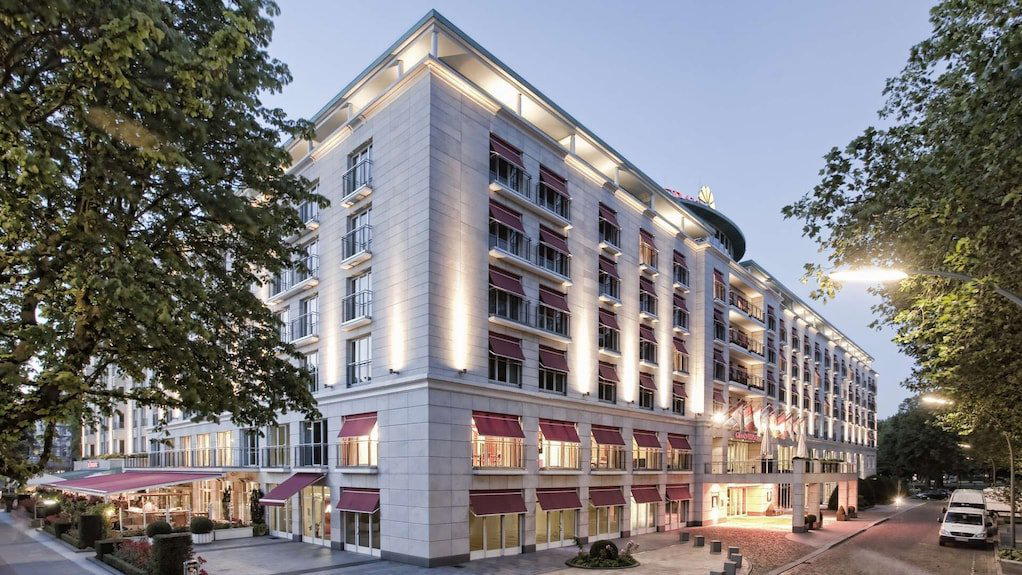
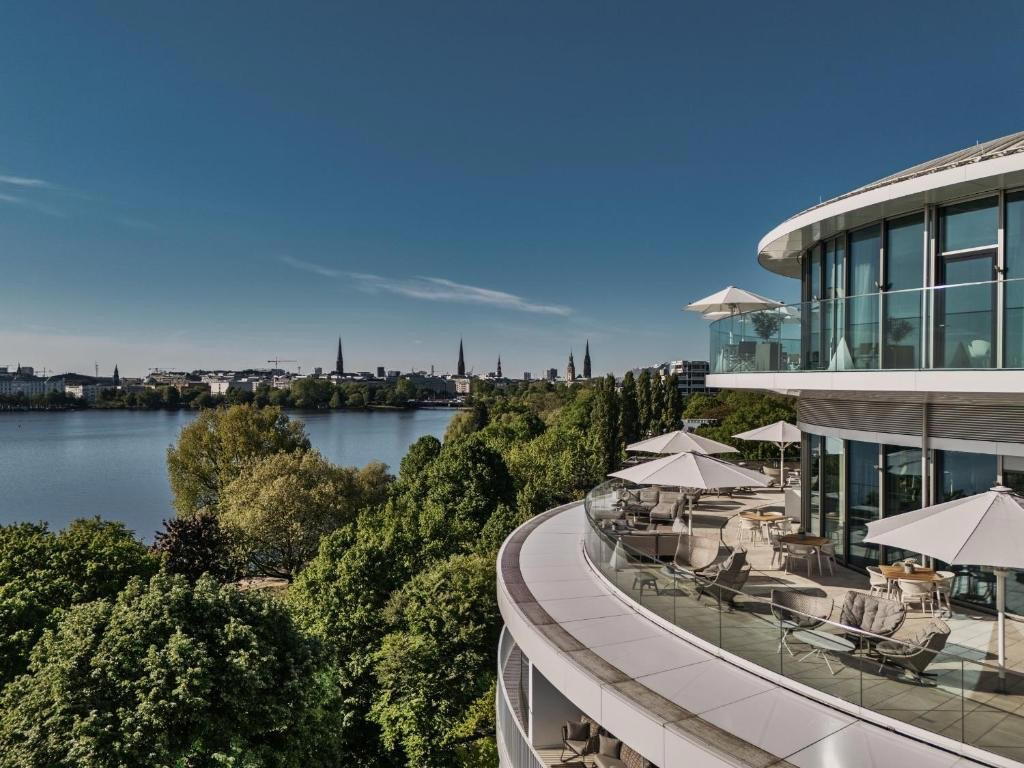
Wineries in Hamburg
Browse all →
At a Glance
- Cozy
- Intimate
- Date Night
- Family
Current opening hours
- Monday
- 12 PM–12 AM
- Tuesday
- 12 PM–12 AM
- Wednesday
- 12 PM–12 AM
- Thursday
- 12 PM–12 AM
- Friday
- 12 PM–12 AM
- Saturday
- 12 PM–12 AM
- Sunday
- 12 PM–12 AM
Hours can change for holidays and private events. Last verified .
Super warm, comfortable, and cozy with authentic Indian décor and relaxing music.
Know Before You Go
- Getting there
- Hallerstraße 1, 20146 Hamburg, Germany