Mahadosa occupies a St. Pauli address on Hein-Hoyer-Straße that puts it squarely inside Hamburg's most food-curious neighbourhood, where the dining offer runs from casual South Asian canteens to serious tasting-menu rooms. The name alone signals a dosa-forward identity in a city where South Indian cooking rarely receives dedicated, focused treatment. For visitors moving through Hamburg's wider restaurant circuit, it represents one of the more specific propositions in the area.
Pearl is the En Primeur Club membership app — saves, bookings, and concierge access live there. Same editors, same standards.
- Address
- Hein-Hoyer-Straße 60, 20359 Hamburg, Germany
- Phone
- +494050692006
- Website
- maharaja-hamburg.de
- Directions
- Get directions
 Saves & bookings on Pearl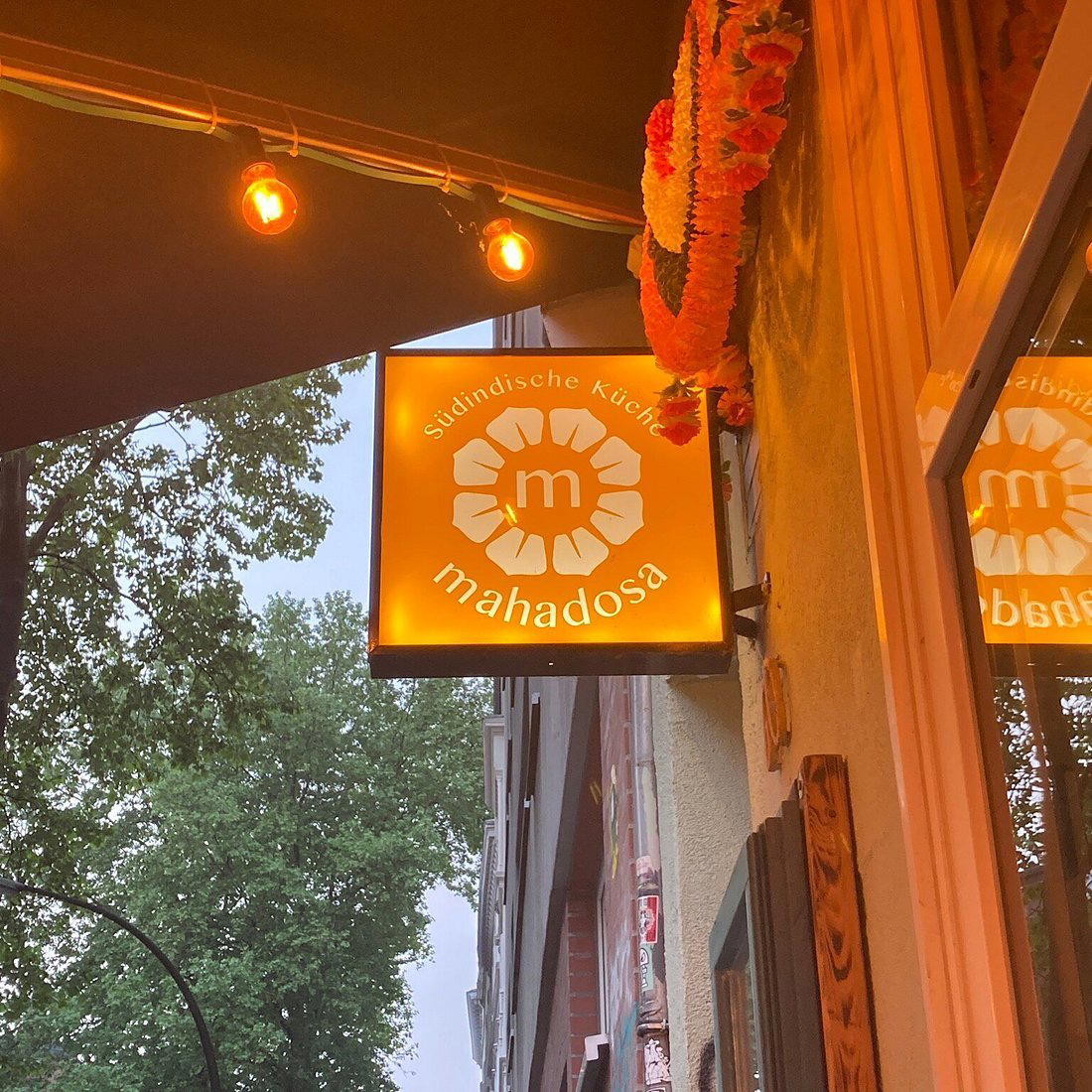
St. Pauli's Appetite for the Specific
Hein-Hoyer-Straße cuts through the western edge of St. Pauli, a street that has accumulated a density of independent food operations over the past decade. The neighbourhood's dining character is shaped less by any single culinary tradition than by a willingness to host specificity: operations that commit to a particular regional cuisine, a particular technique, or a particular format rather than hedging toward a broad crowd. Mahadosa, at number 60, sits inside that pattern. The name is a compound that places the dosa — South India's fermented rice-and-lentil crepe — at the centre of the proposition, and the address confirms it is not trying to be a general-purpose Indian restaurant.
St. Pauli's food corridor has evolved noticeably since the mid-2010s, when the area was better known for late-night convenience than considered cooking. The shift mirrors what has happened in comparable European port-city neighbourhoods: as rents in the more established quarters pressed outward, operators with genuine culinary ambitions moved into streets that offered space without the premium. The result, in Hamburg's case, is a Schanzenviertel-adjacent belt where the cooking quality frequently exceeds what the surroundings imply.
South Indian Cooking in a Northern European Port
German cities have historically received Indian cooking through a North Indian lens: the tandoor, the rich curry sauce, the bread basket built around naan. South Indian food, with its emphasis on fermentation, rice-based batters, lentil broths, and coconut-forward chutneys, has occupied a much smaller niche, and Hamburg is no exception to that pattern. The dosa's structural logic is different from a flatbread: the fermentation cycle, the controlled spread on a seasoned iron griddle, and the temperature management at service all require a kitchen discipline that is specifically calibrated for this format.
Venues that commit to this kind of specificity in a northern European city are operating against the grain of what the broader market expects from Indian restaurants. That positioning brings its own risks, a narrower initial audience, a steeper education curve, but it also produces a more coherent service logic, because the team's knowledge can be concentrated rather than distributed across a sprawling menu of regional styles. In Hamburg's current restaurant climate, where The Table Kevin Fehling and Restaurant Haerlin anchor the formal end of the market and a growing mid-tier of focused independents has developed beneath them, Mahadosa's specificity is a competitive argument rather than a limitation.
The Team Dynamic Behind a Format-Led Kitchen
Dosa-forward kitchens operate on a different front-of-house logic than tasting-menu rooms. The front-of-house task is partly translational: explaining a fermentation-based format to guests who may be encountering it for the first time, guiding decisions around the filling combinations and accompanying chutneys, and managing the timing of a dish that is served immediately off the griddle and does not hold well. That last point is not trivial.
This kind of format discipline, when it works, produces a service experience that feels confident rather than scripted. The equivalent dynamic appears in Hamburg's more codified fine-dining rooms, the front-of-house at 100/200 Kitchen and bianc both operate with a close kitchen-to-floor communication system, but in a neighbourhood setting the stakes of that collaboration are different. There is less ceremony, but the margin for error on a dish that must arrive at the right moment and temperature is just as narrow.
Across Germany's more considered restaurant scene, the venues that generate lasting reputations in their tier tend to be those where the kitchen's technical clarity and the floor's ability to contextualise it operate as a single system. Aqua in Wolfsburg, JAN in Munich, and Schwarzwaldstube in Baiersbronn each demonstrate that alignment at the formal end. At the neighbourhood level, the principle is the same, just applied with less infrastructure.
Placing Mahadosa in Hamburg's Current Restaurant Map
Hamburg's dining offer in 2024 has matured past the point where a restaurant's neighbourhood alone explains its ambition level. Lakeside sits at one end of the city's tonal spectrum; Mahadosa, in St. Pauli, sits at another. The comparison is not invidious, it reflects the fact that Hamburg now sustains a genuinely wide range of formats, price points, and culinary traditions, and that the interesting decisions for a visitor are increasingly about matching the right format to the right moment rather than simply identifying the highest-ranked room.
South Indian cooking, even in its less formal register, pairs well with Hamburg's broader food culture, which has always been comfortable with strong, direct flavours, the city's history as a trading port left a palate shaped by spice routes as much as by Central European culinary tradition. The dosa's sourness, the sambar's tamarind depth, and the dry heat of a well-made coconut chutney are not, in that context, alien flavours. They slot into a city that has been absorbing global cooking influences for longer than most German cities. Visitors comparing Hamburg's more format-specific independents with equivalents in other German cities, CODA Dessert Dining in Berlin being a useful reference for how a committed format can anchor a neighbourhood reputation, will find Mahadosa legible within that pattern.
For those moving through the wider German restaurant circuit, the relevant peer comparisons extend to venues like Vendôme in Bergisch Gladbach, ES:SENZ in Grassau, Victor's Fine Dining by Christian Bau in Perl, Waldhotel Sonnora in Dreis, Schanz in Piesport, and Bagatelle in Trier at the formal end, and internationally with Le Bernardin in New York City and Atomix in New York City as examples of how format commitment at any price tier shapes a restaurant's identity over time.
Planning a Visit
Mahadosa is at Hein-Hoyer-Straße 60, 20359 Hamburg, in the St. Pauli district. The location is walkable from the S-Bahn stops at Reeperbahn and Holstenstraße, and the street sits within the broader Schanzenviertel eating corridor, making it a natural stop within an evening that might include other neighbourhood venues. St. Pauli's independent restaurant operations have variable schedules, and dosa-format kitchens in particular sometimes observe prep-day closures tied to their fermentation cycle.
For a broader orientation to Hamburg's restaurant offer across all price tiers, our full Hamburg restaurants guide maps the city's current dining character from the formal fine-dining rooms down to the neighbourhood independents that define its daily eating life.
How Mahadosa Hamburg compares with similar nearby venues.
| Venue | Cuisine | Price |
|---|---|---|
| Nil | International | €€ |
Continue exploring
More in Hamburg
Restaurants in Hamburg
Browse all →
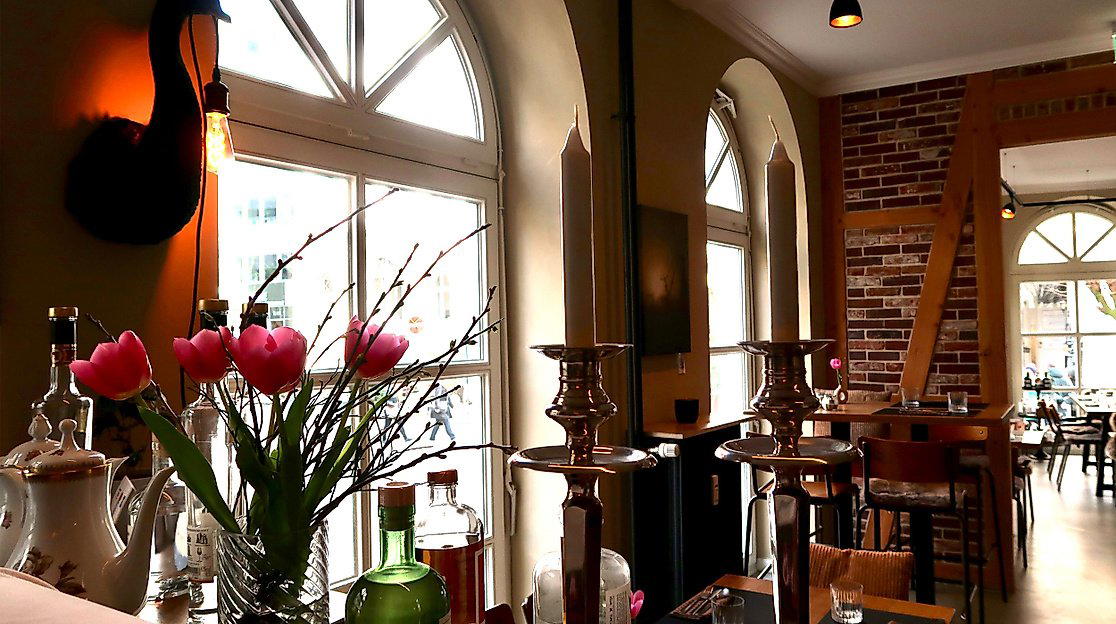
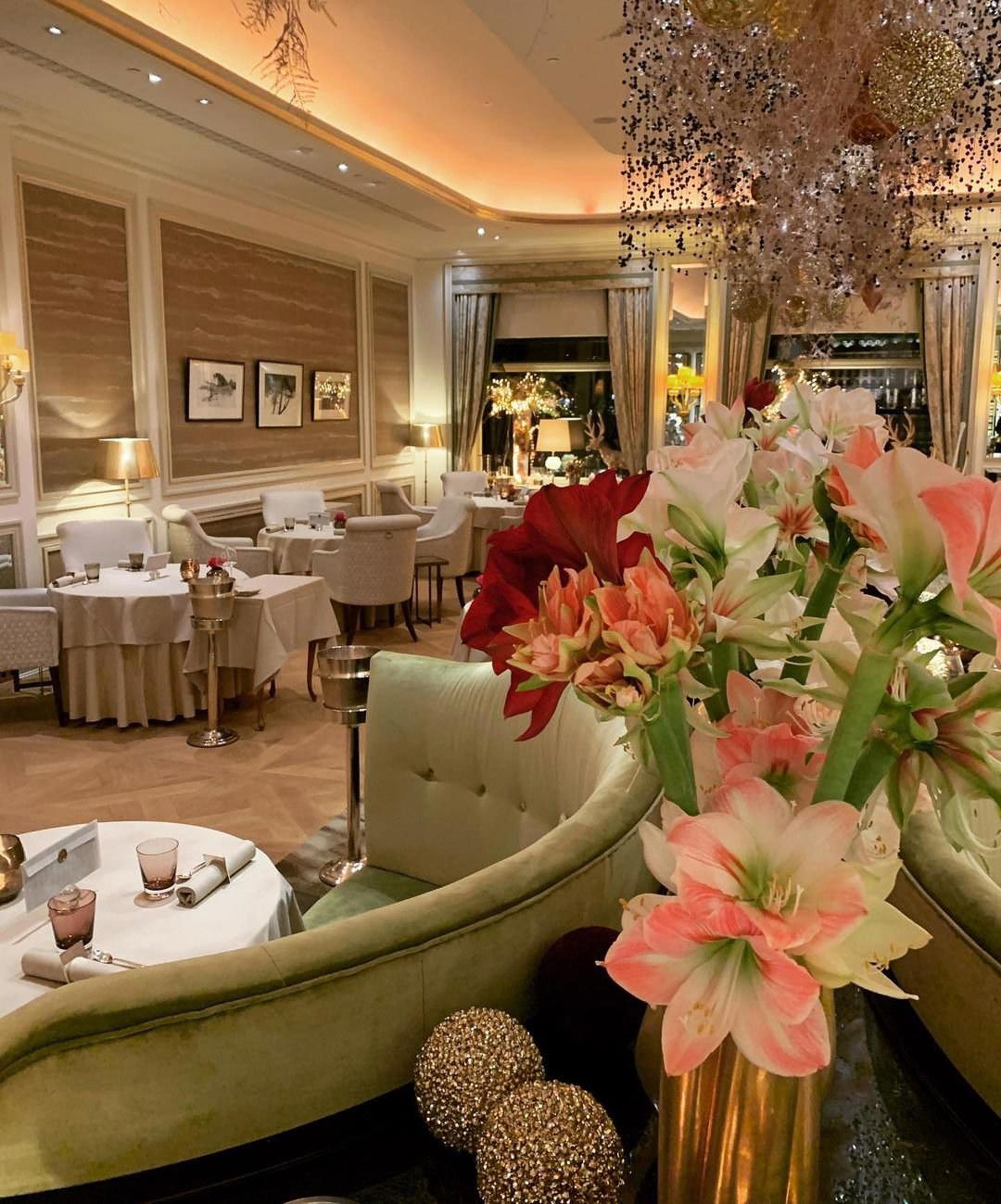
Bars in Hamburg
Browse all →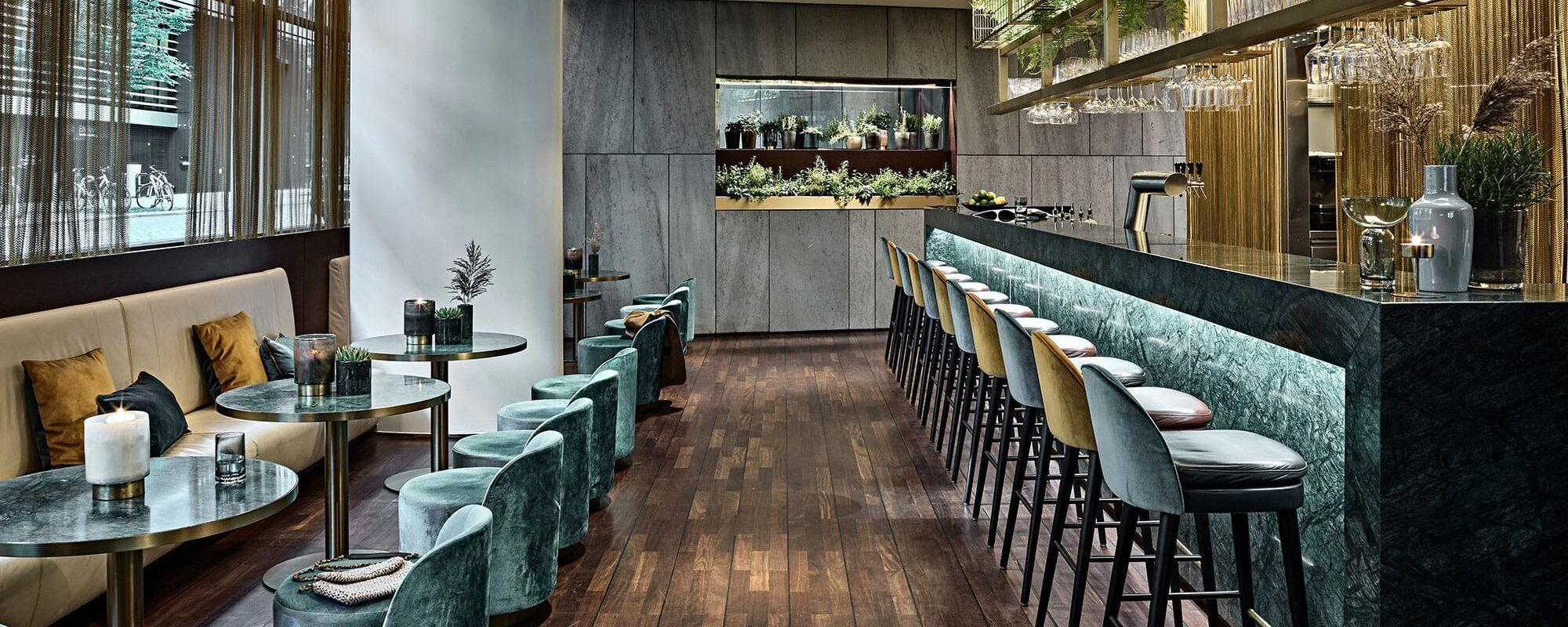
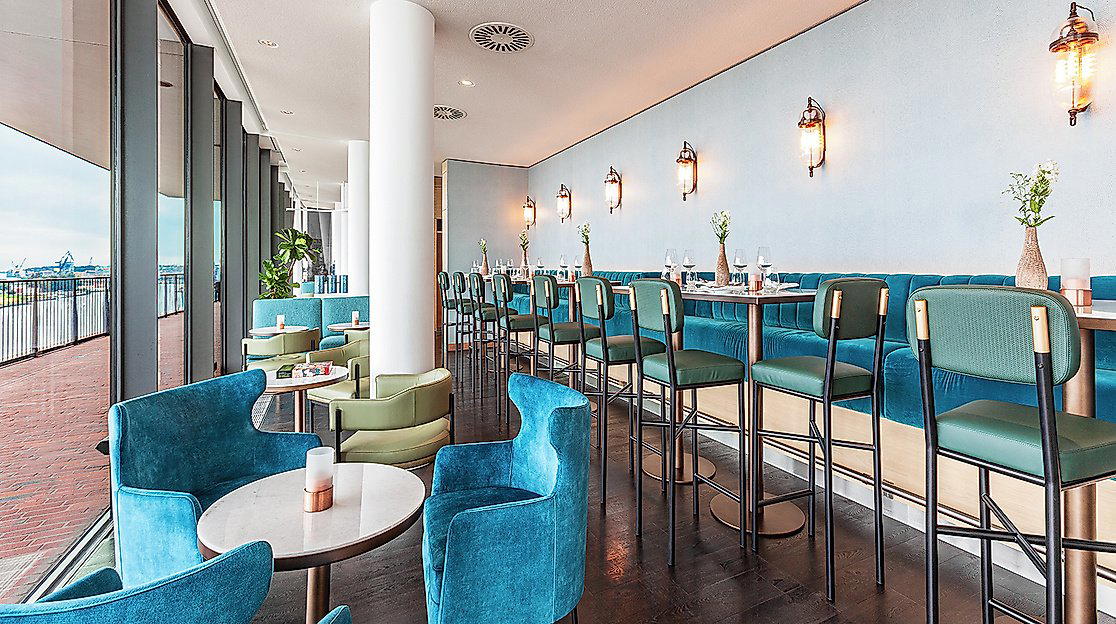
Hotels in Hamburg
Browse all →
Wineries in Hamburg
Browse all →
At a Glance
- Cozy
- Modern
- Casual Hangout
- Date Night
Current opening hours
- Monday
- Closed
- Tuesday
- 12 PM–12 AM
- Wednesday
- 12 PM–12 AM
- Thursday
- 12 PM–12 AM
- Friday
- 12 PM–12 AM
- Saturday
- 12 PM–12 AM
- Sunday
- 12 PM–12 AM
Hours can change for holidays and private events. Last verified .
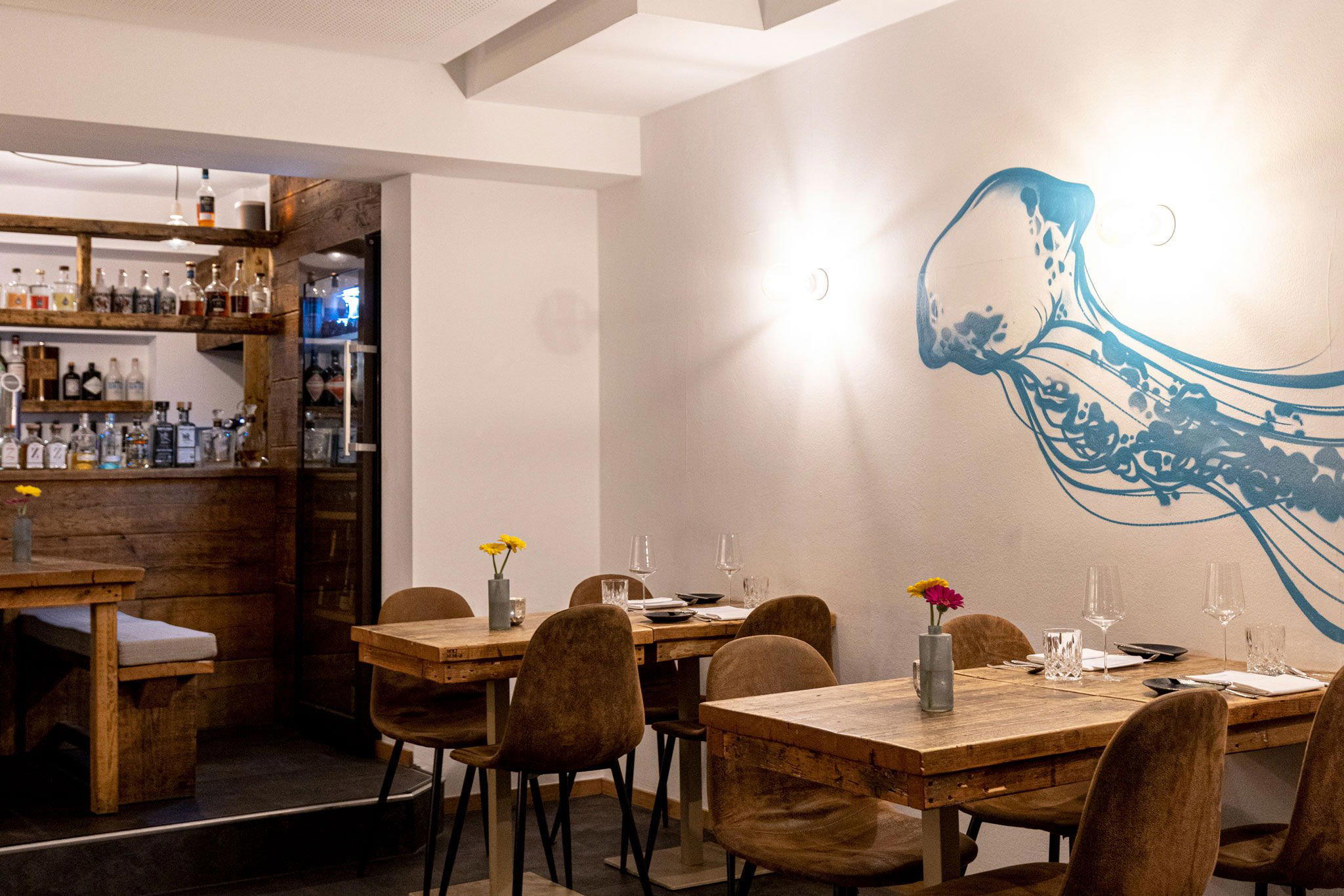
Stilvolles (stylish) ambiance with nice lighting and friendly, efficient service as per guest reviews.
Know Before You Go
- Getting there
- Hein-Hoyer-Straße 60, 20359 Hamburg, Germany