On Mundsburger Damm in Hamburg's Uhlenhorst district, Osho Ayu-Leela occupies a residential address that rewards those who seek it out. The space and its approach sit at the quieter, less-publicised end of Hamburg's dining spectrum, away from the harbour-front showcase restaurants that dominate the city's fine-dining conversation. Specific menu and format details are limited in the public record, which itself tells you something about how this address operates.
Pearl is the En Primeur Club membership app — saves, bookings, and concierge access live there. Same editors, same standards.
- Address
- Mundsburger Damm 41, 22087 Hamburg, Germany
- Phone
- +4949402298109
- Website
- ayuleela.de
- Directions
- Get directions
 Saves & bookings on Pearl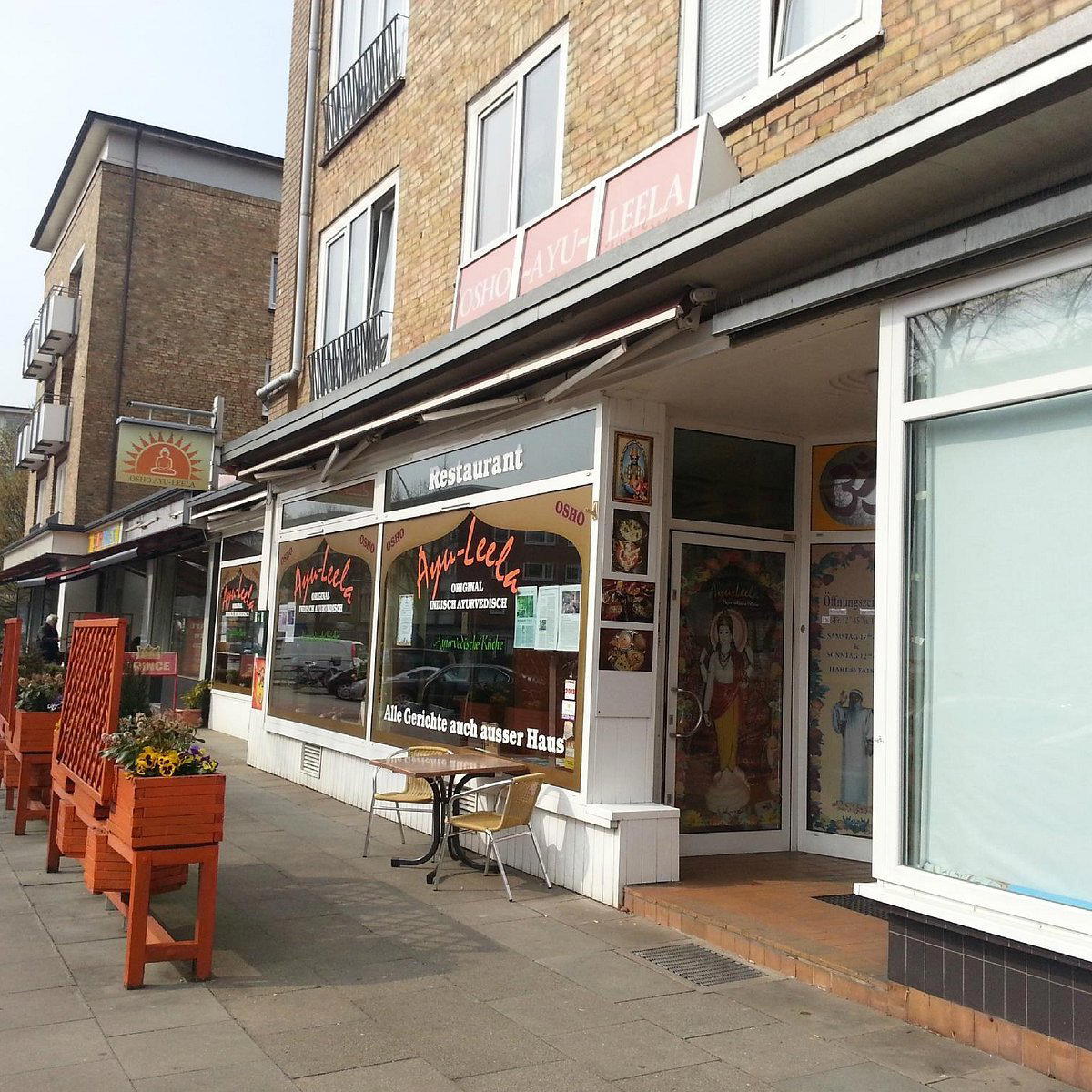
A Quiet Address in Uhlenhorst
Hamburg's dining conversation tends to orbit the Alster waterfront and the HafenCity developments, where restaurants like The Table Kevin Fehling and bianc operate in purpose-built, high-visibility settings. Mundsburger Damm 41, the address of Osho Ayu-Leela, sits in a different register entirely. Uhlenhorst is a residential neighbourhood east of the Außenalster, characterised by late-nineteenth-century apartment blocks, tree-lined streets, and a pace that feels deliberately removed from the city's promotional circuits. Restaurants that occupy addresses like this one tend to build their following through local word-of-mouth rather than through awards cycles or press visibility.
That geography matters for how you read the space before you enter it. In Hamburg, as in most northern German cities, the physical container of a restaurant at a residential address signals intent: the room is not competing for passing trade or tourist footfall. It is oriented toward regulars, toward people who have made a specific decision to be there. That mode of operation is more common in Berlin or Munich than in Hamburg, where the hospitality sector has historically leaned toward the kind of scale and spectacle that suits a port city. Osho Ayu-Leela, by its location alone, places itself in a smaller, quieter cohort.
The Space as Signal
Without a verified interior record in the public domain, specific room dimensions and material choices cannot be confirmed here. What the address and neighbourhood context do suggest is a format consistent with smaller, owner-operated rooms in residential Hamburg: moderate seat counts, an interior that prioritises function over architectural showmanship, and a relationship between space and menu that is more intimate than performative. In German cities of Hamburg's scale, this type of room tends to sit between the neighbourhood bistro and the formal dining room, occupying a middle register that is increasingly rare as the market bifurcates between casual all-day formats and high-commitment tasting-menu counters.
That middle register is worth understanding as a category. Across Germany's dining scene, from Aqua in Wolfsburg to ES:SENZ in Grassau, the rooms that attract sustained attention tend to commit fully to one end of the formality spectrum. The more interesting counter-argument is made by restaurants that resist that bifurcation, where the room's design language refuses to signal its price point loudly, and where the guest has to arrive with some prior knowledge to understand what they are walking into. Hamburg has a handful of these addresses; Uhlenhorst has the neighbourhood character to support them.
Hamburg's Less-Photographed Dining Circuit
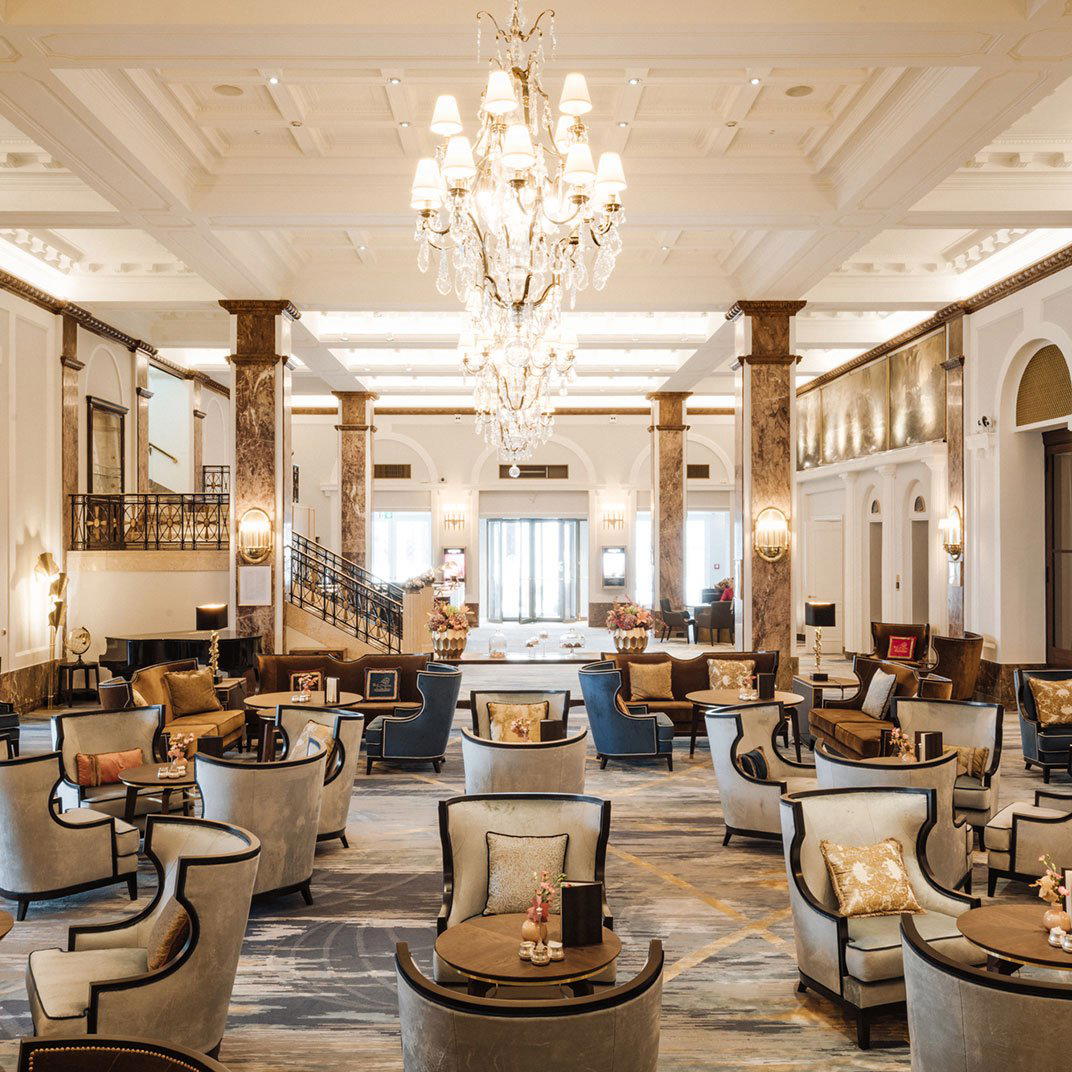
The restaurants that dominate Hamburg's media coverage share certain visual properties: dramatic waterside settings, open-kitchen theatre, interiors commissioned from known designers. Restaurant Haerlin operates from the Vier Jahreszeiten hotel on the Binnenalster, a setting that does much of the atmospheric work before the menu arrives. Lakeside and 100/200 Kitchen each operate in spaces where the physical environment is part of the editorial proposition. An address on Mundsburger Damm does not offer any of that. What it offers instead is the quieter signal of a room that has decided the food, or the experience, is sufficient reason to travel to an unremarkable street in a pleasant neighbourhood.
That is a legitimate editorial stance for a restaurant to take, and one that has precedent in Germany's wider dining culture. At Waldhotel Sonnora in Dreis and Schanz in Piesport, the physical remoteness of the address is itself a statement about prioritisation. Urban equivalents of that logic, restaurants in residential neighbourhoods that ask guests to come without the incentive of a spectacular backdrop, tend to succeed when the room's human scale and the quality of what's served create a compelling reason to return.
Situating Osho Ayu-Leela in Germany's Broader Scene
Germany's restaurant culture beyond its Michelin-heavy headline addresses is considerably more varied than the international press typically covers. Cities like Hamburg sit alongside a national dining scene that includes JAN in Munich, CODA Dessert Dining in Berlin, and Vendôme in Bergisch Gladbach, each occupying a distinct tier and format. At the other end of the international scale, rooms like Le Bernardin in New York City or Atomix operate with levels of documentation and public-record depth that make editorial assessment direct. Osho Ayu-Leela sits at the opposite end of that visibility spectrum.
That limited documentation is not, in itself, a reason to dismiss an address. Some of the more interesting rooms in German cities operate without significant press attention, without awards recognition on the public record, and without the kind of social media footprint that generates the secondary data trails used to assess a venue. Bagatelle in Trier and Victor's Fine Dining by Christian Bau in Perl each illustrate how strongly a German restaurant can perform in relative geographic obscurity. For Osho Ayu-Leela, the Hamburg neighbourhood context and the residential address are the most legible signals currently available. Readers planning a visit should approach with that framing: this is an address that warrants direct contact and personal reconnaissance rather than reliance on an established critical record.
For a full picture of where Osho Ayu-Leela sits within Hamburg's wider dining options, see our full Hamburg restaurants guide. Readers building a Hamburg itinerary around stronger evidential anchors might also consider Schwarzwaldstube in Baiersbronn as a regional comparison point for the kind of room that occupies a similar residential-adjacent register but carries a fuller critical record.
Know Before You Go
- Address: Mundsburger Damm 41, 22087 Hamburg, Germany
- Neighbourhood: Uhlenhorst, east of the Außenalster
- Price range: Not confirmed; treat as unknown until verified on arrival or by direct contact
- Hours: Not confirmed; contact the venue before travelling
- Awards: None on the public record at time of writing
How Osho Ayu-Leela Hamburg compares with similar nearby venues.
| Venue | Cuisine | Price |
|---|---|---|
| Wolfs Junge | Farm to table | €€€ |
Continue exploring
More in Hamburg
Restaurants in Hamburg
Browse all →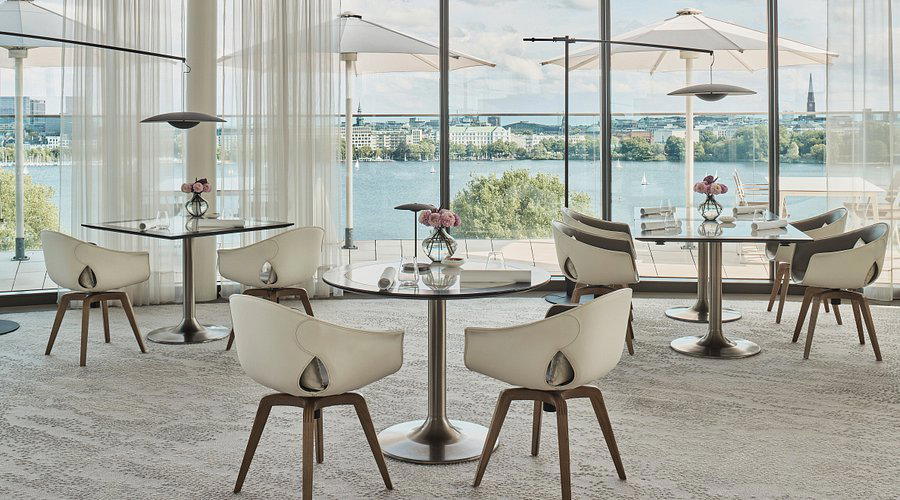
Bars in Hamburg
Browse all →
Hotels in Hamburg
Browse all →
Wineries in Hamburg
Browse all →
At a Glance
- Cozy
- Lively
- Casual Hangout
- Terrace
Current opening hours
- Monday
- 12–3 PM, 5:30–10 PM
- Tuesday
- 12–3 PM, 5:30–10 PM
- Wednesday
- 12–3 PM, 5:30–10 PM
- Thursday
- 12–3 PM, 5:30–10 PM
- Friday
- 12–3 PM, 5:30–10 PM
- Saturday
- 1–10 PM
- Sunday
- 12–9 PM
Hours can change for holidays and private events. Last verified .
Cozy yet lively traditional Indian ambience.
Know Before You Go
- Getting there
- Mundsburger Damm 41, 22087 Hamburg, Germany