Himalaya sits in the Rissen district of Hamburg, at Wedeler Landstraße 29, occupying a niche that places it outside the city's central fine-dining corridor. Where Hamburg's highest-profile tasting counters concentrate near the Alster and HafenCity, this address draws a different kind of guest: one willing to travel west for a meal that operates on its own terms.
Pearl is the En Primeur Club membership app — saves, bookings, and concierge access live there. Same editors, same standards.
- Address
- Wedeler Landstraße 29, 22559 Hamburg, Germany
- Phone
- +494086625410
- Website
- himalaya-hh.de
- Directions
- Get directions
 Saves & bookings on Pearl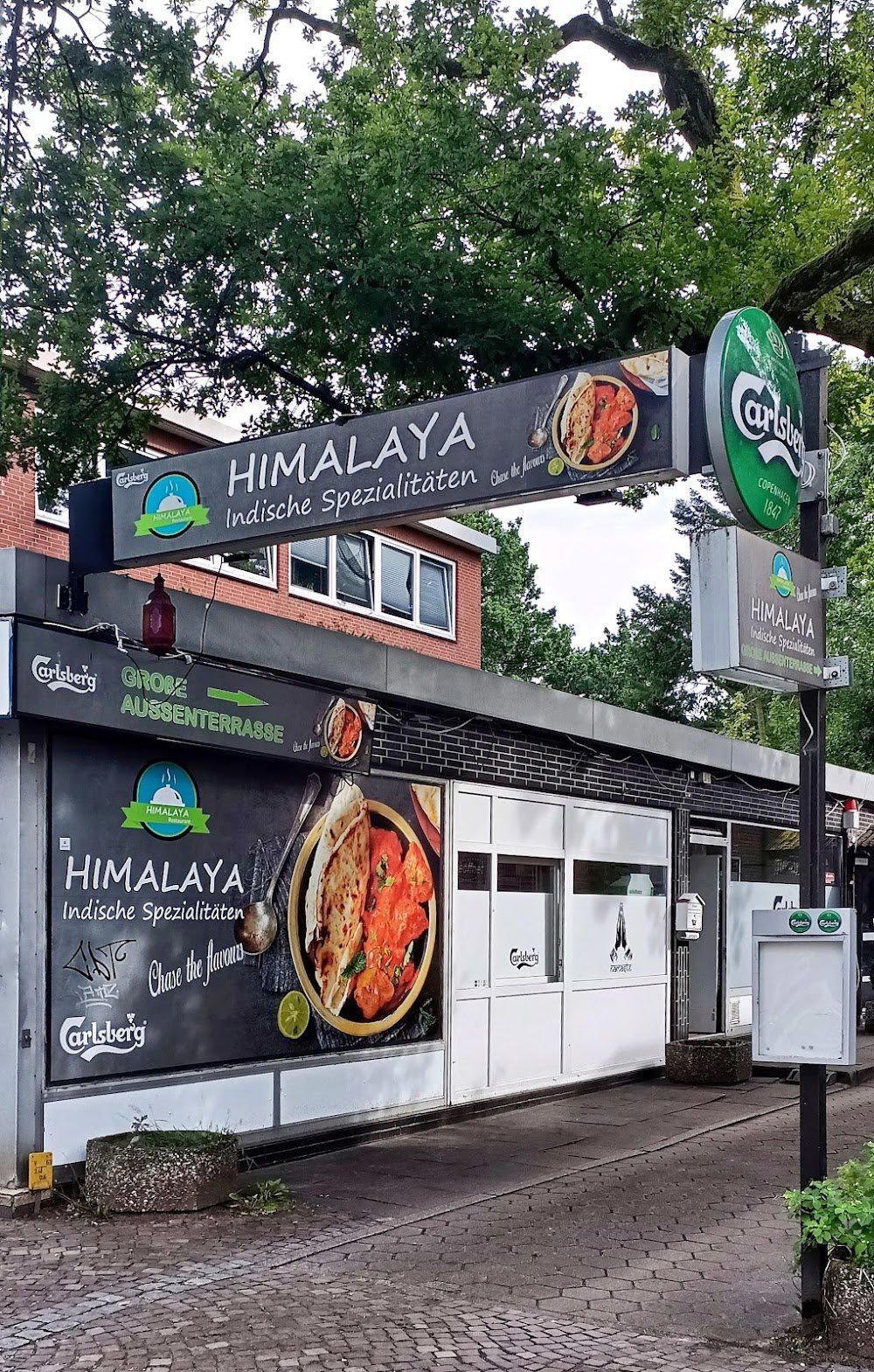
West of the Centre, Outside the Circuit
Hamburg's premium dining conversation tends to loop through a familiar geography: the Alster lakefront, the HafenCity development, the inner-city addresses where Restaurant Haerlin and The Table Kevin Fehling anchor the city's Michelin-starred upper tier. Himalaya, at Wedeler Landstraße 29 in the Rissen neighbourhood, sits well outside that loop. Rissen is a residential district near the Elbe's northern bank, closer to the Schleswig-Holstein border than to the Rathaus. Reaching it requires deliberate intent, which means the dining room, whatever its format, is not filling seats with passing trade or hotel guests.
That geographic remove is itself an editorial signal. In cities where premium dining clusters tightly, a restaurant that holds its own in a peripheral residential postcode is doing something that keeps guests returning across meaningful distance. The architecture of that pull, whether it is a tightly sequenced tasting menu, a kitchen with distinctive sourcing, or a room with a specific character, is what defines Himalaya's place in Hamburg's wider picture.
The Arc of the Meal: How Tasting-Format Dining Works in Hamburg
Among the city's most discussed restaurants, the multi-course format has become the dominant grammar for serious kitchens. The Table Kevin Fehling structures its counter experience around a single extended sequence. 100/200 Kitchen applies a similar progression logic. bianc layers Mediterranean-inflected courses in a format that is still recognisably tasting-menu in rhythm. What these kitchens share is an understanding that a meal's meaning is cumulative: early courses establish register, middle courses carry tension, and the final acts resolve or subvert what came before.
At this level of dining across Germany, the progression structure reflects deliberate compositional thinking. Aqua in Wolfsburg and Schwarzwaldstube in Baiersbronn both demonstrate how a kitchen's identity emerges not from a single dish but from the cumulative logic of a full sequence. ES:SENZ in Grassau and Vendôme in Bergisch Gladbach approach the same architecture from different regional traditions. The point is that in the current German fine-dining register, what a restaurant chooses to serve in courses one through three tells you almost as much as the signature plate.
Germany's most compelling dessert-forward progression can be found at CODA Dessert Dining in Berlin, which restructures the arc entirely by placing the sweet register at the centre of the sequence rather than at its close. That structural experiment points to how much creative latitude currently exists within the tasting-format convention across the country.
Positioning Against Hamburg's €€€€ Tier
Hamburg's leading pricing bracket clusters around restaurants with significant Michelin recognition and the operational costs that accompany serious kitchen programmes. Lakeside operates in that tier with a German lakeside identity. bianc and Landhaus Scherrer anchor the Modern European end of that same bracket. Below it, the €€€ register (where Heimatjuwel sits with its German-creative approach) represents a different value calculation: shorter menus, lighter service infrastructure, and kitchens with a less formal dining room grammar.
What that absence suggests, given the restaurant's residential location and limited public profile, is that it may operate closer to the mid-premium register than the city's fully formal tasting-menu tier. That is a different customer proposition: a meal structured around care and sequence without the full ceremony of a Michelin-decorated room. In cities like Hamburg, that niche tends to hold a loyal local following rather than a tourist or destination-dining audience.
For comparison across borders, the precision sequencing of New York's Atomix or the classical rigour of Le Bernardin shows how tasting-format restaurants at different price points can achieve very different kinds of authority. The sequence, not the price tier, is often what determines whether a meal coheres.
The German Fine-Dining Circuit Beyond Hamburg
Understanding Himalaya's position also requires situating Hamburg within Germany's broader restaurant geography. The country's most decorated kitchens are distributed across smaller cities and rural addresses: Victor's Fine Dining by Christian Bau in Perl, Waldhotel Sonnora in Dreis, Schanz in Piesport, and Bagatelle in Trier. Munich has its own circuit, anchored by restaurants like JAN. Hamburg, as Germany's second city, carries a dining culture shaped by its port history and international merchant class, which gives its food scene a particular bias toward seafood, Nordic-adjacent sourcing, and cosmopolitan technique.
A residential-district restaurant in this context functions differently than it would in, say, Berlin's loose creative geography. In Hamburg, the weight of the established fine-dining addresses means that a kitchen outside the central corridor is implicitly making a case for its own gravity.
Planning a Visit
Himalaya is at Wedeler Landstraße 29 in Hamburg's Rissen district, reachable from the city centre by S-Bahn (S1 line toward Wedel) or by car along the Elbe's northern bank. The journey from central Hamburg takes roughly 35 to 45 minutes by public transport, so this is not a spontaneous dinner option. Phone and website details are not currently confirmed in public records, which makes advance research through Hamburg dining platforms or local reservation services the practical approach for booking. Given the restaurant's location and character, checking current availability through a local concierge or city dining guide is advisable before planning around it. For broader Hamburg restaurant context, the EP Club Hamburg guide maps the full range of the city's dining, from the central Michelin tier to neighbourhood kitchens worth the detour.
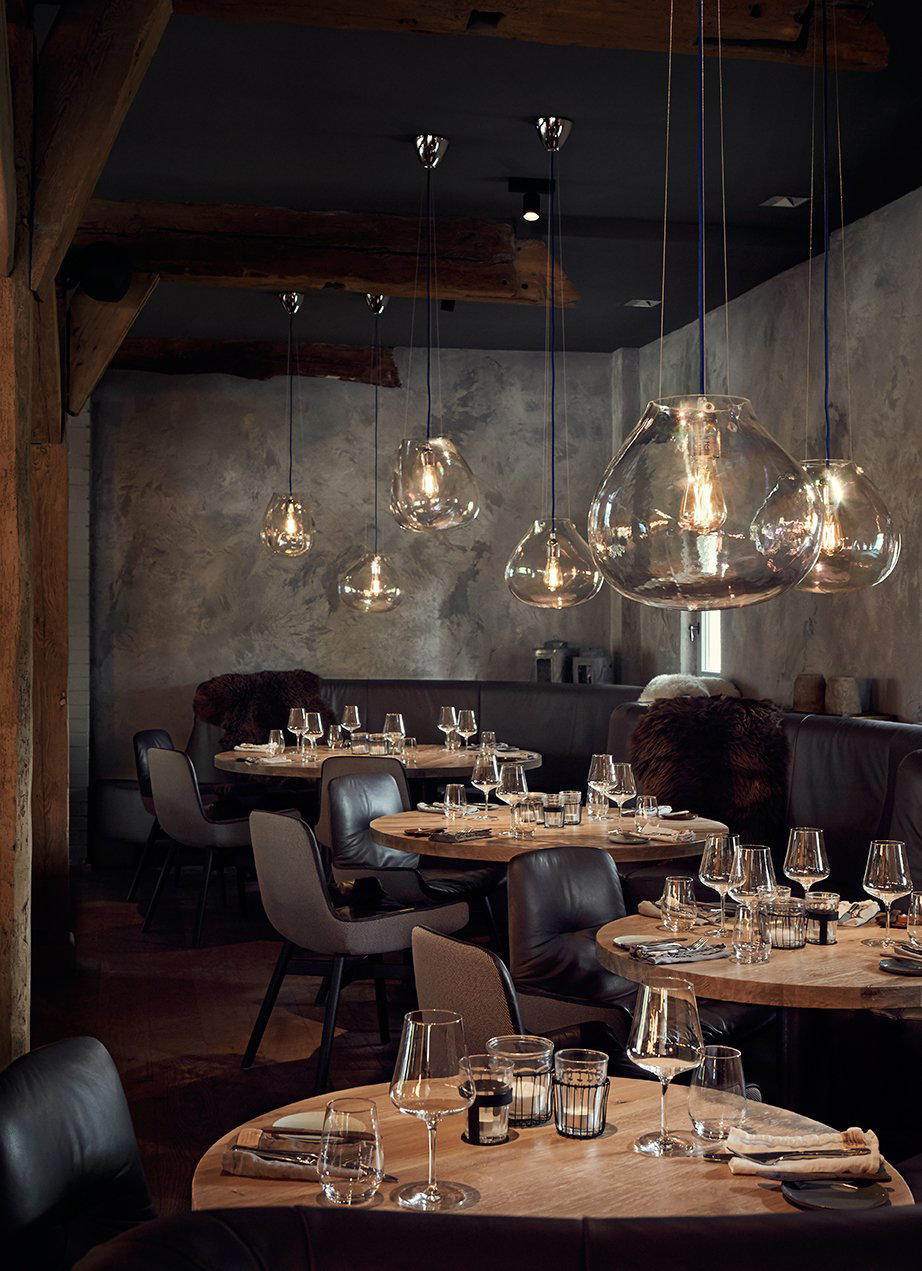
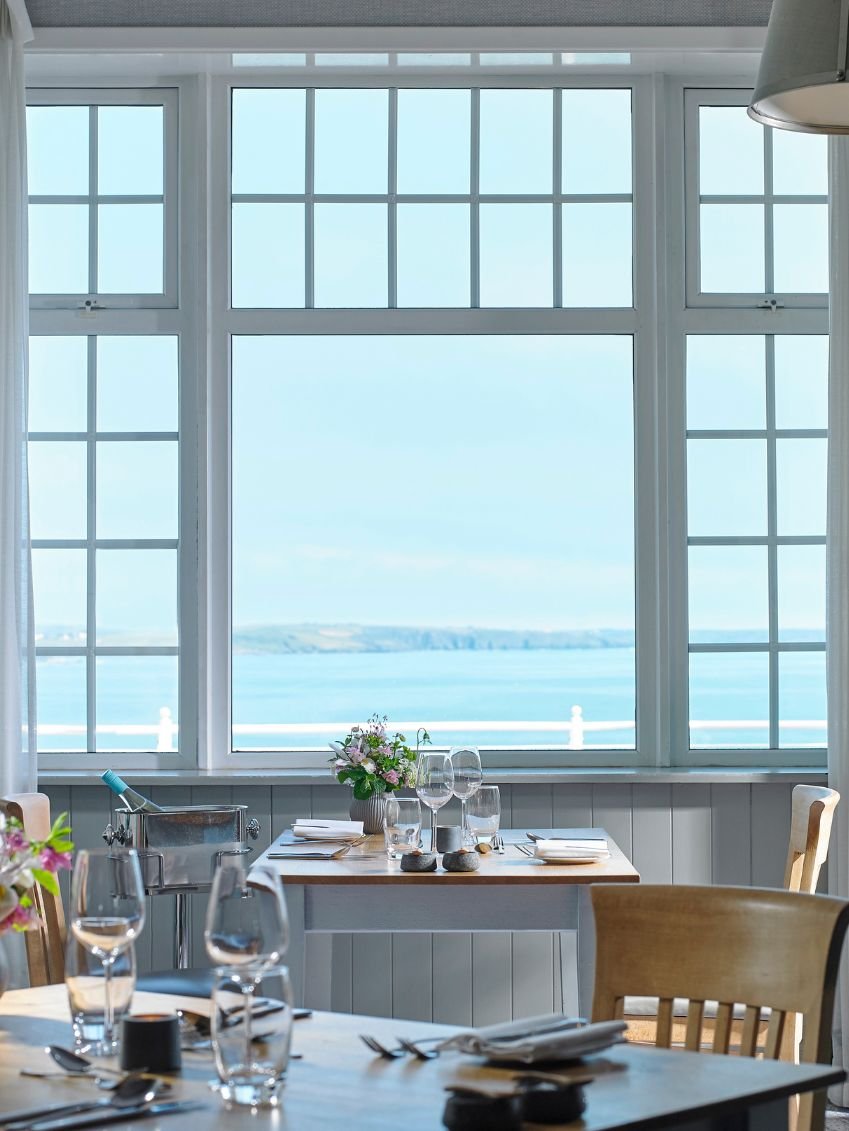
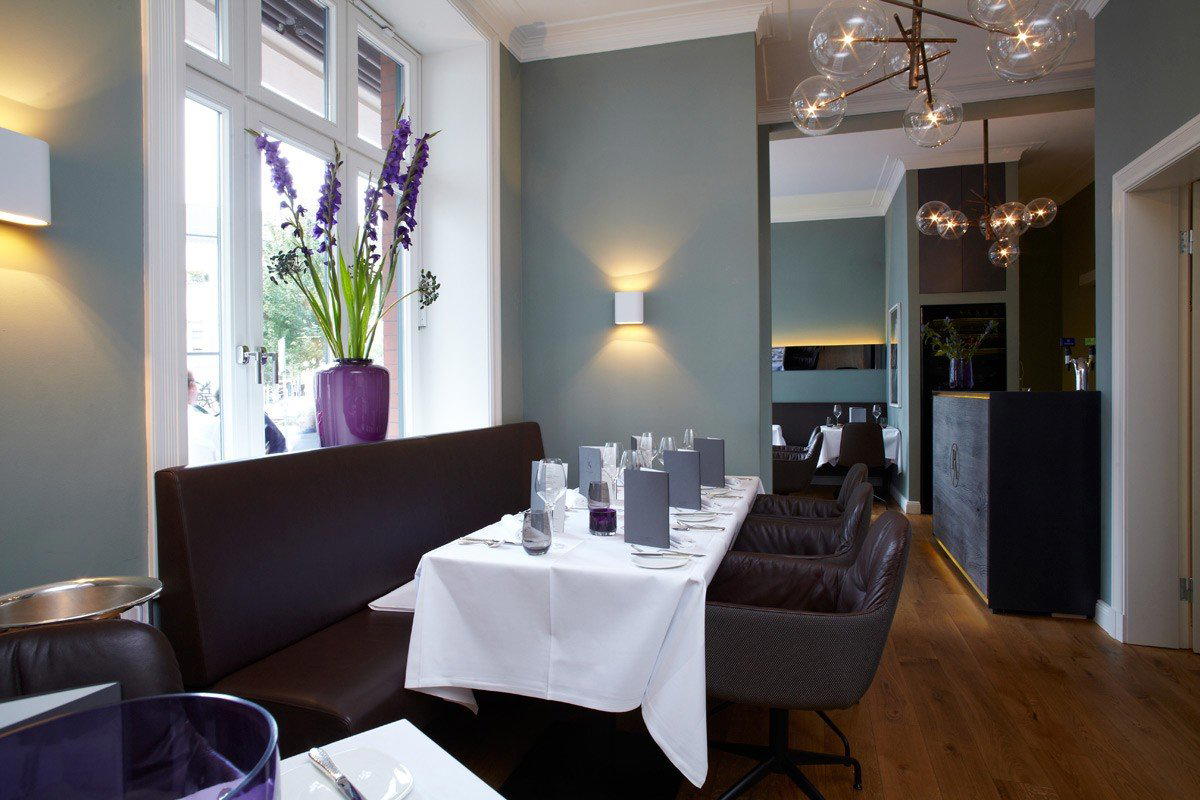
How Himalaya Hamburg compares with similar nearby venues.
| Venue | Cuisine | Price |
|---|---|---|
| Félix | French | €€€ |
| Weinwirtschaft Kleines Jacob | Austrian | €€€ |
| Jacobs Restaurant | French-German, Classic Cuisine | €€€€ |
At a Glance
- Casual Hangout
Current opening hours
- Monday
- 11 AM–10:30 PM
- Tuesday
- 11 AM–10:30 PM
- Wednesday
- 11 AM–10:30 PM
- Thursday
- 11 AM–10:30 PM
- Friday
- 11 AM–11 PM
- Saturday
- 12–11 PM
- Sunday
- 12–10:30 PM
Hours can change for holidays and private events. Last verified .
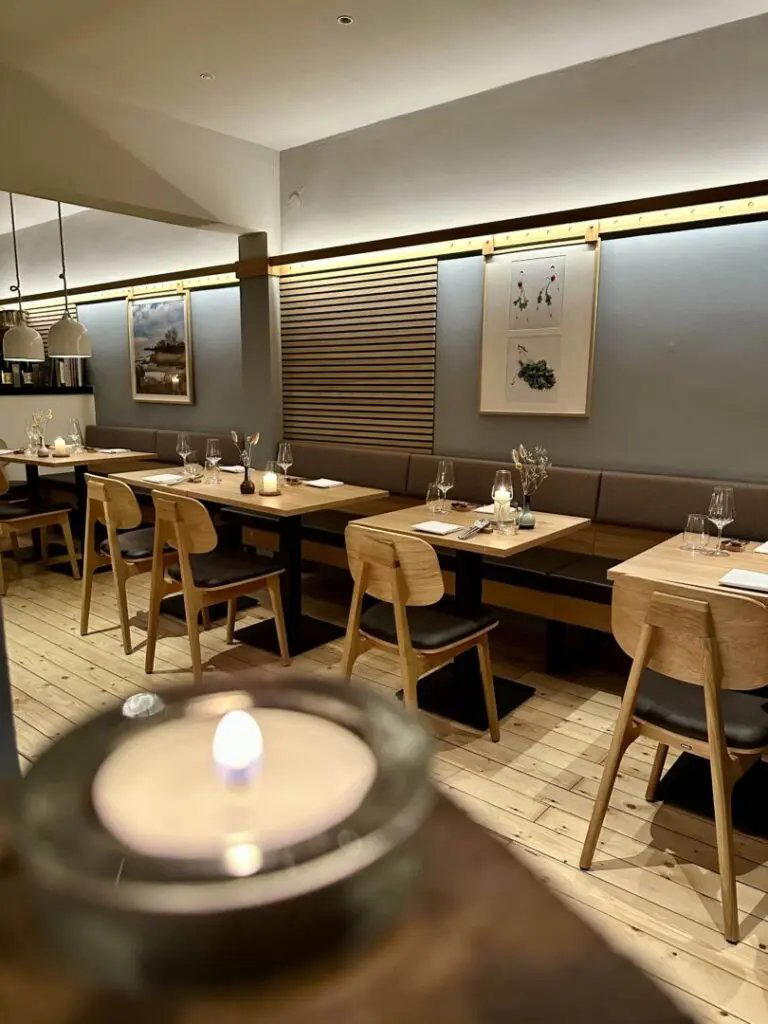
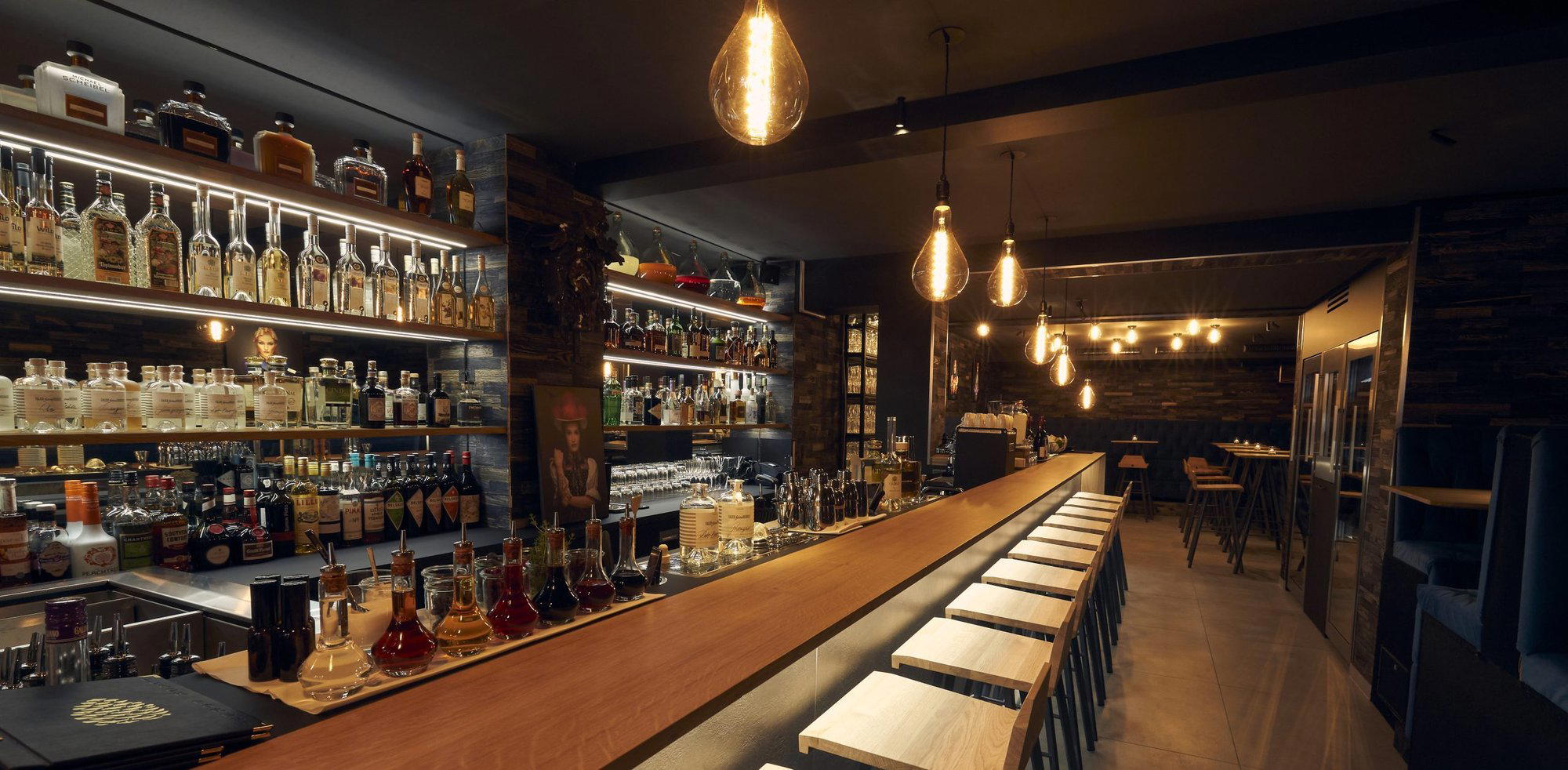
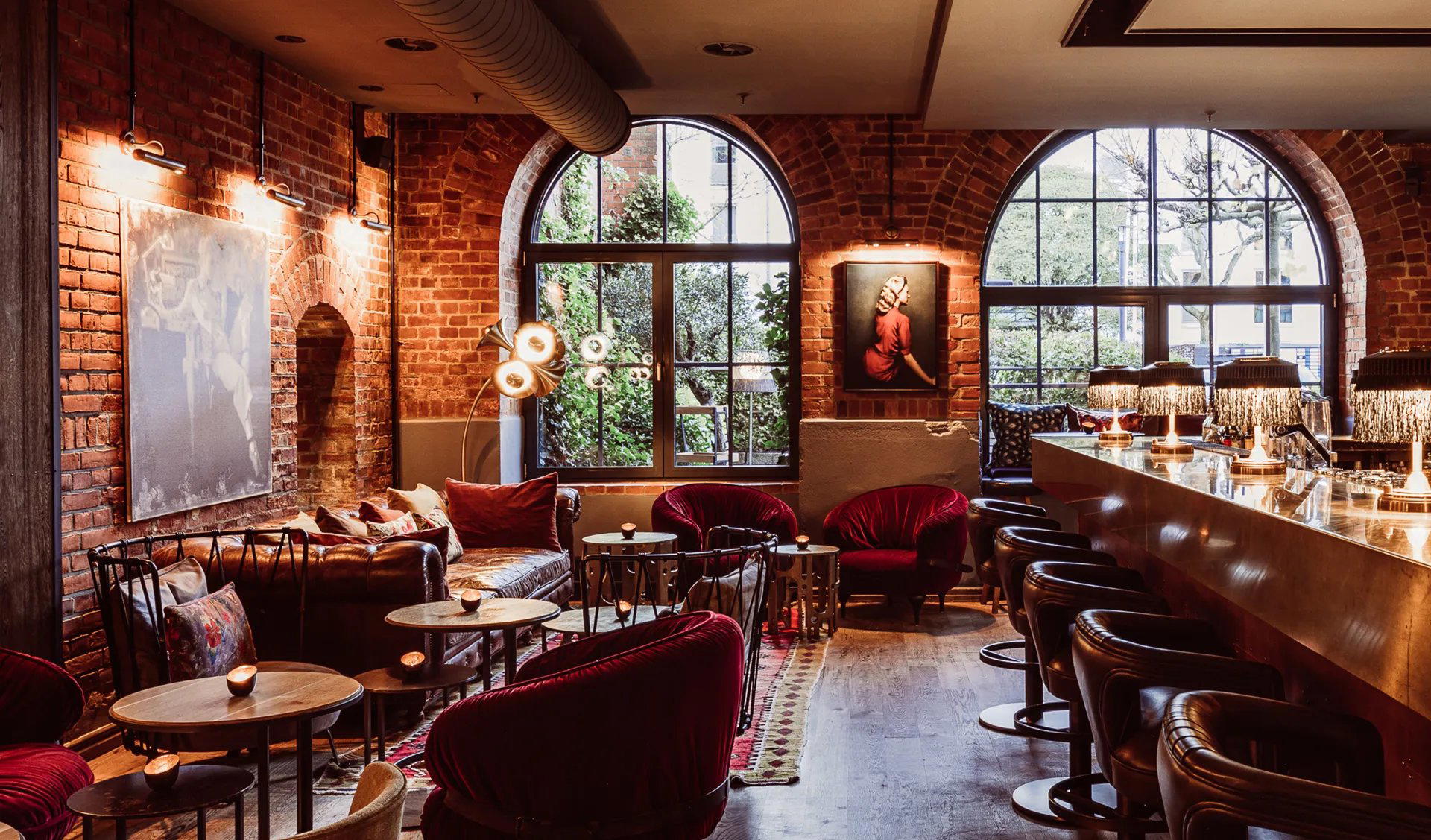
Energetic atmosphere suitable for casual dining.
Know Before You Go
- Getting there
- Wedeler Landstraße 29, 22559 Hamburg, Germany