On Steindamm in Hamburg's St. Georg district, Singh occupies a stretch of the city where South Asian culinary traditions run deep and the competition is immediate. The restaurant draws those interested in how subcontinental cooking translates into a northern European urban context, where sourcing decisions and kitchen discipline carry as much weight as spice fluency. It sits in a price tier and neighbourhood that rewards repeat visitors over first-timers.
Pearl is the En Primeur Club membership app — saves, bookings, and concierge access live there. Same editors, same standards.
- Address
- Steindamm 35, 20099 Hamburg, Germany
- Phone
- +494025328268
- Website
- singhindian.de
- Directions
- Get directions
 Saves & bookings on Pearl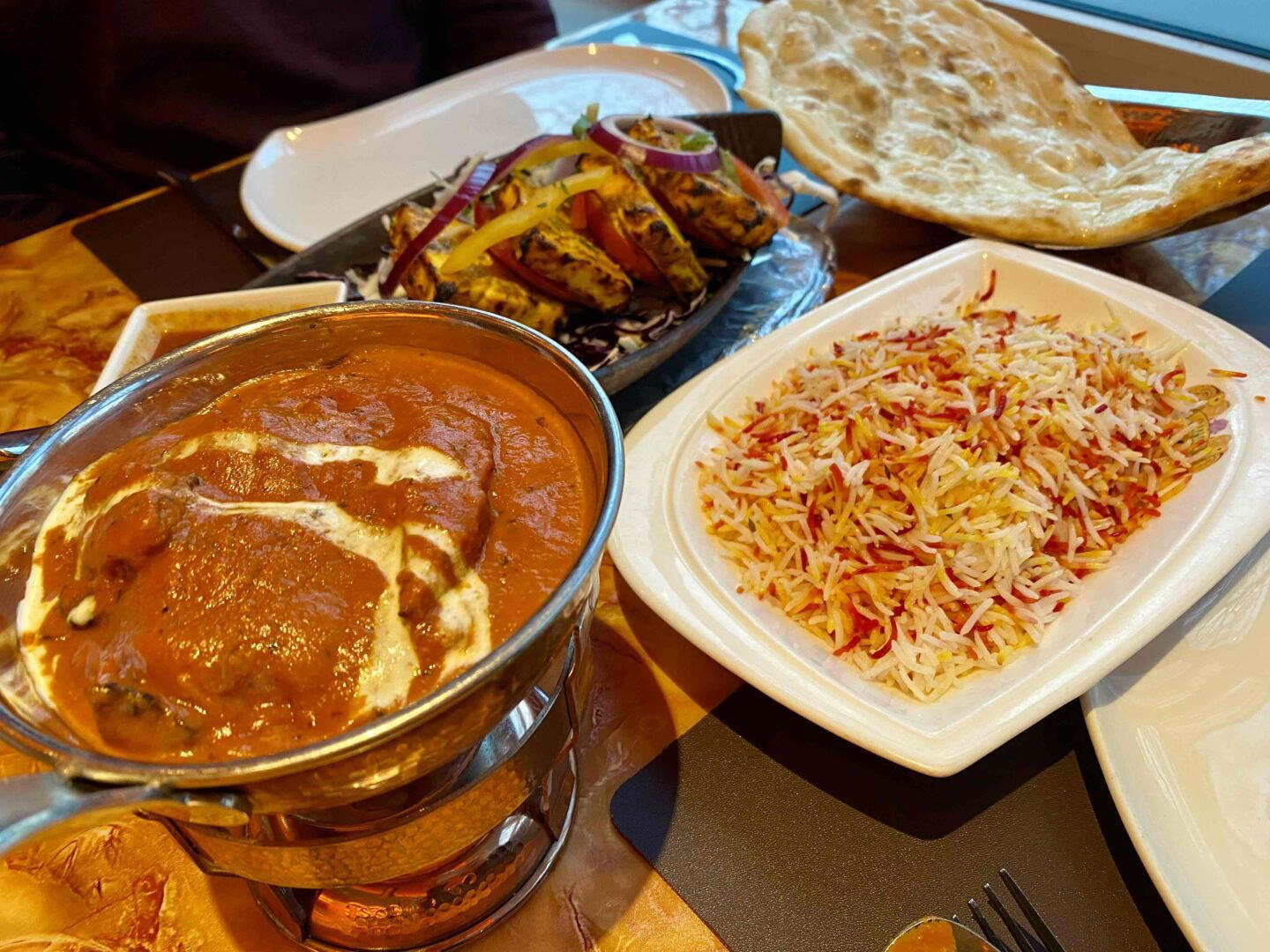
Steindamm and the South Asian Dining Corridor
Hamburg's St. Georg district has long carried a dual identity: on one side, the low-key sophistication of the Alster lakefront and its surrounding residential streets; on the other, Steindamm, a dense commercial artery where South Asian grocers, travel agencies, and restaurants have operated for decades. This is not a neighbourhood that requires a restaurant to manufacture atmosphere. The street does that work on its own. Singh at Steindamm 35 enters an environment where subcontinental food is not a novelty and where regulars have calibrated expectations built over years of eating along the same block.
That context matters when assessing what a restaurant here is actually doing. The question is rarely whether the food reflects a particular tradition, but whether the kitchen is bringing something specific to a tradition the neighbourhood already knows well. In Hamburg's wider fine dining scene, where houses like Restaurant Haerlin and The Table Kevin Fehling operate at the top of a recognisably European fine dining hierarchy, and where 100/200 Kitchen and bianc occupy a contemporary creative tier, Singh sits in a separate conversation entirely, one about authenticity of reference rather than formal accolades.
Sourcing as a Culinary Position
Across Germany's serious restaurant sector, the conversation around sustainability and ethical sourcing has moved from optional positioning to baseline expectation. At the multi-star end, venues such as Aqua in Wolfsburg, JAN in Munich, and Schwarzwaldstube in Baiersbronn have formalised supplier relationships and seasonal menus as structural commitments. For a neighbourhood restaurant on Steindamm, the sustainability calculus is different but no less relevant. South Asian cooking traditions are, in their foundational logic, resource-conscious: whole-spice usage, nose-to-root vegetable preparation, and pulse-heavy dishes that deliver protein without the carbon weight of European meat-centred menus.
The ethical sourcing argument for subcontinental food in northern Europe is partly about supply chains. Spices, lentils, and dried goods that travel long distances can still represent lower embedded emissions than short-haul premium proteins when measured across a full meal. Restaurants in this category that take sourcing seriously tend to build relationships with specialist importers who can document provenance, a practice more common in urban centres like Hamburg where a customer base exists that will ask those questions. How Singh specifically approaches its sourcing is not detailed in available public records, but the category context is worth understanding when placing it against the Hamburg dining map.
What the Neighbourhood Tells You About the Price Tier
Steindamm operates in a price tier that is deliberately accessible. The restaurants along this corridor compete on value density rather than occasion spending, which separates them sharply from the €€€€ bracket that defines Hamburg's waterfront and Altstadt fine dining. For comparison, Lakeside and bianc occupy formal dining positions where a full dinner for two with wine can reach figures that represent a meaningful evening investment. A restaurant on Steindamm is operating in a different register entirely, where the proposition is daily-use eating rather than special-occasion dining.
That accessibility does not diminish the seriousness of what a kitchen here must execute. South Asian cooking at the neighbourhood level demands technical consistency across a wide range: spice balancing that cannot be faked by reducing cook time, bread work that requires temperature and timing discipline, and sauce construction that takes hours. The gap between a restaurant that cuts corners on these basics and one that does not is immediately apparent to the Steindamm regular. The street has enough reference points that standards are imposed by the audience rather than by any external rating body.
Hamburg in the Broader German Restaurant Context
Germany's restaurant culture has diversified considerably over the past decade. Beyond the headline Michelin addresses, a deeper layer of neighbourhood-led cooking has built loyal followings in every major city. Hamburg's version of this pattern is visible in areas like St. Georg, where the dining public is cosmopolitan, food-literate, and not impressed by formal credentials alone. The city's standing as a port and trade hub means subcontinental ingredients have been available here longer than in many German cities, giving restaurants on Steindamm access to supply networks that have matured over decades.
For reference against the national scene, Germany's formally recognised high-end restaurants, from Vendôme in Bergisch Gladbach and Victor's Fine Dining by Christian Bau in Perl to Waldhotel Sonnora in Dreis and ES:SENZ in Grassau, operate in a tightly defined European fine dining tradition. CODA Dessert Dining in Berlin and Schanz in Piesport show the range of what serious cooking looks like outside that mainstream. Singh belongs to yet another layer: the neighbourhood specialist, accountable to a local audience rather than to a national guide. That accountability can be a stricter test than any inspector's visit.
Planning Your Visit
Singh is located at Steindamm 35 in the 20099 postcode, within walking distance of Hamburg Hauptbahnhof. The address is direct to reach by S-Bahn, U-Bahn, or on foot from the central station. St. Georg is a dense pedestrian neighbourhood where parking is limited; public transport is the practical choice. For Hamburg's broader dining context across price tiers and cuisine categories, see our full Hamburg restaurants guide.
Quick Comparison: Steindamm vs. Hamburg's Wider Dining Tiers
| Venue | Area | Price Tier | Cuisine Focus | Booking Lead Time |
|---|---|---|---|---|
| Singh | St. Georg / Steindamm | Not confirmed | South Asian (presumed) | Confirm directly |
| The Table Kevin Fehling | HafenCity | €€€€ | Creative | Weeks to months ahead |
| bianc | City Centre | €€€€ | Modern Mediterranean | Days to weeks ahead |
| Lakeside | Outer Alster | €€€€ | German Lakeside | Days ahead |
Continue exploring
More in Hamburg
Restaurants in Hamburg
Browse all →
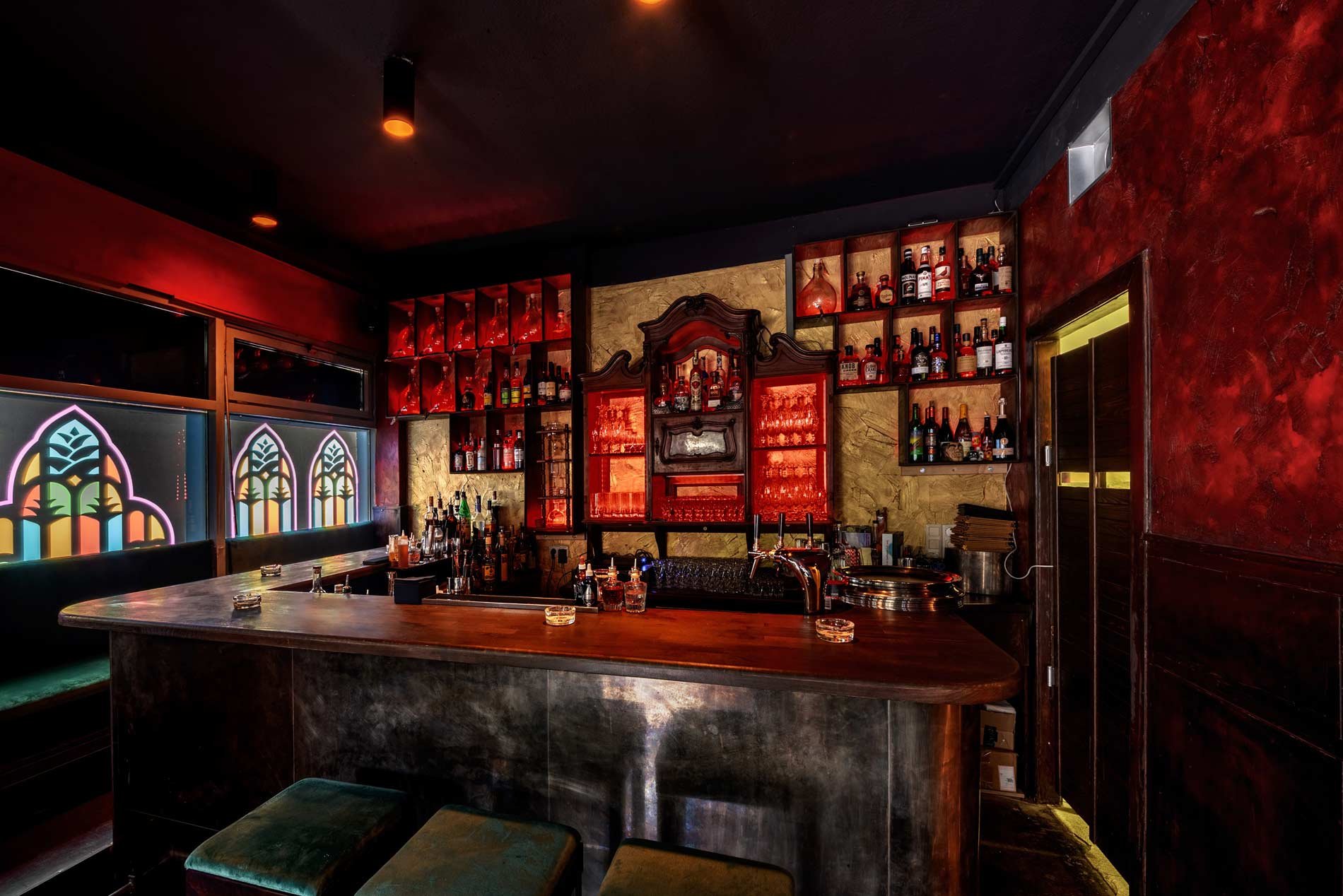
Bars in Hamburg
Browse all →


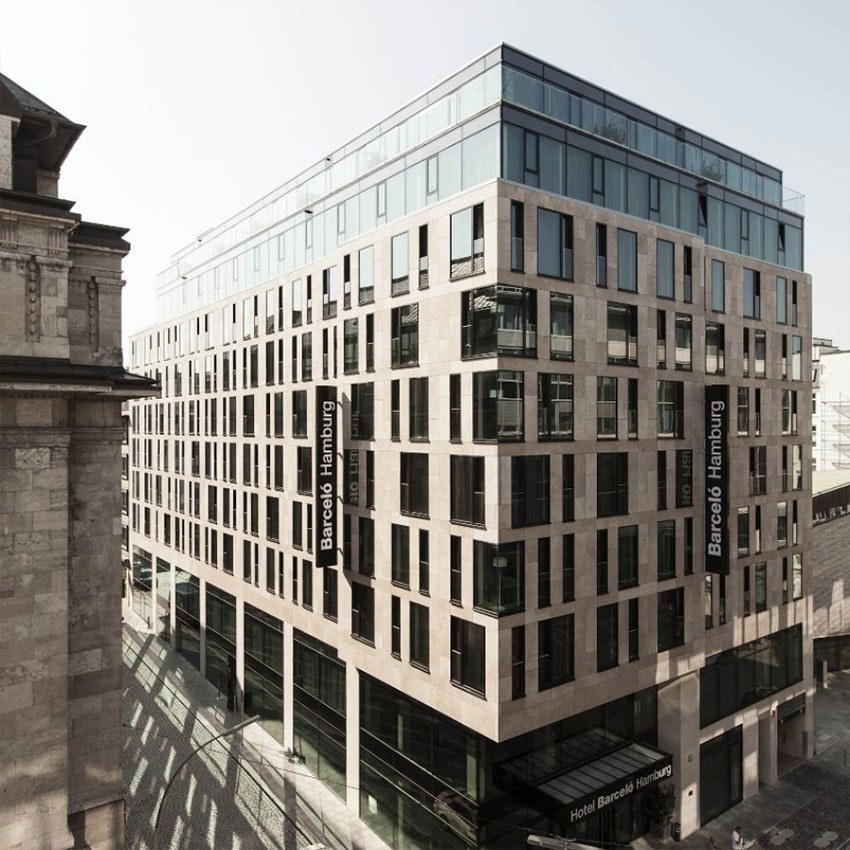
Hotels in Hamburg
Browse all →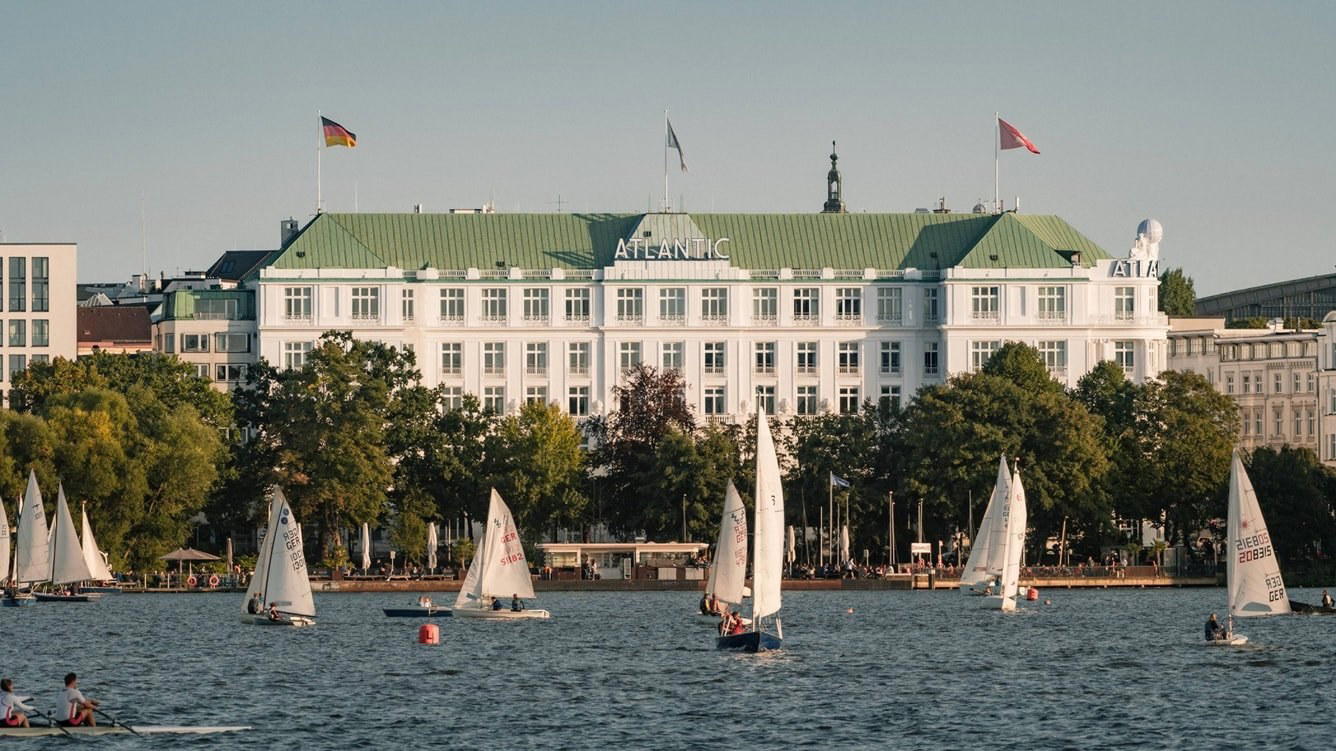
Wineries in Hamburg
Browse all →
At a Glance
- Lively
- Casual
- Casual Hangout
- Group Dining
- After Work
- Late Night
- Standalone
- Beer Program
Current opening hours
- Monday
- 11:30 AM–11 PM
- Tuesday
- 11:30 AM–11 PM
- Wednesday
- 11:30 AM–11 PM
- Thursday
- 11:30 AM–11 PM
- Friday
- 11:30 AM–11 PM
- Saturday
- 12–11 PM
- Sunday
- 4–11 PM
Hours can change for holidays and private events. Last verified .
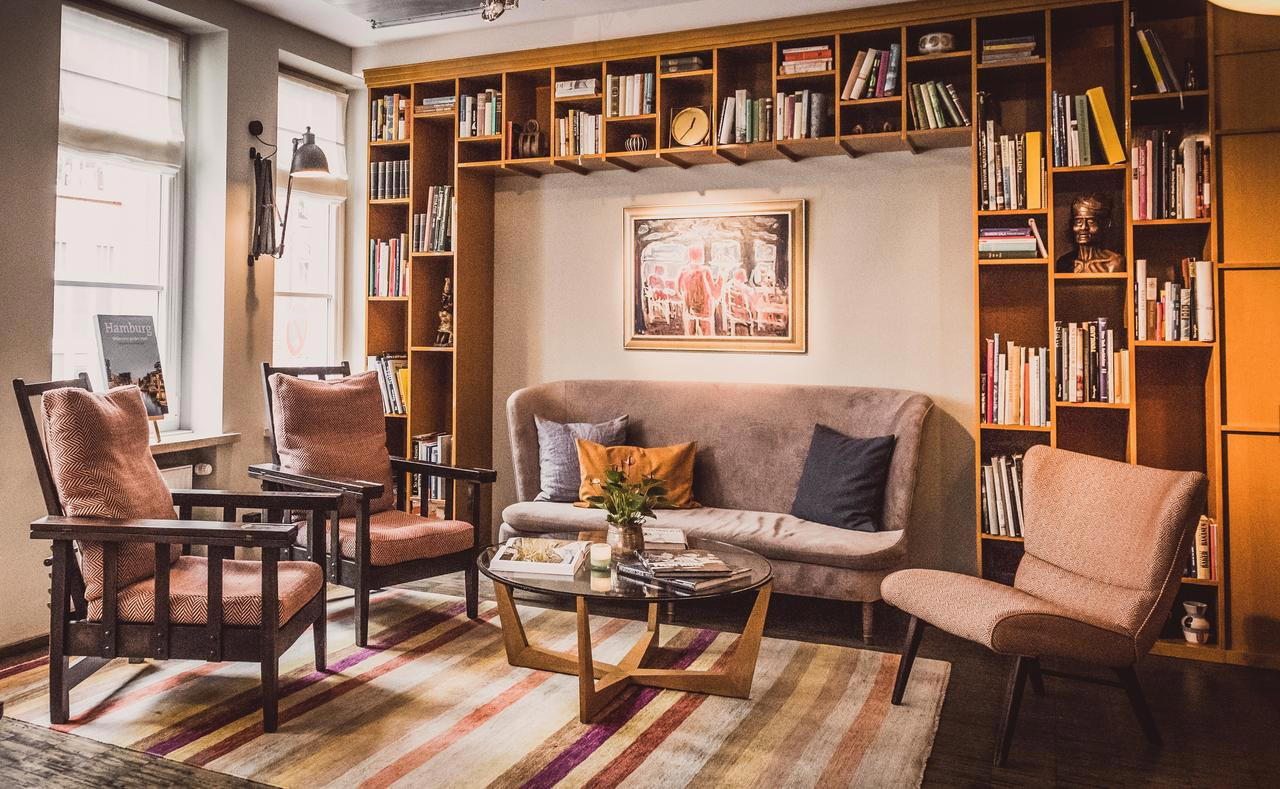
Bright, colorful décor with orange tones and lively atmosphere; can be quite noisy during busy service.
Know Before You Go
- Getting there
- Steindamm 35, 20099 Hamburg, Germany