Pizza Bande occupies a narrow slot in Hamburg's dining scene where casual intent meets serious craft. Located on Lincolnstraße in the St. Pauli district, it sits at a different register than the city's fine-dining tier, offering a focused pizza-led format that reflects broader German appetites for ingredient-driven, unfussy cooking. For visitors already plotting a multi-day Hamburg itinerary, it provides clear counterpoint to the white-tablecloth options nearby.
Pearl is the En Primeur Club membership app — saves, bookings, and concierge access live there. Same editors, same standards.
- Address
- Lincolnstraße 10, 20359 Hamburg, Germany
- Phone
- +4915259648964
- Website
- pizza-bande.de
- Directions
- Get directions
 Saves & bookings on Pearl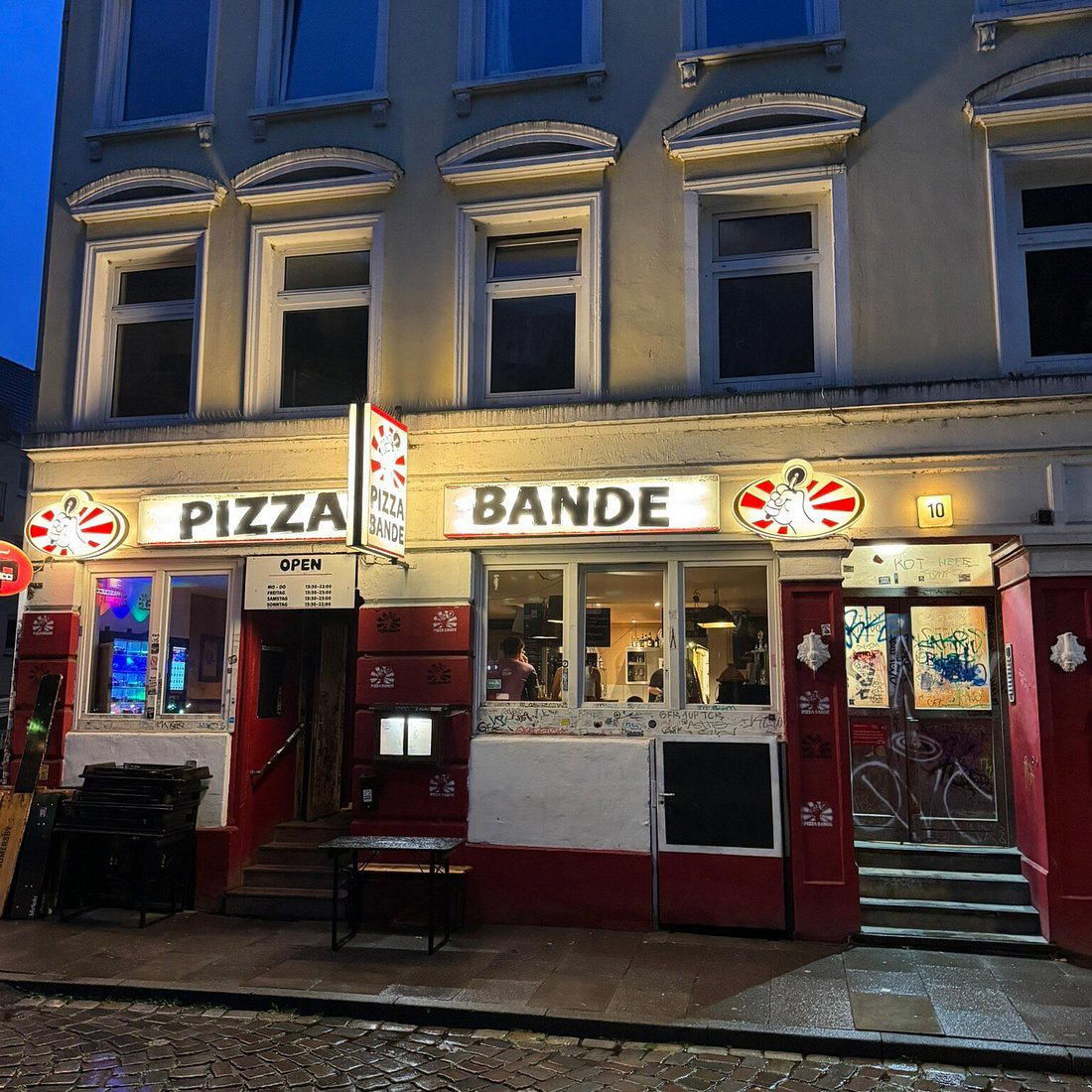
Pizza in a Port City: What Hamburg's Casual Dining Tier Reveals
Hamburg has never been a city that built its gastronomic identity around a single cuisine. The port history pulled in trade goods, migrants, and culinary influences for centuries, and the result is a dining culture comfortable with range: from the three-Michelin-star precision of Restaurant Haerlin and the creative intensity of The Table Kevin Fehling down to the neighbourhood spots that fill the gaps between them. Pizza Bande, at Lincolnstraße 10 in the St. Pauli quarter, belongs to that lower register, a deliberate, craft-focused format in a district known more for nightlife energy than dining seriousness.
The address itself carries weight. St. Pauli sits just west of the Reeperbahn corridor, a neighbourhood where the ambient soundtrack shifts between late-night bars and the kind of casual restaurants that sustain both residents and visitors who have no interest in booking ahead weeks in advance. Walking the block toward Lincolnstraße, the architecture stays low and slightly worn at the edges, brick facades, ground-floor retail, the particular greyness of Hamburg's north German light in autumn and winter. It is not a setting that signals culinary ambition, which is precisely why places that take their product seriously in such surroundings tend to earn loyalty quickly.
Pizza as Craft: Where the Tradition Sits in 2024
Across German cities, pizza has undergone a quiet but significant reclassification over the past decade. The category that once meant mass-market delivery or tourist-focused trattoria formats has split into more distinct tiers. On one end, Neapolitan purists insisting on AVPN certification, 00-flour dough, and wood-fired ovens at precise temperatures. On the other, Roman-style formats emphasising crispier, lighter bases. Between and around these poles, a generation of operators has emerged, many with training or sourcing connections to Italian producers, who treat pizza as a serious baking discipline rather than a commodity output.
Hamburg's casual dining tier reflects this nationally. The city's appetite for ingredient-driven, lower-intervention cooking, visible in the way even mid-range restaurants talk about sourcing, has influenced how pizza-specific operators position themselves. The question for any Hamburg pizza address is less about the category and more about where it sits within the craft spectrum: how the dough is handled, how fermentation time affects the final texture, and whether the toppings are built around seasonal produce or a fixed, laminated menu. The address context and the name's implied collective identity ('Bande' translates roughly as 'gang' or 'crew' in German) signals an informal, team-driven operation rather than a solo-chef showcase.
St. Pauli's Dining Position in Hamburg's Broader Map
Hamburg's dining geography tends to resolve around a few distinct clusters. The Eppendorf and Eimsbüttel neighbourhoods carry the city's bourgeois-residential dining character: long-standing bistros, reliable European menus, and a clientele that books tables rather than queues for them. The HafenCity waterfront has attracted more design-conscious, international-facing restaurants, including bianc, which operates at the €€€€ level with a modern Mediterranean focus. The Alster lakeside corridor hosts properties like Lakeside, where the setting does significant work alongside the kitchen.
St. Pauli operates differently. The neighbourhood's identity is built around density, immediacy, and a tolerance for variety, music venues next to coffee shops next to late-night restaurants. Casual formats work here partly because the foot traffic and the neighbourhood's demographic mix support volume, and partly because the area has historically been resistant to the kind of formality that characterises Hamburg's wealthier residential districts. A pizza-focused operator on Lincolnstraße is betting on that character rather than fighting it.
For visitors constructing a Hamburg itinerary across multiple price points and formats, St. Pauli's casual tier sits as a useful complement to the more demanding reservations required further north and east. The contrast with Hamburg's most technically ambitious rooms, 100/200 Kitchen, for instance, with its commitment to local and foraged ingredients, is significant. Germany's broader fine-dining circuit extends well beyond Hamburg itself: Aqua in Wolfsburg, JAN in Munich, and Schwarzwaldstube in Baiersbronn each represent different facets of what German kitchens can achieve at the highest tier, while CODA Dessert Dining in Berlin shows how far the country's creative ambition extends into format experimentation. Pizza Bande sits at none of those points, which is not a criticism, but a description of function.
What the Hamburg Pizza Tier Signals for Visitors
German cities have increasingly developed credible casual-dining alternatives to the fine-dining circuit that dominates international coverage. In Hamburg, that means a mid-market layer that includes modern European bistros, ramen operations, and pizza-focused formats that take the product seriously without the apparatus of tasting menus or wine pairing programmes. For a visitor whose Hamburg schedule already includes a reservation at a Michelin-recognised room, whether that's one of Hamburg's own or a day-trip anchor to something from the wider German list like Vendôme in Bergisch Gladbach or Victor's Fine Dining by christian bau in Perl, a St. Pauli pizza stop operates at a completely different register of planning and expenditure.
The comparison with international pizza benchmarks is also useful context. Cities like New York have spent decades building a pizza culture that splits between old-school slice shops, Neapolitan-certified newcomers, and creative formats that sit closer to the kind of tasting-menu thinking visible at places like Atomix or Le Bernardin. German pizza culture is at a different stage of that maturation, still consolidating around the craft tier rather than fragmenting into sub-niches. Hamburg's casual operators, Pizza Bande included, are part of that consolidation.
Know Before You Go
- Address: Lincolnstraße 10, 20359 Hamburg, Germany
- Neighbourhood: St. Pauli, west of the Reeperbahn
- Format: Casual pizza-focused operation
- Price tier: About $15 per person
- Reservations: Walk-in friendly
- Hours: Mon-Thu 1:30-10 PM; Fri-Sat 1:30-11 PM; Sun 1:30-10 PM
- Contact: No phone or website confirmed in current data
At a Glance
Comparable venues nearby, for context on price, style, and recognition.
| Venue | Cuisine | Price | Notes |
|---|---|---|---|
| Pizza BandeThis venue — the venue you are viewing | Not listed | $$ | Not listed |
| Pizza Puro | Neu Lokstedt, Authentic Neapolitan Pizza | $$ | Not listed |
| Trattoria Cento Lire | Not listed | $$ | St. Pauli, Traditional Italian Trattoria |
| Farina meets Mehl | Neumuehlen, Neapolitan Pizza and Italian | $$ | Not listed |
| Astra St. Pauli | Altona-Altstadt, German Brewpub | $$ | Not listed |
| KOCHKONTOR Hamburg | Not listed | $$ | St. Pauli, International Cookbook-Inspired Café |
Continue exploring
More in Hamburg
Restaurants in Hamburg
Browse all →
At a Glance
- Lively
- Trendy
- Bohemian
- Casual
- Casual Hangout
- Group Dining
- Late Night
- Open Kitchen
- Standalone
- Local Sourcing
Current opening hours
- Monday
- 1:30–10 PM
- Tuesday
- 1:30–10 PM
- Wednesday
- 1:30–10 PM
- Thursday
- 1:30–10 PM
- Friday
- 1:30–11 PM
- Saturday
- 1:30–11 PM
- Sunday
- 1:30–10 PM
Hours can change for holidays and private events. Last verified .
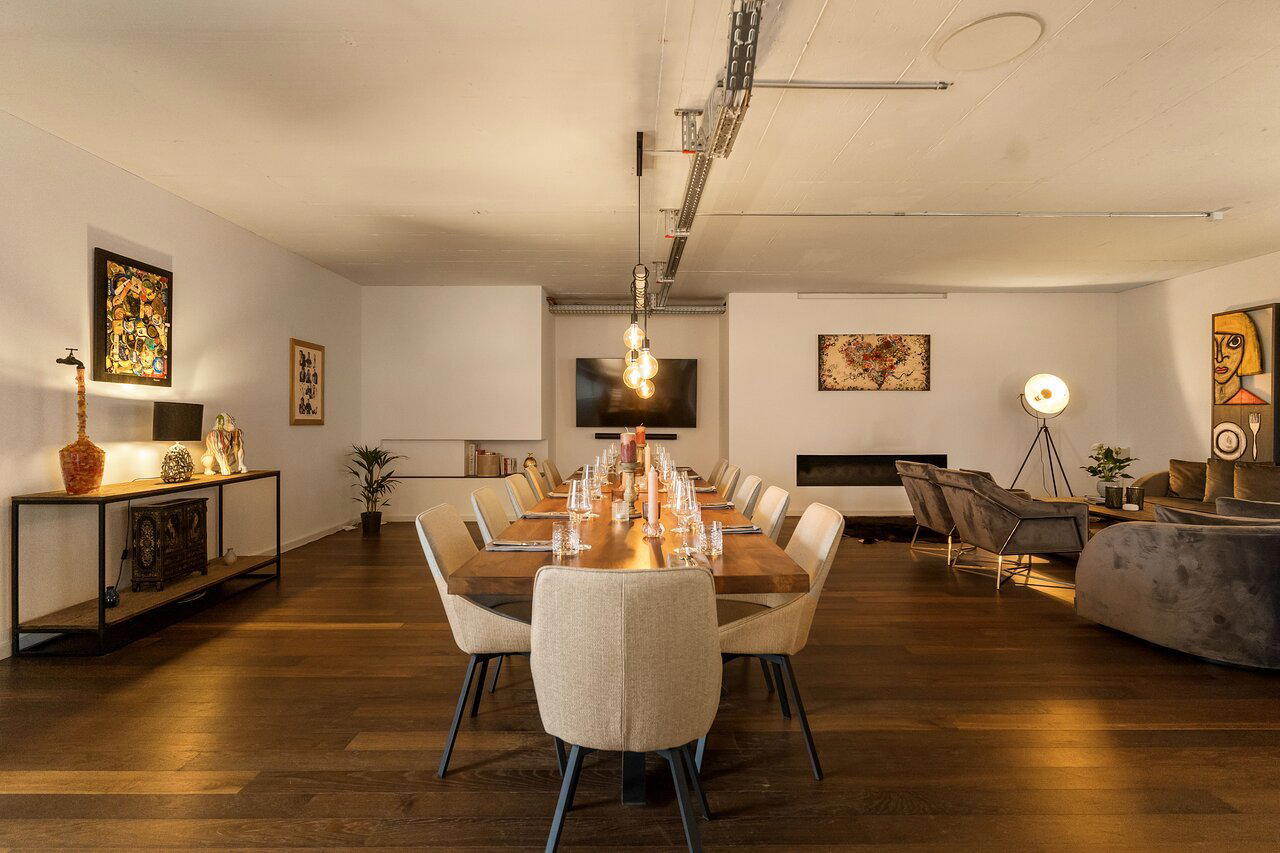
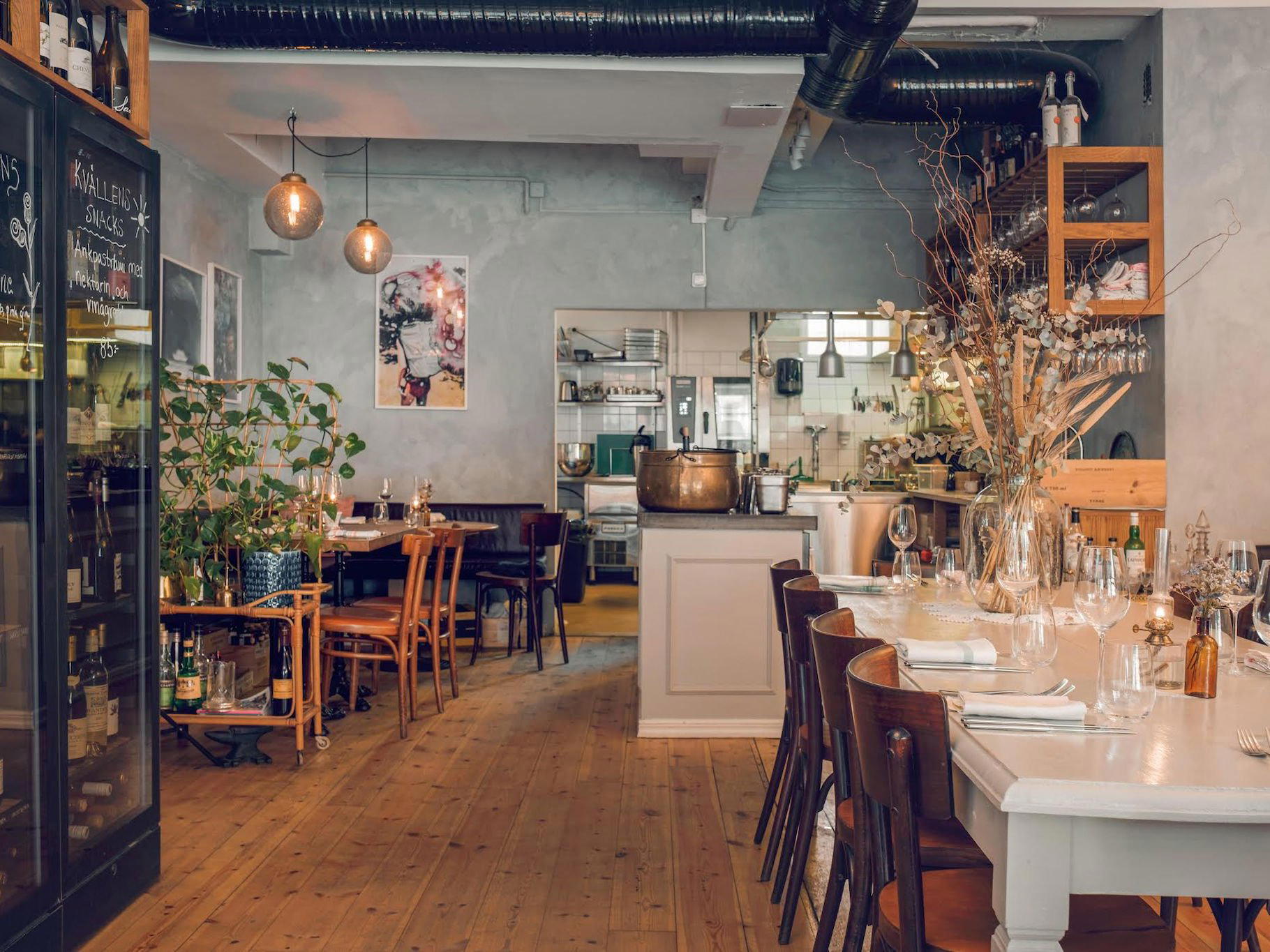
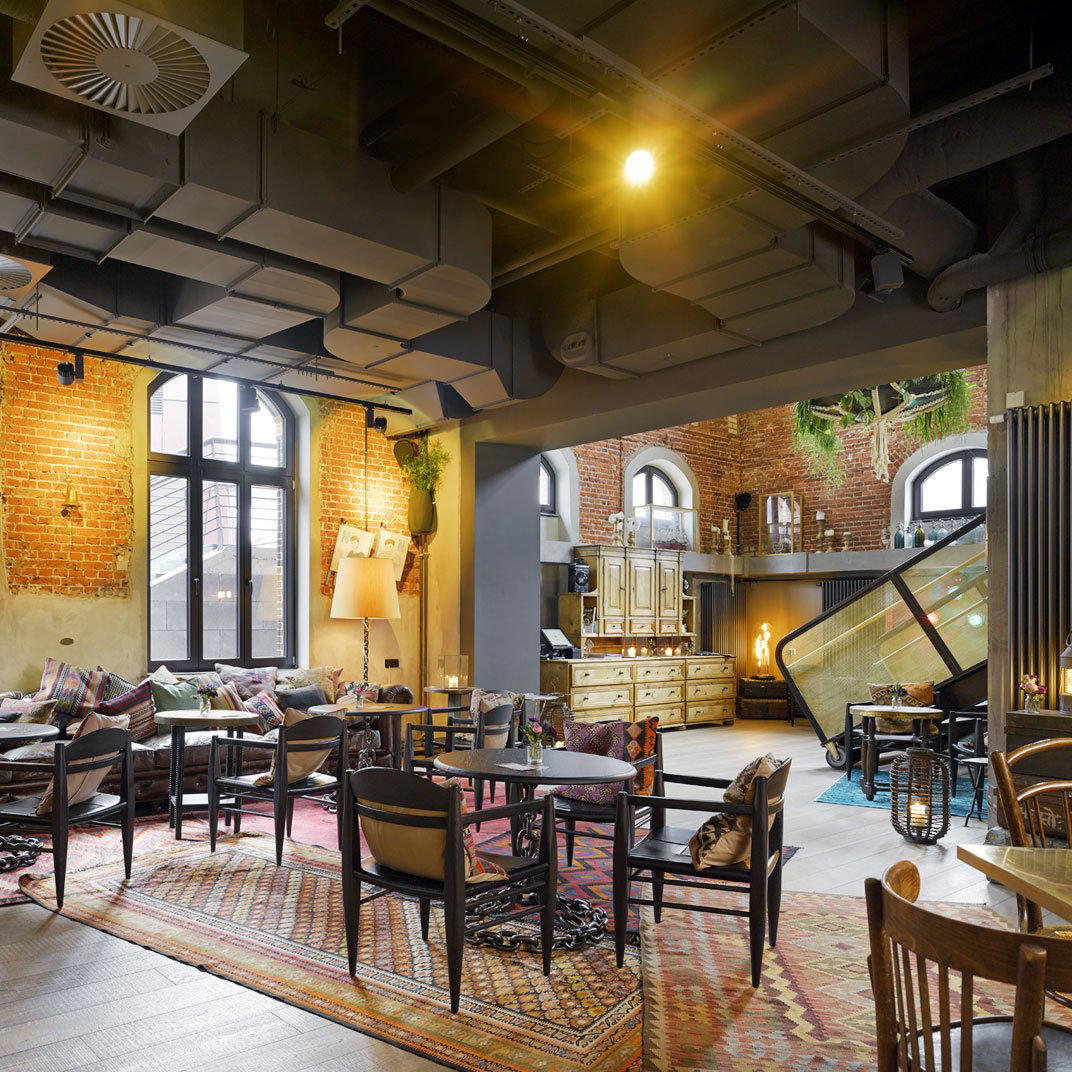
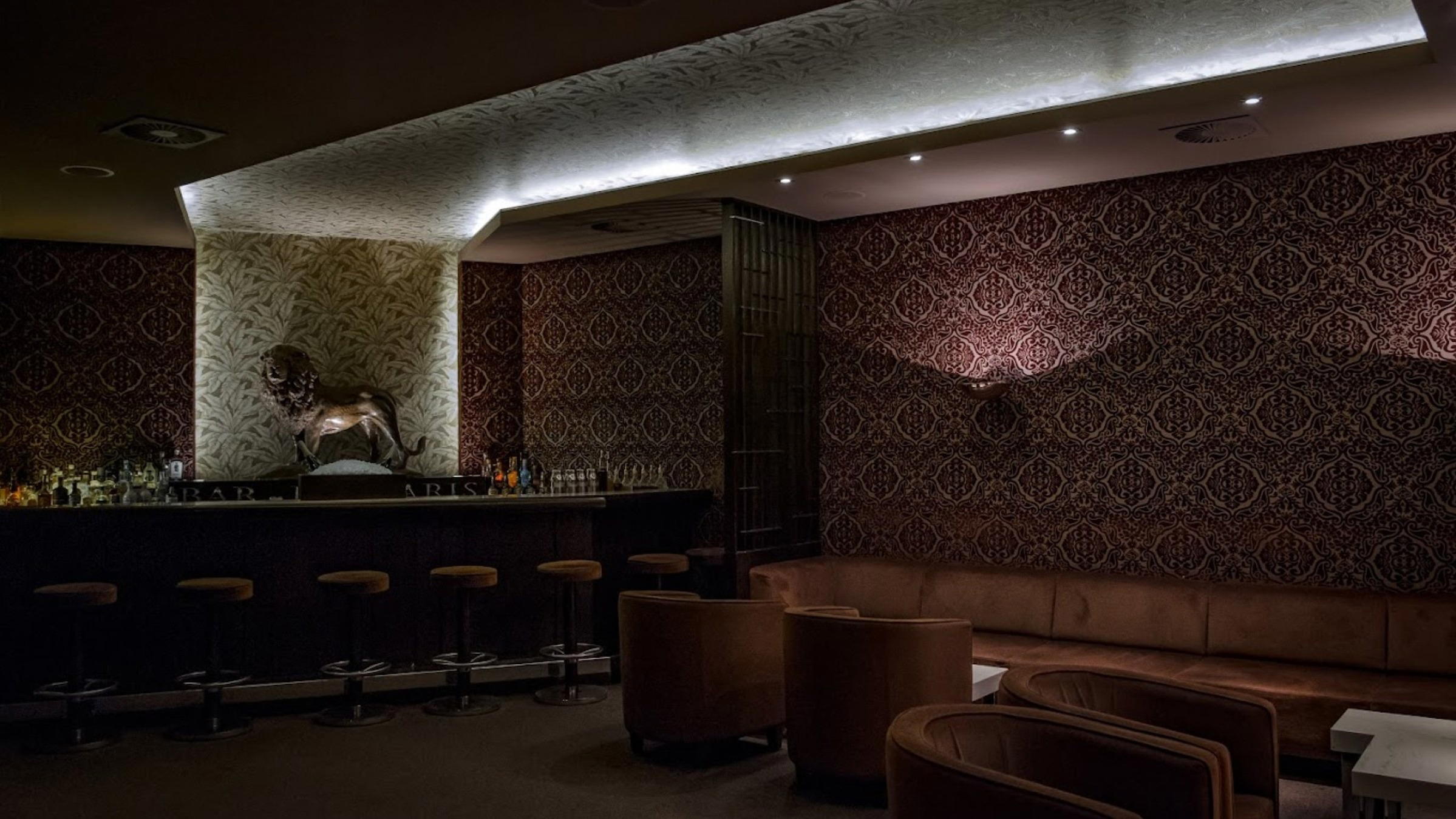
Relaxed, casual, and energetic atmosphere with a local punky vibe; often busy and crowded, especially on weekends, with a welcoming environment for both vegans and omnivores.